Holstein cows graze in a pasture just uphill from one of the finest Renoir collections in the world. That pairing alone made me stop and read twice.
The museum sits on about 140 green acres in western Massachusetts. Trails loop past outdoor sculptures, a calm reflecting pool, and wide meadow views.
Inside, Monet, Winslow Homer, and George Inness hang close enough to study every brushstroke.
I like how easy it is to mix both worlds in one afternoon. You can admire French Impressionists, then wander outside and wave at the cows.
The outdoor paths make a great low-cost stroll, even for a dog.
I can’t imagine a better excuse for a fall drive into the hills. So how does a world-class painting stash end up next to a cow field?
A World-Class Museum Hiding in the Berkshire Hills
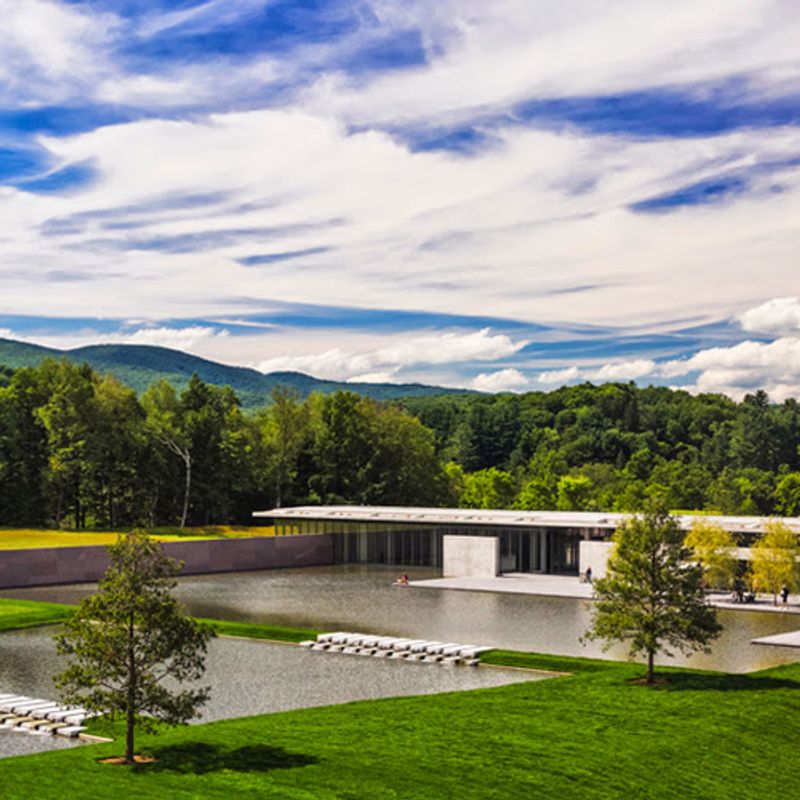
Massachusetts has plenty of museums, but few come with their own pasture. The Clark Art Institute sits in Williamstown, deep in the Berkshires, on roughly 140 lush acres.
Inside, the focus lands on 19th-century American and European paintings. You’ll also find silver, decorative arts, sculpture, and older works stretching back to the Renaissance.
Outside, the scene shifts completely. Walking trails climb through open fields, past modern sculptures and grazing Holstein cows.
That blend is what makes the place memorable. Few spots let you study a famous painting and then stroll a meadow trail ten minutes later.
The museum is privately run, yet it feels welcoming rather than stuffy. Many visitors call it one of the most underappreciated art museums in New England.
It also rewards people who live close by. Western Massachusetts residents can treat it as a repeat outing, not a once-in-a-lifetime trip.
Changing exhibitions keep things fresh from season to season. Past shows have included work by Edvard Munch, which drew plenty of attention.
Big plans are underway too. A new wing is planned to house a recently donated collection of about 330 pieces, so the Clark keeps growing.
Renoir Rooms That Stop You in Your Tracks
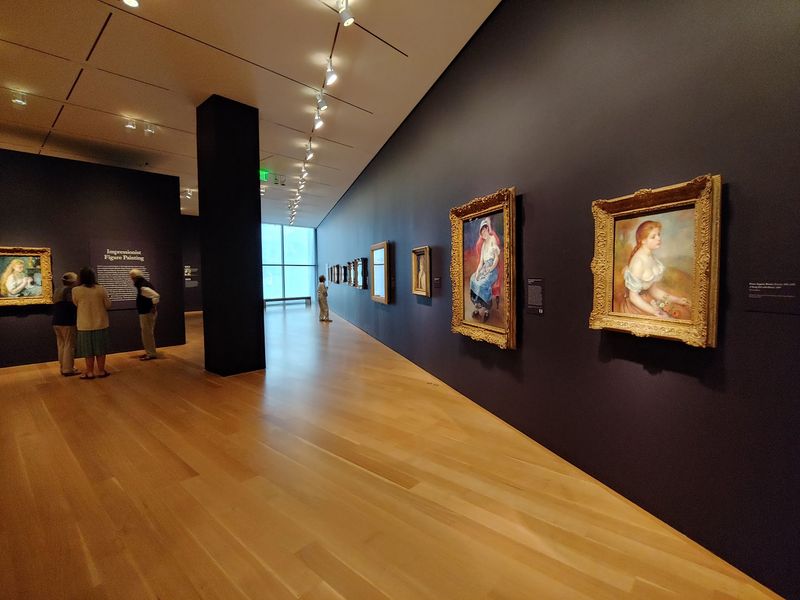
Renoir fans, brace yourselves. The Clark holds one of the finest collections of his paintings anywhere on the planet.
That’s a bold claim for a museum in a small Berkshire town. Yet the walls back it up, room after room.
His soft faces, glowing skin tones, and bright flowers fill the galleries with warmth. Seeing them in person makes a real difference compared to a phone screen.
Color is the big surprise. Printed copies flatten the shimmer that Renoir layered into every canvas.
Renoir is easily the most talked-about name here. Impressionist paintings in general come up constantly among people who leave this place happy.
The gallery spaces feel inviting and warm. Lighting and layout give each painting enough breathing room to be appreciated slowly.
Labels help too. The write-ups beside the paintings often share more than a title and date, adding stories and context.
Plan to linger in these rooms longer than you expect. With Renoirs this good, rushing feels almost rude, and nobody will hurry you along.
Monet, Homer, and Inness Sharing the Spotlight
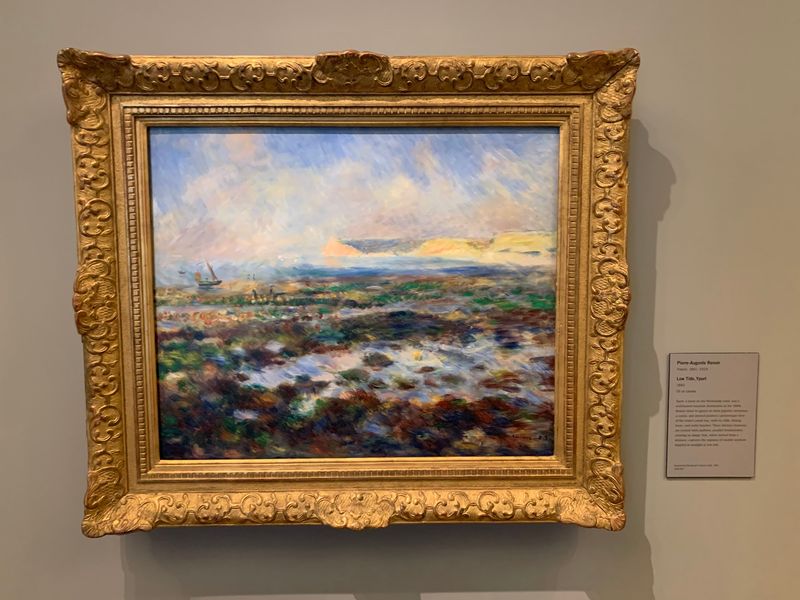
Renoir may headline, but the supporting cast is stacked. Claude Monet, Winslow Homer, and George Inness all show up in the permanent collection.
Monet’s poppy field painting earns special praise. Those red dots of flowers practically hum against the green.
George Inness deserves a slow look as well. His painting Home at Montclair has moved at least one visitor to tears.
Winslow Homer brings a sturdy American voice to the mix. His work sits comfortably near the French masters without feeling out of place.
The collection leans mostly toward American and French artists of the late 1800s and early 1900s. British works from similar periods appear too.
Don’t skip the older rooms. European art from the 15th century onward fills out the story, including Italian Renaissance pieces.
Silver, sculpture, and decorative arts round out the experience. It’s a varied mix of 2D and 3D art across many eras.
The good news? The collection is not overwhelming in size.
You can actually spend time with each piece instead of sprinting past masterpieces.
Sharp Modern Architecture Meets Rolling Hills
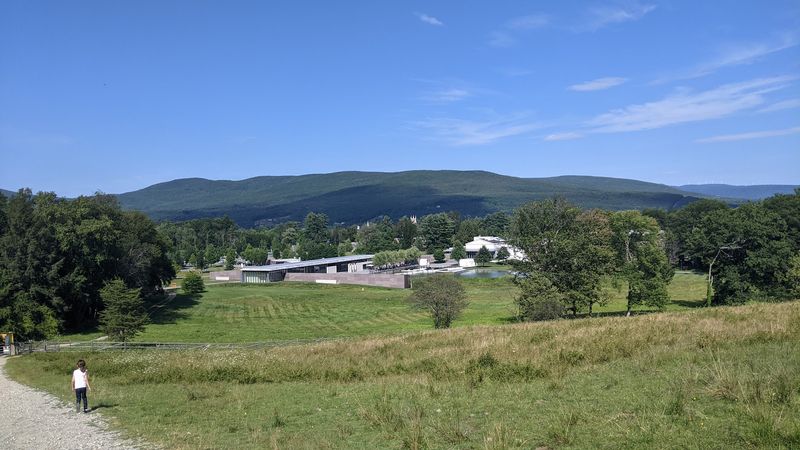
Long, crisp lines define the main buildings. They stretch across the land in a way that echoes the rolling Berkshire hills beyond.
Modern design wraps around a collection of much older art. The contrast actually works, letting the paintings feel fresh inside clean spaces.
Natural light pours through parts of the building. On sunny days, it gives the galleries a calm and airy glow.
Not everyone loves the bold exterior, though. Some find the large concrete forms outside puzzling at first.
Once inside, that feeling tends to soften. The warm galleries invite quiet focus and peaceful contemplation.
The campus spreads across more than one building. One collection sits in a separate building reached by shuttle bus, so factor that into your plans.
Getting around is easier than it sounds. Elevators connect the floors, and carts are available to carry visitors across the wide campus.
Fans of design will find plenty to admire. Even architecture skeptics usually agree the buildings frame the landscape beautifully.
Calm Water at the Reflecting Pool
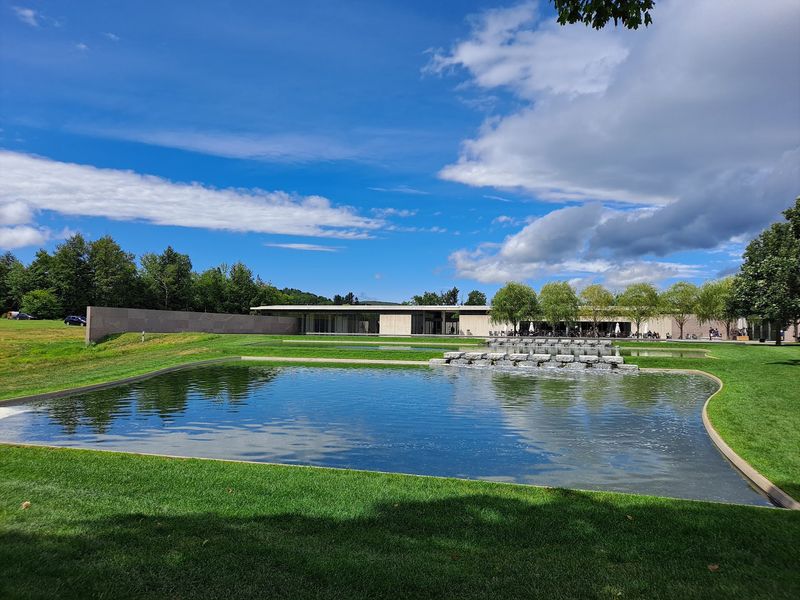
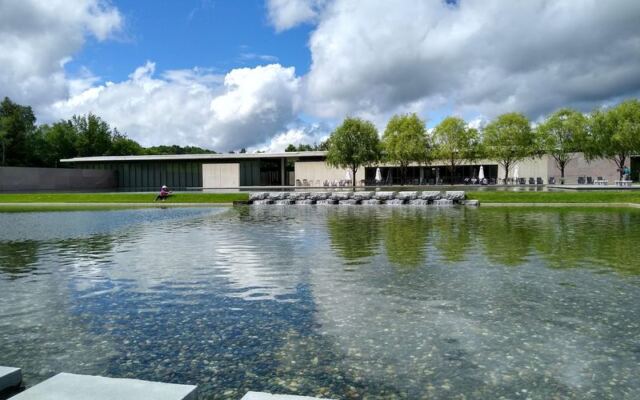
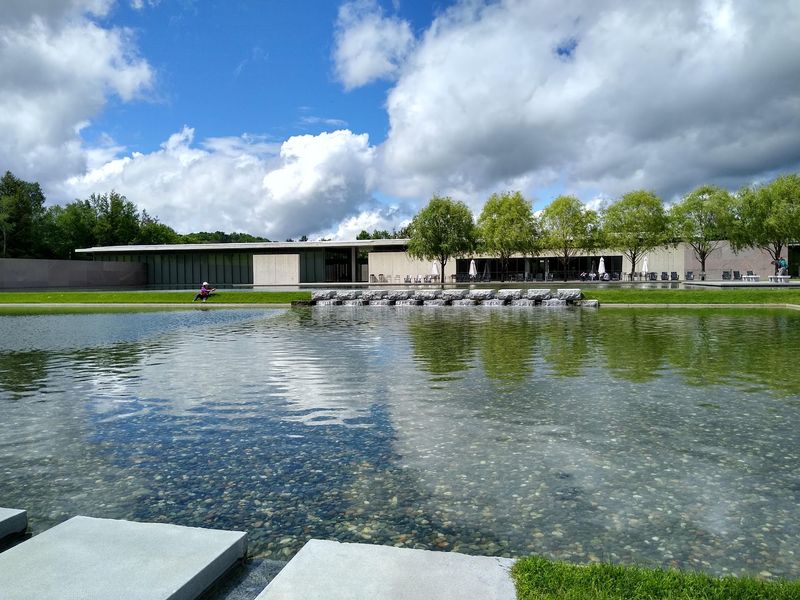
Need a breather after all that art? The reflecting pool outside the Clark Center is the spot.
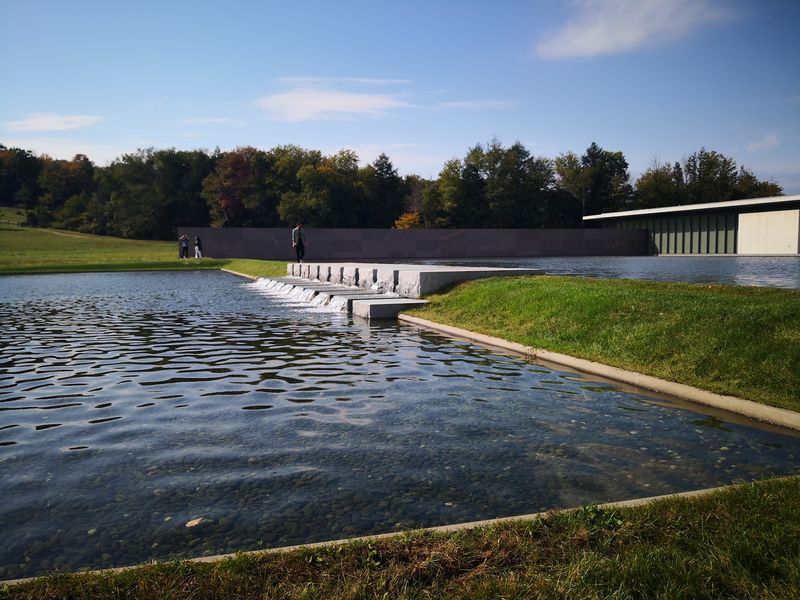
Shallow, tiered water stretches beside the buildings. It mirrors the sky and gives the whole campus a peaceful center.
Shade nearby makes it easy to relax on a warm afternoon. Many people loop back here at the end of a walk to rest.
The outdoor areas also suit a coffee or snack. Sitting by the water lets you soak up the quiet energy of the grounds.
The reflecting pool is one of the most mentioned outdoor features. It’s simple, but it sets the mood for everything around it.
Dog owners, take note. The outdoor spaces are known as super dog friendly, so your pup can join the stroll.
Fall adds extra drama. Turning leaves on surrounding trees can double their color in the still water.
Bring a camera or just your eyes. Either way, this corner of Massachusetts makes slowing down feel easy and natural.
Meadow Trails Where the Cows Say Hello
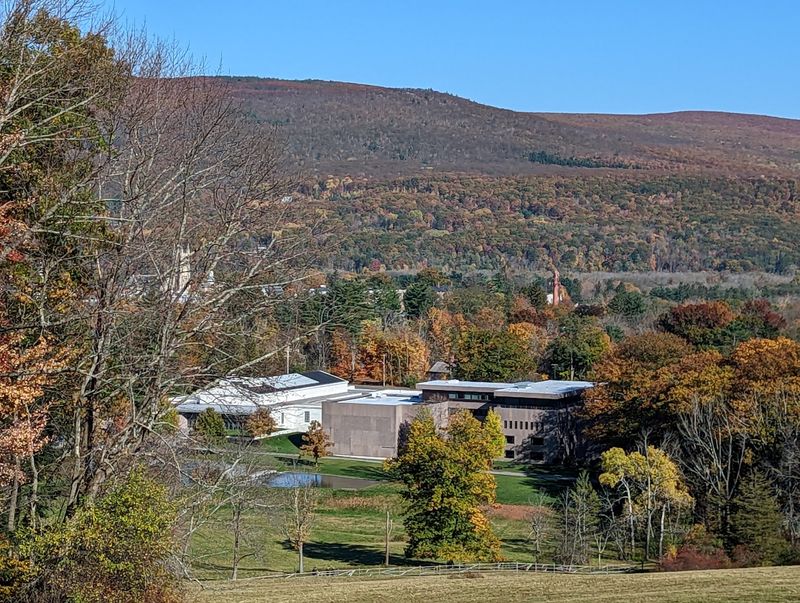
Holstein cows make surprisingly good museum neighbors. The trails behind the Clark meander right through their fields.
Views open wide as the paths climb. Rolling hills, open sky, and grazing cattle replace gallery walls.
Trails come in several levels. Some suit casual walkers, while others give hikers more of a workout.
The Nan path is a nice starter option. It has no steps and takes about 10 to 15 minutes.
A Woodland trail connects from there. Trail sections can close at times, so check conditions before you set out.
The best part for budget fans? Strolling the grounds makes a low-cost outing, perfect for a quick escape close to home.
A popular loop runs about a mile. You can climb to a sculpture, greet the cows, visit the second building, and return to the pools.
Wear comfy shoes and maybe pack a light jacket. Berkshire weather can shift, and you’ll want to keep wandering.
Sculptures Popping Up Along the Ground/work Paths
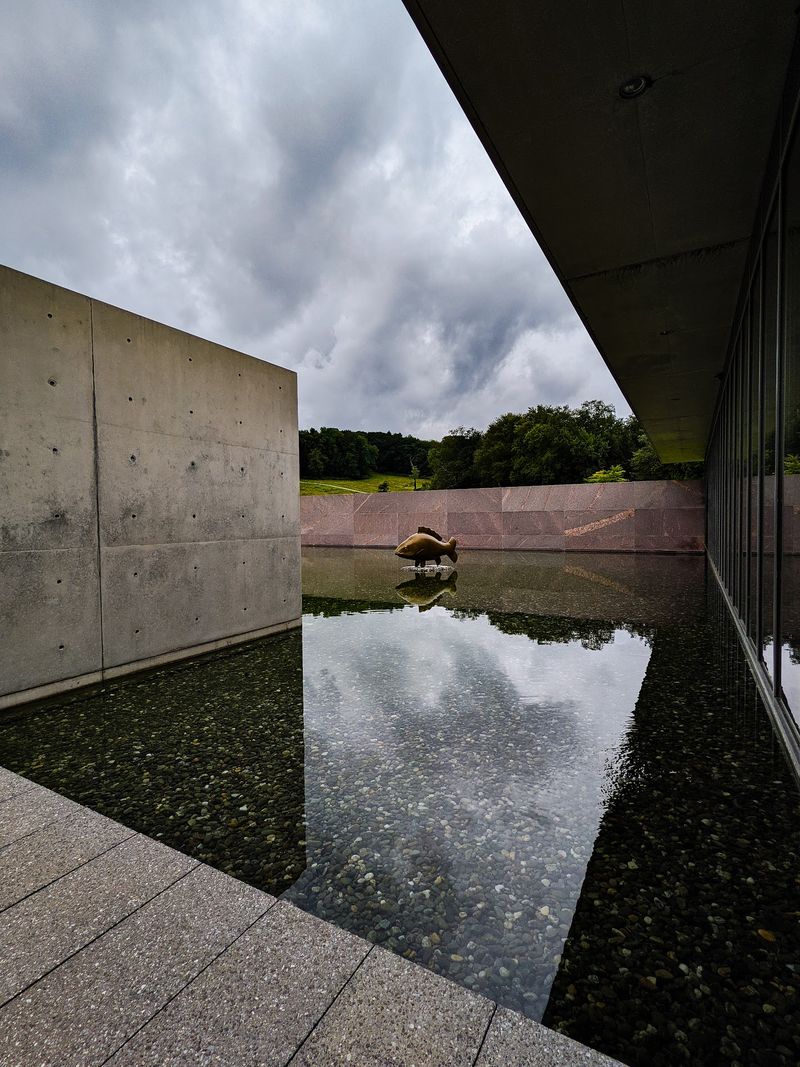
Art doesn’t stop at the museum doors. Modern sculptures appear along the trails as part of the Ground/work collection.
Each piece sits in the open landscape. Fields, trees, and sky become part of the artwork itself.
Spotting them feels a bit like a treasure hunt. One sculpture waits up the hill, rewarding anyone who makes the climb.
Hiking behind the museum to find these works is a favorite activity. Pairing exercise with art is a pretty great deal.
Kids may enjoy this part most. Searching for big outdoor shapes beats standing quietly in a gallery.
The sculptures also change how you see the land. A familiar meadow suddenly looks like a carefully planned stage.
Outdoor sculpture is less talked about than the Renoirs. That makes it a fun discovery for anyone who assumed the Clark was all paintings.
Give yourself time out here. The walk, the views, and the art together create a different kind of museum day.
Fish Tacos, Mini Prints, and Other Happy Extras

Hunger hits hard after miles of art and trails. Luckily, the on-site cafe offers lunch foods, snacks, and beverages.
The fish tacos get a specific shoutout. The cafe has rescued more than one hungry group on a rainy day.
Staff earn steady praise across the campus. Friendly, helpful, and kind are words that come up often.
Then there’s the gift shop. It’s color coordinated, which makes browsing oddly satisfying.
A mini print machine adds a playful twist. The Clark has commissioned custom prints, and small-print collectors love it.
Little conveniences matter too. Restrooms are plentiful, and the facility stays clean and spacious.
Driving an electric car? Free EV charging has been available on site, a handy perk for a Berkshires road trip.
Accessibility shows real care. The museum is handicap accessible, with elevators and carts helping everyone enjoy the visit.
Hours, Free Sundays, and Getting There
Timing your trip is simple. The Clark is open Tuesday through Sunday from 10 AM to 5 PM.
Mondays are closed, so plan around that. A weekday visit can feel quieter and more relaxed.
Budget travelers have options. Free admission has been offered on the first Sunday of the month from October through May.
Members of the NARM reciprocal program may also get in at no cost. Check current details before you go.
You’ll find the museum at 225 South St, Williamstown, MA 01267. It sits in the northwest corner of Massachusetts, deep in the Berkshires.
Plan for at least two hours inside. If you want to see everything, including trails and the shuttle building, set aside most of a day.
The layout makes visits efficient. Galleries flow logically, so you won’t waste time doubling back.
Fall makes the drive especially rewarding. Foliage along Berkshire roads turns the journey into part of the fun.
Why This Berkshires Stop Earns a Return Trip
Some families come back every other year for decades. That kind of loyalty says plenty about the Clark Art Institute.
New exhibits keep each visit feeling fresh. Even familiar galleries seem different when paired with a new special show.
Art lovers get Renoir, Monet, and Inness up close. Nature lovers get meadows, sculptures, and cows.
Families, couples, and solo wanderers all fit right in. There’s truly something here for every age.
Rainy days work too. The galleries and cafe make a cozy backup plan when the trails get soggy.
Massachusetts residents have a real advantage. A world-class collection sits within an easy day trip for much of the state.
Comparisons to the Louvre and Musee d’Orsay pop up now and then. That’s high praise for a museum surrounded by Berkshire farmland.
So grab a friend and a pair of walking shoes. Between masterpieces and meadows, you’ll likely start planning your next visit before you leave.
Share this story