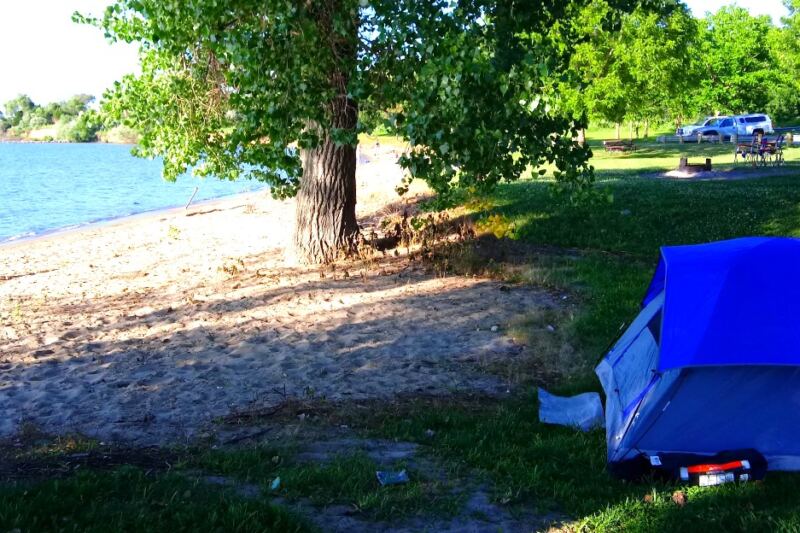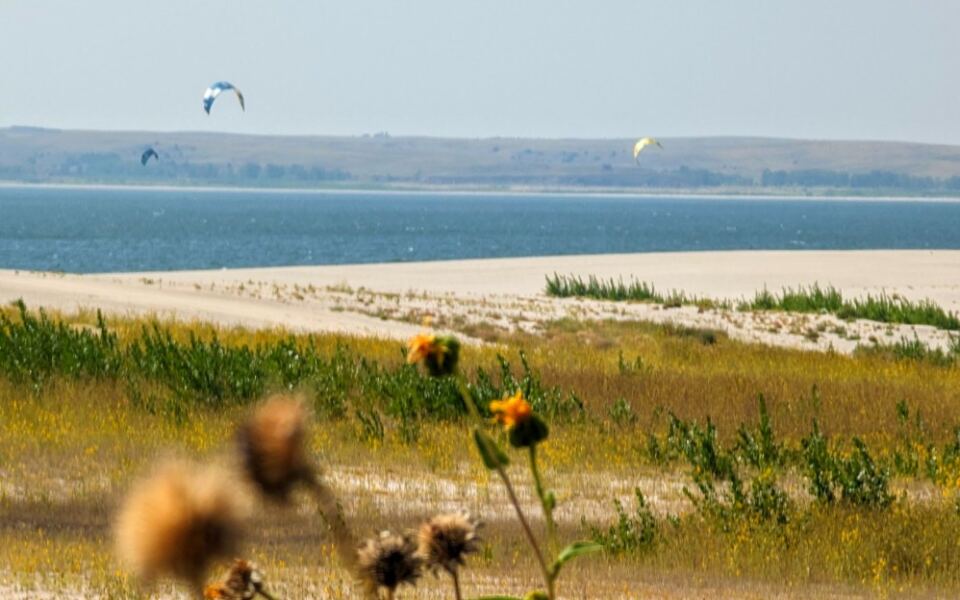
Nebraska has a lake with miles of white sand beaches where visitors can camp just steps from the water. Lake McConaughy, near Ogallala, is the state’s largest reservoir and one of its most popular summer destinations.
Stretching roughly 20 miles when full, the lake offers swimming, fishing, boating, and designated beach camping areas where vehicles are permitted. Its wide-open shoreline also makes it a favorite place to watch the sunset.
But visiting Lake Mac takes a little planning. Water levels can change dramatically, affecting beach access, campsites, and boat launches.
Knowing where to go and what to expect can make a big difference.
An Inland Beach on the Nebraska Plains
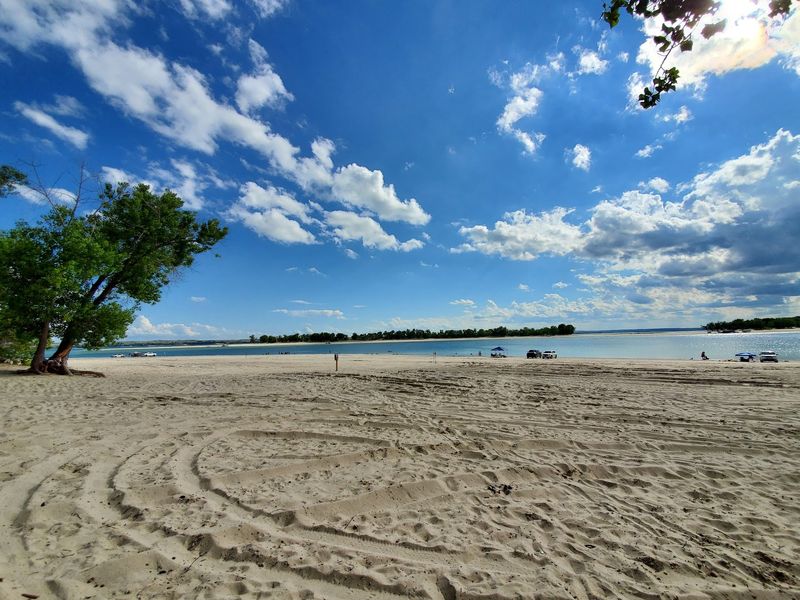
Lake McConaughy State Recreation Area sits at 1475 NE-61 in Ogallala, Nebraska. Most folks simply call it Lake Mac.
It is the biggest lake in the state, and it feels much larger than people expect.
The reservoir was created by Kingsley Dam on the North Platte River. The dam was finished in the early 1940s to store water for farms and power.
Over time, the lake also became a favorite place to play.
What surprises first-time visitors is the sand. Wide, soft beaches ring much of the shoreline.
Many people say it feels more like a seaside trip than a stop in farm country.
The park stays open all year, even through winter. Park staff plow some areas when snow falls.
That means you can visit in any season, though summer is the busiest time by far.
Getting here is easy from Interstate 80 near Ogallala. Just check which side of the lake your campsite is on before you go.
The lake is big enough that driving around it takes a while, and your GPS may send you to the wrong shore.
Driving Right Onto the Sand
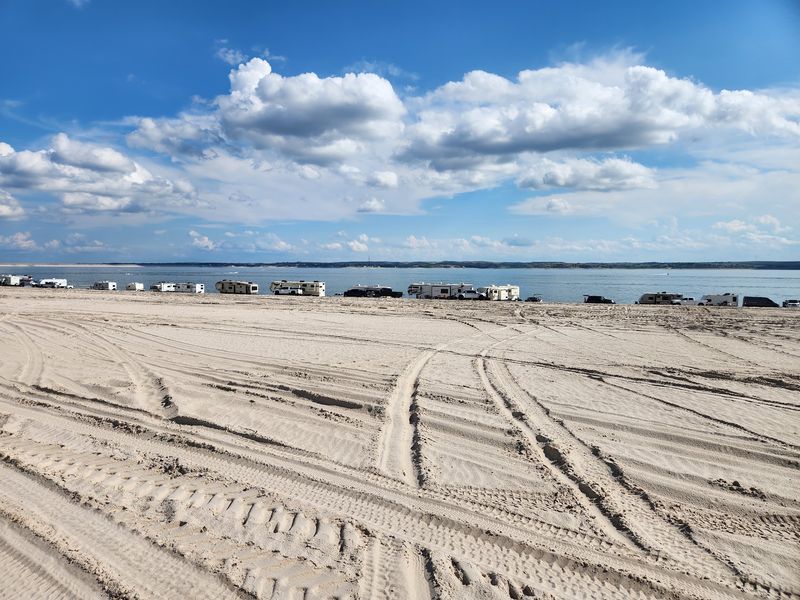
Few lakes let you park your camper a short walk from the waves. At Lake Mac, that is part of the fun.
Many beach areas allow vehicles to drive onto the sand and camp right there.
You can reserve a primitive spot within designated beach areas. Once inside your area, you often get to pick where to set up.
Some people choose the water’s edge, while others prefer shade up near the trees.
Loose sand can be tricky, though. Big campers and trailers sometimes sink or get stuck.
Local towing services can help pull heavy rigs down to the beach and back out again.
A four-wheel-drive vehicle makes life easier here. Lowering tire pressure a bit can help too.
Go slow, avoid sharp turns, and stay out of soft spots near the water line.
Restrooms may be farther away when you camp out on the beach. Plan for that before you settle in.
Bringing extra water, shade, and a good trash plan will make your stay smoother for you and your neighbors.
Boats, Jet Skis, and Paddleboards
Open water stretches for miles, and boaters love that freedom. Lake Mac has plenty of room for motorboats, pontoons, sailboats, and personal watercraft.
On a summer weekend, the lake buzzes with activity.
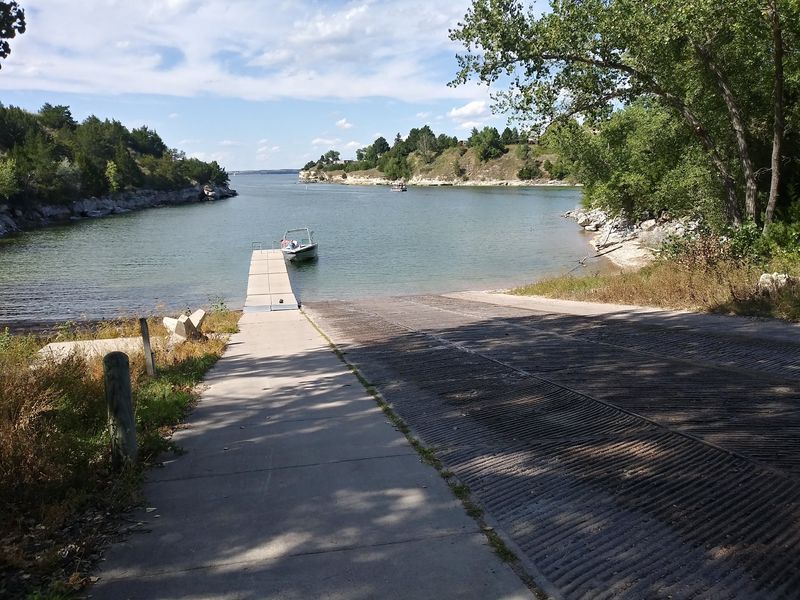
Boat ramps are spread around the shoreline. Water levels change, so some ramps may be closed in dry years.
Checking current ramp conditions with the park before you tow your boat can save you a frustrating drive.
Jet skiing is a big draw here. Still, safety matters a lot.
Keep a good distance from swimmers and beach areas, since boats and skis share the same open water.
Paddleboarders and kayakers can enjoy calm mornings before the wind picks up. Low water can uncover stumps and debris, so watch the surface closely.
A slow first lap helps you spot hazards.
Wind is the big thing to watch. Afternoon gusts can whip the lake into choppy waves fast.
Many boaters head out early and come back in before the weather turns rough, which leaves the evening open for something prettier.
Evenings Painted in Orange and Pink
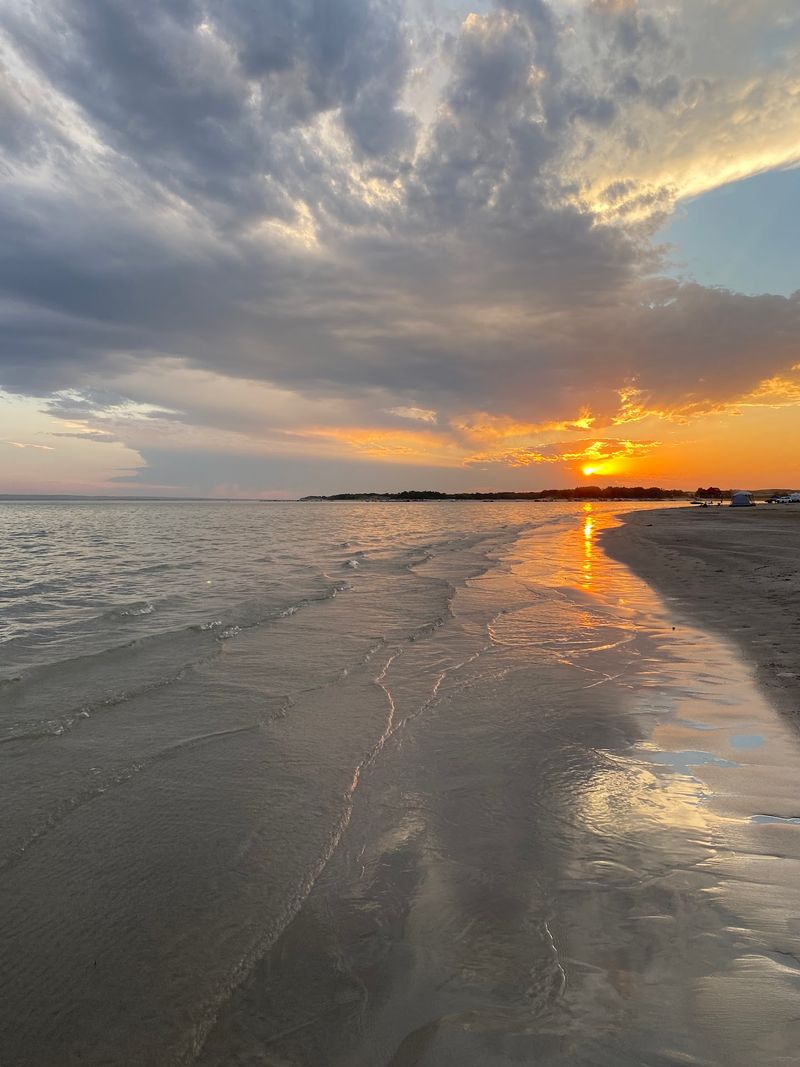
Sunset might be the most loved hour at Lake Mac. The sky is wide and flat, with few hills or buildings to block the view.
As the sun drops, the water reflects every shade of color.
Western Nebraska has a big, open horizon. That is a huge reason the evenings look so bold here.
Clouds from passing storms can add even deeper reds and purples.
Beach campers have front-row seats. You can set up a chair at your site and simply watch.
No long walk or special lookout is needed.
For a different view, try sunrise at Lake Ogallala, just below the dam. Early risers get calm water and soft morning light.
It makes a nice pairing with an evening on the big lake.
After dark, look up. With little city light nearby, stars can shine bright on clear nights.
Bring a blanket and a flashlight, and keep an eye on the weather, because summer storms can roll in quickly across the plains.
Swimming Where the Water Slopes Gently
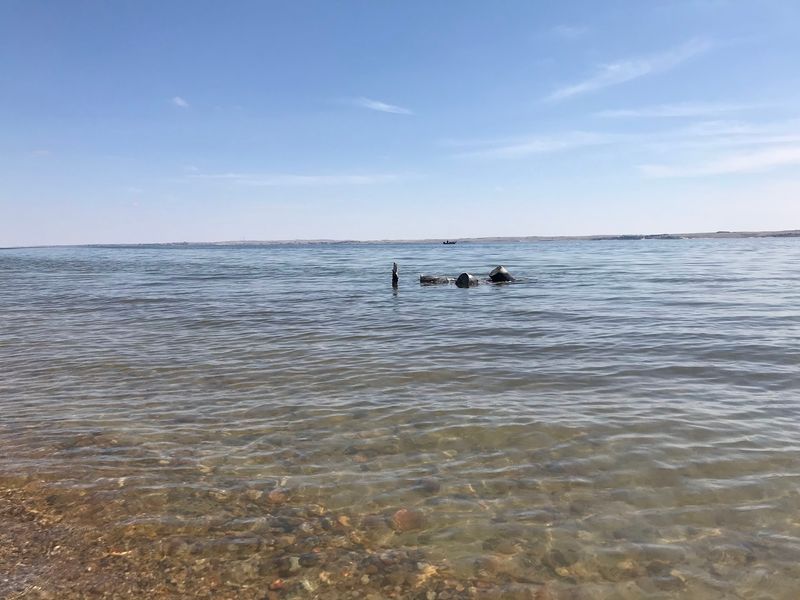
Kids tend to run straight for the water, and Lake Mac makes that easy. Many beaches have a gradual slope.
You can wade in slowly instead of dropping off right away.
By mid-summer, the water often feels warm. That makes long swim days comfortable for families.
The soft, fine sand under your feet adds to the beach feeling.
There are no lifeguards on these wide beaches, so stay alert. Keep little ones close and consider life jackets for weak swimmers.
Wind can also build waves faster than you might expect.
Fine sand gets everywhere. Pack a few extra towels, a small brush, and a bag for wet gear.
Your car and tent will thank you later.
Sun protection matters out here. Shade is limited on many beaches, so bring a canopy or umbrella.
Sunscreen, hats, and plenty of drinking water will help everyone last through a full afternoon. Some summers bring biting flies, too, so a bit of bug spray in your beach bag is a smart move.
Fishing a Lake Built for Big Catches
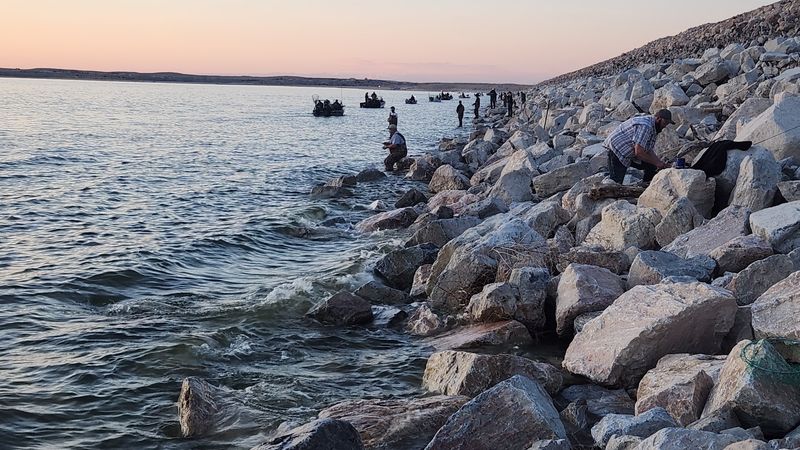
Anglers have been chasing fish at Lake Mac for generations. The lake supports walleye, white bass, wiper, and catfish, along with several kinds of trout.
That variety keeps people coming back season after season.
Shore fishing is popular, and you don’t need a fancy boat. Rocky areas near the dam and quiet coves can be good places to try.
Early morning and evening often feel calmer for casting.
Boat anglers can cover more ground on the open water. Still, wind can make drifting and steering hard.
Plan your trip around the forecast whenever you can.
A valid Nebraska fishing license is required for most anglers. Rules on size and limits can change.
Check the latest regulations from Nebraska Game and Parks before you head out.
Winter can bring a different kind of fishing below the dam at Lake Ogallala. That smaller lake is known for trout.
It gives anglers a reason to visit even when the big beaches are quiet, which leads nicely into what camping looks like beyond the sand.
Campgrounds With Hookups and Elbow Room
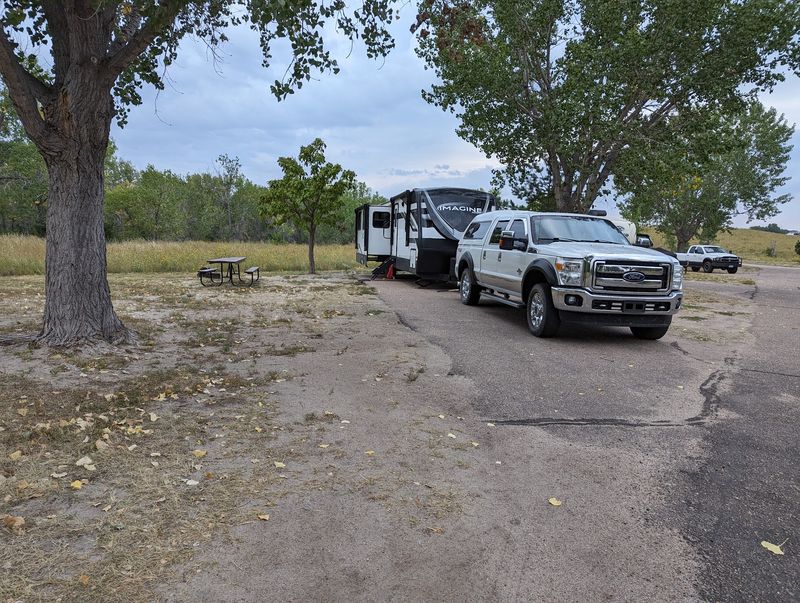
Not everyone wants sand in their sleeping bag. Good news: Lake Mac also has developed campgrounds.
Many offer electric hookups, water, and paved or grassy pads.
Some sites have trails that lead down to the lake. That gives you the comfort of a campground with easy water access.
A few paths can be steep, so wagons and strollers may need extra care.
Shower houses are available in some areas. They use a token system, so bring small bills or coins.
A change machine is usually nearby, but having cash on hand avoids headaches.
Reservations are smart, especially for summer weekends and holidays. Popular spots fill up fast.
Booking early gives you the best choice of location.
Fire rings let you end the day with a campfire, when conditions allow. Watch for fire bans during dry, windy weather.
And be ready for nighttime company, since toads and frogs often hop around campgrounds at dusk. Kids tend to treat counting them like a sport.
Kingsley Dam and the Story Behind the Lake
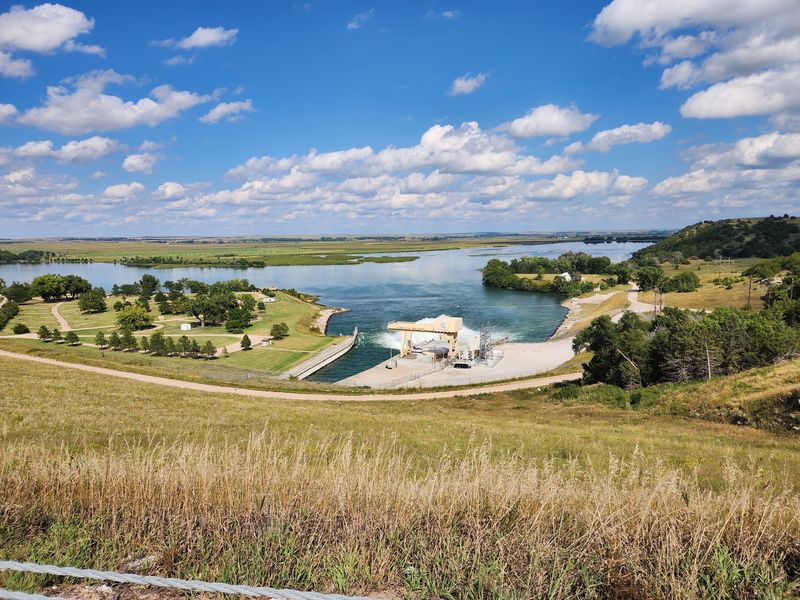
Kingsley Dam is one of the largest earthen dams in the country. It stands about 162 feet tall and stretches over three miles long.
Driving across it gives you a real sense of its size.
Work on the dam began in the 1930s. It was finished in 1941, and the lake slowly filled behind it.
The project was meant to help farms and produce power.
The lake is named after C.W. McConaughy, an Ogallala businessman.
He pushed hard for the irrigation project. Today his name is tied to one of Nebraska’s favorite summer spots.
Near the dam, you can see a striking difference. The big lake sits high on one side, while smaller Lake Ogallala sits below.
Many visitors stop here for photos.
A visitor center near the dam shares exhibits about the lake and local wildlife. It is a good first stop for new visitors.
You can learn the history, ask questions, and get current tips about conditions before heading out.
Wildlife and Quiet Winter Days
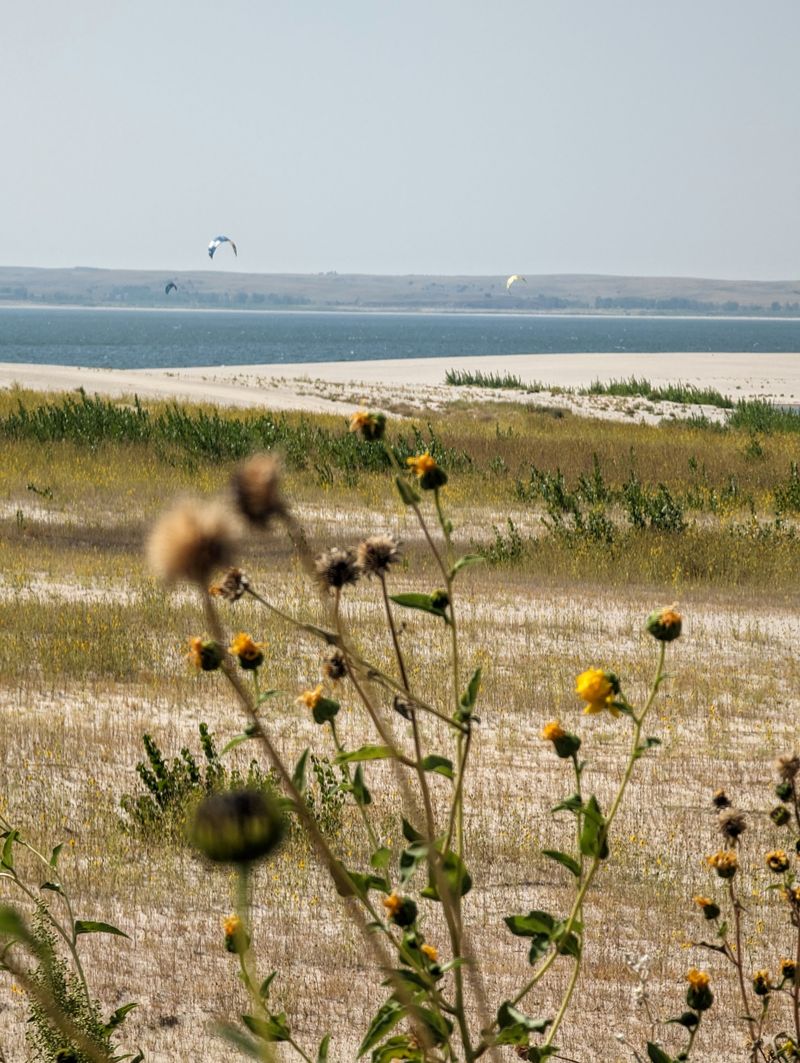
Summer crowds fade, and a quieter side of Lake Mac appears. The area includes a wildlife management area, so birds and other animals have room to roam.
Patient visitors can see plenty.
Bird watchers come for waterfowl, pelicans, and shorebirds. In colder months, bald eagles are often spotted near open water below the dam.
Binoculars are a must.
The park stays open year-round. Winter campers should prepare for snow and cold winds.
Staff plow some areas, but storms can still leave you stuck for a while.
Fall and spring bring cooler days and fewer people. These seasons are nice for walks, fishing, and photography.
You may have big stretches of beach mostly to yourself.
Off-season trips can also mean fewer fees and services. Some restrooms and facilities may close.
Call ahead or check the park’s updates, then pack warm layers, a thermos, and a camera for those crisp, wide-open views. Water levels deserve a check too, and that topic matters any time of year.
Smart Tips Before You Pack the Car
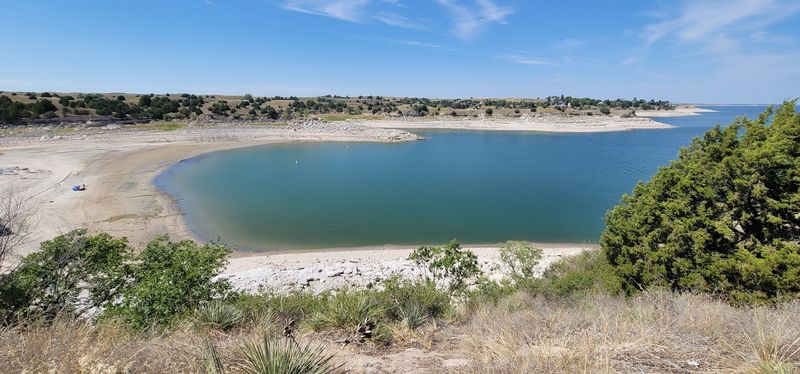
Water levels at Lake Mac rise and fall with snow, rain, and irrigation demand. Some years the lake is fairly full.
In dry years, it can drop a lot, exposing stumps and wider beaches.
Low water changes your trip. Some boat ramps may close, and hazards can appear near the surface.
Checking current lake levels before you go helps set the right expectations.
Wind is another big factor. Evenings often bring strong gusts and sudden storms.
Stake tents firmly, or consider a camper if you want a calmer night’s sleep.
Summer weekends can get loud and crowded in some beach areas. If you want peace, try weekdays or less busy spots.
Respecting quiet hours keeps things friendly for everyone.
Please pack out your trash. Bags, bottles, and food scraps quickly pile up on a busy beach.
Leaving your site clean protects the sand, the water, and the wildlife. With a little planning, a stay at this giant Nebraska lake can be relaxed, sunny, and full of golden evening light.
Share this story