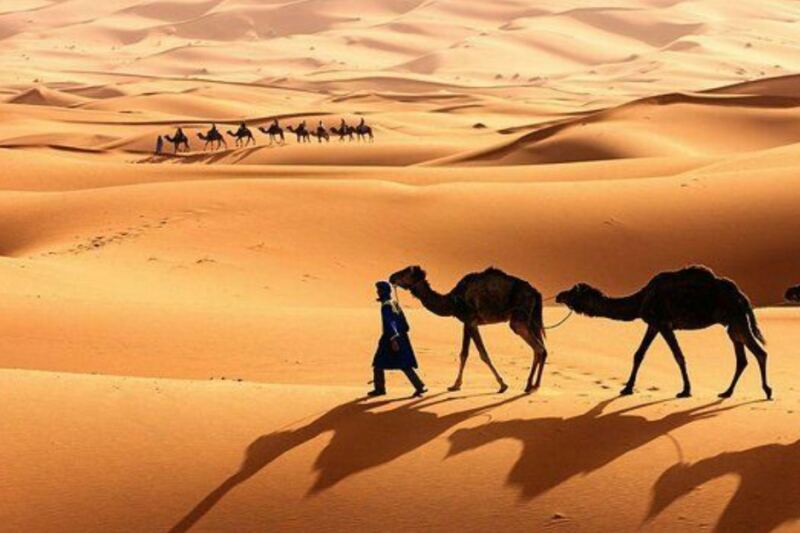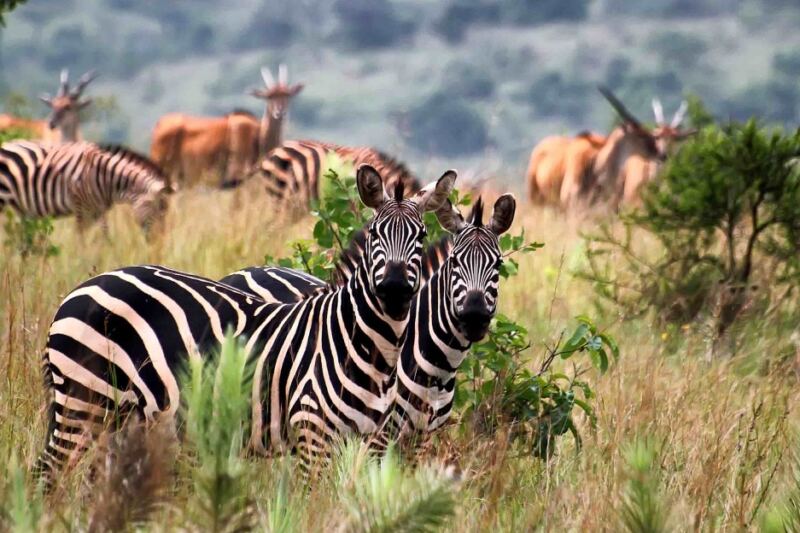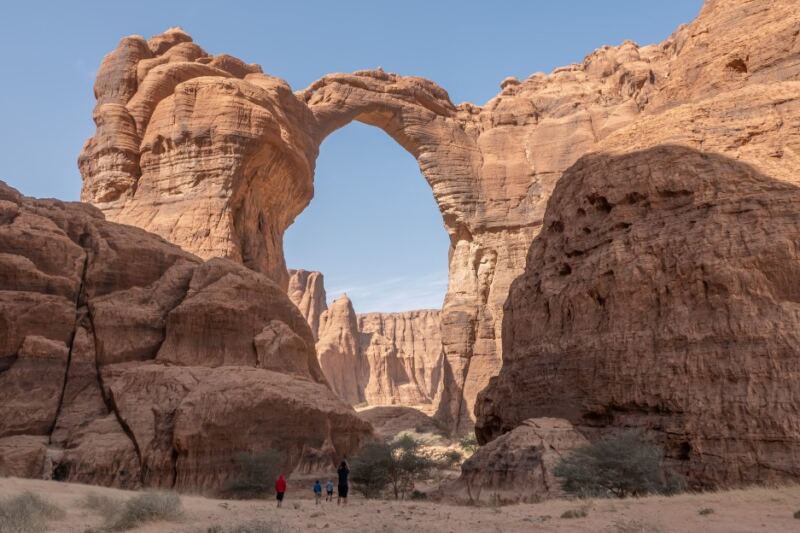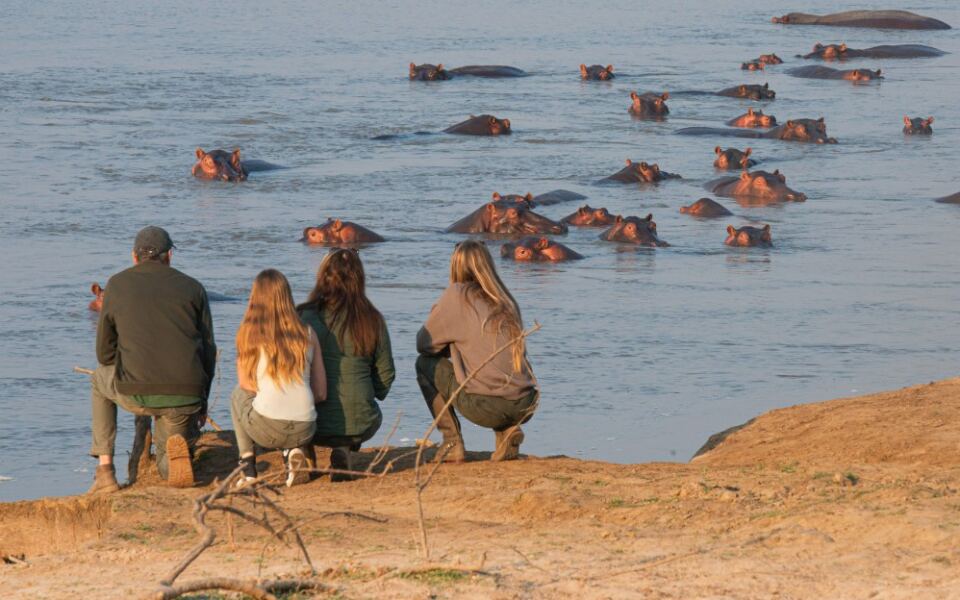
Africa is home to some of the most remarkable animals on Earth, and seeing them in their natural habitats can change how you think about the wild. From vast grasslands to misty mountain forests, each destination offers a different kind of encounter.
This list covers fifteen places where travelers can watch wildlife in meaningful and memorable ways. Read on to learn what each place offers and what to expect.
1. Serengeti National Park, Tanzania: The Great Migration
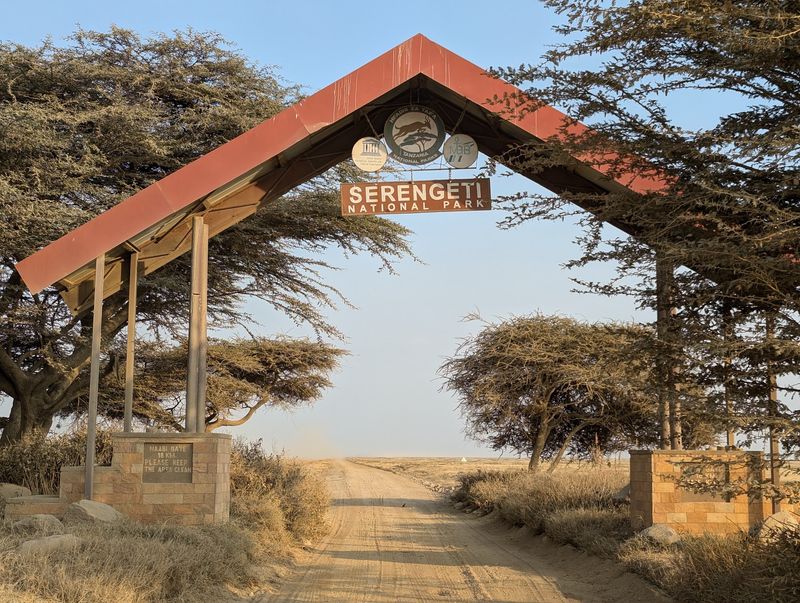
Every year, more than a million wildebeest and hundreds of thousands of zebras and gazelles travel in a giant loop through the Serengeti ecosystem. They follow the rains and fresh grass, and the journey covers roughly 800 kilometers.
Timing matters if you want to see specific moments. Calving season usually runs from January to March in the southern plains, when thousands of babies are born within weeks.
Predators such as lions and cheetahs gather nearby, so the action is constant.
The herds move north toward Kenya between June and October, and the exact dates shift with the weather. Because the animals are always on the move, many visitors choose a mobile camp or a lodge that changes location with the season.
Plan to spend at least four days here. A longer stay gives you a better chance of finding the herds and watching the full story of the migration unfold.
2. Maasai Mara National Reserve, Kenya: Wildebeest River Crossings
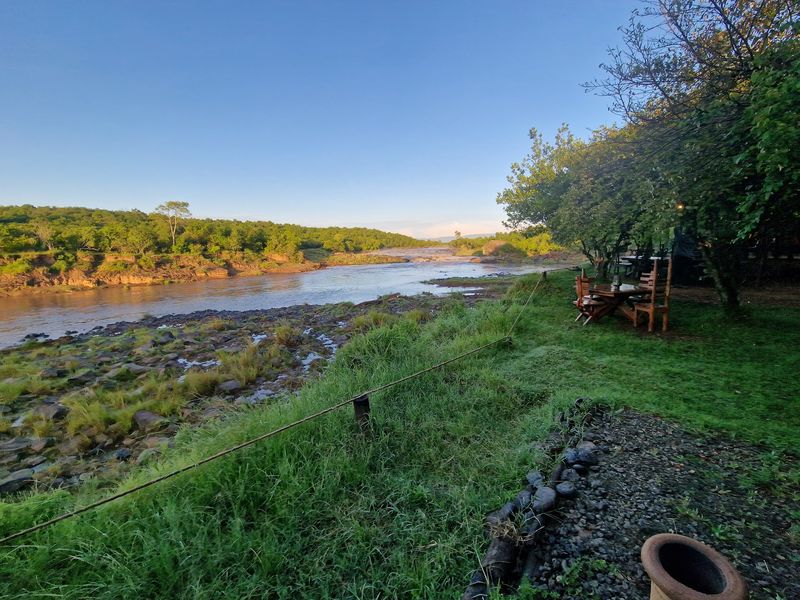
Picture a herd standing at the edge of a muddy riverbank, nobody willing to go first. Then one animal jumps, and suddenly thousands follow.
This is the famous Mara River crossing, and it is one of the most dramatic scenes in nature.
The crossings usually happen between July and October. Crocodiles wait in the water, and the current can be strong, so not every animal makes it.
Watching this scene teaches you quickly how tough life on the plains can be.
Patience is the key skill here. Herds can gather for hours or even days before they cross, and guides often position vehicles early at known crossing points.
Pack snacks, water, and a good hat.
Outside the crossing season, the Mara still offers lions, elephants, and giraffes. Local Maasai guides also share valuable knowledge about the land and its wildlife.
3. Volcanoes National Park, Rwanda: Mountain Gorillas
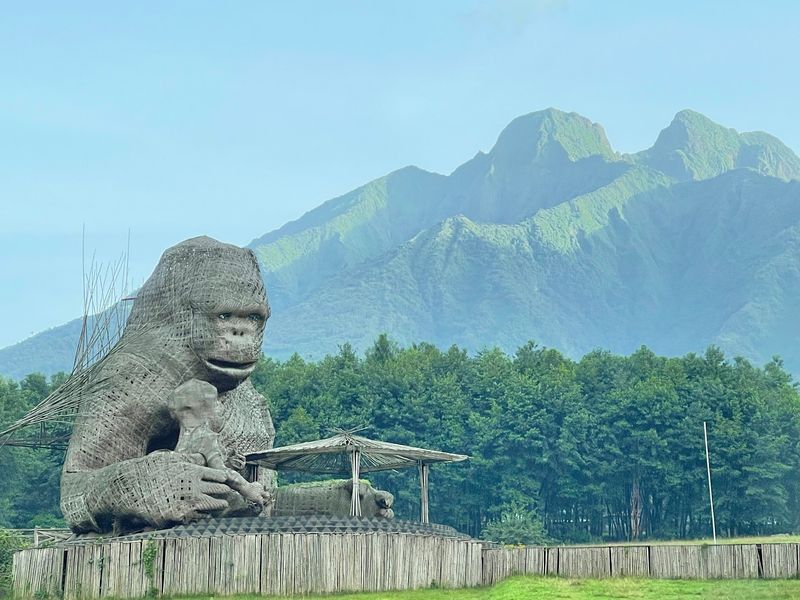
Hiking through bamboo forest and thick mist, you might hear the gorillas before you see them. Then the leaves part, and a huge silverback is chewing calmly just a few meters away.
Moments like this are hard to forget.
Rwanda limits visitors to small groups, and each group spends one hour with a gorilla family. Permits are costly, but the fees help pay for conservation and support nearby communities.
Mountain gorilla numbers have slowly grown thanks to this careful approach.
Treks can last from one hour to several, depending on where the gorillas moved overnight. Wear sturdy boots, long sleeves, and gloves for grabbing plants.
Visitors must keep a safe distance and stay home if they feel sick, since gorillas can catch human illnesses. Book your permit months ahead.
4. Kibale National Park, Uganda: Chimpanzees
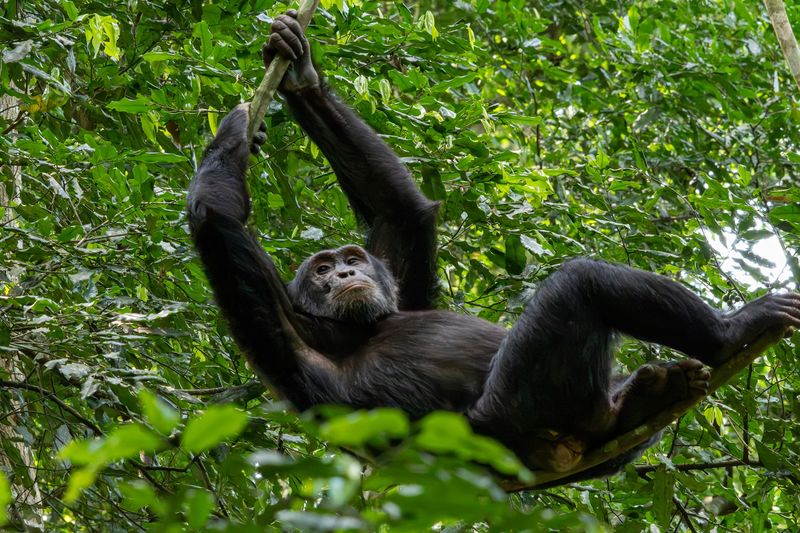
Chimpanzees are loud, curious, and surprisingly human in their behavior. In Kibale, you can follow a trained guide into the rainforest and watch them groom, play, and squabble over fruit.
Kibale is often called the primate capital of the world because it hosts about a dozen primate species.
Chimpanzee tracking usually starts early in the morning, when the animals are most active. Many groups are used to humans, so you can often get close enough for clear photos.
Expect muddy trails and sticky air, so waterproof shoes help.
For a deeper experience, try the habituation program. It lets you spend a full day with a group still learning to accept people.
Along the way, listen for the chorus of pant hoots echoing through the trees. It is a sound you will remember long after you leave.
5. Chobe National Park, Botswana: Elephants
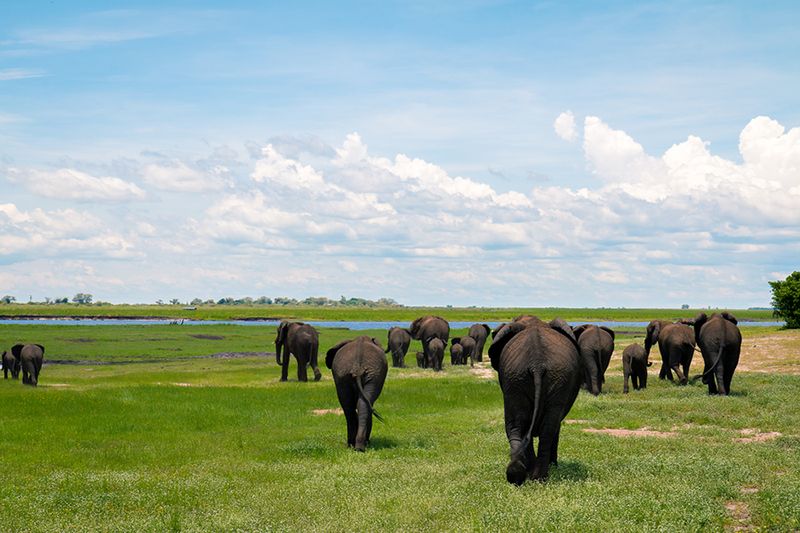
Botswana holds the largest elephant population in Africa, and Chobe is where many of them gather. In the dry season, herds come to the Chobe River by the hundreds to drink, splash, and cool off.
A river cruise at sunset gives you front-row seats.
Boats can slip quietly along the shore, so you can watch calves tumbling in the mud while mothers keep a careful eye. Game drives along the riverfront add chances to see buffalo, lions, and sable antelope.
Elephants are known for strong family bonds, and Chobe is a great place to notice them. Look for older females guiding the group and young males sparring playfully.
The best time to visit is from May to October, when water is scarce elsewhere. Bring binoculars and a light jacket for chilly mornings on the water.
6. Kruger National Park, South Africa: The Big Five Safari
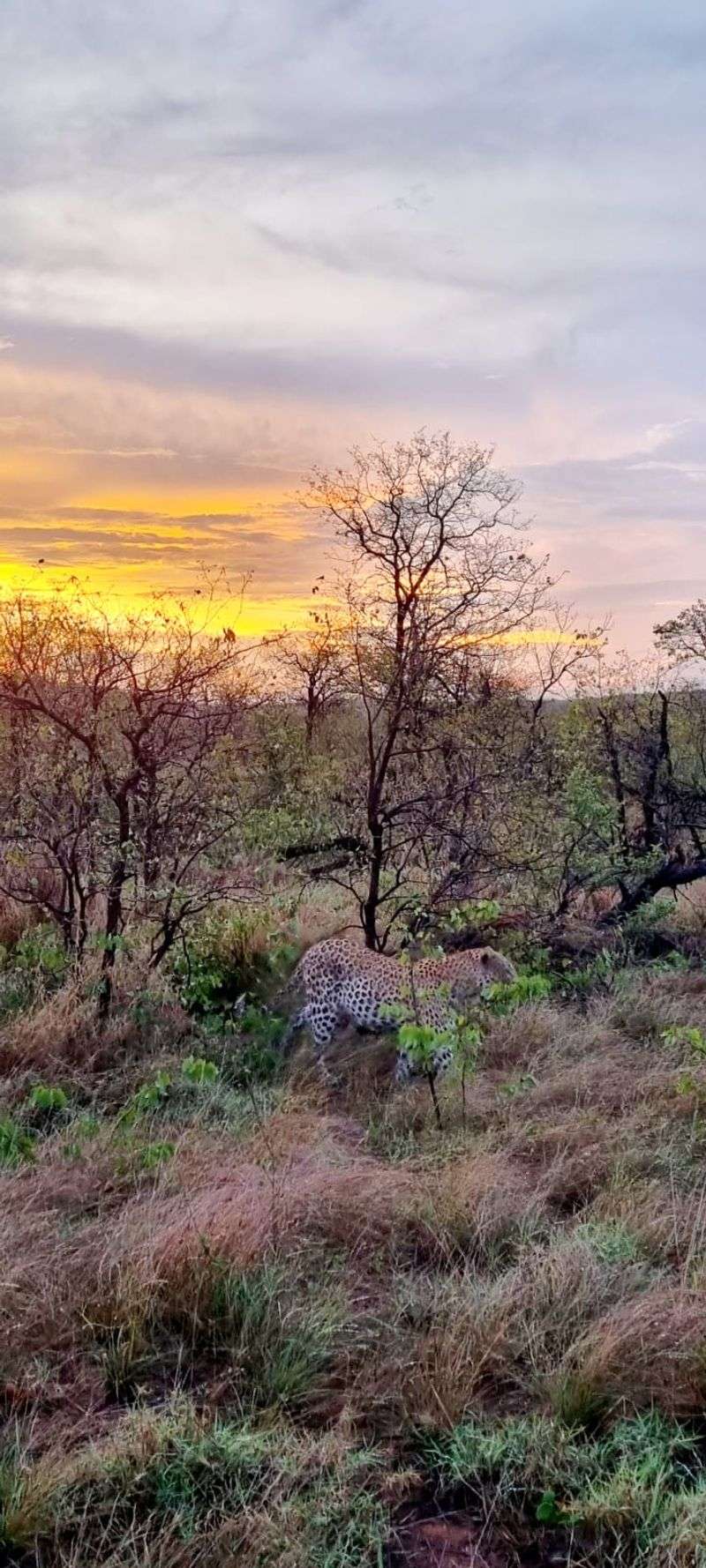
Lion, leopard, elephant, buffalo, and rhino make up the Big Five, a name that began with hunters but now describes the dream list of many safari visitors. Kruger gives you a real shot at seeing all five in a single trip.
The park is about the size of a small country, with paved roads and well-run camps. That makes it a friendly choice for first-time visitors and families who want to drive themselves.
Guided sunrise and night drives increase your chances of spotting leopards and other nocturnal animals. Rangers know where to look and can read tracks like a book.
Winter, from May to September, is usually best for sightings because the grass is low and animals gather near water. Keep your windows up near predators and always follow park rules.
7. Lake Nakuru National Park, Kenya: Flamingos and Rhinos
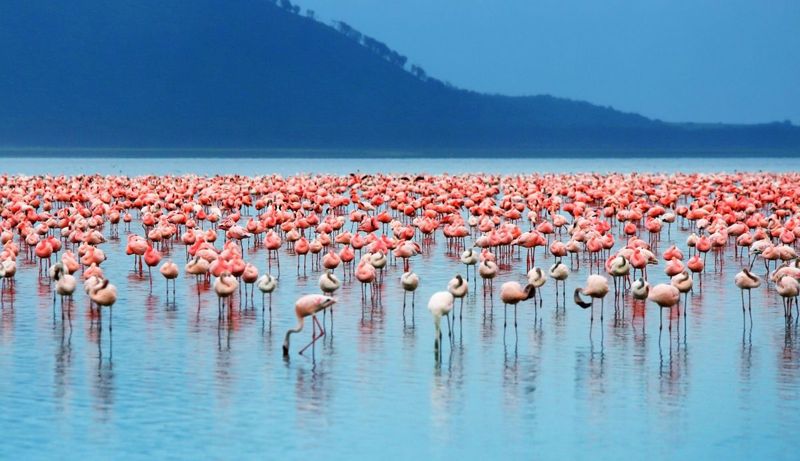
A shimmering pink fringe along the shoreline is often the first thing you notice at Lake Nakuru. Flamingos feed on algae in the shallow, alkaline water, and their numbers can change from season to season depending on conditions.
Even if the flocks are smaller, the park has plenty more to offer. It is one of Kenya’s most important rhino sanctuaries, protecting both black and white rhinos inside a fenced area.
Seeing a rhino graze in open grassland is a powerful reminder of why protection matters.
Leopards, Rothschild’s giraffes, and waterbucks also live here. Climb to Baboon Cliff for a wide view over the lake and the forest.
The park is compact, so a single day can cover a lot. Early morning is the best time to catch good light and active animals.
8. Damaraland, Namibia: Desert-Adapted Elephants
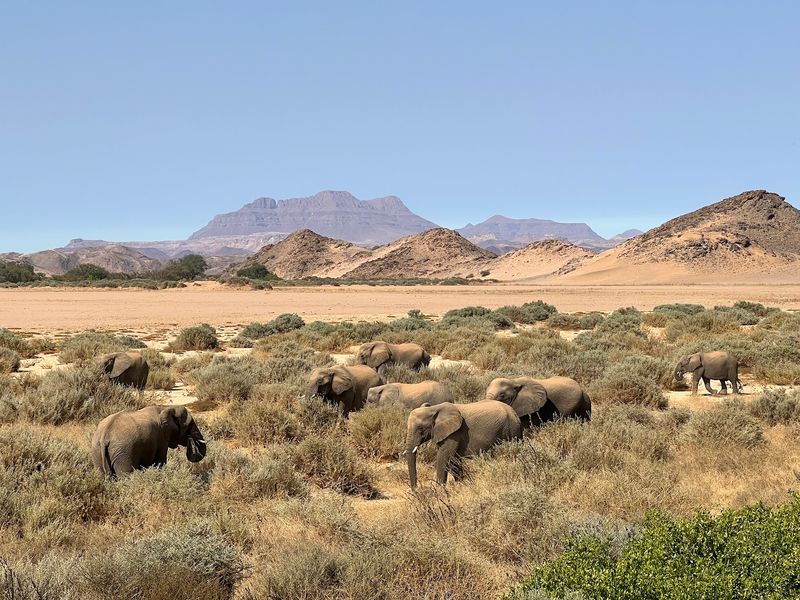
How does an elephant survive where rain barely falls? In Damaraland, the answer is long walks and good memory.
These desert-adapted elephants have slightly larger feet and travel great distances between scarce water holes.
They are not a separate species, but their habits are special. Mothers teach calves where to find food and water in the dry riverbeds, passing down knowledge across generations.
Watching them move across the rugged landscape feels like seeing a living map.
Tracking is usually done with local guides who know the elephants’ routes. Some camps offer guided walks and drives that keep a respectful distance from the herds.
The scenery is part of the thrill, with red mountains, wide valleys, and ancient rock art nearby. Pack plenty of water, sunscreen, and a sense of patience.
9. Okavango Delta, Botswana: Hippos and Mokoro Safaris
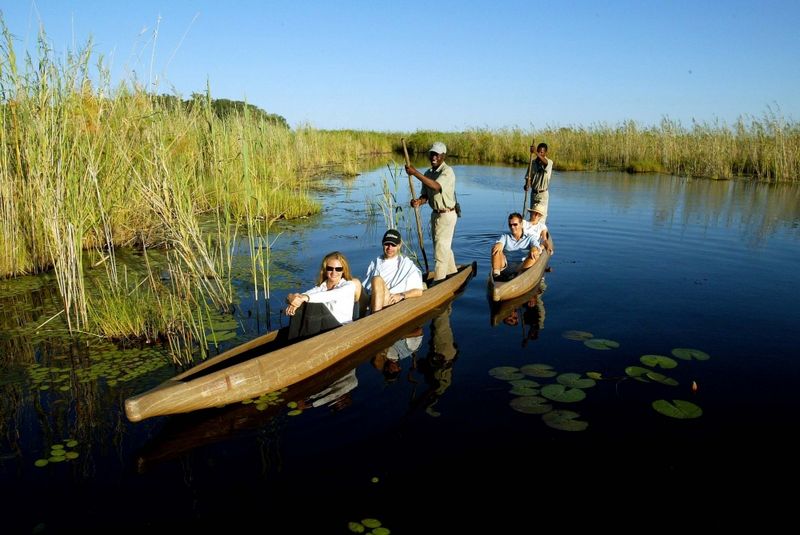
Glide silently along a narrow channel, with the water lilies brushing the sides of your canoe. That is a mokoro safari in the Okavango Delta, and it feels very different from a jeep ride.
A poler stands at the back and guides the boat with a long pole.
From this low position, you can spot frogs, kingfishers, and elephants wading nearby. Hippos are the stars of the show, grunting and snorting in the deeper pools.
Guides know how to keep a safe distance, because hippos can be dangerous if surprised.
The Delta is a rare inland waterway that floods when rain from Angola arrives, usually peaking between June and August. This brings animals from far around.
Combine a mokoro trip with a walking or driving safari on the islands for the fullest experience.
10. Etosha National Park, Namibia: Black Rhinos
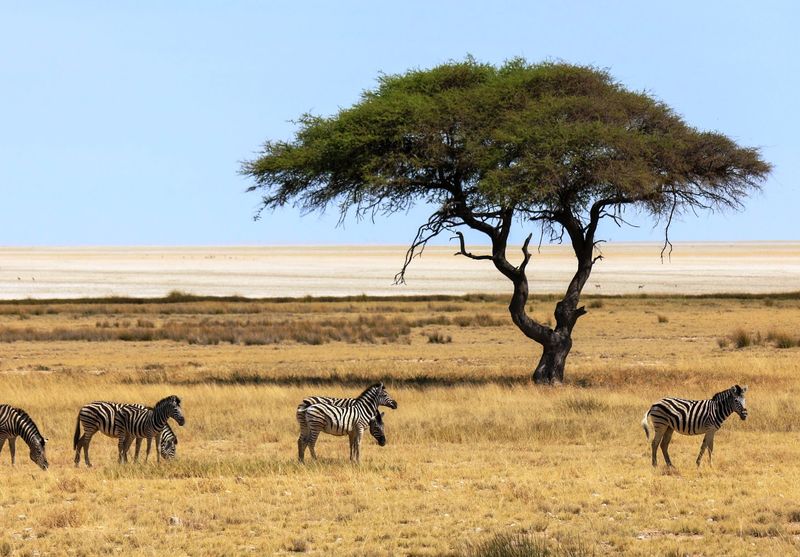
Few wildlife scenes are as quiet and tense as a waterhole at dusk in Etosha. Animals arrive in turns, and a black rhino appearing from the darkness can silence the whole crowd.
Etosha is one of the best places in Africa to see this endangered species. Several camps have floodlit waterholes, so you can watch from a bench without leaving the grounds.
Patience often pays off with a night-time visit from rhinos, elephants, or lions.
The park is built around a huge, pale salt pan that can be seen from space. In the dry season, from May to October, animals depend on a handful of springs and waterholes, making them easier to find.
Self-driving is common and straightforward here. Keep a respectful distance, drive slowly, and never leave your vehicle outside of designated areas.
11. Amboseli National Park, Kenya: Elephants Beneath Mount Kilimanjaro
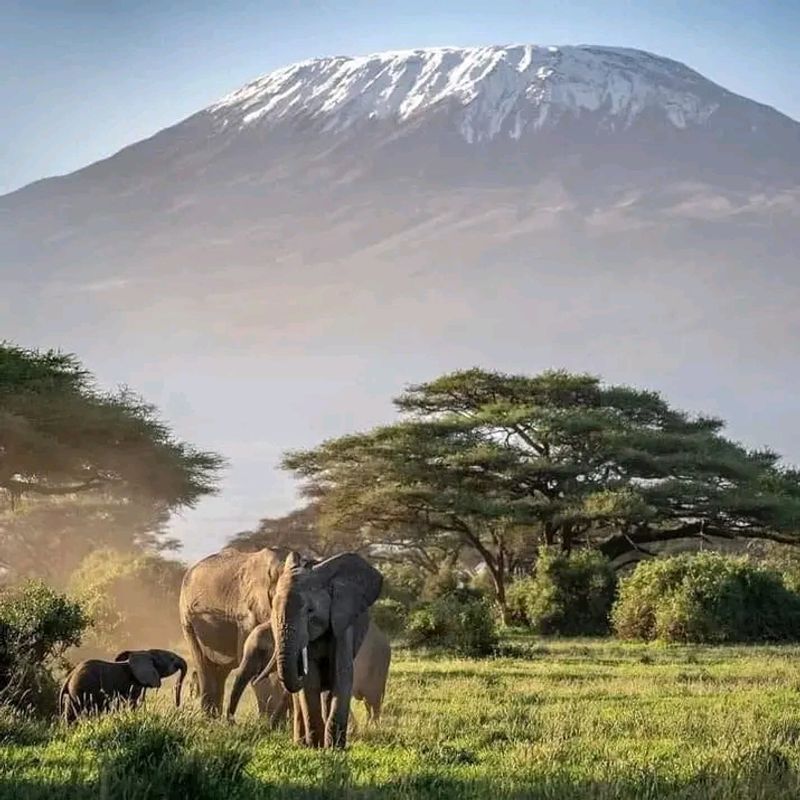
Few photos in Africa are as famous as elephants walking in front of Mount Kilimanjaro. Amboseli is the place where that picture comes to life, especially in the early morning when clouds often clear from the summit.
The park is known for its large elephants, including big-tusked bulls. Researchers have studied these herds for decades, which has taught the world a great deal about elephant memory and social life.
Swamps fed by melting mountain snow keep the area green, drawing hippos, buffalo, and many birds. Open terrain makes spotting animals easy, even for beginners.
For the best views of the mountain, visit between June and October, or in January and February. Mornings are usually clearer, so start early.
Climb Observation Hill if you want a wide look at the whole landscape.
12. South Luangwa National Park, Zambia: Walking Safaris
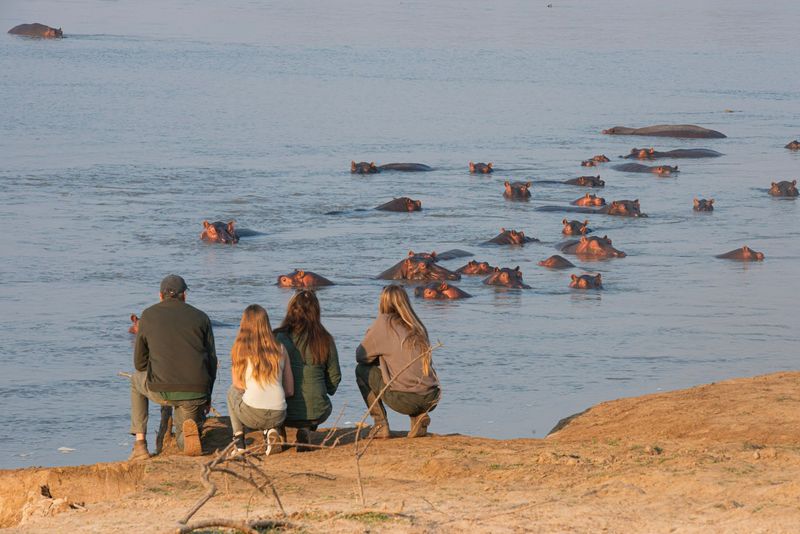
Walking safaris began in South Luangwa, and the experience still feels special today. On foot, you notice things a vehicle would miss, like tracks in the dust, the smell of wild sage, and the buzz of insects.
Each group is led by a trained guide and an armed scout. They explain how to read dung, listen for alarm calls, and move quietly through the bush.
Walks are usually short and slow, with plenty of stops for learning.
The park is also known for leopards, big herds of buffalo, and African wild dogs. Night drives add a chance to see hyenas and genets.
The dry season, from June to October, is the best time for walking because the vegetation is thinner and animals gather near the Luangwa River. Wear neutral colors and comfortable shoes.
13. Ngorongoro Conservation Area, Tanzania: Lions and Black Rhinos
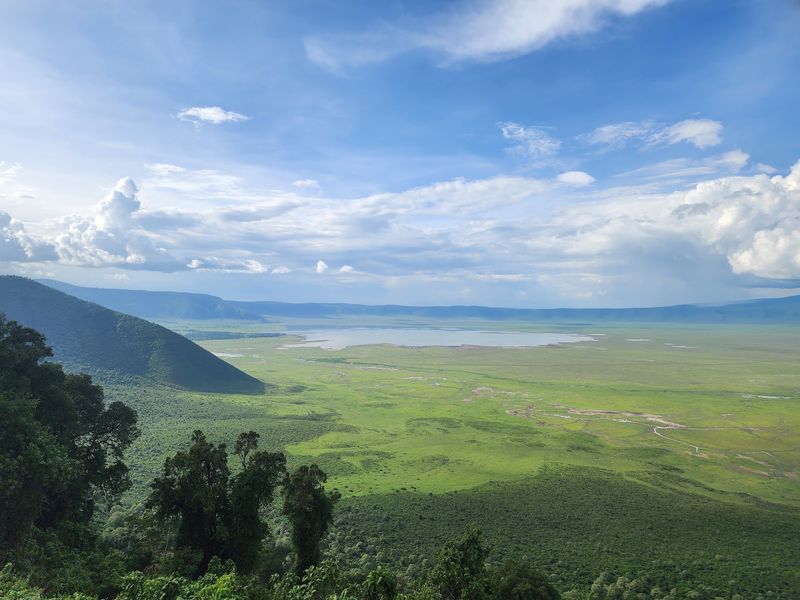
Standing on the crater rim, you look down into a natural bowl about 600 meters deep and 20 kilometers wide. Inside live roughly 25,000 large animals, making Ngorongoro one of the densest wildlife areas on the continent.
Lions are easy to find here, often lounging near the road or hunting zebras on the open floor. The crater is also one of the few places in Tanzania with a chance of spotting black rhinos, though they usually stay far away.
Visitors drive down steep roads early in the morning to beat the crowds and the midday heat. A half-day trip is allowed, but full-day visits offer more time with the animals.
Bring layers, as the rim can be cold and misty. Binoculars are very helpful for spotting rhinos at a distance.
14. Bwindi Impenetrable National Park, Uganda: Mountain Gorillas
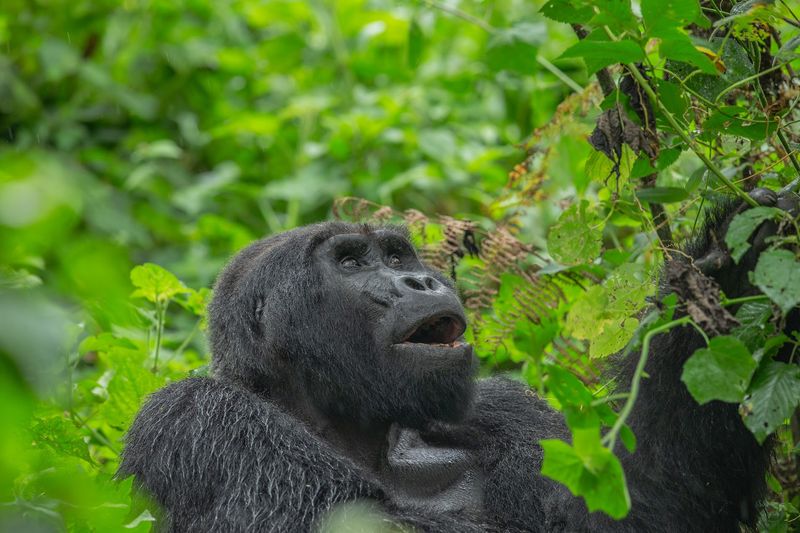
The name says it all: Bwindi is thick, steep, and green. Hiking here can be tough, but the reward is meeting a gorilla family in their misty forest home.
Around half of the world’s mountain gorillas live in this park.
Trackers set off before you to find the group, then radio the guide with their location. Treks can last from a couple of hours to most of a day, so wear sturdy boots and bring a walking stick.
Porters are available for hire, and using one supports local families.
Once you find the gorillas, you spend an hour watching them eat, nap, and play. Juveniles often tumble around while the silverback stays watchful.
Permits sell out early, especially for the dry months of June to September and December to February. Book well in advance to secure your date.
15. Hermanus, South Africa: Southern Right Whales
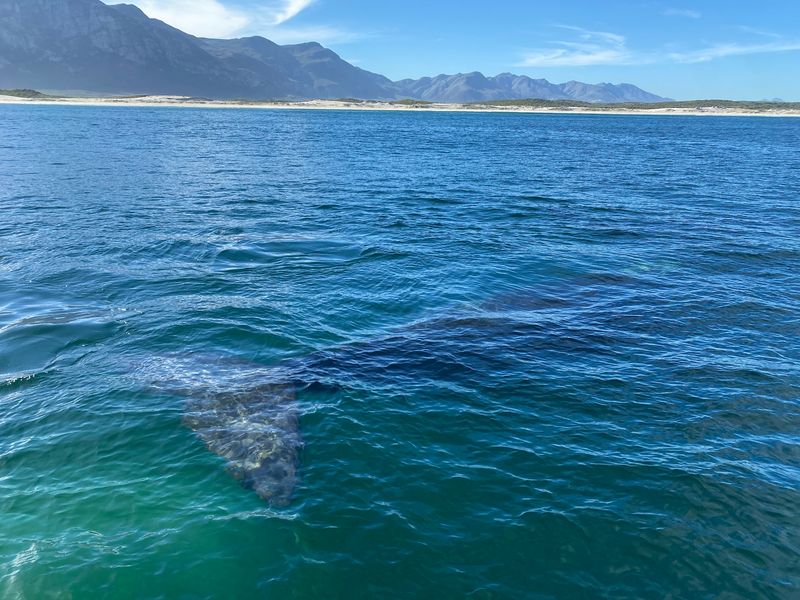
Here is a wildlife experience that needs no boat. From the cliff path in Hermanus, you can watch southern right whales swim just meters from shore.
It is often called one of the best land-based whale watching spots in the world.
The whales arrive between June and November to mate, give birth, and rest in the sheltered bay. Mothers and calves often stay close to the rocks, and you may see tail slaps, breaches, and slow, graceful rolls.
The town even has a whale crier, who blows a kelp horn to announce sightings. September and October are usually the busiest months, with the most action.
Walk the Cliff Path, which stretches about 12 kilometers, and bring binoculars. If you prefer a closer view, licensed boat operators run trips that follow strict distance rules to protect the whales.
Share this story