There is a country on the west coast of Africa where the national flag looks strikingly familiar to Americans. Red and white stripes run across the fabric, and a lone star sits against a blue square in the corner.
If you did not know better, you might think someone mixed up their flags. The reason behind this remarkable resemblance reaches back nearly 200 years and involves one of the most unusual stories in the history of any nation on Earth.
The Flag That Stops People in Their Tracks
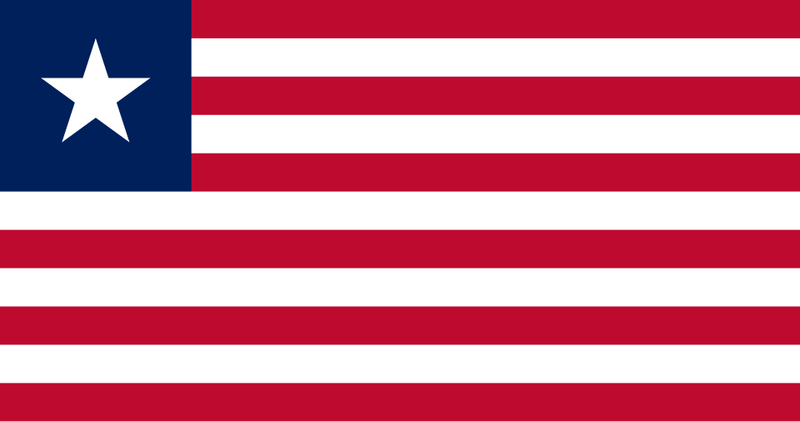
Most people do a double take the first time they see the Liberian flag. It carries eleven alternating red and white stripes with a single white star set against a blue square in the upper left corner.
The resemblance to the American flag is not a coincidence at all.
Liberia was founded in the 1820s by formerly enslaved African Americans who were resettled on the West African coast. The flag was designed to honor that American connection while also representing a new, independent African nation.
The eleven stripes stand for the eleven men who signed the Liberian Declaration of Independence.
The lone star represents Liberia as the first independent republic in Africa. Every detail was chosen deliberately.
The flag is a symbol of both freedom and the complicated history that made this country possible.
Where It All Began: The American Colonization Society
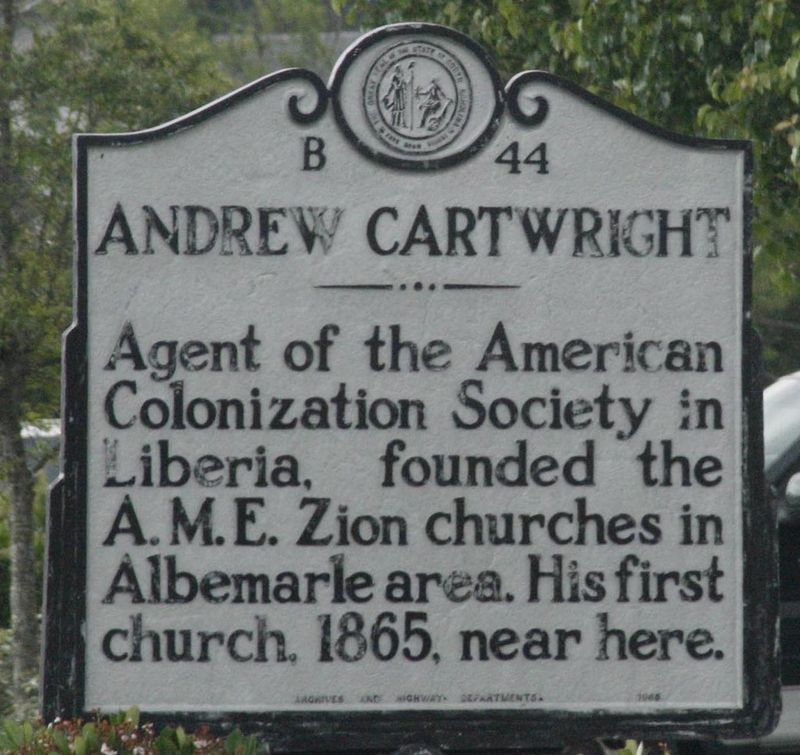
The story behind Liberia starts with an organization founded in the United States in 1816 called the American Colonization Society. This group, made up largely of white American politicians and clergymen, believed that free Black Americans should be resettled in Africa rather than remain in the United States.
Their motivations were complicated. Some members genuinely believed African Americans would have better lives and more freedom on the African continent.
Others simply wanted to reduce the number of free Black people living in American cities and towns.
Either way, the society raised funds and organized voyages to West Africa. The first group of settlers arrived on the African coast in 1822.
Those early years were brutal, with disease claiming many lives. Yet the settlers persisted, building communities and establishing a government that borrowed heavily from what they had known in America.
A Nation Built by Formerly Enslaved People
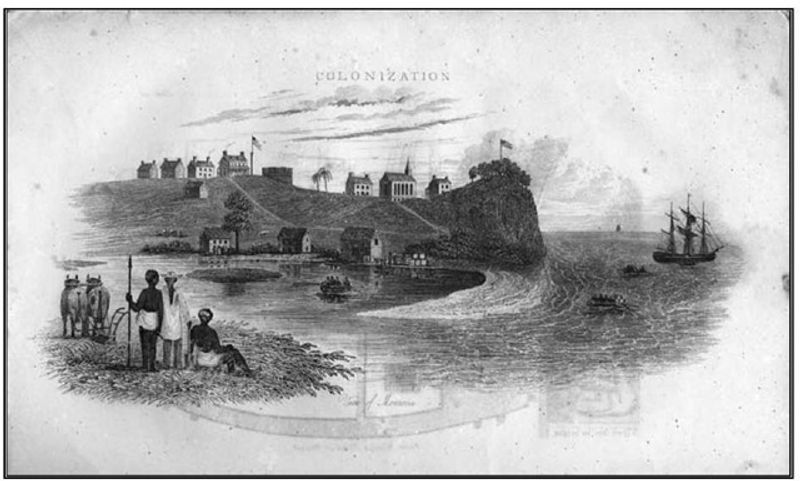
Not all of the people who traveled to Liberia were free citizens before they left America. Many were formerly enslaved people who gained their freedom specifically to participate in the resettlement program.
The American Colonization Society negotiated with slaveholders to release certain individuals for this purpose.
These settlers carried with them American customs, the English language, Protestant Christianity, and a style of governance modeled closely on the United States. They built churches, schools, and homes that reflected Southern American architecture.
Some of the older buildings in Monrovia still show this influence today.
The settlers called themselves Americo-Liberians, and they formed the ruling class of the new country for well over a century. Their cultural connection to the United States ran deep, which explains why so many American symbols found their way into Liberian national identity, including that unmistakable flag.
The Declaration of Independence and Its American Echo
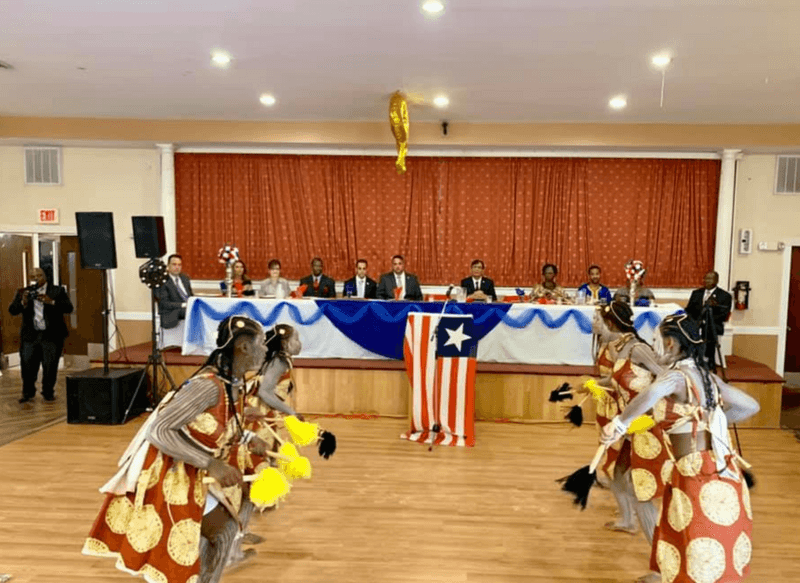
On July 26, 1847, Liberia formally declared itself an independent republic. The date is now celebrated as Liberian Independence Day.
What makes the declaration remarkable is how closely it mirrors the American Declaration of Independence in both structure and language.
The document opens with familiar themes about the natural rights of people and the right of a nation to govern itself. The founders of Liberia drew directly from American political philosophy because that was the tradition they knew.
Many of them had been born in the United States or raised in American-influenced communities.
Liberia became the first African country to declare itself an independent republic, and its constitution was modeled on the United States Constitution. For decades, the country maintained closer ties to Washington than to any neighboring African government.
That relationship shaped almost every aspect of early Liberian society.
Monrovia: A Capital City Named After a U.S. President
The capital city of Liberia is named Monrovia, and the name was chosen to honor James Monroe, the fifth President of the United States. Monroe was a strong supporter of the American Colonization Society and played a significant role in encouraging the resettlement project.
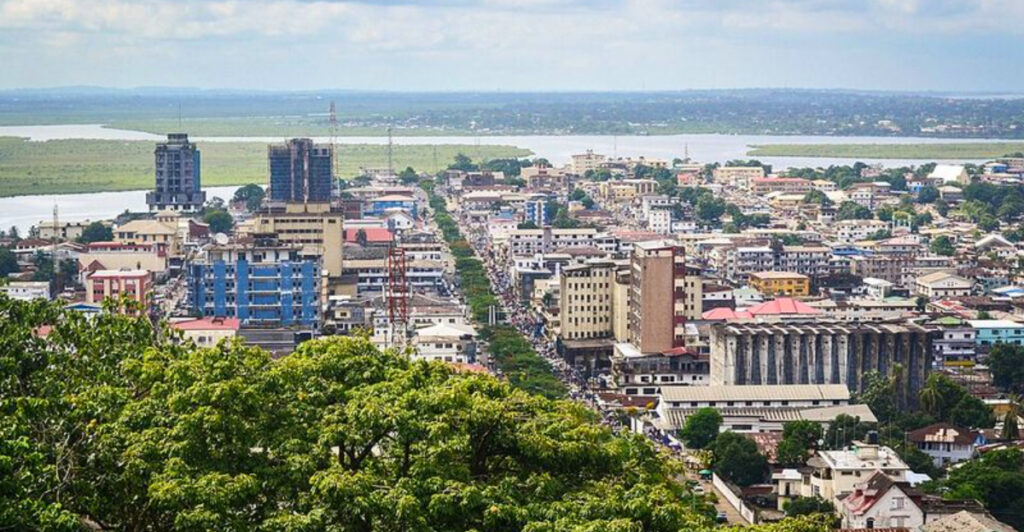
Monrovia sits along the Atlantic coast and is the only world capital outside of the United States named after an American president. That fact alone tells you a great deal about how deeply American influence is woven into this country’s foundation.
Today, Monrovia is a busy, growing city with markets, neighborhoods, and a coastline that draws visitors from across the region. The Liberia National Museum, located in the city, holds exhibits on both the country’s indigenous cultures and the history of the Americo-Liberian settlers.
The two stories exist side by side, sometimes comfortably and sometimes with tension.
The Indigenous People Who Were Already There
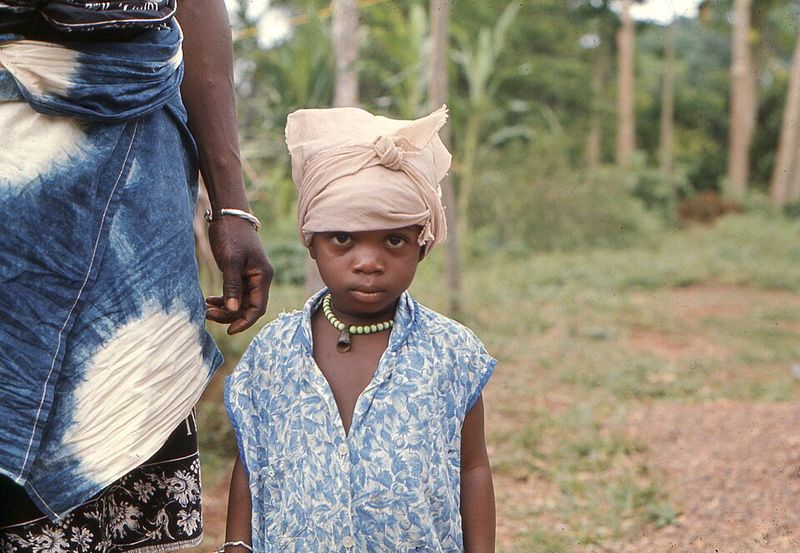
The history of Liberia is not only the story of American settlers. When the first ships arrived in the 1820s, the land was already home to a diverse population of indigenous African communities.
Sixteen distinct ethnic groups lived across the territory, including the Kpelle, Bassa, Grebo, and Kru peoples.
The relationship between the Americo-Liberian settlers and the indigenous population was often unequal and sometimes deeply unjust. The settlers controlled the government and political life for most of the country’s early history, while indigenous Liberians had limited rights and representation for many decades.
This tension is an important part of understanding modern Liberia. The country’s story is layered, involving both the remarkable achievement of formerly enslaved people building a nation and the complicated reality of how power was shared, or not shared, with those who had been there all along.
The Lone Star and What It Really Represents
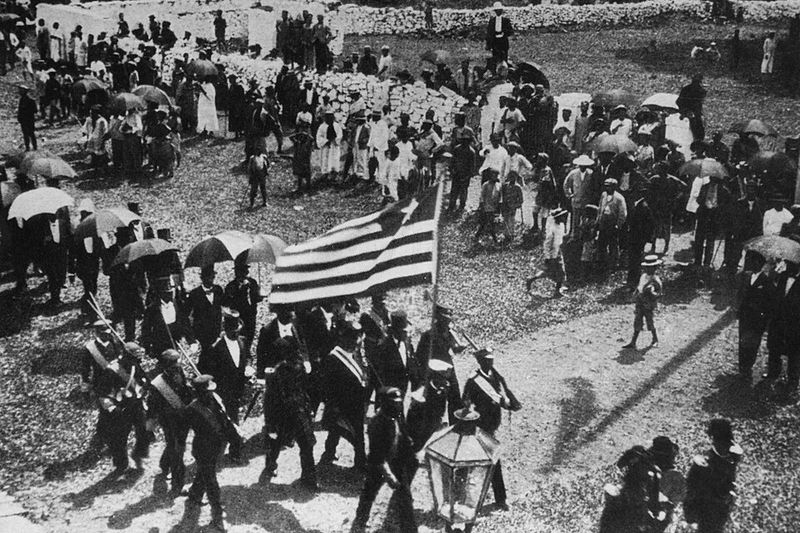
The single white star on the Liberian flag carries a specific meaning that sets this country apart from every other nation on the continent. It represents Liberia as the lone star of Africa, a symbol of the country’s status as the first independent Black republic on the continent.
When Liberia declared independence in 1847, most of Africa was either under colonial rule or facing increasing pressure from European powers. Liberia stood as a remarkable exception.
The star was a statement of pride and a signal to the rest of the world that African people were fully capable of self-governance.
That symbolism still resonates today. The flag is displayed with genuine pride across Liberia, from government buildings to small roadside stalls.
For many Liberians, the lone star is not just a design choice. It is a declaration that has been part of their national identity for nearly two centuries.
Rubber, Roads, and the American Corporate Connection
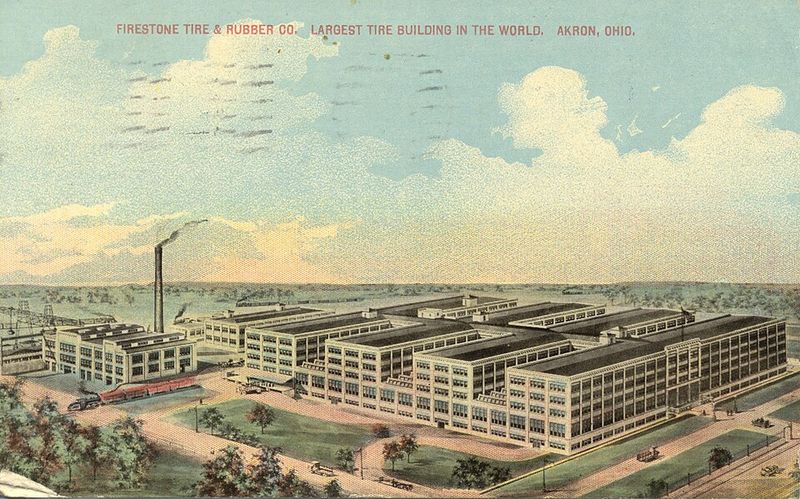
The American influence on Liberia did not stop with the flag and the founding documents. Well into the 20th century, the United States maintained a strong economic presence in the country.
One of the most significant examples was the Firestone Tire and Rubber Company, which established a massive rubber plantation in Liberia in 1926.
The plantation became one of the largest rubber plantations in the world. It provided Firestone with a crucial supply of natural rubber and gave the Liberian government a source of revenue.
The arrangement also tied Liberia’s economy closely to American corporate interests for decades.
Roads, infrastructure, and development followed in areas connected to the rubber industry. The relationship was economically significant but also raised serious questions about labor conditions and the terms of the agreements made.
Historians continue to examine this chapter of Liberia’s story with careful attention to both its benefits and its costs.
The English Language and American Customs Still Present Today
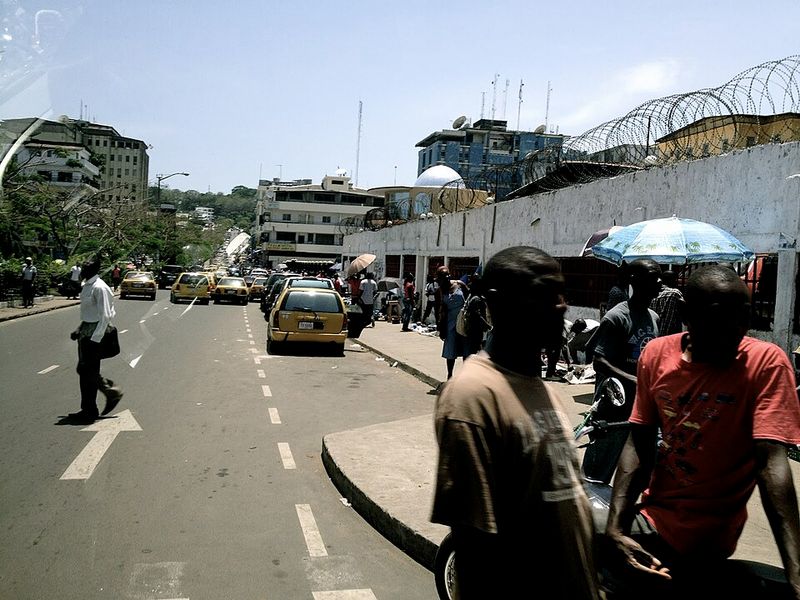
English is the official language of Liberia, which makes it stand out immediately among its West African neighbors. Countries bordering Liberia, including Guinea and Côte d’Ivoire, use French as their official language.
The choice of English in Liberia goes directly back to the American settlers who arrived in the 1820s.
American customs shaped other aspects of daily life too. The legal system was modeled after American law.
Protestant Christianity became the dominant religion, with churches that would look familiar to any American visitor. Even the names of towns and counties carry American echoes, with places like Maryland County in the southeast of the country.
These cultural markers are a living reminder of the transatlantic journey that created this nation. Liberia is genuinely unlike any other country in Africa in this specific way, and that distinctiveness continues to shape how Liberians see themselves and how the world sees them.
The Atlantic Coast and Its Remarkable Beaches
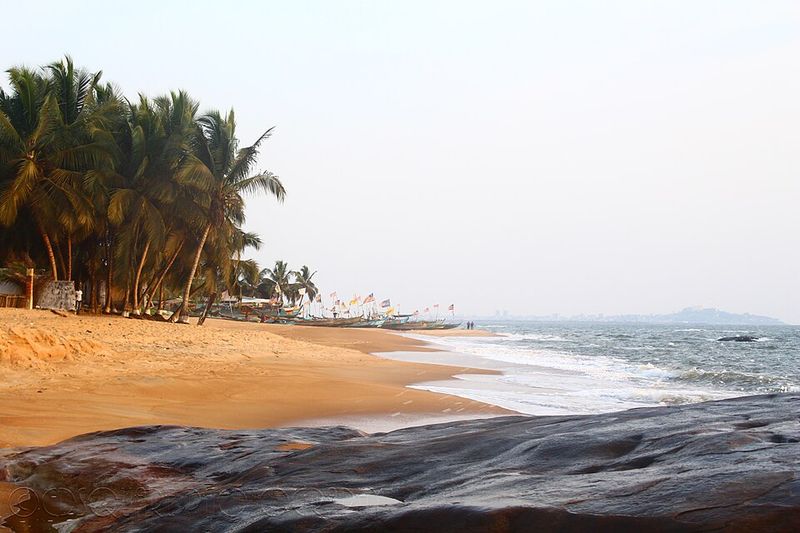
Beyond its fascinating history, Liberia has a coastline that stretches for hundreds of miles along the Atlantic Ocean. The beaches near Monrovia, including Silver Beach and CeCe Beach, are lined with palm trees and offer a striking contrast to the busy city just behind them.
Further up the coast, the small town of Robertsport has earned a reputation among surfers and travelers who seek a quieter pace. The waves there are considered some of the best surf breaks in West Africa.
Word has spread slowly but steadily among the global surfing community, and Robertsport is quietly becoming known beyond Liberia’s borders.
The coastal landscape feels largely unspoiled compared to more heavily visited beach destinations. There are no large resort complexes crowding the shoreline.
What you find instead is open sand, warm water, and a sense that this part of the world is still being discovered by outsiders.
Robertsport: The Surf Town With a Quiet Kind of Magic
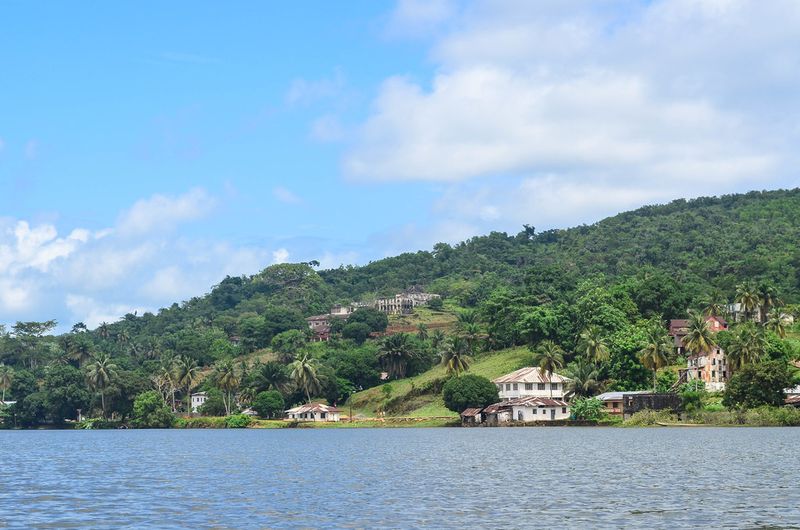
Robertsport sits at the northwestern tip of Liberia, right where the country meets the Atlantic. The town itself is small and unhurried, with fishing as the backbone of daily life for many residents.
But the waves rolling in from the open ocean have attracted a growing number of visitors with surfboards under their arms.
The surf community that has developed here is genuinely grassroots. Local surfers have been riding these waves for years, and the culture around surfing in Robertsport feels authentic rather than manufactured for tourism.
A few small guesthouses and surf camps have opened to welcome visitors, keeping the experience low-key.
Beyond surfing, the town offers a chance to experience coastal Liberian life at a relaxed pace. Fresh fish, friendly people, and sunsets over the Atlantic make Robertsport the kind of place that travelers mention quietly to others they trust, as if sharing a small and valuable secret.
The Liberia National Museum and Its Layered Story
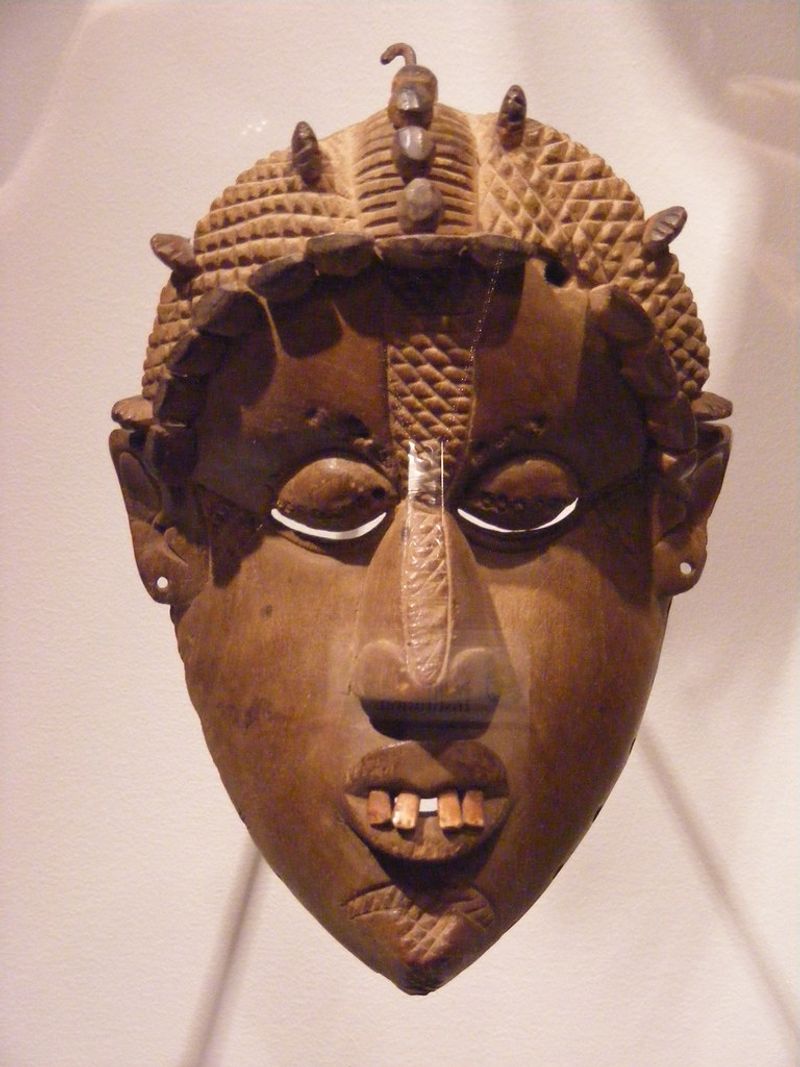
The Liberia National Museum in Monrovia is the place to go if you want to understand the full scope of this country’s history in one visit. The museum holds exhibits covering both the indigenous cultures of Liberia and the history of the Americo-Liberian settlers who reshaped the country beginning in the 19th century.
Traditional masks, ceremonial objects, and cultural artifacts from Liberia’s sixteen ethnic groups are displayed alongside historical photographs and documents from the founding era. Seeing both sets of stories presented in the same space gives visitors a more complete picture than any single narrative could provide.
The museum serves as a reminder that Liberia is not simply an American story transplanted to Africa. It is a country with deep indigenous roots that were present long before the first settlers arrived.
Understanding that full history makes the connection to the American-style flag even more thought-provoking and meaningful.
Buchanan: The Port Town That Connects Liberia to the World
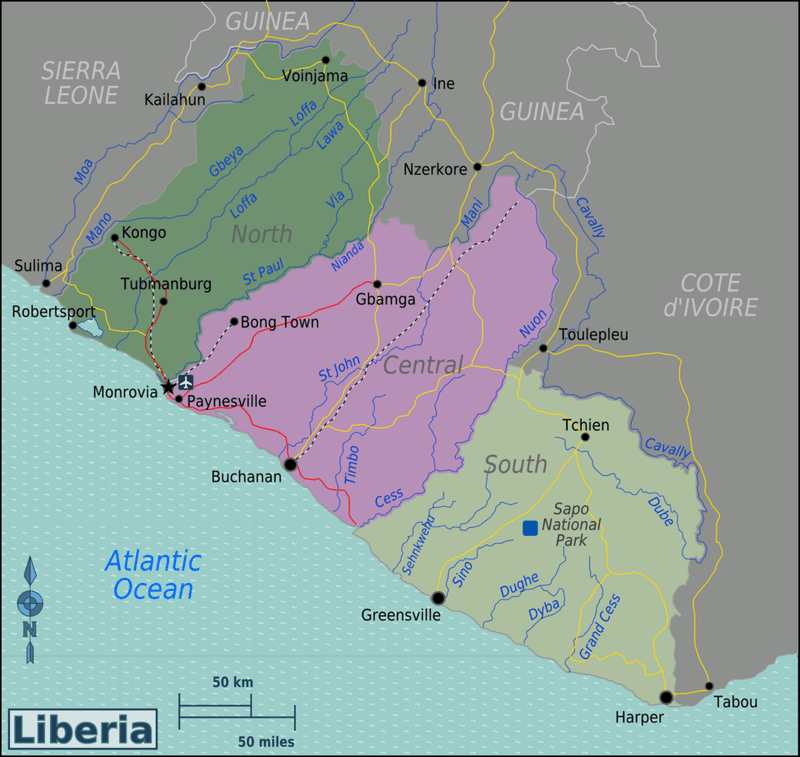
Down the coast from Monrovia lies Buchanan, Liberia’s second-largest city and an important port town. Named after Thomas Buchanan, the first governor of the colony and a cousin of U.S.
President James Buchanan, even this city carries an American name from the founding era.
The port at Buchanan has long served as a key point for exporting Liberian goods, including iron ore and rubber, to international markets. The town has a working, practical character that differs from the more politically charged atmosphere of the capital.
Life moves at its own pace here, shaped by the rhythms of trade and the sea.
Travelers passing through Buchanan often note the contrast between the industrial waterfront and the quieter residential neighborhoods nearby. The town is not a major tourist stop, but it offers an honest look at the economic life of a country that has spent decades rebuilding after years of civil conflict.
How the Civil Wars Changed Everything
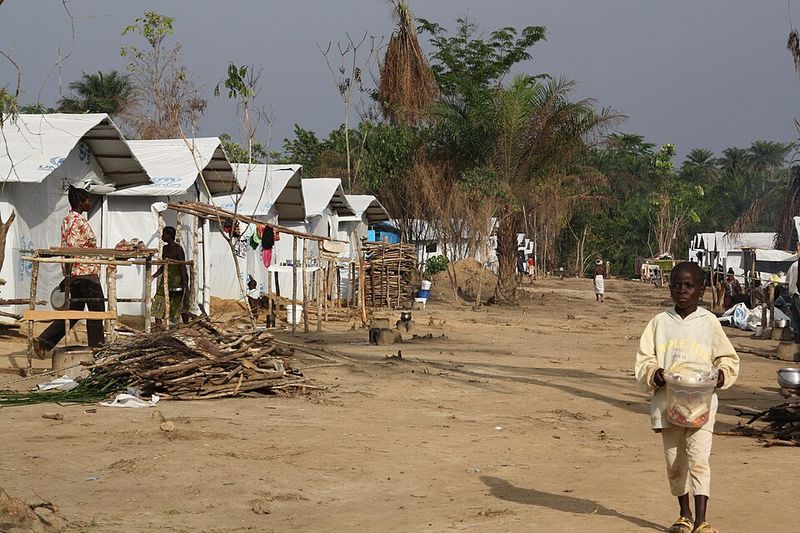
Liberia’s modern history took a painful turn in 1989 when the first of two civil wars began. The conflicts, which continued with interruptions until 2003, caused enormous suffering and displaced a large portion of the population.
Much of the infrastructure built over the previous century was damaged or destroyed.
The wars grew partly from long-standing tensions between the Americo-Liberian ruling class and the broader indigenous population, tensions that had been building since the country’s founding. Understanding the wars requires understanding the unequal power structures that shaped Liberia for over a century.
Since the end of the second civil war, Liberia has been working steadily to rebuild. In 2005, Ellen Johnson Sirleaf became the first female president elected in Africa, a moment that drew global attention and gave many Liberians renewed hope.
The country’s recovery has been gradual but real, and the spirit of the people moving forward is something visitors often find genuinely moving.
Why This Country’s Story Deserves More Attention
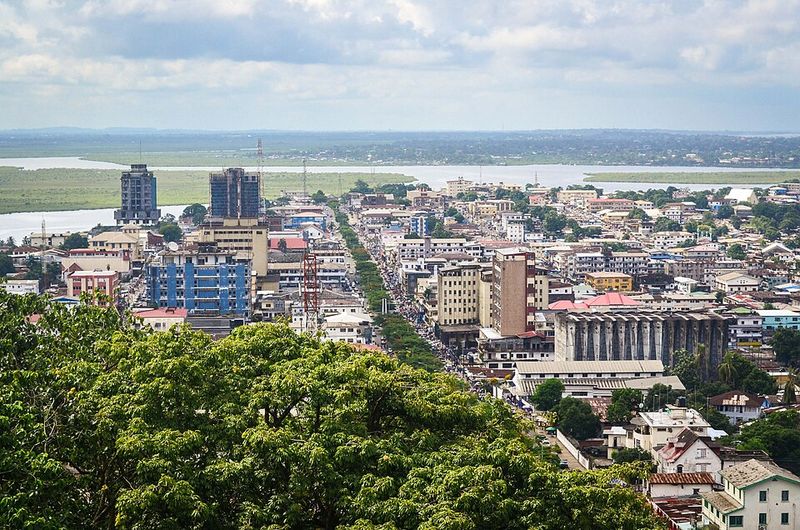
Liberia does not appear on most travelers’ shortlists, and that is a shame. The country holds one of the most unusual origin stories of any nation on Earth, a story that connects American history, African resilience, colonial-era politics, and the long struggle for self-determination in ways that no textbook summary can fully capture.
The flag is just the beginning. Every layer of Liberian history reveals something surprising.
The more you learn, the more questions you find yourself asking about how this place came to exist and what it means for both Africa and America that it does.
Liberia is a country that rewards curiosity. Whether you are drawn by the beaches, the history, the culture, or simply the remarkable fact of that familiar-looking flag flying over an African nation, there is more here than first meets the eye.
The story started 200 years ago and is still very much being written today.
Share this story