Your grandmother probably never typed a single question into a search bar, yet she could rescue a stained shirt, stretch one chicken across three dinners, and recite a dozen phone numbers from memory. That kind of know-how did not come from manuals.
It came from watching, helping, and repeating the same chores for decades. Through the Great Depression of the 1930s, wartime rationing in the 1940s, and the busy suburban households of the 1950s and 1960s, Americans learned to fix, mend, grow, and plan with what they had.
Wasting money or food was simply not an option for most families. Then came microwave dinners in the 1970s, cheap clothing in the 1990s, and smartphones in the 2000s.
Each invention made life easier, and each one quietly replaced a skill people once carried in their heads. Some of that knowledge was outdated, and modern science has improved on parts of it.
Plenty of it, though, still saves time, money, and frustration today. The skills below show how ordinary people solved everyday problems before answers lived in their pockets.
Keep reading, and you might pick up a trick or two worth passing down yourself.
1. How to Tell When Rain Was Coming
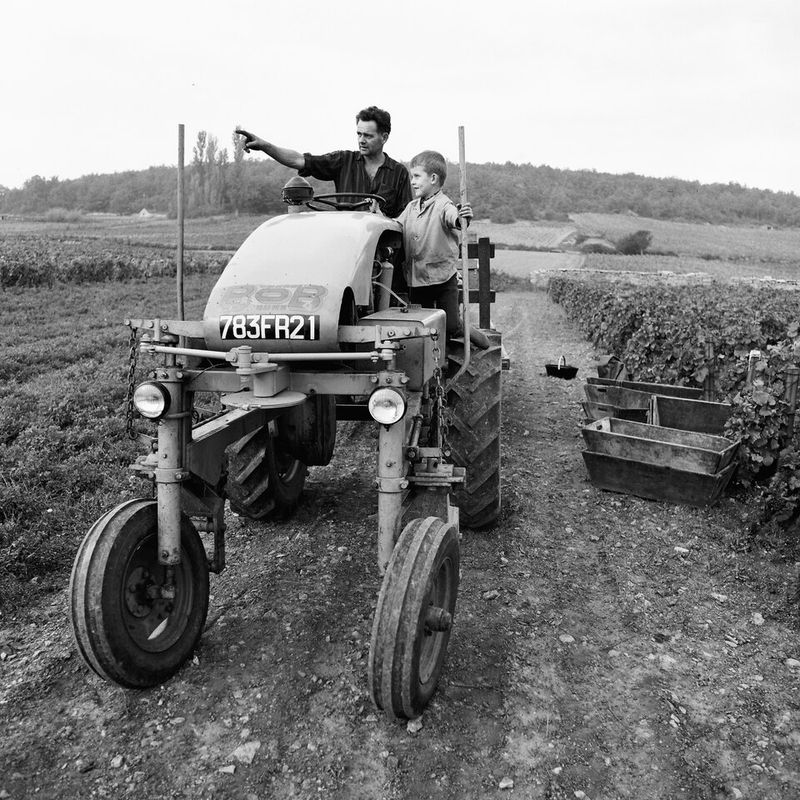
Long before weather apps, plenty of farmers kept a copy of The Old Farmer’s Almanac on a kitchen shelf. First printed in 1792, it remains one of the oldest continuously published periodicals in North America.
Grandpa did not rely on the almanac alone, though. He studied the clouds.
Tall, puffy cumulus clouds building upward in the afternoon often meant a thunderstorm was on its way.
Thin, wispy cirrostratus clouds that formed a ring around the moon could signal rain within a day or two. An east wind often hinted that a low-pressure system was moving in.
Then there was the famous rhyme: red sky at night, sailor’s delight. It actually has some science behind it, since weather in much of the country moves from west to east.
Low-flying swallows were another clue. Falling air pressure pushes insects lower, and the birds follow their food.
None of this was perfect. Still, years of watching the sky gave many families a surprisingly decent forecast.
2. How to Make a Meal Without Measuring Everything
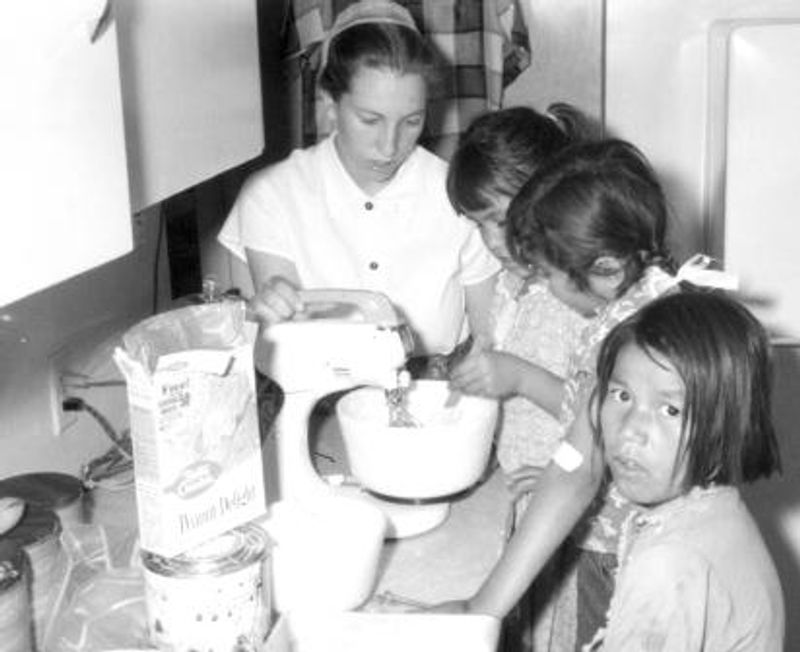
Ask an old-school cook for her biscuit recipe and you might get an answer like “a handful of this and enough flour until it feels right.” Frustrating? Absolutely.
Wrong? Not really.
Standardized measuring cups only became common after Fannie Farmer’s 1896 cookbook popularized level measurements. Many grandmothers learned from mothers who cooked before that shift, so recipes traveled by demonstration instead of index cards.
Experience filled in the gaps. Cooks learned how dough should spring back, how thick gravy should coat a spoon, and when soup needed one more pinch of salt.
Ingredients also varied more back then. Flour from one sack might absorb water differently than the next, so adjusting on the fly was simply smart cooking.
Baking delicate cakes still called for accuracy, of course. Everyday meals were another story.
Want to build the same skill? Pick one dish you love and make it every week for a month.
By week four, you will probably stop checking the recipe.
3. How to Find Their Way Without GPS
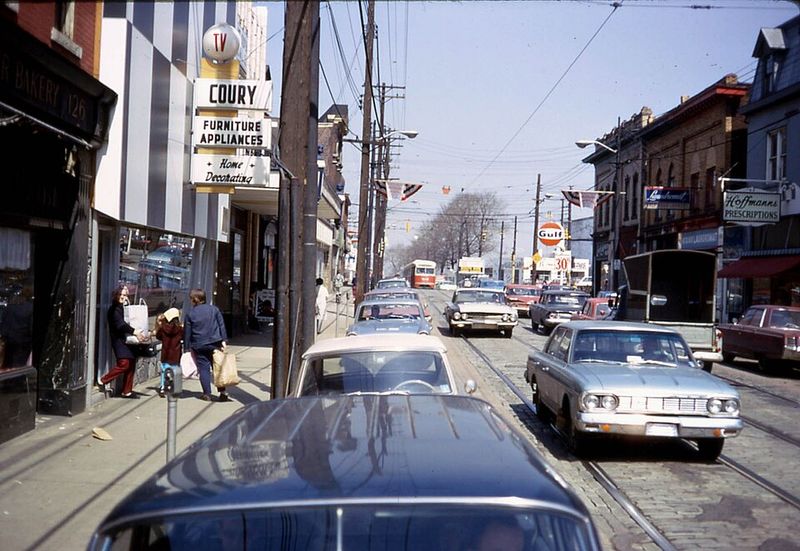
Free road maps were once handed out at gas stations across America, and by the 1960s oil companies were printing them by the hundreds of millions each year. Nearly every glove box had a stack.
Grandpa used those maps the way we use phone apps today. Before a long trip, he would trace the route, note the major towns, and memorize which highway numbers to follow.
The Interstate Highway System, launched in 1956, made this easier. Even-numbered interstates generally run east and west, while odd numbers run north and south.
Landmarks did the rest. Water towers, churches, grain elevators, and railroad crossings worked as reliable checkpoints along familiar roads.
Getting lost was part of the deal. The fix was simple, if a little humbling: pull into a service station and ask the attendant.
Studies suggest heavy GPS use may reduce how well people remember routes. Our grandparents built mental maps simply because they had to pay attention.
4. How to Get a Stain Out Before It Set
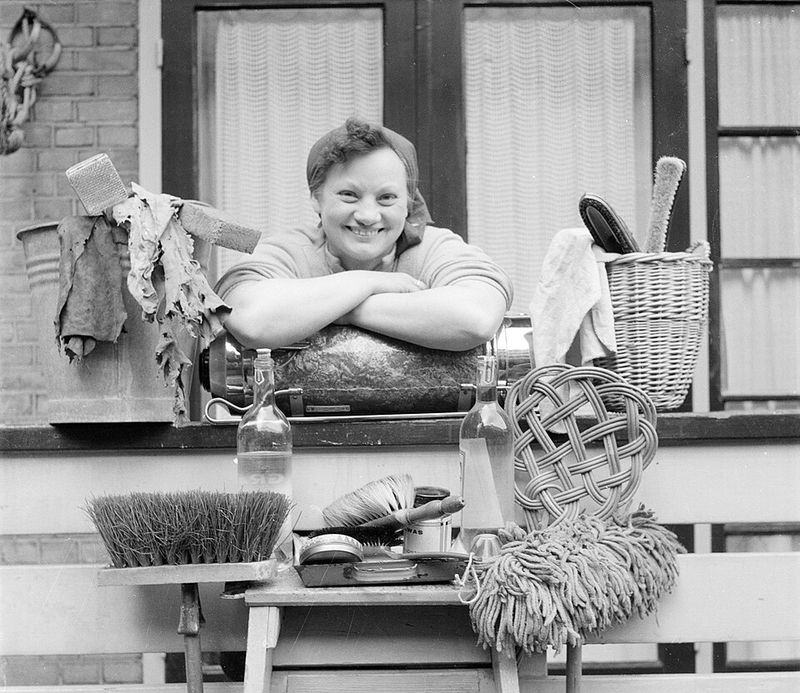
Speed was Grandma’s secret weapon against stains. She knew a fresh spill was a small problem and a dried one was a big problem.
Her rules were simple and surprisingly scientific. Protein stains like milk, egg, or grass got cold water, because hot water can cook the protein into the fabric.
Grease called for something stronger. A rub of dish soap or a sprinkle of cornstarch to soak up the oil often did the trick.
She also knew the golden rule of laundry: never put a stained item in the dryer. Heat can lock a mark in permanently.
Many of these habits came from washing clothes by hand or in wringer washers, which were still common in American homes into the 1950s. Replacing a shirt was expensive, so saving one was worth the effort.
Not every old remedy was gentle on modern fabrics. Still, her basic approach holds up well.
Identify the stain, act quickly, and test cleaners on a hidden spot first.
5. How to Sew on a Button and Mend a Small Tear
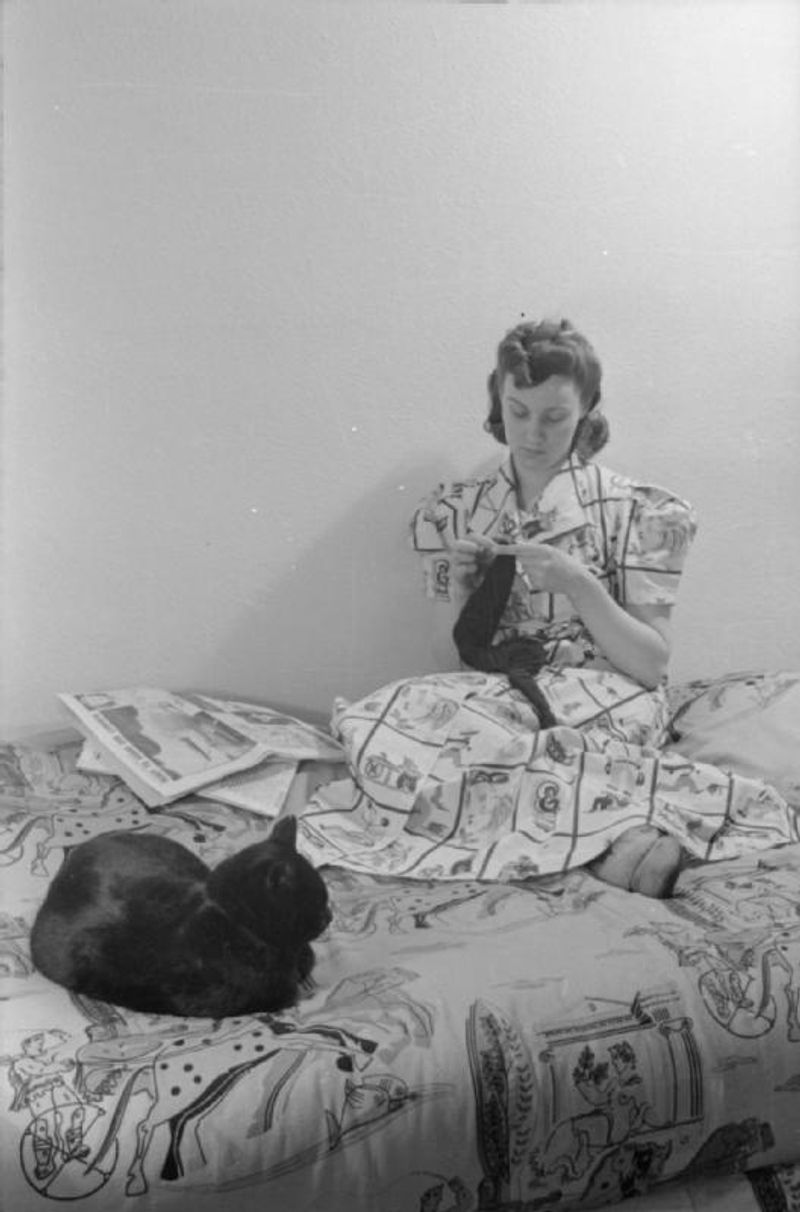
Open enough old cookie tins and eventually one will be full of buttons instead of cookies. That blue Danish butter cookie tin became a famous sewing kit in countless homes.
Inside were needles, spools of thread, safety pins, and spare buttons clipped from worn-out clothes. Nothing useful got thrown away.
Sewing was a basic life skill for generations. Home economics classes, common in American schools through much of the 1900s, taught students to thread a needle, stitch a hem, and patch a hole.
During World War II, the government even promoted “Make Do and Mend” style thrift. Fabric was rationed, so repairing clothing helped households stretch supplies.
A missing button takes about five minutes to fix. Push the needle through the holes several times, wrap the thread around the base a few turns, and tie it off.
Today, many people toss a shirt rather than repair it. A tiny sewing kit in a drawer could keep favorite clothes around for years longer.
6. How to Know When Food Was Going Bad
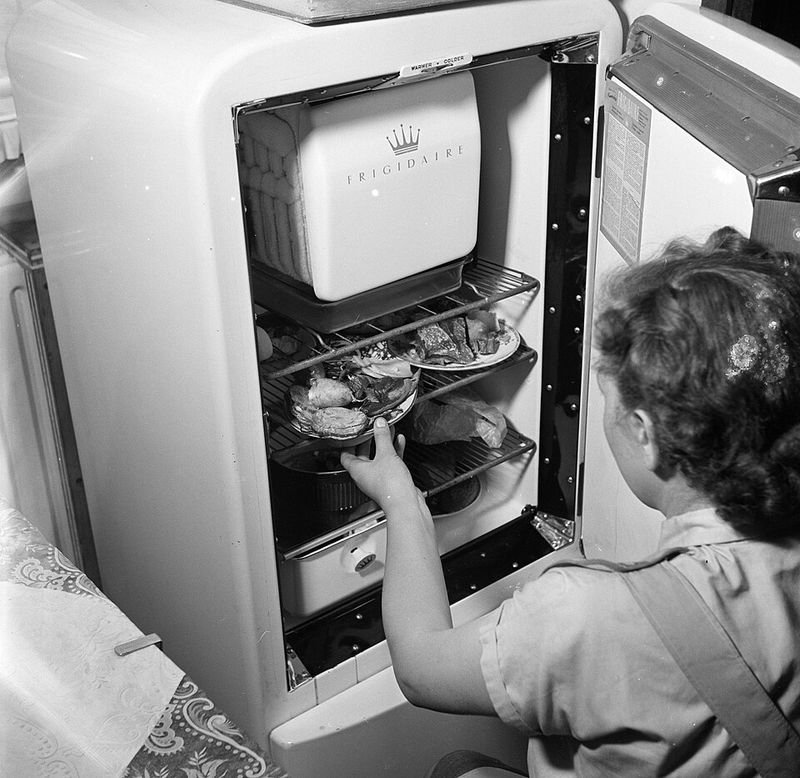
Expiration dates on food packages are newer than most people think. Widespread date labeling in American grocery stores did not really take off until the 1970s.
Before that, Grandma relied on her own judgment. She checked bread for mold, watched milk for curdling, and noticed when meat turned slimy or changed color.
She also kept careful track of her fridge. Leftovers went into glass dishes, often the Pyrex refrigerator sets that became popular after World War II, and older food got eaten first.
Here is the catch, though. Some harmful bacteria do not change how food looks or smells at all, so the classic sniff test has real limits.
Modern guidance suggests eating most leftovers within three to four days. That advice adds a layer of protection that observation alone cannot.
Where our grandparents really shined was organization. Knowing exactly what was in the refrigerator, and how long it had been there, cut down on waste and kept surprises to a minimum.
7. How to Grow Something From a Seed
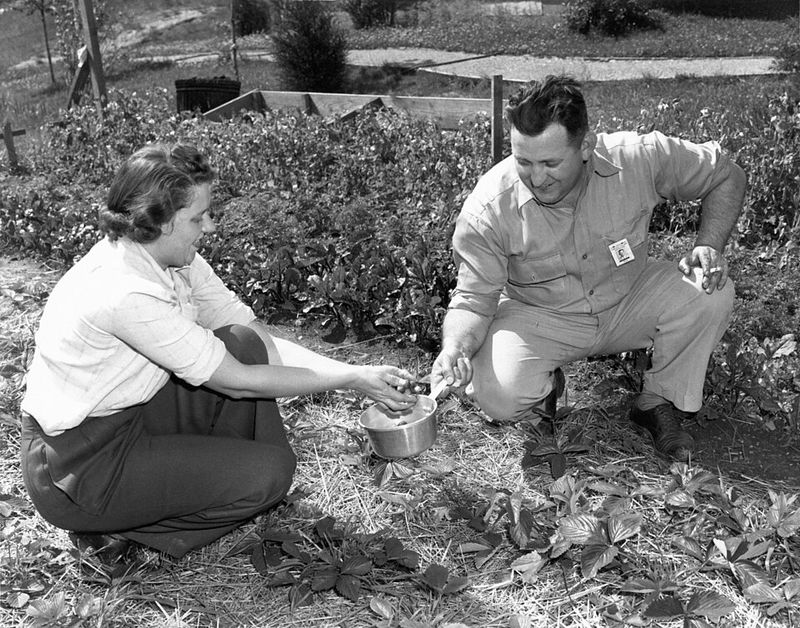
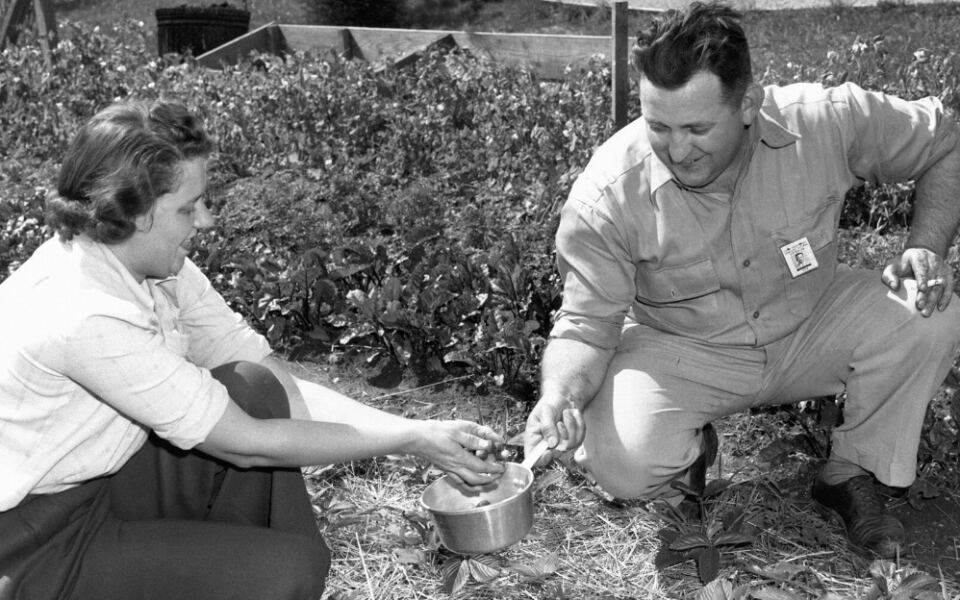
Nearly 20 million Americans planted Victory Gardens during World War II. By 1944, those backyard plots produced roughly 40 percent of the fresh vegetables eaten in the country.
Many of our grandparents grew up working in those gardens. They learned planting depth, spacing, and timing from parents and neighbors rather than from websites.
A common rule of thumb said to plant a seed about two to three times as deep as it is wide. Tiny lettuce seeds barely got covered, while beans went in much deeper.
Timing came from local experience. Gardeners knew roughly when the last frost usually arrived, and they waited until the soil warmed before setting out tomatoes.
Seed saving was routine too. Gardeners kept seeds from their best plants each fall, which helped preserve heirloom varieties still sold today.
Starting small is the best way to learn. A few pots of herbs or a single tomato plant can teach more than hours of reading ever will.
8. How to Stretch a Chicken Into Several Meals
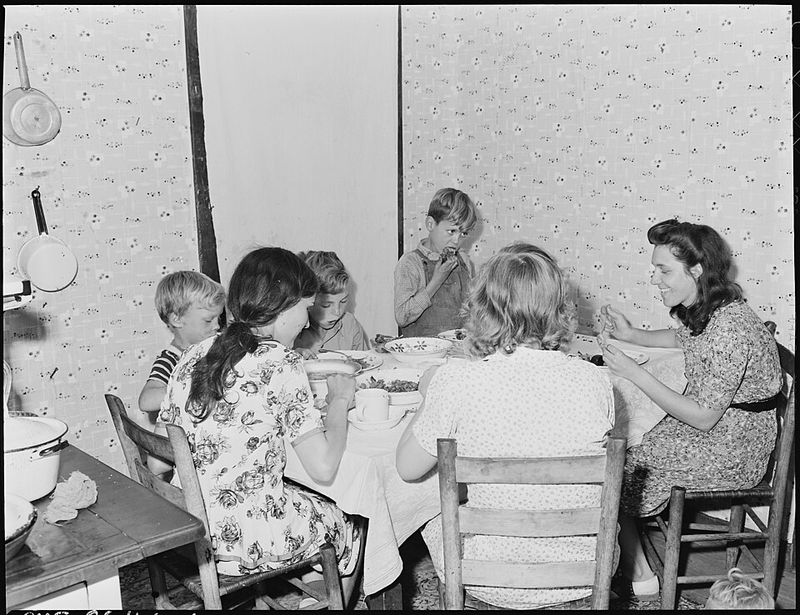
Sunday roast chicken was rarely just a Sunday meal. In thrifty households, that one bird was a full week’s plan.
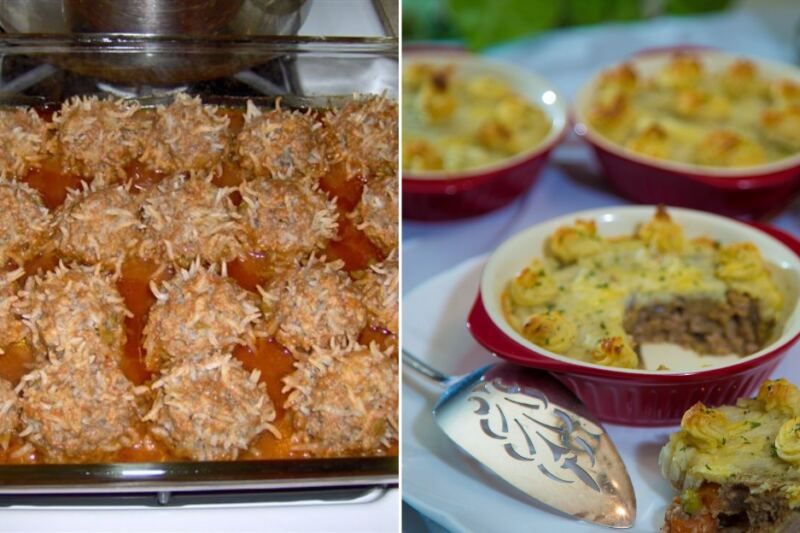
Day one was the roast, usually served with potatoes and vegetables. Day two turned leftover meat into sandwiches, chicken salad, or a creamy casserole.
Then came the best trick of all. The bones went into a big pot with onion scraps and celery ends to make stock for soup.
This habit made perfect sense. In the 1930s and 1940s, chicken cost more than many cuts of beef or pork, and it was often saved for special occasions.
Herbert Hoover’s 1928 campaign even used the phrase “a chicken in every pot” to suggest prosperity. That tells you how valuable the bird once was.
Today, a rotisserie chicken from the grocery store works just as well. Pull the meat for two meals, then simmer the bones for a few hours.
Grandma would call that money well spent.
9. How to Fix a Loose Screw or Squeaky Hinge
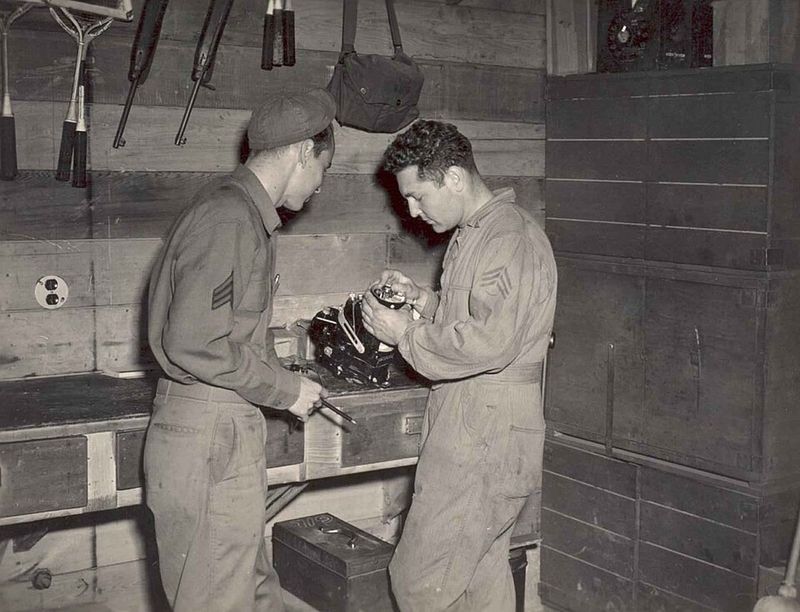
“Righty tighty, lefty loosey.” Grandpa probably said it a thousand times, and he was right every single time with standard screws.
Most homes once had a small toolbox or a garage pegboard filled with screwdrivers, pliers, a hammer, and a can of oil. Fixing small things was simply expected.
A squeaky hinge usually needed nothing more than a drop of household oil on the pin. If a cabinet handle wobbled, he tightened the screw before it stripped the wood.
He also had clever fixes for stubborn problems. A stripped screw hole could be packed with wooden toothpicks and glue, then the screw driven back in snugly.
Home repair became a national hobby after World War II, when millions of families moved into new suburban houses. Do-it-yourself magazines and hardware stores boomed.
Electrical and structural work still belongs to trained professionals. For the little stuff, though, a basic tool kit and a bit of patience can save a service call.
10. How to Remember Important Phone Numbers
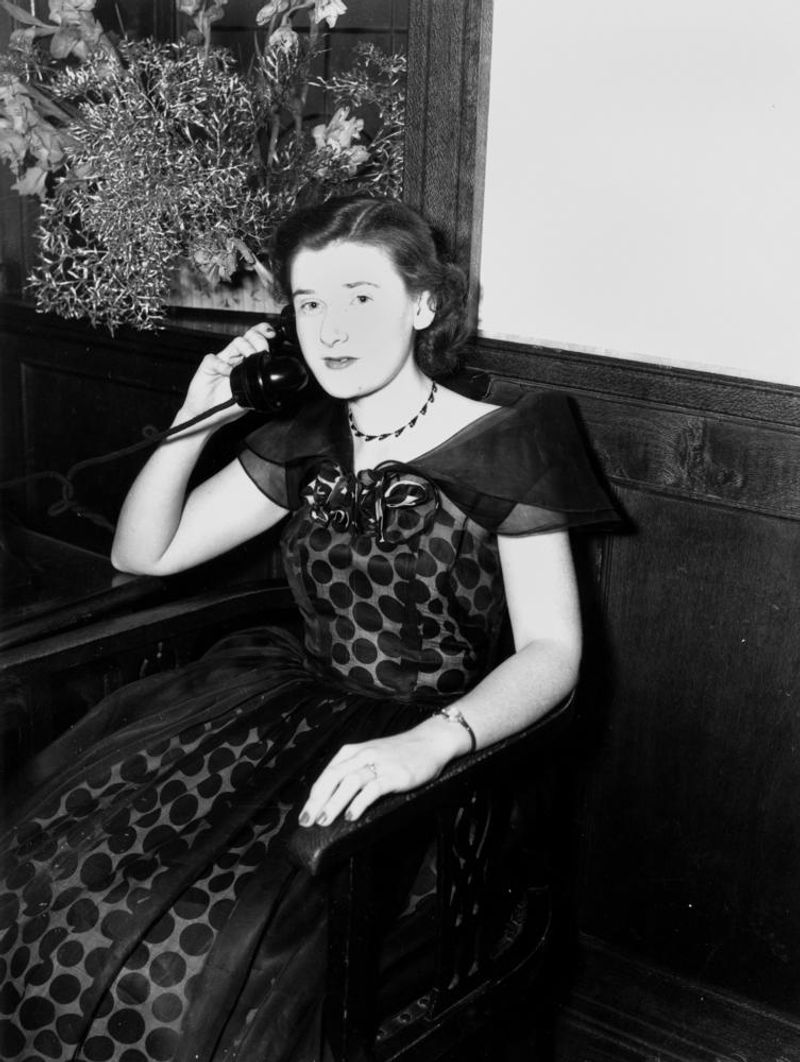
Quick test: how many phone numbers can you recite right now without peeking? Our grandparents might have rattled off twenty.
Memory was the only contact list for decades. Rotary phones, common until touch-tone models spread in the 1960s and 1970s, had no screen and stored nothing.
Some older numbers came with a helpful twist. Exchange names like PEnnsylvania 6-5000, made famous by a 1940 Glenn Miller song, used letters to make numbers easier to recall.
Repetition handled most of the work. Dialing a friend’s number every week burned it into memory without any special effort.
Families also kept a handwritten address book by the phone and a thick telephone directory for everything else. Calling a business meant flipping through the Yellow Pages.
Today, many people cannot recall even a parent’s number. That can be a real problem if a phone dies or gets lost.
Memorizing three or four key numbers is an easy, old-fashioned safety habit worth bringing back.
11. How to Tell When Something Was Cooked Just Right
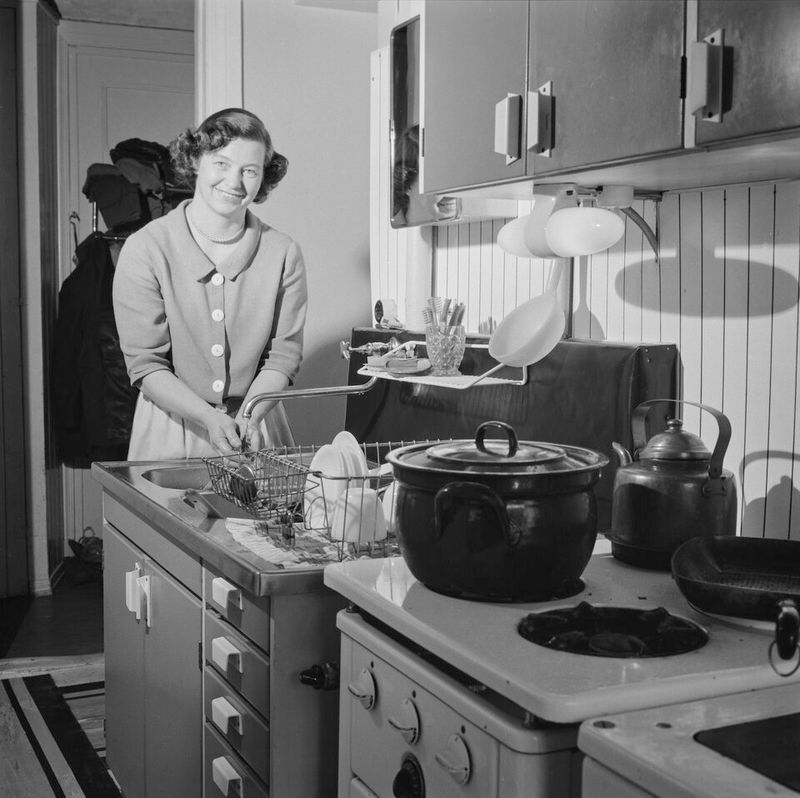
Kitchen timers existed, but many cooks barely touched them. Grandma watched the food instead of the clock.
She knew biscuits were done when the tops turned golden brown. She poked potatoes with a fork, and if it slid in easily, they were ready.
Sauces had their own test. She dipped a spoon, ran a finger across the back, and if the line held its shape, the sauce had thickened enough.
Cakes got the toothpick test. A clean toothpick meant the center had set, a trick still printed in cookbooks today.
Older ovens made this skill necessary. Many early models lacked accurate thermostats, so cooks learned to judge doneness by sight rather than trusting the dial.
There is one important update. Color and texture cannot confirm that meat or poultry is safe, so a food thermometer is the right tool there.
Chicken should reach 165 degrees Fahrenheit.
For everything else, Grandma’s methods still work beautifully.
12. How to Make Clothes Last for Years
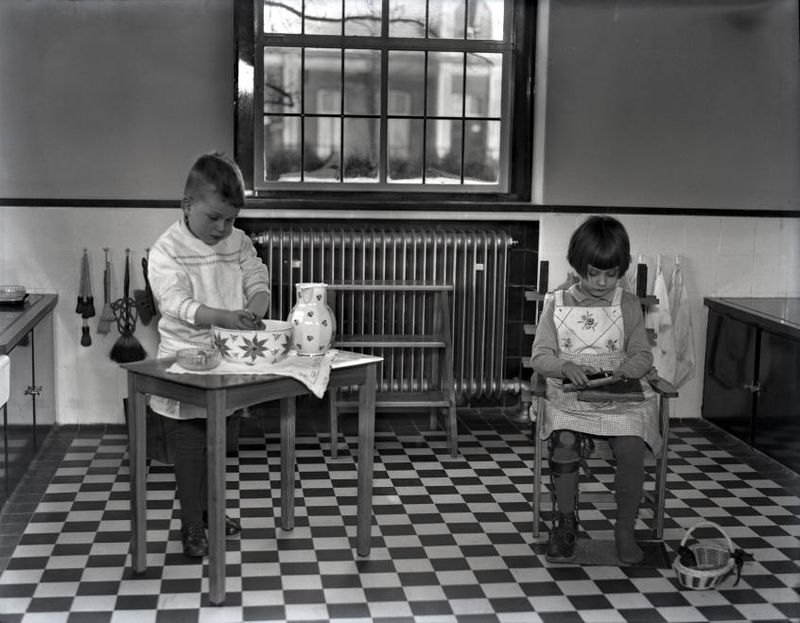
A good wool coat in 1950 could cost a working family a week or more of wages. Nobody treated it like a throwaway item.
Grandpa brushed dirt off his jacket after wearing it and hung it on a sturdy wooden hanger. His leather shoes got polished regularly, and worn soles went to the cobbler for new ones.
Grandma rotated wardrobes with the seasons. Winter wool got cleaned and packed away with cedar blocks or mothballs to keep moths out.
Hand-me-downs were normal too. Sturdy clothes passed from older siblings to younger ones, and a tailor could adjust a hem or let out a seam.
Things changed fast. Americans now buy about five times as much clothing as they did in 1980, and much of it is worn only a few times.
A few easy habits help. Wash clothes in cold water, air dry when possible, and fix small problems early.
Your favorite jeans will thank you.
13. How to Know Their Neighbors and Who to Ask for Help
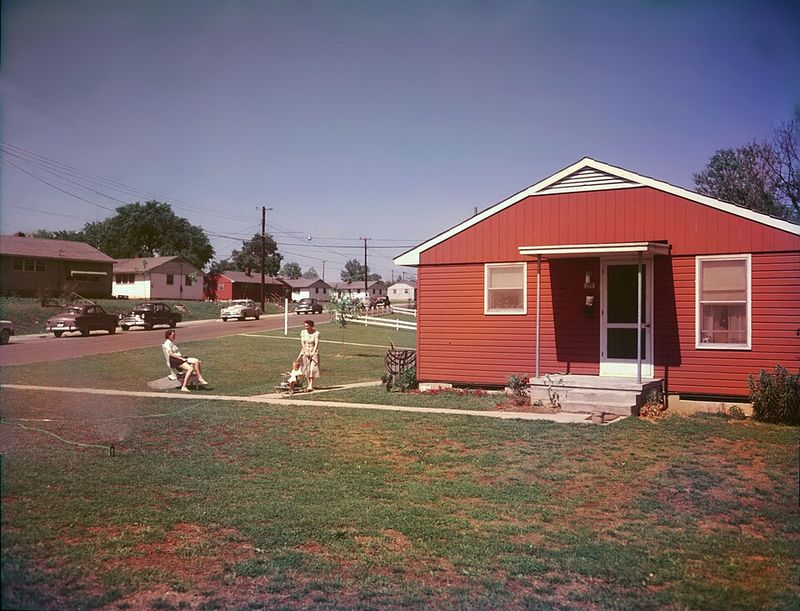
Need a ladder, a jump start, or a cup of sugar? Our grandparents usually knew exactly which door to knock on.
Neighborhood ties were part of everyday life. Many families stayed in the same house for decades, so people knew names, kids, and even each other’s dogs.
Neighbors traded tools, shared extra zucchini, and kept an eye on houses during vacations. The local mechanic or retired carpenter down the street was often the first call when something broke.
Community groups made connections easier. Church groups, bowling leagues, and parent-teacher associations brought people together regularly.
Sociologist Robert Putnam’s 2000 book Bowling Alone documented how those community ties weakened across America in the late 1900s.
Not every neighborhood was welcoming to everyone, of course. Still, the basic idea holds value.
Learning a few names on your street, offering help, and swapping phone numbers builds a support network no app can fully replace.
Sometimes the smartest answer is simply knowing whom to ask.
Share this story