Back in the day, a knock at the door did not cause panic. Grandma could hear the doorbell, wipe her hands on her apron, and have coffee going and cookies on a plate before the visitor finished saying hello.
She was not psychic. She was simply ready.
In the 1950s, 1960s, and 1970s, people dropped by without calling first, and that was considered perfectly normal. Neighbors popped in after errands, cousins showed up on Sunday afternoons, and friends sometimes arrived with nothing more than a wave from the driveway.
To handle all of this, smart hosts kept a quiet stash of supplies just for company. Some of these items were practical, some were a little fancy, and a few belong firmly in a museum of manners today.
The list below covers the cupboard secrets, cabinet treasures, and drawer staples that made surprise guests feel welcome in minutes. Some will make you smile, some may spark a memory of a certain relative, and one or two might inspire you to start your own company stash.
Keep reading to see how many you remember.
1. A Tin of Cookies Reserved for Company
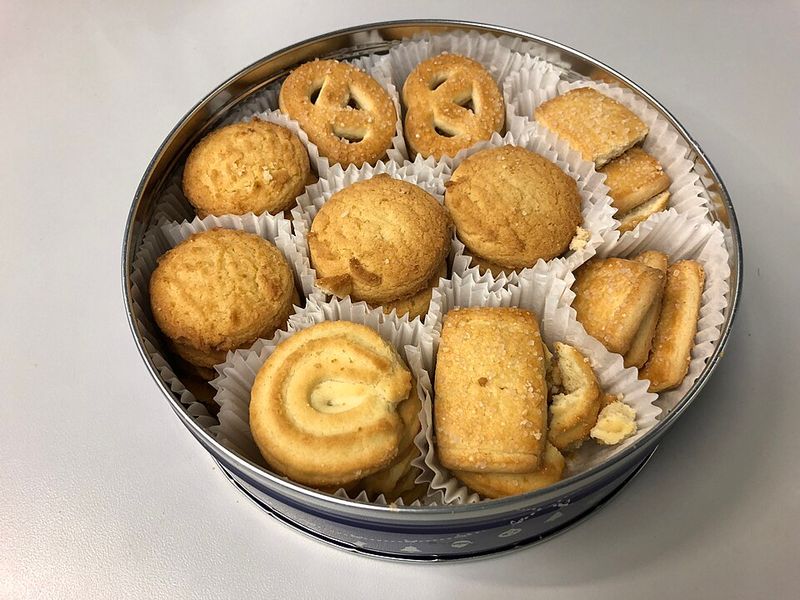
Every kid in America learned the hard way that some cookies were strictly off limits. The forbidden stash usually lived in a decorative metal tin on a high shelf.
Inside, you might find homemade shortbread, buttery spritz cookies, or store-bought treats that Grandma decided were nice enough for guests. Danish butter cookies in the famous blue tin were a common favorite.
The rule was simple. These cookies were not for snacking on a random Tuesday afternoon.
When a neighbor knocked, the host could arrange a few on a plate before the coffee finished brewing. That small move turned a quick hello into a real visit.
Metal tins were also popular because they lasted for years and kept cookies fresh longer than a paper bag. Many families reused the same tin through several decades.
Of course, plenty of tins eventually ended up holding buttons, thread, and needles instead. Opening one expecting a treat and finding a sewing kit became a classic childhood letdown.
2. A Complete Set of Matching Coffee Cups
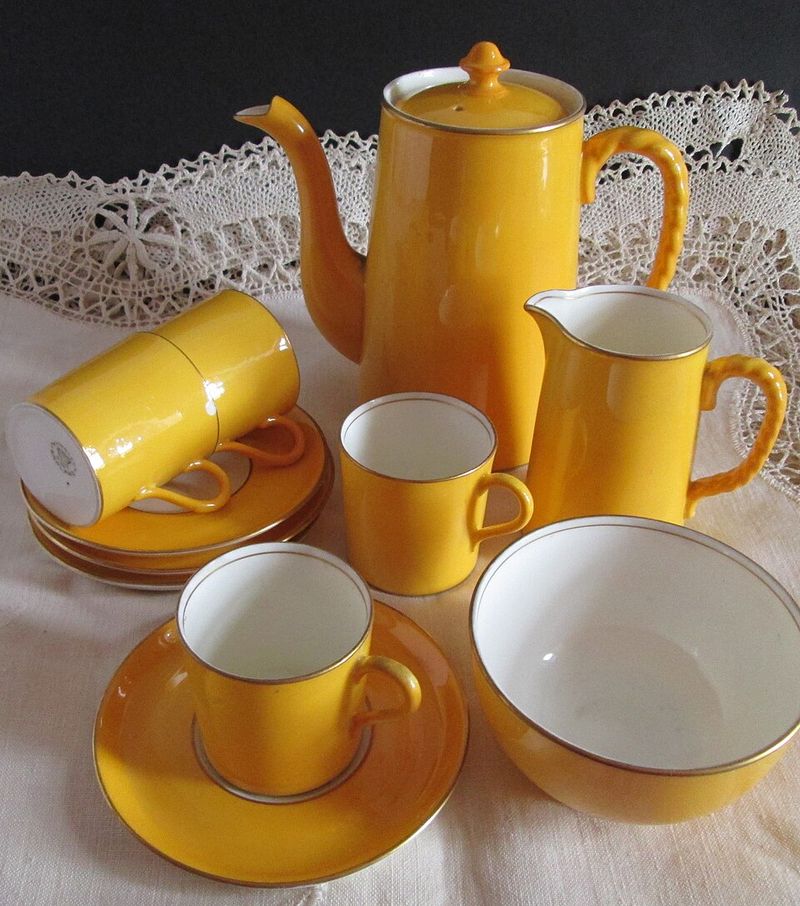
Mismatched mugs were fine for the family, but guests got the good stuff. Many homes kept a full set of matching cups and saucers set aside just for visitors.
These sets often came from wedding gifts, department store sales, or a china pattern collected one piece at a time. Some featured gold rims and painted flowers, while others were plain white porcelain.
Size was another big difference. A typical vintage coffee cup held about six ounces, which is far smaller than the giant mugs people carry around today.
Saucers were not just for show. They gave guests a handy spot to rest a spoon or balance a cookie without hunting for a napkin.
Bringing out the matching set sent a quiet message that the visitor mattered. It was hospitality you could hold by the handle.
Grandma also knew exactly where each cup belonged in the cabinet. Put one back in the wrong spot, and she would notice within the hour.
3. A Box of Crackers for Last-Minute Appetizers
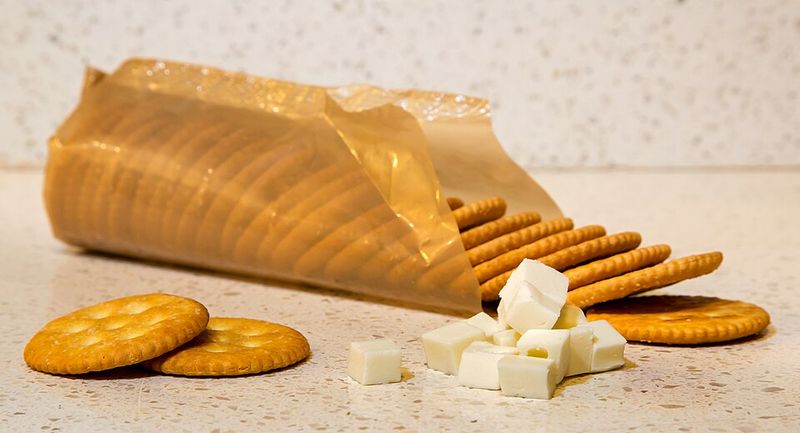
A single sleeve of crackers has saved more surprise visits than anyone can count. Smart pantries almost always held saltines, Ritz, or another trusted brand.
Ritz crackers launched in 1934 and quickly became a party staple. Their round shape looked neat on a platter with almost no effort.
Add a block of cheese, a jar of pimento spread, or some canned smoked oysters, and suddenly there was an appetizer tray. No oven required.
Midcentury hosts loved pairing crackers with cheese balls and onion dip made from soup mix. Those snacks became famous at cocktail-free gatherings, card nights, and holiday open houses alike.
Crackers were cheap, stored easily, and lasted for weeks. That made them the ideal backup plan for anyone who never knew who might ring the bell.
Some hosts fanned them in perfect circles around a center dish. The result looked planned, even if it came together in four minutes flat.
4. A Proper Guest Ashtray
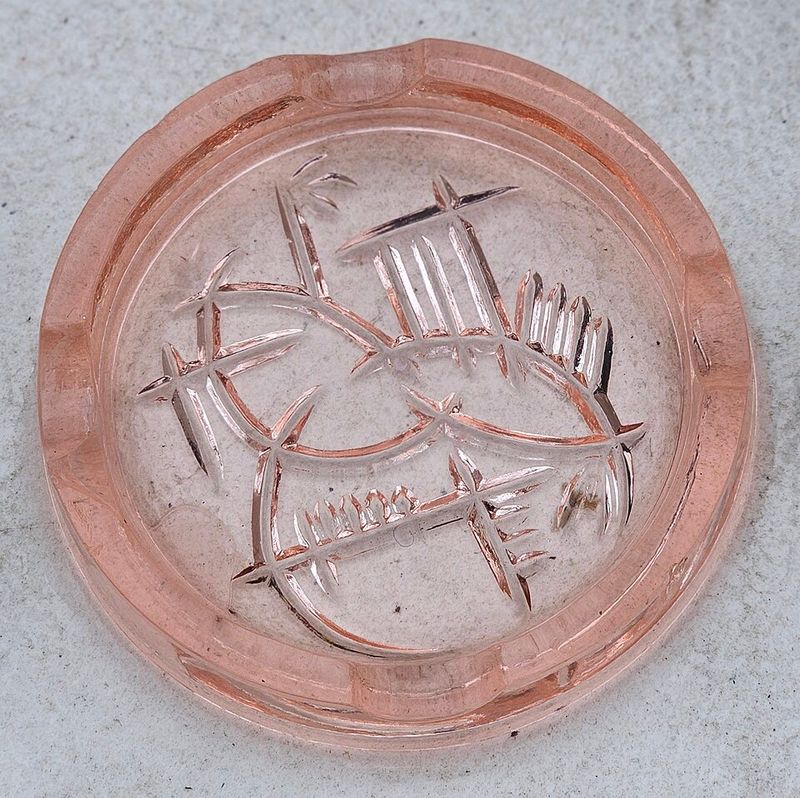
Few household items show how much times have changed quite like the guest ashtray. In the 1950s and 1960s, it was considered basic manners to have one ready.
Smoking was common almost everywhere back then, including offices, restaurants, and living rooms. Even families who never smoked often kept an ashtray for visitors.
Department stores sold them in heavy glass, colorful ceramic, and shiny metal. Many people also collected them as souvenirs from hotels, diners, and vacation spots.
Some homes placed one on the coffee table and another beside a favorite armchair. A small box of matches usually sat nearby.
Today, the health risks of tobacco are well known, and indoor smoking has mostly faded from social life. Most modern hosts would never think of buying one.
Still, many people remember a chunky glass ashtray that never moved from the living room table. Plenty of those pieces now hold keys, paper clips, or loose change instead.
5. A Bowl of Wrapped Hard Candy
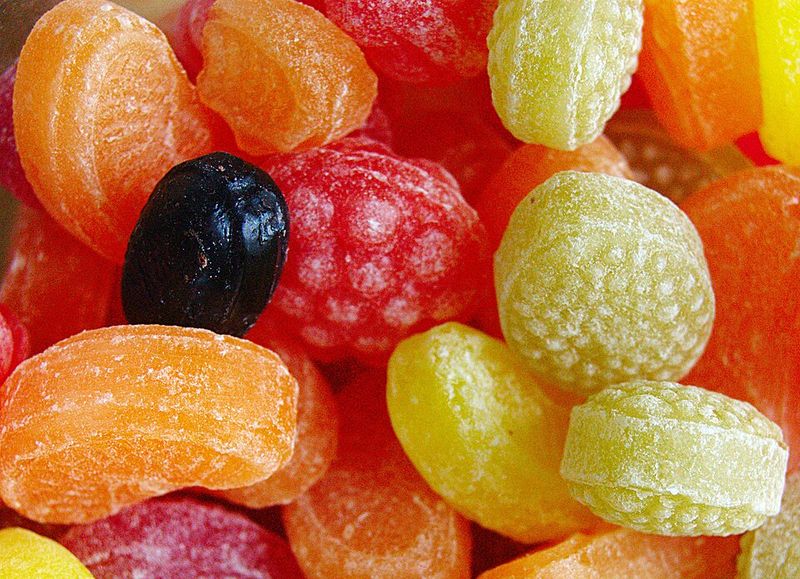
Ask anyone who visited grandparents as a kid, and they will likely remember the candy dish. It was the first thing many children checked after taking off their coats.
Common choices included peppermints, butterscotch disks, lemon drops, and those strawberry candies wrapped to look like little berries. Some fancier dishes held individually wrapped chocolates.
The candy was never meant to be a meal. It was a small, sweet way of saying welcome.
Glass and crystal candy dishes were especially popular, and many became treasured family heirlooms. Some even had lids that made a warning clink whenever little hands got too curious.
Hard candy also had a big practical advantage. Unlike cakes or pies, it stayed good for months, so the host was always ready.
Kids quickly learned which relatives stocked the best selection. A great candy dish could make a certain aunt the most popular stop on any holiday visiting route.
6. Cloth Napkins for Special Occasions
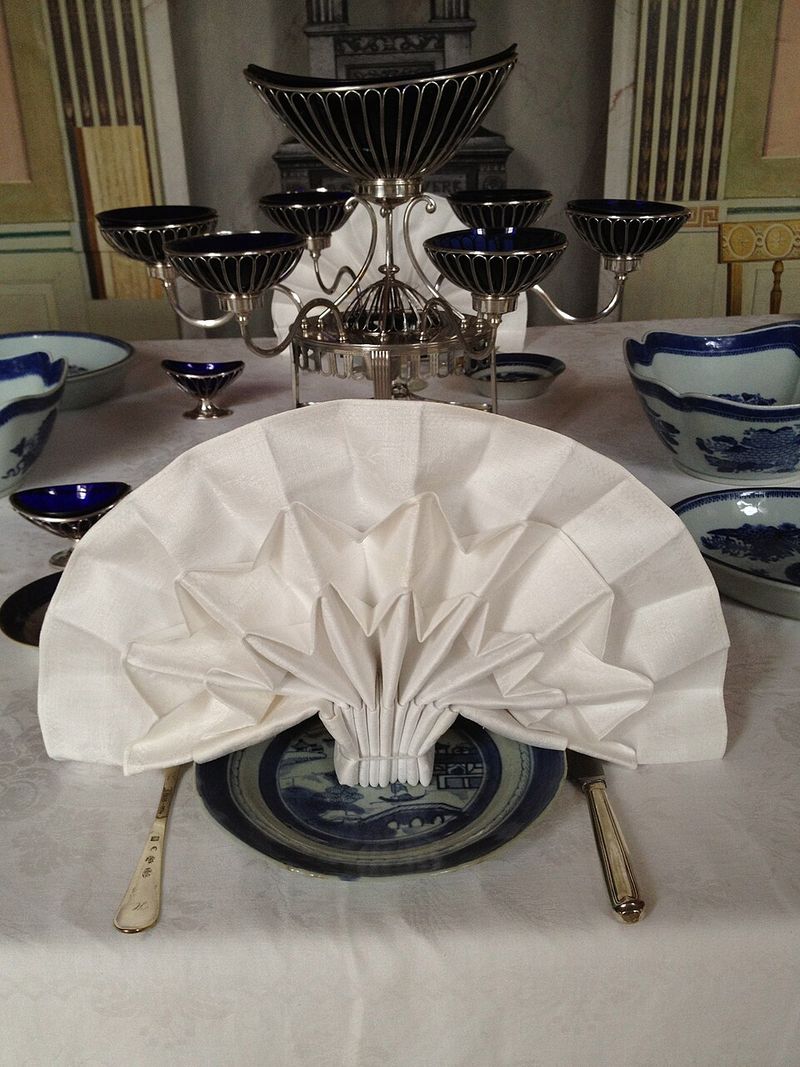
Paper napkins handled everyday spills, but company deserved cloth. Many households kept a neat stack of linen napkins tucked away in a dining room drawer.
Some were simple white cotton. Others showed off embroidered initials, tiny flowers, or carefully stitched borders that took someone hours to finish.
A lot of these sets arrived as wedding gifts or were passed down from mothers and grandmothers. They usually lived right beside the good tablecloth.
Cloth napkins did come with chores. They needed washing, starching, and sometimes ironing, which explains why they only appeared for important meals.
That effort was exactly the point. Laying out cloth napkins told everyone at the table that tonight was not an ordinary weeknight supper.
Today, disposable napkins rule most casual gatherings. Even so, a folded cloth napkin remains one of the easiest ways to make a table look thoughtful, and many thrift stores sell vintage embroidered sets for just a few dollars.
7. A Jar of Instant Coffee
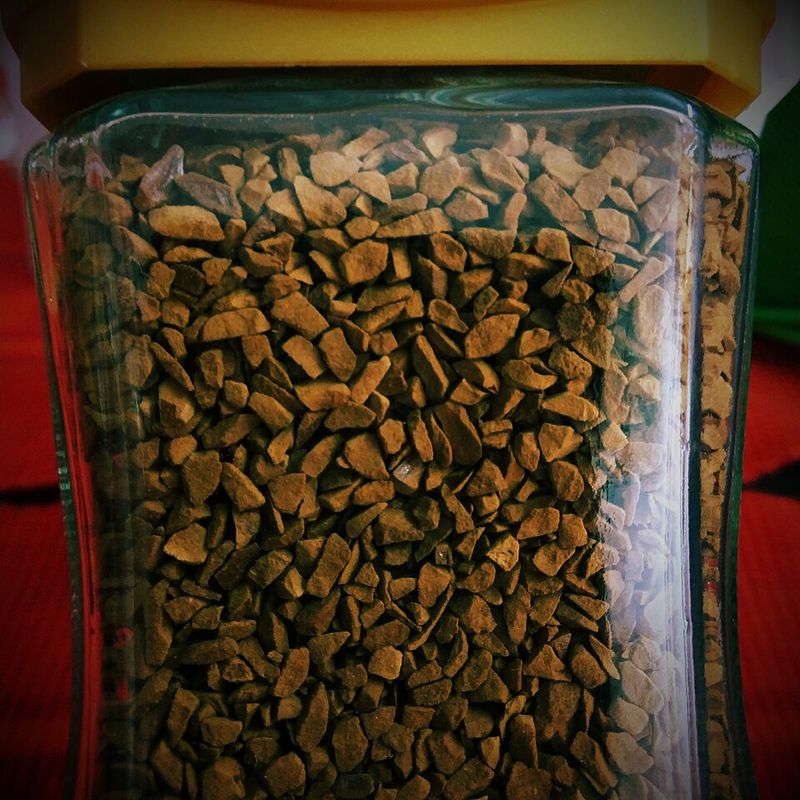
Brewing a whole pot for one surprise guest felt like a lot of work. A jar of instant coffee solved that problem in about thirty seconds.
Nescafé introduced its instant coffee in 1938, and Maxwell House followed with its own version after World War II. By the 1960s, these jars were regular sights in American kitchens.
All a host needed was hot water and a spoon. That made instant coffee perfect for quick visits when nobody planned to stay long.
Some families drank regular brewed coffee every morning but kept instant on hand just in case. Others used it daily and never looked back.
The jar usually sat near the sugar bowl and a container of powdered creamer. Together, they formed a ready-made coffee station long before fancy machines existed.
Today, single-serve pod machines offer the same kind of speed. Back then, though, that humble jar was the original shortcut for a fresh cup with company.
8. A Serving Tray That Only Came Out for Visitors
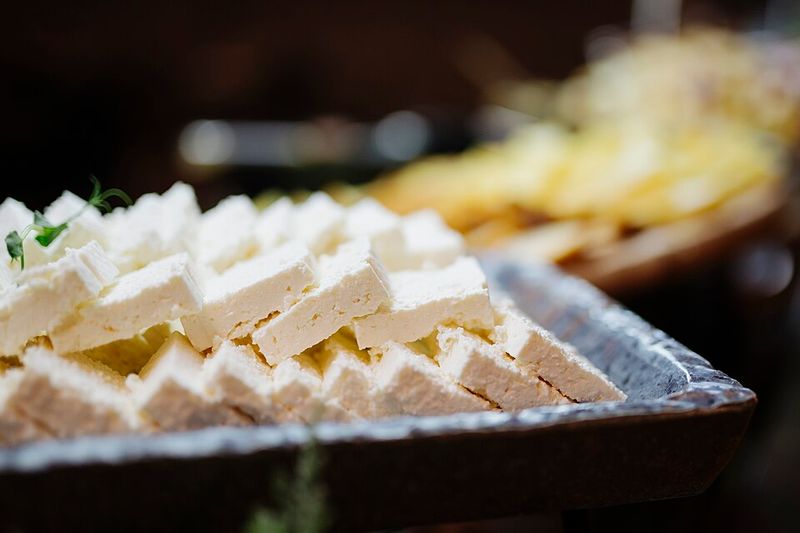
Carrying four cups, a sugar bowl, and a plate of cookies by hand is a recipe for disaster. The serving tray existed to prevent exactly that kind of kitchen-to-couch catastrophe.
Trays came in many styles. Some were silver-plated metal, while others used polished wood, glass, or bright painted designs popular in the 1950s.
Many were wedding gifts that stayed in the family for decades. A good tray was something people expected to own for life.
Hosts would arrange everything neatly in the kitchen first. Then they carried the full setup into the living room in a single trip.
That small presentation made a simple cup of coffee feel a bit more special. It also kept the host from running back and forth while guests waited.
Trays had other uses too, such as bringing lemonade to the porch or breakfast to someone home sick. Today, most guests just gather around a kitchen island and help themselves.
9. A Box of Assorted Tea Bags
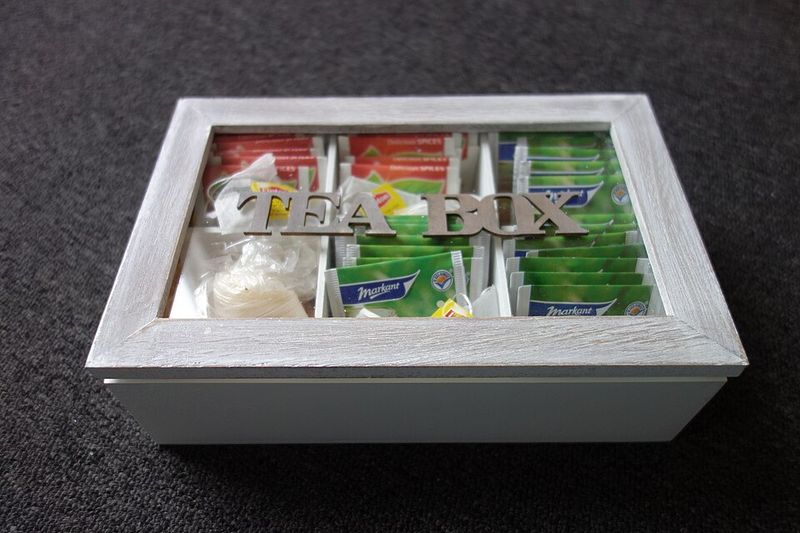
Not everyone wanted coffee, and a thoughtful host was ready for that. A small box of tea bags made sure every guest had a warm option.
The selection was usually modest. Plain black tea, a decaf variety, and maybe one flavored choice like orange spice or mint covered most requests.
Here is a fun bit of history. Tea bags became popular in America partly by accident, after a New York merchant shipped samples in small silk pouches around 1908 and customers brewed them whole.
Some hosts brewed tea in a proper teapot. Others simply placed a bag in each cup and poured in hot water.
A sugar bowl, a few lemon slices, and a tiny pitcher of milk completed the setup. Those extras made a simple cup look like real service.
The goal was never to impress anyone with rare blends. It was about making sure that nobody left without being offered something to drink.
10. A Deck of Playing Cards
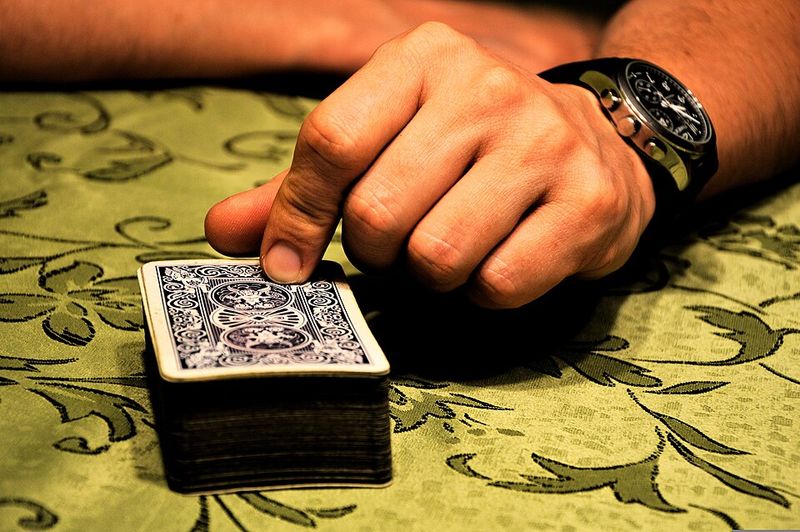
Long before streaming services, a fifty-two card deck could fill an entire evening. Most homes kept at least one in a kitchen drawer or game closet.
Popular games included bridge, canasta, rummy, hearts, and pinochle. Bridge was so popular in the 1950s that newspapers ran daily columns explaining tricky hands.
Canasta needs two full decks, so many families owned several. Serious players also kept scorepads and pencils right beside the cards.
Cards worked for almost any group. Grandparents, parents, and teenagers could all sit at the same folding table and play together.
Games also kept conversation flowing. People could chat, laugh, and catch up on neighborhood news while waiting for their turn.
Kids often learned simple games like Go Fish or War by watching the grown-ups. Later, they graduated to the real tables.
All that fun cost a dollar or two, needed no electricity, and never required a password or monthly subscription.
11. A Clean Guest Towel in the Bathroom
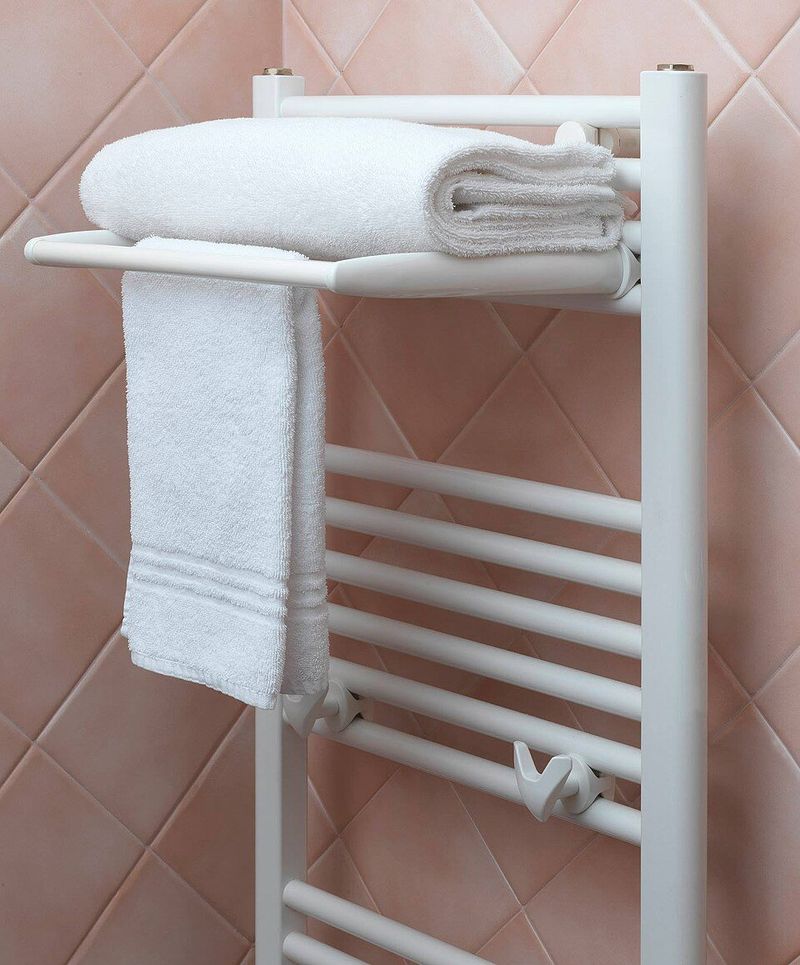
Grandma checked the bathroom before company arrived with the focus of a hotel inspector. One detail she never skipped was a fresh towel just for guests.
Many households used small fingertip towels for this job. They were often embroidered or matched the bathroom colors, which in the 1960s could mean pink, mint green, or bright yellow.
Other families kept it simple. They swapped the everyday towel for a clean one and called it done.
Either way, the idea was both kind and practical. Visitors needed a clean place to dry their hands.
In fancier homes, guest towels came in sets with decorative soaps shaped like shells or flowers. Funny enough, almost nobody dared to actually use those soaps.
Some guests even felt too shy to use the pretty towels and dried their hands on their pants instead. Today, disposable paper guest towels offer an easy option for big parties, but a fresh towel still makes visitors feel cared for.
12. A Bottle of Ginger Ale or Another Special Soft Drink
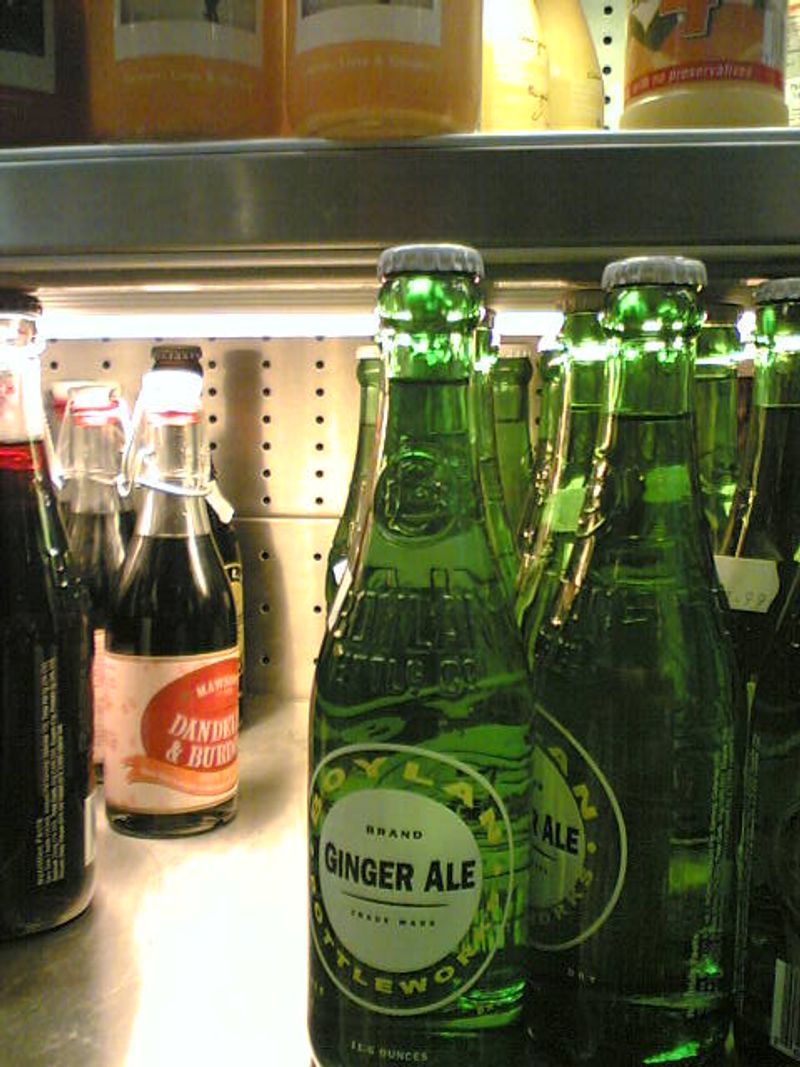
In many homes, soda was a rare treat for kids rather than an everyday drink. That made the bottles saved for company feel extra exciting.
Ginger ale, cola, root beer, and lemon-lime soda were common picks. Canada Dry ginger ale was a favorite because nearly everyone liked it.
A cold bottle meant the host could offer a refreshing drink without making anything. No squeezing lemons or mixing powdered packets required.
Ginger ale also had a reputation as a tummy settler. Many parents handed it out whenever someone felt a bit unwell.
Back then, refrigerators did not have built-in ice makers or water dispensers. Keeping a few bottles chilled was part of getting ready for visitors.
Most soda came in glass bottles with a small deposit. Kids often returned empties to the store for a few cents each and spent the money on candy.
A few chilled bottles meant guests got more than plain tap water.
13. A Set of Good Dishes Nobody Used Every Day
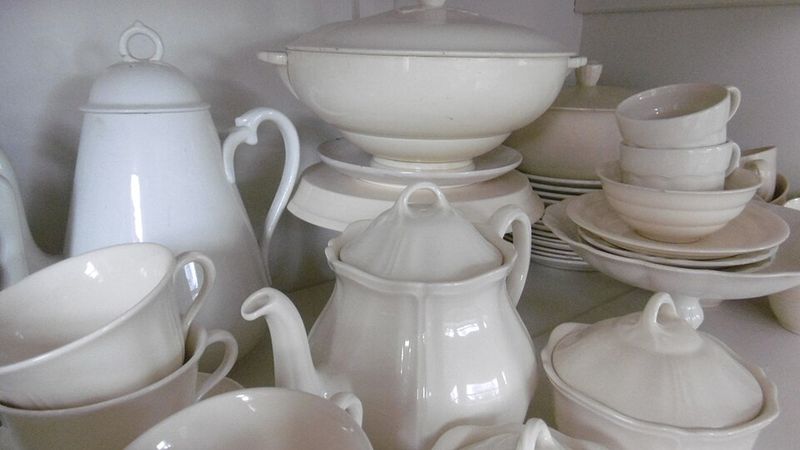
Behind the glass doors of the china cabinet sat the family’s most protected possessions. The good dishes waited there most of the year for their big moment.
These sets often featured gold trim, delicate flowers, or elegant patterns with names like Blue Willow. Many included matching gravy boats, platters, and covered serving bowls.
They came out for holidays, Sunday dinners, anniversaries, and very important guests. The rest of the time, nobody touched them.
Children received strict instructions about carrying plates with two hands. Gold-trimmed china could not go in the dishwasher, so washing it became a careful family job.
Many sets arrived as wedding gifts or were inherited from older relatives. They represented both real money and a sense of tradition.
Today, most people prefer sturdy everyday plates that survive the dishwasher. Still, anyone who watched Grandma open that cabinet knew the signal.
Someone special was coming to dinner, and everyone was expected to sit up straight.
Share this story