Remember the toys that filled backyards, kitchens, and cereal boxes back in the day? Some of them were wildly fun, but a few came with risks that parents and regulators later took seriously.
Safety rules were looser then, and kids often played with items that would raise eyebrows today. This list looks at twelve toys and promotions tied to that era, from pointy backyard games to tiny pieces in fast food meals.
Some belong more to the 1970s or early 1990s, and each entry notes where that matters. Read on to see what changed and why.
Lawn Darts (Jarts)
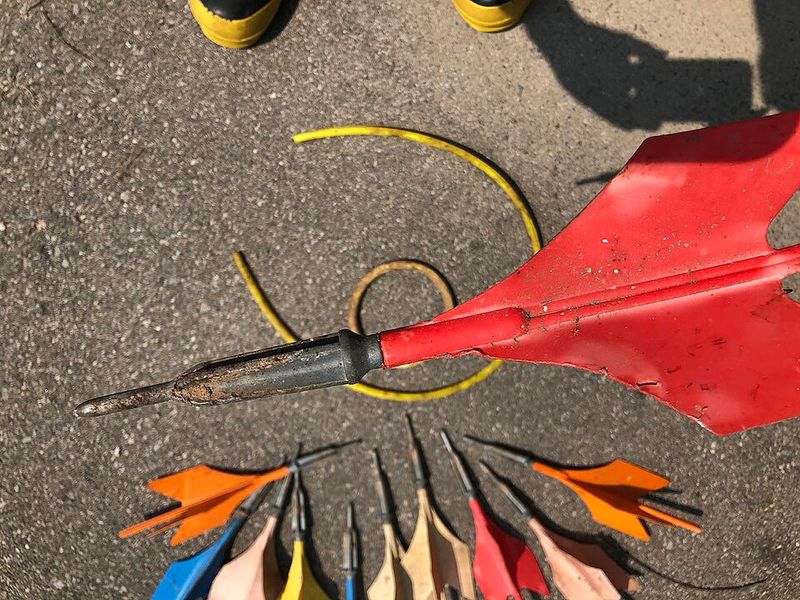
Few backyard games looked as simple as lawn darts. Players tossed heavy darts with sharp metal tips high into the air, aiming for a plastic ring on the grass.
The problem was the landing. A dart that came down on a person instead of the ground could cause serious head injuries, and a poorly aimed throw was all it took.
The U.S. Consumer Product Safety Commission moved to ban these darts in 1988, after multiple deaths and hundreds of injuries each year.
That decision pulled a popular picnic pastime out of stores and garages across the country.
Today the story is a handy reminder that a game can seem harmless and still carry real risk. If an old set turns up at a yard sale, it is smart to skip it.
Safer ring toss and bean bag games give families the same friendly competition without sharp points flying overhead.
Creepy Crawlers Thingmaker
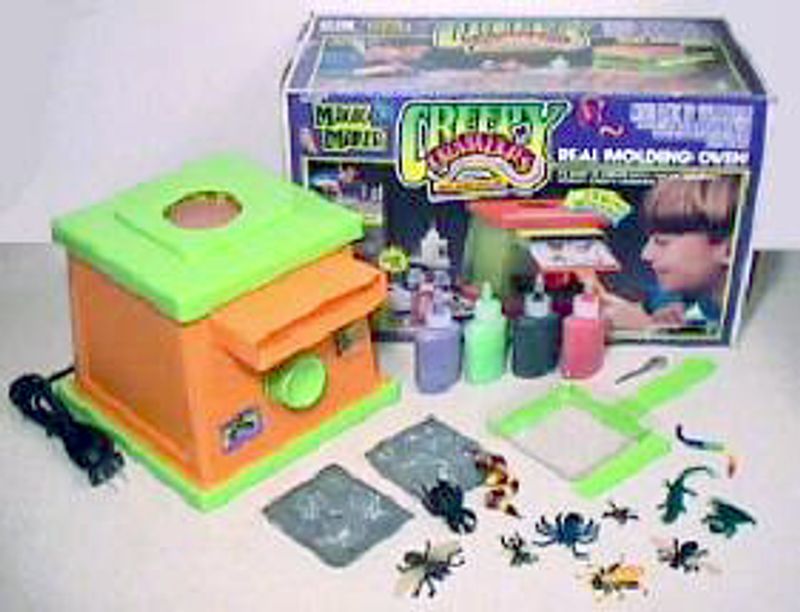
Rubber bugs made at home sounded like a dream for any kid who loved gross things. The Thingmaker let children pour liquid material into metal molds, then bake them on an electric hot plate.
The original set debuted long before the 1980s, yet its spirit carried into later toy generations. Kids kept chasing the thrill of making their own creepy critters.
The catch was the heat. Hot molds and a hot plate meant burns were an obvious risk, especially when no grown-up was watching closely.
Anyone who owned one probably remembers the wait while the bugs cooled. That wait was part of the safety plan, whether kids knew it or not.
Modern craft kits often use cooler methods, which keeps the fun of making things while taking away the sizzling equipment.
Easy-Bake Oven
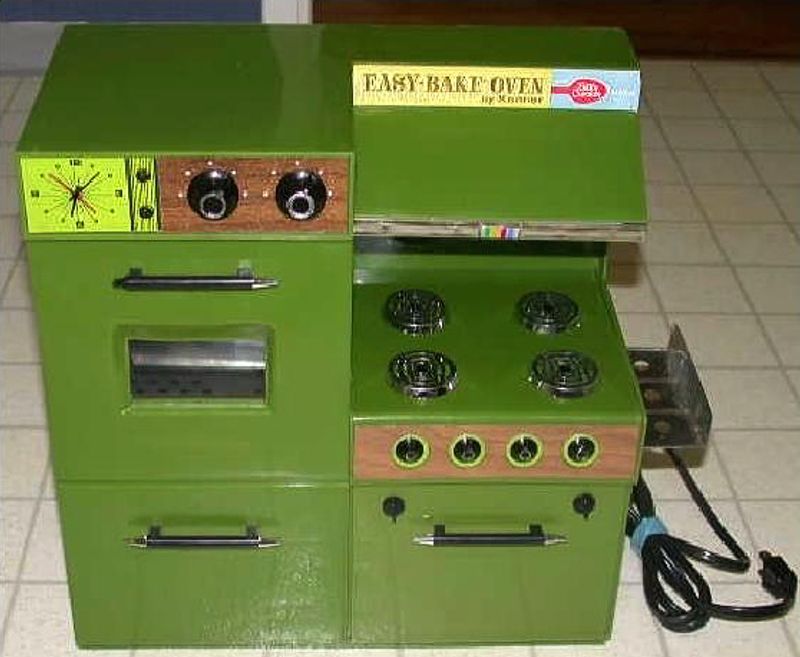
Baking a cake with nothing but a light bulb sounds like magic. Classic Easy-Bake Ovens did just that, turning a bulb into the heat source for tiny treats.
Even so, kids were still handling hot parts, so adult help mattered. A warm pan and a curious child can be a risky pair.
Safety worries grew much more serious decades later. Certain models sold in 2006 and 2007 were recalled after reports of children getting fingers trapped and suffering severe burns.
That recall did not cover the ovens from the 1980s, which is worth keeping straight. Still, the toy makes a good example of how even a favorite kitchen toy needs supervision.
Families today can bake small treats together and let kids do the stirring while adults handle anything hot.
Clackers (Klik-Klaks)
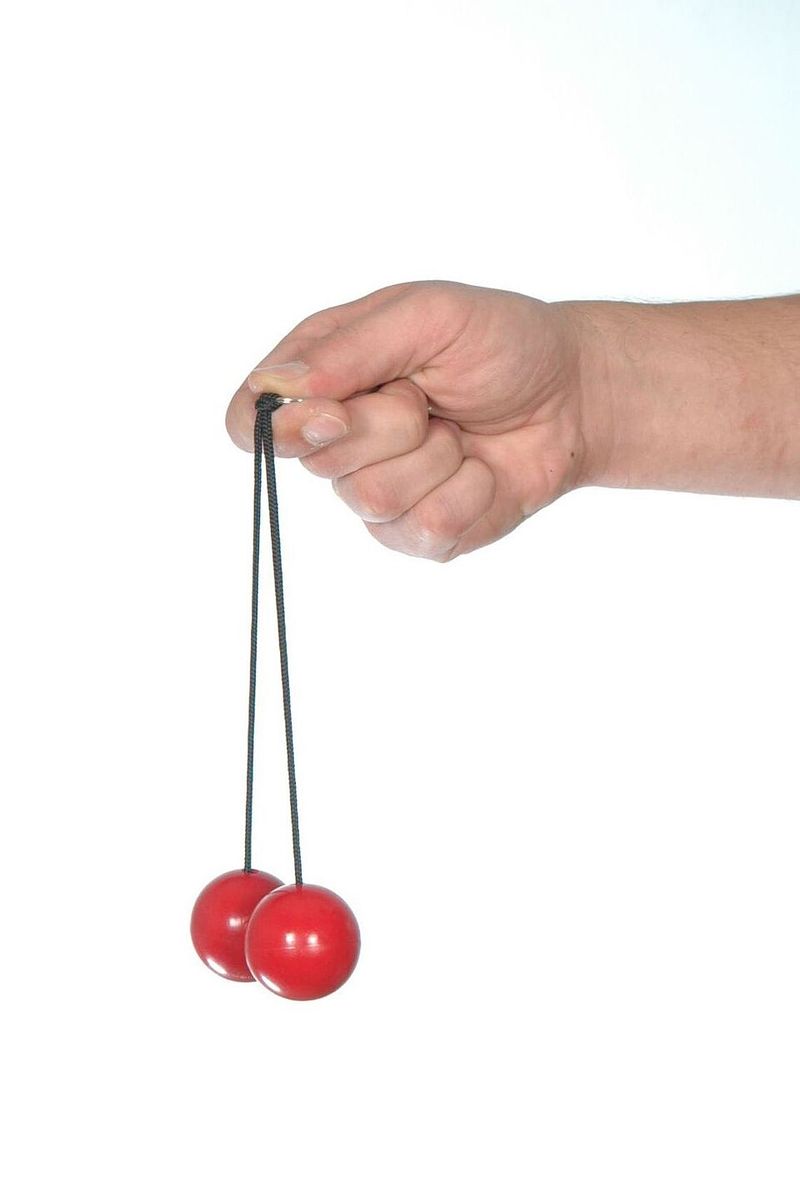
Click, clack, repeat. Two hard balls on a string made a noisy rhythm as kids swung them faster and faster.
The trouble came from the material. Early versions could crack or shatter after many collisions, sending bits flying toward faces and hands.
Their biggest craze actually hit in the 1970s, so they sit at the edge of this list. Still, many kids kept them around into the next decade, and the toy became a classic example of playground hazards from that period.
Anyone hunting for a modern version should look for newer, safer materials and use eye protection. Better yet, try a yo-yo or jump rope.
They give kids a skill to practice without the worry of flying fragments.
Battlestar Galactica Colonial Viper
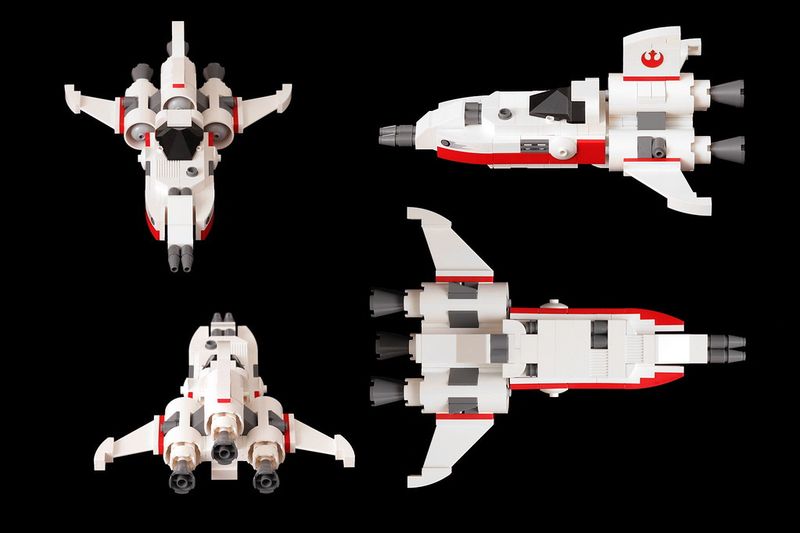
A spaceship that fires real missiles was every sci-fi fan’s wish. Mattel’s Colonial Viper toy had a spring-loaded launcher that shot small red missiles across the room.
Those little missiles became the concern. They were small enough to be a serious choking hazard for young children.
Safety warnings went out in 1978, and a missile replacement program followed in 1979 after a child’s death. That timeline places the controversy in the late 1970s, not the 1980s.
Even so, the toy stayed part of the childhood memories of that era, and it helped shape later rules about small parts and projectiles. The lesson holds today.
Check age labels on any toy with pieces that launch or detach, especially when little ones share space with older siblings.
Slap Bracelets
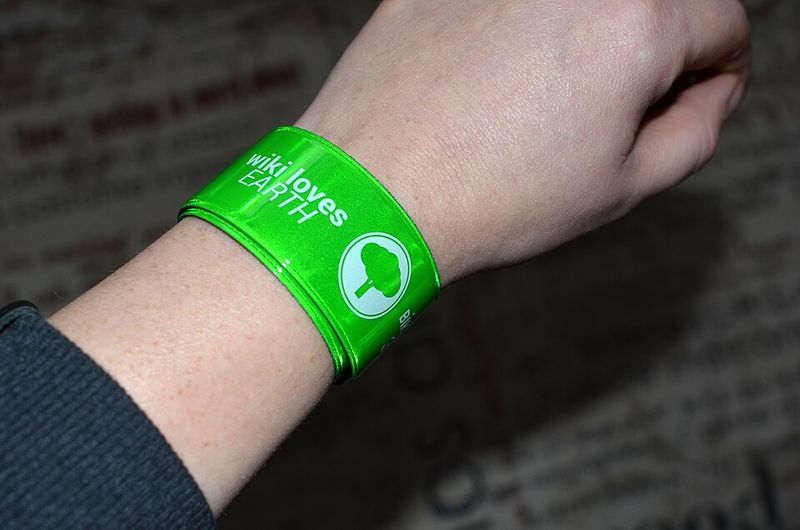
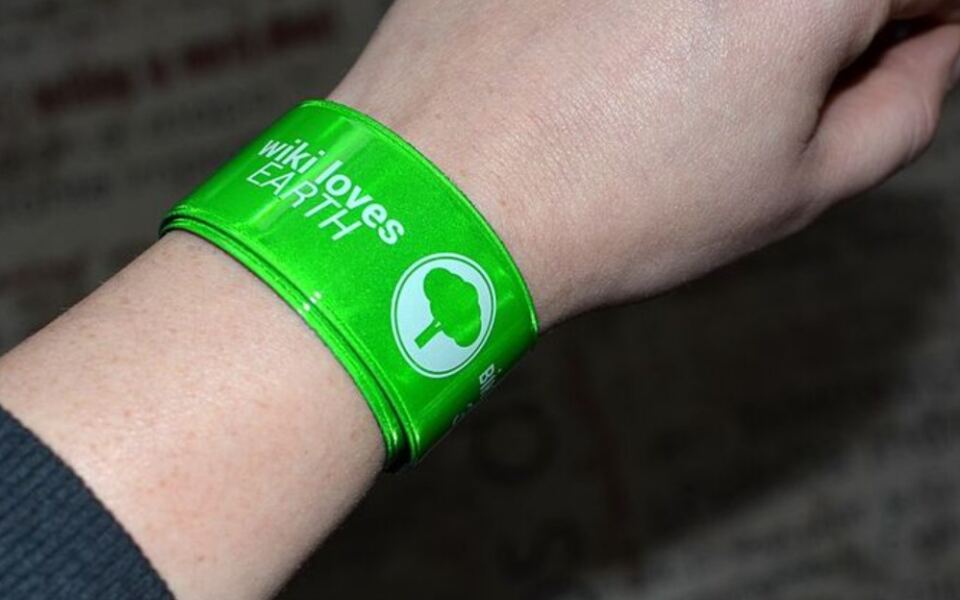
One flick of the wrist and a straight strip curled into a bracelet. Slap bracelets took over schoolyards around 1990, and kids stacked them up their arms.
They are often lumped in with 1980s nostalgia, although their peak belongs to the early 1990s. That small timing detail matters for anyone keeping score.
The danger showed up as the bracelets aged. In poorly made versions, the fabric or plastic covering could wear away and expose sharp metal edges.
A worn bracelet could scratch or cut skin, which led many schools to ban them. If an old one is hiding in a drawer, check the edges before anyone wears it.
Frayed covering means it is time to toss it and pick a newer, well-made version.
Children’s Chemistry Sets
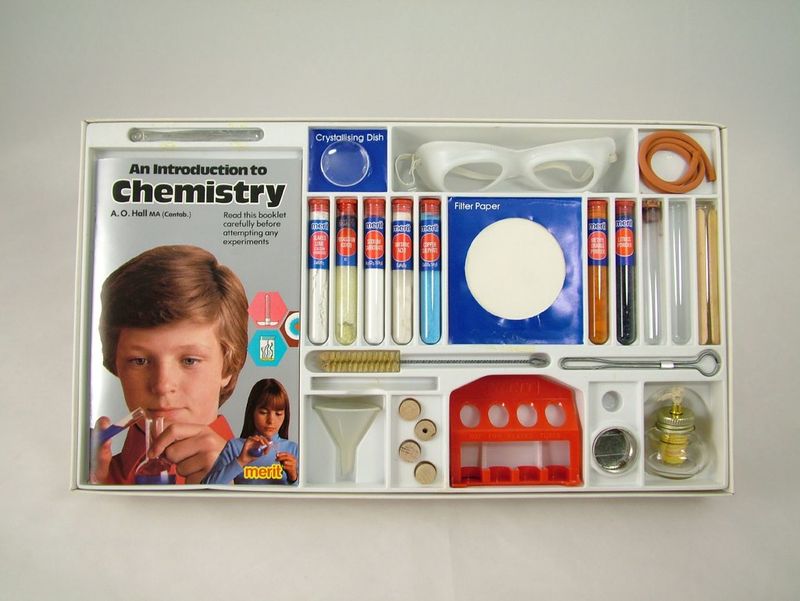
Plenty of kids first felt like real scientists with a chemistry set. Glass tubes, small bottles, and mixing instructions made the kitchen table feel like a lab.
That excitement came with risk. Mishandling substances, swallowing them, or mixing the wrong ingredients could cause serious harm.
A 1983 safety report from the U.S. Consumer Product Safety Commission documented a child’s death in 1982 linked to swallowing a concentrated salt solution from a set.
It showed that even common-looking materials can be dangerous in the wrong form.
Modern kits tend to use gentler ingredients and clearer warnings. Parents can help by reading instructions together, keeping supplies away from younger siblings, and storing everything safely after each experiment.
McDonald’s LEGO Building Sets
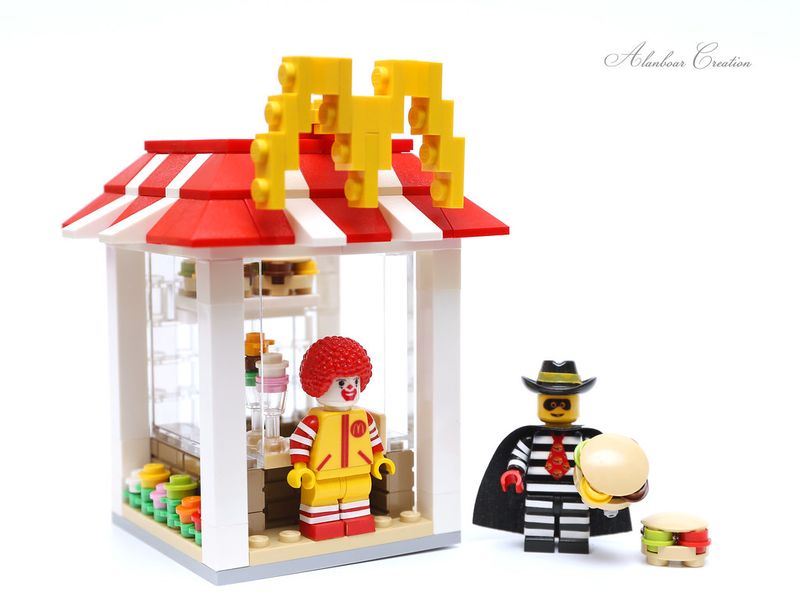
LEGO bricks in a fast food meal sounded like a win. In 1986, McDonald’s gave out small LEGO building sets as promotional toys.
The sets met applicable toy standards. Even so, their small pieces could be a choking risk for children younger than three.
McDonald’s and the U.S. Consumer Product Safety Commission asked families with younger children to swap the sets for age-appropriate DUPLO sets.
DUPLO bricks are larger, which makes them better suited for toddlers.
It was a smart fix that kept the fun and lowered the risk. Today, the same idea still helps.
Pick toys that match a child’s age, and keep the small bricks for older siblings who know not to put them in their mouths.
Share this story