Some places are pretty enough for one vacation. Others make you wonder what it would be like to stay for good.
The towns below pair lovely views with the everyday things that matter, like walkable streets, good food, nature nearby, and friendly neighbors. Costs, visas, and jobs can change the picture, but the dream is still fun to explore.
Annecy, France
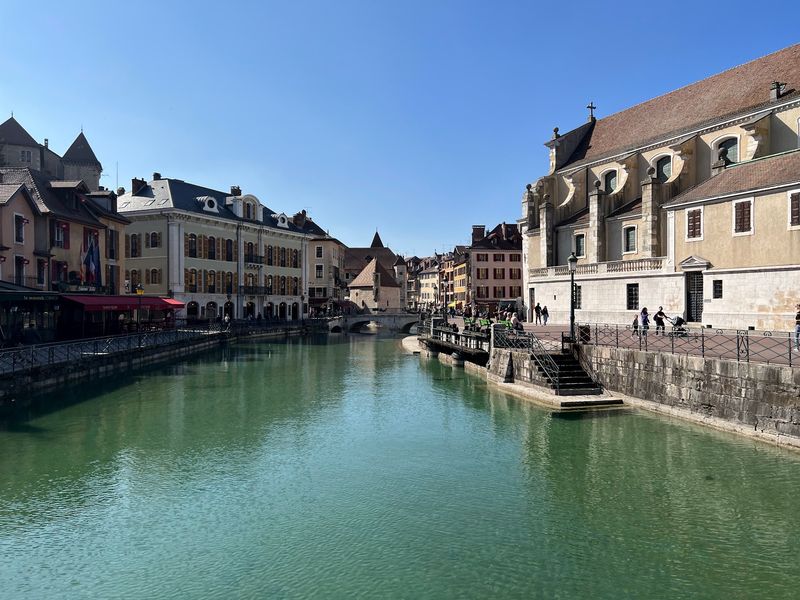
Turquoise water, snowy peaks, and a canal-laced old town all show up in one view. Annecy makes Alpine life feel believable because daily needs are covered too.
Schools, shops, and cultural venues sit close to the lake.
Cycling paths circle the water, hiking trails climb the hills, and ski areas are a short drive away. Geneva is near enough to widen job and travel options, which helps a lot for anyone planning a real move.
In France’s 2026 Villes et Villages où il fait bon vivre ranking, Annecy placed second among cities with more than 2,000 residents. Local tourism sources call it a smart balance of nature and city comforts.
Fair warning: the popularity has a price tag. Property costs are high, and summer traffic can test your patience.
Still, a morning swim in a lake with the Alps watching is hard to beat for those who can afford it. Many residents say they plan their whole week around the water, and few complain about it.
Porvoo, Finland
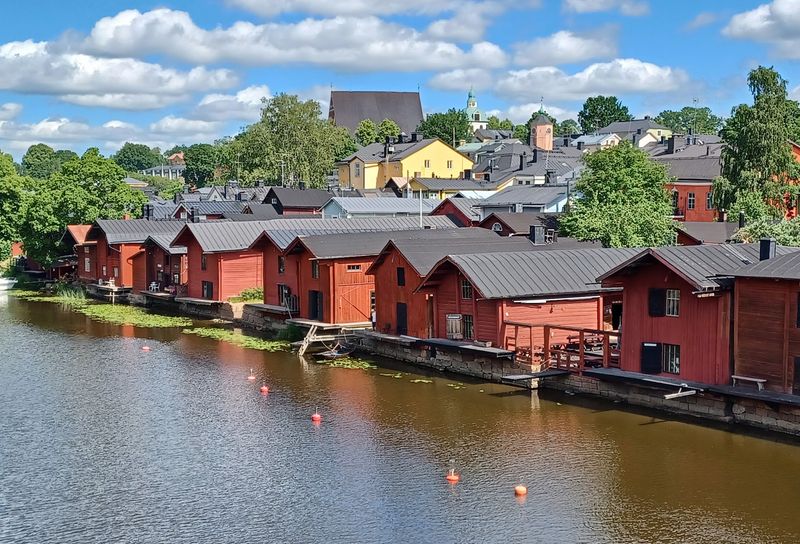
Red warehouses line the river like a row of crayons. Porvoo is a historic wooden town that sits less than an hour from Helsinki, so quiet streets and big-city access go together.
The old center is packed with cobbled lanes, painted wooden houses, galleries, and independent cafés. Helsinki Airport is roughly 40 minutes away, which makes travel simple.
Visit Finland lists a population of about 51,000. That is big enough for normal services like shops and clinics, yet far smaller than the capital.
Cultural events and outdoor activities run all year, not just in summer. The nearby archipelago adds boat trips and island walks to the mix.
Many historic towns feel like museums with a gift shop. Porvoo feels lived in, with locals buying bread and chatting on corners.
That is the best sign a place could make a good home.
Piran, Slovenia
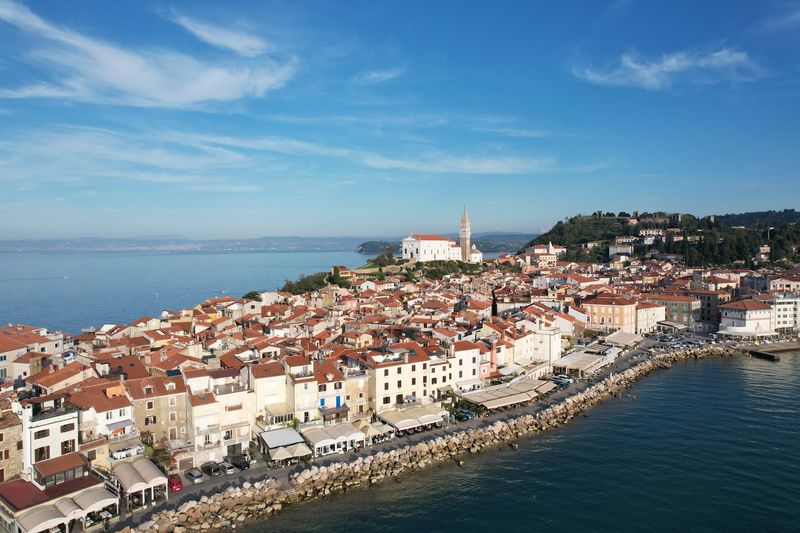
Piran sits on a thin finger of land, so the sea is never far from your feet. Medieval lanes slide down toward Tartini Square and the Adriatic, and most errands can be done on foot.
Slovenia’s tourism authority points to the town’s Venetian-style buildings, restaurants, and events. Nearby salt pans still produce salt in the traditional way, which is a fun local detail.
The Slovenian coast is short, so neighbors like Portorož and Koper are quick trips. The Karst region and the Italian border are close too, giving weekends plenty of choices.
Summer crowds can be loud and busy. Visit in the off season, though, and Piran changes.
Fishermen chat, cafés quiet down, and it feels like a small coastal community instead of a resort. That calmer version is the one worth dreaming about.
Oviedo, Spain
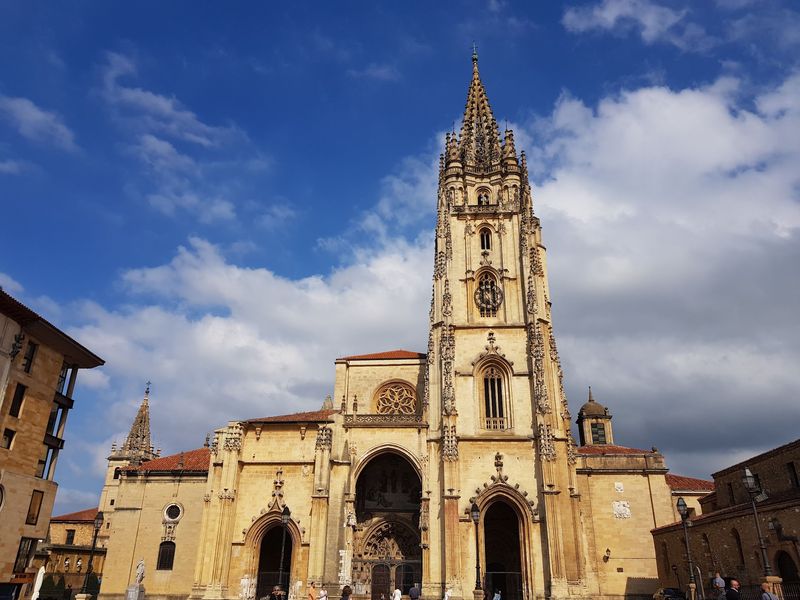
Pour cider from high above your head and you will fit right in at Oviedo. This Asturian city offers real urban life, which can make moving feel more realistic than choosing a tiny postcard village.
The old center is mostly pedestrian. Markets, plazas, parks, museums, and restaurants sit inside an easy core you can cross in minutes.
Nearby are UNESCO-listed pre-Romanesque monuments. Beyond the city, Asturias brings the Cantabrian coast and the Picos de Europa within quick reach, so hikers and beach lovers both win.
Spain’s tourism authority often praises the region for its nature, food, and slower pace. Oviedo adds practical services without the crowds, traffic, or scorching heat of bigger Spanish cities.
It is a green, cool, and well-fed corner of the country. For anyone who wants culture on weekdays and mountains on weekends, it is a strong pick.
Hood River, Oregon

Windsurfers zip across the river while a snowy volcano watches from behind. Hood River is built for people who want outdoor fun woven into regular days.
The town sits where the Columbia River Gorge meets the Cascade Range, with Mount Hood close by. Travel Oregon highlights hiking, mountain biking, windsurfing, breweries, wineries, and orchards as core parts of local life.
The surrounding valley has a strong farming identity, so the economy does not depend only on tourists. Farm-to-table meals taste even better when the farm is down the road.
Portland is near enough for a big-city day when you need one, yet the town stays small and full of character.
Housing costs have climbed quite a bit, so budgets matter. Even so, active people keep finding reasons to love it.
After work, you can bike a trail, then grab a local brew.
Colmar, France
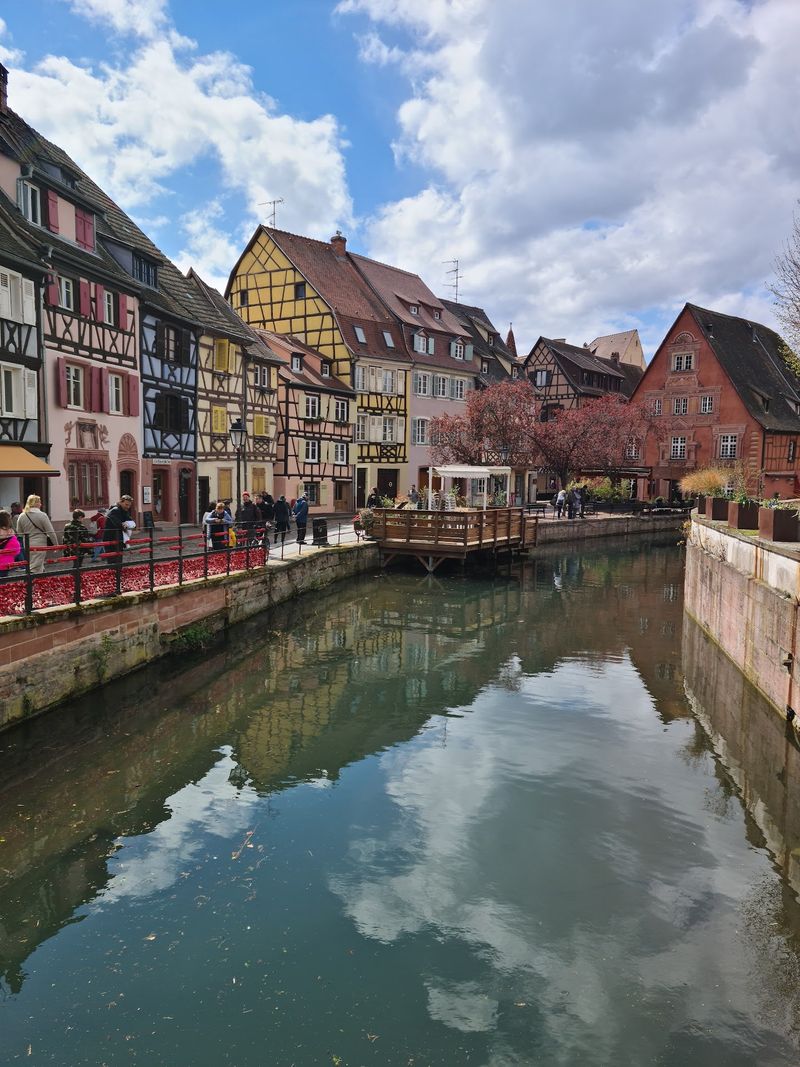
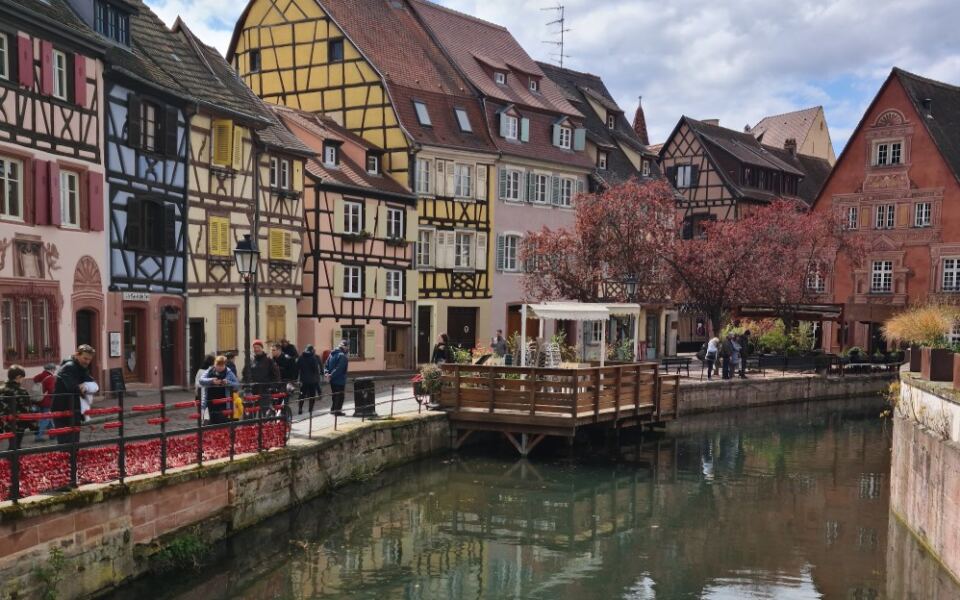
Visitors often say Colmar looks like a storybook, yet people really live here. About 67,000 residents share canals, historic neighborhoods, markets, and restaurants with vineyards just beyond the edge of town.
The official tourism office says Colmar keeps a country town feel even though it is an important regional center. That mix is rare and very welcome.
Location helps a lot. Strasbourg, Mulhouse, Germany, and Switzerland are all within reach, which opens doors for jobs, trains, and weekend trips.
The Alsace Wine Route winds past small villages and vineyards, so a Sunday drive can end with a tasting.
Crowds swell at Christmas and in summer, and that is the trade-off. But the practical regional links make Colmar more than a pretty face.
It works as a home base as well as a photo stop.
Ålesund, Norway
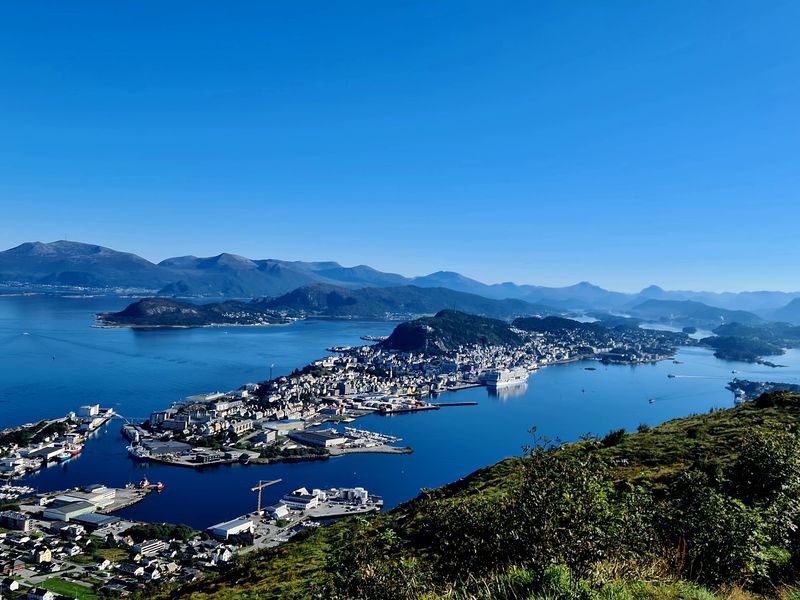
One night in 1904, fire swept through Ålesund. The rebuilt center came out in Art Nouveau style, giving the city one of northern Europe’s most distinctive streetscapes.
Today it spreads across islands and sits among the mountains and fjords of Sunnmøre. Kayaking, hiking, fishing, and skiing are part of normal life, not special trips.
Visit Norway calls Ålesund the cultural center of the region and a gateway to sights such as Geirangerfjord. It also has a real regional economy, so it is not just a scenic outpost.
Bring a raincoat, because the climate is wet. Norway is also expensive, and that is worth planning for.
Still, living in a working city where a fjord adventure waits after dinner is a strong draw. The pretty buildings are a bonus every time you walk to the bakery.
Matsumoto, Japan
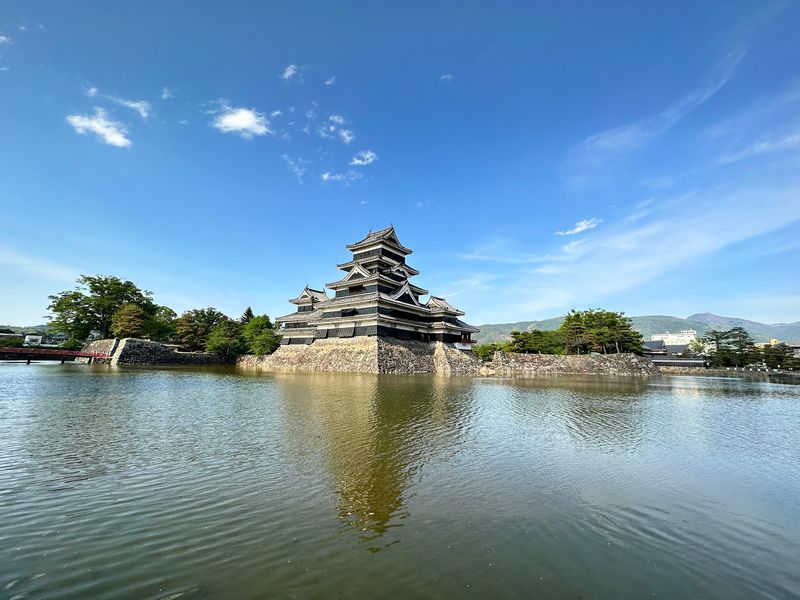
Matsumoto Castle is one of Japan’s oldest surviving castles, and it greets you in the middle of town. The city sits between big-city bustle and remote mountain quiet.
Art fans know it as the home city of Yayoi Kusama. Hikers know it as a main gateway to the Northern Japan Alps.
Kamikochi, hot springs, ski areas, and the historic Kiso Valley are all reachable from the region. Weekends can be packed with choices.
Japan’s national tourism organization notes that Matsumoto is about 2 hours 40 minutes from Tokyo’s Shinjuku Station. That link matters for anyone who needs to visit family, work trips, or an airport.
A mountain village may be lovely, but it can feel far from everything. Matsumoto keeps the peaks and the conveniences together, which makes long-term life easier to picture.
Puerto Varas, Chile
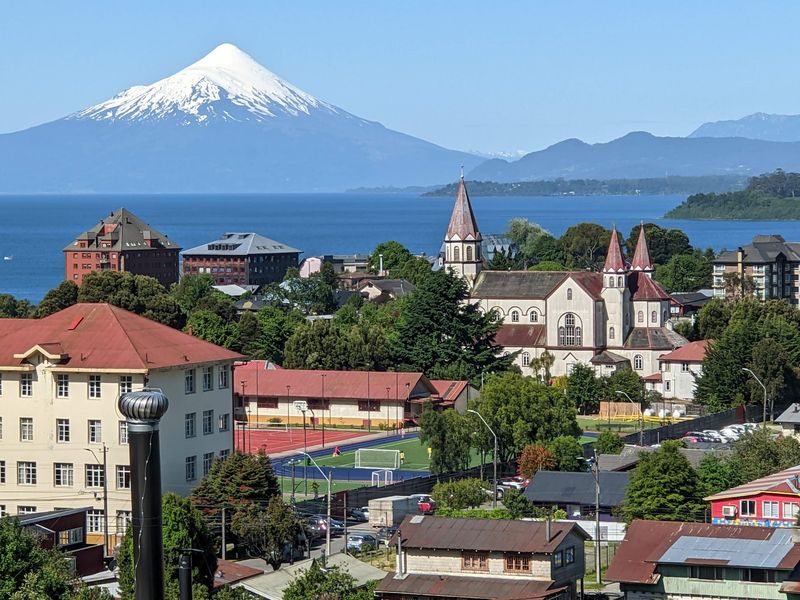
Picture a lakeside town with a snowy volcano as its backdrop. Puerto Varas sits on Lake Llanquihue, and the view is one of southern Chile’s most dramatic.
Chile Travel says the city has extensive services and some of the country’s strongest restaurants. Around it you will find national parks, forests, lakes, hot springs, and plenty of outdoor activities.
The Puerto Montt airport is only about 22 kilometers away, so Santiago and the rest of Chile stay connected. That is handy for anyone who likes visitors.
German-influenced architecture gives parts of town a distinct look. Nearby Frutillar adds another cultural center for concerts and day trips.
For people drawn to Patagonia who do not want to give up everyday comforts, this town hits a sweet spot. Wild scenery and a good dinner can live in the same place.
Georgetown, South Carolina
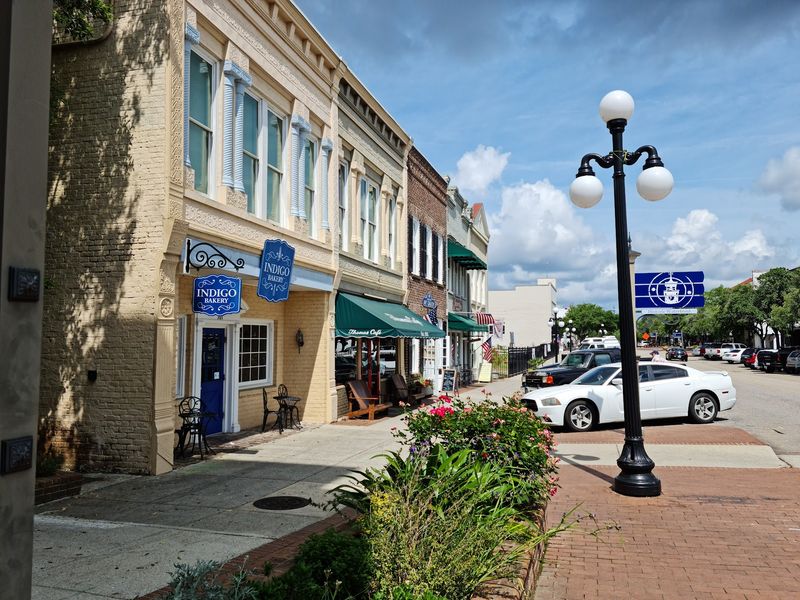
Founded in 1729, Georgetown has had plenty of time to get comfortable. It overlooks Winyah Bay and offers a calmer option than the fast-growing coastal cities of the American Southeast.
The historic center is filled with locally owned shops and restaurants. Waterfront parks and the Harborwalk give locals a place for evening strolls.
South Carolina’s tourism authority promotes its mix of coastal living and historic character. Recent national travel coverage has also pointed to its retirement appeal and relative affordability compared with better-known beach communities in the state.
Beaches and state parks are close by, so sand and sunshine are never a long drive away.
Yet daily life centers on a genuine small town instead of a purpose-built resort. Neighbors wave, shops know your name, and traffic stays gentle.
Villa de Leyva, Colombia
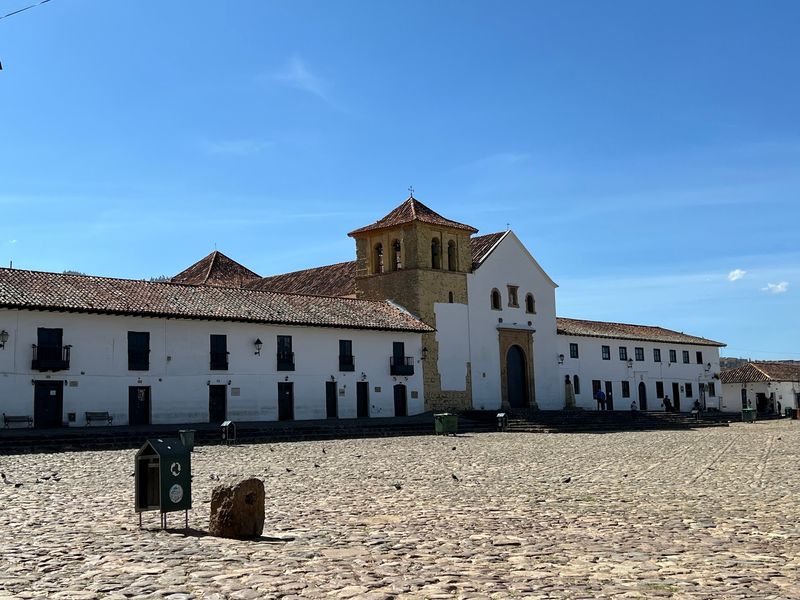
Stand in the Plaza Mayor and you will notice the space feels almost endless. At 14,000 square meters, it anchors a center of stone-paved streets and whitewashed buildings.
The scenery around town shifts from high-altitude páramo to surprisingly dry land. That variety makes weekend exploring more interesting.
Museums, cafés, festivals, vineyards, hiking areas, and fossil sites give residents plenty to do beyond the square. Colombia’s tourism authority highlights the odd mix of history, science, art, culture, and nature.
Nights can be cool, so pack a sweater. Bogotá is reachable by road when you need city errands.
The pace here is slow and easy, far from Colombia’s largest cities. Yet you are not stuck in total rural isolation, which is a handy balance for settling in.
Frutillar, Chile
A world-class concert hall sits right on a quiet lake, and that is Frutillar’s little secret. Teatro del Lago is one of South America’s most striking performing-arts venues.
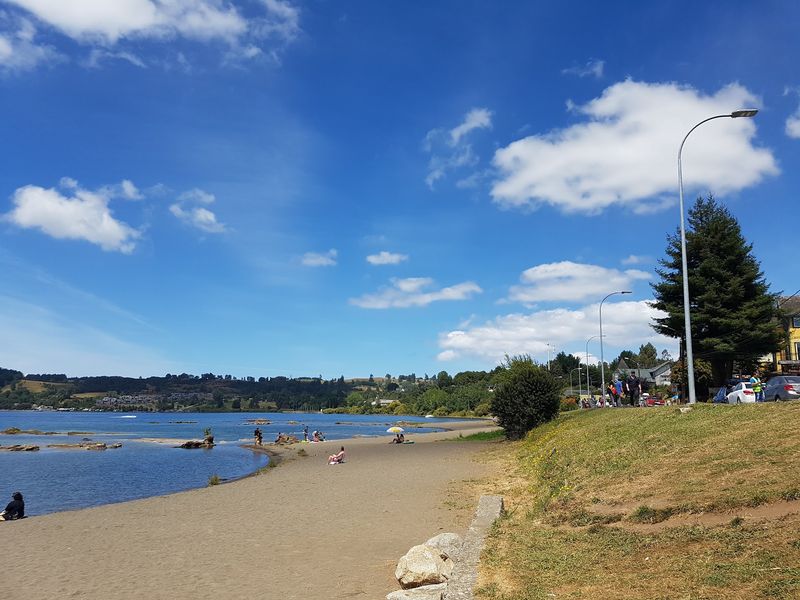
The town shares Lake Llanquihue with Puerto Varas but moves at a gentler speed. Chile Travel describes it as notable for its tranquility.
German-influenced architecture, waterfront paths, and gardens set the mood. Volcanoes and national parks stay close enough for frequent outdoor trips.
Good road access matters too. Puerto Varas and Puerto Montt offer larger services, so shopping and medical needs are not a problem.
That practicality makes Frutillar easier to live in than many scenic Patagonian towns. Here, a view of the lake can be part of an ordinary morning instead of a once-a-year treat.
Sallanches, France
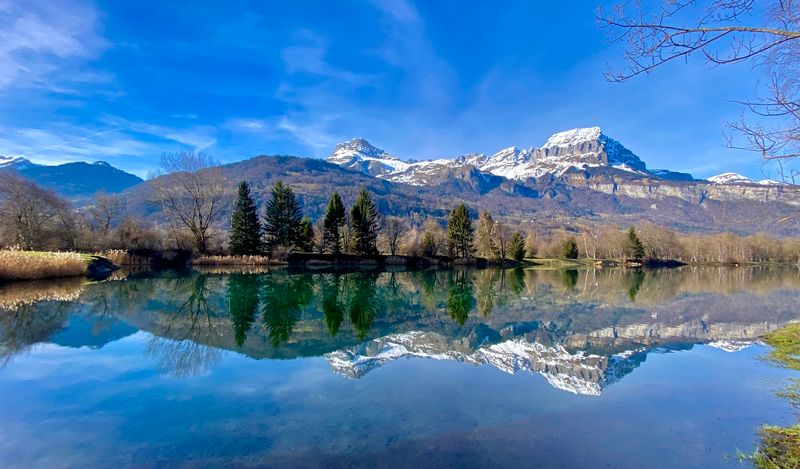
Chamonix gets the postcards, and Sallanches quietly gets the parking spots. That lower profile may be exactly why it suits longer-term living.
The town sits in the Arve Valley beneath the Mont Blanc massif. Some of France’s most famous mountain scenery is right there, yet the town works like a normal place.
You will find shops, schools, a hospital, train service, and sports facilities. Daily errands do not require a trip to a resort.
Haute-Savoie tourism names Sallanches as a place attracting new residents. It also notes that property can cost less than in the nearby prestige resorts.
For people who dream of Alpine life but need more than ski lifts and vacation rentals, it is a grounded choice. You still wake up to Mont Blanc, just with a lower rent.
Share this story