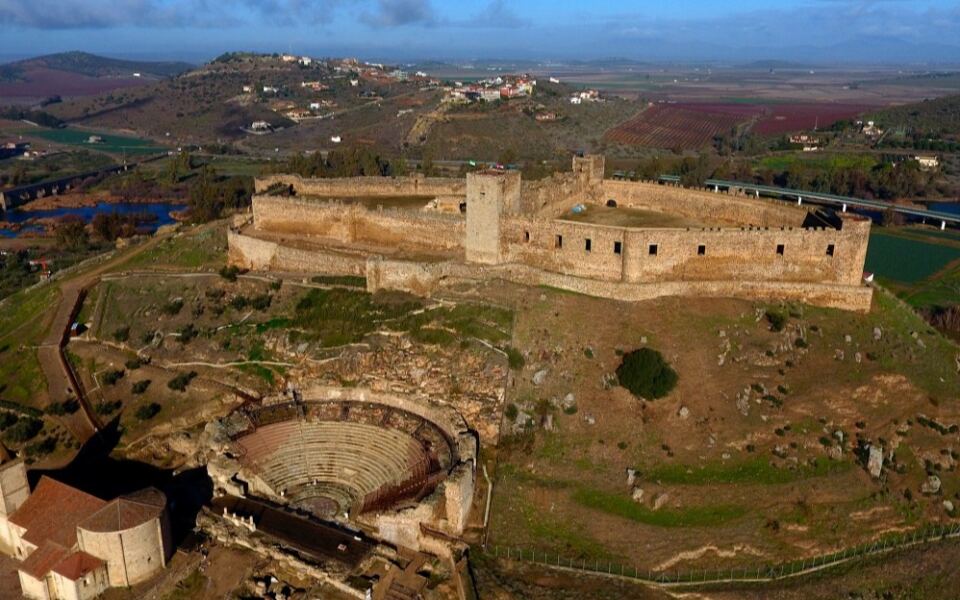
Picture a hill in western Spain where two thousand years of history sit stacked like layers of a cake. Roman stone seats rest at the bottom, and a mighty medieval fortress crowns the top.
Castillo de Medellín gives visitors towers to climb, walls to walk, and views that stretch for miles. Here are ten things that make this hilltop stop so memorable.
A Hill With Two Eras
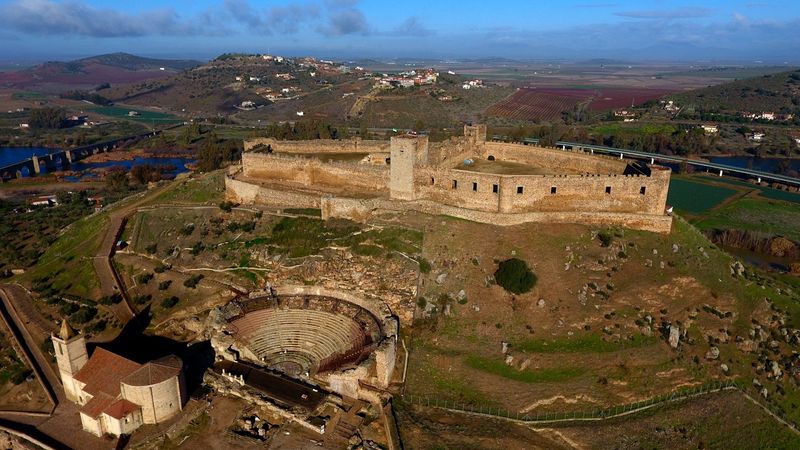
Medellín has a neat trick: one hill, two worlds. At the bottom sits a Roman theater, and high above it stands a fortress built many centuries later.
You can see both in a single glance from the town.
Visitors often say the sight looks like a postcard. One reviewer called the pair a unique picture, and it is easy to see why.
The stone theater and the castle walls seem to be chatting across the slope.
Here is a handy tip for planning. The castle ticket costs about 3 euros alone, or about 7 euros when combined with the Roman theater.
Buying the combo saves money and lets you enjoy the whole hill.
Allow plenty of time if you want to see everything. The theater and the castle each deserve a slow stroll.
Wear comfortable shoes, because the ground is hilly and sometimes uneven.
Many travelers stop here on the road between Madrid and Seville. It is about 30 kilometers from Mérida, so it fits nicely into a day of sightseeing in Extremadura.
The Roman Theater at the Bottom
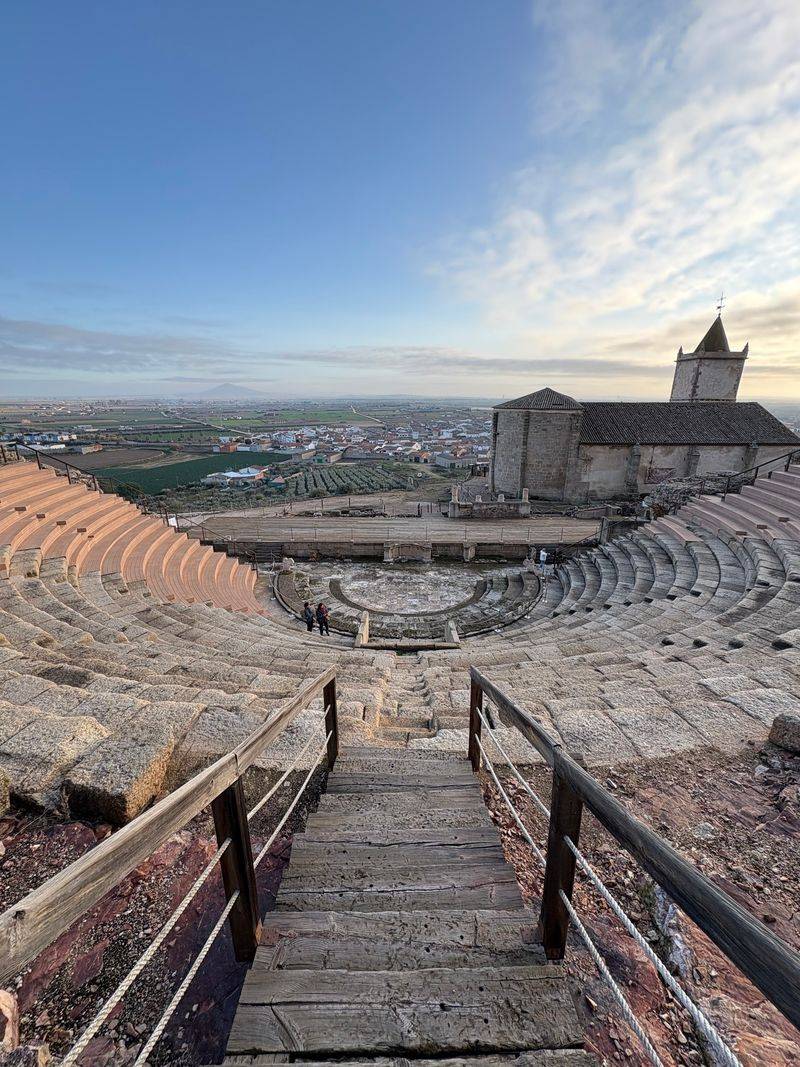
Twenty-eight reviewers mention the Roman theater, which makes it the star of the show. Its curved stone seats have been carefully restored, and the castle looms right above them.
Sitting there feels like claiming a front-row ticket to history.
The theater dates back to Roman times, when Medellín was a busy town beside the Guadiana river. Crowds once gathered here for plays and public events.
Today you can wander the rows and imagine the noise.
The ticket office sits in a church right beside the theater. That is where you can buy the combined entry that also covers the castle.
Staff there are friendly and happy to explain the route.
Take a few photos from the top seats. The angle lets you fit the theater, the town, and the fortress into one frame.
Morning light is soft and flattering for pictures.
Start here, then climb up. The order makes the story of the hill easier to follow.
Walls Built Over a Muslim Fortress
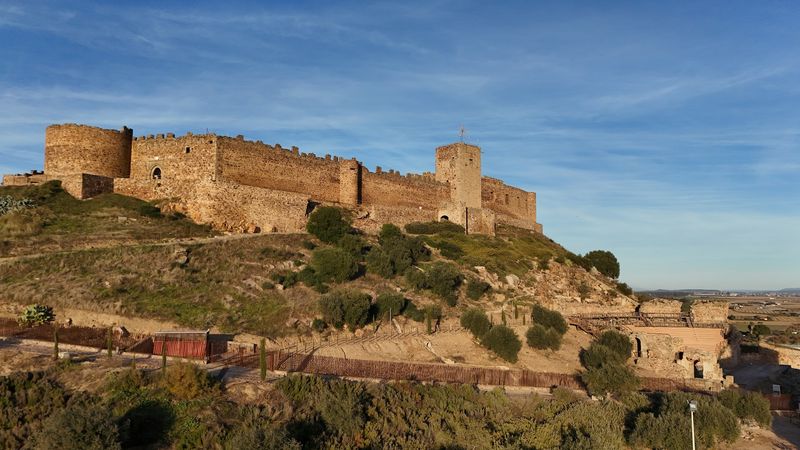
Stone has a long memory, and these walls remember plenty. The fortress you see mostly comes from the 14th and 15th centuries.
It was rebuilt on top of an older Muslim fortress, which itself stood on earlier ruins.
The castle has a double wall, which means two lines of defense for anyone trying to get in. Several towers rise along the circuit.
Each one gave guards a lookout over the valley.
Medellín mattered because it guarded a crossing of the Guadiana river. Whoever held the hill controlled the road.
That is why so many armies wanted it.
Look closely at the stonework as you walk. You may spot signs of repairs from different centuries.
They show that people kept fixing and reusing the place.
The exterior is in very good shape. One visitor who arrived when it was closed still found it impressive from outside.
Climbing the Narrow Tower Stairs
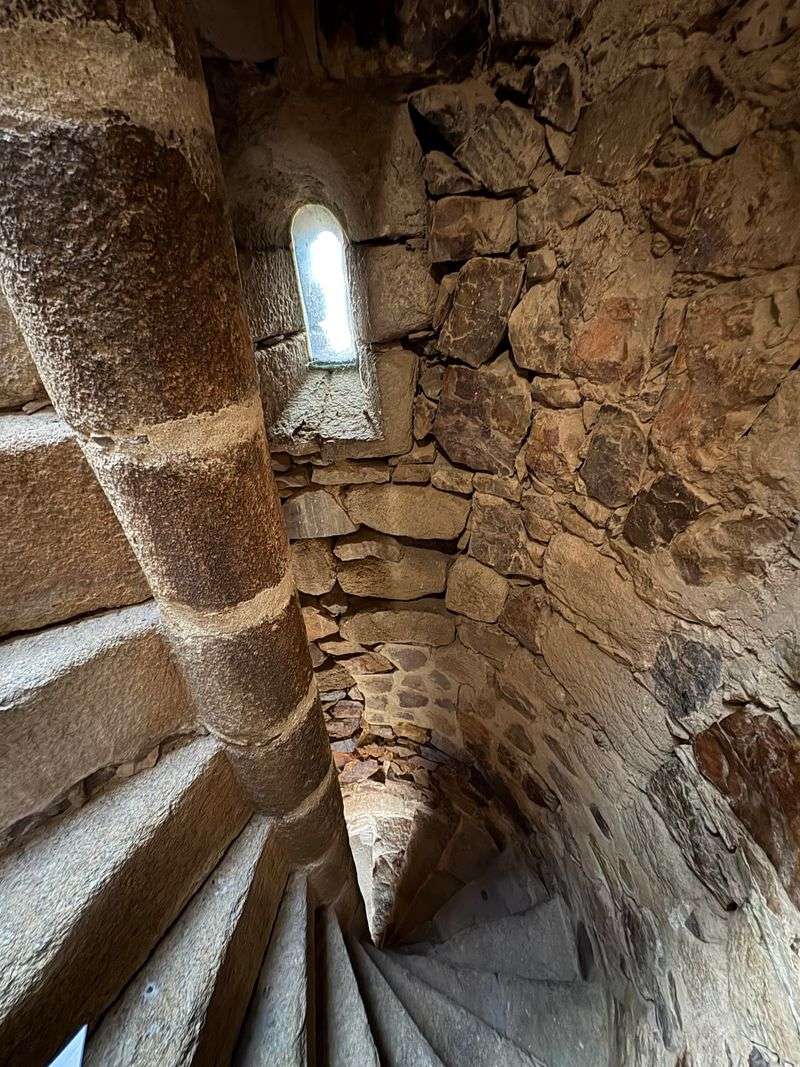
Hold your breath and your backpack, because the stairs here are skinny. Several towers are reached by tight spiral staircases.
Two reviewers specifically mention how narrow they are.
The effort pays off quickly. At the top, open terraces give you wide views over fields, river, and rooftops.
One visitor loved being able to enter the towers and walk the high walls.
Signs on the terraces point out interesting spots. Some name far-off castles in the region.
Others mark where a famous battle took place in 1809.
Go slowly and watch your footing. Stone steps can be worn smooth, and passing someone on a tight turn takes teamwork.
Smaller bags make the climb easier.
The north tower earns special praise for its view of Medellín and the river. Save some energy for it, and bring your camera.
Views Over the Guadiana
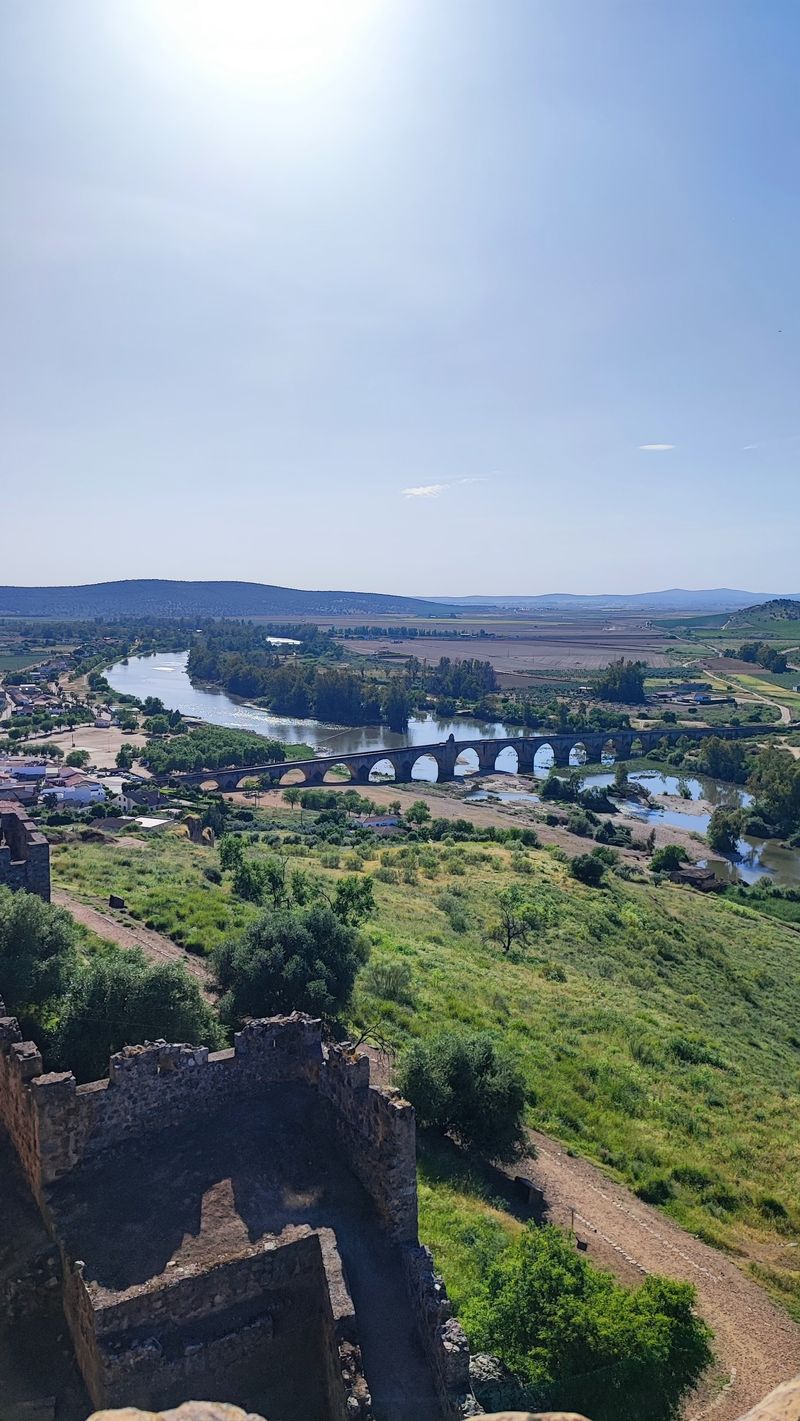
Spectacular views came up twenty-one times in reviews, and the praise is earned. From the walls you look down on the Guadiana river, the village rooftops, and the old Roman bridge.
The countryside rolls away in every direction.
Different corners offer different scenes. One spot frames the town, while another shows the river bending through green land.
Walking the whole circuit gives you a new picture at every turn.
Clear days are best, and spring is lovely when the fields are fresh. Late afternoon brings warm light that makes the stone glow.
Bring a hat in summer, since shade is limited.
Free drinking water and restrooms are available for visitors, which helps on a hot day. Take a break, sip some water, and just look for a while.
Do not rush this part. The view is the reward for the climb.
The Tiny Cistern That Became a Bunker
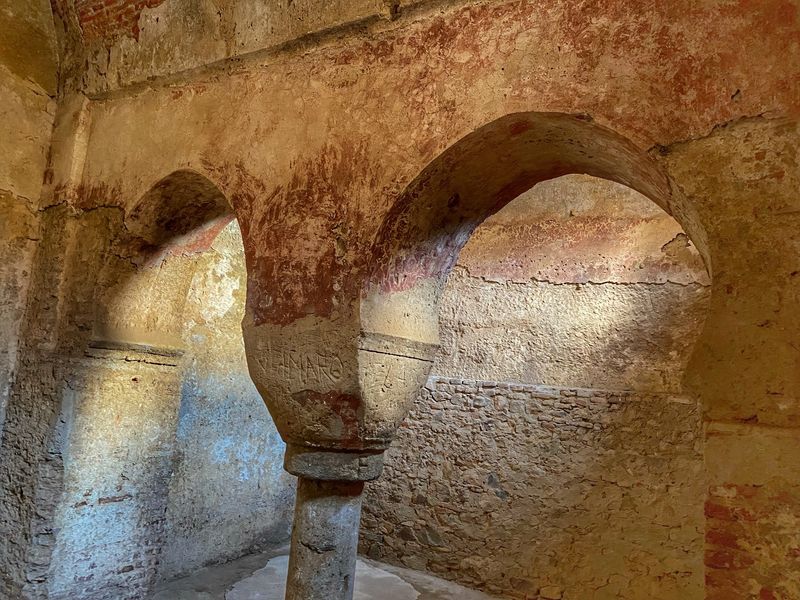
Sixteen reviews mention the aljibe, so it clearly leaves an impression. An aljibe is a cistern, a place built to store water for the castle.
Inside, the space is surprisingly small.
It was so tiny that it served as a bunker during the Spanish Civil War. That is a quirky bit of history for a place that began as a water tank.
It shows how the castle kept finding new jobs.
Duck in and take a look. The cool air feels nice on a warm day.
You will not need long, but the visit is memorable.
Water mattered a great deal in a hilltop fortress. Without it, a siege could end fast.
Storing rain gave defenders a lifeline.
Ask the staff about it when you arrive. They are known for sharing helpful stories that make the stones come alive.
Screens, QR Codes, and Medieval Mannequins
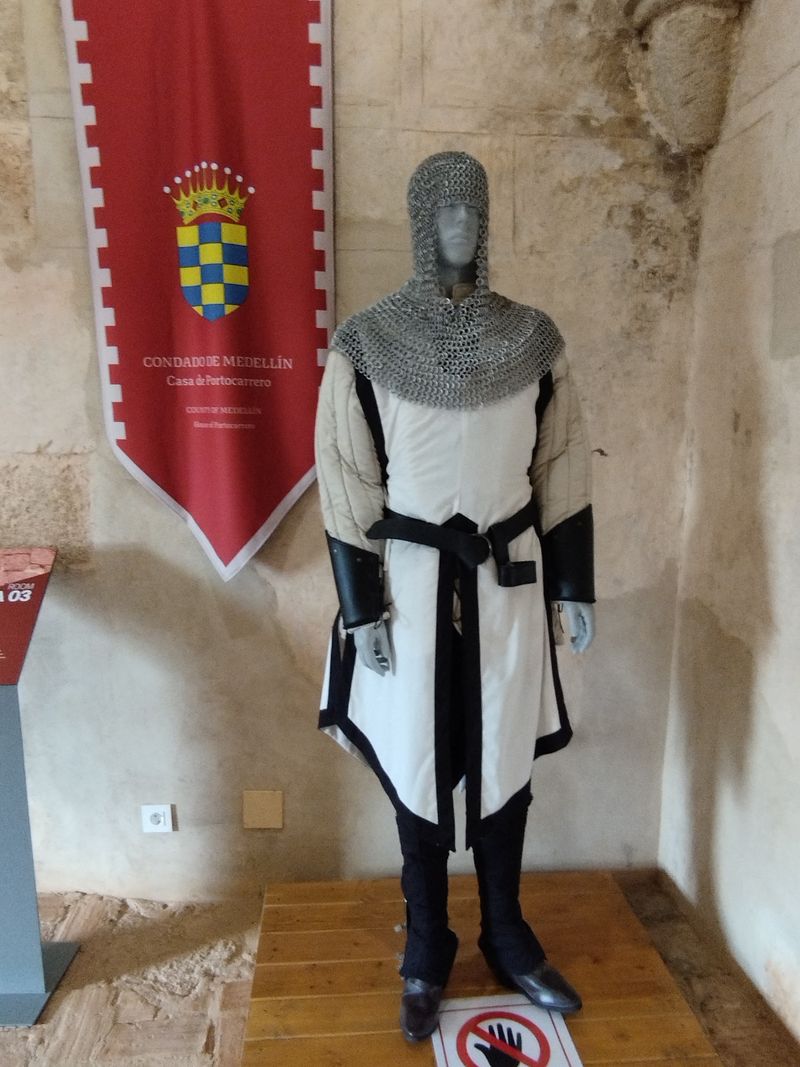
Old stones, meet new technology. Inside the castle, rooms hold screens that play videos about the history of the place.
Seats let you rest while you watch.
QR codes link to audio guides and recreations of each area. Interactive screens tell the stories of famous people from Medellín.
You also meet medieval mannequins, items from the 20th century, and a few facsimiles.
The audiovisual content is fairly new, added in late 2025, according to one visitor. It makes the empty rooms easier to picture as they once were.
Bring your phone and maybe headphones.
The screens also tell how the castle played a role in the Civil War. That adds a modern layer to a medieval site.
If you are short on time, watch the videos in the rooms and scan only the codes that catch your eye. You will still get the full story.
Where Hernán Cortés Began
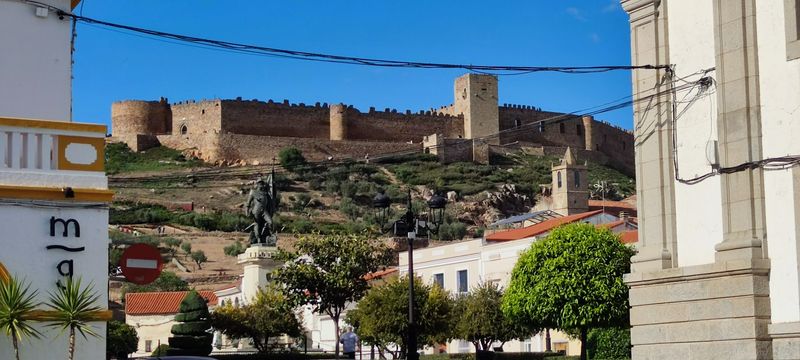
Here is a fun fact to drop at dinner: the famous explorer Hernán Cortés was born in Medellín. He later led the Spanish expedition that reached the Aztec empire.
A small Spanish town gave rise to a very big story.
The castle ties into this local pride. Interactive screens introduce notable people from the town, so you can learn who else came from these streets.
It makes the visit feel personal.
After the castle, take a walk down into the village. You can see where history and everyday life mix.
Cafes and quiet lanes make a pleasant break.
One reviewer from abroad noted how the site goes from Roman days all the way to the knights. Add Cortés, and you have a long timeline in one small town.
Kids who like adventure tales may enjoy this part most. Tell them the explorer once played on these same slopes.
Ruins, Battles, and a Lost Church
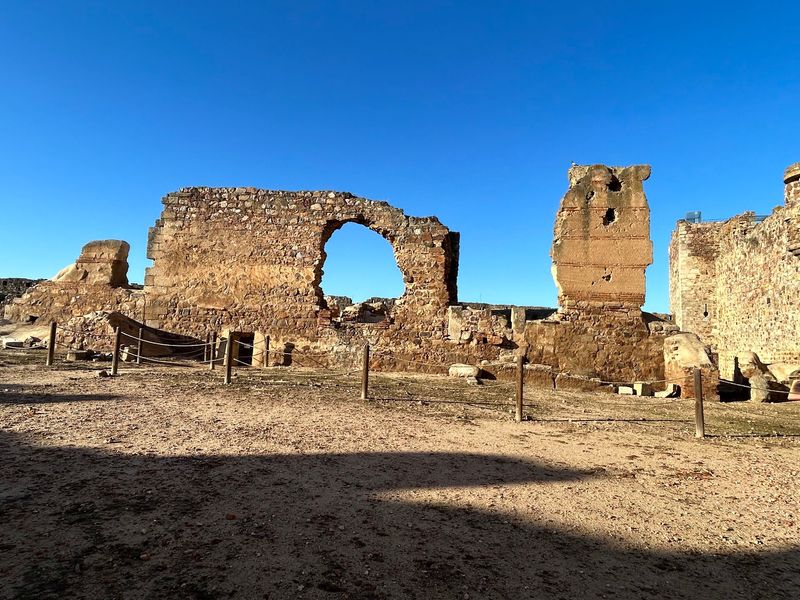
Not every building here survived, and the courtyard tells that story. The remains of Santa María del Castillo lie there, a church almost completely destroyed during the Napoleonic wars.
Only traces are left.
The 1809 Battle of Medellín took place nearby. Signs on the tower terraces explain where the fighting happened.
Seeing the land helps the story make sense.
Archaeological remains are visible around the site too. More still waits underground, as one visitor pointed out.
Work continues in several spots.
Be careful on the wall walks. The battlements are badly damaged, so keep a safe distance from edges.
Some areas may also be closed for repairs.
The ramp up can be loose stone and dirt, and it is slippery. Mobility is tricky for some visitors, so plan accordingly.
Friendly Guides and Smart Planning
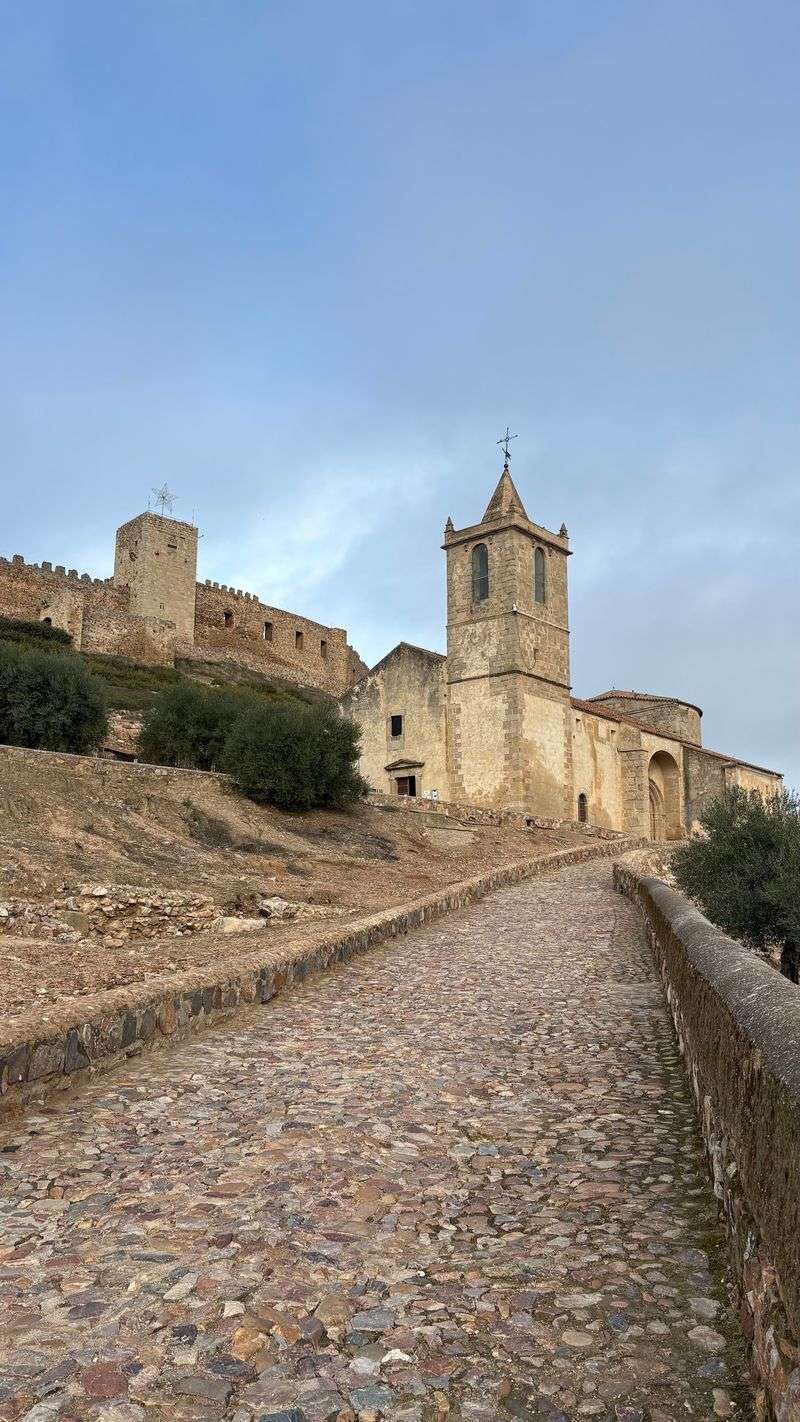
Visitors keep praising the people. Staff at the ticket counter give a short tour of the route, so you do not miss any corner.
Several reviewers called them kind, patient, and well informed.
Plan your day with the hours in mind. The castle opens from 10 AM to 2 PM, then again from 3:30 to 6 PM, every day of the week.
The midday break catches people out.
Set aside one to one and a half hours for the castle. Add more if you also tour the theater.
A map helps you follow the steps, and the route takes longer than you might guess.
Wear sturdy shoes and bring water. Quiet times, such as Sunday mornings in spring, can feel peaceful and uncrowded.
Call +34 609 28 61 87 or check turismomedellin.es if you want to confirm details before you go.
Share this story