Some vacations mean lounging by a pool. Others feel like stepping onto a different planet.
From remote islands to glowing deserts and wild animal homes, certain places turn the trip itself into the adventure. Here are fifteen escapes that take a bit more planning and give back memories you cannot find anywhere else.
Raja Ampat, Indonesia
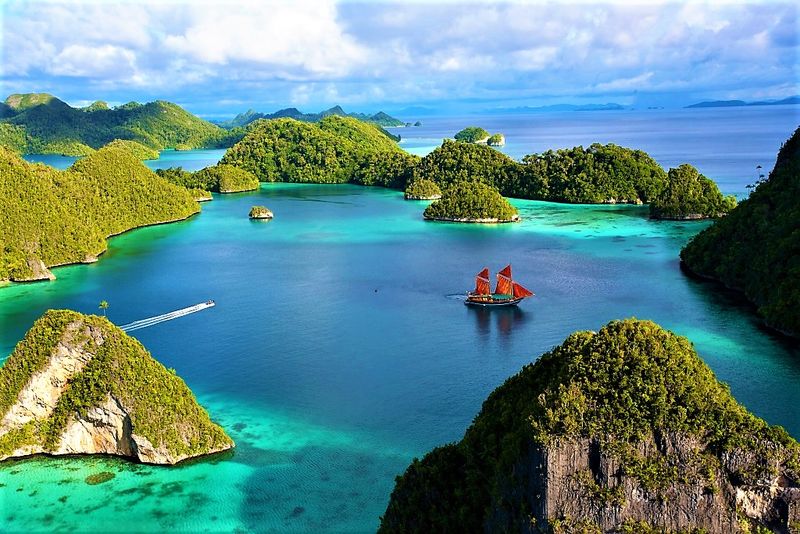
Picture hundreds of green islands floating in water so clear that fish look like they are hovering. That is Raja Ampat, tucked into the far east of Indonesia.
It sits far from the busy resort scene, and that distance is part of its charm.
Indonesia’s tourism authority calls it a world-class marine ecotourism spot. Divers and snorkelers come for hundreds of coral species and a huge parade of reef fish.
Birdwatchers have plenty to chase too, and island hopping fills the gaps between swims.
Getting there takes more effort than a quick hop to Bali. Expect connecting flights and a boat ride or two.
Pack patience, reef-safe sunscreen and a waterproof camera.
Once you arrive, the reward is a collection of quiet islands, jaw-dropping viewpoints and underwater scenes that rank among the best on Earth. Many stays are simple homestays run by local families, which means friendly hosts and fresh fish dinners.
Bring a sense of wonder and leave the schedule at home. The tides will set the plan, and nobody will mind one bit.
Salar de Uyuni, Bolivia
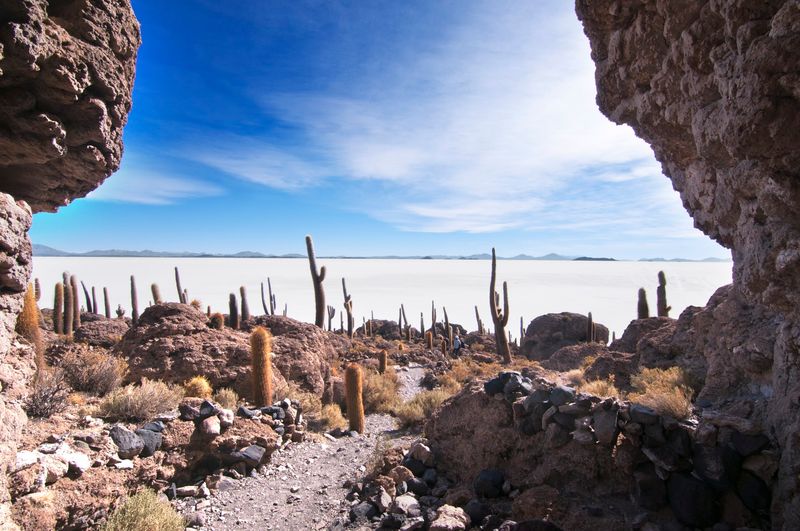
Stand in the middle of Salar de Uyuni and your sense of distance simply quits. The salt stretches white to every horizon, and photos here turn into playful tricks of perspective.
It is the sort of place where tourists pose as giants holding tiny jeeps.
After a rainy spell, a thin sheet of water turns the flats into a giant mirror. Clouds drift below your feet and the sky seems to be everywhere.
Bolivia’s tourism ministry lists the salt flat and nearby colorful lagoons among its strategic destinations.
Multi-day trips go well beyond the white expanse. Expect high-altitude deserts, odd rock formations and lagoons dotted with pink flamingos.
Some lodges are built partly from salt blocks, so yes, you can technically lick your bedroom wall.
The altitude is serious, so move slowly, drink plenty of water and pack warm layers. Nights get cold fast.
Book a reliable guide, since the flats can confuse even sharp navigators.
Bhutan
Bhutan does not hand out visas like candy, and that is exactly what keeps it special. Himalayan valleys, hilltop monasteries and fortress-like dzongs set the scene.
The rules shape the trip as much as the scenery does.
Visitors pay a Sustainable Development Fee, listed by Bhutan Tourism at 100 dollars per adult per night. The money supports conservation, culture, healthcare and education.
A certified guide travels with you, which means local stories come built in.
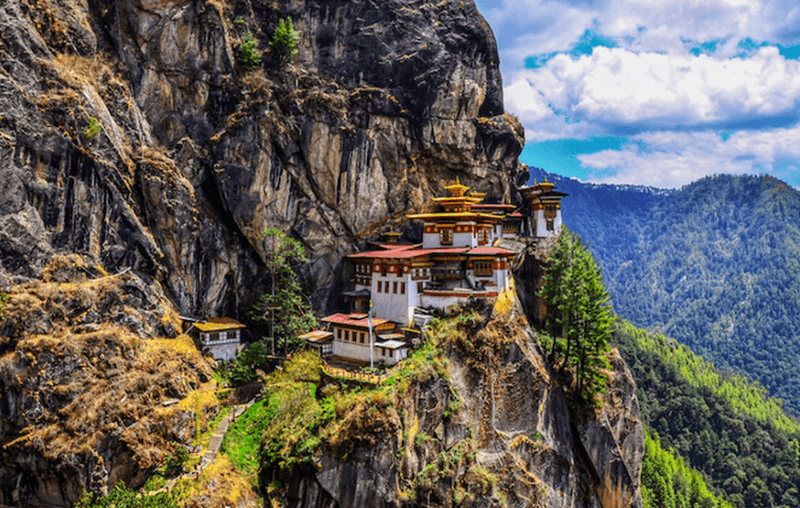
Days might include temple visits, village walks and drives over high mountain passes. Many itineraries feature the hike up to Tiger’s Nest, the monastery stuck to a cliff near Paro.
The trail is steep, so wear sturdy shoes and start early.
One fun detail: Bhutan is known for measuring national success by happiness, and chatting with locals makes that idea feel believable. Bring a respectful attitude, modest clothes and a camera with plenty of space.
Expect fewer crowds and more calm than almost anywhere else.
Wadi Rum, Jordan
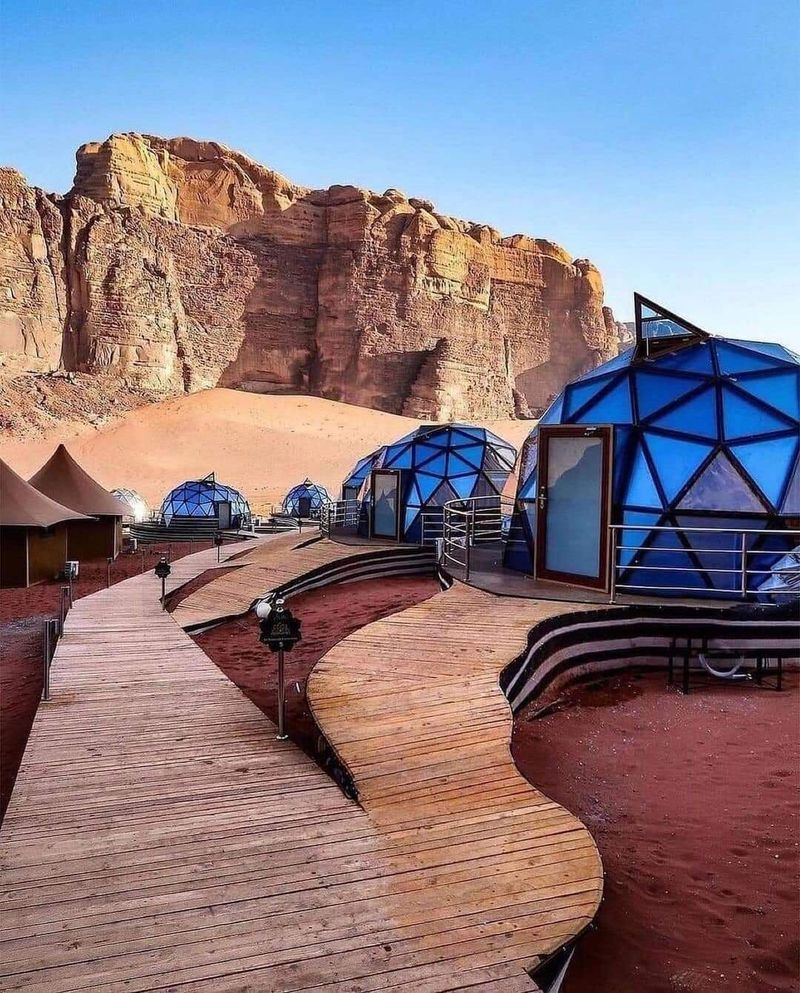
Red sand, giant stone walls and a silence so thick you can almost hear your own thoughts. Wadi Rum in southern Jordan feels less like a day trip and more like an expedition.
Sandstone cliffs, narrow gorges and natural arches rise from the ocher ground.
UNESCO protects roughly 74,000 hectares here. The area preserves striking geology and signs of about 12,000 years of human life.
Thousands of rock carvings and inscriptions tell stories left by travelers long ago.
You can cross the desert in a four-wheel-drive truck, hike among the rock formations or settle into a camp for the night. Bedouin hosts often serve tea sweetened enough to wake a camel.
After dinner, the sky turns dark and packed with stars.
Bring a scarf for dust and a warm jacket, since desert nights can be chilly. Spring and autumn are the most comfortable seasons.
Ask your guide about the carvings, because every rock seems to have a tale.
Lofoten Islands, Norway
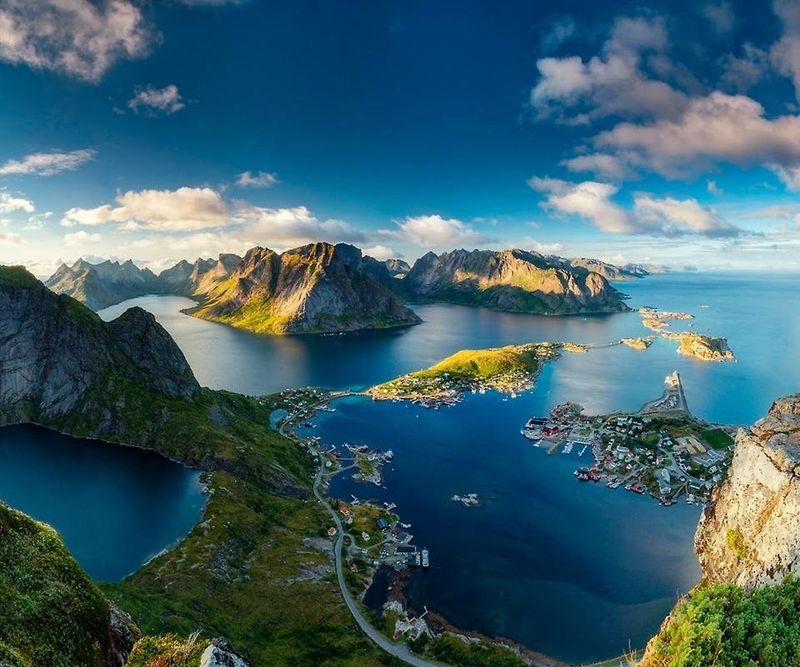
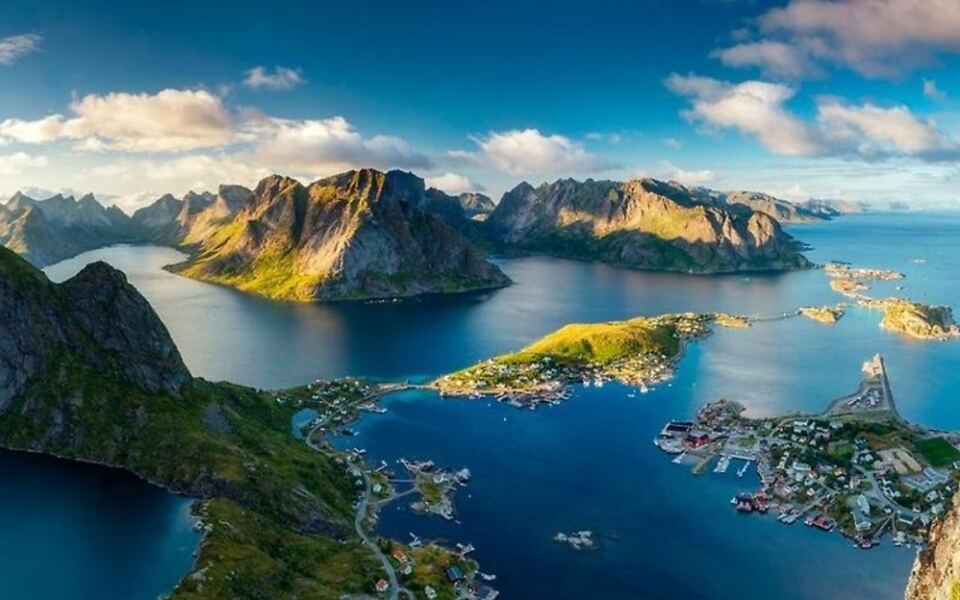
Powdery white beaches under sharp Arctic peaks look like a prank by nature. Lofoten is real, though, and it sits well above the Arctic Circle.
Fishing villages, fjords and wild coastlines fill the map.
Reine, Henningsvaer and Nusfjord keep Norway’s fishing traditions alive, with red cabins perched over the water. In summer, the midnight sun lets you kayak or hike at hours when most places are sleeping.
Winter brings long nights and a chance to spot the northern lights.
Norway’s tourism site also points to surfing, wildlife trips and fishing as top activities. Yes, people surf here, in thick wetsuits and with great determination.
A scenic route of about 230 kilometers links many of the islands’ best views, so a road trip is a natural choice. Stop often, since the scenery changes around every bend.
Pack waterproof layers, because the weather loves to switch moods. Sampling local dried cod is optional but very Lofoten.
Faroe Islands
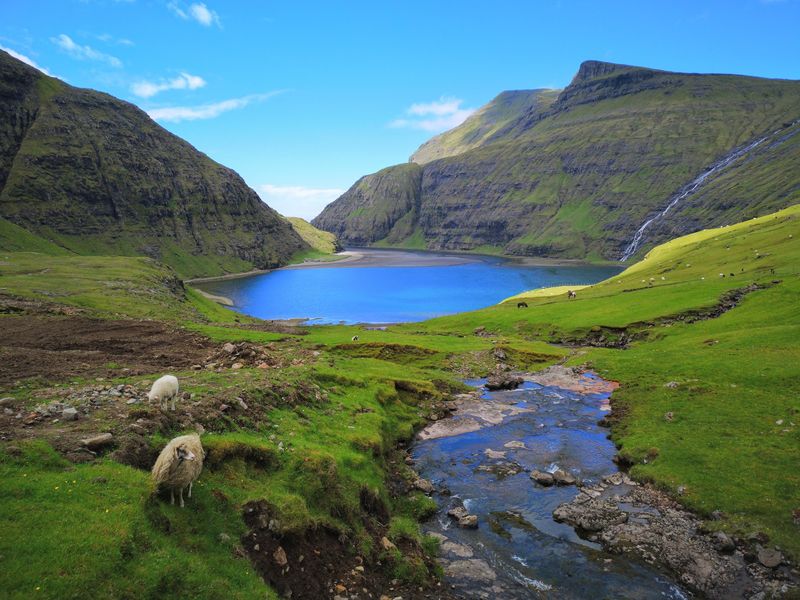
Sheep outnumber almost everything on the Faroe Islands, and they have the best views. This North Atlantic archipelago sits between Iceland and Scotland.
Weather, cliffs and tiny villages rule here, not resorts.
Roads curl beneath steep green mountains while waterfalls tumble toward the sea. Some buildings still wear grass roofs, which look like tiny hills with doors.
Hiking routes cross valleys and high ground, and boat trips glide beneath cliffs crowded with seabirds.
Many travelers head for Mulafossur, a waterfall that drops from a cliff beside the village of Gasadalur. Until a tunnel opened in 2005, that village had no road connection.
The old way in was a mountain footpath, which shows how remote life once was.
Pack for four seasons in a single afternoon. A rain jacket, sturdy boots and a warm hat are your best friends.
Fog may hide a view one minute and reveal it the next, so wait a little before moving on.
The Azores, Portugal
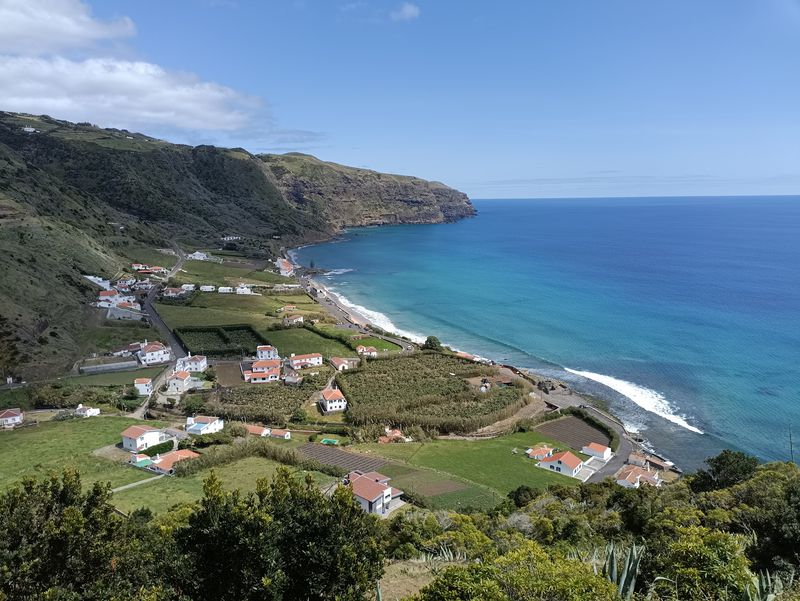
Hydrangeas line the roads, steam rises from the ground and whales cruise offshore. Welcome to the Azores, a European island getaway with a wild streak.
Nine Portuguese islands sit in the Atlantic, all shaped by volcanoes.
Visit Azores reports 1,766 volcanoes, nine of them considered active, plus almost 300 documented volcanic cavities. That means calderas, crater lakes, lava formations and bubbling fumaroles.
Locals even cook stew underground using volcanic heat.
Hikers, canyoning fans and thermal bathers all find something to love. Soaking in a warm spring after a long trail is hard to beat.
Whale-watching trips leave from several islands, and divers explore the clear waters offshore.
Skip the idea of sprawling beach resorts. Instead, expect fishing towns, cow-dotted pastures and scenery that shifts from island to island.
Rent a car to roam freely, and check the weather each morning, since clouds can drift in fast. Pack layers, a swimsuit and a hearty appetite for local cheese.
Torres del Paine, Chile
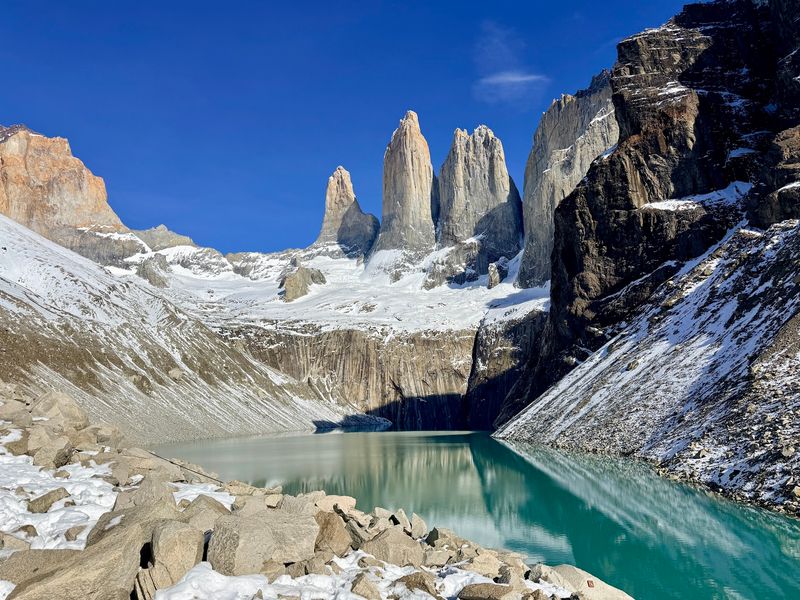
Patagonian wind has opinions, and it will share them with you. Torres del Paine sits at the southern tip of South America and trades relaxation for raw wilderness.
Granite towers soar above turquoise lakes, glaciers and open grasslands.
Chile’s tourism authority says the national park covers about 227,000 hectares. It also highlights the famous W and O trekking circuits.
Hikers can walk to the base of the Torres, approach Grey Glacier and keep an eye out for guanacos, condors and even pumas.
Conditions can be tough. Sun, rain and gusts may all show up before lunch.
That unpredictability is part of the thrill, so come ready with waterproof gear and layers.
Book campsites and refuges well ahead, since popular routes fill up. Break in your boots before you arrive, and carry snacks for long stretches.
This is a place for travelers who want a vacation that feels like a real outdoor adventure, with sore legs and big smiles.
Musandam, Oman
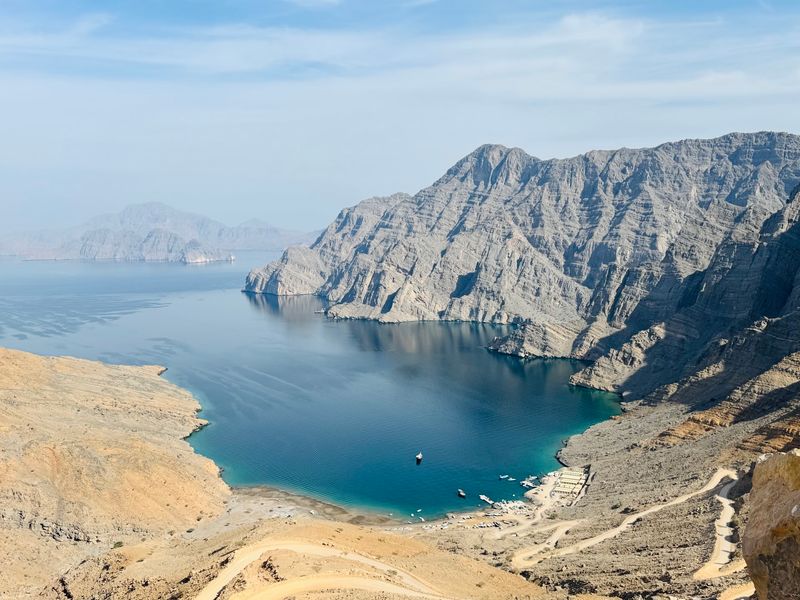
Cut off from the rest of Oman by land, Musandam keeps to its own rhythm. Bare rock walls plunge toward the Strait of Hormuz, and narrow inlets cut deep into the coast.
Some people call them fjords, though these ones are warm.
Oman’s tourism authority lists mountain trekking, diving and boat trips as main activities. Khasab is the handy base, with a historic fort and easy access to the shoreline.
From there, traditional dhow cruises carry you into quiet bays.
Spend a day on deck with tea and dates while the cliffs slide past. Dolphins sometimes race alongside the boat, which feels like a free show.
The clear sea tempts snorkelers and divers to jump in.
Bring sun protection, a hat and a light cover-up for the heat. Winter and spring bring friendlier temperatures.
For travelers after Arabian culture mixed with rugged coastline, Musandam is a rewarding break from city stays.
Cappadocia, Turkiye
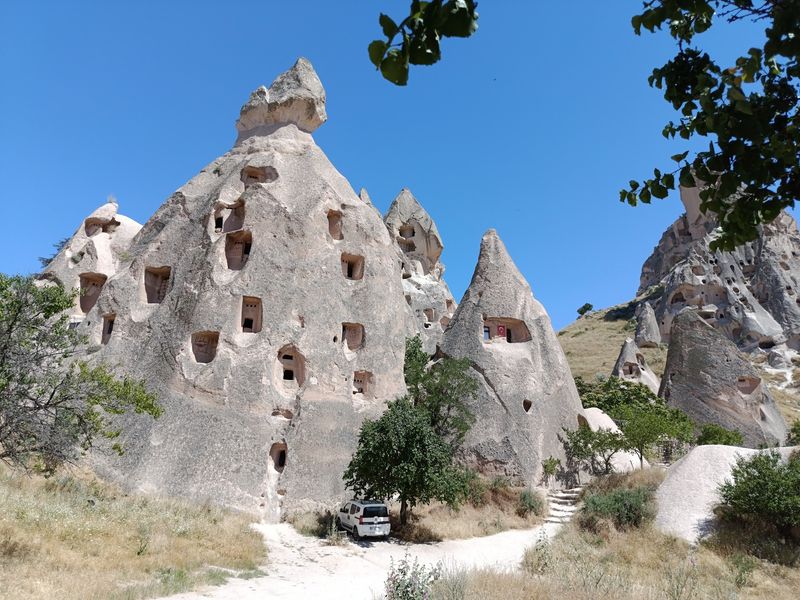
Strange stone cones poke out of the ground like a crowd of sleepy wizards. These are the fairy chimneys of Cappadocia, shaped as volcanic material eroded over centuries.
People later carved homes, churches and monasteries right into the soft rock.
UNESCO recognizes Goreme National Park and nearby rock sites for both the landscape and the Byzantine heritage. You can hike through quiet valleys and wander through underground cities such as Kaymakli and Derinkuyu.
Some of them reach several levels below the surface.
Many visitors sleep in cave-style hotels, which stay cool in summer and cozy in winter. Sunrise balloon flights are the region’s star attraction, so reserve early and dress warmly for the dawn chill.
Still, the real magic lies in seeing how generations of residents shaped a wild terrain into everyday life. Chapels hide painted ceilings, and doorways lead to hidden rooms.
Take time to explore on foot, and let the valleys surprise you.
Komodo National Park, Indonesia
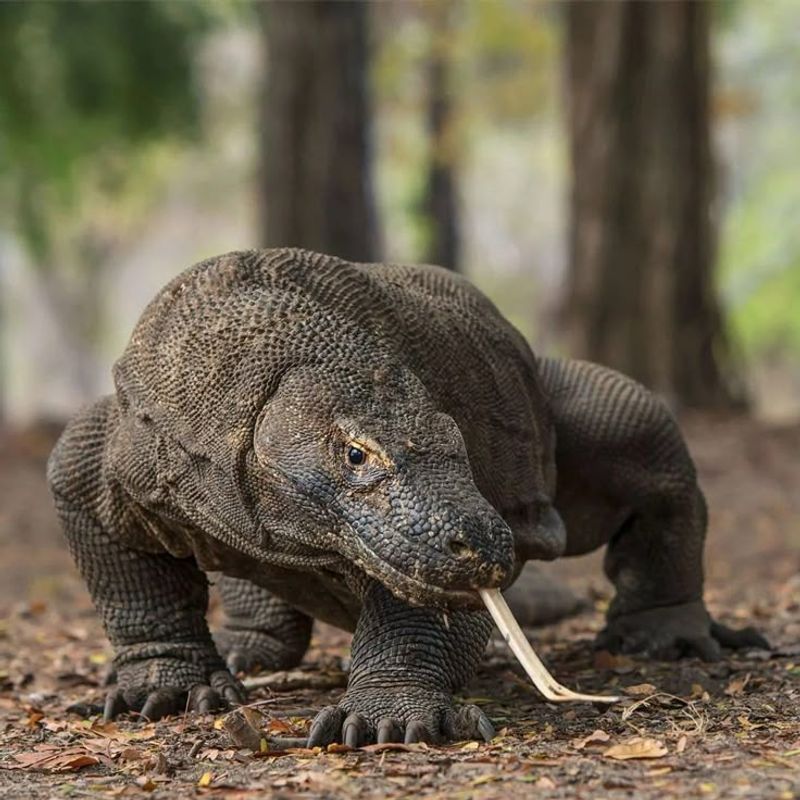
Meet a lizard that can grow longer than a sofa. Komodo dragons, the largest living lizards on the planet, roam this part of Indonesia.
They are the headline act, but the scenery steals plenty of attention.
UNESCO describes dry, savanna-covered hills contrasting with white beaches and coral-rich blue water. The park includes Komodo, Rinca and Padar, plus many smaller volcanic islands.
The climb up Padar rewards you with a famous view of curved bays in different colors.
Guided walks let you watch dragons from a safe distance, so listen carefully to your ranger. Offshore, snorkelers and divers find coral reefs, turtles and lively marine life.
The trip blends safari, island getaway and a dash of prehistoric drama. Bring a hat, plenty of water and good walking shoes, since the hills are hot and dry.
Early morning walks are cooler and often better for wildlife sightings. Few Southeast Asian holidays can match that mix.
Namib Sand Sea, Namibia
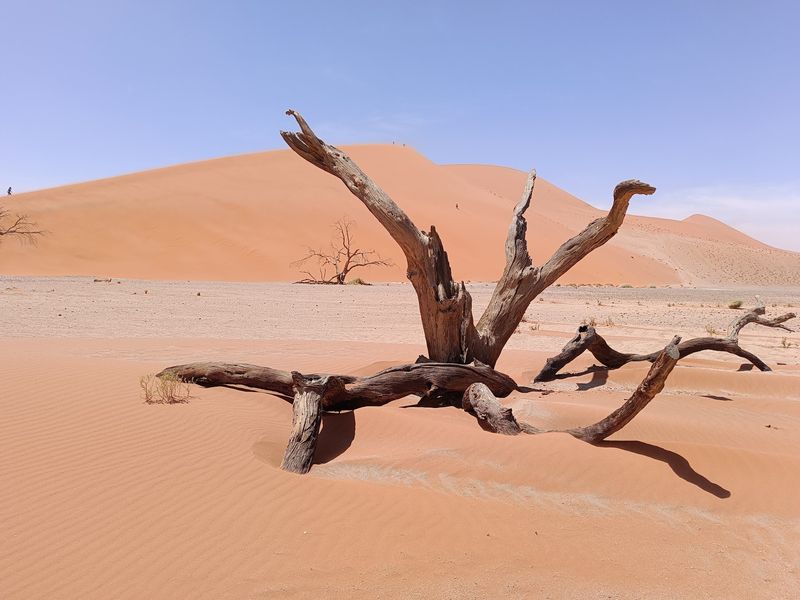
Silence has a size in Namibia, and it is enormous. The UNESCO-listed Namib Sand Sea covers more than three million hectares.
It is recognized as the only coastal desert with large dune fields shaped by fog.
Shifting dunes, gravel plains and stark rocky outcrops create a scene that looks almost alien. The Sossusvlei area is famous for towering orange-red dunes.
Nearby Deadvlei is a pale clay pan where dark, skeletal trees stand against the sand.
Plan to be out at dawn and dusk. Long shadows carve the dunes into sharp ridges, and the colors glow.
Climbing a dune is a workout, so bring water and take it slow, since each step slides back a little.
When the sun sets, exceptionally dark skies put on a star show that makes the day look modest. Many lodges offer guided night sessions with telescopes.
Pack a warm layer, a scarf and a camera with a spare battery.
Galapagos Islands, Ecuador
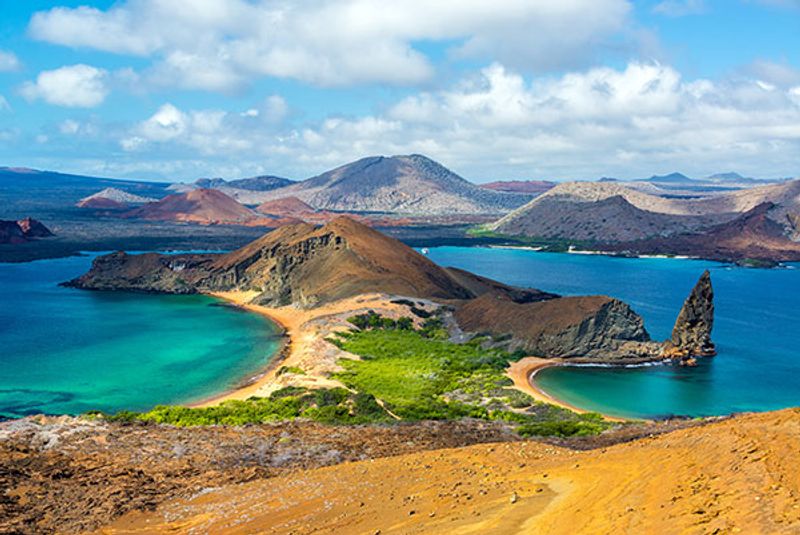
A sea lion naps on a bench while a tortoise strolls past without a care. That is everyday life in the Galapagos.
Roughly 1,000 kilometers off mainland Ecuador, the islands grew up in serious isolation.
UNESCO calls the archipelago a living museum and showcase of evolution. Giant tortoises, marine iguanas and flightless cormorants all call it home.
Volcanic landscapes, lava fields and rich marine ecosystems round out the picture.
You might snorkel near sea lions, watch seabirds at close range or stand beside unusual reptiles. The animals show little fear of people, which makes for fantastic photos.
Keep your distance anyway, because the rules are strict.
Conservation measures govern most of the islands, so visits often happen with licensed guides on set trails. That makes the trip feel like a carefully managed wildlife expedition rather than a lazy beach holiday.
Book well ahead, bring a reusable water bottle and pack reef-safe sunscreen. Curiosity is the best thing you can carry.
La Digue, Seychelles
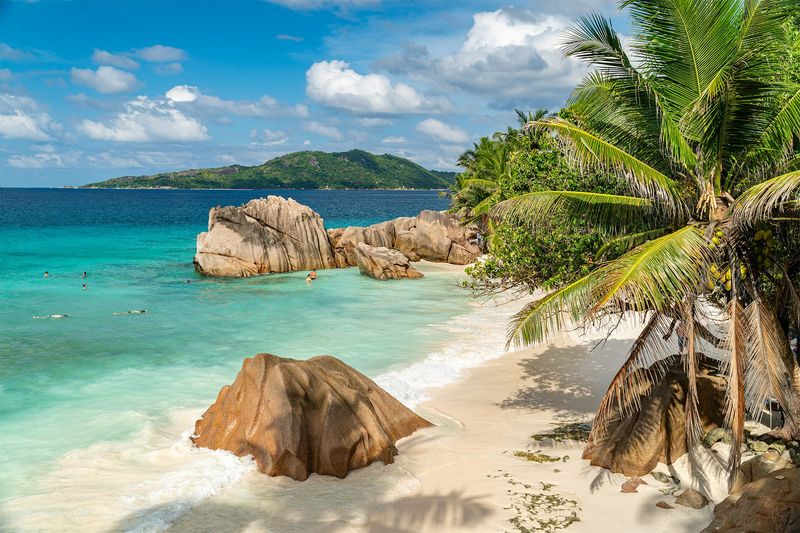
Traffic jams on La Digue usually involve a bicycle and a very slow tortoise. This small Seychelles island has very few motor vehicles.
Pedaling is the easiest and most fun way to get around.
The star sight is Anse Source d’Argent. Huge granite boulders rise beside shallow turquoise water and pale sand.
Go early or late for softer light and fewer people.
Beyond that famous beach, you can cycle past leafy vegetation and traditional Creole houses. Quiet stretches of coast are perfect for a swim and a picnic.
Seychelles tourism information describes La Digue as a slow-paced glimpse into Creole island life.
Rent a bike as soon as you land and bring a small bag with water and snacks. Roads are short, so no marathon training is required.
The island delivers Indian Ocean beauty with a friendlier, smaller feel than a big resort. Expect sandy toes, sunburnt noses and plenty of lazy afternoons.
Pantanal, Brazil
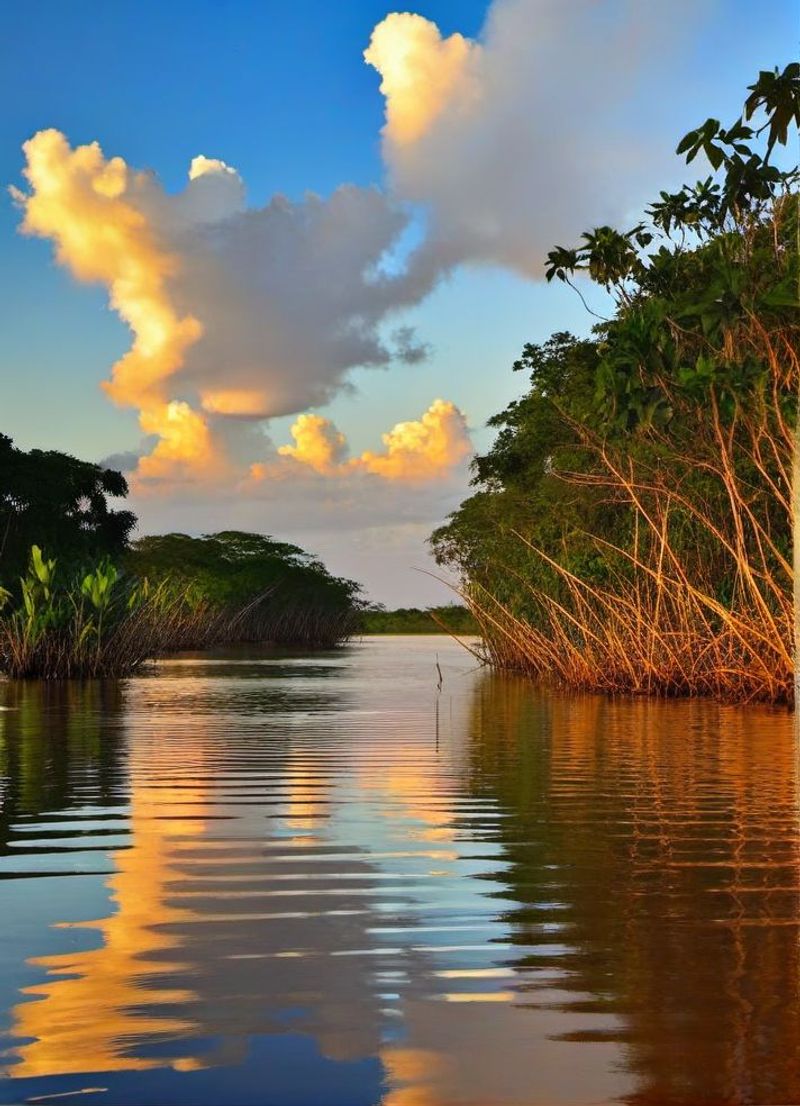
Brazil is not only beaches and big cities, as the Pantanal proves. This huge wetland is one of the best places on Earth to watch wildlife.
Jaguars, capybaras, caimans, giant anteaters, macaws and hundreds of bird species all live here.
Brazil’s tourism agency promotes boat trips, horseback rides, safari drives and wildlife photography. Gliding along a quiet river at dawn, you might spot a jaguar lounging on the bank.
Capybaras, meanwhile, seem to hold meetings everywhere.
UNESCO recognizes part of the Pantanal as a World Heritage conservation area because of its ecological value. Seasonal flooding keeps changing the landscape.
Visit in the dry season for easier animal spotting, or in the wet season for lush, watery scenery.
Bring binoculars, insect repellent and light long sleeves. A good local guide makes a big difference in finding animals.
For wildlife fans, it is a real alternative to the classic African safari, with a Brazilian twist.
Share this story