Some places get a little winter. Others practically disappear under it.
From Japanese hot-spring villages to Alaskan mountain passes, these spots collect snow in amounts that sound made up. Grab a warm hat and get ready to meet the deepest drifts on the planet.
Mount Baker, Washington, USA
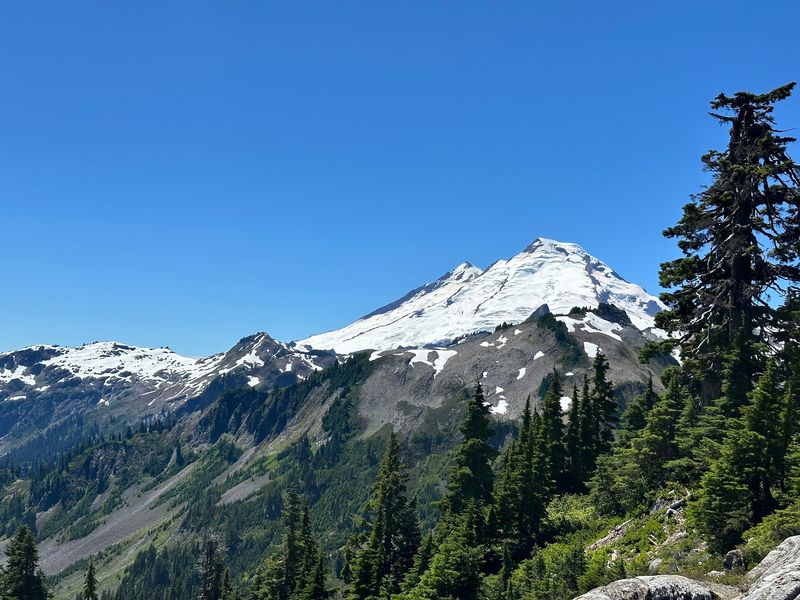
Ninety-five feet of snow. Say it slowly, because that is what fell on Mount Baker during the 1998-99 season.
The ski area measured 1,140 inches, and NOAA checked the numbers and made it the official U.S. seasonal snowfall record.
The recipe is simple. Pacific storms roll in loaded with moisture and smash into the Cascade Range.
The air is forced upward, cools fast, and drops its cargo as snow.
That record broke the old mark of 1,122 inches set at Mount Rainier’s Paradise station. Skiers still flock to Baker for its deep powder, and locals joke that shovels are a year-round accessory.
Even in ordinary winters, the mountain delivers piles that make flatland snow days look like light dustings.
If you visit, pack waterproof layers and patience. Storms can park over the mountain for days, and visibility can drop to nearly nothing.
Check conditions before heading up, and give the plows time to do their work. The reward is some of the fluffiest, deepest skiing in North America, plus bragging rights that you stood in record country.
Paradise, Mount Rainier, Washington, USA
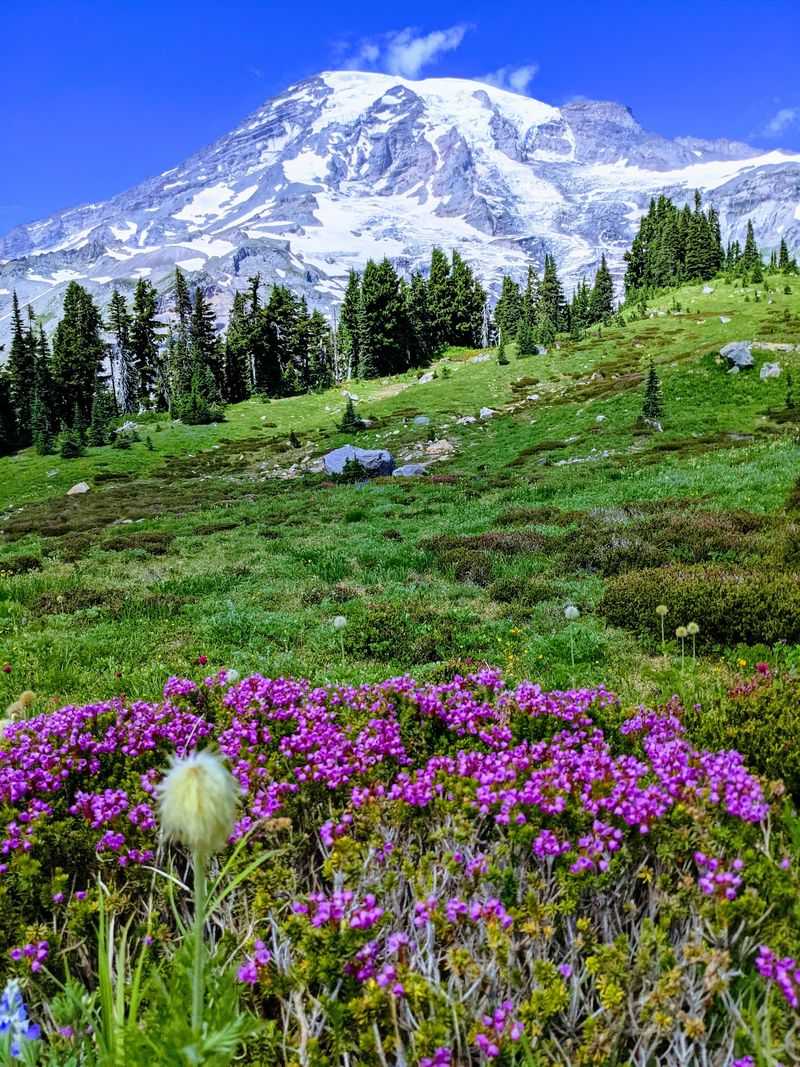
Paradise earns its name in July, when wildflowers finally poke through. For most of the year, though, it is a frozen wonderland.
Sitting at about 5,400 feet on Mount Rainier’s southern flank, it averages roughly 637 inches of snow each year, more than 53 feet.
The winter of 1971-72 was something else. The station piled up 1,122 inches, a world record that stood until Mount Baker topped it in 1999.
Snow can linger deep into summer here. In cold years, the meadows stay buried until August, which surprises hikers who show up expecting green slopes.
Mount Rainier is the secret engine. Its huge mass lifts moist Pacific air, which cools and unloads snow in heaps.
Add the high elevation and you get one of the most dependable snowy spots that has actual measuring equipment.
Visitors can try snowshoe walks led by park rangers during winter. Bring layers, sunglasses for the glare, and a sense of humor about how far a parking lot can disappear.
Sukayu Onsen, Aomori, Japan
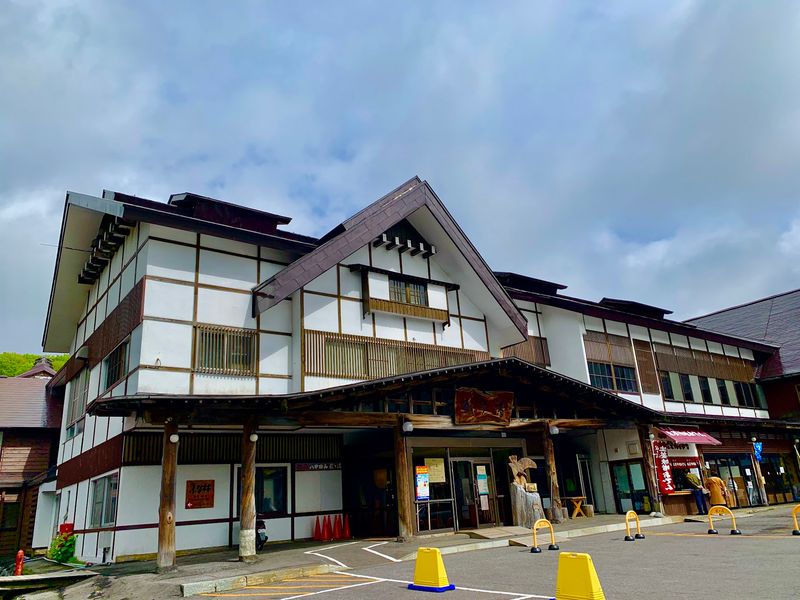
Imagine soaking in a steaming bath while snowbanks tower around the building. That is daily life at Sukayu Onsen, tucked deep in the Hakkoda Mountains.
Aomori’s tourism organization often calls it the snowiest inhabited place on Earth.
The Japan Meteorological Agency has measured snow depths of 566 centimeters here, about 18.6 feet. Even in January 2026, one monitored period reached 487 centimeters.
The cause is a neat bit of weather. Cold air from the continent slides over the Sea of Japan and soaks up moisture.
When it hits the mountains of northern Honshu, it rises and dumps the load as snow.
People still live and work here, and travelers come on purpose. The famous inn is known for a huge wooden bath and a steady stream of snow stacking up outside.
If you go, dress warmly for the walk between buildings, and bring a towel you do not mind getting a little frosty. The contrast of hot water and icy air is the whole point.
Tateyama, Toyama, Japan
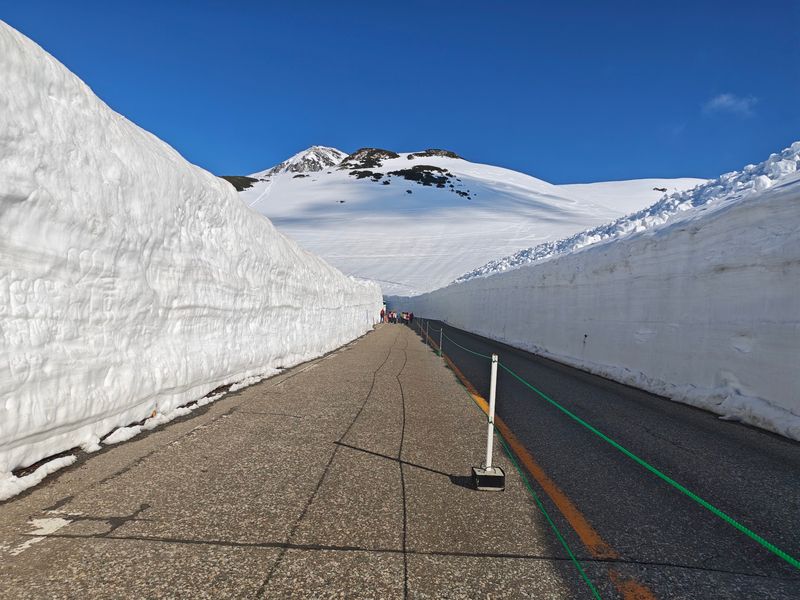
Walking between two skyscraper-sized walls of snow is a real thing you can do here. Each spring, snowplows reopen the mountain road near Murodo and carve a path through drifts that can reach 20 meters, about 66 feet.
The Japan National Tourism Organization describes the 500-meter Snow Corridor as one of the country’s great seasonal sights. Photos barely capture the scale, because the walls simply keep rising.
Murodo sits around 2,450 meters above sea level in the Northern Alps. Heavy winter storms bury the route, and it stays closed for several months.
When the road finally opens around mid-April, visitors get a cross-section of the entire winter. You can see layers of snow, some darker from dust and ash, stacked like pages in a very cold book.
Plan ahead, because crowds are big and the weather shifts quickly. Bring sunglasses, warm gloves, and sturdy shoes, since the corridor floor can be slushy.
Dress in layers, because the shade is chilly even on bright days.
Alyeska, Alaska, USA
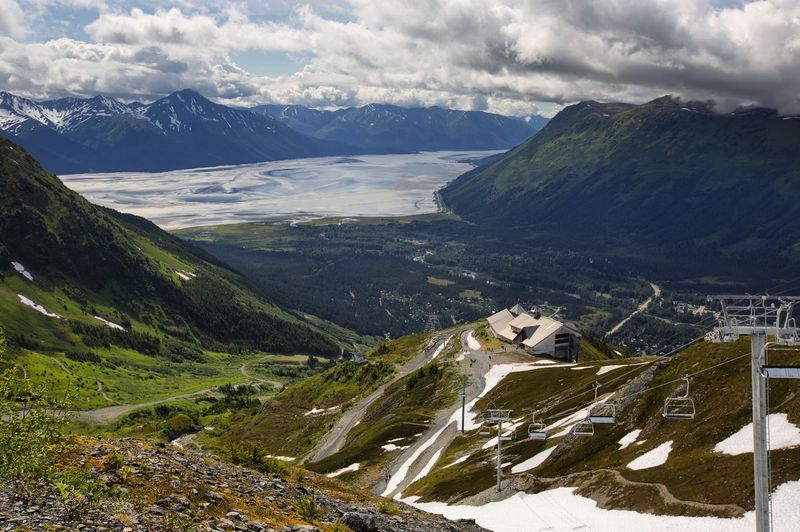
Here is a mountain that starts almost at the beach. Alyeska rises from near sea level in Alaska’s Chugach Mountains, close to Girdwood, and storms from the Gulf of Alaska crash into it right away.
The resort reports about 650 inches of snow at its summit in an average year. That makes it one of the snowiest developed ski areas in North America.
Utah fans brag about dry, light powder. Alyeska’s snow is wetter and heavier because the air comes straight off the ocean.
It sticks to steep slopes and builds a thick, reliable base.
Spring brings a fun contrast. Down by Turnagain Arm, the land starts turning brown and soft, while the peaks above still glow white.
Visitors can ride the tram for sweeping views of glaciers and water. Bring goggles for flat light days, and layers for the temperature swings.
A warm drink at the top tastes extra good when snow is piled up outside the windows.
Hakuba Valley, Nagano, Japan
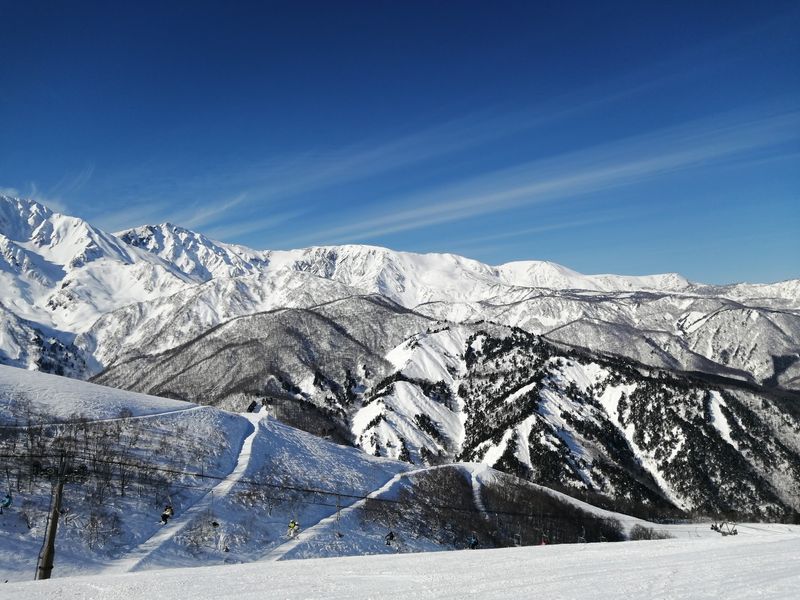
Visitors from Europe often step off the lift and say the same thing: it snowed again? Hakuba Valley is famous for frequent powder days.
The Japan National Tourism Organization reports about 11 meters of snowfall each year, roughly 36 feet.
The world got a good look at the valley during the 1998 Winter Olympics. Since then, it has grown into a favorite for skiers from many countries.
Ten connected resort areas offer more than 200 runs. That is plenty of room to explore, whether you are a beginner or a daring expert.
The snow story starts over the Sea of Japan. Cold winter air picks up moisture, then climbs sharply over the Japanese Alps and releases it as powder.
Snow does more than cover slopes here. It blankets forests, rooftops, and small village lanes, turning the whole valley into a calm white postcard.
Pack a good shell jacket, and try local noodle shops after a long day on the hill.
Nozawa Onsen, Nagano, Japan
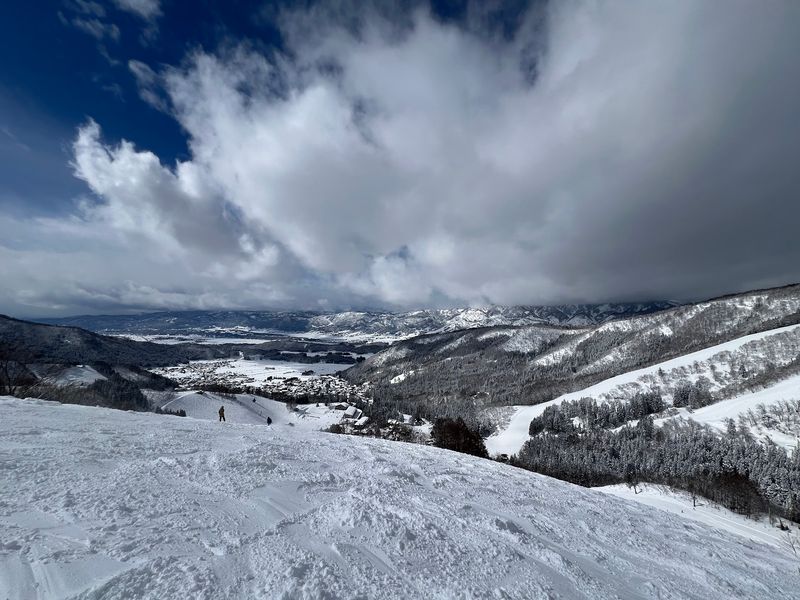
Steam curls up from the street while snow piles against wooden walls. Nozawa Onsen is a hot-spring village where winter is part of the daily routine.
The area has seen up to 10 meters of snow in a season, according to Japan’s national tourism organization.
The ski season can run from late November into early May, depending on conditions. That is a long stretch of time for fresh turns.
Skiing arrived here in 1912, among the earliest introductions of the sport in Japan. The village has been sliding downhill with style ever since.
Thirteen community-run public baths dot the narrow lanes. Locals take care of them, and visitors can soak after a day on the slopes if they follow the posted rules.
Walking between shrines, inns, and snowbanks feels like stepping into another century. Bring slip-on shoes, since you will take them off often.
A small towel and a little courage for the hot water are the only extras you need.
Aomori, Japan
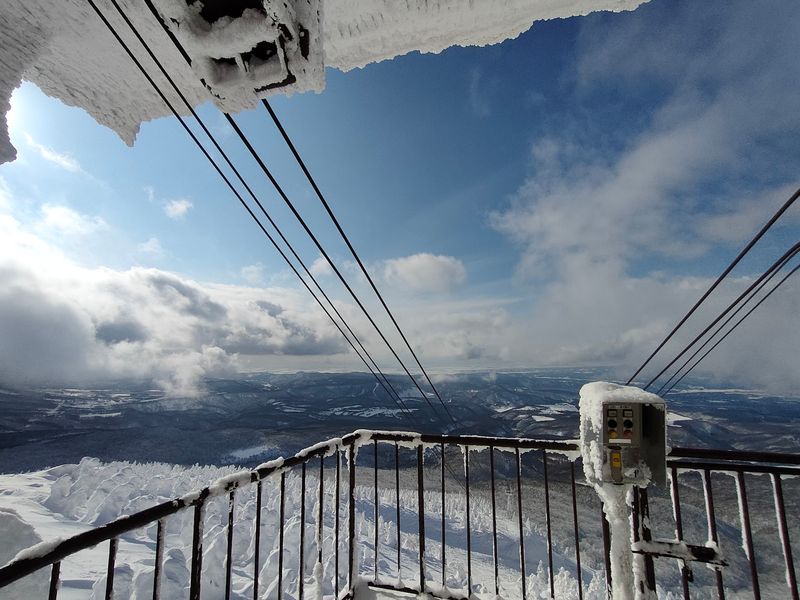
Snow plows here have a full-time job. Aomori shows that big snow is not just a mountain story.
Japan’s tourism authority names Aomori, Sapporo, and Toyama as the world’s three snowiest cities with more than 100,000 people.
Aomori City recorded 488 centimeters of snowfall in 2021, according to regional tourism data. Heavier seasons happen too.
Crews must clear huge amounts of snow from streets and neighborhoods. Meanwhile, buses run, shops open, and kids walk to school as if nothing unusual is going on.
Up in the nearby Hakkoda mountains, the snow gets even deeper. The city sits in the path of the same moisture-rich winter air that buries the hills.
What makes Aomori different from many places on this list is its everyday setting. There are no remote cabins here, just a working city with a lot of snow shovels.
Visitors should bring waterproof boots with good grip, because sidewalks can get slick and packed.
Tsunan, Niigata, Japan
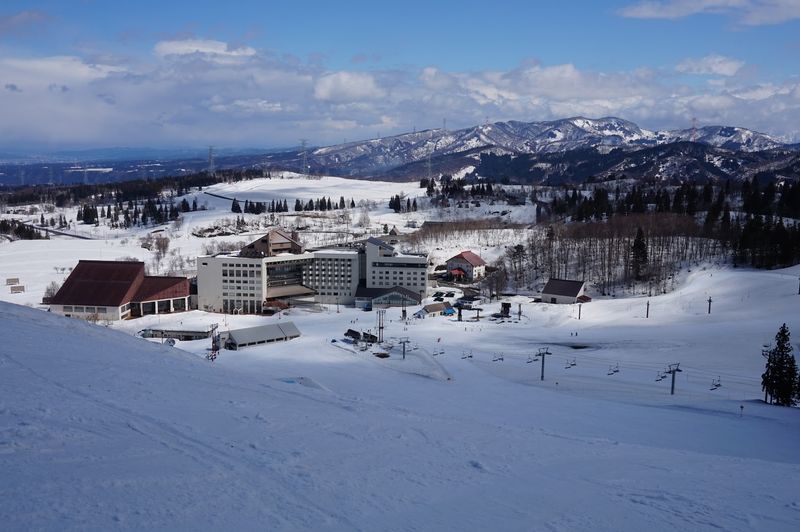
Winter is not a visitor in Tsunan. It moves in and runs the place.
The town sits in Japan’s aptly named Snow Country, where cold seasons have shaped buildings, farming, food, and traditions for generations.
Japan’s tourism organization says Tsunan gets some of the heaviest snowfall on the planet, with depths around three meters in typical heavy winters. The Japan Meteorological Agency recorded 385 centimeters in February 2025.
Nearby Niigata mountains can see far more. Locals have learned to work with all that white.
One clever habit is storing vegetables under the snow, which keeps them cool and sweet. Residents also use other preservation methods that turn long winters into a pantry advantage.
An annual Snow Festival celebrates the season with lights, food, and sculptures. In Tsunan, snow is more than weather.
It is the thread running through local culture. If you visit, wear thick socks and bring curiosity, because the food stories here are as warm as the people.
Thompson Pass, Alaska, USA
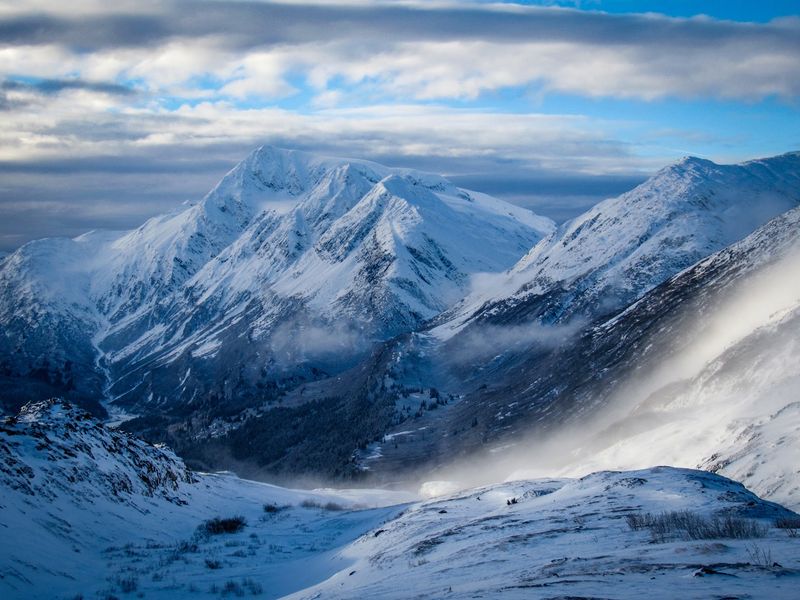
Sixty-two inches of snow in just 24 hours. That is Alaska’s listed daily record, and it belongs to Thompson Pass.
Located in the Chugach Mountains northeast of Valdez, this spot is one of the state’s most extreme snow zones.
The Alaska Department of Natural Resources lists it as the location with the highest average annual snowfall in the state, at about 540 inches, or 45 feet.
Wet air from Prince William Sound zooms upward into the mountains. As it rises, it cools and releases enormous amounts of snow over the pass.
Backcountry skiers and snowmobilers love the terrain. Fresh powder and big vertical drops bring adventure seekers from far away.
Safety matters here. Heavy snow on steep slopes can create serious avalanche danger, so travelers need training, gear, and a good forecast.
Even drivers should check road conditions, since storms can shut things down quickly. Thompson Pass shows how fast snowfall totals shoot up when ocean storms meet tall mountains.
Alta, Utah, USA
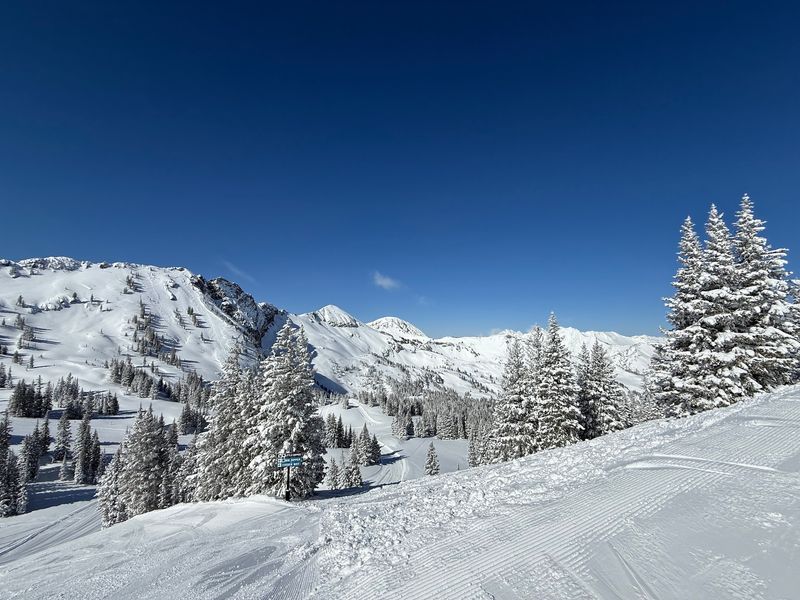
Alta has a number for everything, and the numbers are huge. The ski area reports about 543 inches of snow in an average winter.
Its long-running Collins Study Plot gives scientists and skiers an unusually detailed record.
The 2022-23 season stunned even locals. Alta collected 903 inches, more than 75 feet of snow.
Utah snow has a special reputation. It holds less moisture than the maritime snow of Washington or Alaska, so it stays light and fluffy.
Skiers call it powder, and they chase it with real devotion.
Storms can pick up extra moisture while crossing the Great Salt Lake. By the time they reach the Wasatch Mountains, they are ready to drop big totals just a short drive from Salt Lake City.
That closeness is a treat. You can land at an airport and be on a chairlift within the hour.
Bring a fat pair of skis, if you have them, and a flexible schedule for storm days.
Crater Lake National Park, Oregon, USA
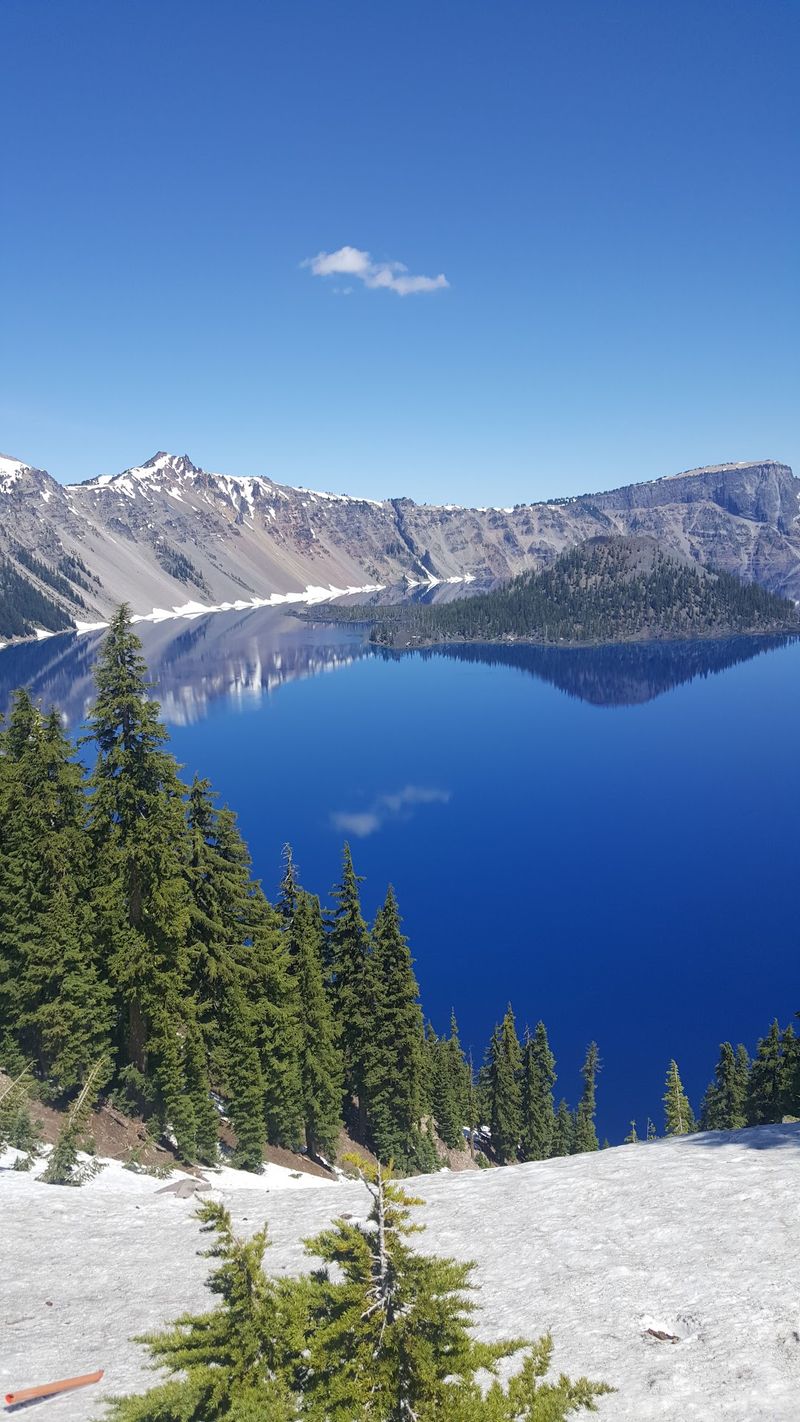
A deep blue lake sits inside a white bowl for much of the year. Crater Lake is known for its color, but snow rules the calendar.
The National Park Service says park headquarters averages around 41 feet, or 12.5 meters, of snowfall annually.
Earlier decades were even snowier. In the 1930s, averages hovered near 51 feet.
The record season came in 1932-33, when 879 inches fell. Snow on the ground has topped 21 feet deep at times.
The park sits right along the Cascade crest. Moist Pacific air rises over the high terrain and turns into steady snowfall.
Winter closes much of the park’s road network, so enormous snowbanks linger into spring. Visitors who come in cold months can snowshoe or ski near the rim, though conditions can change quickly.
Pack extra layers and check road status before you leave. When clouds part, the view of blue water against white slopes is worth every shiver.
Valdez, Alaska, USA
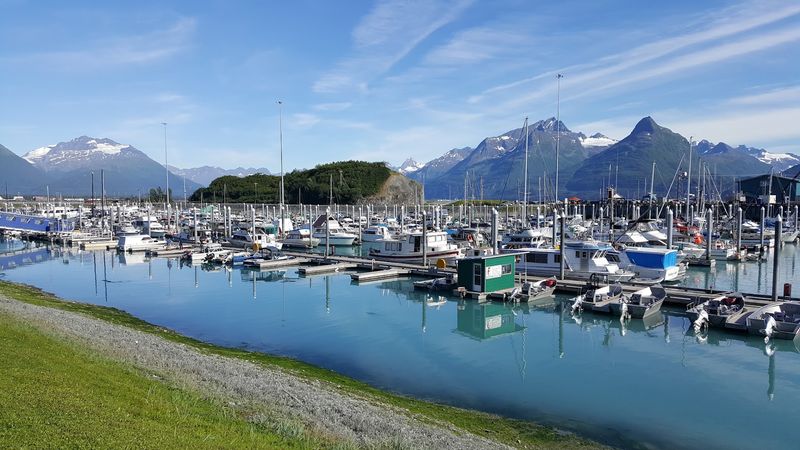
Plenty of snowy towns hide up high. Valdez does it at sea level.
The city sits on Prince William Sound and averages around 360 inches, or 30 feet, of snow each year, according to the City of Valdez.
Local officials call it the snowiest community at sea level in North America. That is a bold claim, and the snowbanks back it up.
Mountains jump up right behind town. They force moist air from the Gulf of Alaska to climb, which creates steady winter precipitation.
Residents know the routine. Snowbanks grow taller than vehicles, and clearing roofs, roads, and driveways is part of ordinary life.
A roof shovel is as common here as a coffee mug.
Despite the work, many people love the winters, with skiing and snowmachining right outside town. If you visit, bring waterproof boots and a bright jacket so plow drivers can spot you.
The mix of ocean and steep peaks makes the snowfall truly unusual for a coastal community.
Sapporo, Hokkaido, Japan
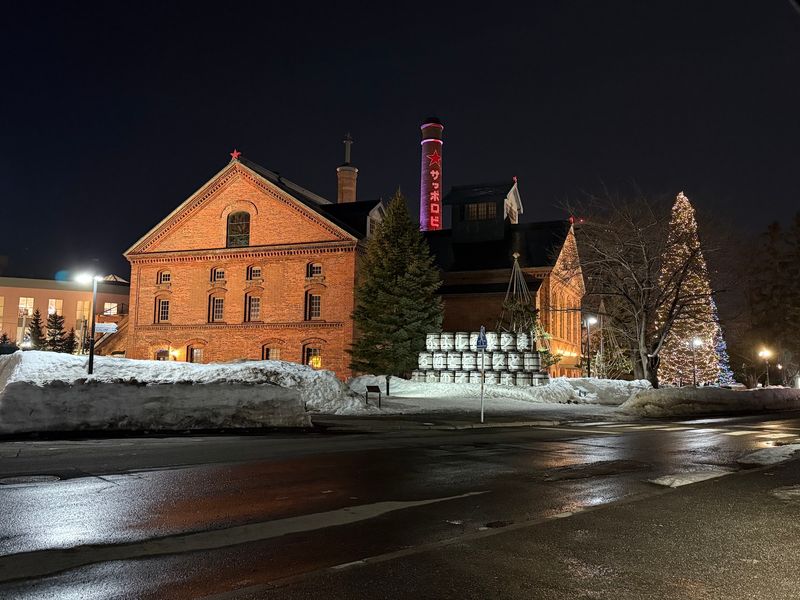
Nearly two million people live in Sapporo, and they all know where their shovels are. The city gets roughly 4.7 to 5 meters of snow per year.
Few big cities anywhere match that mix of population and snowfall.
Its official tourism organization calls Sapporo a snow metropolis. That is not just branding, because buses, trains, and sidewalks have to work through months of snow cover.
Instead of simply surviving winter, the city celebrates it. The Sapporo Snow Festival fills a downtown park with giant sculptures, lights, and food stalls that draw visitors from around the globe.
Underground walkways and heated systems help residents get around. Snow removal teams operate like a well-practiced orchestra, keeping the city moving when other places might shut down.
Visitors should pack insulated boots with deep tread, since ice hides under fresh powder. Try a bowl of hot miso ramen, a local favorite, after a chilly walk.
Sapporo makes heavy snowfall look almost routine.
Mount Washington, New Hampshire, USA
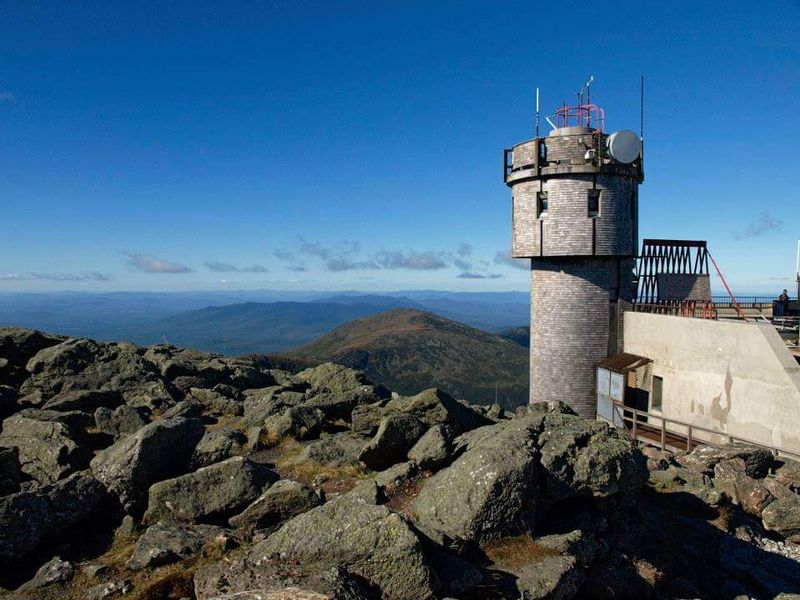
Wind gets the headlines on Mount Washington, but the snow deserves a spotlight too. The Mount Washington Observatory lists normal annual snowfall at 281.8 inches, nearly 23.5 feet.
The record 1968-69 season was far bigger. The summit collected 566.4 inches, roughly 47 feet.
Snow has fallen in almost every month of the year up here. Strong winds can push it into big drifts, so the depth on the ground may look wild even in a season with modest totals compared with the Pacific Northwest.
The exposed 6,288-foot summit sits where several storm tracks meet. Weather can flip from calm to fierce in minutes, which is why scientists study the mountain so closely.
Hikers should treat it with respect. Winter trips need proper gear, avalanche awareness, and a flexible plan.
Many people prefer to visit the observatory’s museum or ride the Mount Washington Cog Railway in milder months. Either way, this peak proves that New England can play in the snow big leagues.
Share this story