Pasta is one of the most loved foods in the world, and Italy offers hundreds of ways to enjoy it. Each region has its own sauces, shapes, and traditions that have been passed down for generations.
This ranked list looks at fifteen classic dishes, where they come from, and what makes them stand out. Whether you cook at home or plan a trip, these recipes are a tasty place to start.
1. Carbonara – Rome, Italy
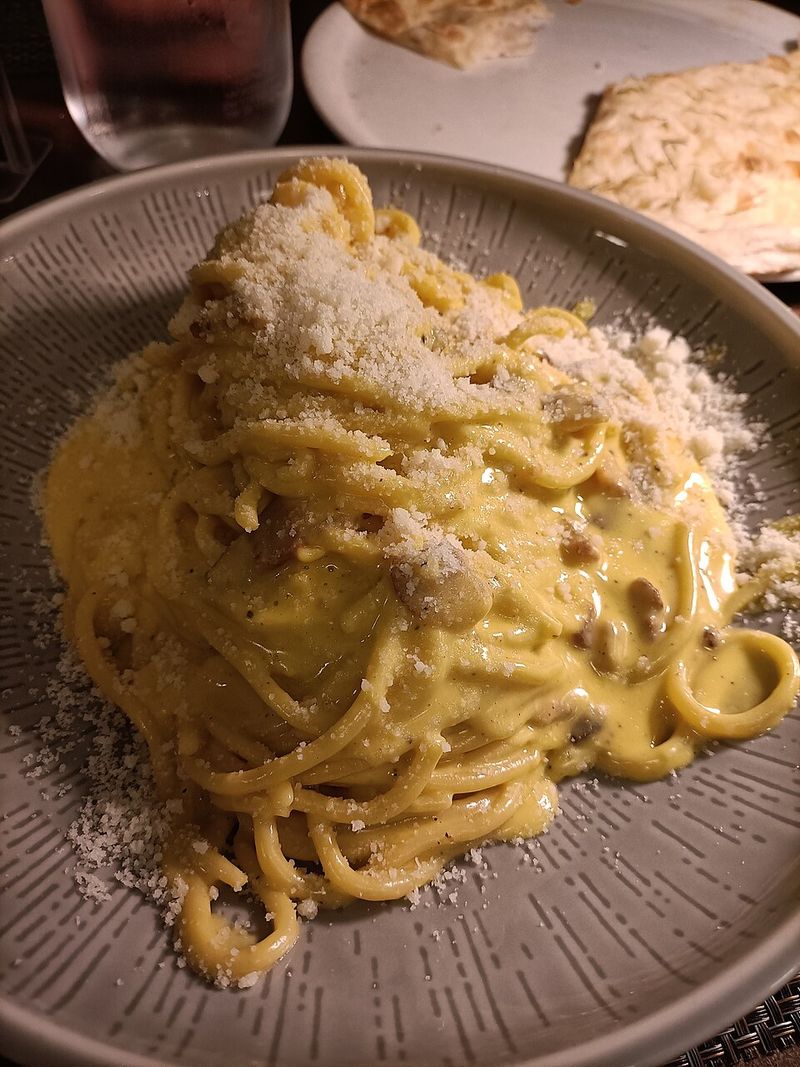
Few dishes show how much magic can come from four simple things. Carbonara uses eggs, hard cheese, cured pork cheek, and black pepper to make a silky sauce that coats every strand of spaghetti.
The secret is heat control. The eggs are mixed with Pecorino Romano and tossed with hot pasta off the burner, so they turn creamy instead of scrambled.
A splash of starchy pasta water helps the sauce become smooth and glossy.
Many believe the dish took shape in Rome in the mid-1900s, though its exact origin is still debated. Romans usually use guanciale, which is cured pork cheek, because it gives a deeper flavor than bacon.
Cream is not part of the traditional recipe.
Serve it right away while the sauce is warm and loose. Carbonara earns the top spot because it is rich, peppery, and deeply satisfying with very little effort.
2. Lasagne alla Bolognese – Bologna, Italy
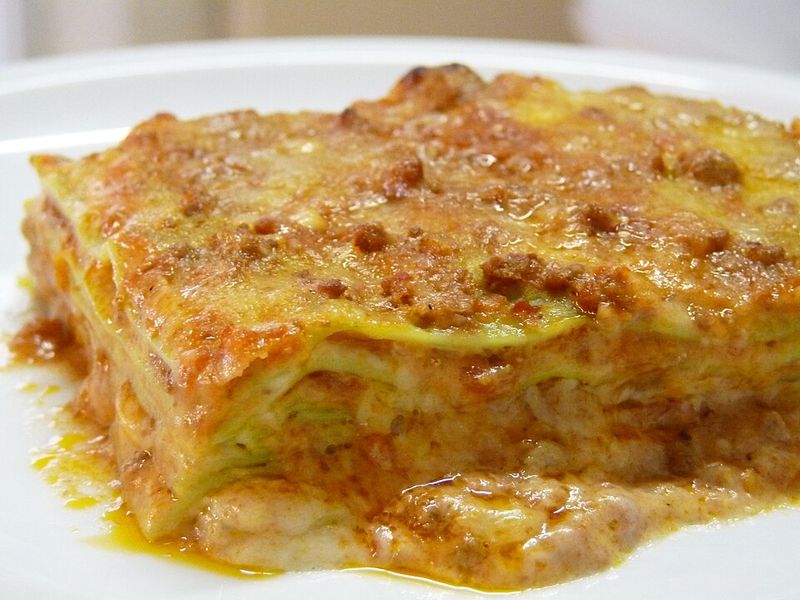
Picture a Sunday lunch where the whole family waits near the oven. That is the feeling behind lasagne in Bologna, where thin sheets of pasta are stacked with slow-cooked meat sauce and creamy white sauce.
Traditional versions often use green pasta colored with spinach. Each layer is thin, so the dish feels rich but balanced instead of heavy.
Parmigiano Reggiano is sprinkled between layers and across the top for a golden crust.
The ragu is the heart of the dish. It simmers for hours with beef, pork, onion, carrot, celery, and a little wine and milk until it becomes deep and mellow.
Let the lasagne rest for about fifteen minutes after baking. That short pause helps the layers set, so each slice holds together neatly on the plate.
3. Tagliatelle al Ragù – Bologna, Italy
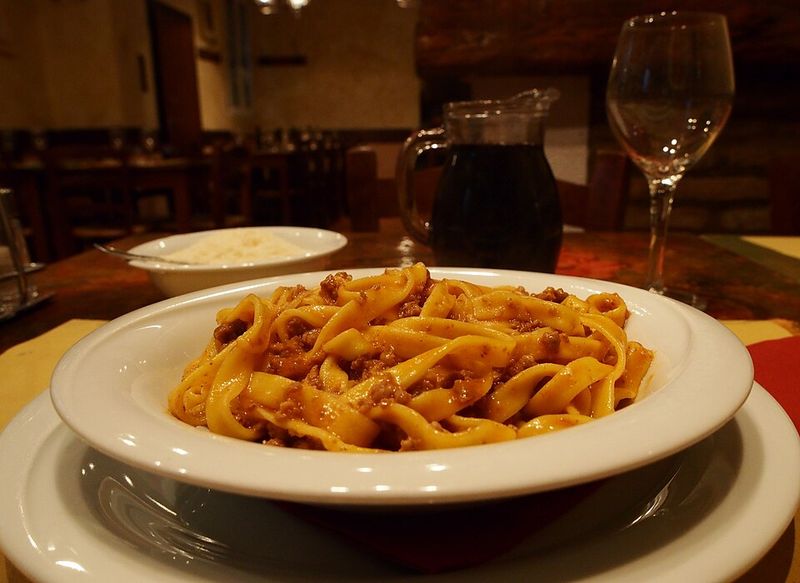
In Bologna, there is a golden rule: ragu belongs with tagliatelle, not spaghetti. The ribbons of egg pasta are wide and rough, which helps the meaty sauce cling to every bite.
The pasta is made with just flour and eggs, rolled thin, and cut by hand or machine. In 1972, the local chamber of commerce even registered an official width for tagliatelle, about 8 millimeters once cooked.
The sauce is a slow simmer of beef, pork, soffritto, tomato, and a little milk. It should be thick and savory rather than watery.
Toss the cooked noodles in the pan with the ragu for a minute before serving. That small step blends the flavors and gives the dish a smooth, hearty finish.
4. Cacio e Pepe – Rome, Italy
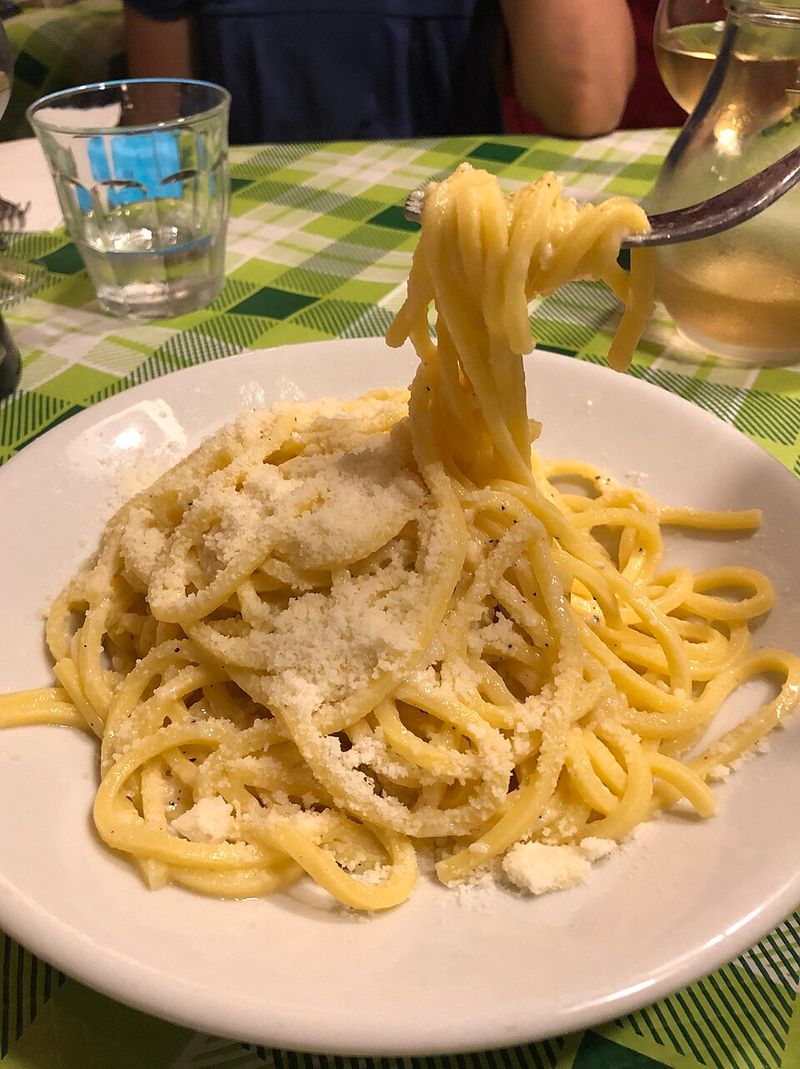
Cheese and pepper. That is the entire name, and nearly the entire recipe.
Cacio e pepe is a Roman favorite that proves a short ingredient list can still deliver big flavor.
Shepherds are said to have carried dry pasta, aged cheese, and pepper while tending flocks, since all three last well. Today the dish is a test of skill for cooks, because the cheese can easily clump if the pan is too hot.
Toasting the pepper in a dry pan first brings out its aroma. Then the cheese is whisked with warm pasta water into a paste before meeting the noodles.
When done right, the sauce is creamy without any cream. Sharp Pecorino Romano and warm pepper make each forkful bold, simple, and memorable.
5. Spaghetti alle Vongole – Naples, Italy
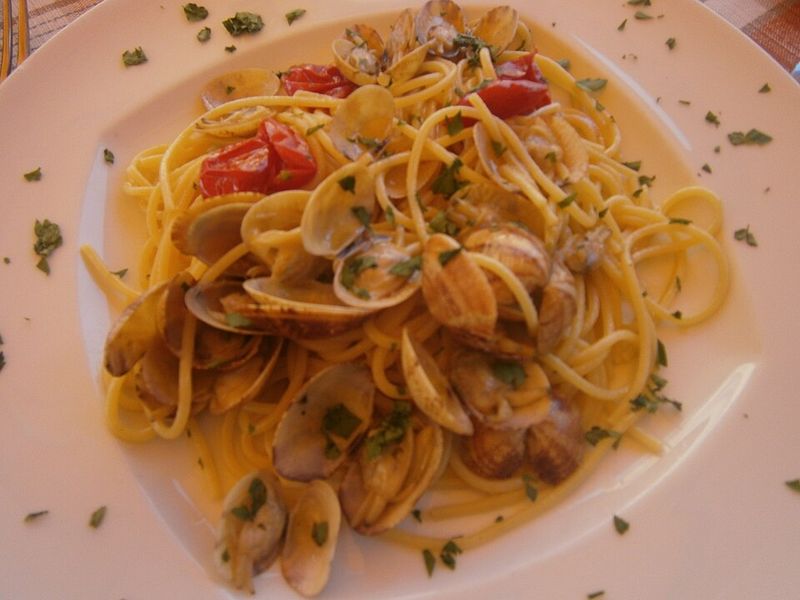
The smell of garlic, olive oil, and the sea tells you this plate is near. Spaghetti alle vongole is a coastal classic from Naples, built around fresh clams cooked until they pop open.
Cooks start by warming garlic and chili in olive oil, then add the clams and a splash of white wine. The clams release their natural juices, which blend with the oil to form a light, briny sauce.
Some families add a few cherry tomatoes for sweetness, while others prefer the white version, called in bianco. Both are finished with chopped parsley.
Discard any clams that stay closed after cooking. The dish is quick to make, yet it tastes like a seaside summer evening.
6. Pasta alla Norma – Sicily, Italy
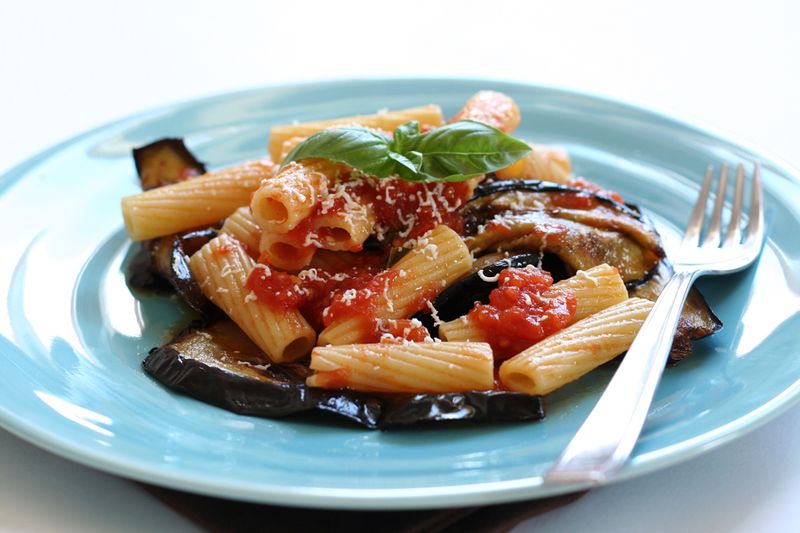
Named after an opera? Quite possibly.
Many say pasta alla Norma honors Vincenzo Bellini’s opera Norma, and the dish comes from Catania, his hometown in Sicily.
Fried eggplant is the star, soft and golden, paired with a bright tomato sauce and fresh basil. The finishing touch is ricotta salata, a firm, salty cheese that is grated over the top.
Short pasta like rigatoni or maccheroni works well because the tubes catch bits of sauce and eggplant. Salting the eggplant slices before frying can help draw out extra moisture.
The result is sweet, salty, and savory all at once. It is a meatless dish that feels full and cheerful, much like the island it comes from.
7. Trofie al Pesto – Liguria, Italy
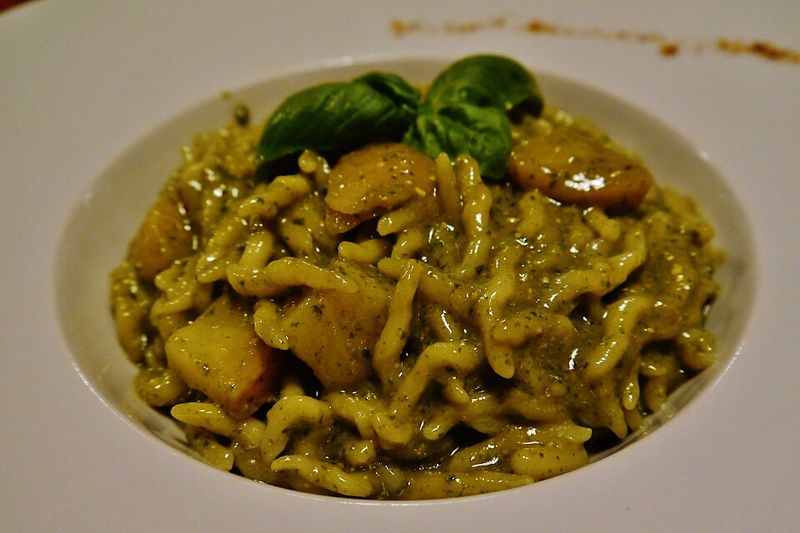
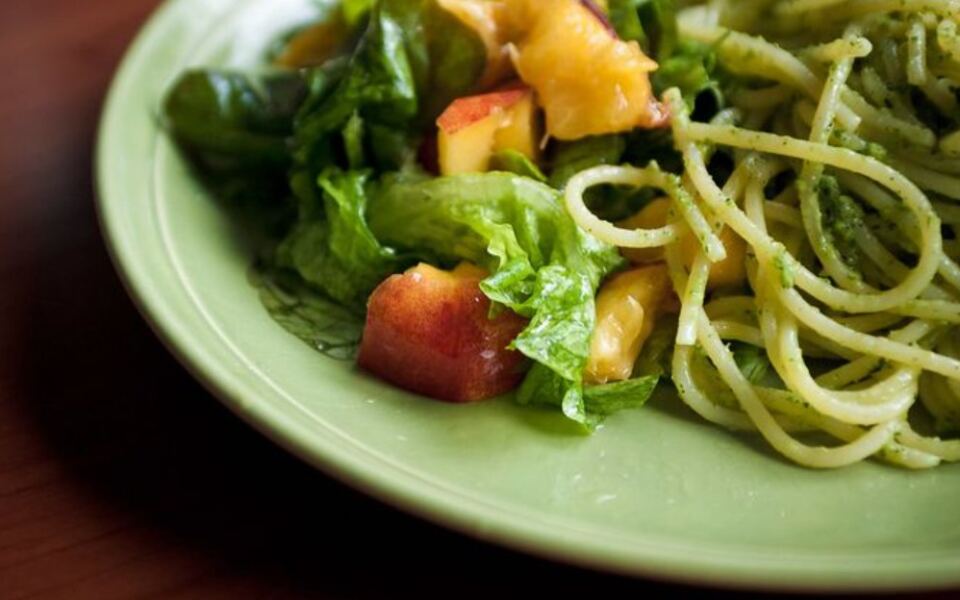
Basil lovers, this one is for you. Trofie al pesto comes from Liguria, the coastal region around Genoa, where the local basil is famous for its sweet, gentle flavor.
Trofie are short, thin twists of pasta made from flour and water. Their spiral shape holds the sauce nicely, so every piece is coated in green.
Traditional pesto Genovese blends basil, pine nuts, garlic, Parmigiano Reggiano, Pecorino, and olive oil. It was once ground in a marble mortar with a wooden pestle, which crushes the leaves rather than chopping them.
Many Ligurian cooks add green beans and sliced potato to the pot with the pasta. It sounds unusual, but the mild vegetables balance the herb-heavy sauce very well.
8. Amatriciana – Amatrice, Italy
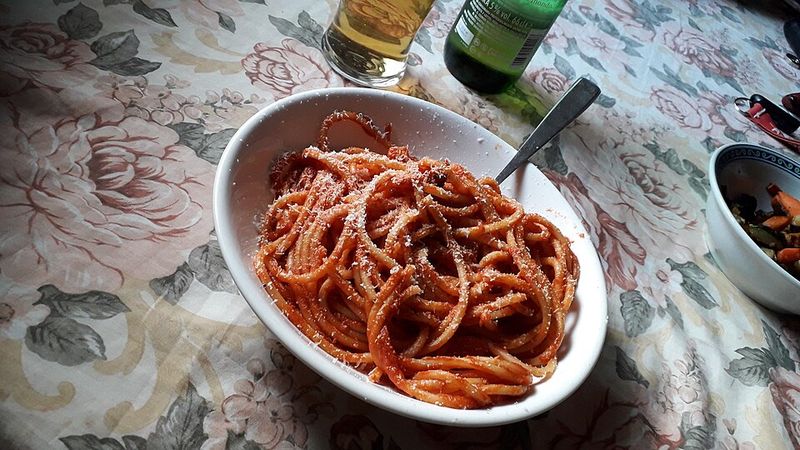
Born in the hills northeast of Rome, amatriciana carries the pride of a small town. Amatrice, in the Lazio region, gave the dish its name, and locals take its recipe seriously.
The sauce begins with guanciale, which is rendered until crisp and flavorful. White wine and crushed tomatoes follow, along with a pinch of chili for gentle heat.
Pecorino Romano is grated on top.
It is often served with spaghetti or bucatini, the thick hollow noodle that soaks up sauce. Onion is a topic of friendly debate, and the town’s official version leaves it out.
The balance of smoky pork, tangy tomato, and sharp cheese makes it a favorite across Italy. It is bold without being complicated.
9. Pappardelle al Cinghiale – Tuscany, Italy
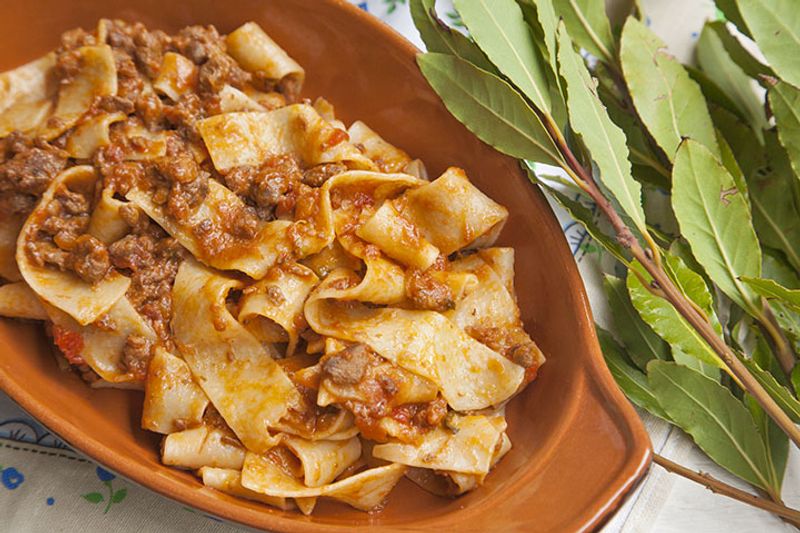
Tuscan hunters once brought home wild boar, and cooks turned it into a sauce worth waiting for. Pappardelle al cinghiale pairs wide, flat noodles with a rich ragu that simmers for hours.
The meat is often marinated in red wine, herbs, and juniper berries. This step helps soften the strong flavor and makes the meat tender when it cooks slowly with tomato, carrot, onion, and celery.
Pappardelle are the right match because their broad shape supports a chunky sauce. Thinner pasta would get lost under the meat.
Pair the dish with a glass of Chianti if you are of age, as locals do. It is a warm, earthy meal that feels made for cool autumn days in the countryside.
10. Tortellini in Brodo – Emilia-Romagna, Italy
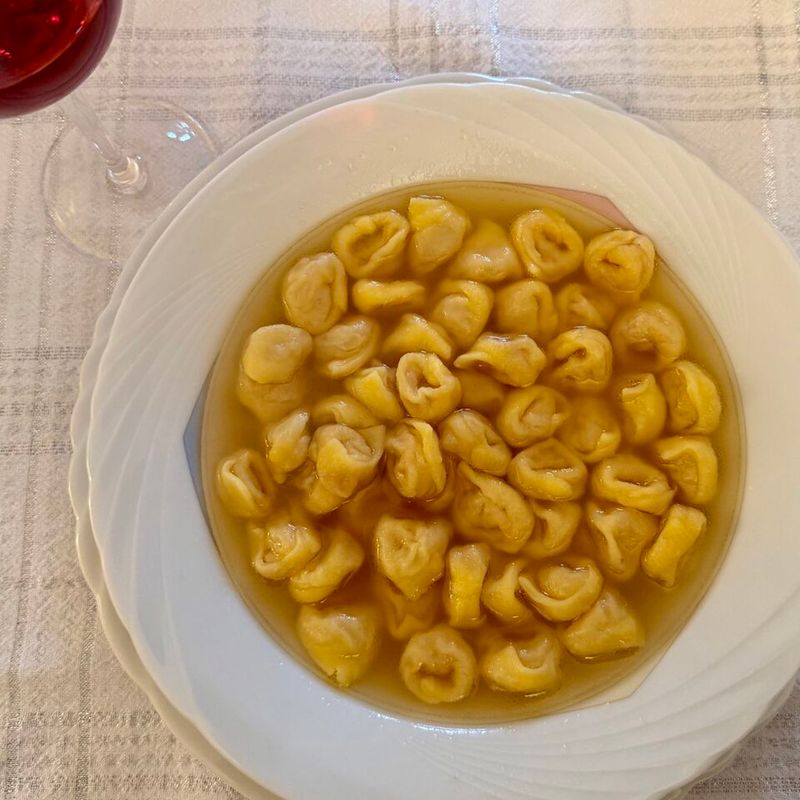
Some comfort foods arrive in a bowl of steam. Tortellini in brodo is a holiday tradition in Emilia-Romagna, especially at Christmas, when families gather to fold tiny rings of pasta by hand.
Each tortellino is filled with a mix that often includes pork, prosciutto, mortadella, and Parmigiano Reggiano. Legend says the shape was inspired by the navel of a goddess, though that story is mostly for fun.
The broth matters just as much. It is usually made from beef and capon simmered gently for hours until clear and full of flavor.
Because the dish is so simple, quality ingredients make all the difference. A spoonful brings a delicate, savory taste that feels like a warm hug.
11. Pasta alla Genovese – Naples, Italy
Here is a twist: despite its name, pasta alla Genovese is a Neapolitan dish, not a Genoese one. The name likely comes from Genoese merchants who once lived in Naples, though historians still discuss it.
The sauce is built on a large amount of onions, sometimes equal in weight to the beef. They are cooked slowly with the meat for hours until they melt into a sweet, creamy sauce with no tomato at all.
Cooks often use ziti or paccheri, broken into pieces or left whole. The meat can be served as a second course or shredded into the pasta.
Patience is the key ingredient. The finished plate tastes rich, mellow, and surprisingly sweet.
12. Orecchiette con Cime di Rapa – Puglia, Italy
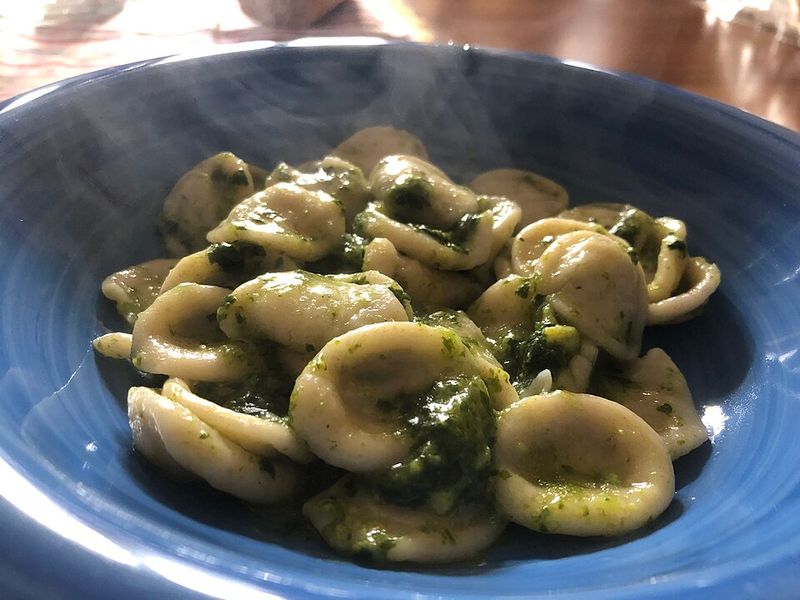
On the narrow streets of Bari, you may still see women shaping pasta by hand at doorways. Their specialty is orecchiette, whose name means little ears, a nod to the small cupped shape.
The classic partner is cime di rapa, a slightly bitter green similar to broccoli rabe. The greens are cooked with garlic, chili, olive oil, and often anchovies that melt into the sauce.
Cooks sometimes boil the greens in the same water as the pasta, which saves time and adds flavor. Toasted breadcrumbs can add a pleasant crunch on top.
The dish is humble, green, and full of character. It shows how Puglia turns simple farm ingredients into something memorable.
13. Pasta alla Gricia – Lazio, Italy
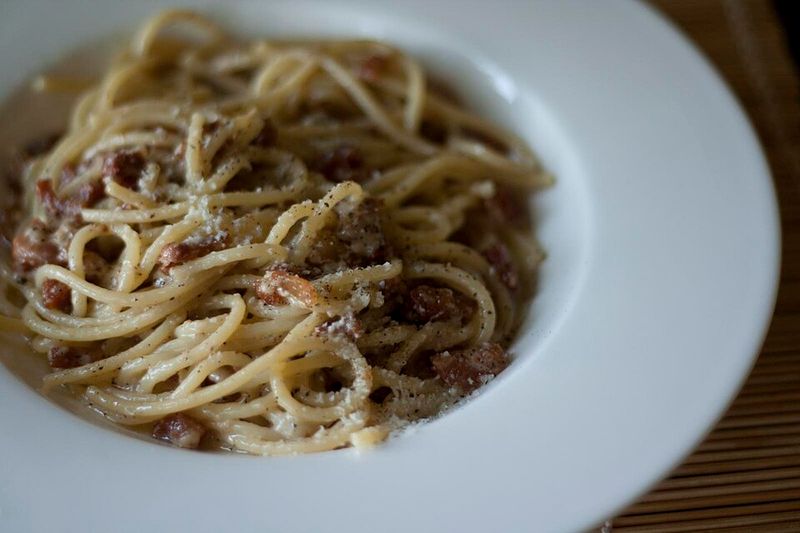
Think of gricia as the quiet grandparent of Roman pasta. Many food historians see it as the ancestor of both amatriciana and carbonara, since it contains the base flavors of each without tomato or egg.
Just four ingredients are needed: pasta, guanciale, Pecorino Romano, and black pepper. The pork fat is slowly rendered until crisp, then mixed with pasta water and cheese to create a creamy coating.
Rigatoni and spaghetti are both common choices. The ridges of rigatoni hold the savory bits of pork very well.
It is salty, peppery, and deeply satisfying. For anyone curious about Roman cooking, gricia is a delicious lesson in simplicity.
14. Pasta con le Sarde – Sicily, Italy
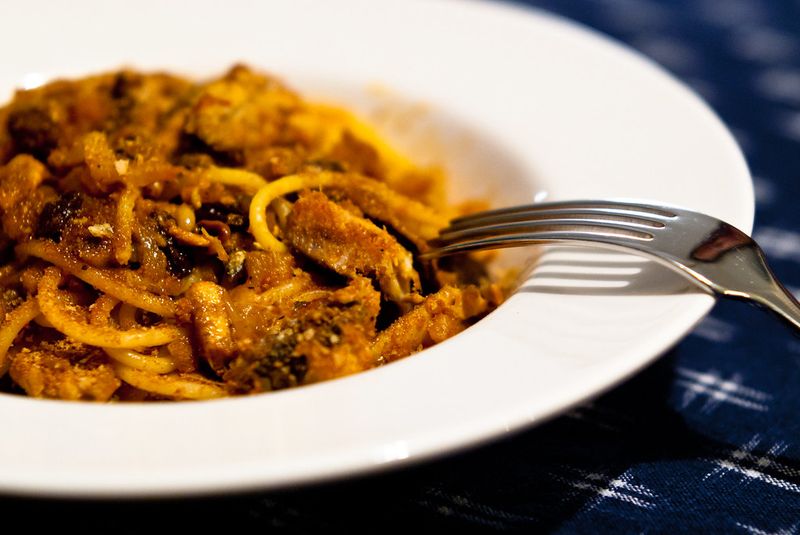
Sweet, salty, and a little surprising, pasta con le sarde shows off Sicily’s mix of cultures. Arab influence on the island is often credited for the raisins and pine nuts in the sauce.
Fresh sardines are cooked with wild fennel, onion, and sometimes saffron. The fennel gives a light, anise-like aroma that suits the fish perfectly.
Bucatini is a common choice. The dish is often topped with toasted breadcrumbs, known as the poor man’s Parmesan, which add crunch where cheese would normally go.
Fish and cheese are rarely paired in Italian cooking, so the crumbs make sense. The final plate is bold, fragrant, and unlike any other pasta on this list.
15. Spaghetti all’Assassina – Bari, Italy
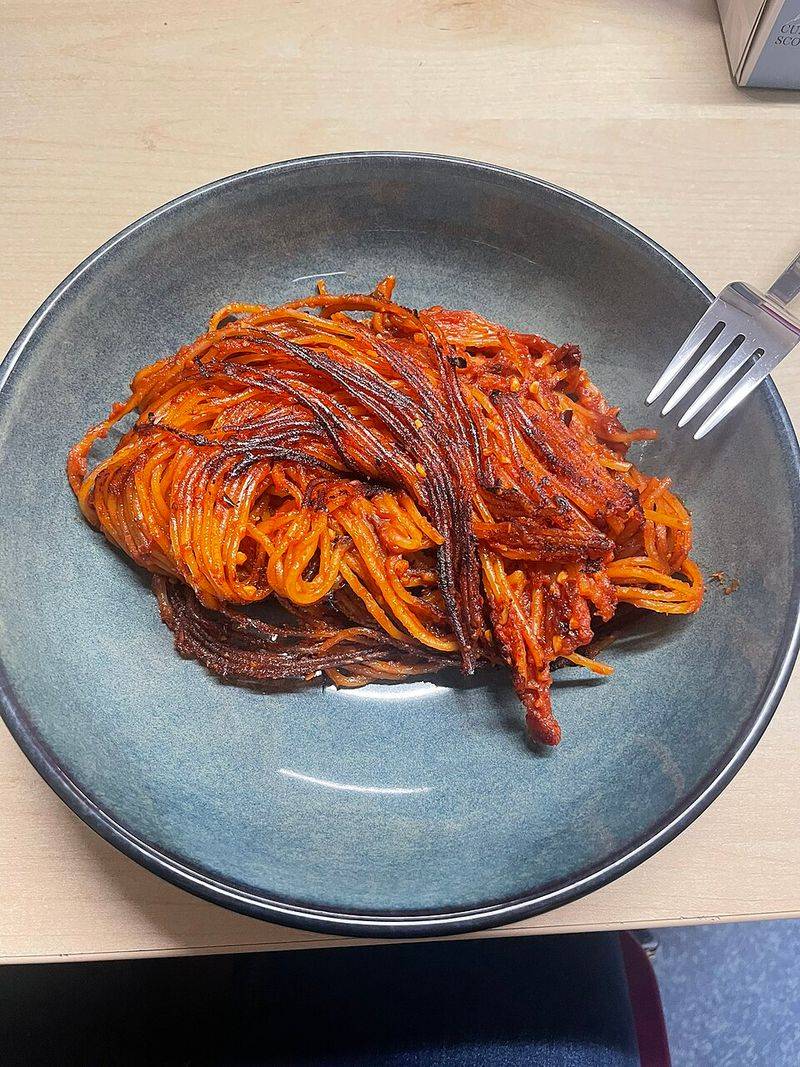
Most pasta is boiled first. Not this one.
Spaghetti all’assassina is cooked right in a hot pan, where the noodles soak up spicy tomato broth and get crisp, slightly charred edges.
The dish was reportedly created in Bari in the 1960s at a local restaurant. Its name, meaning assassin’s spaghetti, refers to the fiery heat that can leave diners reaching for water.
Cooks start by toasting garlic and chili in oil, then add tomato passata. Spaghetti goes in dry, and warm broth is added little by little, much like making risotto.
The result is smoky, spicy, and chewy in the best way. It is a bold ending for anyone who loves a little adventure on the plate.
Share this story