London loves a shiny new dessert trend, but some of its best treats have been around much longer than your grandparents. Picture rose creams in ribbon-tied boxes, apple crumble under a blanket of custard, and humbugs waiting in tall glass jars.
These sweets have outlasted Victorian fashions, two world wars, and countless food fads. Some shops opened when horses still pulled carts down the street.
Others keep family recipes going that were carried across oceans decades ago. You will find a tea room that has served pastries for over 150 years, a chocolatier with royal connections, and bakeries run by the same families for generations.
There are also market stalls selling sherbet lemons by the bag and shops on one famous street stacked with colorful Indian sweets. Each stop on this list comes with a story, a signature treat, and a tip on what to order.
Bring a little patience, a little pocket money, and maybe a friend to share with. Your sweet tooth is about to get a history lesson, and it is the tastiest kind of homework you will ever do.
1. Maison Bertaux, London, England
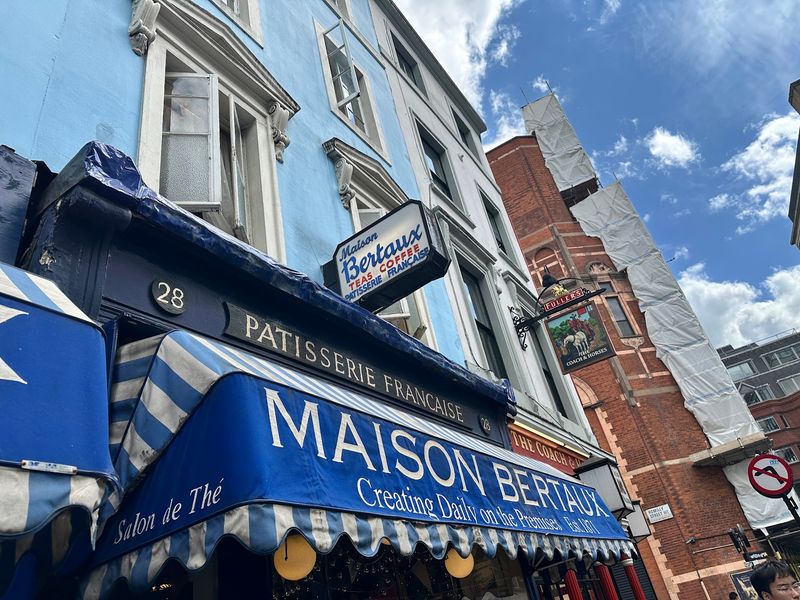
Back in 1871, a French chef named Monsieur Bertaux opened a tiny tea room in Soho. More than 150 years later, it still holds the title of London’s oldest French patisserie.
Sisters Michele and Tania Wade run the place today. Michele started working here as a Saturday girl at just 14, which is quite a first job.
The counter is piled high with chocolate and coffee eclairs, Paris-Brest, mille-feuille, and strawberry tarts. Everything is made on the premises each day.
Inside, the decor is gloriously cluttered, with mirrors reading Liberte, egalite, fraternite. Upstairs, the tea room doubles as an art gallery, and comedians like Noel Fielding have shown work there.
Order at the counter first, then grab a seat. The pavement tables outside are great for people-watching on Greek Street.
Tip: the scones with clotted cream are a sneaky British surprise in this very French shop.
2. Charbonnel et Walker, London, England
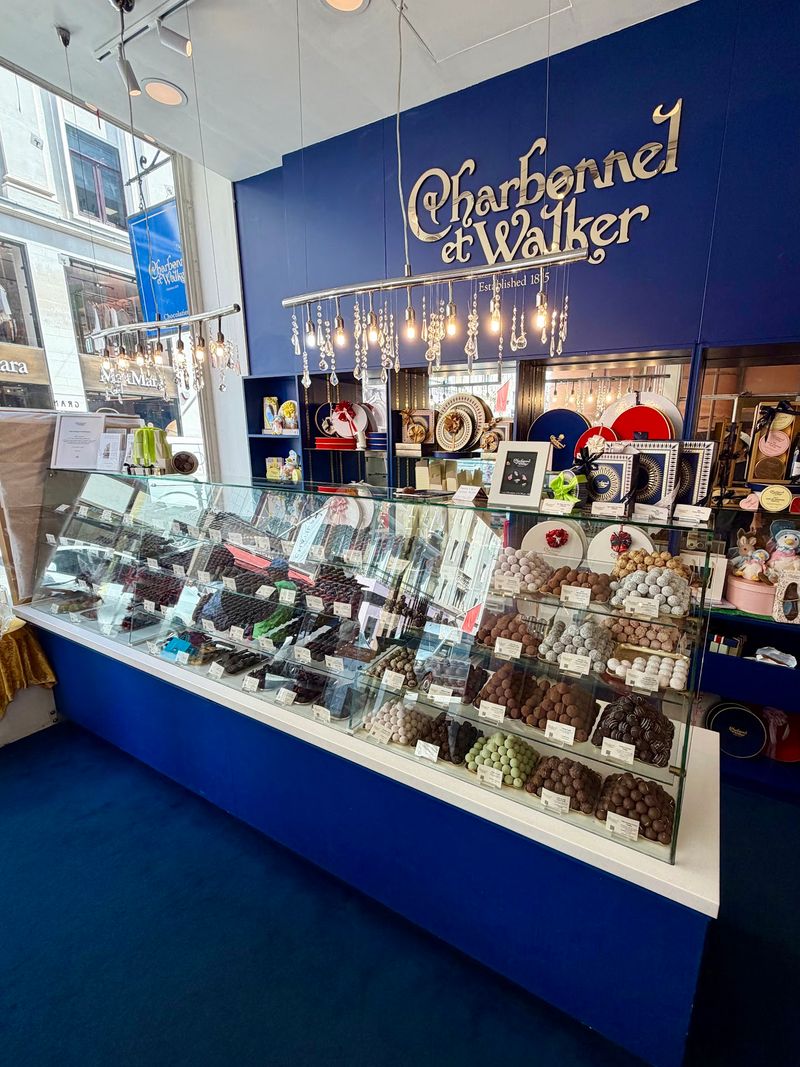
A future king played matchmaker for this chocolate shop. Edward VII, then Prince of Wales, introduced Parisian chocolate maker Madame Charbonnel to Mrs. Walker, a Londoner famous for her beautiful boxes.
Their partnership began in 1875, and the shop still sits at the entrance to the Royal Arcade on Old Bond Street. From 1970 to 2022, it held a Royal Warrant as chocolate maker to Queen Elizabeth II.
The must-try treats are the rose and violet creams. Each has a floral fondant center coated in dark chocolate and topped with a crystallized petal.
They are an acquired taste, so buy one of each before committing to a whole box.
Want to build your own selection? Ask about the Boite Blanche, a tradition from 1909 that lets you pick individual chocolates.
Past fans include Princess Diana and Noel Coward, so you are in very good company.
3. Dunn’s Bakery, London, England
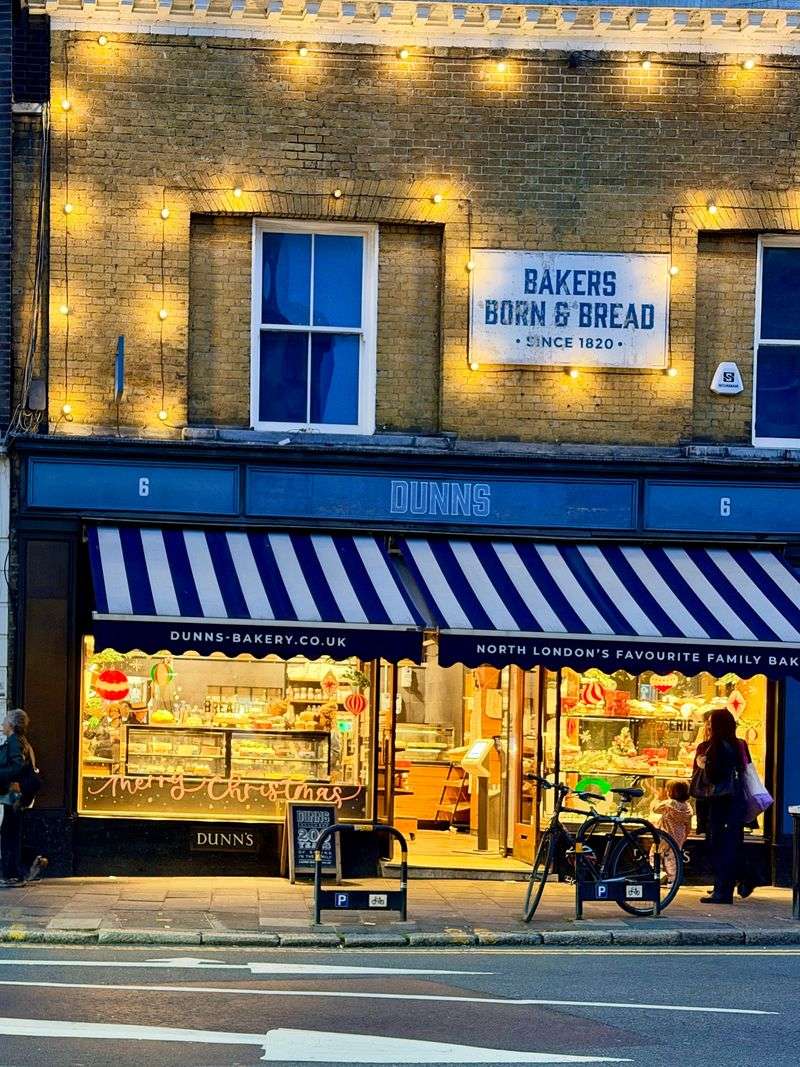
Six generations of bakers stand behind every doughnut at Dunn’s. The Freeman family began baking in Highgate in 1820 and took over this Crouch End shop in 1946.
Today, Lewis Freeman keeps the ovens going. The blue shopfront and striped awning make it easy to spot on the Broadway.
Inside, look for custard slices, Bakewell tarts, Chelsea buns, Florentines, and fruit flans. The jam doughnuts are proudly called world famous by the staff.
Here is a fun bit of trivia. In 2016, the BBC filmed Victorian Bakers in this very shop because it could pass for a bakery from 1900.
Dunn’s also started National Doughnut Week in 1991. The campaign has raised over 1.18 million pounds for The Children’s Trust.
Arrive in the morning for the best choice. Popular cakes can sell out by the afternoon, especially on weekends.
4. Toffee Nose of Covent Garden, London, England
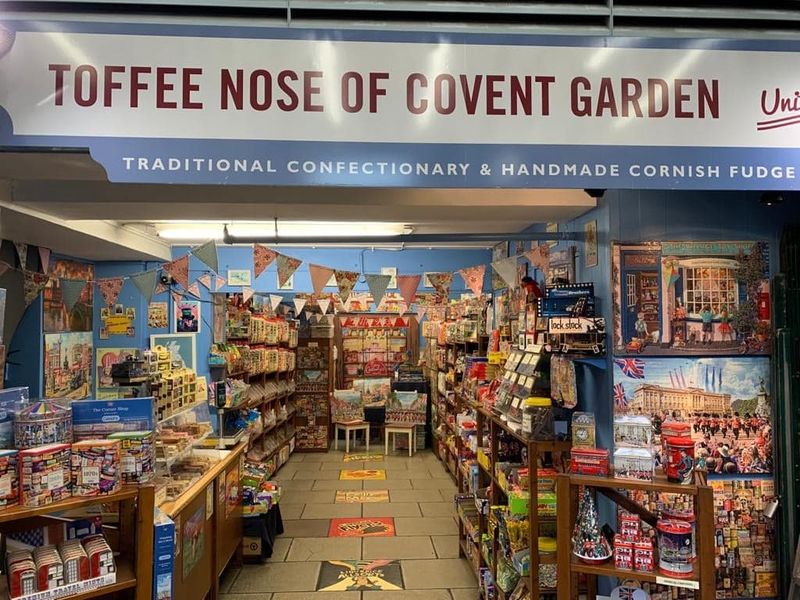
Sherbet lemons, rhubarb and custards, and cinnamon drops sound like a list from a 1950s pocket money budget. At Toffee Nose, they are still very much in business.
The stall sits inside Jubilee Market Hall, at Unit 91. Rows of jars line the shelves, and staff weigh out your picks into small paper bags.
Classic humbugs are the stall’s pride, those striped mint sweets that seem to last forever. There is also handmade Cornish fudge and plenty of liquorice for fans of the black stuff.
Mix and match is the smartest plan. A small bag with five or six different sweets lets you test old favorites without filling your backpack.
The general market runs Tuesday to Friday, so plan your visit around that. Afterward, wander the nearby stalls and watch the street performers in the Piazza.
A bag of boiled sweets also travels well, which makes it a cheap and cheerful souvenir.
5. Fortnum & Mason, London, England
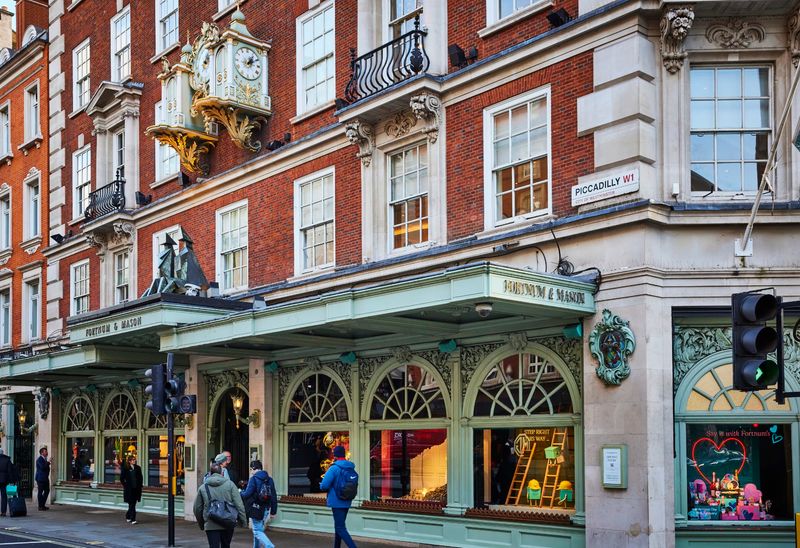
Shoppers have been buying treats at this Piccadilly address since 1707. That makes Fortnum and Mason older than the United States.
The store’s pale blue-green color, often called eau de nil, is now famous around the world. Tins and boxes in that shade fill the ground-floor food hall.
Look for chocolate-covered biscuits, rose and violet creams, rich shortbread, and fruit jellies. Many of the tins are pretty enough to keep long after the snacks are gone.
Watch the clock on the outside of the building too. On the hour, little figures of Mr. Fortnum and Mr. Mason come out to bow.
For a bigger treat, book afternoon tea at the Diamond Jubilee Tea Salon. Scones, small cakes, and pots of tea arrive on tiered stands.
On a budget? A small packet of biscuits gives you the full Fortnum experience without the full Fortnum bill.
6. Gupta’s Indian Sweets & Savouries, London, England
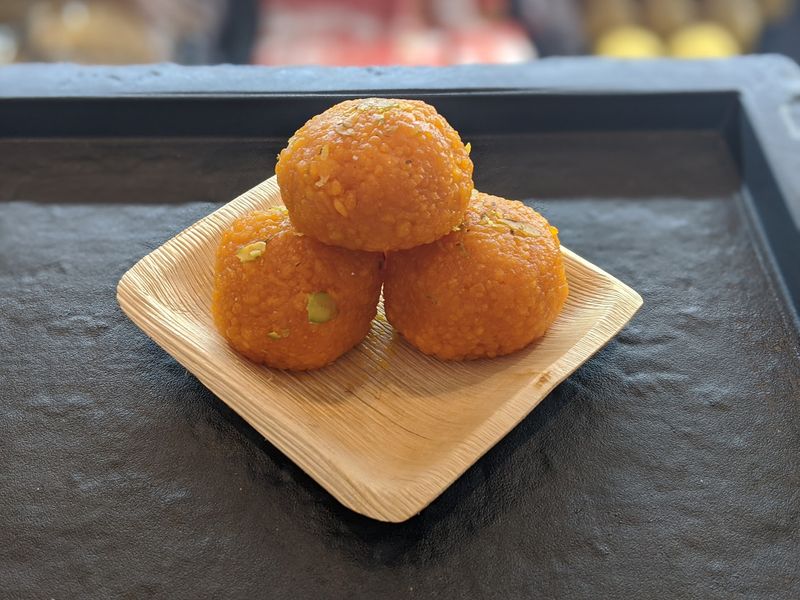
Three generations of one family have kept the recipes alive at Gupta’s since 1979. The shop sits on Drummond Street, a short walk from Euston Station.
This street has long been a hub for South Asian food in London. Gupta’s is one of its steady favorites.
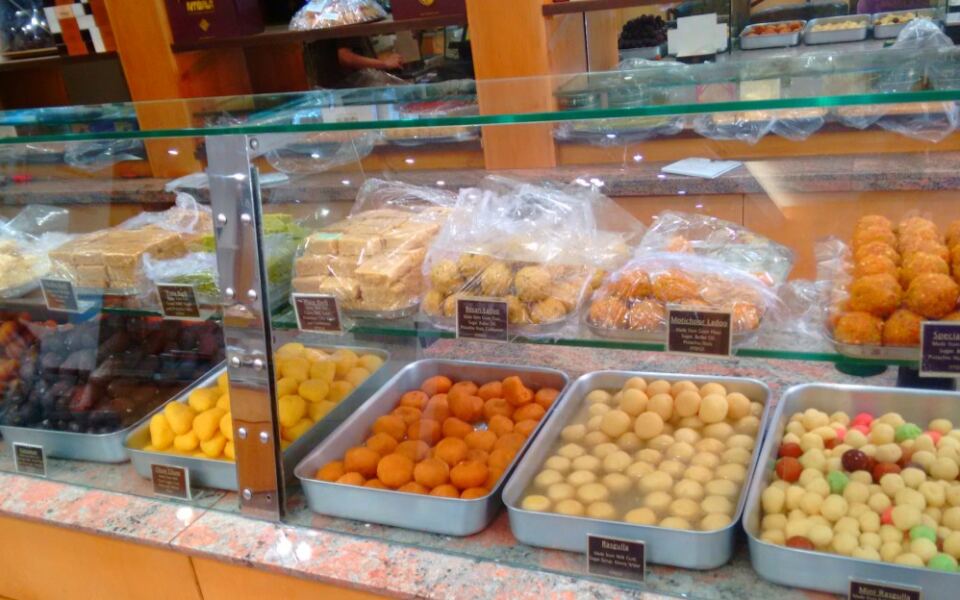
The specialty is mithai, the traditional Indian sweets served at weddings, festivals, and family gatherings. Bright orange jalebi come in sticky spirals soaked in syrup.
Barfi is a fudge-like square made with milk, often topped with nuts. Motichoor ladoo are round balls made from tiny drops of fried gram flour batter.
New to mithai? Ask staff for a mixed box, and they will usually help you choose.
Sweets are sold by weight, so a small selection costs very little.
Around Diwali, expect a queue. Locals order big boxes to share with friends and neighbors.
7. Rococo Chocolates, London, England
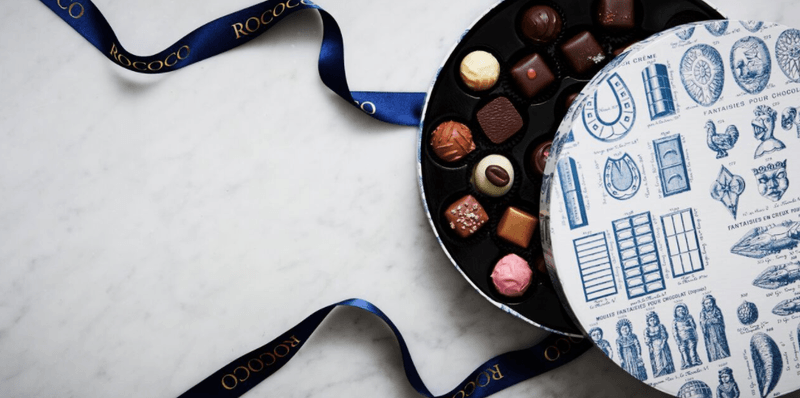
Founder Chantal Coady opened Rococo in 1983 when she was still in her early twenties. Her idea was simple: make chocolate fun and beautiful again.
The shop on Moxon Street in Marylebone shows off that vision. Chocolate bars come wrapped in blue and white designs based on old engravings.
Fans of classic sweets should look for the fondant creams. Rose, violet, and peppermint versions follow recipes that would make a Victorian smile.
The handmade truffles and sea salt milk chocolate bars are also popular picks. You can choose pieces one by one to build your own gift box.
Chilly day? Order a cup of hot chocolate and take a short break before exploring nearby shops.
Marylebone Farmers Market runs on Sunday mornings just around the corner. Combine the two visits for a lazy weekend outing with plenty of snacks.
8. Mr. Humbug, London, England
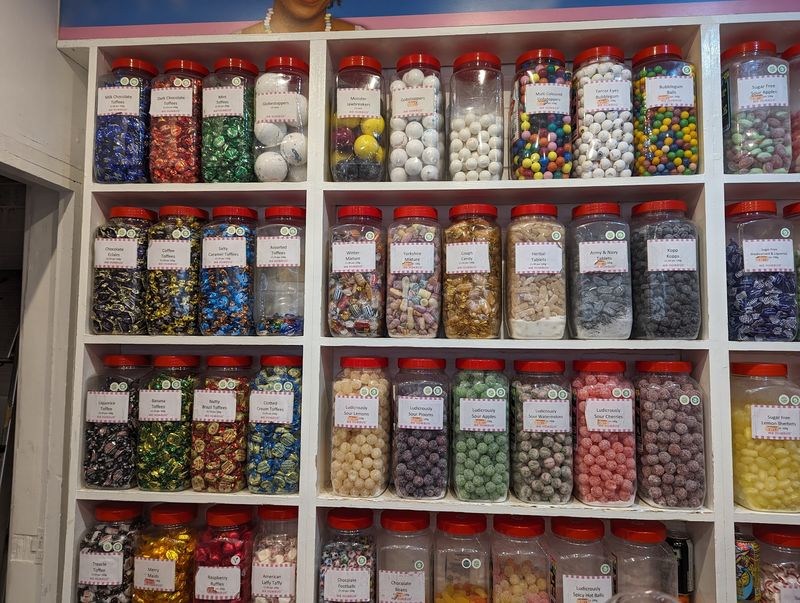
Any shop that names itself after a striped mint sweet clearly means business. Mr. Humbug brings old British confectionery to historic Greenwich Market.
The shelves hold jars of boiled sweets, toffees, fudge, and liquorice. Many are the same treats children bought with spare coins decades ago.
Parents and grandparents often get more excited than the kids here. Expect to hear someone say they have not seen pear drops since school.
Liquorice fans can choose from soft twists, allsorts, and the classic black bootlaces. Fudge comes in flavors like vanilla and rum-free chocolate.
Greenwich has plenty more to see on the same trip. The Royal Observatory, the Cutty Sark ship, and the riverside walk are all close by.
Plan to visit on a market day, since the area gets busiest on weekends. Bring cash just in case, though most stalls take cards too.
9. Humble Crumble, London, England
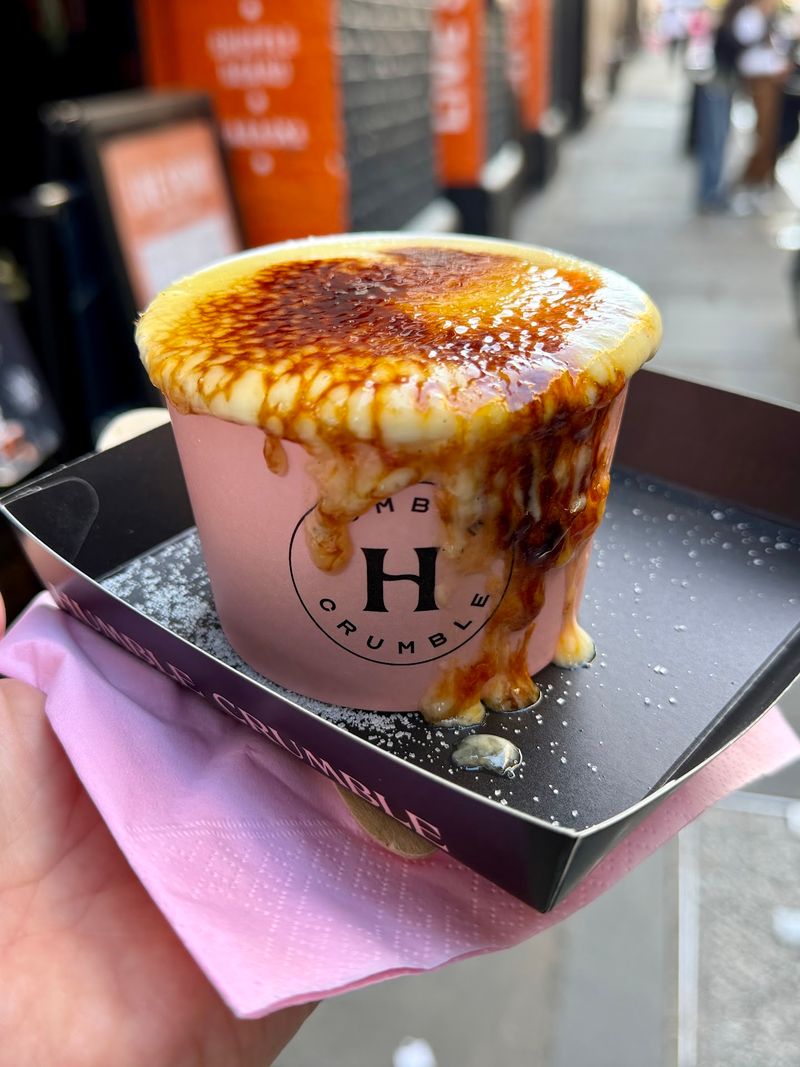
British grandmas have served apple crumble for generations. Humble Crumble took that Sunday pudding and turned it into a street food star.
The stall sits in Old Spitalfields Market in East London. Each crumble is served in its own cup, so you can eat it while you browse.
Start by picking your fruit base. Apple and cinnamon is the classic choice and the closest to a traditional home recipe.
Next comes the topping, with thick custard as the old-school option. Ice cream, cream, and extra crunchy toppings are available for anyone feeling bold.
Crumble became popular during the Second World War. Pastry needed more butter and flour than families could spare, so a simple crumbly topping did the job.
Portions are generous, so one cup can easily feed two. Lunchtime queues move quickly, though weekends draw the biggest crowds.
10. Rinkoffs Bakery, London, England
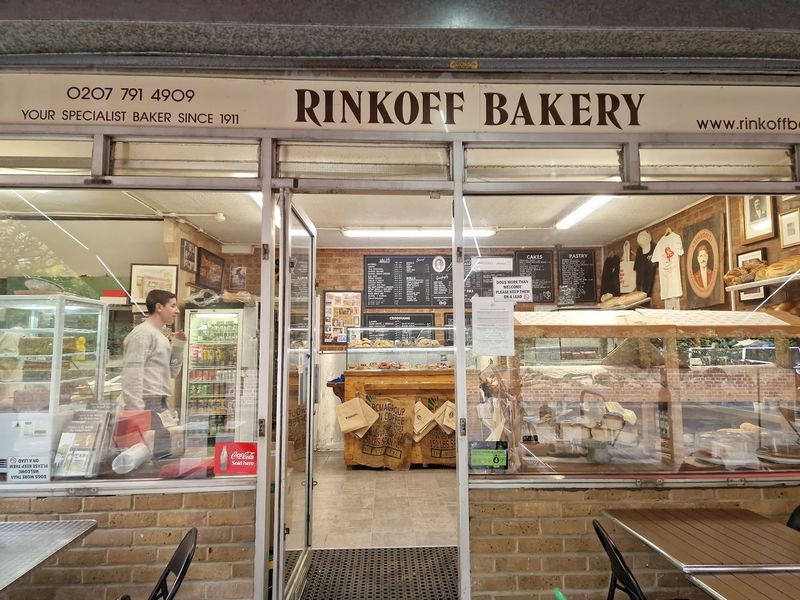
In 1911, a baker named Hyman Rinkoff arrived in East London from Ukraine and opened a family bakery. More than a century later, his descendants are still running it.
The bakery on Jubilee Street in Whitechapel is a link to the area’s Jewish baking history. Traditional breads like bagels and challah sit beside colorful cakes.
Old favorites include cheesecake, cinnamon buns, and slices of sponge cake. The prices are friendly, which keeps local regulars coming back daily.
Rinkoffs also proves that old businesses can learn new tricks. Its famous crodough, a cross between a croissant and a doughnut, draws visitors from across the city.
Fillings change often, so check the counter before you decide. Popular flavors can run out by lunchtime.
Grab a coffee and a slice, then take a walk around Stepney Green nearby.
11. Raab’s The Bakers, London, England
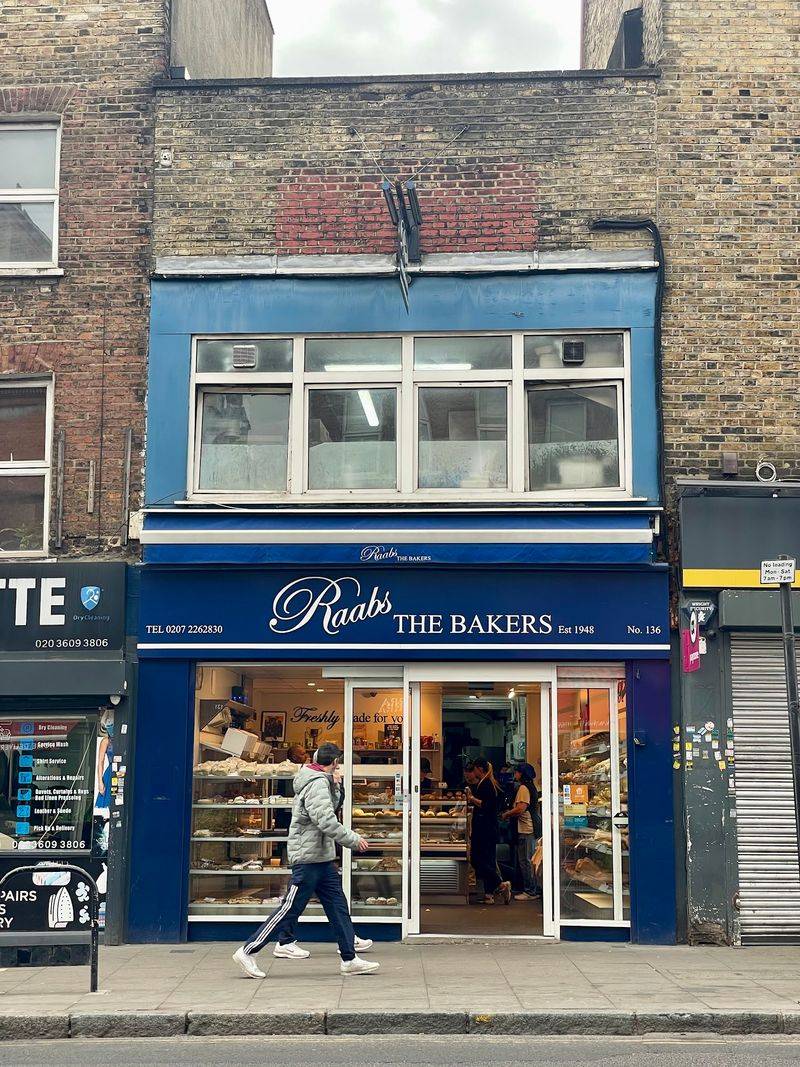
No fancy trends, no long words on the menu, just honest baking since 1948. Raab’s on Essex Road in Islington sticks to what it knows.
The counter is full of traditional British bakes. Think iced buns, jam tarts, cream cakes, and big slices of sponge.
These are the everyday treats that once filled high-street bakery windows all over London. Many of those shops have closed, which makes Raab’s feel extra special.
The shopfront is small and plain, so keep your eyes open. It is easy to walk past if you are busy staring at your phone.
Opening hours start early, which suits commuters grabbing breakfast. Most customers buy to take away, since seating is limited.
Celebrating a birthday? Raab’s makes generously decorated cakes that would look right at home at a party in 1975, in the best way possible.
12. Ambala, London, England
Just a few doors from Gupta’s, another sweet legend waits on Drummond Street. Ambala opened its first shop here in 1965 and has grown into a well-known brand.
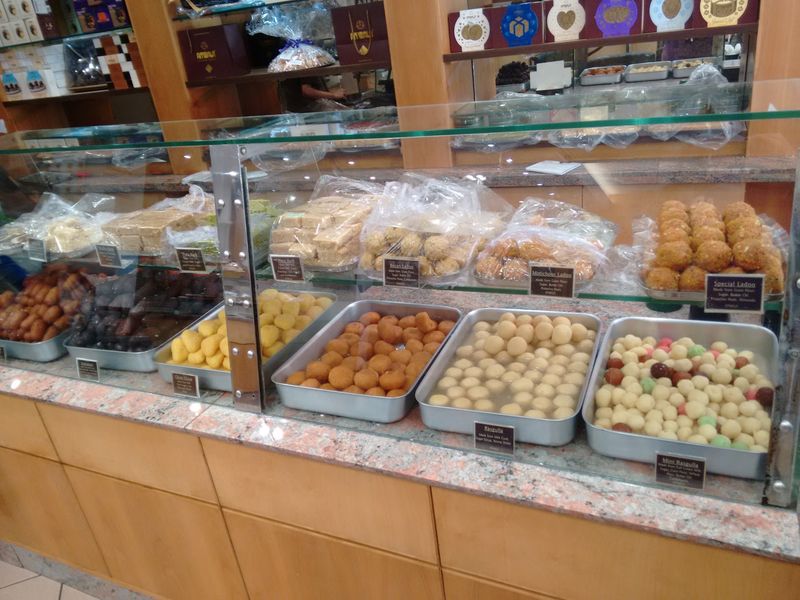
The glass counter is packed with colorful mithai. Choosing just one is a real challenge, so most people walk out with a box.
Gulab jamun are soft fried dough balls soaked in rose syrup. Kaju katli are thin diamond-shaped sweets made from cashew nuts, often topped with edible silver.
Rasmalai, cheese dumplings in sweet milk, is a creamy favorite. Pistachio barfi is another safe bet for beginners.
Staff are used to curious first-timers and happy to explain each sweet. Ask for small pieces of a few varieties to find your favorite.
Euston Station is only a short walk away. That makes Ambala a handy last stop to grab sweets for the train home.
Share this story