Some places look ordinary from the curb, and then you step inside and lose track of time. That happened to me in northeastern Oklahoma, where a sturdy old brick building hides one of the most moving history experiences in the state.
It tells the story of a nation that rebuilt itself after being forced from its homeland, and it does it with art, sound, and real heart. Best of all, you can walk right in without paying a cent.
A Museum on Cherokee Nation’s Main Street
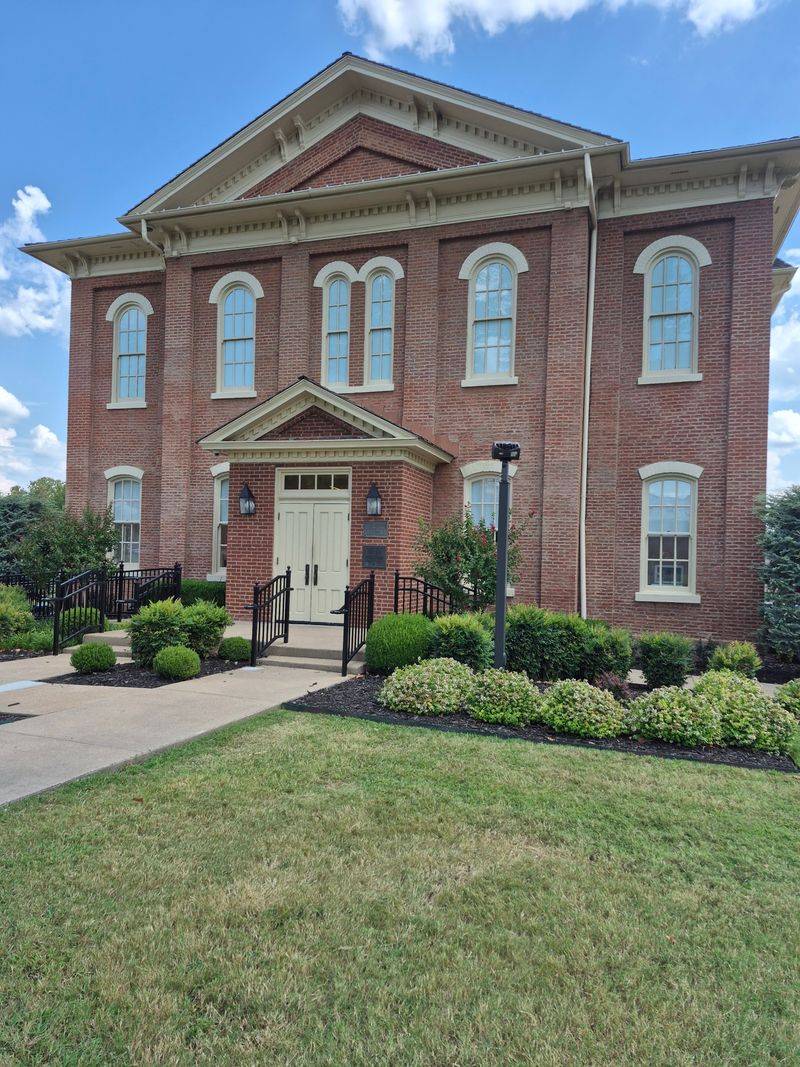
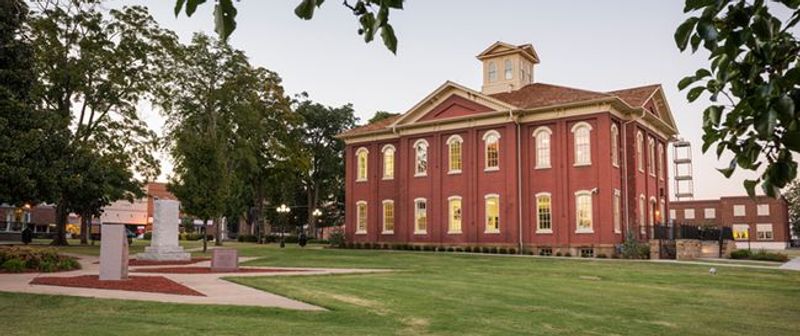
Right in the heart of Tahlequah, at 101 S Muskogee Ave, sits a building that has watched over the town for generations. Today it houses the Cherokee National History Museum, a place devoted to telling the story of the Cherokee people from their earliest origins to the present day.
Tahlequah is not just any Oklahoma town. It serves as the capital city of the Cherokee Nation, and also of the United Keetoowah Band of Cherokee Indians.
That makes it a fitting home for a museum like this, since the history on display is tied to the very streets outside the door.
Visitors often describe the museum as small but packed with things to learn. You will not spend a whole day wandering endless halls, yet you will leave knowing far more than when you arrived.
Many guests say a visit takes around two hours if you read and listen carefully.
For road-trippers crossing northeastern Oklahoma, the museum makes an easy stop. It sits downtown, so it pairs nicely with a stroll through the historic district.
Think of it as a front door into Cherokee Nation, where the past feels close enough to touch and the welcome feels genuine.
Old Courthouse Walls With a New Purpose
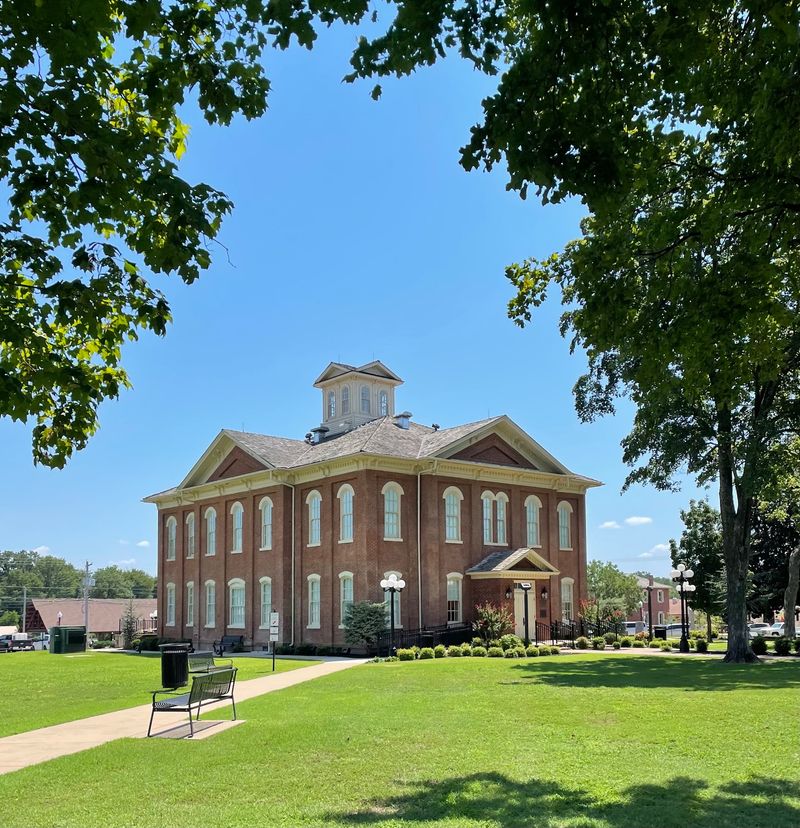
Walls can hold memories, and these hold plenty. The museum is set inside an actual historical building, the old Cherokee courthouse, which dates back to a time before Oklahoma had even become a state.
Imagine that for a moment. When this structure was in use, the Cherokee Nation was running its own government here in Indian Territory, making laws and settling matters long before statehood arrived.
Standing inside gives you a quiet sense of that independence and determination.
Some longtime visitors remember an earlier museum in Tahlequah that came before this one. The decision to turn the courthouse into the new museum gave the exhibits a home with built-in meaning.
Guests now praise how the building itself feels like part of the story rather than just a container for it.
The museum is fairly new in its current form, and visitors say the quality of the exhibits reflects that fresh investment. Yet the bones of the place are old, and you can feel the contrast.
Modern lighting, sound, and displays live comfortably inside historic walls.
It is a rare chance in Oklahoma to explore a pre-statehood government building and learn its people’s history at the same time.
Where the Story Begins: The Origin Mural
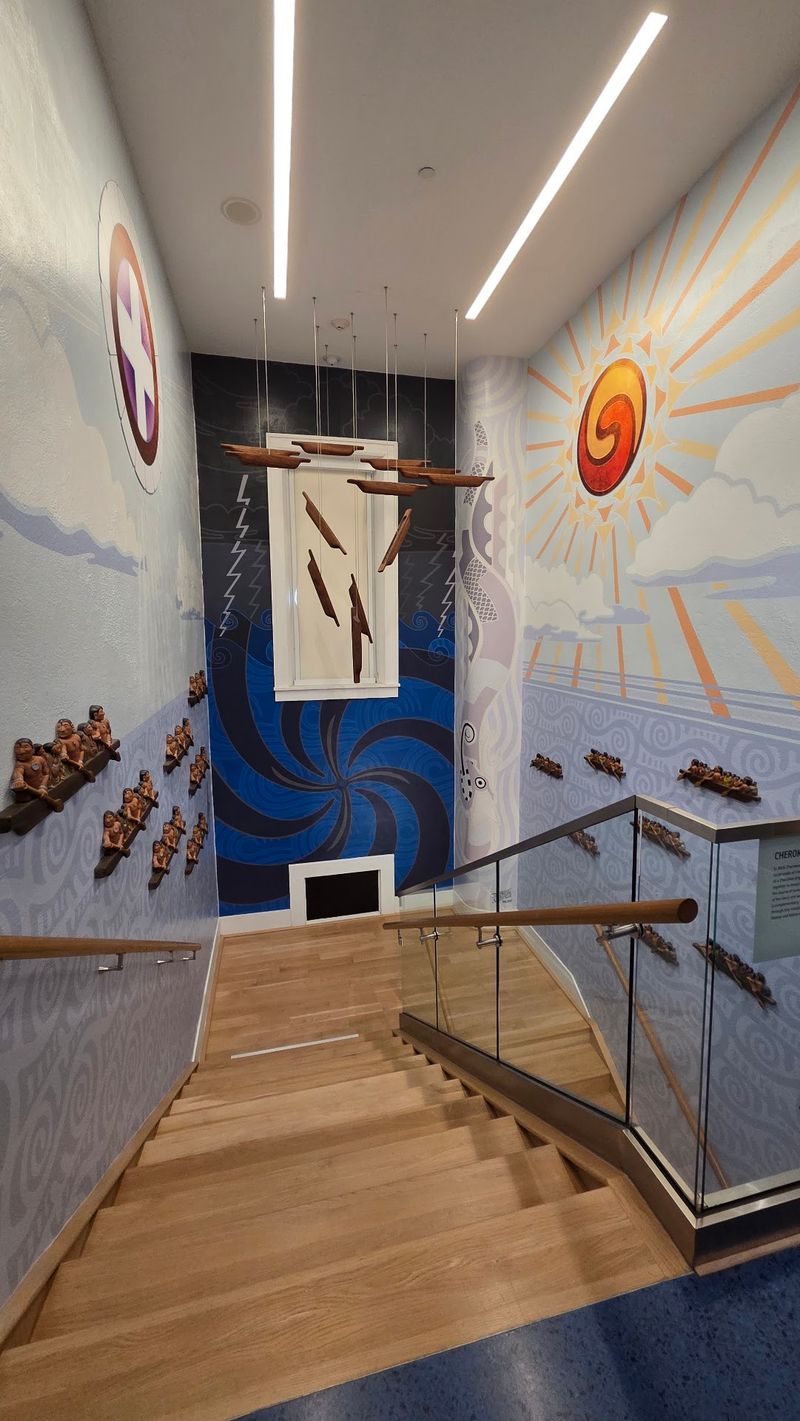
Before treaties, before maps, before any border lines, there was a beginning. The museum opens its story with the Cherokee origin, and visitors frequently single out a striking symbolic mural that sets the tone.
Guests describe the mural as an excellent representation of where the Cherokee people came from, reaching back to a time before their life on mainland North America. It is not a dry timeline or a list of dates.
Instead, it uses color and symbolism to pull you into a worldview that shaped everything that followed.
Starting here makes the rest of the museum land harder. Once you understand that this is a people with deep roots and a rich spiritual story, the later chapters about loss and rebuilding carry real weight.
You are not just learning facts, you are getting to know a nation.
Take a few minutes to stand back and study the details. Many visitors mention noticing new elements the longer they look, which rewards anyone willing to slow down.
If you bring kids, the mural is a great place to start conversations. Ask them what they see, and let the art do some of the teaching for you.
A Semicircle Walk Through Time
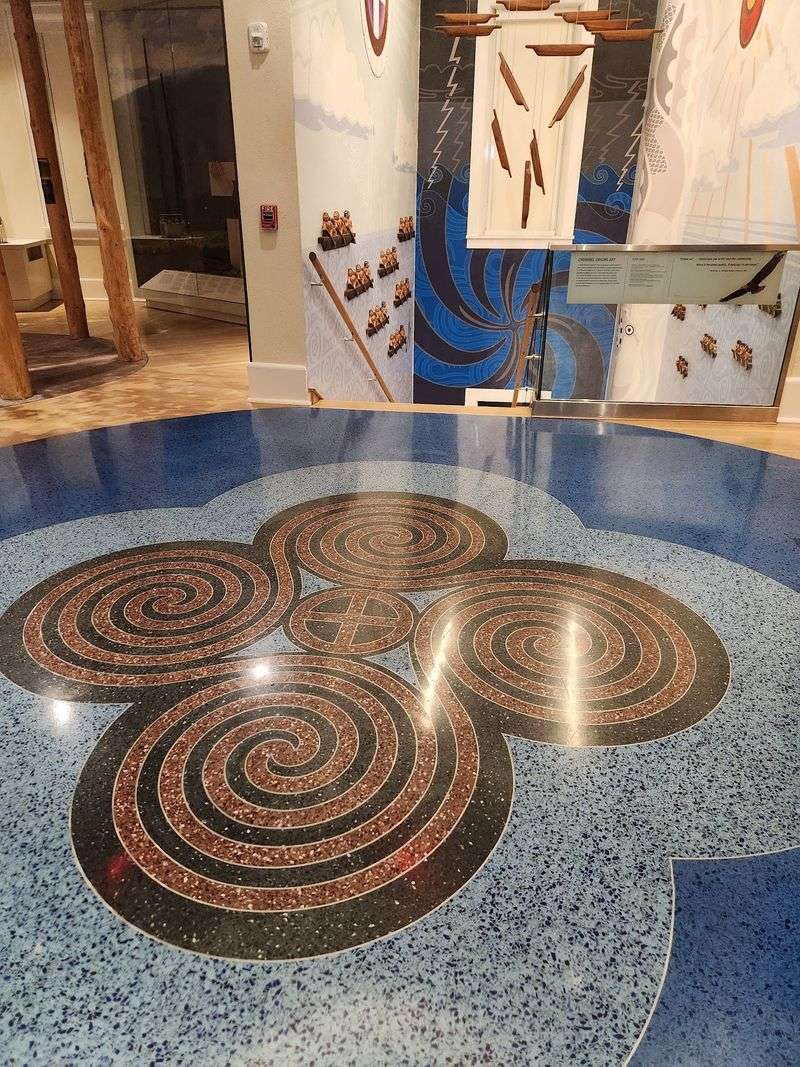
Getting lost in a museum is no fun, and luckily you will not have that problem here. The main exhibits are laid out chronologically in a semicircular path, guiding you naturally from one era to the next.
Visitors love how easy it is to follow. You begin with the origin story and move forward through early contact, the role of Britain, the early years of the United States, treaties, displacement, and on toward the present day.
Each step builds on the one before it.
Several guests mention the nice flow of the space. There are plenty of chances to dig deeper if something grabs your attention, with extra information tucked throughout.
If you only want the big picture, you can keep moving. If you are a history buff, you can linger as long as you like.
The curved design also gives the experience a feeling of journey. You are not just looking at separate rooms, you are walking a path that mirrors the long road the Cherokee people traveled across centuries.
One visitor called it a wonderfully curated walkthrough, and that sums it up well. Thoughtful planning shows in every turn, making a complex story feel clear and approachable.
Facing the Trail of Tears
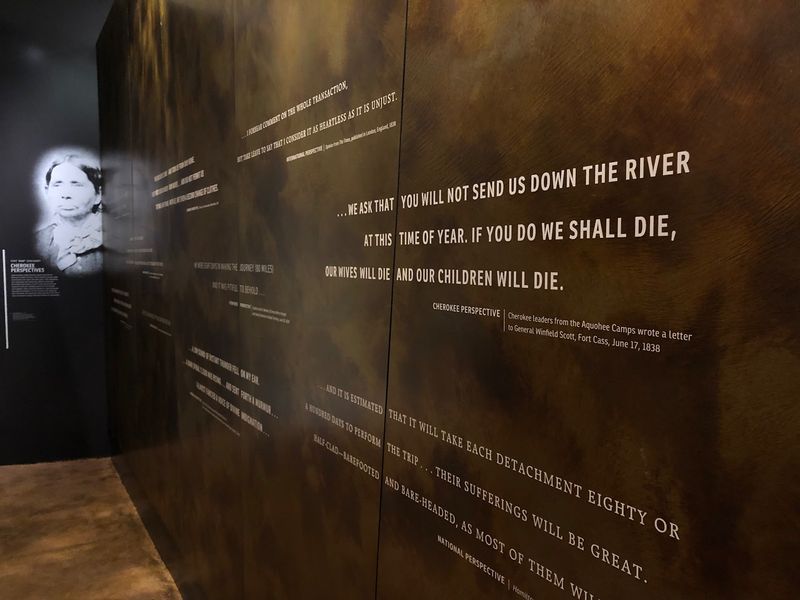
No visit here is complete without confronting one of the hardest chapters in American history. The Trail of Tears exhibit tells how the Cherokee people were forced from their homelands in the Southeast and made to travel to what is now Oklahoma.
Visitors describe this section as poignant and moving. It covers the treaties, the politics, and the human cost of removal in a way that feels honest without being overwhelming.
Several guests say they learned things here that were never taught in their school history classes.
What makes the exhibit powerful is that it does not stop at sorrow. Many visitors note that the museum also highlights the strength and resilience of the Cherokee people and their leaders.
They rose above tremendous hardship and rebuilt their nation in a new land, right here in Tahlequah.
For guests with Cherokee ancestry, this part of the museum often feels deeply personal. Some describe walking through it with family members and sharing stories along the way.
Give yourself time in this space. It is a section that invites quiet reflection, and many people say it changed the way they understand both Oklahoma and the country as a whole.
Art and Clothing That Bring Faces to History
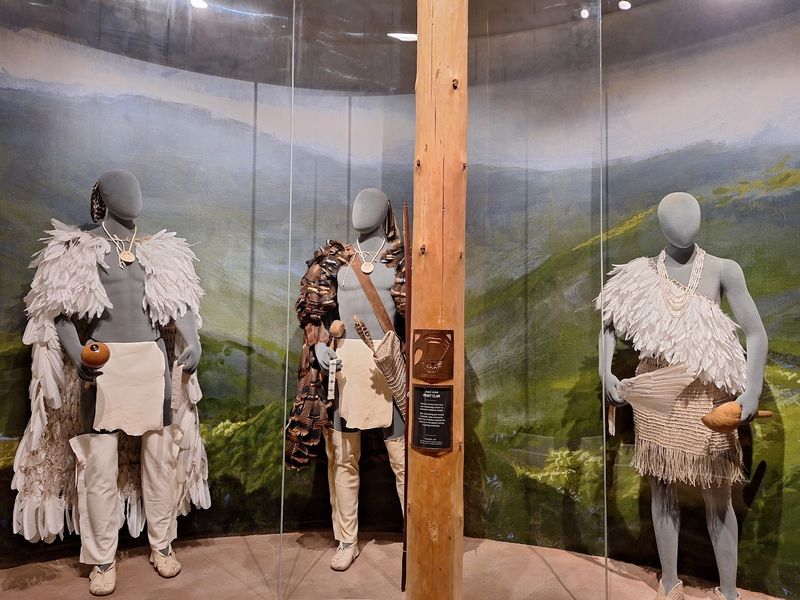
Ask almost anyone who has visited what stuck with them, and art comes up again and again. The museum leans heavily on artwork throughout, and visitors say it makes the history feel alive and vivid.
The clothing displays earn special praise. Guests describe the reproductions as phenomenal, offering a clear vision of how the Cherokee people dressed across different periods.
Seeing garments up close helps you picture real individuals rather than distant figures in a textbook.
Paintings and illustrations fill in the gaps where photographs could never reach. Visitors call the displays beautiful and vibrant in color, and many say the art is what made the story easy to follow.
One guest summed up the facility as beautiful in every way, from the art to the storytelling to the building itself.
Art also brings emotion into the room in a way text alone cannot. A painted scene can carry joy, grief, pride, or hope, and you feel it instantly.
If you enjoy creative work, plan to slow down here. The pieces reward close attention, and you may find yourself returning to a favorite painting before moving on to the next chapter of the journey.
Sound, Video, and Stories You Can Hear
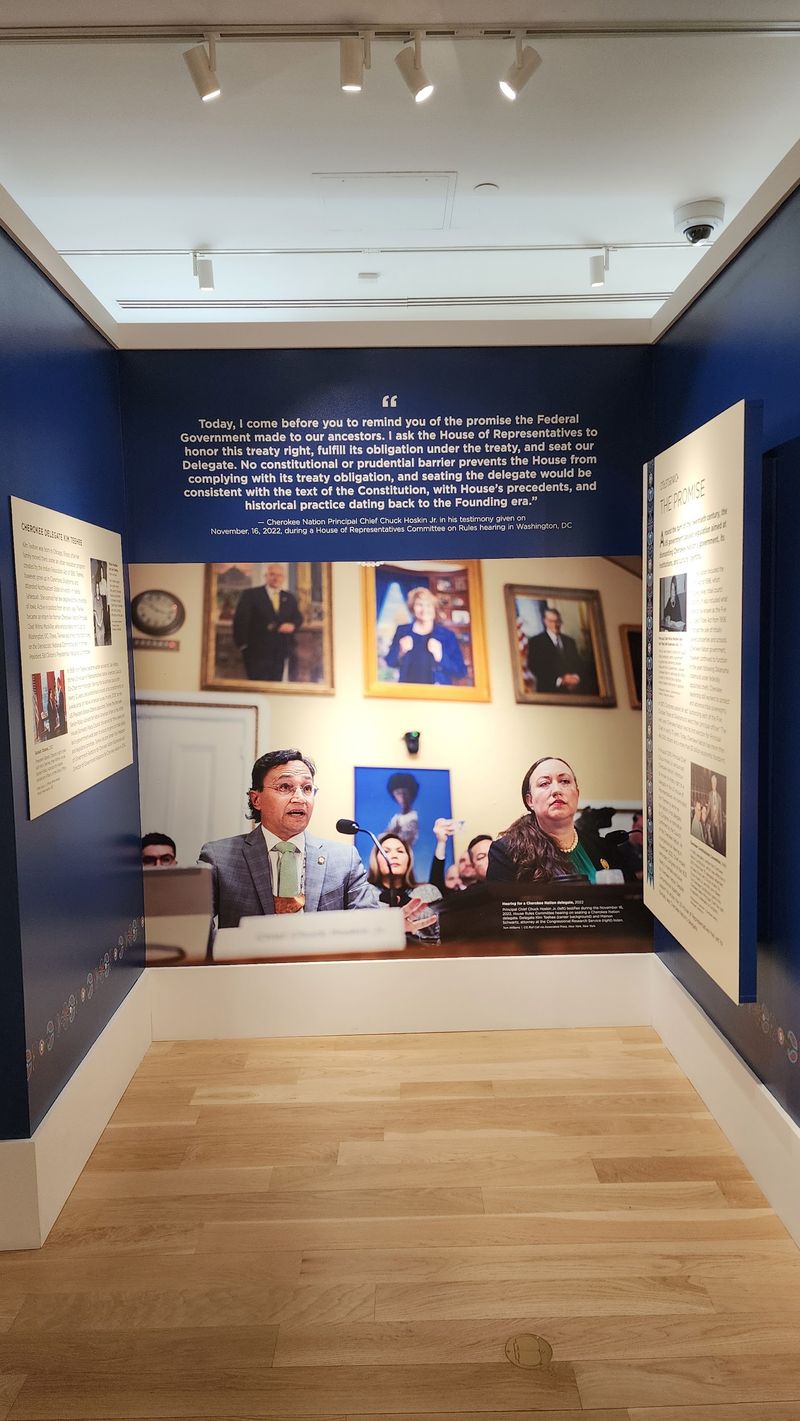
Close your eyes for a second inside the galleries and you will still be learning. The museum uses audio and video throughout, adding voices and moving images to the written displays.
Visitors describe the experience as vibrant in both color and sound. Pictures, videos, and artifacts work together so different kinds of learners can connect.
If reading long panels is not your style, the audio and video segments help carry the story forward.
Storytelling is at the heart of Cherokee tradition, so it makes sense that sound plays such a big role here. Hearing narration adds warmth and personality, turning history into something closer to a conversation than a lecture.
One helpful tip comes from past guests. The audio can be a little low for some older visitors, so if hearing is a concern, step close to the speakers or bring along a companion who can share what they catch.
A little planning makes the experience smoother for everyone.
Families will appreciate how the multimedia elements hold kids’ attention. Short clips and engaging sounds keep younger visitors curious, while adults can soak in the details.
It is a thoughtful blend that keeps the energy flowing from one gallery to the next.
The Cherokee Freedmen Exhibit
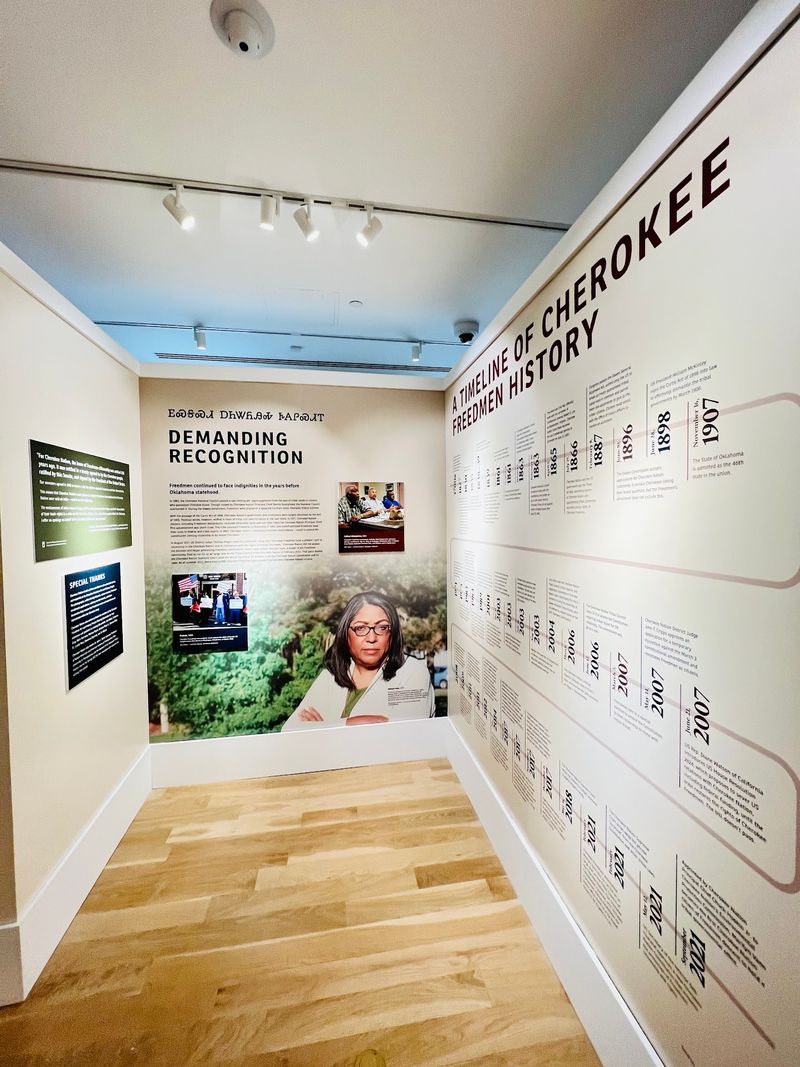
History is rarely simple, and this museum does not pretend otherwise. In its special exhibits gallery, visitors have found an exhibit on the history of the Cherokee Freedmen, a part of the story many people have never heard.
The Freedmen were people of African descent connected to the Cherokee Nation, and their experiences form an important thread in the larger history of the region. Guests who saw this exhibit mention it as a meaningful addition, especially since it offers perspectives not covered in the main gallery.
Special exhibits like this one show the museum’s willingness to explore complex topics. They also give repeat visitors a reason to come back, since the featured content in that gallery can change over time.
It is worth checking what is on display before your trip.
For history buffs who think they already know Oklahoma’s past, this kind of exhibit can be eye-opening. It adds depth to the picture of life in Indian Territory before statehood.
Take time to read the panels and reflect on how many voices make up a single nation’s story. Exhibits like this remind us that understanding the past means listening to everyone who lived it.
Bits of History on the Grounds
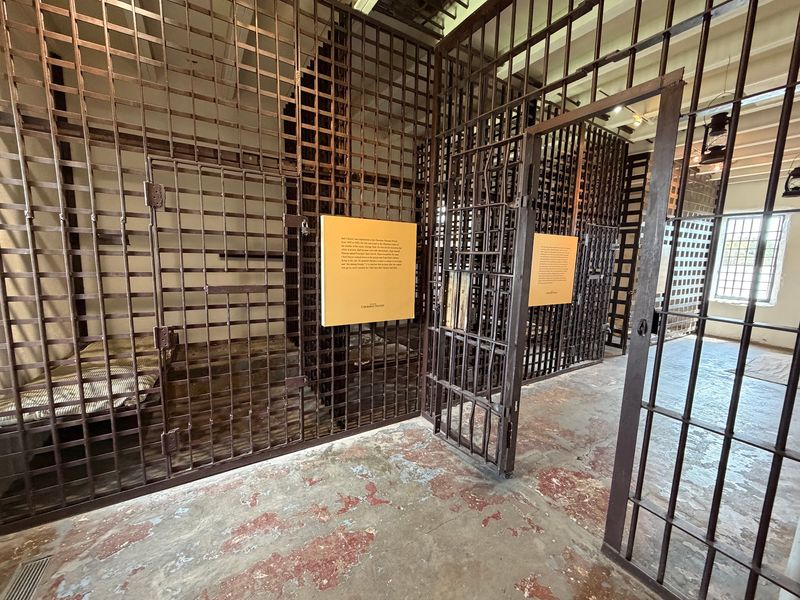
Step outside after your tour and keep your eyes open, because the learning does not end at the exit. Visitors note that the grounds around the museum also hold bits of history worth exploring.
Among the things guests mention is a jailhouse, which adds a curious twist for anyone who loves the quirky side of Oklahoma’s past. It is a reminder that this was once a working center of Cherokee government, complete with the practical buildings a justice system required.
Wandering the grounds gives you a sense of scale and setting that indoor exhibits cannot fully capture. You can picture the daily bustle of the courthouse era, with people coming and going on official business in Indian Territory.
It is also a pleasant way to stretch your legs after time in the galleries. A short walk outside lets everything you just learned settle in, and it offers some nice photo opportunities of the historic structures.
Since Tahlequah’s downtown surrounds the museum, you can easily extend your exploration into the nearby streets. History buffs will find plenty to appreciate in the capital city, and the museum grounds make a natural starting point for that walk.
Staff Who Turn Questions Into Conversations
Great exhibits matter, but great people make a visit unforgettable. Helpful staff is one of the most talked-about features of this museum, with visitors praising their kindness again and again.
Guests describe staff members as knowledgeable and eager to share. One visitor recalled chatting with two men working there who helped explain certain parts of the exhibits and patiently answered questions.
Another mentioned that the guide was very knowledgeable, even while traveling with family members who were historians themselves.
Having someone on hand to fill in details can transform your experience. A quick question can lead to a fascinating story you would never find on a placard.
Staff help connect the dots between eras and offer context that makes the history feel personal.
Do not be shy about speaking up. Whether you are curious about a piece of art, a treaty, or your own family roots, the team seems genuinely happy to help.
That welcoming spirit also makes the museum feel comfortable for first-time visitors. You never feel rushed or out of place, and many guests leave with the sense that they were truly hosted rather than simply admitted through the door.
Who Will Love a Visit Here
History lovers are an obvious match, but the list of happy visitors runs much wider. People with Cherokee heritage often describe the museum as a must-see, a place to connect with ancestors and better understand their family story.
Several guests who live far from the reservations say they came to learn more about their culture, and they left with new knowledge and fresh perspectives. For them, the visit felt like coming home in a meaningful way.
Families do well here too. Visitors have mentioned activities for children during their trips, and the colorful art and videos keep younger minds engaged.
It is an easy, low-pressure outing that sparks real conversations on the drive home.
Road-trippers passing through northeastern Oklahoma also find it a rewarding detour. Many guests say they stopped while driving through and were glad they did.
The compact size means you can fit it into a busy travel day.
Teachers, students, and lifelong learners will appreciate the depth packed into the space. And anyone who simply enjoys beautiful design will find plenty to admire.
Few places in Oklahoma manage to be educational, emotional, and inviting all at once quite like this one.
Accessibility Tips Worth Knowing
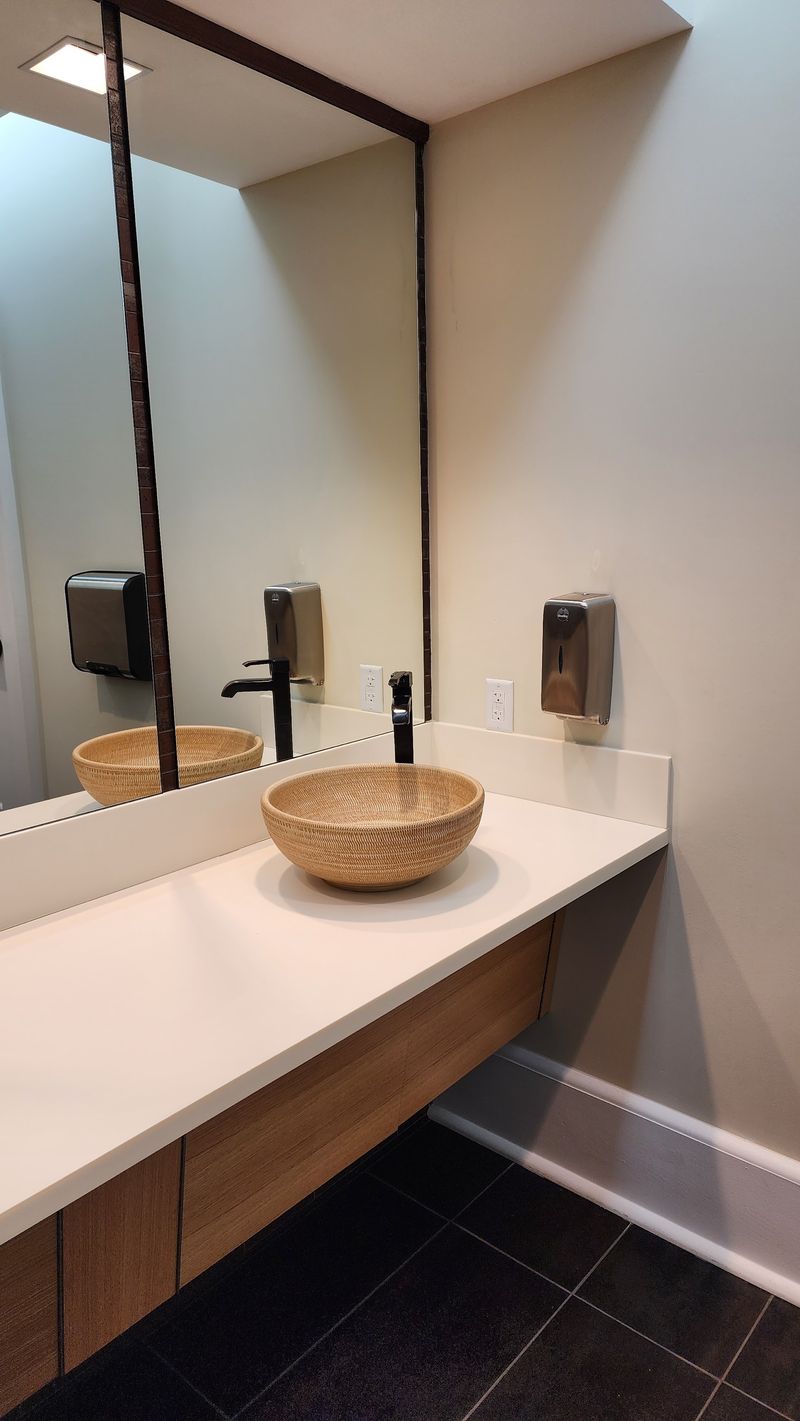
Good news first: visitors say the museum offers easy access for all levels of mobility, with a working elevator and clean restrooms inside. Still, a few insider tips can make arrival much smoother.
Disabled parking is located directly behind the building, according to past guests. The accessible entrance is also in the back, so head there rather than circling the front.
One visitor noted there were no signs in town pointing the way, so knowing ahead of time helps.
The ramp leading up to the entrance is a bit steep. Handrails line both sides, and you may want to use them for support.
Once you reach the top, look immediately to your right, where there is a button to open the doors that is very easy to miss.
Inside, the elevator makes it possible to move between levels comfortably. Remember too that the audio portions can run quiet, so guests with hearing concerns may want to stand close to speakers.
These small details can make a big difference for travelers with mobility needs or older companions. With a little planning, everyone in your group can enjoy the full experience without stress or surprises along the way.
Hours, Admission, and Getting There
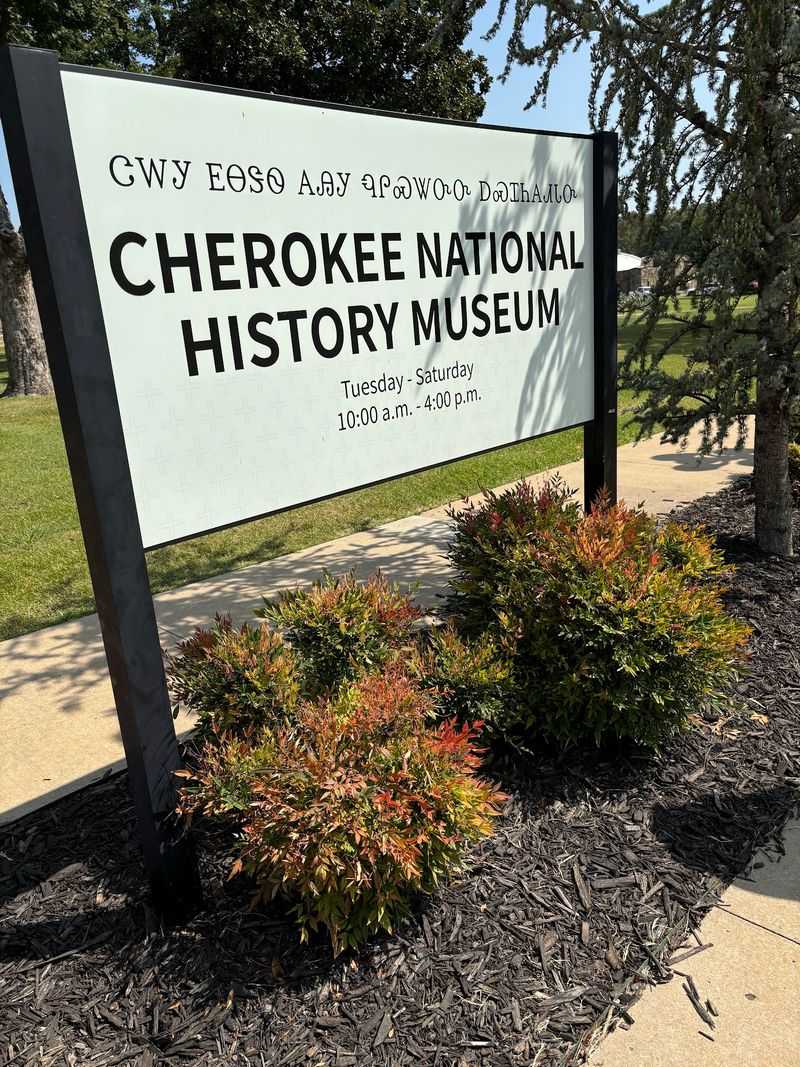
Here is the part that surprises almost everyone: admission is free. Visitors repeatedly celebrate the fact that they could explore such a well-done museum without paying an entry fee.
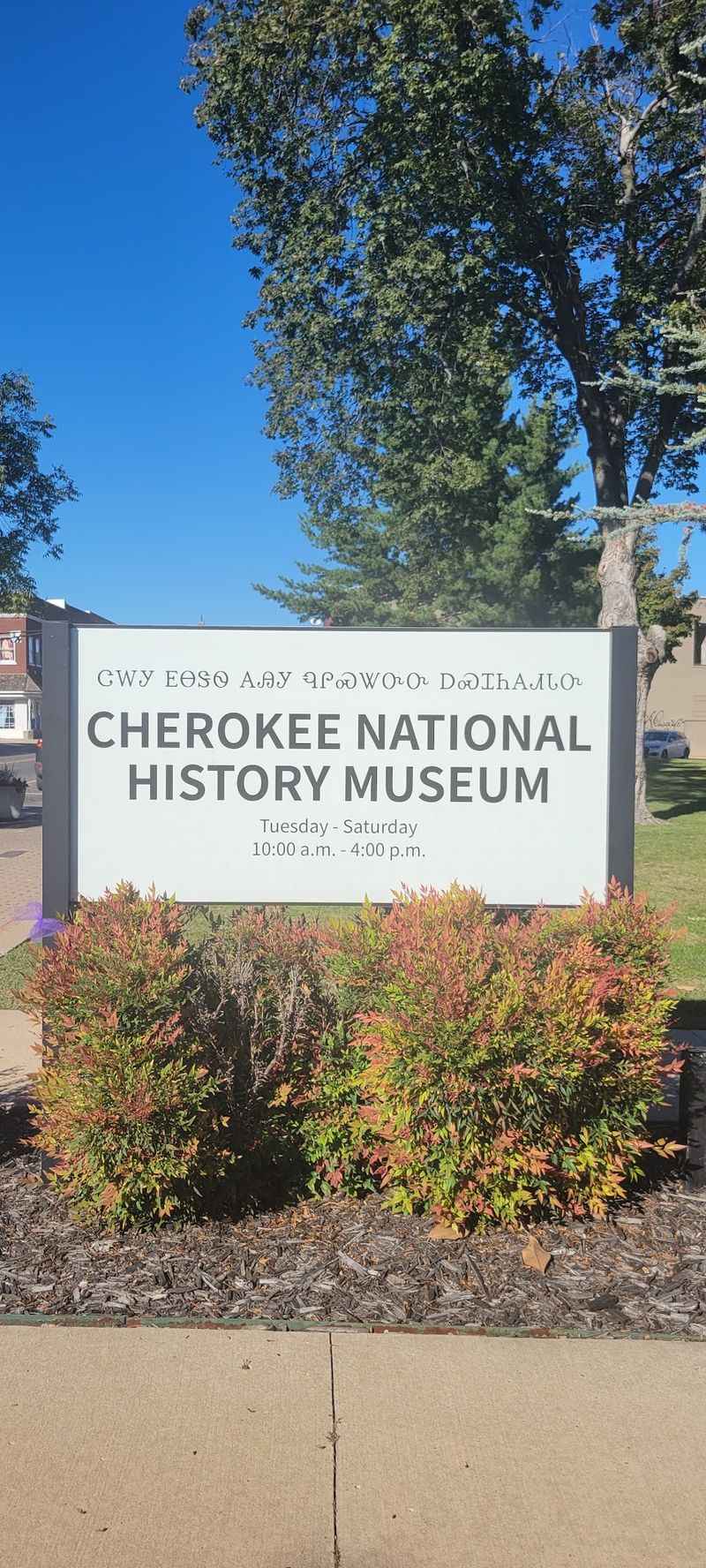
The museum is open Tuesday through Saturday from 10 am to 4 pm. It is closed on Sundays and Mondays, so plan your road trip accordingly.
Past guests recommend paying close attention to that 4 pm closing time, since it comes sooner than some travelers expect.
Budget around two hours if you want to take in the exhibits fully. Faster visitors can see the highlights in less time, but the art and audio reward a slower pace.
You will find the museum at 101 S Muskogee Ave in Tahlequah, right in the downtown area. For questions before your trip, call +1 877-779-6977 or check the Visit Cherokee Nation website for updates and special exhibit information.
Since the museum is free, many visitors encourage a donation or a purchase from the gift shop to help support its work. One guest found the shop selection a bit limited, but even a small contribution goes toward keeping these stories available for future travelers to discover.
Our Take on This Tahlequah Treasure
Some stops fill an afternoon. Others stay with you for years, and this museum belongs firmly in the second group.
What makes it special is the combination of setting and storytelling. You are standing inside a historic Cherokee courthouse from before Oklahoma statehood, surrounded by art, voices, and exhibits that trace an entire nation’s journey.
The building, the content, and the people all work together beautifully.
Visitors consistently describe leaving with new understanding, and often with a changed perspective on history they thought they knew. The museum handles painful chapters like the Trail of Tears with care while celebrating the resilience that carried the Cherokee people forward.
That balance is hard to strike, and it is done well here.
Add in friendly staff, thoughtful design, and free admission, and it becomes an easy recommendation for almost anyone exploring northeastern Oklahoma. It may be small, but it is packed with meaning.
So the next time your travels bring you near Tahlequah, carve out a couple of hours on a weekday or Saturday. Walk the semicircle, listen to the stories, and step outside to see the grounds.
Chances are good you will be telling friends about it long after you get home.
Share this story