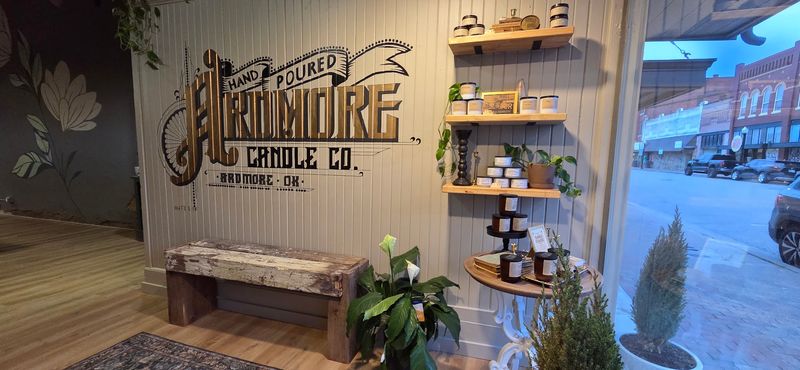
Some of the best finds in Oklahoma start with a small line in an old news story. A single mention of candle making at a pioneer craft day is enough to make you picture warm wax, smoky wicks, and busy hands.
Before you pack the car, it helps to know what the records actually say. Here is what is documented, what is still unknown, and how to plan a patient holiday craft.
What the Oklahoma event record actually shows
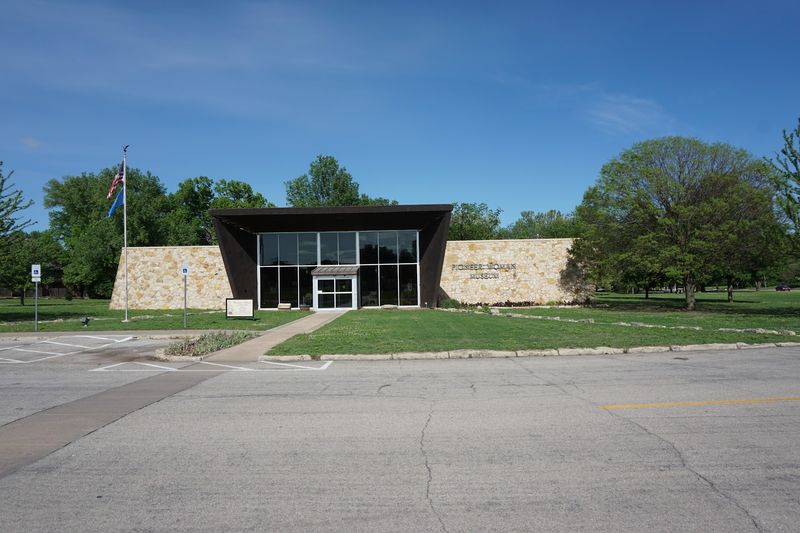
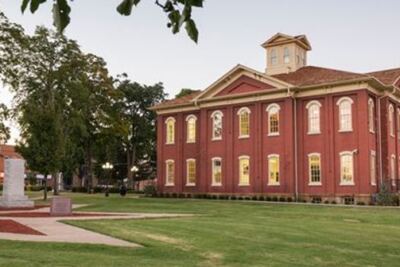
Back on June 25, 2016, the Pioneer Woman Museum in Ponca City held a Pioneer Arts and Crafts Day. A local news report about the event lists candle making among the activities and says participants could make and take home crafts.
That is a real, documented starting point for anyone curious about pioneer-style crafts in Oklahoma. It shows that a candle activity has happened at a museum event in the state.
The report leaves some gaps, though. It does not say how the candles were made, so we cannot call them hand-dipped.
It also does not say that a candle was one of the crafts that went home with visitors, even though the take-home idea was mentioned for crafts in general.
Think of this event as a clue rather than a promise. It is a past event, and nothing in the report shows that the same day happens every year.
Treat it as a friendly nudge to ask questions, not as a calendar entry.
If you love hands-on history, that small clue is still worth following. Old event reports often point toward the kinds of demonstrations that museums enjoy sharing, and they give you the right questions to ask before you plan a trip.
Check current offerings before you plan a visit
A news story from years ago cannot tell you what is happening next month. Schedules change, programs rotate, and a craft that was popular once may not return.
That is why a quick check matters before any drive.
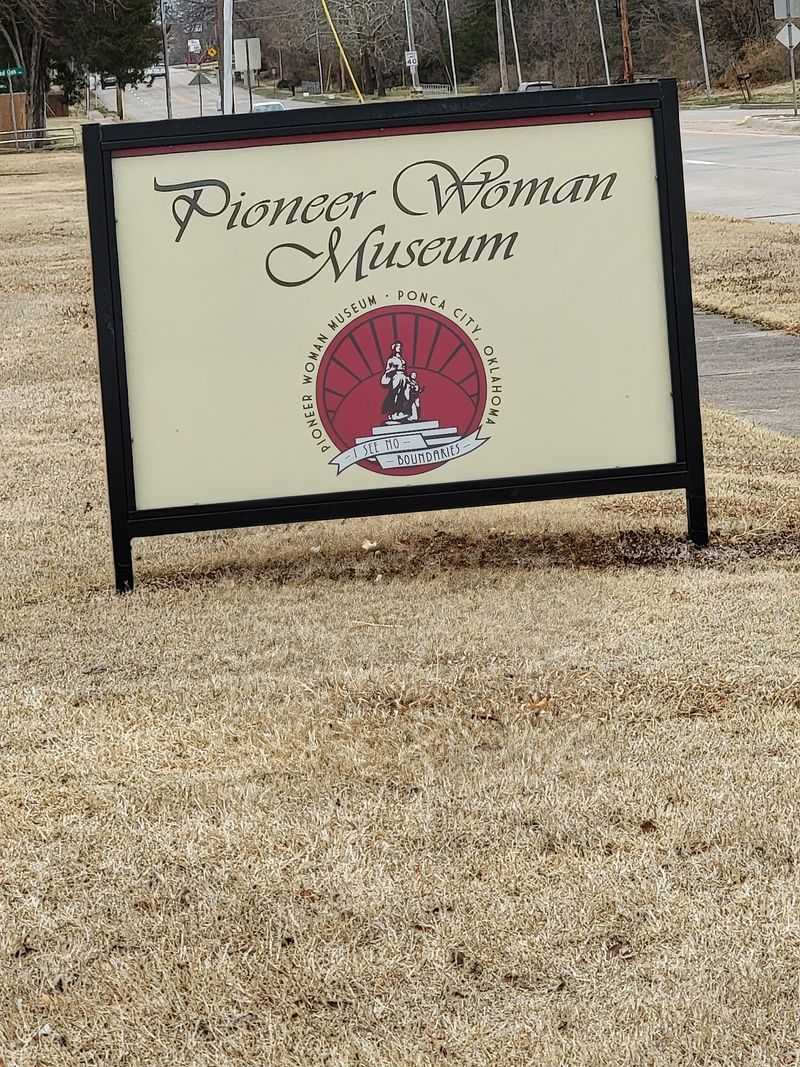
The museum’s official Pioneer Woman Museum page says its education center offers craft demonstrations. That is all it confirms.
It does not say candle dipping is on the schedule right now.
So pick up the phone or send a message to the museum. Ask whether candle making is offered at all, and if so, on which dates.
Families should also ask a few practical things. What does admission cost?
Is there an age guideline for the activity? And which method will be used, since candles can be dipped, rolled, or molded?
Write the answers down, especially if you are traveling a long way. A short call can save a long drive and help you set the right expectations for kids who are hoping to leave with something warm and waxy in hand.
The earlier 2016 event report is a fine reason to ask, but the museum itself has the final word.
A dipped candle grows one cool layer at a time
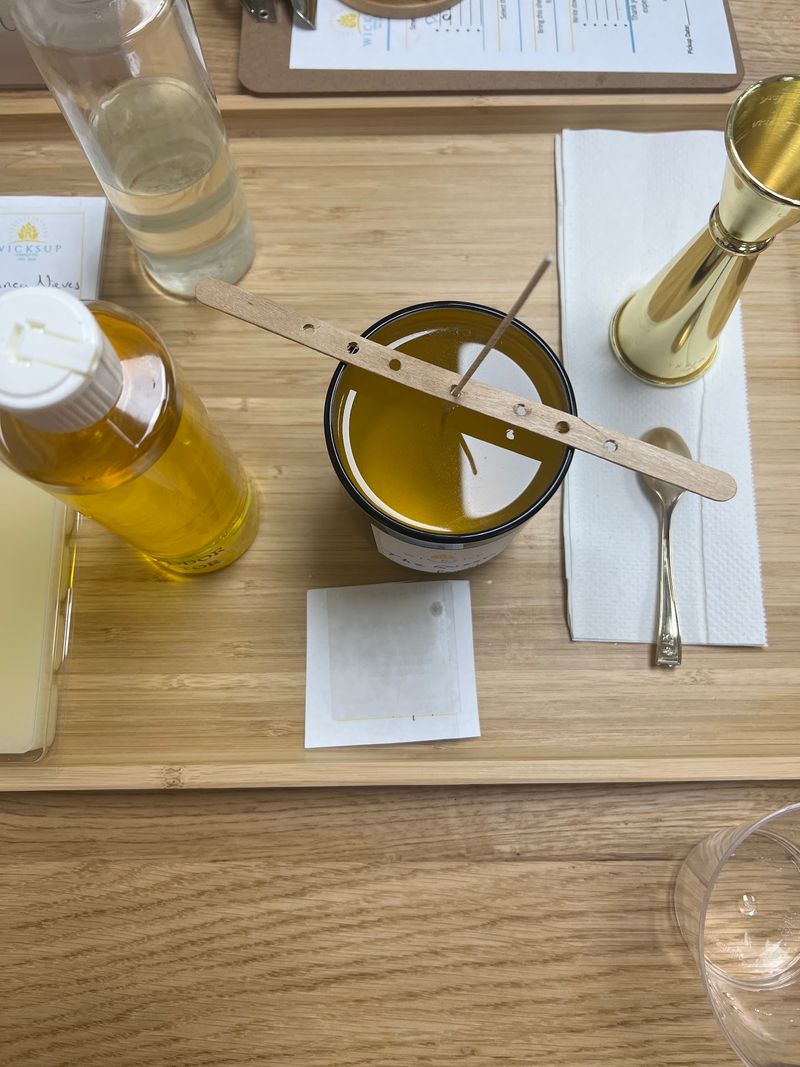
Patience is the secret ingredient in a dipped candle. A wick goes into melted wax, comes back out with a thin coat, and then waits while that coat cools and hardens.
Then it happens again. Dip, lift, cool, repeat.
According to the Illinois State Museum’s candlemold exhibit, thickness comes from those repeated dips rather than from one big pour.
Picture a thread slowly turning into a taper. Each pass adds only a little, so the candle starts out skinny and grows round and sturdy over many rounds.
The waiting between dips is part of the craft, not wasted time.
That steady rhythm is a big part of the charm. You can hear the quiet, smell the warm wax, and watch your work change a little each time.
It is a craft that rewards a calm pace and a steady hand.
It also means you should not expect a quick project. A candle made this way takes a while, which is worth knowing if you are planning around kids or a tight schedule.
This article describes the process only so you know what to look for. Hot wax belongs in the hands of trained instructors, so leave the experiments to the pros at a supervised event.
Pioneer candles had no single recipe
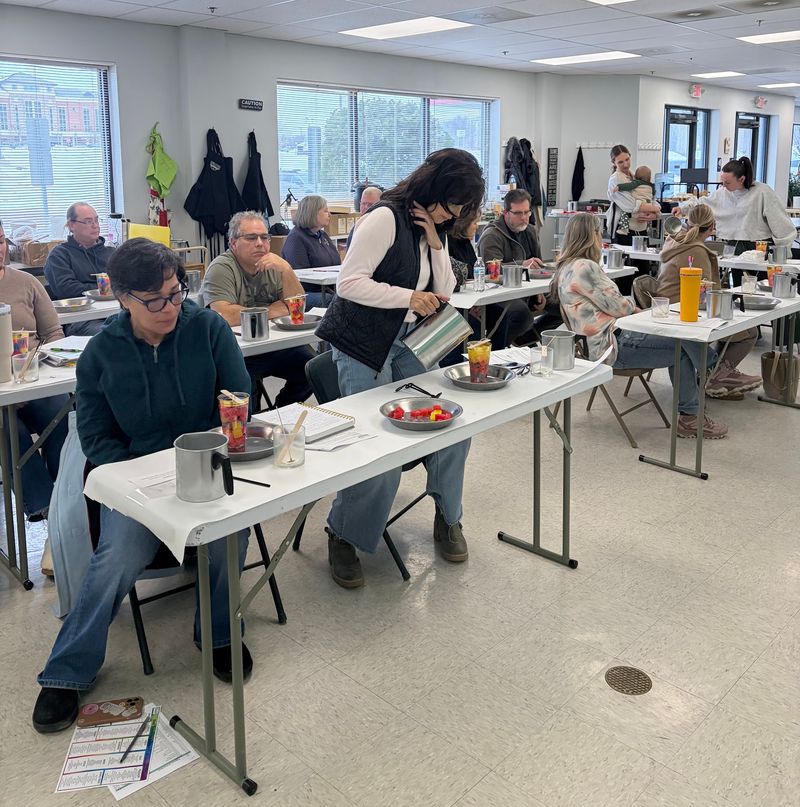
Ask five people what pioneer candles were made of and you might hear five answers. Candle makers used what they had, and that included tallow, which is rendered animal fat, as well as beeswax.
The National Candle Association’s history of candles shows how materials and methods changed over time. Nothing in it suggests one standard recipe for every household.
The Illinois State Museum’s exhibit on candlemolds backs this up. Molds were another way to shape candles, so dipping was not the only choice.
That variety matters for anyone planning a craft outing. A pioneer-themed candle activity may use beeswax, or it may not.
It may involve dipping, or it may involve rolling sheets or pouring into a mold.
So when a museum says candle making, take it as an invitation to ask for details. The answer may surprise you, and it can make the visit richer.
Knowing the range also keeps the history honest. Pioneer life was practical and creative, and candles came in many forms depending on the time, place, and supplies on hand.
A separate Oklahoma program documented dipping
Here is where dipping enters the Oklahoma story. A 2008 notice from the Oklahoma Historical Society, found in its October 2008 publication, described a supervised candle-making program.
Visitors there could choose to dip, roll, or mold a beeswax candle. That is a clear record of dipping being offered as one option in Oklahoma.
It was a different program at a different venue from the 2016 Pioneer Woman Museum event. The two should not be blended together.
The 2008 notice cannot tell us what happened in Ponca City in 2016, and the 2016 report cannot tell us what the 2008 program offered.
It also does not show that any current craft day gives you those same choices. Think of it as a useful example of what a well-run candle program can look like, with an instructor guiding the work and several ways to finish a candle.
If you do find a program today, ask whether you can pick your method. Rolling is quick and gentle, molding gives you shape, and dipping asks for time and patience.
Keep hot wax and finished candles in safe hands
Melted wax is hot, and a supervised event exists for good reason. If you join one, follow the instructor’s directions every step of the way, from where to stand to when to touch the wick.
Children need adult supervision during candle making, as a historical society candle-making guide advises. Plan to stay close and keep a hand free to help.
This is also why this article does not hand you a home recipe. Hot wax is best left to a setting where trained people are in charge.
Once you have a finished candle, the safety job shifts to your home. The U.S.
Fire Administration’s candle guidance says to place it in a stable holder and keep it at least 12 inches from anything that can burn.
It also says to put the flame out when you leave the room or go to bed. A holiday table is a lovely spot for a candle, but only if curtains, paper, and decorations stay well out of reach.
A little care keeps the glow cozy and the memory a good one.
Plan for a process, not a promise
A handmade candle makes a lovely holiday keepsake, and the idea is easy to love. The record shows that the 2016 Pioneer Arts and Crafts Day included candle making, according to the event report.
It does not show hand-dipping or a current schedule.
So start with a call to the Pioneer Woman Museum and confirm the details. If you land on a dipping activity, expect the slow, layered pace described by the Illinois State Museum, with an instructor in charge.
The best candles take their sweet time to grow.
Share this story