Some of the best stops in Oklahoma hide behind plain front doors and ask for nothing more than a little curiosity. I walked into one expecting a quick look and walked out an hour later, still hungry for more stories.
Every shelf seemed to hold another surprise, from childhood treasures to pieces of history you will not find anywhere else. If you love the quirky, the old, and the slightly unexpected, this small museum deserves a spot on your next road trip.
A Heritage Museum on Lynn Avenue
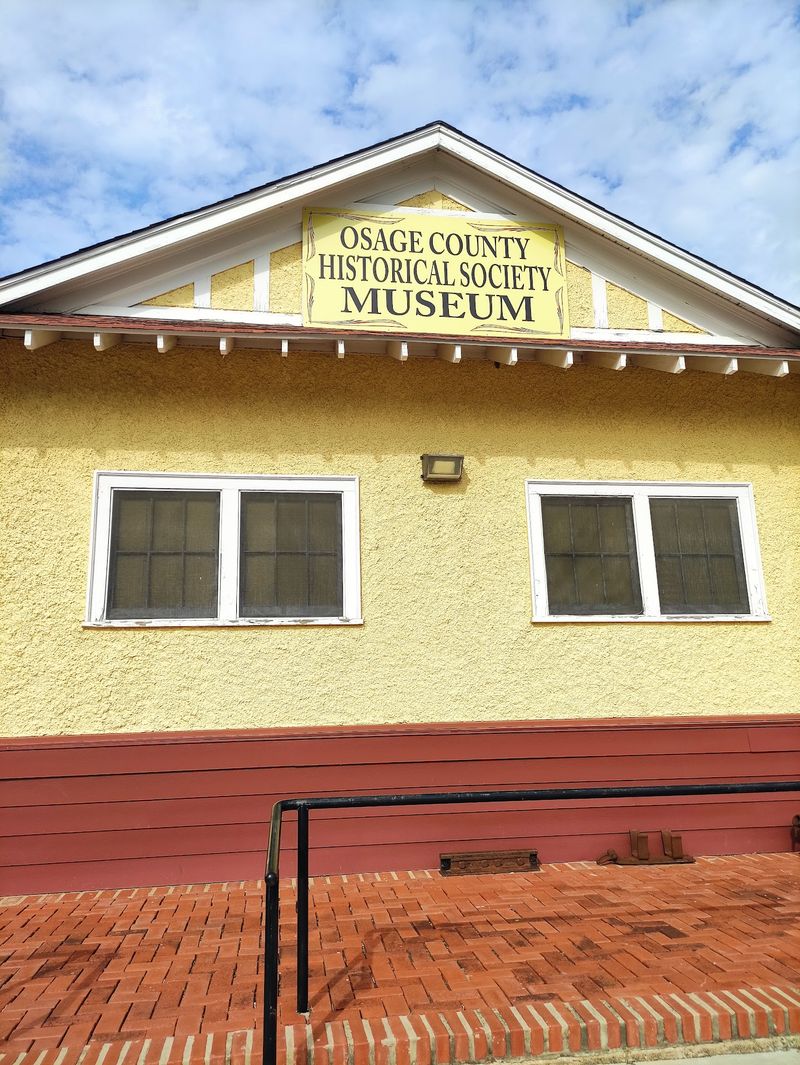
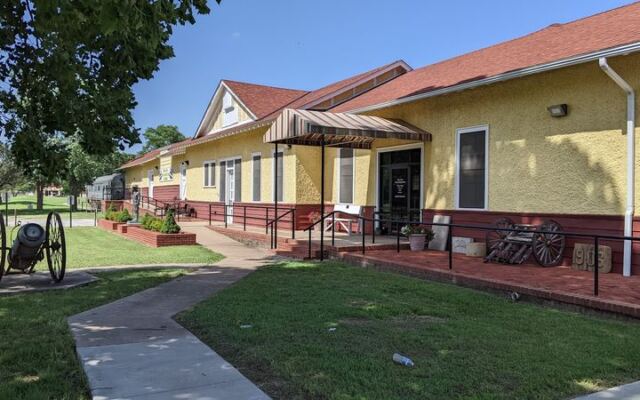
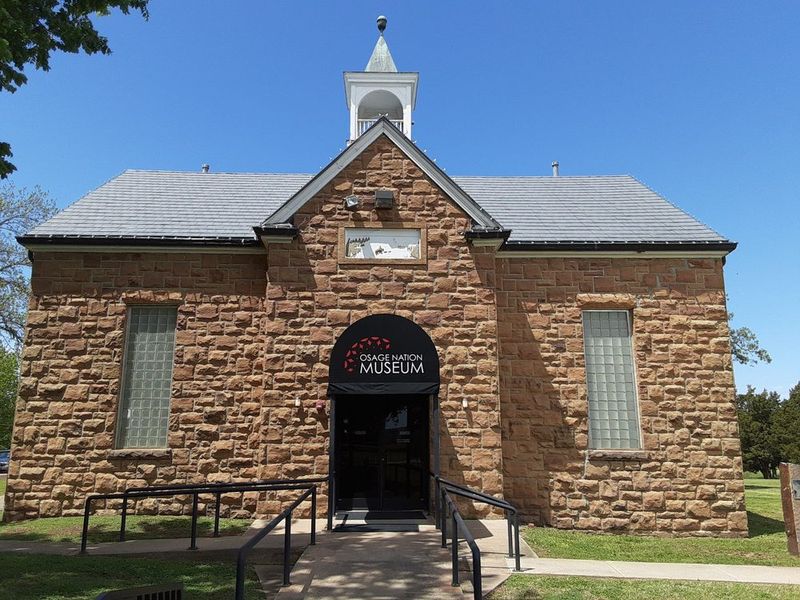
Tucked onto a quiet corner at 700 Lynn Avenue, the Osage County Historical Society Museum sits right in the heart of Pawhuska, Oklahoma. From the street, it looks like a modest local building.
Step inside, though, and the place unfolds like an attic that a whole county has been filling for generations.
The museum describes itself simply as a compact space preserving the region’s heritage and culture. That modest label undersells it.
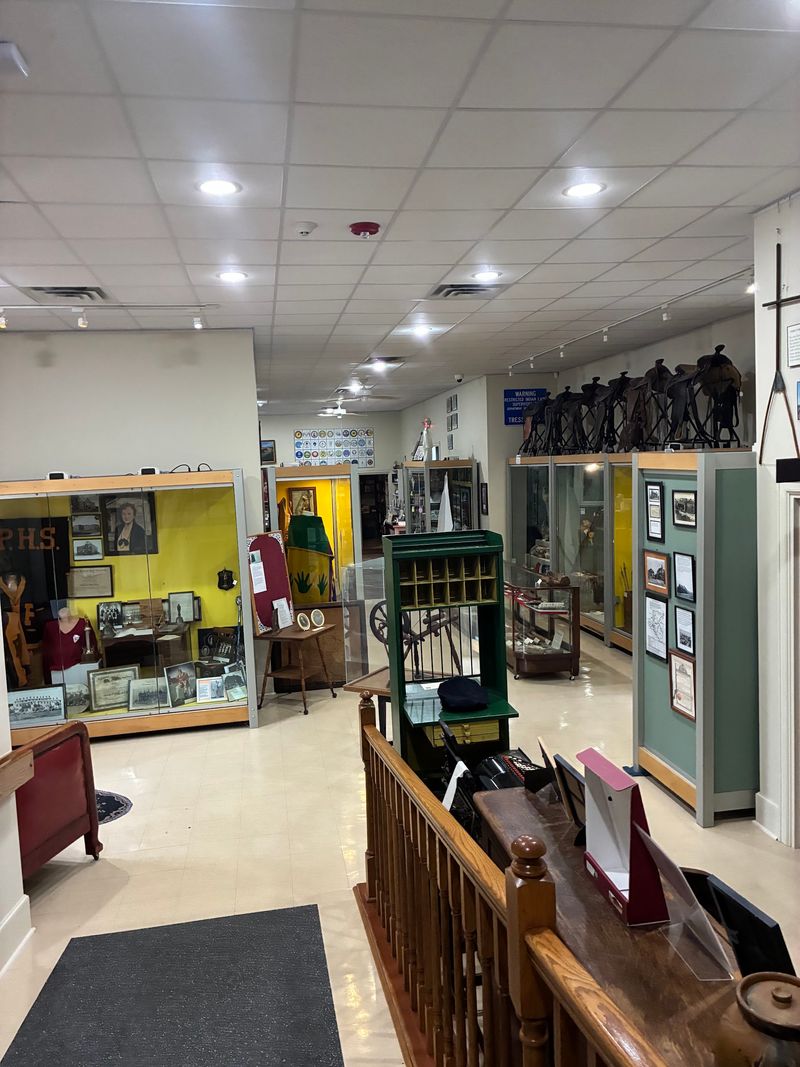
Visitors regularly mention how packed the rooms feel, with display cases, antiques, photographs, and artifacts lining nearly every available surface.
Pawhuska itself makes a fine backdrop. The town has drawn a steady stream of travelers in recent years, and many of them wander over to this museum after strolling downtown.
Some arrive on purpose, while others simply pull over to stretch their legs on a long drive and end up staying far longer than planned.
What makes the location special is how naturally it ties into the surrounding story. You are standing in the same county the exhibits describe, a short walk from streets and buildings that appear in old photos on the walls.
That closeness turns a quick museum stop into something that feels personal and rooted in the land outside.
Two Histories Under One Roof
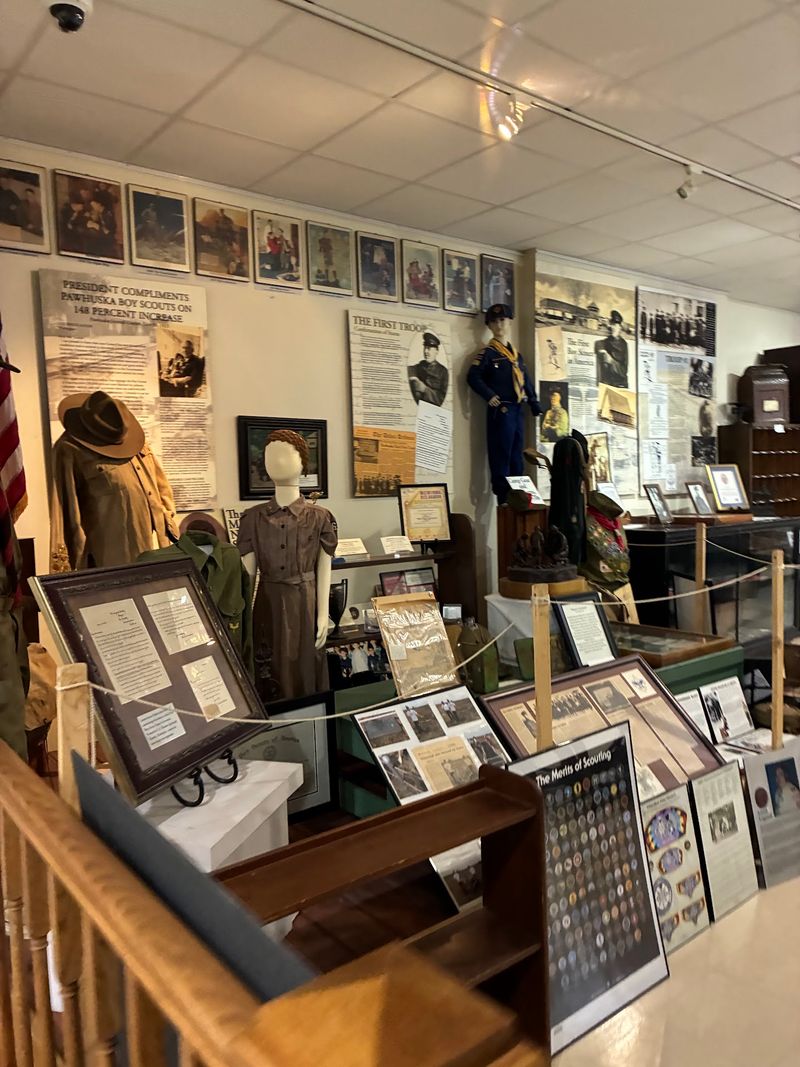
Ask a docent what the museum is really about, and you will likely hear that it tells more than one story. The collection covers both the Osage people and the settlers who arrived in the county, placing their histories side by side rather than separating them.
That balance is something visitors notice and appreciate. Guests describe learning about the people who shaped the Osage community, along with famous Pawhuska residents and the everyday folks who built farms, shops, and schools.
The result is a fuller picture of how this corner of Oklahoma came together.
The timeline stretches a surprising distance. One visitor pointed out that artifacts on display reach back roughly 400 years, giving a sense of just how deep the roots run here.
Others enjoyed how the exhibits continue right up to more recent events in Pawhuska.
In other words, you can trace a path from early Osage life through statehood, oil booms, and modern times without ever leaving the building. A thoughtful touch caught one guest’s eye: small handwritten notes naming certain Osage members shown in photographs, people clearly proud of their community.
Little details like that make the history feel less like a textbook and more like a family album.
Shelves That Never Seem to End
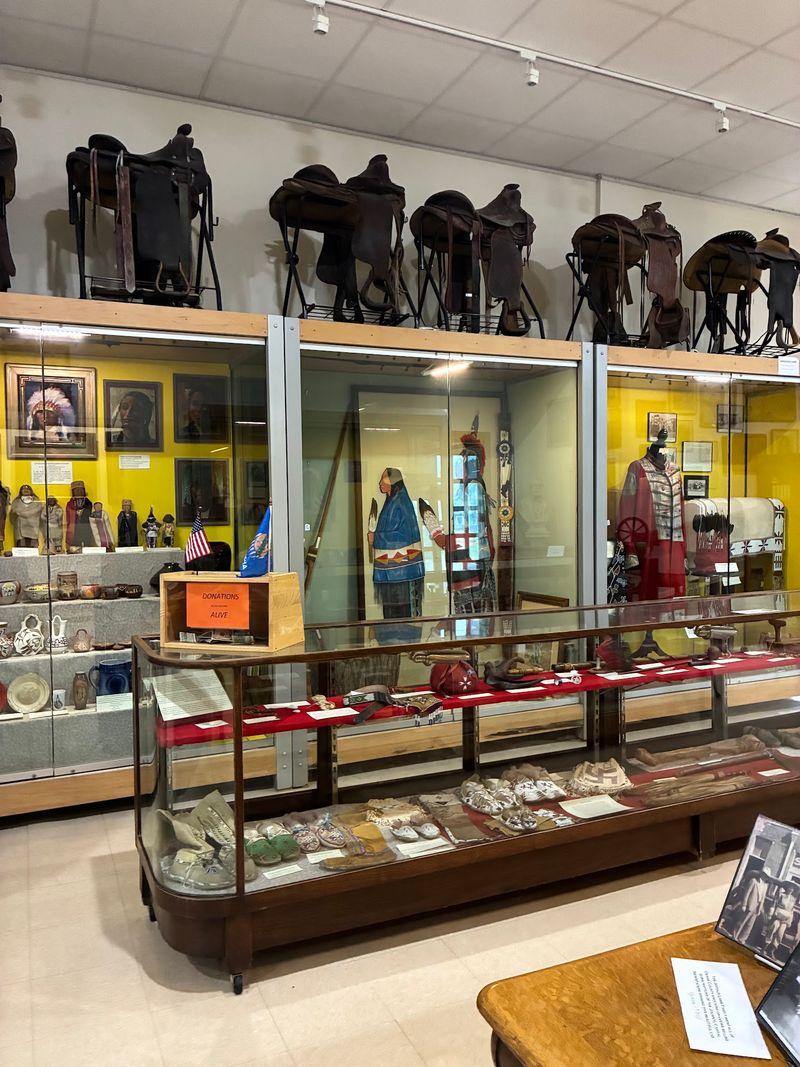
Picture a room where your eyes simply cannot rest. Every case, ledge, and corner seems to hold something worth a second glance, from childhood keepsakes to old household goods that once filled Osage County homes.
Visitors use words like packed, crowded, and full of random treasures when describing the space. One guest called it their favorite museum ever, largely because of how much unexpected information and stuff was tucked into every display.
Another noted that you will find something new each time you return.
For anyone who grew up poking around a grandparent’s closet, the feeling will be familiar. Antiques of every kind share space with one-of-a-kind items you would never see in a big city museum.
The charm lies in that slightly cluttered, lovingly gathered quality.
Do not expect sleek glass galleries with minimal labels. The appeal here is abundance.
Kids tend to enjoy hunting for odd objects, while adults find themselves reading card after card about where each piece came from.
Plan on moving slowly. Several visitors admit they badly underestimated how long the shelves would hold their attention, and one even ran out of time before closing and vowed to come back to finish exploring properly.
The Stone Marker for America’s First Boy Scout Troop
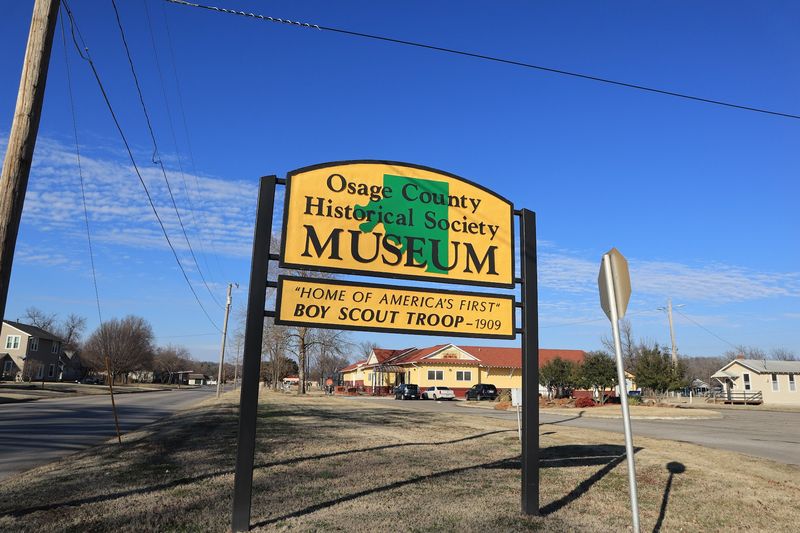
Here is a fun fact that surprises plenty of travelers: the first Boy Scout troop in America is said to have been established right here in Pawhuska back in 1909. A stone monument out front of the museum marks the occasion.
It is the kind of detail that turns a casual stop into a story you tell friends later. Several visitors mention learning about the troop for the first time during their visit, and many snap a photo beside the marker before heading inside.
Inside, the museum carries that thread forward. Guests describe exhibits that follow local history from the first Boy Scout troop all the way to current events in Pawhuska, with plenty of interesting chapters in between.
For families, the monument offers an easy conversation starter. Kids who are in scouting today often get a kick out of seeing where the American movement began, according to local history.
Adults tend to appreciate the small-town pride behind it.
Give yourself a few minutes outside before you enter. Reading the monument first sets the tone nicely, reminding you that this little county has played a bigger role in national history than most people would ever guess.
Osage Heritage Through Artifacts
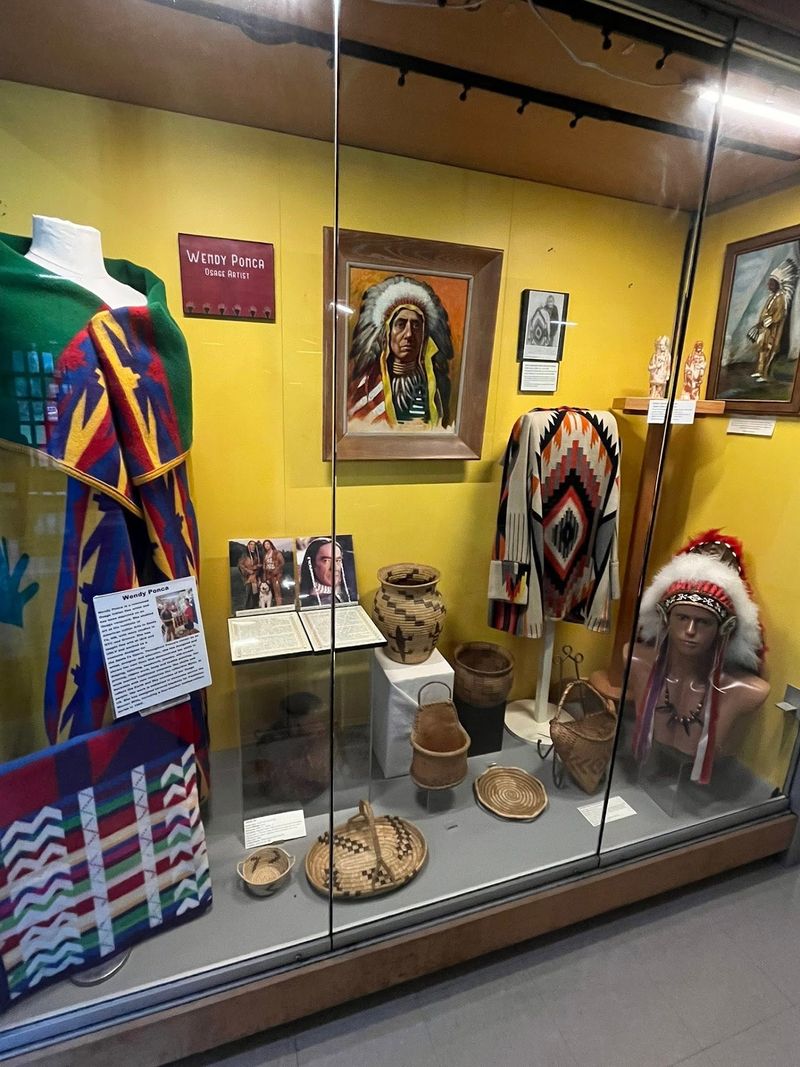
Few places in Oklahoma tell the Osage story with this much local care. Native artifacts sit at the center of the collection, and visitors who seek out Native American museums describe this one as a genuine delight.
The exhibits explain how the Osage people shaped the county and its communities. Guests talk about coming away with a richer understanding of Osage history, along with the broader county story woven around it.
One visitor called the experience very cool, especially the chance to learn both perspectives in one trip.
Photographs add a human face to the objects. Seeing names, families, and proud community members makes the history feel close and alive.
A handful of visitors found themselves genuinely moved by those personal touches.
If you have time before your trip, consider some homework. One guest strongly suggested reading Killers of the Flower Moon ahead of visiting, saying it greatly improved their understanding of the area and made the exhibits far more meaningful.
Respectful curiosity goes a long way here. Take your time with the captions, ask the staff questions, and let the objects speak.
The reward is a deeper appreciation for a culture that remains central to this part of Oklahoma.
Maria Tallchief’s Ballet Shoes
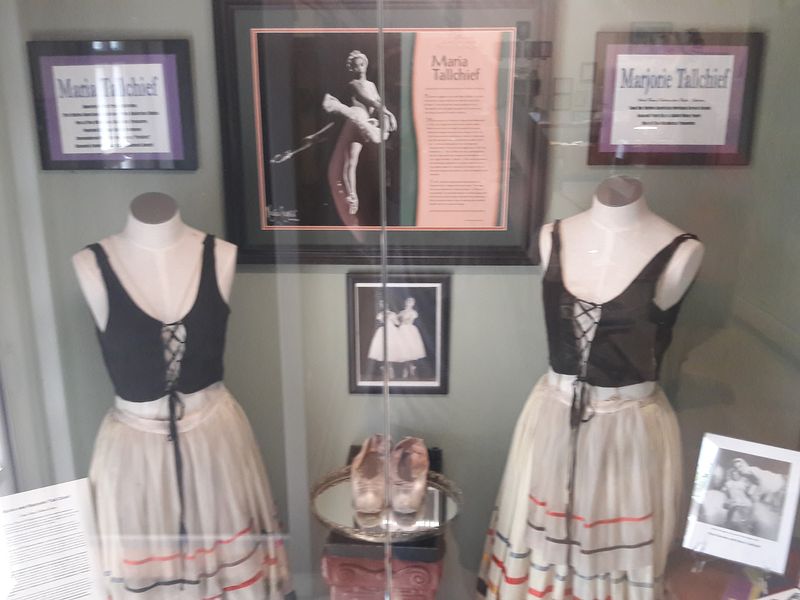
Tiny satin slippers can carry a big legacy. Among the many treasures on display, visitors single out a pair of ballet shoes once worn by Maria Tallchief, the celebrated ballerina with deep Osage roots.
For dance fans, spotting them can be a genuine thrill. Tallchief rose to international fame, and seeing something she actually wore brings her achievements down to a very human scale.
It is one thing to read about a star and quite another to stand inches from her shoes.
The display also shows how wide the museum’s reach goes. In the same building where you learn about early settlers and the first Boy Scout troop, you can admire a piece of world-class performing arts history tied to this county.
Young dancers especially tend to linger here. Parents might find it a great moment to share stories about determination and talent growing from a small Oklahoma community.
Take a closer look at the wear and shape of the shoes. Little marks and creases hint at countless hours of rehearsal and performance.
Those quiet details often say more than any plaque could, and they make this one of the most memorable stops on the tour.
Behind-the-Scenes Photos from Killers of the Flower Moon
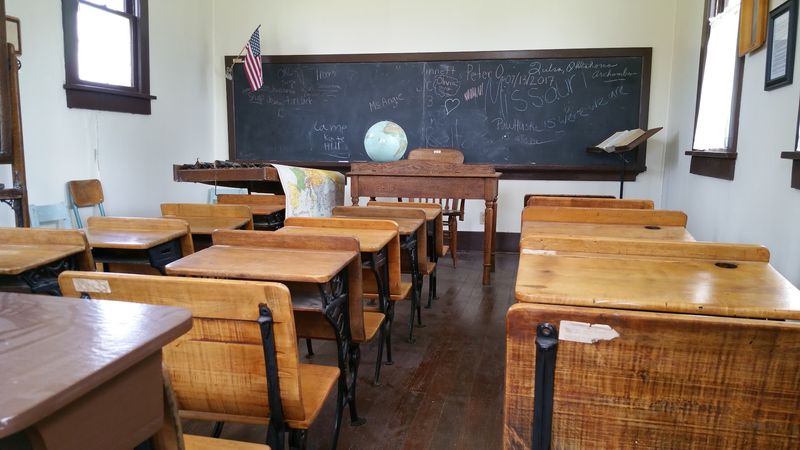
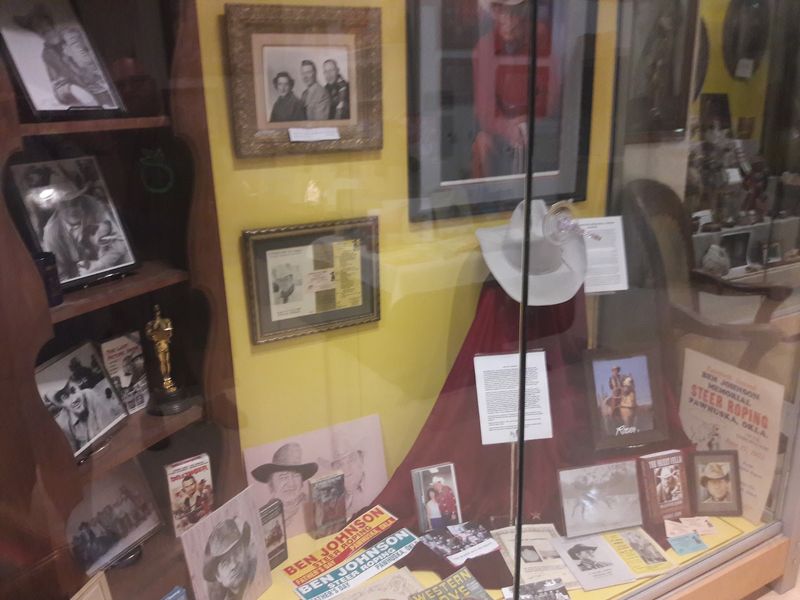
Hollywood came to Pawhuska, and the museum kept the receipts. Photos from the filming of Killers of the Flower Moon hang among the displays, connecting the county’s past with its recent turn in the spotlight.
Many visitors arrive because of the book or the film. One book club even planned a field trip after reading the story, touring the museum along with the movie set, schoolhouse, courthouse, and downtown streets.
They described the whole experience as surreal and fantastic.
The filming photos offer a fun bridge for travelers who know the story mainly from the screen. Spotting familiar streets and buildings, then stepping outside to see them in person, makes the history feel tangible.
Of course, the real events behind the story are part of a serious chapter in Osage history. The museum’s artifacts and records give context that a movie alone cannot.
Visitors who pair the film photos with the older exhibits tend to leave with a much deeper sense of what happened here.
If the movie sparked your interest, this is a smart first stop. Start with the photos, then wander backward through the collection to understand the community the story grew from.
Music from an Old Victrola
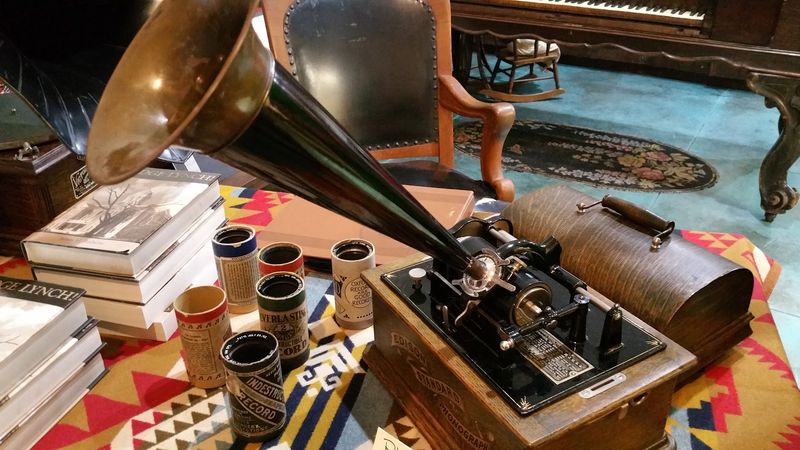
Imagine the scratchy crackle of a 1920s tune drifting through a quiet museum room. That is exactly what one lucky group experienced when a friendly staff member placed old 78 rpm records on the museum’s antique Victrola.
The music filled the space, followed by a vintage advertisement from the same era. The visitors said moments like that, full of down-home personal attention, are what make this museum so special.
They had planned to stay a few minutes and ended up spending an hour.
Hearing history is different from reading about it. The warm hiss of an old record transports you instantly, and suddenly the photographs and household objects around you feel like they belong to real people who once danced and laughed to these songs.
There is no promise this will happen on every visit, since it depends on who is working and how busy things are. Still, it never hurts to ask politely if the Victrola is ever played.
Staff here seem to genuinely enjoy sharing the collection.
Kids raised on streaming services often find the whole setup fascinating. A spinning record, a hand-cranked machine, and sound with no screen at all can feel like pure magic.
A 1947 Television with One Channel
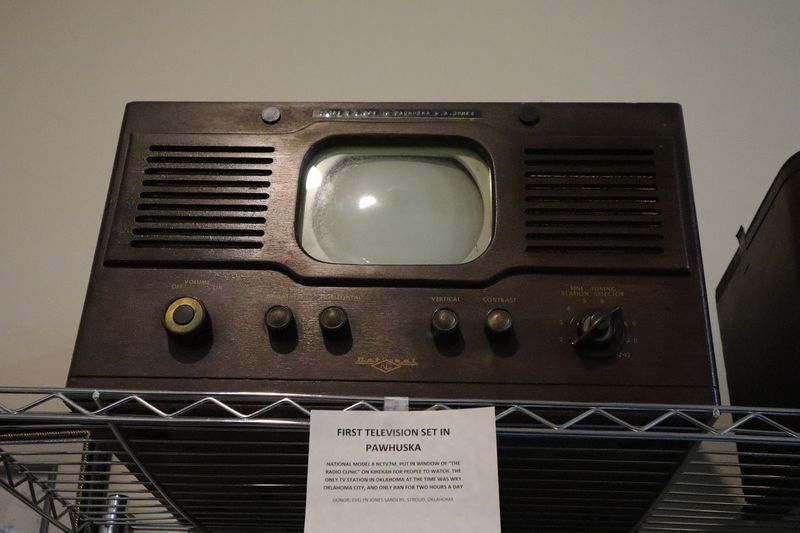
Two hours of programming a day on a single channel. That was the reality for early television owners, and the museum has a set that proves it.
An early television made by National, dating to around 1947, sits on display as a reminder of how much has changed. One visitor highlighted it especially for kids, noting with amusement that it carried only one channel that broadcast for just two hours daily.
For young visitors, it is a real eye-opener. Try explaining to a ten-year-old that there was no pause button, no menu, and nothing to watch most of the day.
The conversation that follows is half the fun.
Grandparents might enjoy this corner too, since it can spark memories of the first time a TV arrived in their own homes. Stories tend to start flowing once someone recognizes an object from childhood.
The television also fits neatly alongside the Victrola and other antique gadgets scattered throughout the rooms. Together they form a mini timeline of how Osage County families entertained themselves through the decades.
Spend a minute imagining an evening gathered around that small glowing screen, waiting for the one show of the night to begin.
Mr Stink and Other Delightful Oddities
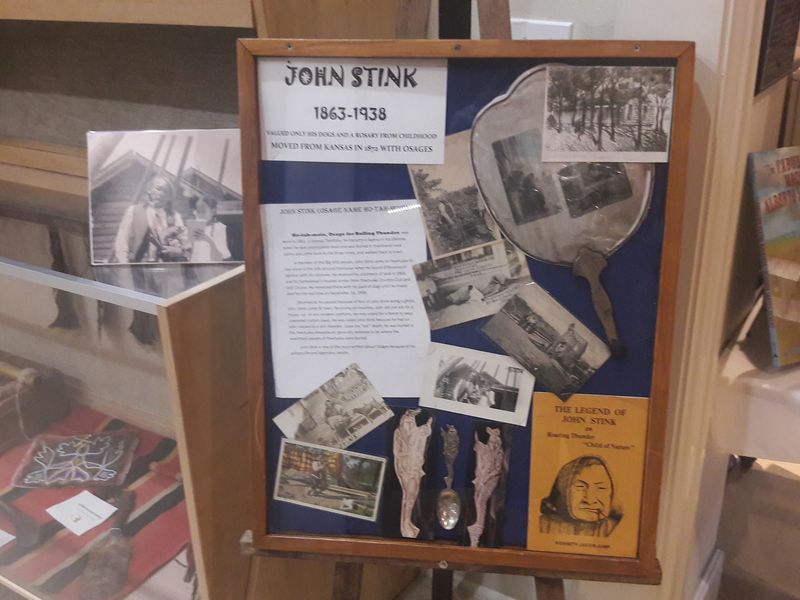
Every great small-town museum has at least one tale that sticks with you, and here it might be the story of Mr Stink. One visitor who called this their favorite museum ever said they especially loved learning about him.
The name alone is enough to get kids giggling, and that is part of the appeal. We will not spoil the details, since discovering the story yourself is half the joy.
Ask the staff to point you toward it if you cannot find it on your own.
Quirky surprises like this give the museum much of its personality. Alongside serious history, you will stumble across random facts and curious artifacts that make you stop, laugh, or tilt your head in confusion.
Road-trippers who love offbeat Oklahoma stops will feel right at home. This is not a place that takes itself too seriously, even as it handles important history with care.
Bring a notebook or snap photos of the oddest things you find. Visitors often say there is so much random information packed inside that one trip cannot capture it all.
Comparing favorite oddities with your travel companions on the drive home makes for great conversation.
Friendly Docents with Stories to Share
Warm welcomes come standard here. Of everything visitors mention about this museum, the people working it come up more than almost anything else.
Guests describe the receptionist as sweet and helpful, the curator as friendly and informative, and the docents as knowledgeable and accommodating. Several people specifically said an employee gave them wonderful information about local history that they would never have picked up from the labels alone.
That personal touch matters in a place this packed. A quick question can lead to a story about a family, an object, or a forgotten chapter of Pawhuska life.
Staff seem to enjoy connecting the dots for curious visitors.
One guest who arrived close to closing time praised the team for being gracious even as the clock ticked down. Another group was treated to music on the Victrola simply because the gentleman on duty wanted to share something special.
To get the most out of your visit, do not be shy. Say hello, mention what interests you, and see where the conversation leads.
Many visitors walk away saying the people made the trip, and that kind of down-home hospitality is something no big city museum can easily match.
Books, Coins, and a Small Gift Shop
Readers, take note. The museum’s small gift shop leans heavily toward books, and visitors praise the good selection of titles about Osage County and local history.
Do not expect racks of trinkets or souvenir shirts. One guest pointed out that beyond books, gift options are limited.
For many history fans, though, a well-chosen book is the best souvenir anyway, since it lets the story continue long after you leave.
Coins are also available for purchase. A visitor who bought a few as a way to support the museum shared a helpful tip: inspect them closely first.
One of theirs looked uncirculated, while another showed scratches and edge marks, likely a one-time accident. A quick look before paying is simply smart shopping.
Buying something here does more than fill your bag. Since the museum runs on donations and support from guests, purchases help keep the lights on and the collection growing.
If you read Killers of the Flower Moon or plan to, browsing the shelves can point you toward related titles that dig deeper into the region. Pick up one or two, and you will have a meaningful reminder of your Oklahoma road trip sitting on your nightstand.
Hours, Donations, and Practical Tips
Good news for budget travelers: admission is free. The museum operates on donations, with donation boxes placed around the building for anyone who wants to chip in.
Hours run Tuesday through Saturday from 10 AM to 4 PM. The museum is closed on Sunday and Monday, so plan your Pawhuska trip accordingly.
For questions, call 918-287-9119 or check the website at osage-county.keeq.io before heading over.
Give yourself at least an hour. Visitors repeatedly say they underestimated the time needed, and one guest who arrived near closing could not see everything.
Arriving earlier in the day lets you browse without watching the clock.
Parking is plentiful, according to guests, so you will not need to circle the block. Restrooms for men and women are available, and one visitor noted they were clean and well supplied.
The museum sits at 700 Lynn Avenue, making it easy to pair with a walk around downtown Pawhuska. Many people combine it with nearby sights like the courthouse and historic streets.
Bring a little cash for the donation box or a book purchase, and you are all set for a relaxed, low-cost afternoon of discovery.
Why This Little Museum Lingers in Memory
Some places reveal their charm slowly, and that is exactly how this one works. You walk in thinking you will glance around for ten minutes, then suddenly an hour has slipped away.
Visitors call it a hidden gem, a must-see, and a place they would revisit in a heartbeat. One traveler stopped only to break up a long drive and ended up grateful they did.
That kind of happy surprise sums up the experience well.
History lovers will appreciate the depth of Osage and county stories. Families will enjoy the quirky finds, from an early television to the tale of Mr Stink.
Dance fans, film buffs, and scouting enthusiasts all have their own reasons to stop.
The museum is not flashy, and it does not try to be. Its strength lies in packed shelves, friendly faces, and a genuine love for the place it represents.
Free admission makes it an easy yes on any Oklahoma road trip.
If you find yourself near Pawhuska on a weekday or Saturday, carve out an afternoon. Bring curiosity, drop something in the donation box, and let the stories pull you in.
Chances are you will want to come back.
Share this story