Some of the best places in Oklahoma are the ones nobody seems to talk about. You turn down a quiet gravel road, expecting nothing much, and suddenly the sky fills with the roar of wings.
Bald eagles watch from tall trees, geese drift over the water, and the only traffic jam is a deer crossing ahead. If you are hungry for wide-open space and curious about what lives out there, this hidden corner of the state is ready to surprise you.
A Quiet Refuge on the Eastern Oklahoma Waterways
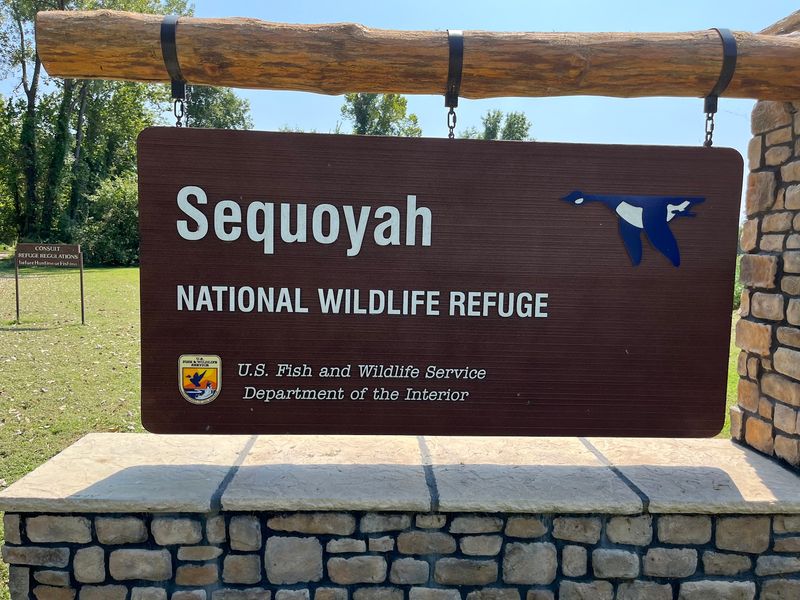
Tucked into the far eastern side of Oklahoma, Sequoyah National Wildlife Refuge sits near the small town of Vian, at 107993 S 4520 Rd. It is managed as a federal wildlife refuge, which means its main job is protecting the animals and habitat that call it home. People are welcome, but the critters clearly run the show.
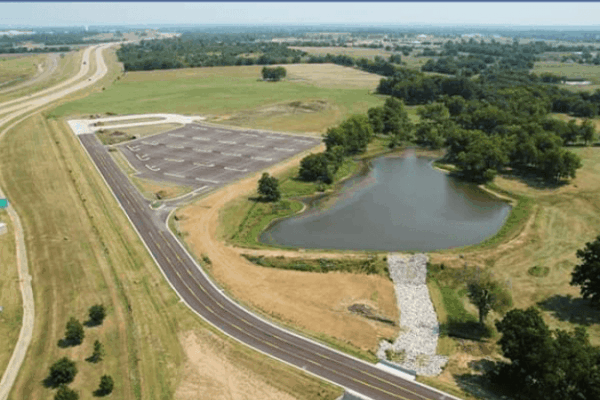
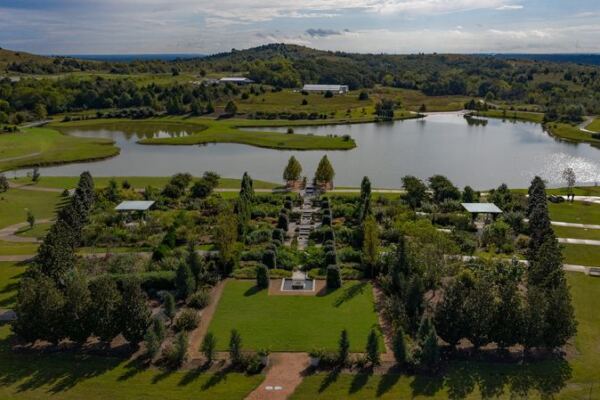
The setting mixes river water, a lake, open fields, and woodland. Gravel roads stretch across the land, and walking paths lead out from near the main office.
You can drive, walk, paddle, fish, or simply sit and listen.
Visitors often describe it as a gem that feels surprisingly empty of people. One birder mentioned that it is never crowded, which lets her watch birds while her husband fishes nearby.
That kind of easy peace is rare at popular outdoor spots.
Because the refuge is fairly large, it rewards a little patience. You will not see everything in one quick loop.
Plan on slowing down, rolling the windows down, and letting the place reveal itself bit by bit.
For more details before you go, the U.S. Fish and Wildlife Service keeps a page for the refuge at fws.gov/refuge/sequoyah.
Echoes of the Trail of Tears Landing
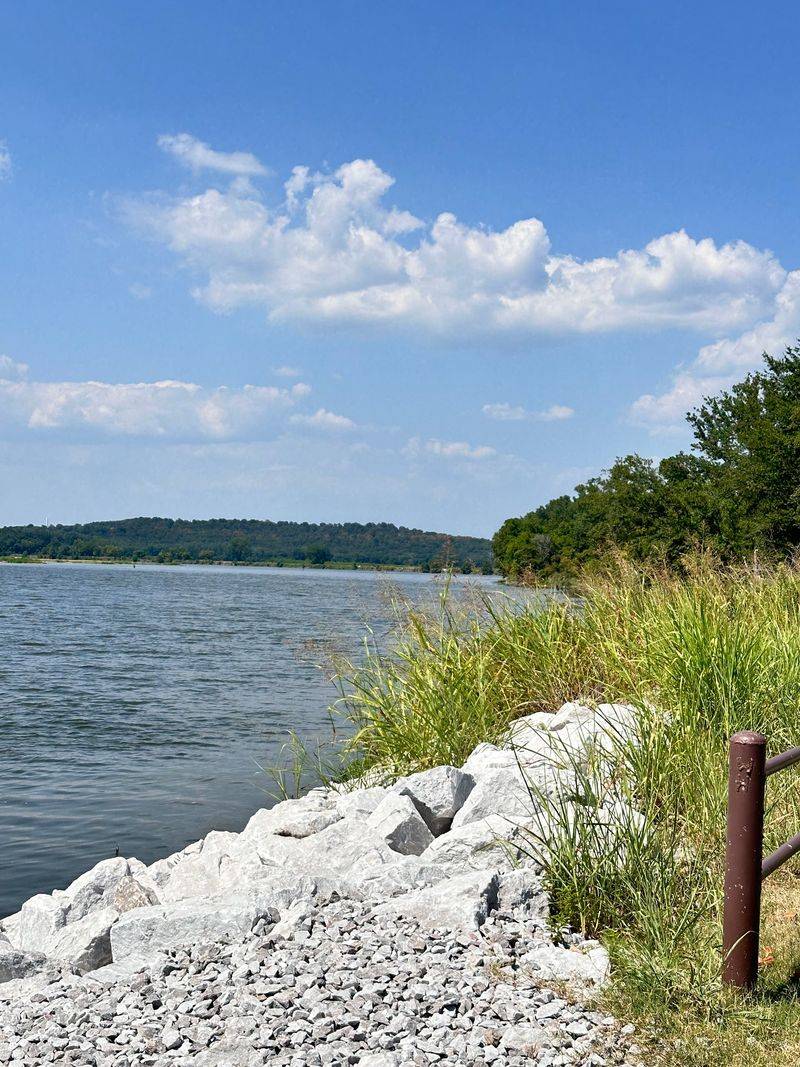
History runs deep along these riverbanks. One visitor shared that the paved road inside the refuge leads to a spot connected with the Trail of Tears landing, a reminder of the Cherokee people who were forced west into what became Oklahoma.
According to that same visitor, the historical marker that once stood there is now gone. The place can still be found, though.
Look for the dock with white rocks lining the banks.
Standing there is a quiet, thoughtful experience. The water moves slowly, birds call from the trees, and it is easy to imagine the journeys that ended near this stretch of river.
It adds a layer of meaning to what might otherwise feel like just a pretty view.
The refuge itself carries the name Sequoyah, honoring the famous Cherokee scholar who created a writing system for the Cherokee language. That name alone hints at how closely this land is tied to Oklahoma’s Native heritage.
If you go looking for the landing, treat it with respect. Take a moment, read a little history beforehand, and let the silence do the talking.
It is one of those stops that stays with you long after you have driven home.
Bald Eagles Above the Cottonwoods
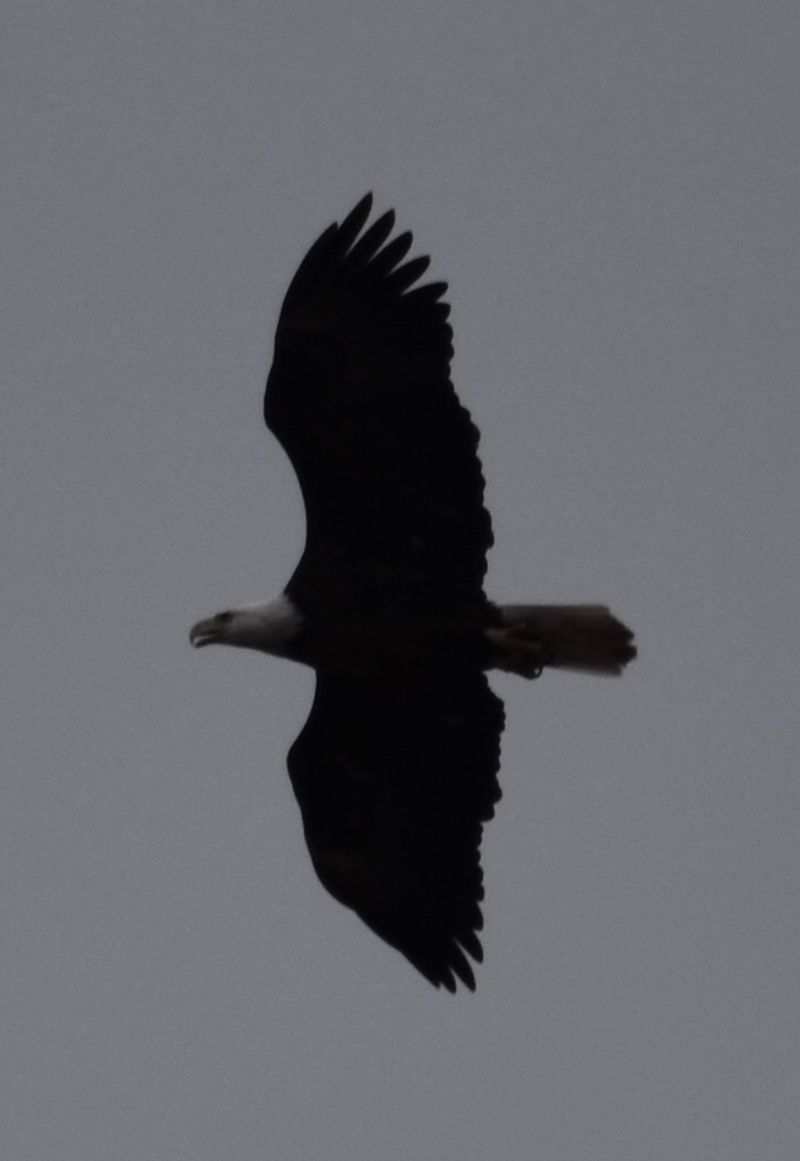
Picture turning sixty-four and seeing your very first eagle. That is exactly what happened to one visitor on a January day in 2020, and her excitement still jumps off the page.
She called it hitting the jackpot, and her sister snapped pictures to remember it.
Eagles are the headline act here. They come up again and again when people talk about the refuge, and for good reason.
Spotting that bright white head against a winter sky never gets old.
One recent guest raved about a terrific eagle tour, calling the refuge a haven for city dwellers who rarely get this close to wild raptors. Guided tours like that can help beginners know where to look and what to watch for.
Another visitor noted that bald eagles actively nest on the refuge, which makes this a special place for watching these birds across the seasons.
Bring binoculars and scan the tall trees along the water. Eagles love a high perch with a good view of fishing grounds.
Move slowly, keep your voice low, and give them space. With a little luck and some patience, you may have your own jackpot moment.
Geese, Ducks, and the Roar of Wings
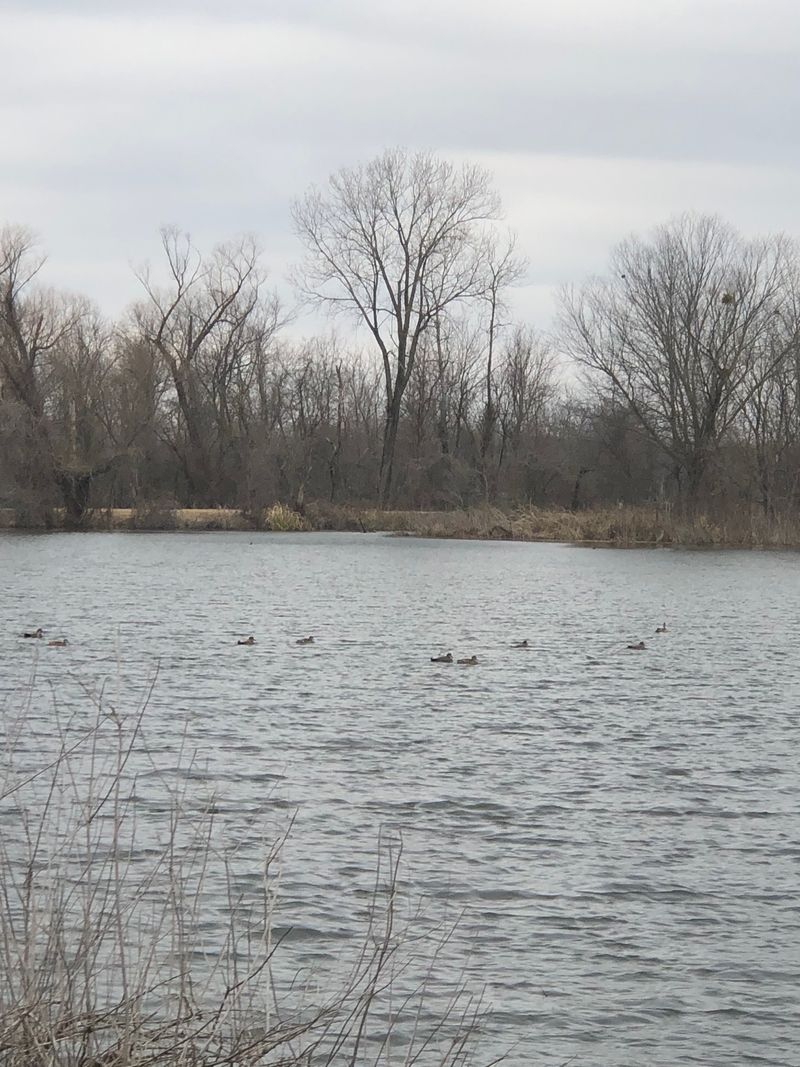
Close your eyes for a second and listen. One longtime visitor described the sound of birds suddenly taking flight as a roar of wings, starting with little flicks and building into something you can almost feel in your chest.
Geese are a big part of that show. Flocks gather on the fields and water, and when they lift off together, the whole sky seems to move.
It is one of the most memorable moments a visit can offer.
Ducks also use the refuge, and some parts of the year bring duck hunting under refuge rules. That means waterfowl are a central part of life here, both for the wildlife and for the people who manage it.
The best way to enjoy the flocks is to slow down. Pull over safely on the gravel roads, turn off the engine, and wait.
Birds that seemed hidden often appear once the noise fades.
Photographers love this kind of action, so bring a camera with a fast setting if you have one. Even a phone video can capture the sound.
Just be ready, because when the geese decide to go, they go all at once, and the moment passes fast.
One of the State’s Top Birding Hotspots
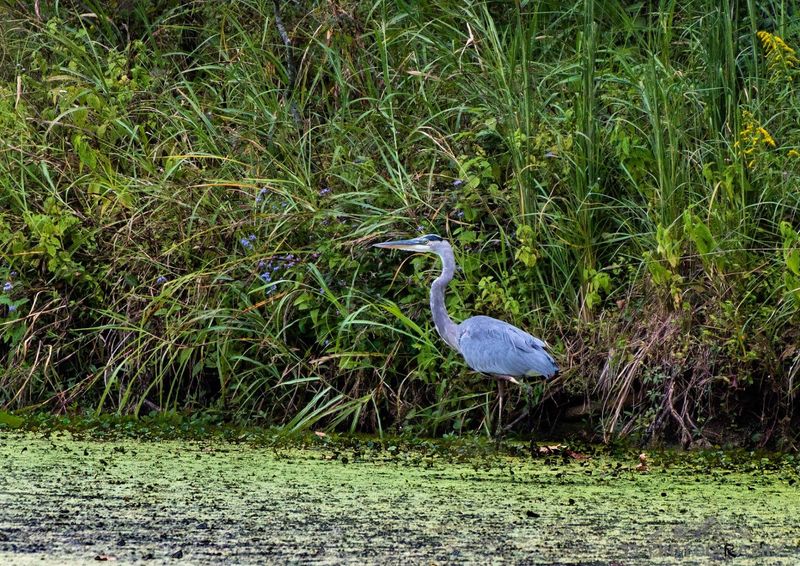
Serious birders have a word for places like this: hotspot. One regular visitor calls the refuge one of the best birding spots in the whole state, and she keeps coming back to prove it.
Variety is the big draw. Guests mention seeing lots of different species in a single drive, and one recent visitor was thrilled to spot a barred owl.
Others talk about adding unusual birds to their photo collections.
Beginners will feel welcome too. You do not need fancy gear to enjoy what flies past.
A simple pair of binoculars and a field guide or birding app can turn a casual walk into a treasure hunt.
Benches along the paved path give you a place to sit and wait for birds to come to you. That kind of patient watching often pays off more than rushing around.
Timing matters as well. One summer visitor noted that the heat kept much of the wildlife tucked away.
Cooler mornings and milder seasons tend to bring more activity. Keep a simple list of what you see, and you might be surprised how fast it grows.
Before long, you may find yourself planning your next trip just to fill in the gaps.
The Auto Tour on Flat Gravel Roads
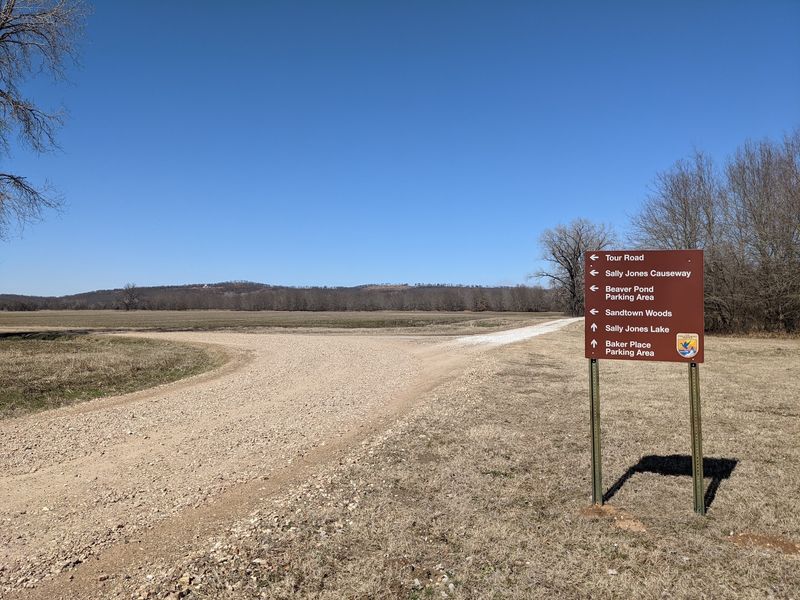
Not every adventure needs hiking boots. Some of the most rewarding wildlife watching at the refuge happens right from the driver’s seat, rolling along at a gentle crawl.
The auto tour follows wide, well-kept gravel roads. One visitor pointed out that they are flat with no real elevation gain, mostly straight with very few curves.
That makes the drive relaxed and easy, even for folks who are not used to back roads.
Many guests call it a nice drive where you can spot wildlife, and several mention seeing a wide mix of birds this way. Your car works almost like a moving bird blind, since animals often stay calmer around vehicles than people on foot.
Be honest with yourself about expectations, though. One visitor took the tour and saw very little during a twenty-minute drive.
Wildlife keeps its own schedule, and some days are quieter than others.
To improve your odds, go slow, stop often, and scan the edges where fields meet water or trees. Early and late hours usually bring more movement.
A little patience can turn an empty stretch of road into a sudden, wonderful sighting.
Paved Loops Made for Every Walker
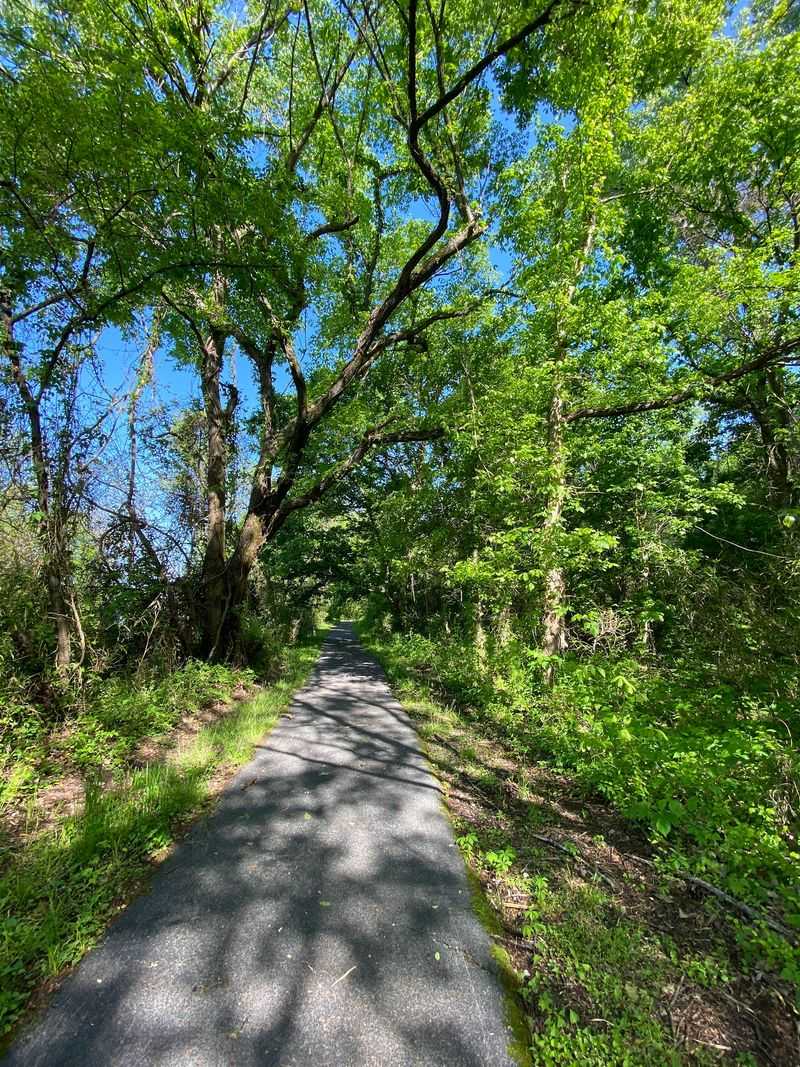
Good news for strollers, wheelchairs, and tired legs. The refuge offers paved walking paths that make nature easy to reach for just about everyone.
One visitor described two asphalt looped trails, each about a mile long. Another walked the whole paved route available and counted a 1.8-mile round trip, noting that even a wheelchair could handle it comfortably.
Benches sit along the way, which is handy for resting or for settling in to watch birds. That small touch turns a quick walk into a slow, relaxing outing.
Hiking trails are one of the most talked-about features here. People love how simple it is to step out of the car and be surrounded by trees, birdsong, and fresh air within a few minutes.
A walking trail near the main office makes a good starting point.
The flat roads also suit runners and bike riders. One guest recommended the refuge for walking, running, or a bicycle ride, thanks to the easy terrain.
Bring water and wear comfortable shoes, especially in summer. Even easy paths feel longer in the heat.
Take your time, pause often, and let the trail set the pace for your day.
Fairytale Giants Among the Trees
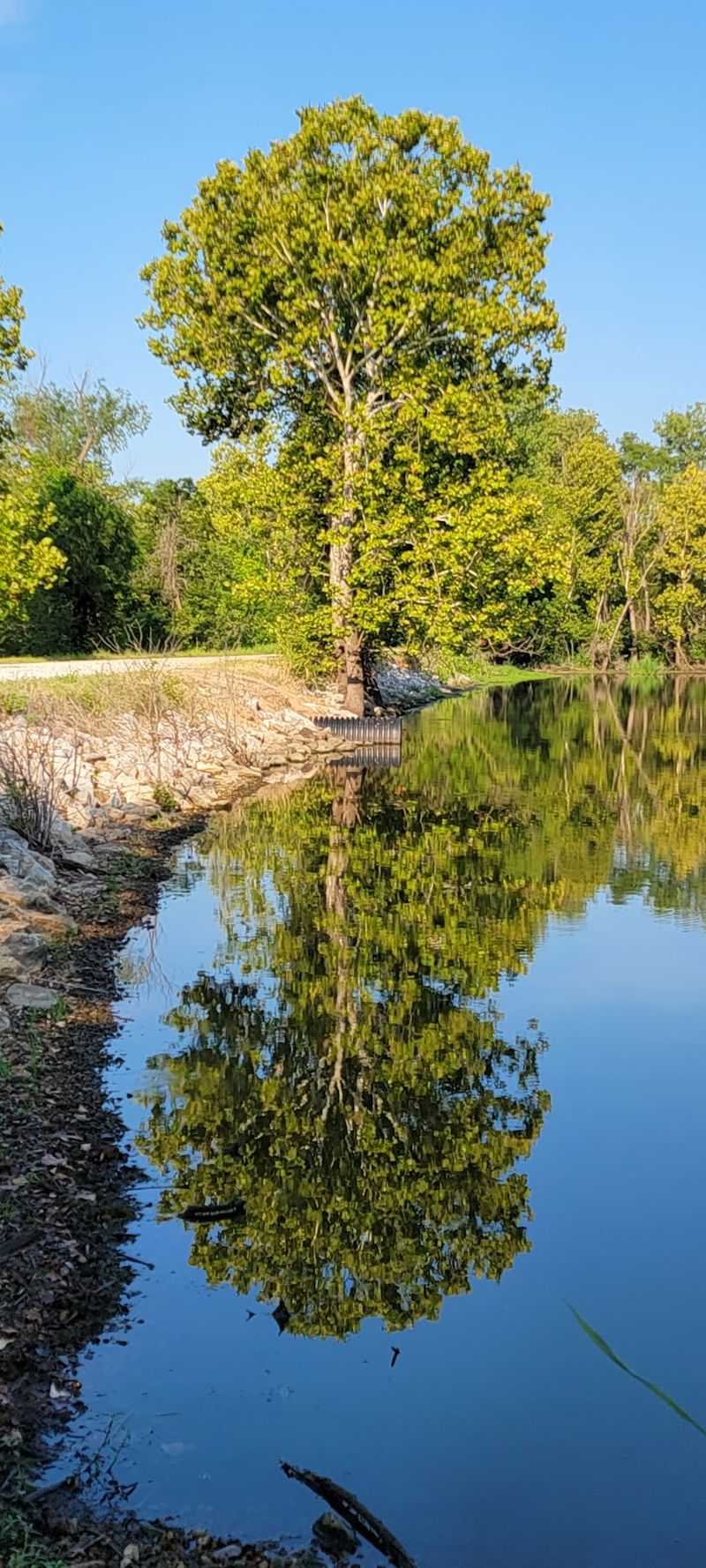
Normal trees, normal trees, normal trees, then suddenly, fairytale giants. That is how one delighted visitor described the moment the refuge’s huge trees come into view, and it is hard to put it better.
Giant cottonwoods grow here, and they can stop you in your tracks. Their thick trunks and wide branches feel like something out of a storybook.
Standing beneath one makes you feel pleasantly small.
The same visitor said the winding roads getting there are worth it just for that sense of wonder. The trees almost do not seem real, and kids especially tend to stare in amazement.
Cottonwoods love growing near water, which explains why they thrive in this river-and-wetland setting. Their tall crowns also give birds like eagles a fine lookout spot.
Bring a camera and try photographing someone standing at the base of a big trunk. It is the best way to show friends back home just how massive these trees are.
On breezy days, listen closely. Cottonwood leaves rustle in a soft, steady rhythm that blends with birdsong.
It is one more reason this place feels like a gentle escape from everyday noise.
Deer, Armadillos, and Other Furry Neighbors
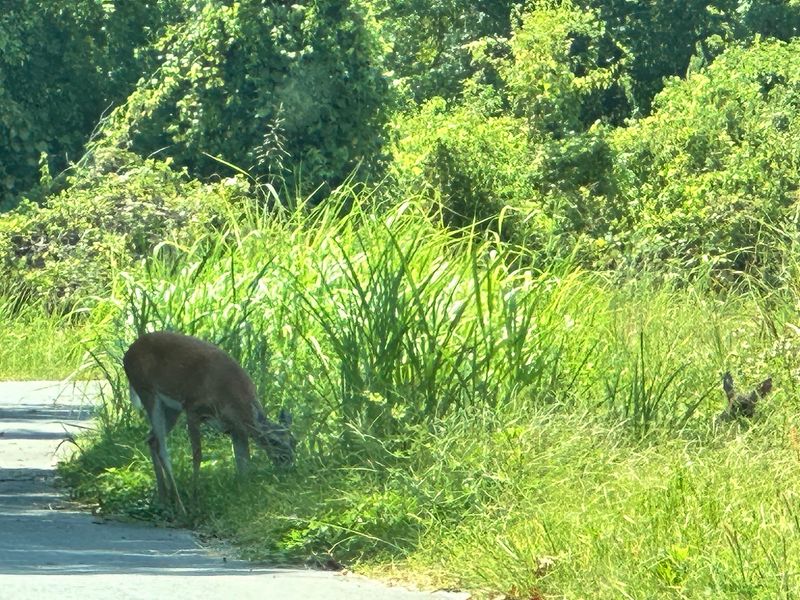
Birds may get the spotlight, but plenty of four-legged locals roam the refuge too. Keep your eyes on the edges of the fields, because something is usually moving.
Visitors report seeing deer, armadillos, skunks, raccoons, and possums. Deer spotting comes up often, especially during quiet drives near dawn or dusk when they step out to graze.
Armadillos are a fun Oklahoma treat. These little armored diggers shuffle through the grass looking for insects, and they can be surprisingly bold.
Kids usually find them hilarious.
One guest summed it up simply: you usually see some kind of wildlife. Another said there is wildlife everywhere, making it a good place to bring the whole family.
Remember that these are wild animals. Watch from a safe distance, never feed them, and give skunks an extra wide berth for obvious reasons.
Driving slowly also protects animals that might dart across the gravel road.
Fun fact: armadillos almost always give birth to four identical babies at once. Keep that in your back pocket for a car ride trivia moment.
Little discoveries like that make every sighting a bit more memorable and help young explorers fall in love with nature.
Paddling, Fishing, and Sally Jones Lake
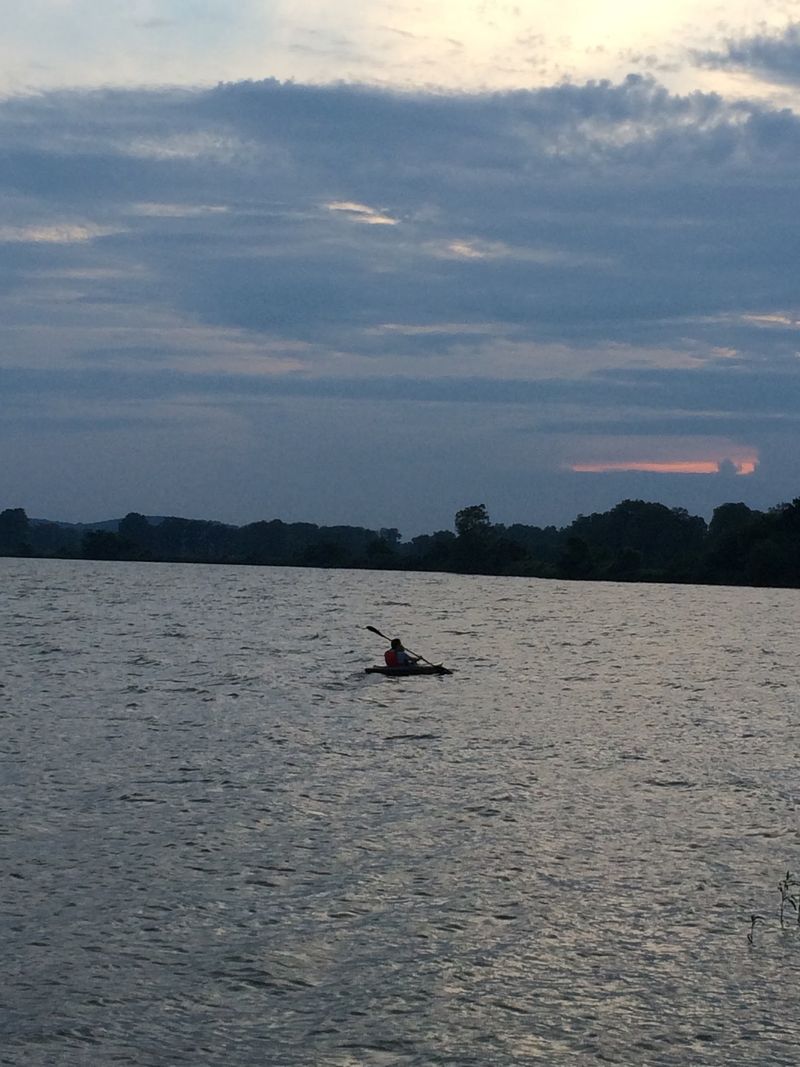
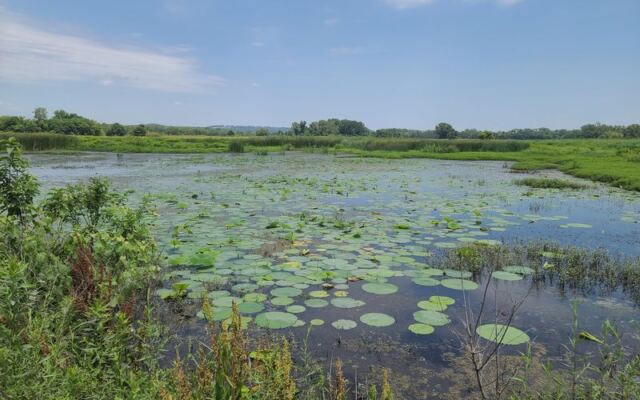
Kayaking for several miles with an elementary-age daughter sounds like a dream day, and one visitor did exactly that on the river here. Her daughter loved the tire-sized lily pads and searching for treasures washed up along the shore.
Water is a huge part of the refuge’s charm. Visitors mention two boat ramps for launching onto the river and one area for launching onto the south side of Sally Jones Lake.
Anglers feel right at home. People talk about fishing from the bank and from boats, and one guest called it a great, very clean place to fish.
Others noted that a game warden is often around, which helps keep things orderly.
Plans can shift, though. One visitor was disappointed to find a boat ramp closed during their trip, so it helps to call ahead at 918-773-5251 before hauling a boat out.
Bring sun protection, plenty of water, and a sense of curiosity. Paddling quietly lets you sneak up on birds and turtles in a way that cars and trails cannot match.
Out on the water, the whole refuge seems to slow down and open up around you.
Sunsets, Silence, and Summer Sounds
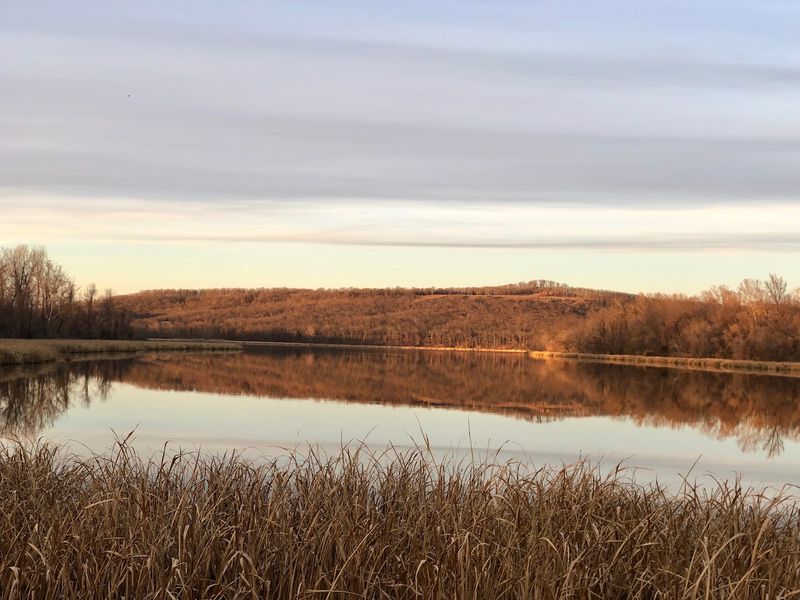
Birds, frogs, crickets, bees, and the flutter of dragonfly wings zipping past your ear. One visitor listed every sound she heard, calling the refuge so peaceful that she wished she could visit daily.
That calm is the real secret here. With no crowds, the natural soundtrack takes over.
Guests describe it as secluded and beautiful, a place where fresh air and quiet come standard.
Sunset is a favorite time for many. One visitor finally timed a drive to watch the sun go down over the refuge and came away with lovely photos.
The fading light paints the water and fields in warm colors.
Summer, however, brings serious heat. The same visitor who loved the sounds admitted the direct sun felt like a whole different kind of heat.
Another noticed that hot days kept much of the wildlife out of sight.
Plan around the temperature. Early mornings and evenings are cooler, calmer, and usually livelier for wildlife.
Pack water, a hat, and bug spray for warm months. Then find a spot, sit still, and simply listen.
It might become your favorite part of the whole trip.
Practical Notes Before You Head Out
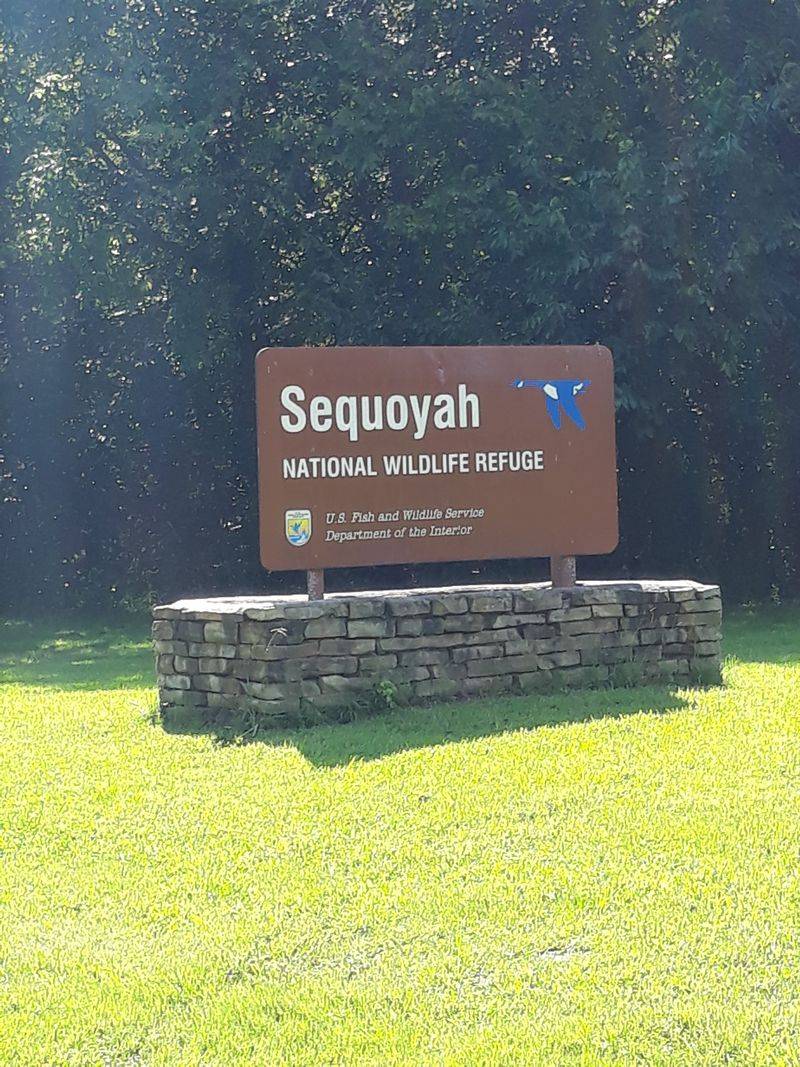
A little planning goes a long way at a place this big. Here are the basics worth knowing before you load up the car.
The refuge sits at 107993 S 4520 Rd in Vian, Oklahoma. One visitor admitted getting a bit lost on the roads before finding the way out, so download a map or save directions ahead of time.
Call 918-773-5251 or visit fws.gov/refuge/sequoyah for current updates. One guest arrived to find the visitor center closed, which is a good reason to check first.
Hunting is part of how the refuge is managed. A longtime visitor suggested checking the calendar so you know if youth hunts are scheduled during your trip.
Another visitor felt the hunting focus was surprising for a refuge, so it helps to know what to expect.
Restrooms are available, and one guest described them as fairly clean. Still, bring your own water, snacks, and sunscreen, since services are limited out here.
Wear closed-toe shoes, pack binoculars, and keep a full tank of gas. Once you settle in, you will not want to leave early just to find a station.
Why the Eagles Keep Winning Over Visitors
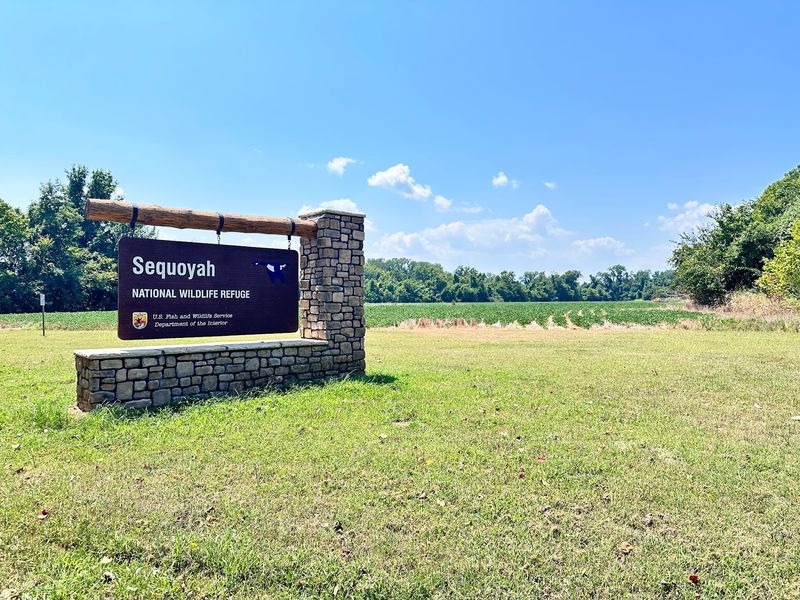
Some places shout for attention. Sequoyah National Wildlife Refuge just waits quietly, letting eagles, geese, and giant cottonwoods make the case for it.
The appeal is easy to understand. You get flat, easy roads, paved paths for all abilities, water for paddling and fishing, and a deep tie to Oklahoma history.
Most of all, you get space and quiet that feel harder to find every year.
It will not be thrilling every single minute. Wildlife can hide on hot afternoons, and some drives turn up very little.
That is part of the deal with real, wild places.
Still, the people who love it tend to love it a lot. Visitors call it a gem, a haven, and a place worth coming back to with a better camera.
Many leave already planning their next trip for fall or winter.
Birders, families, photographers, anglers, and anyone craving a slow afternoon will find something here. Go in cooler months for the best eagle and waterfowl action, bring patience, and keep your eyes on the treetops.
The crowds may never show up. Honestly, that is exactly what makes it so special.
Share this story