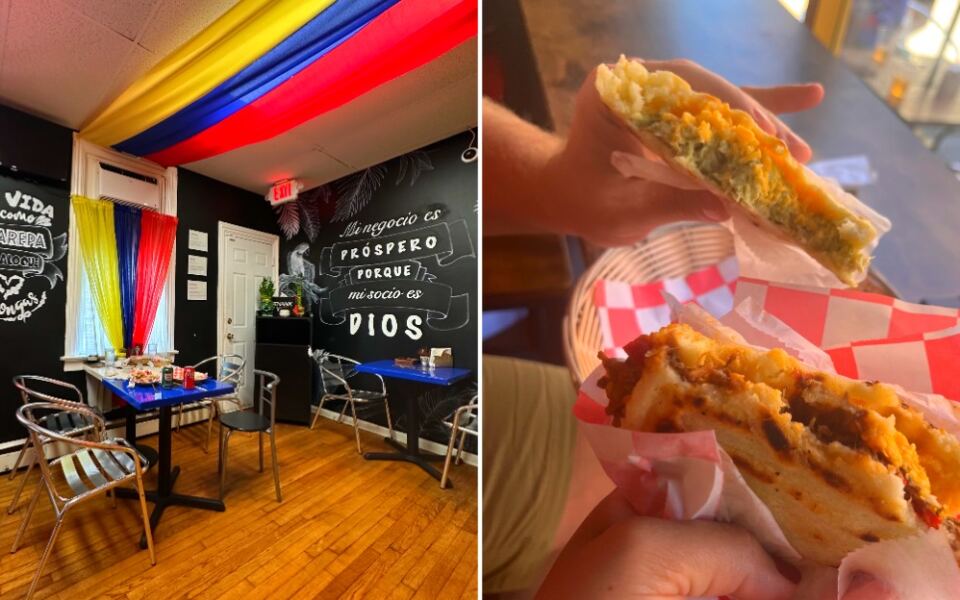
A restaurant just steps from Pennsylvania’s State Capitol serves one of Venezuela’s most popular foods: arepas stuffed with shredded beef, chicken, avocado, cheese, and other fillings.
Arepa House, located on North Second Street in Harrisburg, specializes in these corn cakes, including the famous reina pepiada filled with chicken, avocado, and mayo. You can even order an arepa inspired by pabellón criollo, Venezuela’s national dish.
The menu goes beyond arepas. Sweet corn cachapas with beef and cheese, fried tequeños, empanadas, and tres leches cake give visitors plenty of reasons to try something different.
The restaurant also opens early on several weekdays, making it an option for breakfast or lunch near the Capitol. Here’s what makes this small Venezuelan restaurant stand out.
A Venezuelan Kitchen Steps From the Capitol
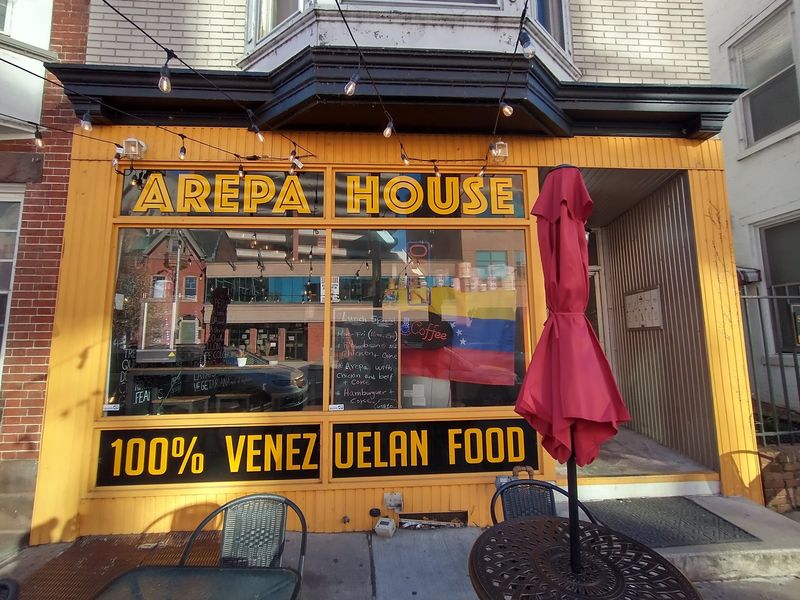
North Second Street in downtown Harrisburg holds plenty of offices and old brick buildings. Among them sits Arepa House, a restaurant devoted to Venezuelan food.
You’ll find it at 404 N 2nd St, Harrisburg, PA 17101, in the United States.
The location matters more than you might guess. It sits very close to the Pennsylvania State Capitol and near the UPMC medical campus.
That makes it an easy stop for workers on lunch break, tourists exploring the Capitol grounds, and anyone passing through the city.
The star here is right in the name. An arepa is a round cake made from corn flour, cooked until the outside turns golden.
Cooks split it open and pack it with fillings, a bit like a pocket sandwich.
In Venezuela, people eat arepas at breakfast, lunch, and dinner. They are everyday food, the kind families make at home without a second thought.
I find it interesting that a downtown block in central Pennsylvania now offers that same daily staple. You don’t need a passport to taste it, just a free lunch hour.
Before ordering, though, it helps to know which filling carries a story worth hearing.
The Curvy Queen With a Famous Backstory
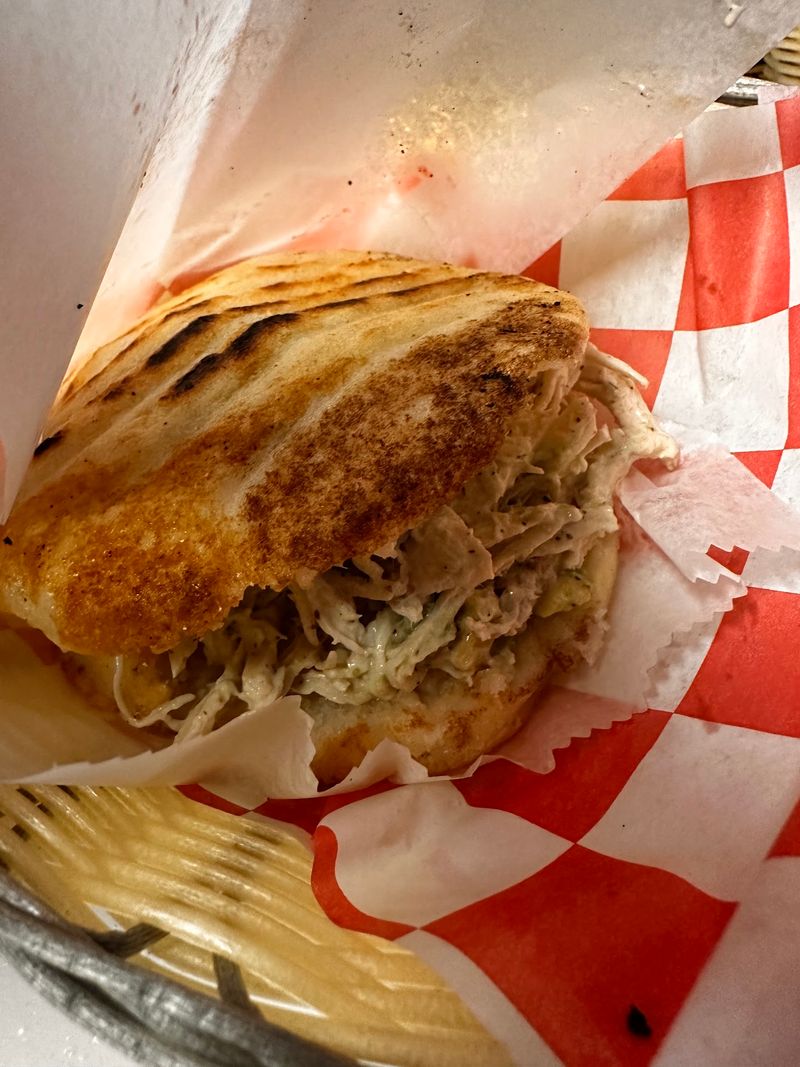
Few sandwiches get named after a beauty queen. The reina pepiada can make that claim.
Its name is often linked to Susana Duijm, the Venezuelan woman who won Miss World in 1955.
The phrase loosely means the curvy queen. It became one of the most loved arepa fillings in Venezuela, and it still holds that spot today.
At Arepa House, the reina pepiada comes filled with chicken, mayo, and avocado. Together they make a creamy chicken salad tucked inside the warm corn cake.
It’s a filling many first-timers choose because the ingredients feel familiar.
I like recommending it to cautious eaters. Chicken salad is something most Americans already know, so the arepa itself becomes the new part of the meal.
A quick tip helps here. Arepas can be eaten by hand, but a napkin or two nearby is wise with creamy fillings.
The avocado mix tends to want an escape route.
Once you’ve met the queen, you might want something heartier. Venezuela’s national dish shows up on this menu in more than one form, and it brings a lot more to the table.
Pabellon Gets the Arepa Treatment
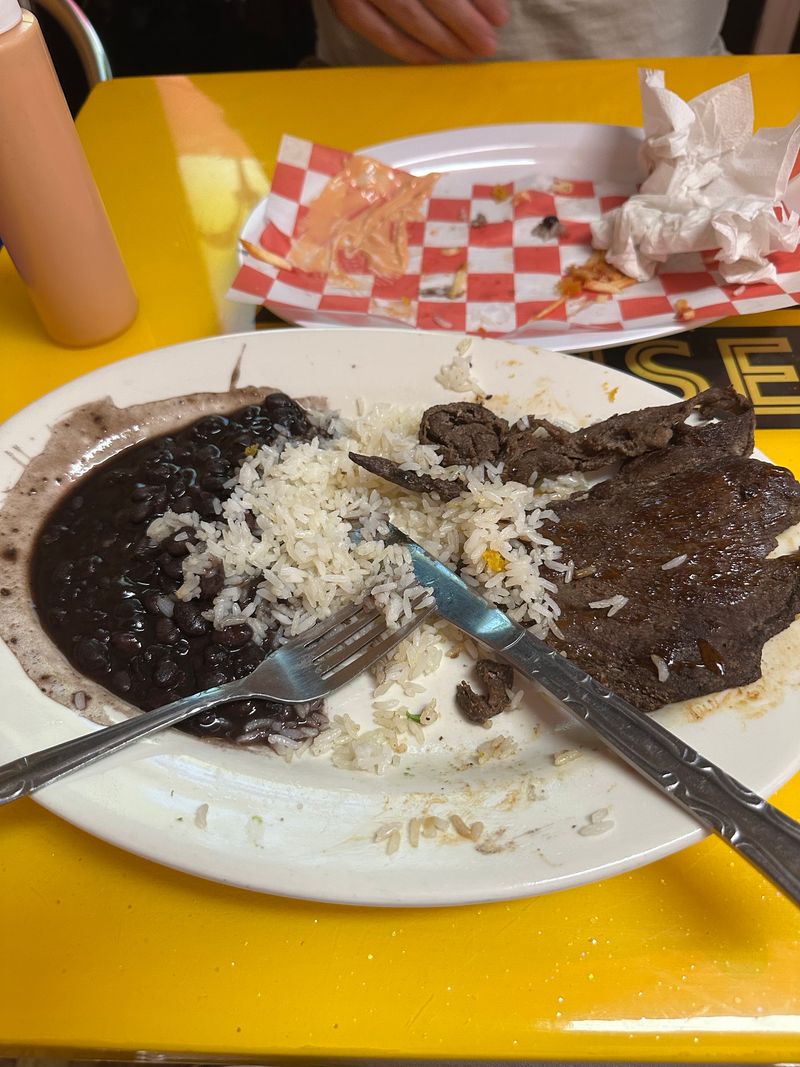
Shredded beef, black beans, white rice, and sweet plantains form Venezuela’s national dish. It’s called pabellon criollo, and families across the country treat it as a proud classic.
Arepa House serves it two ways. You can order pabellon on a plate, with the components arranged side by side.
Or you can get it stuffed inside an arepa, where the beef, beans, and plantains share one warm pocket.
The plate version suits a sit-down lunch when you have time to linger. The arepa version works well when you need something you can carry back to the office.
Here’s a helpful note for newcomers. The menu doesn’t always describe what goes into pabellon, since many Venezuelan diners already know.
Asking the staff is perfectly fine, and they can walk you through it.
Plantains deserve a quick explanation too. They look like bananas but are cooked before eating.
When ripe and fried, they turn soft and sweet, which pairs nicely with savory beef.
I would start with the arepa version on a first visit. It gives you the national dish and the restaurant’s specialty in one order, which feels like efficient sightseeing.
Fillings Range From Garden to Ocean
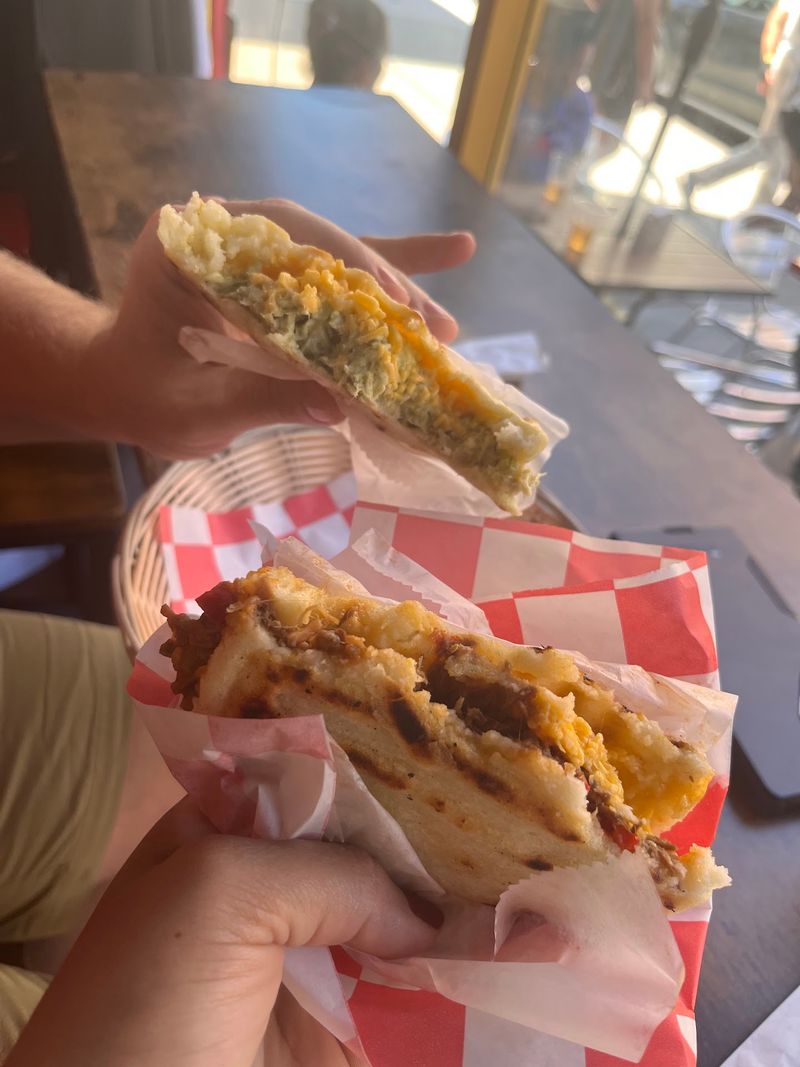
Picking an arepa here feels a bit like choosing ice cream flavors. The options cover vegetarian fillings, seafood, beef, chicken, and pork.
That spread means a group with very different tastes can all order from the same menu.
Seafood fans can look for the Rompe Colchon. The name is a playful Venezuelan phrase, and the filling features seafood.
It’s not something you see on many Pennsylvania menus.
The La Paisa is another choice worth spotting. It joins the beef, pork, and chicken options for people who want a meaty meal.
Vegetarians aren’t stuck with a sad side salad either. Meatless arepas sit right on the menu, and plantains, beans, and cheese make satisfying fillings.
Since arepas are made from corn flour, they draw diners who avoid wheat. Anyone with serious gluten concerns should still ask about kitchen practices before ordering.
My advice is simple. Order two different arepas and split them with a friend.
You’ll cover more ground and figure out your favorite faster.
Arepas aren’t the only corn creation in the kitchen, though. A sweeter cousin is waiting.
Cachapas Bring a Sweet Corn Surprise
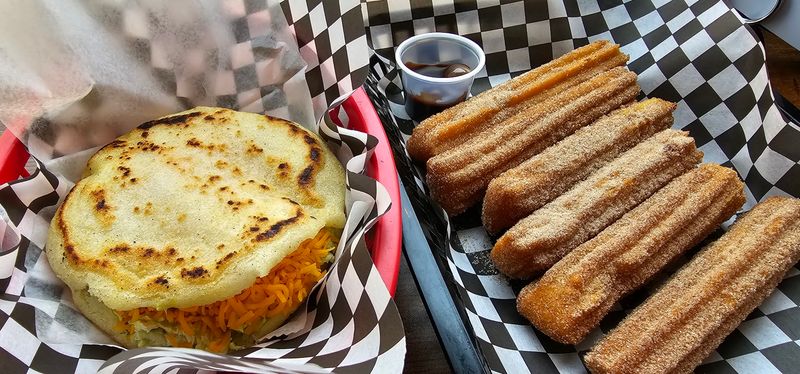
Sweet corn and salty cheese sound like an odd couple until you try them together. That pairing is the heart of the cachapa, another Venezuelan favorite on the menu at Arepa House.
A cachapa is a pancake made from fresh corn. It’s softer and sweeter than an arepa, and it often comes folded over a filling.
Cheese is the classic partner.
The restaurant offers a Cachapa Carne y Queso, which means beef and cheese. The slightly sweet corn helps balance the salty cheese and savory meat.
If arepas are the everyday bread of Venezuela, cachapas feel more like a treat. Roadside stands across the country are known for selling them.
I’d suggest a cachapa for anyone who loves corn on the cob in summer. That same sweet flavor carries into the pancake, just in a heartier form.
They can be filling, so consider sharing if you also plan to order arepas. Your stomach has limits, even if your curiosity doesn’t.
And you’ll want room for the small fried bites coming next. They have a habit of disappearing from the table quickly.
Tequenos, Empanadas, and Other Snackable Sides
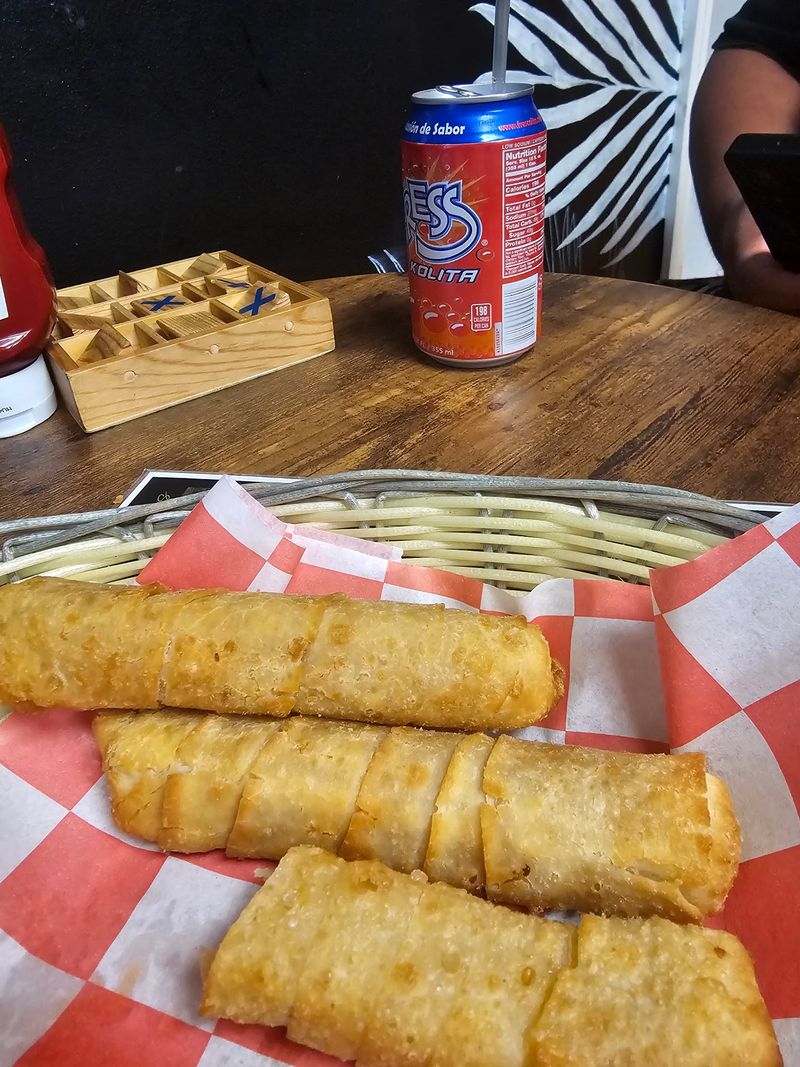
Cheese wrapped in dough and fried until golden is hard to argue with. In Venezuela, these sticks are called tequenos, and they show up at birthday parties and family gatherings all the time.
Arepa House serves tequenos as a starter. There’s also a guava version, which adds a fruity sweetness to the cheese.
It’s a fun twist for people who like sweet and salty together.
Empanadas are another big part of the menu. These folded, filled turnovers make a great add-on or a light meal by themselves.
They travel well, which helps if you’re ordering to go.
Yuca fries are worth a look too. Yuca is a starchy root vegetable, and when fried it becomes a sturdy cousin of the french fry.
Don’t skip the sauces. Meals often come with dipping sauces, including a garlic sauce that pairs well with fried bites.
I like the idea of building a small sampler from these sides. A few tequenos, an empanada, and some yuca can turn into a full tasting tour.
Early risers have their own reason to show up, though.
Breakfast Starts Early on Weekdays
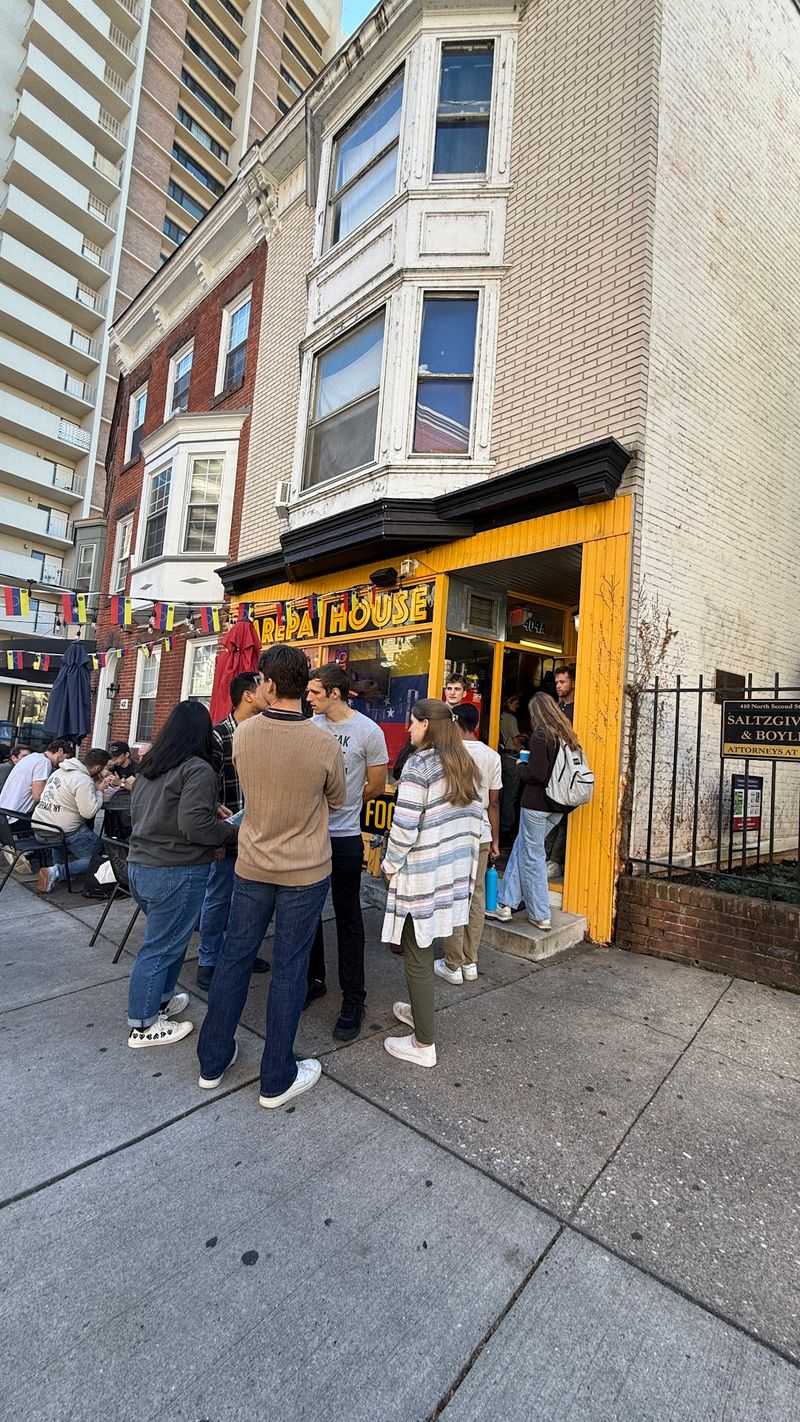
Most downtown lunch spots stay dark until late morning. Arepa House opens its doors at 7 AM Monday through Thursday, which makes it a handy breakfast stop for commuters.
That early start fits Venezuelan habits nicely. Back home, arepas are a classic morning meal, eaten before school or work.
The menu includes breakfast arepas, giving early visitors a warm option before heading into the office. Coffee is available too, so you can grab a cup alongside your corn cake.
Weekend hours shift a little later. Friday and Saturday doors open at 9 AM, and Sunday starts at 10 AM.
Hours can change, so checking the restaurant’s listing before you go is smart.
Evenings work too. The kitchen generally stays open until 8 PM on most days and later on Fridays and Saturdays.
I find breakfast the most interesting time to try an arepa. Eating one in the morning feels closer to how many Venezuelans actually enjoy them.
Whatever time you arrive, saving space for something sweet is a good plan. The dessert menu has a cake with a big reputation.
Three Milks and a Few Churros
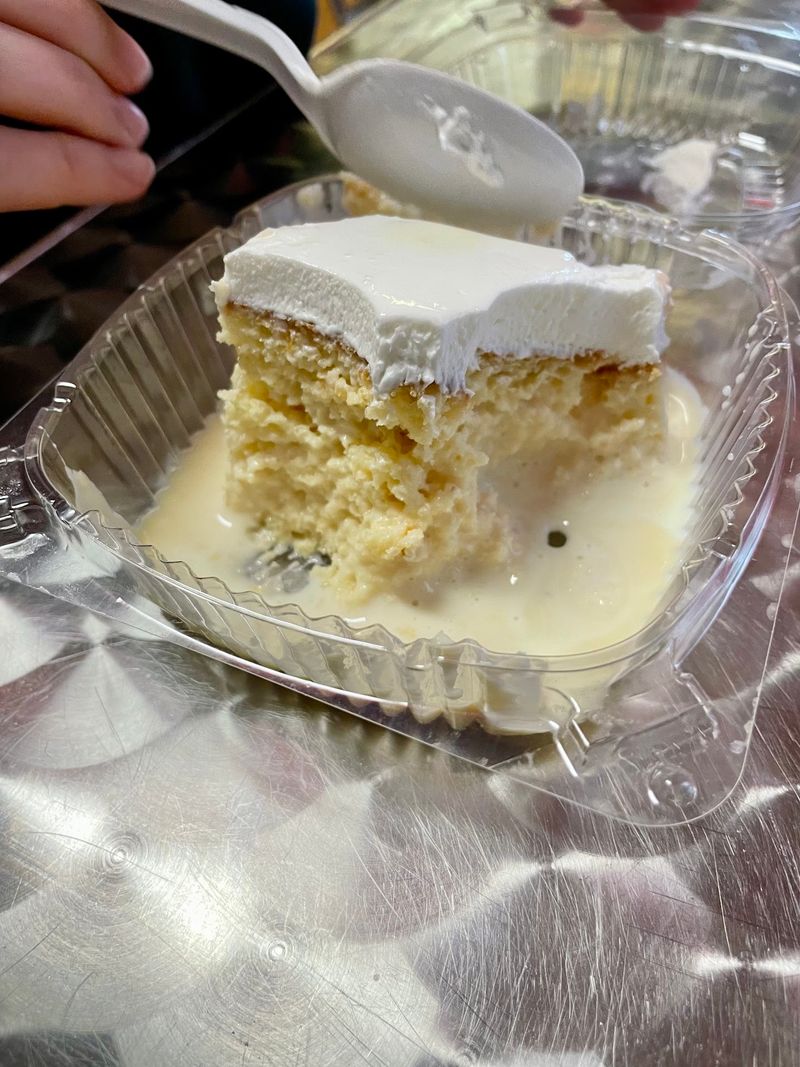
Three kinds of milk go into one cake. That’s the idea behind tres leches, a dessert loved across Latin America.
The cake is a light sponge soaked in a mix of milks, usually evaporated milk, sweetened condensed milk, and cream. It soaks up the liquid without falling apart, and it’s usually topped with something creamy.
Arepa House serves tres leches as one of its desserts. It shows up again and again in conversations about the restaurant, which tells you it’s a dessert people remember.
Churros are on the menu too. These fried dough sticks are coated in sugar and make a good choice for anyone who prefers a crunchy treat over a soft cake.
Here’s a practical idea. If your arepa filled you up, take a slice of tres leches home.
It keeps well in the fridge and makes a pleasant late-night snack.
Drinks can round out the meal too. Chicha, a creamy Venezuelan rice drink, is one choice worth trying if you’ve never had it.
After all that food, you might wonder about the space where you’ll eat it.
A Small Room With Board Games and a Patio
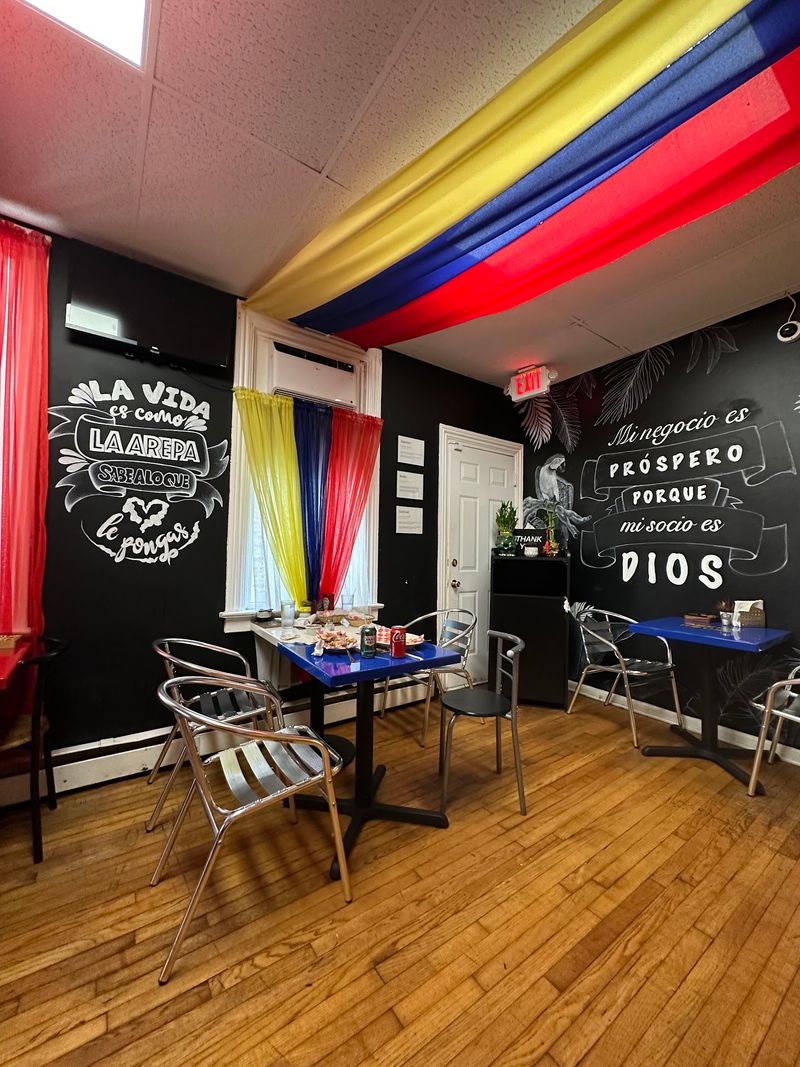
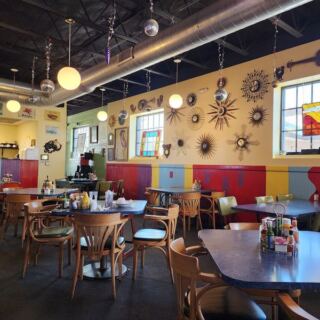
Seating inside Arepa House is limited. The dining room is on the small side, so planning a bit helps, especially around the weekday lunch rush.
There’s good news for nicer days. The restaurant has an outdoor seating area, which adds a few more spots when the weather cooperates.
Inside, a playful detail stands out. Board games have been available for guests, giving people something to do while they wait for food.
It’s a cozy touch for a casual lunch with friends.
Since space is tight, carryout is a smart choice. Arepas, empanadas, and tequenos all travel well, and the Capitol grounds are close by.
Parking downtown usually means finding a spot on the street. Giving yourself a few extra minutes keeps the visit relaxed.
I like the idea of grabbing an order to go and eating outdoors on a mild afternoon. It turns a quick lunch into a short city break.
Small rooms also mean you’re close to the people running the counter. That brings up one more helpful thing to know before you order.
Ask Questions and Order Like a First-Timer
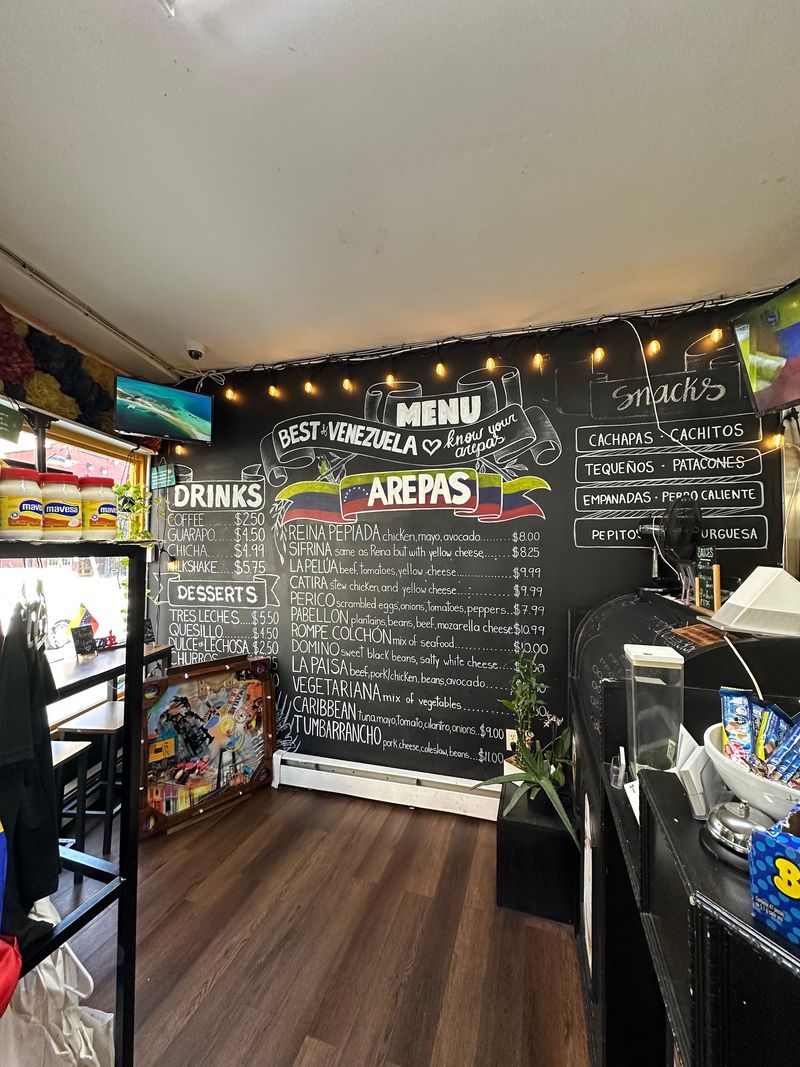
Pronouncing cachapa or tequeno for the first time can feel a little awkward. Nobody at the counter expects perfection, and asking for help is part of the fun.
Staff members at Arepa House can guide newcomers through the menu. They can explain what’s inside a dish and suggest a good starting point if you feel unsure.
That help matters here. Some dish names, like pabellon, may not list every ingredient on the menu.
A quick question clears it up before you commit.
Feeling bold? Try something you can’t pronounce yet.
A cachapa or a seafood arepa makes a great story for later.
Feeling cautious? The reina pepiada or a beef and cheese option keeps things familiar while still introducing Venezuelan flavors.
I’d pair one arepa with a shared side, then finish with tres leches. That combination gives a solid snapshot of what the kitchen does well.
Bring an open mind more than anything else. Arepas reward curiosity, and every filling teaches you a little more about a country thousands of miles from Pennsylvania.
The arepa you start with might not be the one you return for.
Share this story