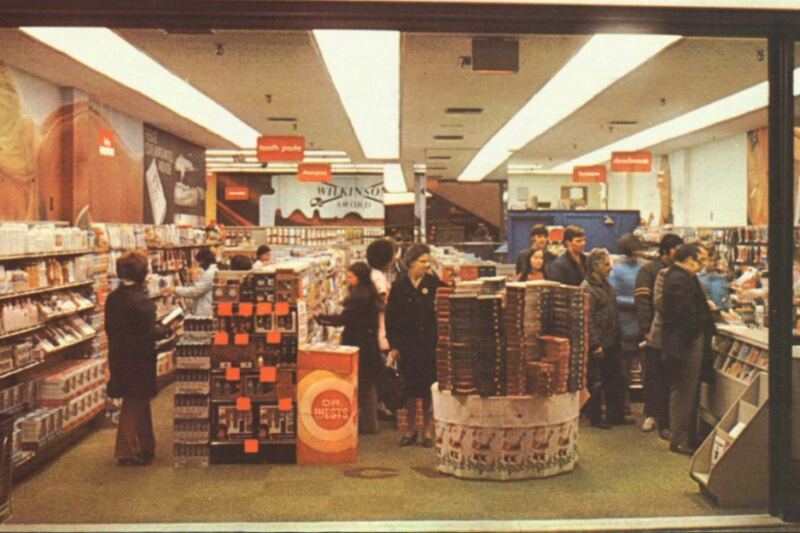
Every generation grows up with its own routines, and some of them look pretty odd to the people who come next. Boomers learned to dress up, write letters, plan evenings around TV schedules, and keep a checkbook handy.
Gen Z grew up with smartphones, streaming, and instant messages, so many of those habits feel slower or less necessary. Still, the story is not as simple as old versus new.
Some traditions are fading, some are changing shape, and a few are even making a comeback. This list looks at 21 everyday habits, explains why younger people see them differently, and shares a few surprises along the way.
You might spot a habit you still love, or one you quietly dropped years ago.
Formal Dress Codes

Suits once spoke before a person ever opened their mouth. For Boomers, dressing up was a basic sign of respect, and certain events came with unwritten rules about what to wear.
Gen Z has loosened those expectations. Comfort, personal style, and individuality often count for more than a rigid dress code.
Remote and hybrid work has blurred the line between professional and casual clothing, too, so a sweater on a video call hardly raises eyebrows anymore.
That does not mean younger people refuse to dress up. Many love a sharp outfit for the right moment.
They simply question why one particular look should decide whether someone seems professional or respectable.
The big change is the reason behind the outfit. Instead of wearing something because the rules say so, many younger folks ask what fits the setting, the weather, and their own personality, then pick clothes that work for all three.
Handwritten Letters

Getting a handwritten letter used to feel like a small event. Writing one took time, paper, postage, and a good deal of patience, so every page carried effort.
Today, communication happens in seconds. Texts, messaging apps, email, and social media make waiting days for a reply seem impractical to many younger people.
When a quick question can be answered before the kettle boils, a stamp feels like a long detour.
Handwritten correspondence has not vanished, though its job has changed. It is now saved for sentimental moments such as birthdays, farewells, and thank-yous rather than everyday chatter.
That shift makes a letter feel more like a keepsake than a necessity. A message in someone’s own handwriting can be tucked in a drawer and found years later, which is something a text thread rarely manages.
Gen Z may not write often, but a letter still stands out.
Cable Television

Evenings used to revolve around the TV guide. Boomer families planned dinner, homework, and bedtime around favorite programs, often watching the same shows at the same moment as millions of other homes.
Gen Z grew up expecting entertainment to be ready whenever they want it. Streaming platforms, YouTube, and short-form video have replaced much of the scheduled-TV experience, and a full cable package can seem like paying for channels nobody opens.
The biggest difference may be control. Younger viewers generally expect to choose what they watch, where they watch it, and when they press play.
Waiting until 8 p.m. because a network decided that was the right time for a show feels increasingly foreign. Live events like sports finals and big awards shows still pull people together, but the daily habit of sitting down on the network’s schedule has faded quickly for younger households.
Calling Someone on the Phone

A ringing phone used to be the fastest, most natural way to reach a friend. Pick up, say hello, and the conversation was underway.
For many younger adults, an unexpected call can feel surprisingly intrusive. They often prefer a text first, especially when the topic is not urgent, because it lets them reply when the timing suits them.
Gen Z has not given up on the phone entirely. A 2025 multigenerational employment survey found that phone calls remained a popular way for Gen Z job seekers to hear from employers, although Gen Z showed far more interest in texting than older generations did.
The real shift is toward choosing the method that fits the moment. A quick text works for a simple question, while a call or video chat might be saved for big news or a complicated talk.
The habit that has faded is calling automatically, without a heads-up.
Traditional Weddings

The large, highly structured wedding has hardly disappeared, but younger couples are growing comfortable rewriting the rules.
Gen Z couples are trying smaller guest lists, unusual venues, fewer wedding-party members, and ceremonies that show off personality over tradition. The Knot reports that personalization has become especially important among Gen Z couples, with many looking beyond standard wedding conventions.
Timing is shifting as well. In the United States, the median age at first marriage reached 30.8 for men and 28.4 for women in 2025, compared with 23.5 and 21.1 in 1975.
That later start often means couples have their own homes, careers, and ideas about money before they plan a ceremony. Instead of following a checklist handed down by older relatives, many build a day around what they actually enjoy.
The wedding still matters, but the script has more room for improvisation.
Home Phone Lines
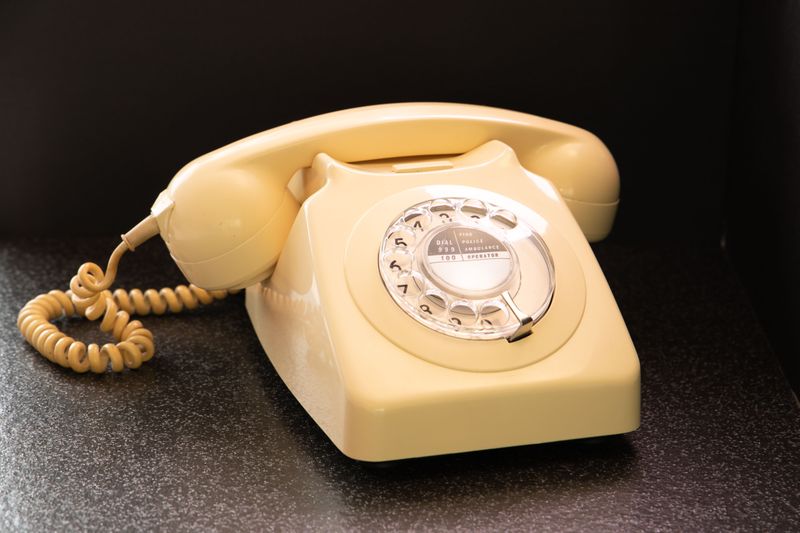
One number once connected an entire household. Whoever happened to be nearest the phone answered it, and everyone learned to say hello politely to unknown callers.
Smartphones made that setup largely unnecessary for younger homes. Each person can have a private number, voicemail, messaging, video calls, and internet access in one device that fits in a pocket.
For Boomers, the home phone can still stand for reliability and familiarity. It keeps working in many situations and does not need to be charged every night.
For someone who grew up carrying a smartphone everywhere, though, paying for another telephone that stays attached to the house can feel redundant. The monthly bill is one more expense on a tight budget, and most calls to a landline today are from sellers rather than friends.
That is why many young renters never bother to install one.
Paper Newspapers

Picture a breakfast table with the paper unfolded beside the cereal bowls. In millions of homes, people read local stories, checked sports scores, and worked through the crossword before the day began.
Gen Z still consumes news, but the delivery system looks completely different. Stories reach younger readers through websites, apps, social platforms, newsletters, and notifications that pop up all day.
The advantage is speed. A printed newspaper captures events at one moment in time, while digital news can be updated continuously as facts come in.
The downside is that younger readers must sort through a much more scattered information world than earlier generations did. They have to decide which sources to trust, which headlines are worth a click, and which posts are just noise.
The newsprint habit is fading, but the need for reliable reporting has not gone anywhere.
Physical Photo Albums
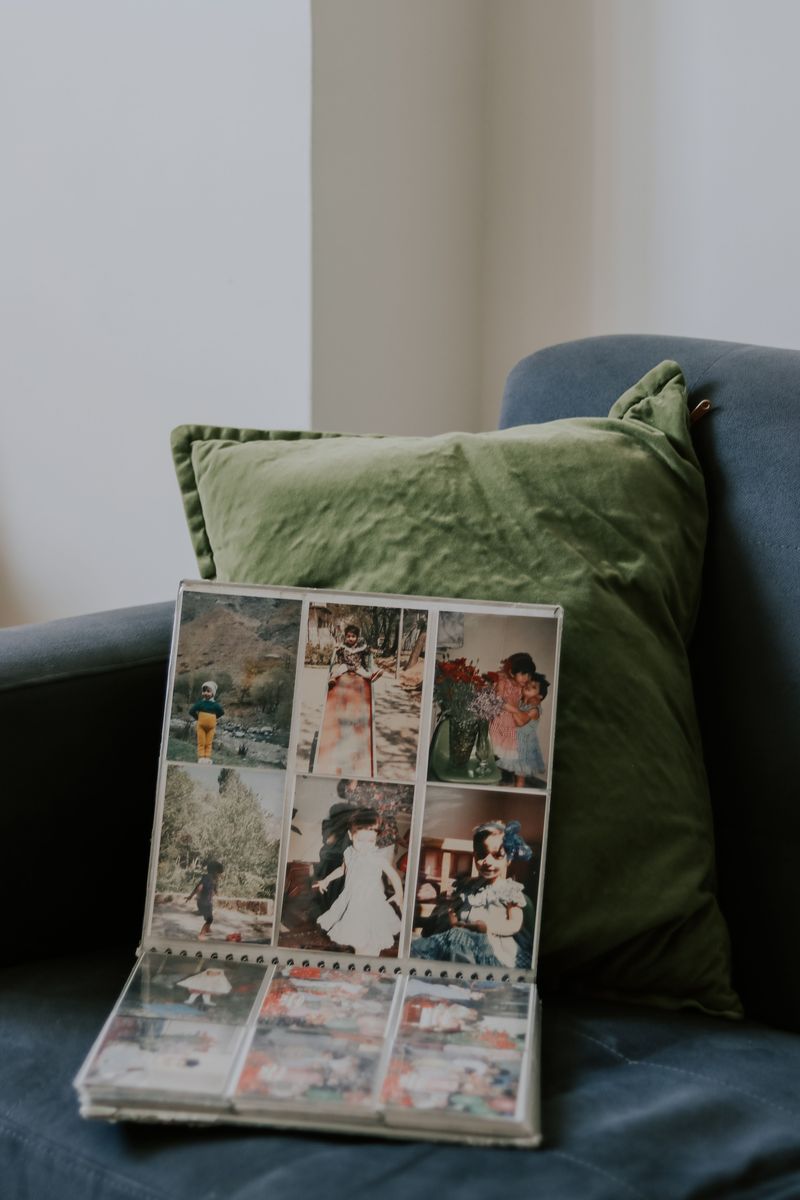
Open an old family album and a whole childhood spills across the pages. Birthdays, vacations, graduations, and weddings were once sorted into neat rows, often with handwritten notes underneath.
Now thousands of photographs can live on one smartphone. Images can be backed up online, shared immediately, and searched by date or face without flipping through dozens of pages.
The tradeoff is emotional. Digital storage is enormously convenient, but scrolling through a phone does not always feel the same as discovering a dusty album in a closet.
Gen Z may take more photographs than earlier generations ever could, yet far fewer of those pictures end up printed and arranged in traditional albums. A few people are bringing prints back with small photo books or instant cameras, which suggests the love of holding a memory has not entirely disappeared.
Owning Physical Media

Here is an important correction to the usual story. Streaming has clearly changed how younger people watch movies and listen to music, but Gen Z has not abandoned physical media.
In fact, vinyl has staged an extraordinary comeback among younger buyers. Research published by the Vinyl Alliance found strong enthusiasm for records among Gen Z vinyl fans, with many saying physical music gives them a break from digital life.
CDs, DVDs, and shelves packed with movies may no longer be standard in every home, and Boomers who built big collections may wonder where those shelves went.
Yet physical ownership itself is far from dead. For some Gen Z consumers, it has become a deliberate alternative to endless subscriptions, a way to own something that cannot vanish when a streaming library changes its catalog.
Formal Dining Rooms

Many older homes came with a dining room that sat mostly empty until a holiday arrived. Sunday dinners, special guests, and big celebrations were what the room was built for.
Modern living favors spaces that can do several jobs. A kitchen island might serve as breakfast table, homework station, and workspace, while dining areas blend into kitchens and living rooms.
For younger adults facing expensive housing and smaller floor plans, dedicating an entire room to occasional formal meals can be hard to justify. Every square foot has to earn its keep.
The big family dinner is not disappearing. People still gather, cook, and celebrate together.
The special room reserved only for that purpose is simply less essential, and many Gen Z households happily pull up folding chairs in the living room instead.
Business Cards
Handing over a business card was once almost a ritual. A name, title, phone number, and company logo on a small rectangle of cardstock turned a brief hello into a professional connection.
Today, people can swap LinkedIn profiles, scan QR codes, share contact details by phone, or follow each other online before the conversation ends. The information moves faster and does not get lost in a coat pocket.
Physical cards still have a place at conferences and formal business events, and a well-designed one can leave a good impression.
Still, younger professionals no longer need a stack in their pockets to prove they are serious about networking. A quick scan or a tap on a screen does the same job.
The connection matters more than the card carrying the information, and that idea fits the way Gen Z builds contacts.
Writing Checks

Few traditions show the payment revolution as clearly as the checkbook. Boomers spent decades writing checks for groceries, utilities, rent, and countless other expenses, carefully filling in the amount twice.
Younger consumers entered a world of debit cards, banking apps, instant transfers, and mobile wallets. Paying a friend back now takes a few taps.
Federal Reserve data released in 2026 showed that check payments kept declining in both number and value, while cards accounted for more than three quarters of noncash payments by number in 2024.
Checks have not disappeared. They still turn up for things like rent at some buildings, gifts, and certain official payments.
But for many Gen Z adults, writing one is an occasional task rather than a routine financial skill, and some have to look up how to fill one out.
Collecting Fine China

Once upon a time, a full set of fine china said a household was properly prepared. Complete sets were wedding gifts, family heirlooms, and a quiet marker of adulthood.
Younger generations tend to have different priorities. Smaller living spaces, frequent moves, and more casual entertaining make dozens of delicate plates and cups harder to justify.
Many also dislike pieces that cannot go in the dishwasher.
That does not mean vintage tableware has no audience. Thrift shopping and eclectic home design can give old pieces new life, and a mismatched teacup can look charming on a shelf.
What has changed is the expectation that every adult household should own a matching formal set. For many Gen Z homes, that set would spend most of the year waiting for a special occasion that may never arrive.
Sending Everything Through the Mail
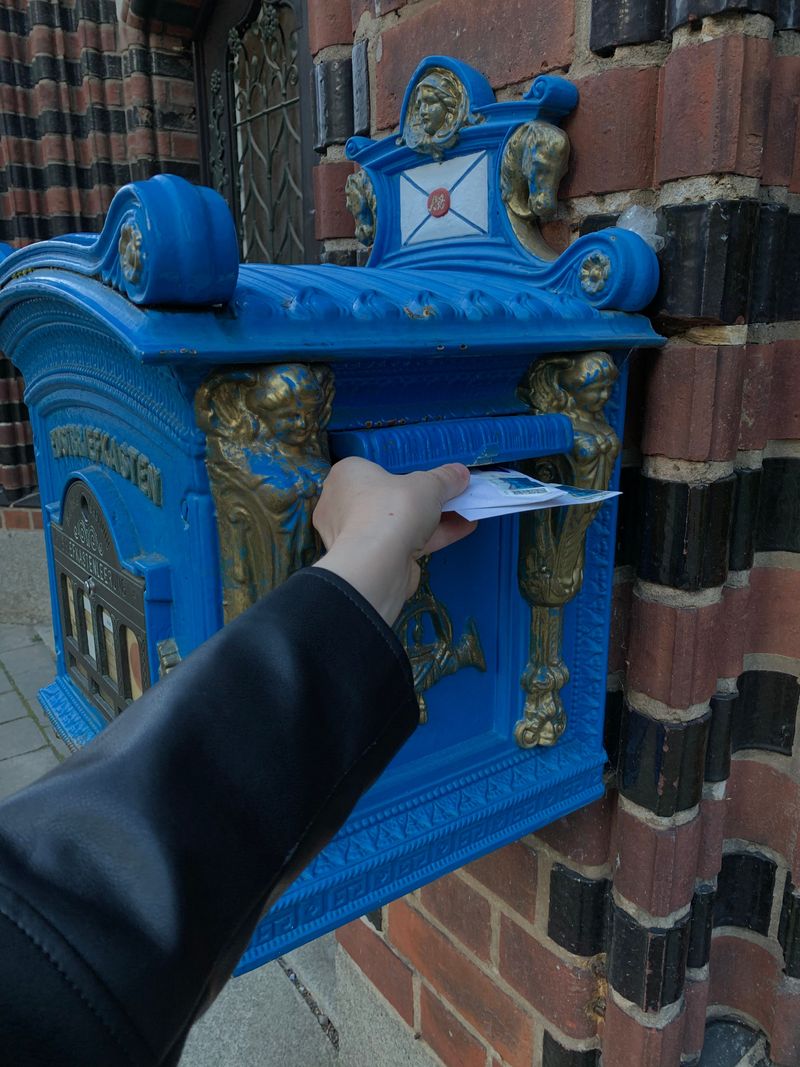
Before email and online accounts, the mailbox carried much more of daily life. Walking to it each afternoon was part of the routine.
Personal letters, bills, invitations, statements, and official notices all arrived on paper. Today, many of those interactions happen digitally, with reminders showing up on a phone screen instead.
Physical mail still matters for packages, important documents, greeting cards, and special occasions. Gen Z simply rarely needs it for ordinary communication.
The result is an interesting reversal. Because personal letters arrive less often, getting one can now feel more meaningful than it did when mail was the default way to communicate.
A card with a real stamp stands out among the usual flyers, which may be why some younger people enjoy sending a few on purpose.
Taking Meeting Minutes by Hand

Detailed handwritten notes once helped organizations keep track of discussions, assignments, and decisions. Someone was always assigned to scribble everything down.
The documentation itself remains important. The method is what is changing.
Shared documents, collaborative platforms, transcription programs, and AI-powered meeting tools can now record and distribute information far faster than one person writing every word. Notes can be searched later, and everyone sees the same version at the same time.
Younger workers entering increasingly digital workplaces are therefore less attached to the physical notebook, not necessarily to the idea of keeping records.
The tradition being displaced is the method, not the accountability. A clear list of who is doing what by when still matters, whether it lives on a legal pad or in a shared online file.
Knitting and Sewing
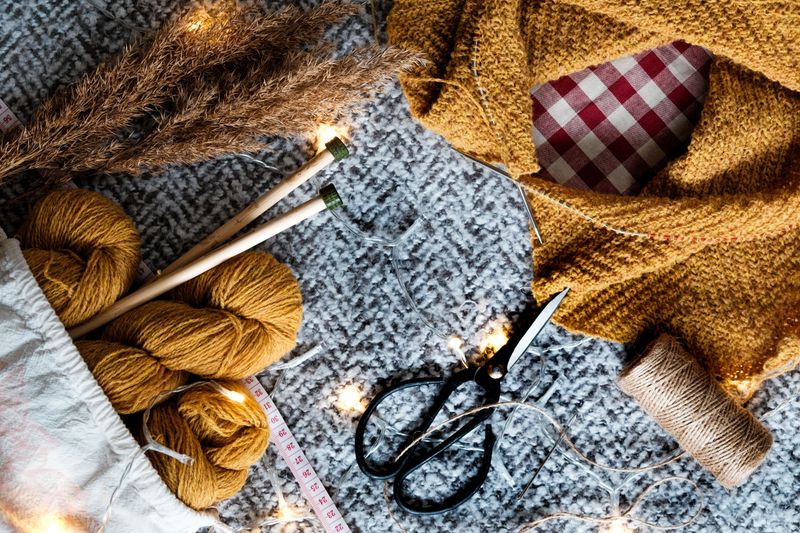
Here is another tradition Gen Z may not be canceling after all.
Sewing was once an everyday household skill rather than a lifestyle hobby. Cheap mass-produced clothing eventually made home sewing less necessary, but younger people are rediscovering textile crafts for completely different reasons.
Sewing, crochet, knitting, and embroidery have gained visibility among Gen Z as creative hobbies, ways to repair or customize thrifted clothing, and methods of taking a break from screens. Reports in 2025 and 2026 described renewed interest in sewing and other textile crafts among younger people.
Instead of being a chore, the needle and thread have become a form of self-expression. A patched jacket or hand-knit scarf tells a story that a store-bought version cannot.
Grandma’s sewing basket may be cooler than anyone expected.
Cursive Handwriting
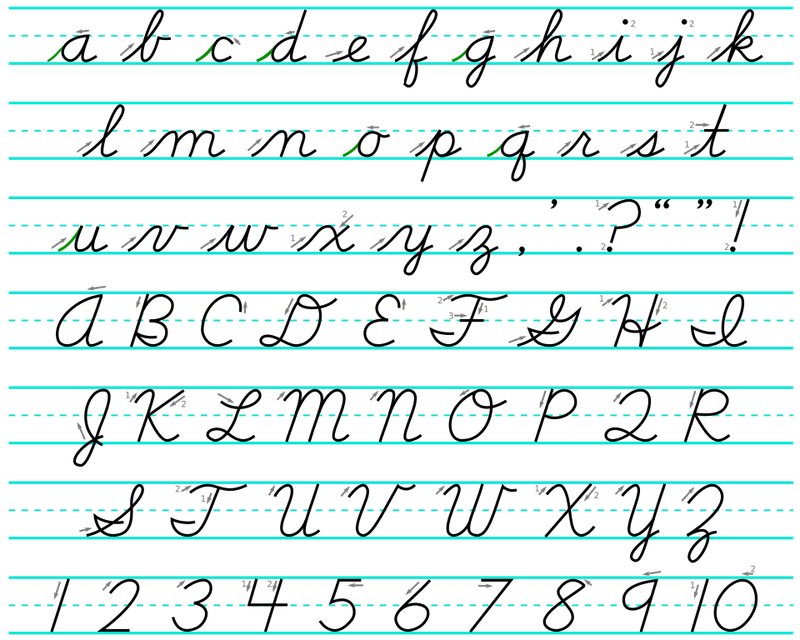
Loops, slants, and carefully connected letters once filled hours of Boomer school days. Neat cursive was treated as a sign of good education.
Gen Z grew up when keyboards and touchscreens had become essential communication tools, so cursive understandably became less central to everyday life. Plenty of young adults only sign their name in it.
Yet reports of cursive’s end are premature. By 2026, 27 U.S. states had laws requiring or encouraging cursive instruction in public schools, according to the National Education Association.
The skill may no longer dominate classrooms the way it once did, but it is enjoying a modest educational comeback. Gen Z did not necessarily kill cursive.
Technology simply changed how often people need it, and some students are now learning it again for reading old documents and personal handwriting.
Formal RSVP Cards
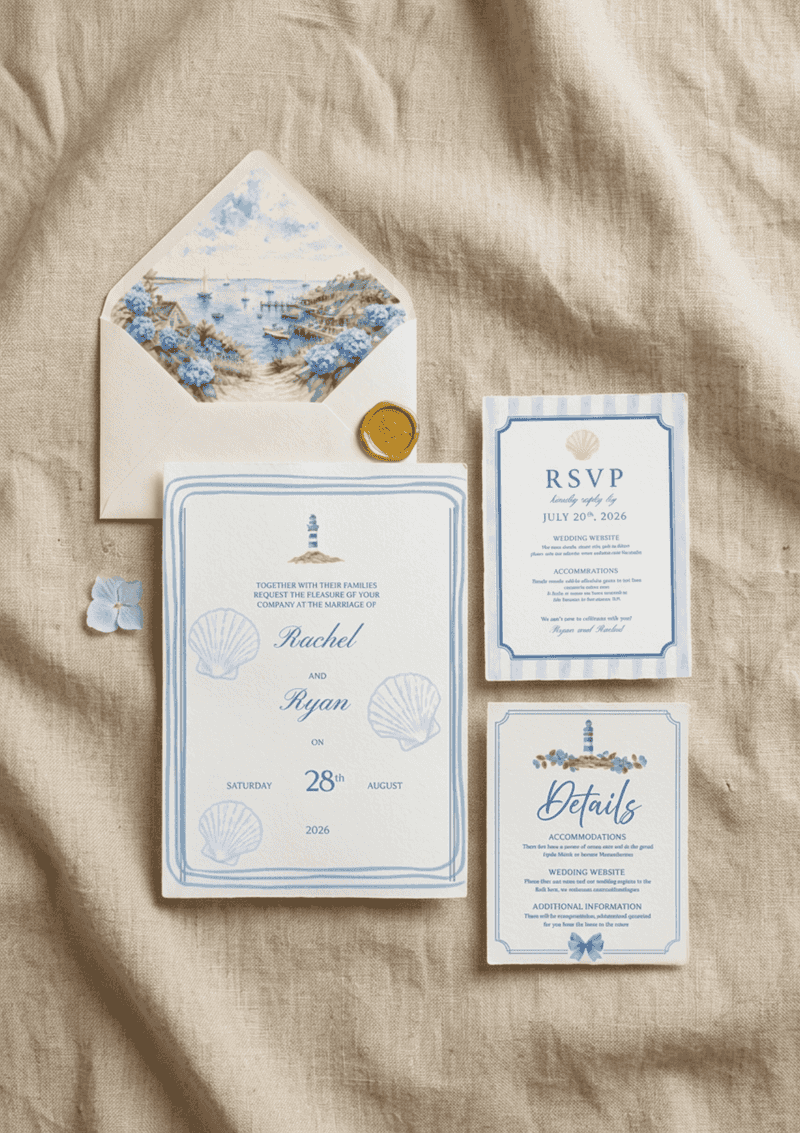
Wedding invitations once came with a tiny response card and a pre-addressed envelope. Guests checked a box, wrote their names, and dropped the card in the mail.
Digital wedding websites and online invitations now collect the same information instantly. No stamps, no hunting for a pen, and no card that gets buried under the mail pile.
They can also update guest lists automatically, gather meal preferences, and send schedule changes without extra postage. Hosts spend less time chasing late replies.
Paper RSVP cards still suit elegant or traditional celebrations, but they no longer hold a monopoly on good etiquette. For younger hosts, replying promptly may matter more than whether the answer travels through the postal system.
A quick online yes or no, sent on time, is often welcome.
Encyclopedias

Rows of matching encyclopedias once stood for a family’s gateway to knowledge. Parents sometimes bought whole sets because they saw them as an investment in education.
Students used them for school projects, and adults settled arguments by flipping to the right volume. The answers were reliable, but each edition was a snapshot of the facts at one moment.
The internet changed that model almost completely. Information can now be searched instantly and updated continuously instead of waiting for a new printed edition.
Encyclopedias still exist, including established publications such as Britannica, but the enormous multivolume set on a living-room bookshelf is no longer the default research tool. For Gen Z, a quick search replaces a trip to the shelf, though checking the source still matters.
Formal Thank-You Notes
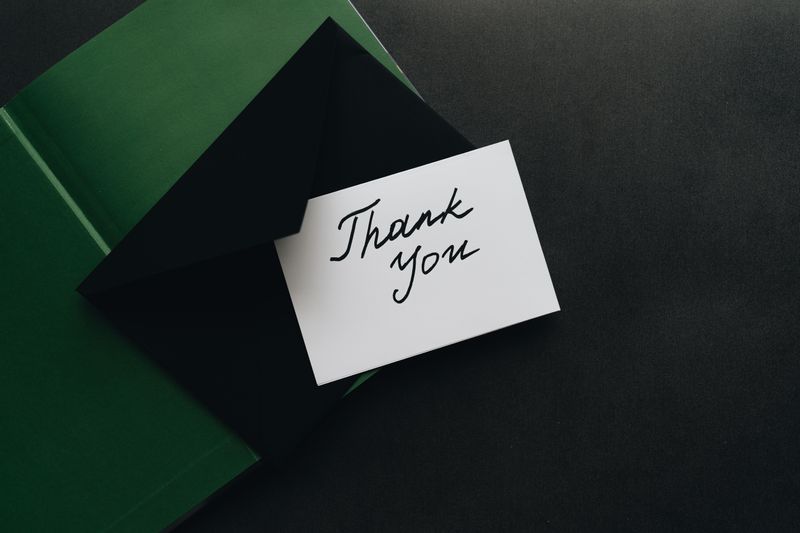
Many Boomers were taught that receiving a gift created one more task: write a thank-you card. Skipping it was considered poor manners.
Gen Z has not rejected gratitude. It has changed the delivery system.
A thoughtful text, voice message, photo, or direct message can arrive moments after someone gives a gift or does a kind favor. To younger people, that immediacy can feel more genuine than waiting several days to mail a card.
Still, handwritten thank-you notes carry a certain emotional weight precisely because they are unusual. For weddings, major gifts, or deeply personal gestures, even digital natives may decide that putting pen to paper says something a text cannot.
The best choice often depends on the gift and the person receiving the thanks.
Traditional Clocks

What time is it? A wall clock once answered that question dozens of times a day.
Today, the answer follows us everywhere. Phones, computers, televisions, cars, smartwatches, and appliances all display the time, often without being asked.
That makes the traditional clock less necessary as a tool.
Yet clocks have not vanished from homes. Vintage alarm clocks, grandfather clocks, and decorative wall clocks can still serve as design pieces or sentimental objects, and some younger people enjoy the retro look.
For Boomers, a clock might have been essential household equipment. For Gen Z, it is more likely to be something chosen because it looks good, has a story, or offers a welcome break from looking at another screen.
Share this story