Remember when a toy needed feeding, a movie meant a trip to the store, and the internet screeched before it worked? The 1990s gave kids a mix of gadgets, fashion, music, and games that still bring smiles today.
This list brings back 18 favorites, from tiny digital pets to colorful school supplies and big pop culture moments. Some of them might make you laugh, and others might send you digging through old boxes in the attic.
Scroll through and see how many you can still picture perfectly.
Tamagotchi Pets
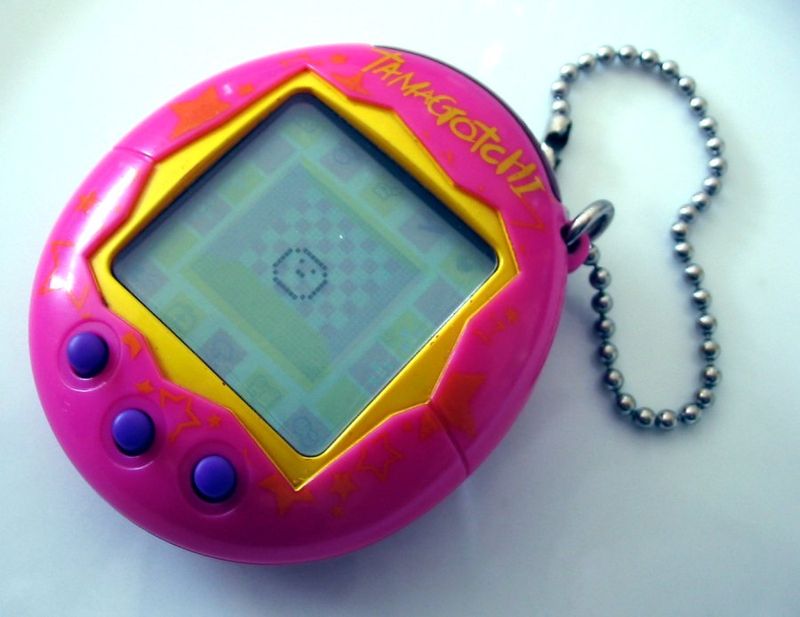
Keeping a tiny digital creature alive suddenly felt like a serious job. Owners had to feed it, play with it, clean up after it, and check on it again and again.
Bandai introduced Tamagotchi in Japan in November 1996, and it quickly spread around the world. The original egg-shaped device had just three buttons and a small screen.
That was plenty to keep millions of kids reaching into their pockets all day long.
Schools had to deal with the beeping, since a hungry pet never picked a good time to ask for attention. Kids compared how long their pets had survived and traded tips on keeping them happy.
The simple design is a big part of the charm. There were no apps, no updates, and no cloud saves.
Just a small screen, a few pixels, and a very demanding little friend that needed you more than any homework assignment ever did.
Blockbuster Video Rentals
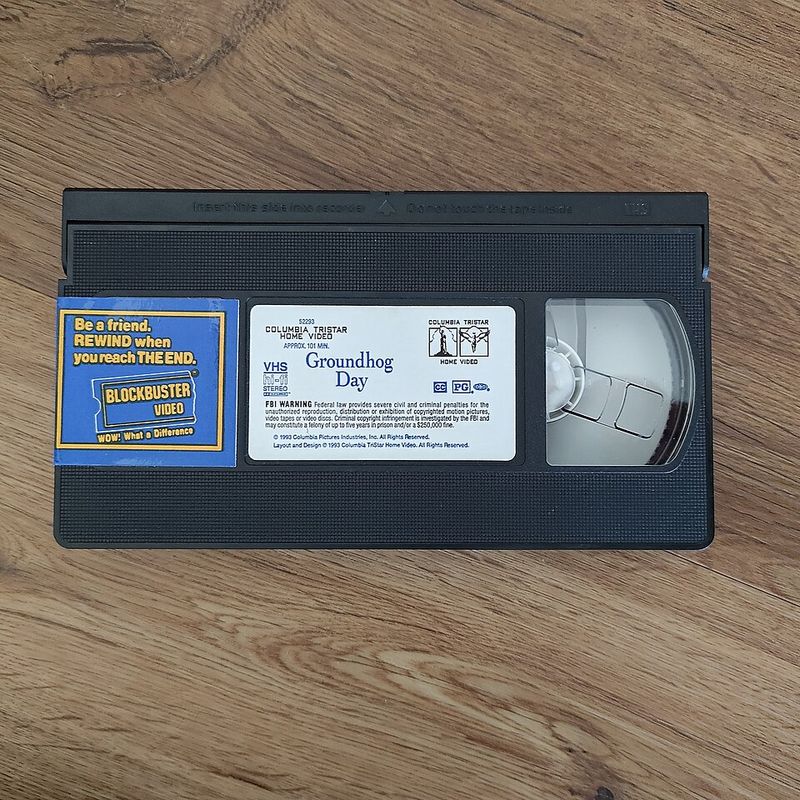
Before streaming offered thousands of movies at once, picking something to watch could mean an actual trip across town. Friday night was the big rental night for many families.
Walking the aisles, studying VHS covers, and debating choices with brothers, sisters, and parents was part of the fun. Sometimes the movie you wanted was already checked out, and the whole plan had to change on the spot.
Then came the ride home, with the tape in a big plastic case and the hope that it would rewind properly. Many people remember the reminder to be kind and rewind.
Choosing the movie was sometimes almost as memorable as watching it. The slow, hands-on process made movie night feel like a real event.
Everyone had a say, and the final pick often took longer than the first twenty minutes of the film itself.
Dial-Up Internet
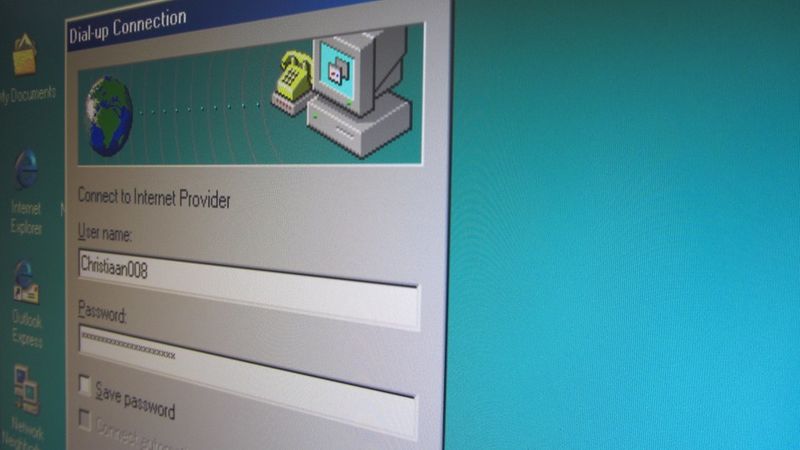
Getting online used to start with a strange chorus of squeals, static, and beeps from a dial-up modem. Once you heard that sound, you knew the internet was slowly coming to life.
Most families shared one telephone line for both calls and web browsing. If someone picked up the phone, the connection could drop, and everyone in the house heard about it.
Many kids learned to shout a warning before dialing out.
Websites loaded slowly, pictures appeared line by line, and downloading a single song could take a very long time. That pace made using the internet feel more deliberate than simply unlocking a smartphone.
People also remember chat rooms, early email accounts, and the thrill of seeing a favorite site finally appear. It took patience, but the reward felt big.
Waiting was simply part of the deal, and almost nobody complained out loud.
Game Boy Craze
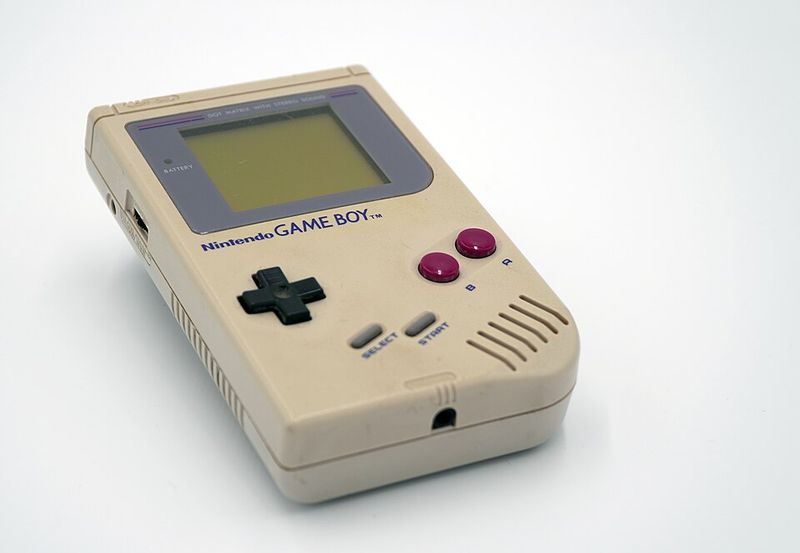
Long car rides got a lot easier when a Game Boy was in the back seat. Kids could stay busy for hours, and parents usually enjoyed the quiet.
Nintendo launched the handheld in the United States in 1989, but it stayed a huge part of gaming culture throughout the 1990s. Tetris helped define its early years.
Later in the decade, Pokémon turned the little gray system into an even bigger social craze.
The monochrome screen looks primitive today, and players often had to find just the right angle under a lamp to see it. Link cables let friends trade and battle, which made the console feel connected before online play was common.
Batteries were another part of the routine. Running out of them in the middle of a level was a small disaster that every kid remembers.
Still, portable gaming felt revolutionary at the time, and many people still keep an old one in a drawer.
Butterfly Hair Clips

A handful of tiny plastic butterflies could turn an ordinary hairstyle into peak ’90s fashion. Few accessories were as easy to spot back then.
The clips came in bright colors, glittery finishes, and countless shapes. They were scattered across braids, twists, buns, or loose hair, and wearing several at once was completely normal.
The more, the better.
They were also cheap, which meant kids could collect a rainbow of them at the mall or the drugstore. Matching a set to an outfit was a small but serious decision before school pictures.
Like many trends from the decade, they faded from everyday fashion after a few years. Then they returned as part of the wider Y2K nostalgia revival, showing up again in stores and on social media.
Anyone who wore them the first time around can probably still remember the tiny pinch of a clip clamped on a bit too tight.
Cassette Tapes and Mixtapes
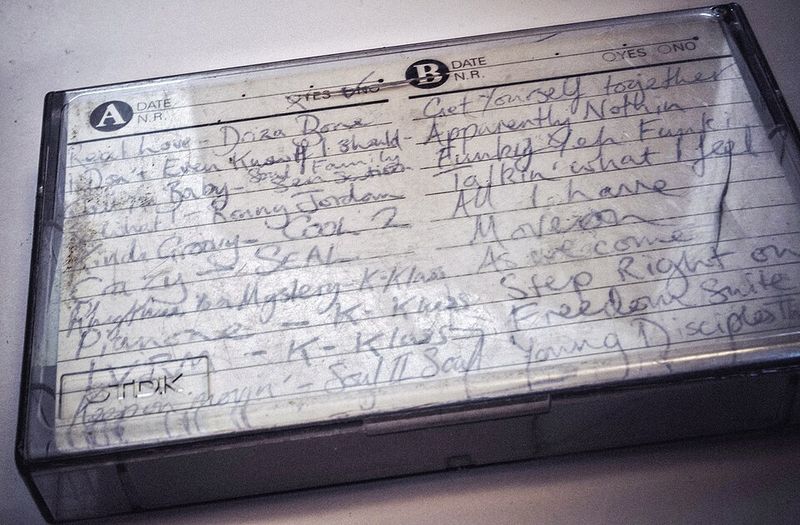
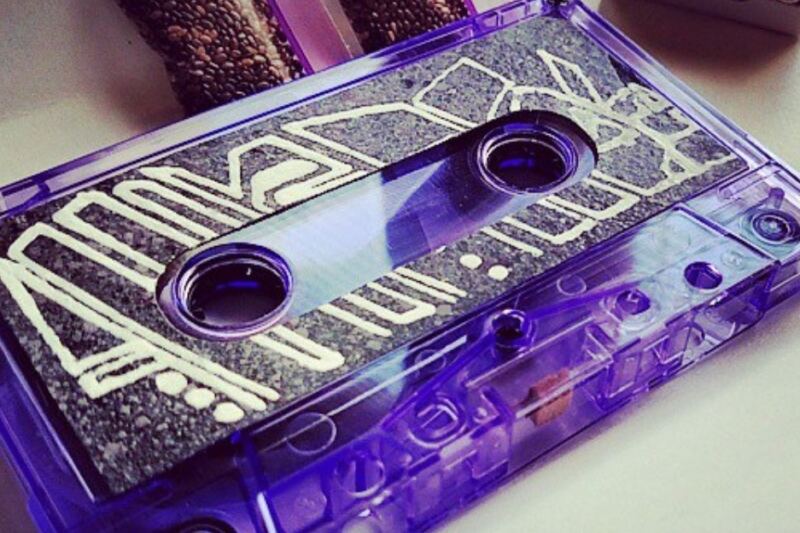
Making a playlist once took a lot more effort than tapping a screen. A proper mixtape started with a plan and a blank cassette.
You had to choose songs carefully, record them one by one, and make everything fit within the tape’s time limit. Sometimes that meant waiting beside the radio for a favorite song to finally play, then hitting record at just the right second.
Missing the first few notes was a common heartbreak.
The finishing touch was the handwritten label, often decorated with markers or stickers. Some people even drew a cover for the case.
Receiving a mixtape from a friend or a crush could feel very personal, because someone had actually spent time creating it. The song order mattered, and the message behind it often mattered even more.
Plenty of people still have a shoebox of them somewhere, even if the tape player is long gone.
Beepers and Pagers
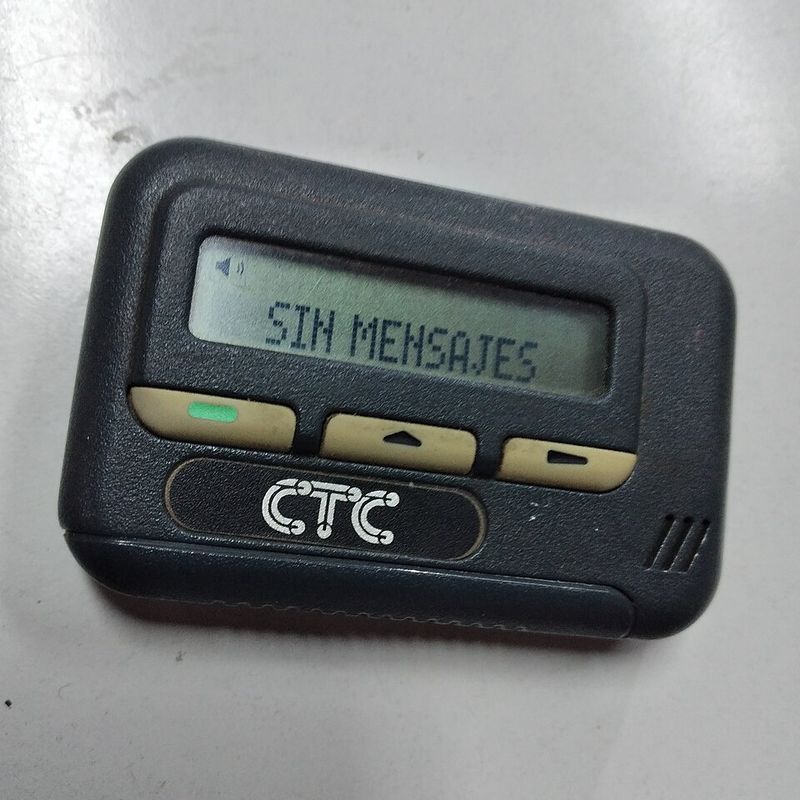
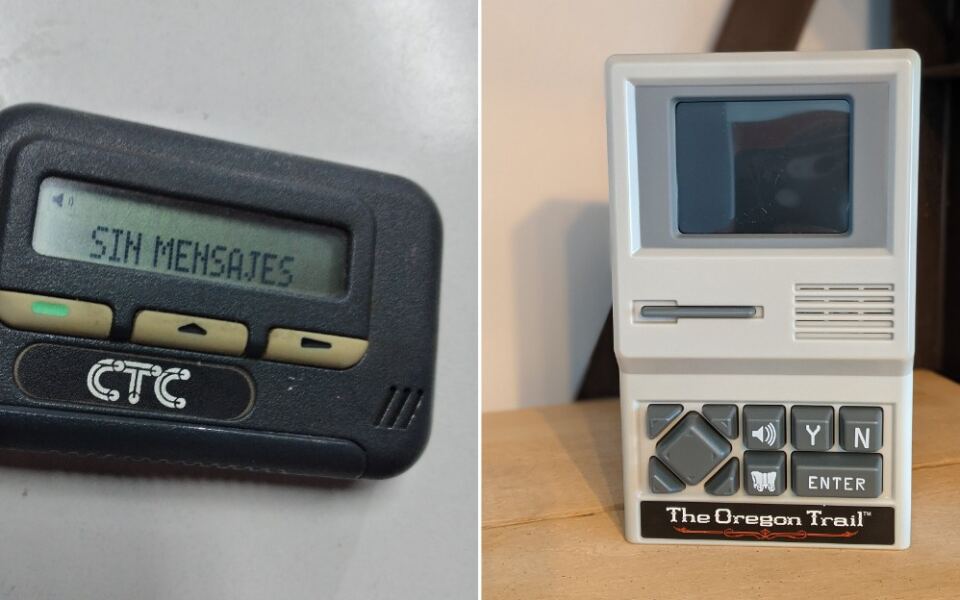
Before text messages became the usual way to reach someone, pagers offered a simpler form of mobile communication. A short beep meant someone wanted your attention.
The catch was that replying usually required finding a telephone. That might mean using a home phone, asking to borrow a business phone, or hunting down a payphone with a few coins in your pocket.
Many pagers showed only a phone number, so friends invented number codes to send quick messages. It was an early form of texting shorthand, created with just digits on a tiny screen.
For teenagers who had one, clipping a pager to a belt could feel like a big step toward independence. It meant they could be reached almost anywhere, which was a new idea for the time.
Today the device looks tiny and limited, but it helped pave the way for the phones we carry now.
Slap Bracelets
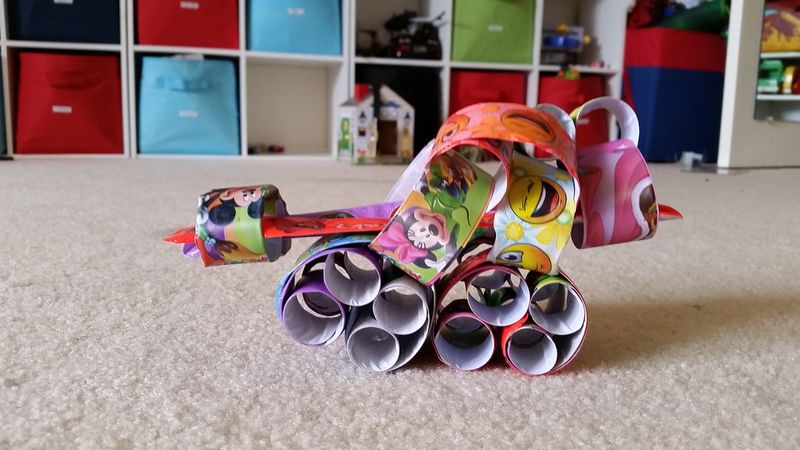
Few accessories offered so much fun from such a simple idea. A slap bracelet began as a straight strip of metal covered in fabric.
Hit it against your wrist, and it instantly curled around your arm. That quick snap was the whole trick, and it never seemed to get old.
Kids collected different colors and patterns, including animal prints and neon shades. They traded them with friends and wore stacks of them up to the elbow, often until a teacher asked them to take them off.
Eventually, many schools banned them because the fabric could wear thin and the metal underneath could poke through. That only made them feel more exciting to own.
Looking back, it is a perfect example of a cheap toy that became a playground sensation. Nobody needed batteries, instructions, or a charger.
A bracelet and a quick smack were all it took.
Polaroid Cameras
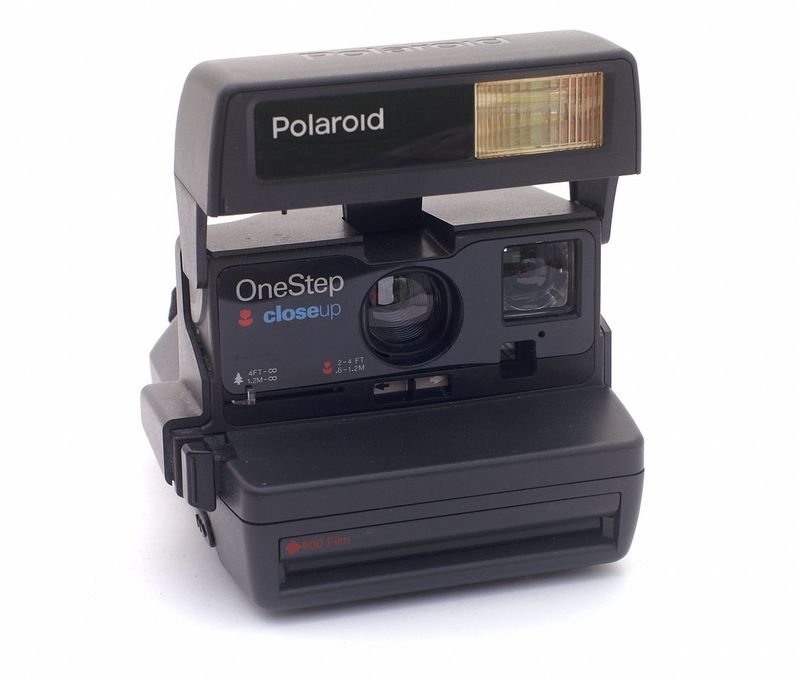
Instant photography felt almost magical before everyone carried a camera in their pocket. You pressed a button and a picture slid out.
Then came the wait. Many people waved the photo in the air, though the picture developed on its own, and watched as the image slowly appeared from a blank square.
There were no filters, no endless retakes, and no instant uploads. Film was limited and costly, so each shot had to count, and people thought carefully about the pose.
Every print was a physical object. It could be tucked into an album, taped to a bedroom wall, or handed straight to a friend as a keepsake.
That hands-on quality is a big reason instant cameras remain popular with younger fans today. A single square of film carried a moment that could be held, shared, and kept in a drawer for decades.
Pogs and Slammers
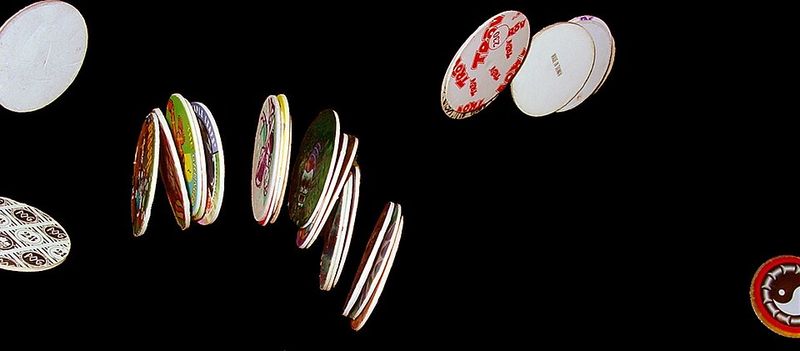
A pile of small cardboard discs could turn recess into a serious contest. Pogs took over playgrounds in the mid-1990s.
Players stacked the discs face down and threw a heavier piece called a slammer at the pile. Any Pogs that flipped face up went to the thrower, so a good toss could win a big haul.
Collecting mattered just as much as playing. Each design offered something to trade, compare, and show off, from cartoon characters to bold patterns.
Rare ones were treated like treasure.
Some schools eventually banned the game because of arguments over who owned which discs. That did little to slow its popularity among kids.
It is a great example of a remarkably simple game that became one of the decade’s most memorable playground crazes. A few circles of cardboard and a slammer were enough to fill every lunch break for months.
Goosebumps Books
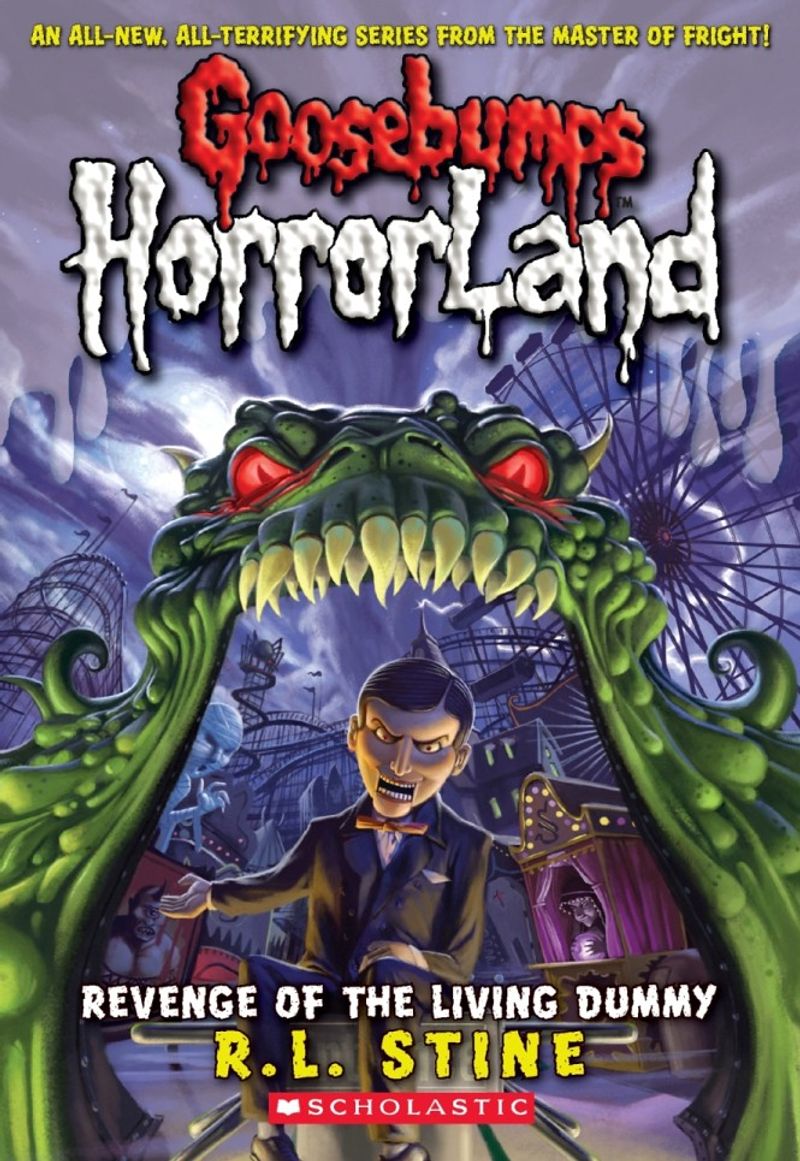
Those bright, spooky covers were almost impossible to ignore in a school library. Goosebumps books seemed to be everywhere.
R.L. Stine’s series debuted through Scholastic in 1992 with Welcome to Dead House.
Creepy stories, humor, monsters, ghosts, cliffhangers, and twist endings made the books hugely popular with young readers.
Many kids raced through one after another, swapping copies with friends at recess. Collecting the whole set became a goal, and a new release was a big event at the book fair.
The stories were scary enough to give a little thrill but not so frightening that readers had to stop. That balance mattered.
For many ’90s kids, Goosebumps was their first introduction to horror. It also got plenty of reluctant readers hooked on books, which is a nice bonus that teachers and parents still remember fondly.
Fanny Packs
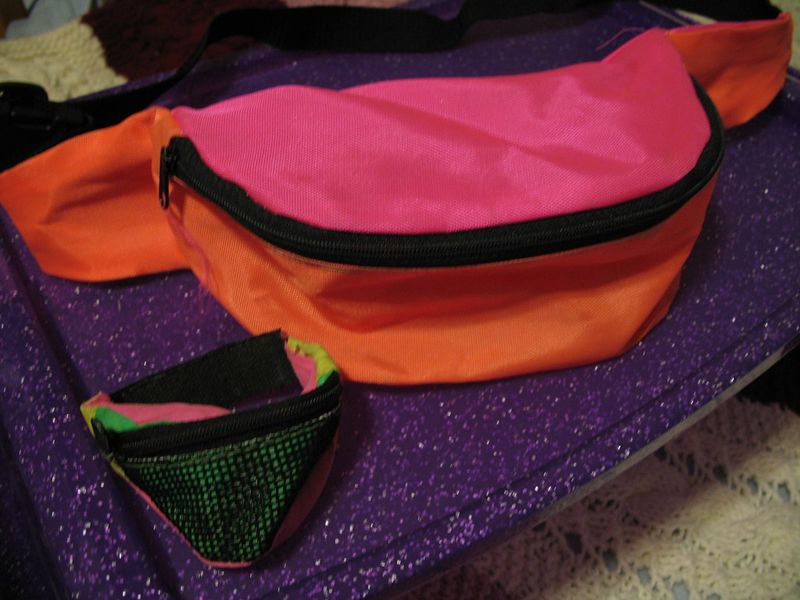
Convenience briefly became a major fashion statement. The fanny pack was the star of the show.
It gave easy access to money, keys, snacks, disposable cameras, and anything else people needed while traveling or visiting theme parks. Hands stayed free for rides, maps, and souvenirs.
Bright colors and bold patterns made them hard to miss. Neon shades and mixed prints were popular with kids and adults alike, and families sometimes wore matching ones on vacation.
After the trend faded, the fanny pack spent years as the punchline of fashion jokes. Then waist bags quietly found their way back into mainstream style, now often worn across the chest.
It turns out the idea was practical all along. A small bag that holds the essentials and stays put is something many people appreciate, whether they are walking through a crowded park or heading out for a long day.
The Spice Girls
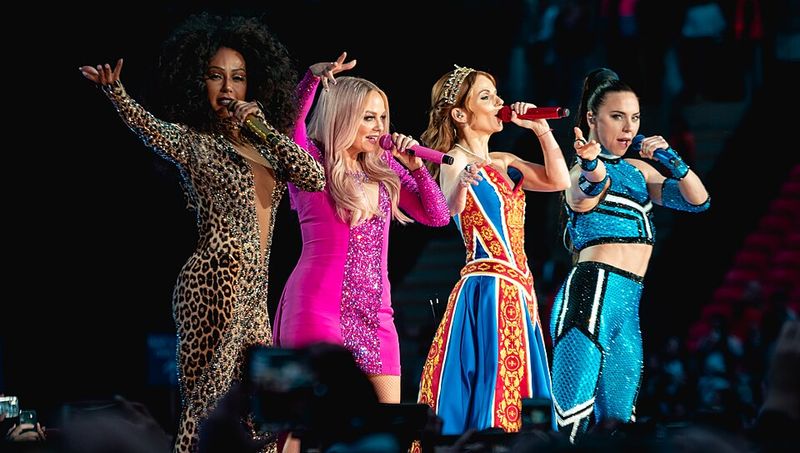
Few pop groups captured the late 1990s quite like the Spice Girls. They arrived with big personalities and bigger hooks.
The British group became a global phenomenon thanks to catchy songs, colorful outfits, and their famous message of girl power. Each member had a nickname and a distinct look, which made it easy for fans to pick a favorite.
Fans copied the outfits, collected merchandise, learned dance routines, and sang along to songs such as Wannabe. Sleepovers often included a full performance in the living room.
The group also showed up on lunch boxes, posters, dolls, and magazine covers. It seemed impossible to walk through a store without spotting them somewhere.
Their music remains a staple at throwback parties and still brings a grin to anyone who grew up with it. The first notes of a chorus are usually enough to get a whole room singing along.
TV Show ‘Friends’

Thursday-night television became an event for millions of viewers when Friends arrived. Families planned their evenings around it.
The sitcom premiered on NBC on September 22, 1994. It followed six friends dealing with relationships, careers, apartments, and everyday life in New York City, and it eventually ran for ten seasons.
For viewers who watched during the original run, episodes were not available on demand. You watched when they aired, talked about them the next day at school or work, and waited a full week for the next one.
Catchphrases, hairstyles, and storylines spread through the culture quickly. Everyone seemed to have a favorite character and an opinion about the biggest plot twists.
That shared, scheduled viewing is part of what made the show feel special. Millions of people were laughing at the same moment, which is a rare experience in today’s world of endless streaming choices.
Gel Pens
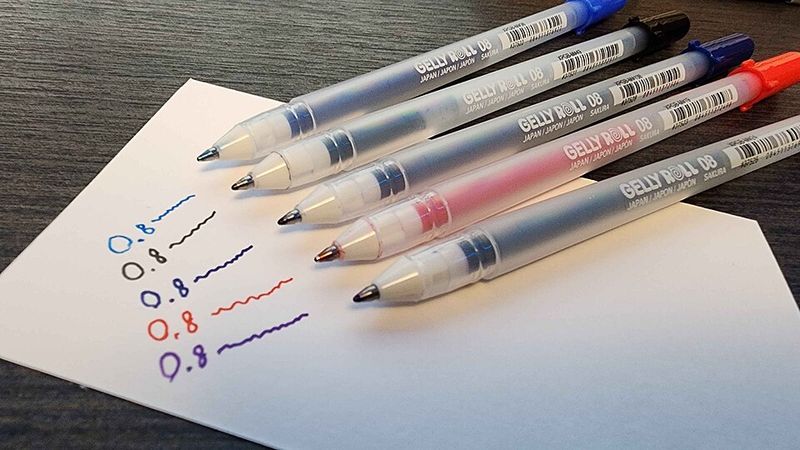
Ordinary blue or black ink suddenly seemed painfully dull once gel pens showed up in pencil cases.
Metallic shades, glitter ink, neon colors, and pastel varieties turned notes, doodles, letters, and school projects into miniature works of art. Dark paper finally had a way to shine.
The pens were also highly tradable. Someone always seemed to own a color nobody else had, which made a gel pen collection surprisingly important classroom currency.
Kids spent long minutes choosing the right color for a title or a name written on a birthday card. Sets came in tidy packs, and a full one was a point of pride.
The downside was that ink could run dry quickly, especially in favorite shades. Even so, the thrill of opening a fresh pack of gel pens is still easy to remember, and many adults buy them again just for fun.
The Oregon Trail Game
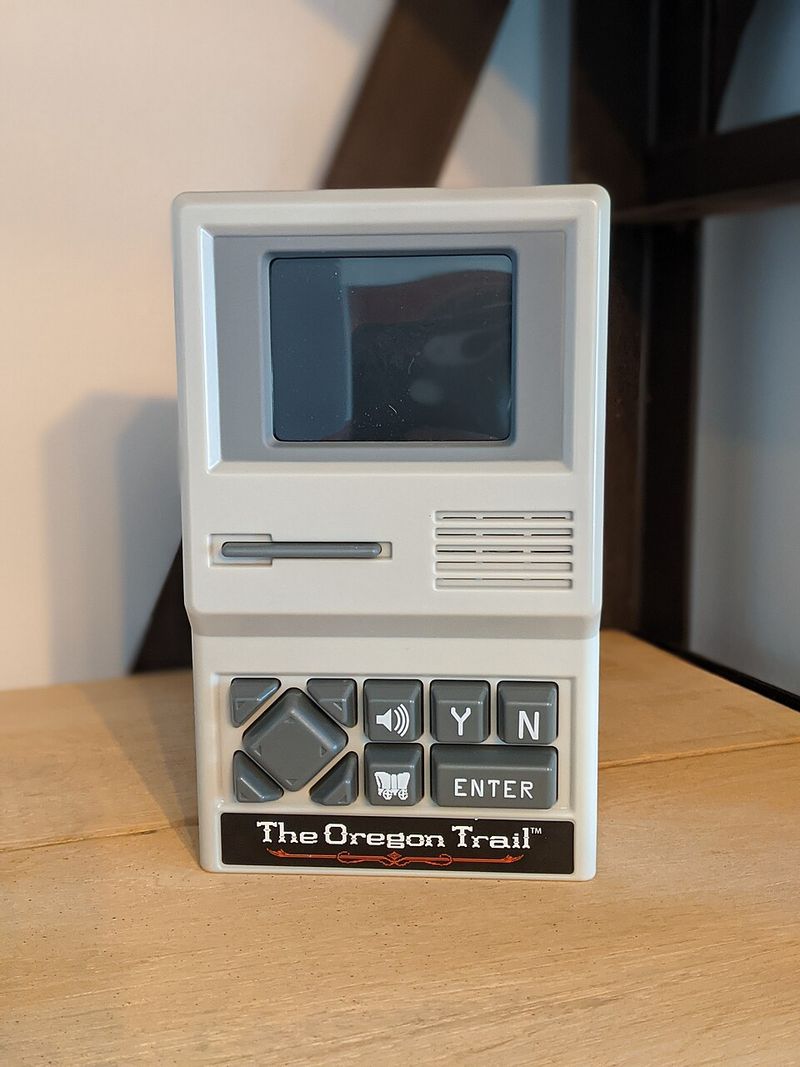
For countless students, computer class meant trying hard not to lose an entire wagon party to disease, hunger, accidents, or poor decisions.
The Oregon Trail was first created in 1971 as an educational game about westward migration. MECC later distributed versions to schools across the United States, and updated editions stayed popular in classrooms during the 1990s.
Players picked supplies, named their party members, and made choices along the way, such as when to hunt and how to cross a river. Every decision could change the outcome.
Classmates crowded around monitors to see whether someone’s group would make it to Oregon. Hunting turned into a contest of its own, with players aiming for the biggest haul.
The game managed to teach history while making survival decisions feel like a real adventure. That mix is why so many people still bring it up when talking about school days.
Teenage Mutant Ninja Turtles
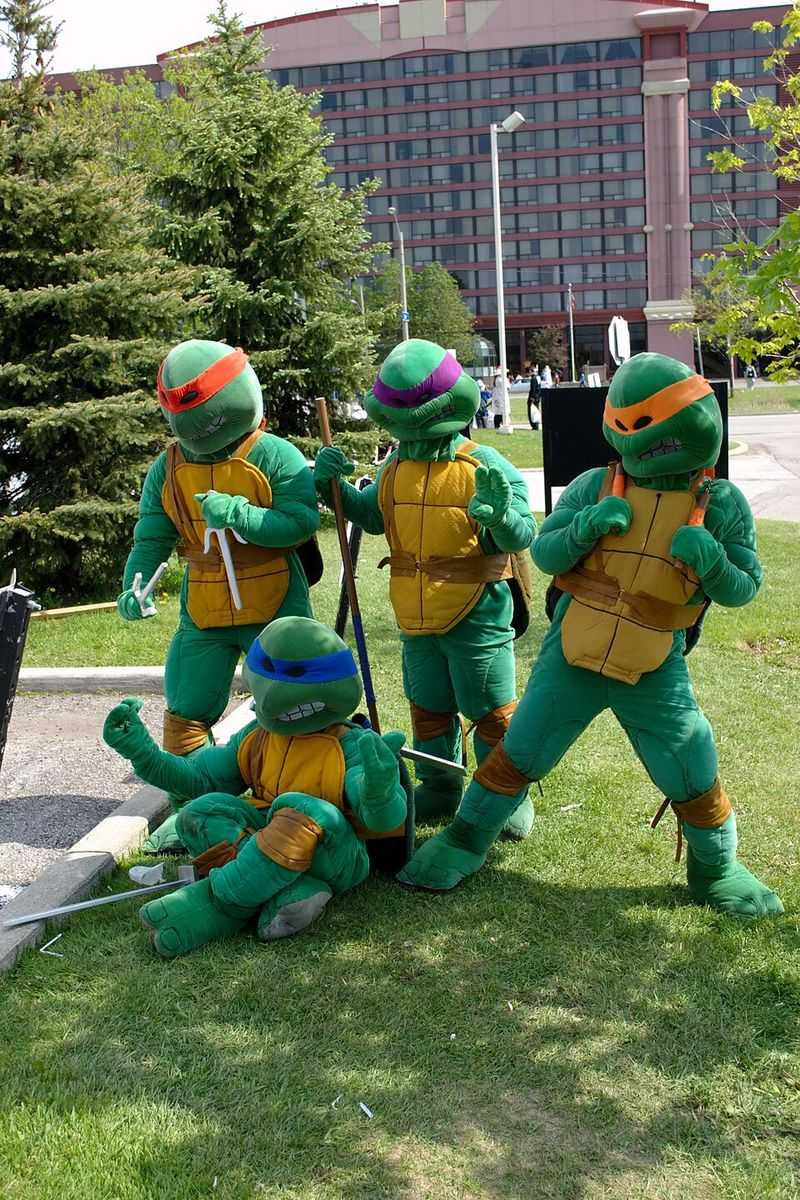
Four pizza-loving turtles named Leonardo, Donatello, Michelangelo, and Raphael became childhood icons almost overnight.
The animated adventures, toys, video games, movies, lunch boxes, costumes, and action figures turned the Teenage Mutant Ninja Turtles into far more than another Saturday-morning cartoon. The franchise was everywhere a kid might look.
Each Turtle had a signature color and weapon, so choosing a favorite was a big decision. Kids argued about it on the bus and acted out scenes in the backyard.
The cartoon also had a catchy theme song that many people can still sing from memory. Even the villains became familiar names in a lot of households.
And yes, pizza suddenly became even more appealing. Many kids asked for it on their birthdays just to feel closer to their heroes, and plenty of grown-ups still smile when they see a green mask.
Y2K Countdown
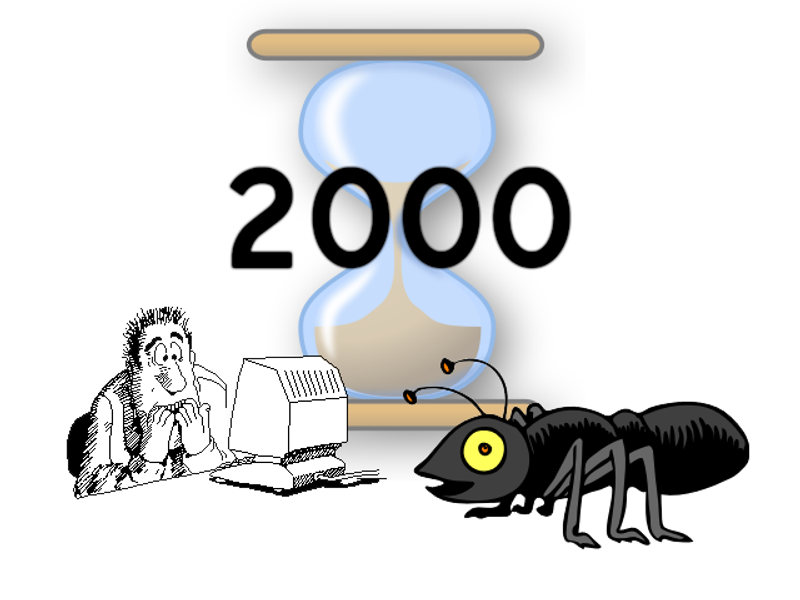
The 1990s ended with a big question: what would happen when computers reached the year 2000?
The Y2K problem centered on concerns that computer systems using two digits for years might read 00 incorrectly when the calendar changed from 1999 to 2000. It sounded technical, but it made headlines everywhere.
Businesses and governments spent years preparing for possible disruptions. For kids watching from the sidelines, the news coverage, predictions, millennium celebrations, and uncertainty made New Year’s Eve 1999 unlike any other.
Some families stocked up on supplies, while others simply threw a party and stayed up late to watch the countdown. Everyone seemed curious about what the clock would bring.
When midnight arrived and daily life largely continued as normal, it became one of the strangest and most memorable ways to close out the decade. It was a fitting last chapter for an era full of new technology and big excitement.
Share this story