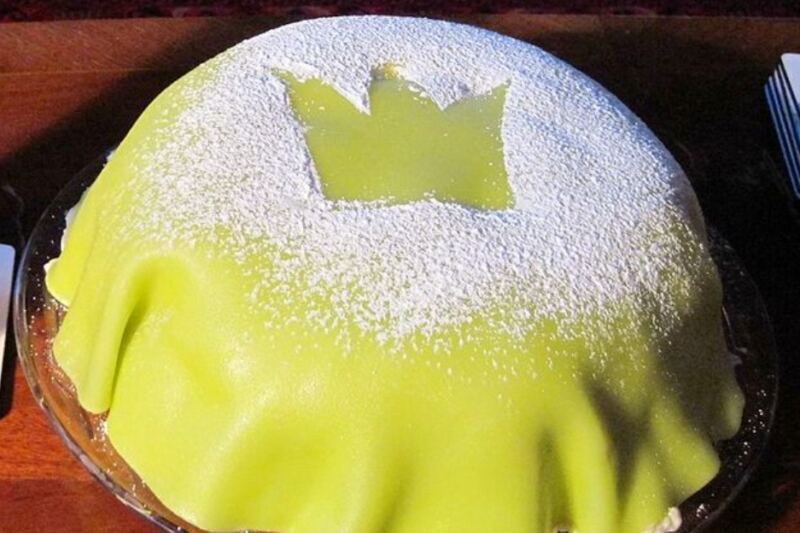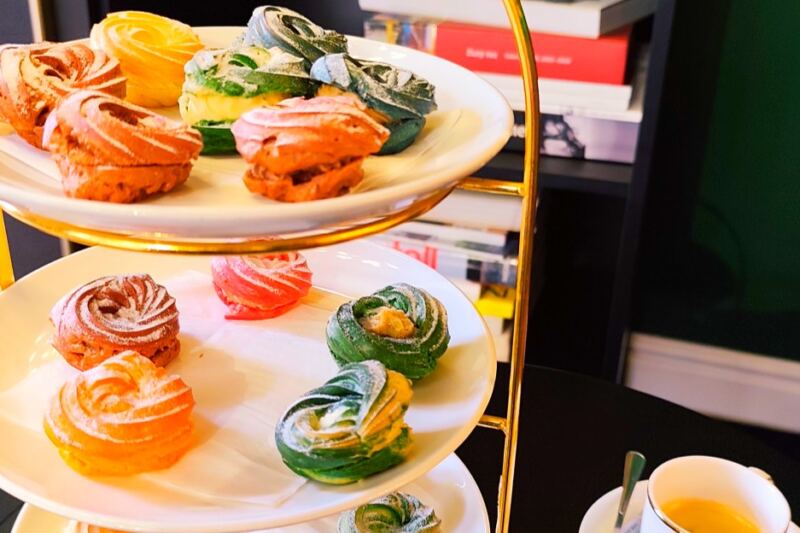
Germany has more than 300 kinds of bread, and the sweet side of its bakeries is just as busy. Most travelers stop at pretzels and Black Forest cake, then head home thinking they have seen it all.
They have not. Some of the country’s best pastries never leave their hometowns, and a few only show up for certain holidays or festivals.
One cake has a name borrowed from a medieval jacket. Another is baked on a rotating spit, one thin layer at a time, for about an hour and a half.
A third replaced a dish that a king had to ban. Each treat on this list comes with a real bakery or cafe where you can try it, plus the history that explains why locals guard these recipes so closely.
Grab a coffee, because this tour stops in eleven cities and covers more than 600 years of baking.
1. Franzbrötchen, Die Kleine Konditorei, Hamburg, Germany
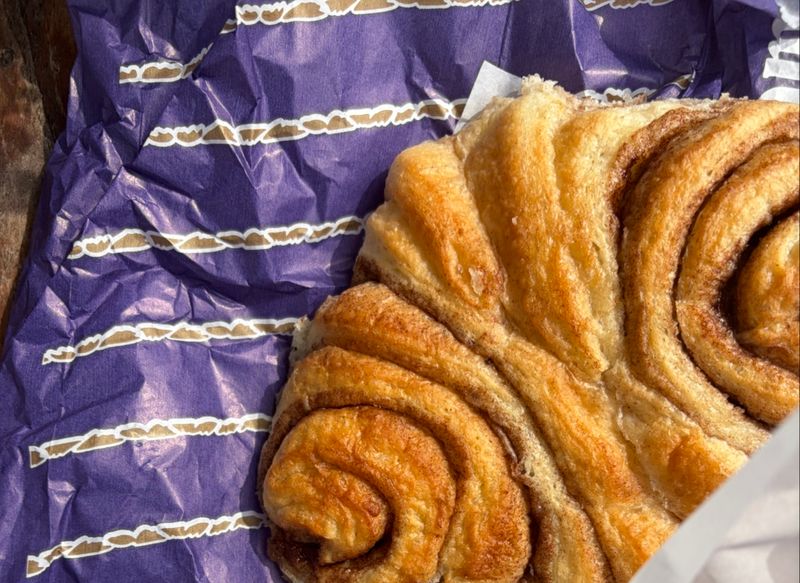
Hamburg locals have a breakfast habit that confuses visitors at first glance. The Franzbrötchen looks like someone sat on a cinnamon roll, and that is exactly the point.
Bakers roll up layered, buttery dough with cinnamon and sugar. Then they press the middle down with the handle of a wooden spoon, which pushes the filling out to the edges where it caramelizes in the oven.
Nobody agrees on where it came from. One popular theory links it to French croissants during the Napoleonic era, while others credit clever local bakers.
Die Kleine Konditorei on Lutterothstraße has won local awards for its version. It is also one of the few spots in the city that still bakes its bread on site.
Classic cinnamon is the safe pick, but Hamburg bakeries also sell versions with chocolate, raisins, or marzipan. Go early on weekends, since the line moves steadily but rarely disappears.
2. Dresdner Eierschecke, Bäckerei Bruno, Dresden, Germany
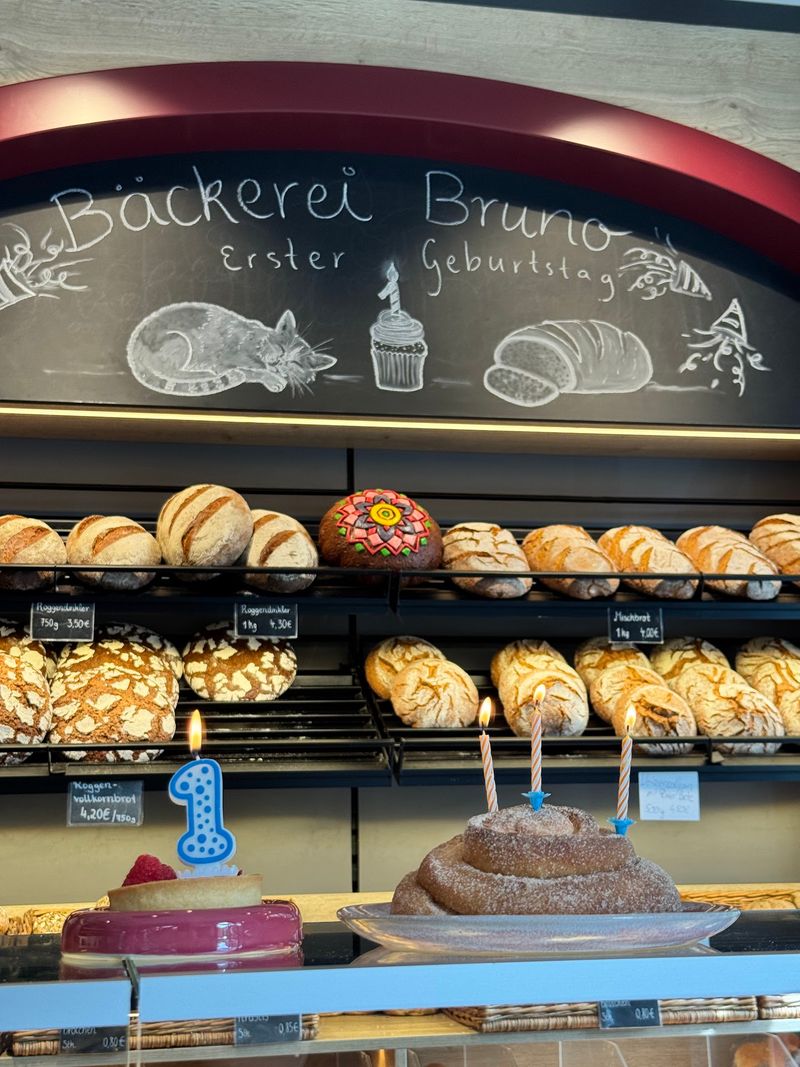
A famous German author once complained that this cake had stayed unknown to the rest of the world. Erich Kästner was talking about the Dresdner Eierschecke, and he had a fair point.
The cake has three layers. A thin base sits under a quark filling, and a fluffy topping of eggs, butter, and sugar goes on last.
At first, it looks like cheesecake. One bite of the light top layer shows it is something else entirely.
The name has an odd backstory. A Schecke was a patterned men’s jacket from the 1300s, and the cake’s golden top with darker patches reminded people of it.
Bäckerei Bruno on Kronenstraße makes its Eierschecke from a recipe passed down by the bakery’s previous owners. Two younger master bakers now run the place, mixing old Dresden methods with fresh ideas.
Locals have a saying about it. Roughly translated, a piece of Eierschecke always fits.
3. Aachener Printen, Nobis Printen, Aachen, Germany
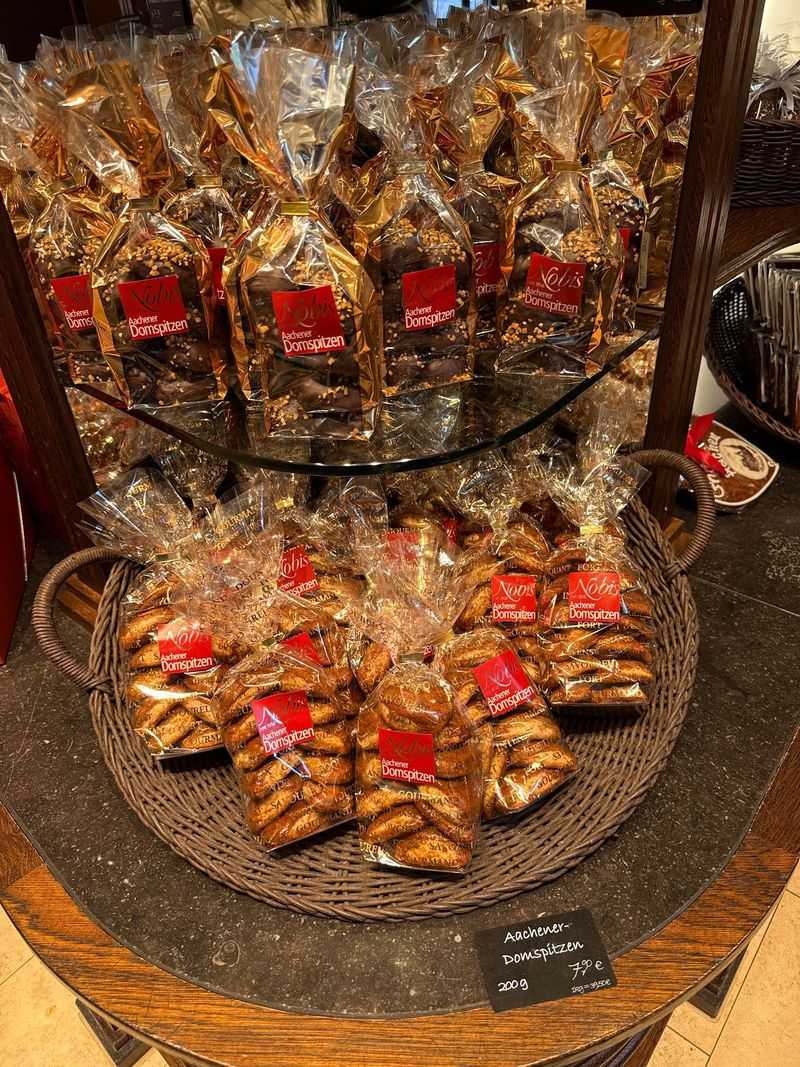
Napoleon accidentally changed a cookie forever. When his trade blockade cut off honey supplies in the early 1800s, Aachen bakers switched to sugar beet syrup, and the result was the flatter, firmer Printen people buy today.
Printen are rectangular spiced gingerbread bars. Some are crunchy, some are soft, and many come with chocolate or nuts.
The name comes from wooden molds once used to print patterns onto the dough. Today the treat has protected status, so real Aachener Printen must be made in Aachen.
Nobis Printen was founded by master baker Johannes Michael Nobis in 1858. The family business now runs around 40 shops in and around the city.
Its cafe on Münsterplatz sits right beside Aachen Cathedral and has a sunny terrace with a view. A separate Printen store lets you compare styles side by side.
Good news for summer visitors: Nobis sells them all year.
4. Salzwedeler Baumkuchen, Erste Salzwedeler Baumkuchenfabrik, Salzwedel, Saxony-Anhalt, Germany
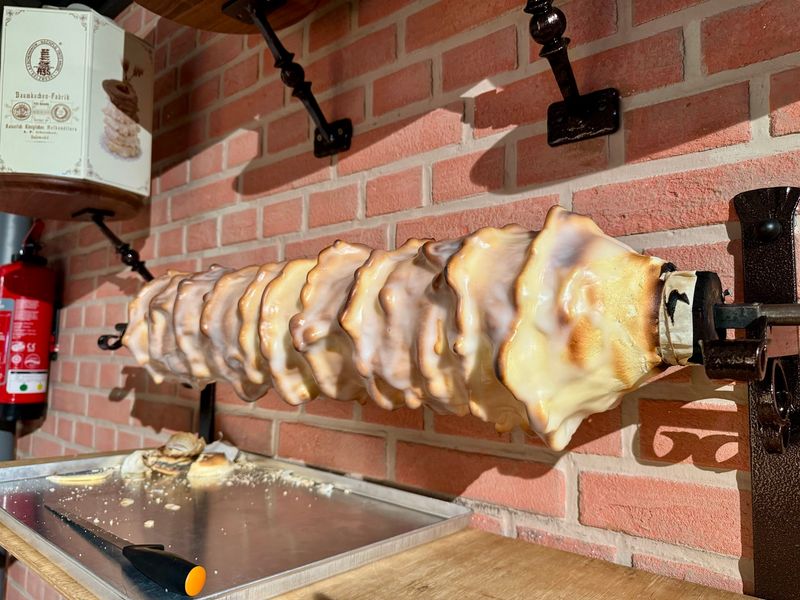
Patience is the secret ingredient in Salzwedeler Baumkuchen. A baker needs about 1.5 hours of full focus for a single cake.
Batter is ladled onto a rotating spit, baked, and then ladled on again. After around 18 to 21 rounds, each slice shows rings that look like the inside of a tree trunk.
That is why it is called tree cake. It is also nicknamed the king of cakes, since it was once mostly made for nobles and wealthy families.
Erste Salzwedeler Baumkuchenfabrik has baked it since 1807 and is now in its sixth generation. Cakes are still made by hand over an open fire.
Strict rules protect the name. The cake must be baked in Salzwedel, with batter added by ladle and no combs used to smooth the shape.
Visitors can watch the bakers at work between 9 AM and 1 PM. Groups can book tours ahead of time.
5. Leipziger Lerche, Café Kandler, Leipzig, Saxony, Germany
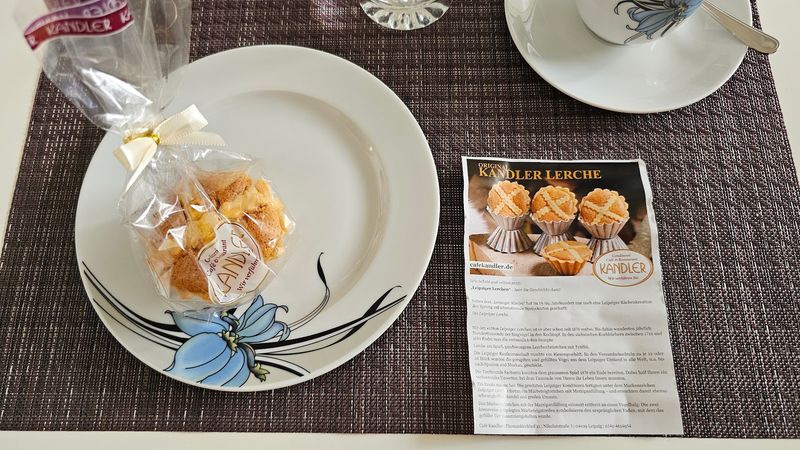
Here is a pastry named after a bird that contains no bird at all. The Leipziger Lerche, or Leipzig lark, has one of the strangest stories in German baking.
Back in the 1700s, real larks were a pricey dish in Leipzig. In 1876, King Albert of Saxony banned the practice to protect the songbirds.
Local bakers quickly came up with a sweet stand-in. Their version is a shortcrust shell filled with almonds, nuts, and marzipan, often with a little apricot jam.
A cherry hidden inside is said to stand for the bird’s heart. Two crossed strips of dough decorate the top.
Since 1998, the Saxon bakers’ guild has protected the name. That keeps the recipe tied to its hometown.
Café Kandler, open in Leipzig since 1989, serves them near St. Thomas Church. Pair one with coffee or cocoa during the German afternoon break called Kaffeezeit.
6. Bremer Klaben, Café Knigge, Bremen, Germany
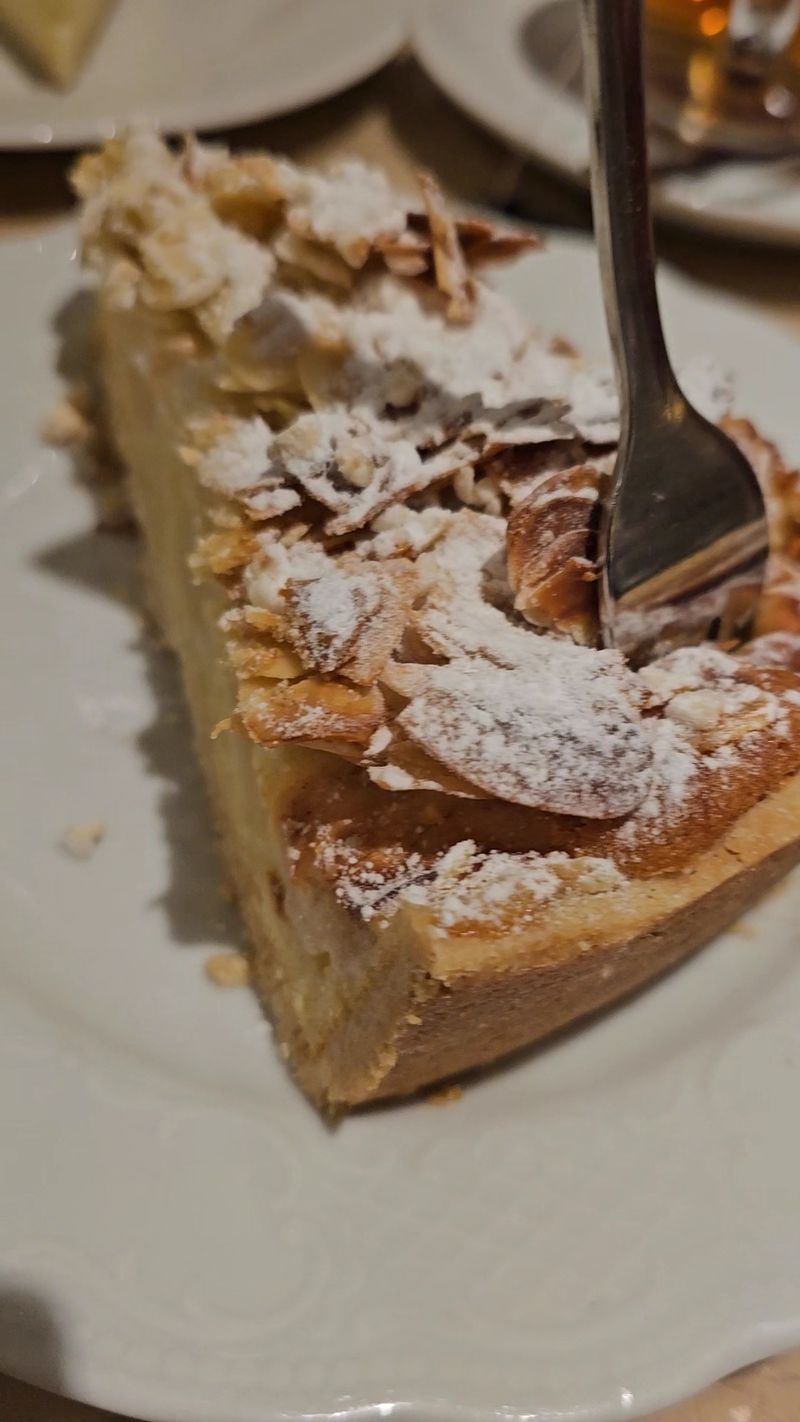
Stollen has a quieter northern cousin, and it skips the sugar coat. Bremer Klaben is a dense fruit loaf first recorded in 1593.
It is loaded with raisins, candied citrus peel, and cardamom. In many recipes, the fruit weighs about as much as the dough.
Unlike stollen, Klaben is not brushed with butter or buried in powdered sugar. It is baked in a long tin, and the name likely refers to the two cuts made along the top.
Bremen’s role in the Hanseatic trade network made those imported spices and fruits possible. Since 2009, EU rules have protected the name, so true Klaben must come from the Bremen area.
Klaben season officially begins in mid-November with a cutting ceremony on the market square. Many families let their loaf rest for weeks before eating it.
Café Knigge on Sögestraße bakes it all year. It even ships abroad for homesick fans.
7. Schneeballen, Diller Schneeballenträume, Rothenburg ob der Tauber, Bavaria, Germany
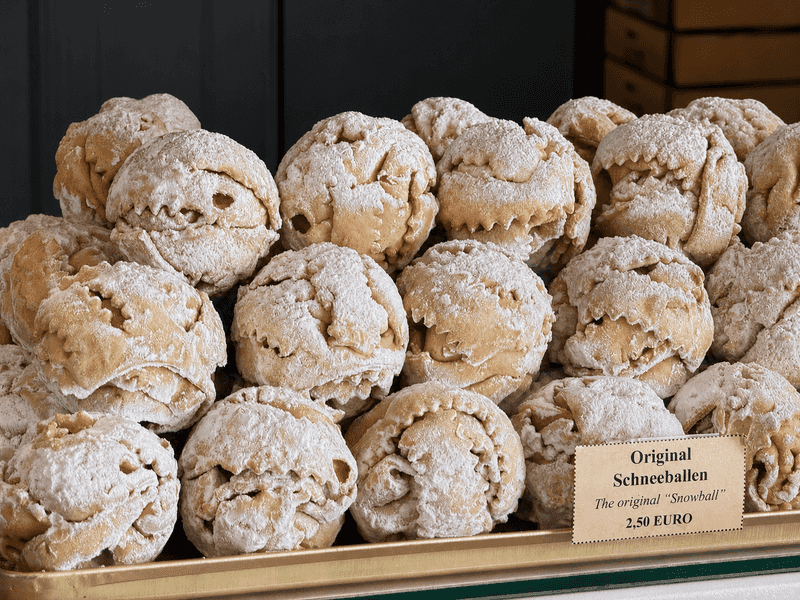
Snowballs in July sound like a weather problem, but in Rothenburg ob der Tauber they are just dessert.
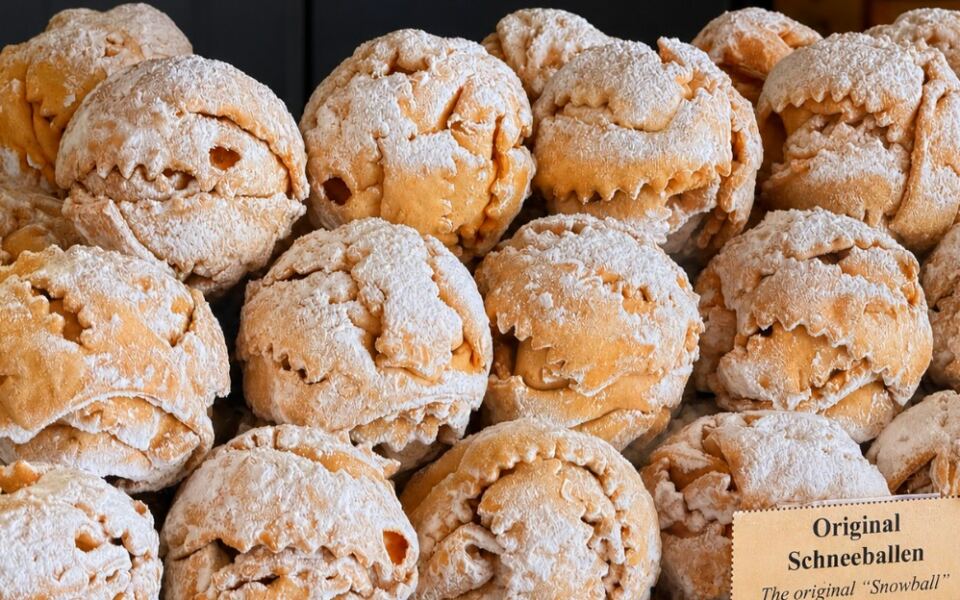
Schneeballen, meaning snowballs, are made from thin strips of shortcrust pastry. Bakers loosely wrap the strips into a ball and fry it inside a special round holder called a Schneeballeneisen.
A heavy coat of powdered sugar finishes the classic version and explains the name. The treat has been made in Franconia and Hohenlohe for at least 400 years.
For most of that time, Schneeballen were saved for weddings and church celebrations. Now you can grab one on any ordinary Tuesday.
Diller Schneeballenträume specializes in them and offers far more than the original. Choices include chocolate coatings, nut toppings, and marzipan fillings.
One tip helps a lot. Break the ball apart before eating, or the sugar will end up on your jacket instead of in your mouth.
8. Nürnberger Lebkuchen, Wicklein Lebküchnerei, Nuremberg, Bavaria, Germany
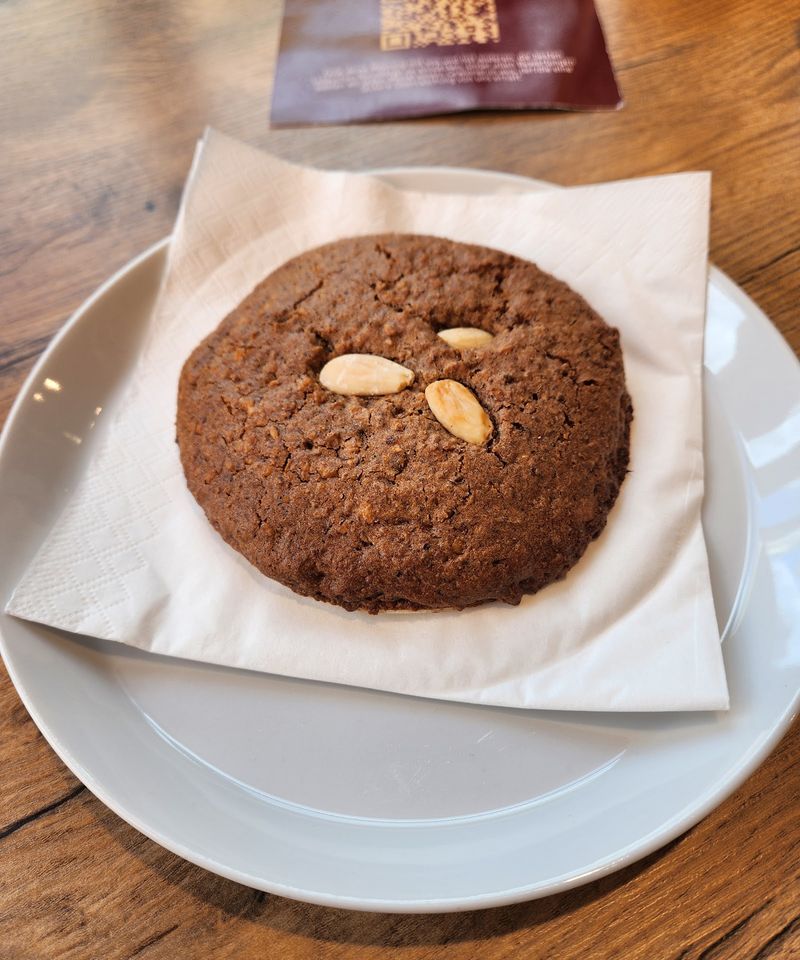
Calling Nürnberger Lebkuchen a gingerbread cookie is like calling a castle a house. Technically true, but it misses a lot.
Nuremberg had Lebkuchen bakers on record by 1395. The city sat on major trade routes, so cinnamon, cloves, nutmeg, and almonds were easy to buy.
The top grade is Elisenlebkuchen. Rules say it can hold no more than 10 percent flour and must have at least 25 percent nuts.
The best handmade versions push the nut content close to 40 percent. They are usually round and baked on thin wafers.
Wicklein Lebküchnerei traces its history back to 1615. Its main shop and cafe sit on the Hauptmarkt, right across from the Frauenkirche.
Visitors can join a 1.5-hour workshop to learn how Lebkuchen are made. Since the shop sells them year-round, there is no need to wait for the Christmas market.
9. Frankfurter Kranz, Caféhaus Siesmayer, Frankfurt am Main, Hesse, Germany
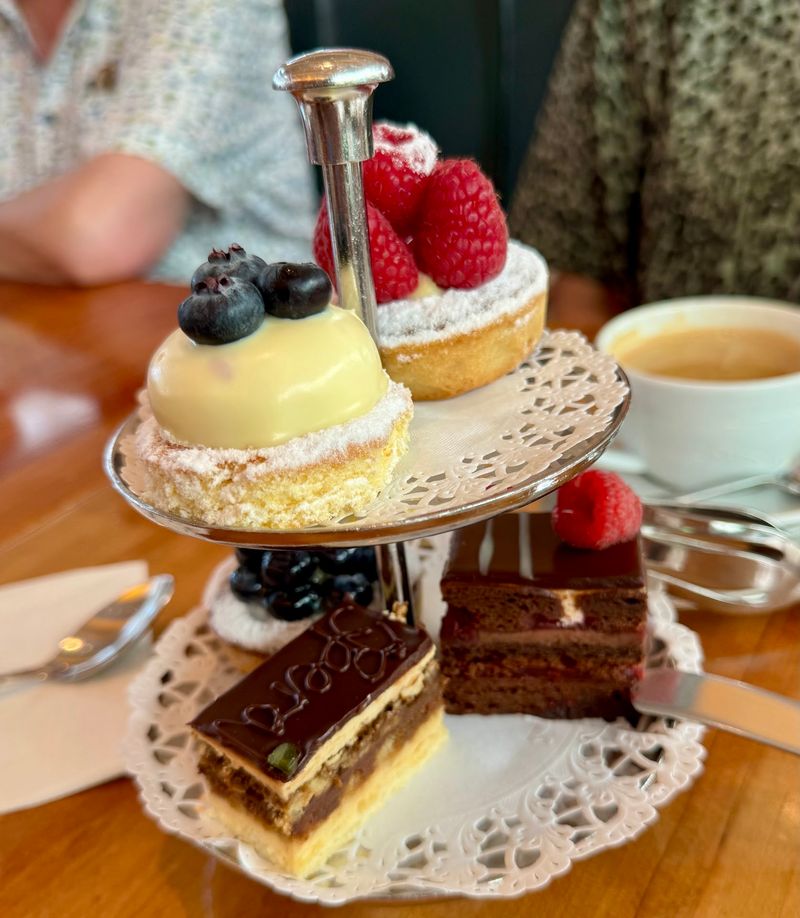
Frankfurt once crowned emperors, so naturally it made a cake that looks like a crown. The Frankfurter Kranz is a ring of sponge cake stacked with buttercream and jam.
Its outside is covered in Krokant, a crunchy caramelized nut brittle. Bright cherries on top stand in for rubies.
The cake appeared in the early 1800s. Its shape honors the city’s history as the place where Holy Roman Emperors were crowned.
Here is a detail most people miss. The name is protected, and a real Frankfurter Kranz must use genuine buttercream.
Caféhaus Siesmayer opened in 2004 beside the Palmengarten botanical garden. It mixes Viennese coffeehouse style with German and French pastry skills, and everything comes from its own pastry kitchen.
Siesmayer serves a miniature version, which is handy since the full cake is rich. The terrace overlooks the gardens, and the cafe offers step-free access.
10. Berliner Pfannkuchen, Bäckerei Siebert, Berlin, Germany
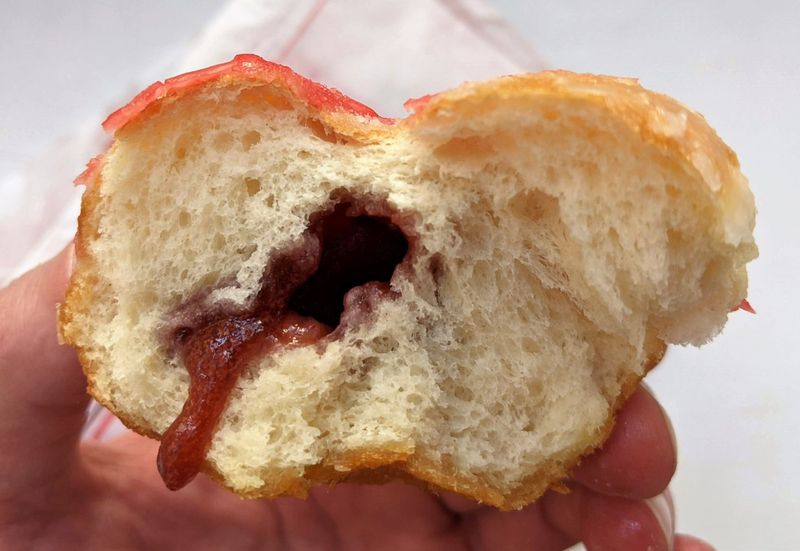
Order a Berliner in Berlin and you might get a puzzled look. Locals call this jam doughnut a Pfannkuchen, while a flat pancake goes by Eierkuchen.
Elsewhere in Germany, the same treat is called Krapfen or Kreppel. It has no hole, just a round fried yeast dough with jam inside and sugar on top.
Pfannkuchen are a must for New Year’s Eve and Carnival. One playful prank involves filling a single doughnut with mustard and waiting to see who gets it.
Plum and raspberry jam are the classic fillings. Newer options include apricot, vanilla custard, and chocolate.
Bäckerei Siebert has been a family bakery in Berlin since 1906. Its shop on Schönfließer Straße offers several fillings, including cherry and plum.
Try two flavors side by side. It is the easiest way to see how much variety hides in one simple pastry.
11. Mohnkuchen, Mohnkuchen Café, Hanover, Lower Saxony, Germany
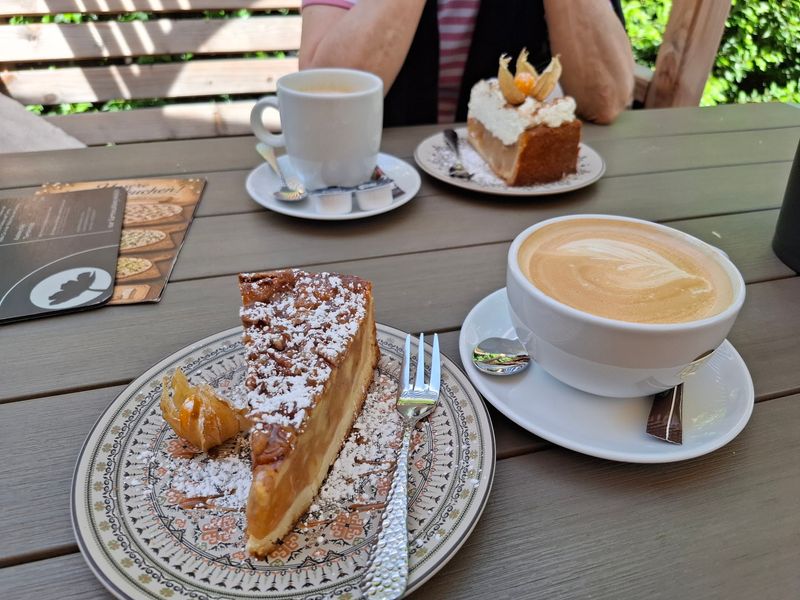
Some cafes name themselves after their owner or their street. One spot in Hanover named itself after a cake, which tells you where its priorities lie.
Mohnkuchen is German poppy seed cake. Its thick, dark filling is made from ground poppy seeds mixed with milk and sugar.
Poppy seeds have been part of German baking since medieval times. The cake became especially popular in the 1700s and 1800s, often showing up at Christmas and Easter.
Many German versions sit on a shortcrust or yeast base. A layer of buttery streusel on top is common, and some bakers add vanilla pudding too.
Mohnkuchen Café on Brabeckstraße is in the Kirchrode neighborhood and is run by Eric and Mandy. Guests often mention the friendly service and the cake served warm.
The weekend breakfast buffet is popular, so reserve ahead. Bring a card, because the cafe does not take cash.
12. Dresdner Christstollen, Emil Reimann, Dresden, Saxony, Germany
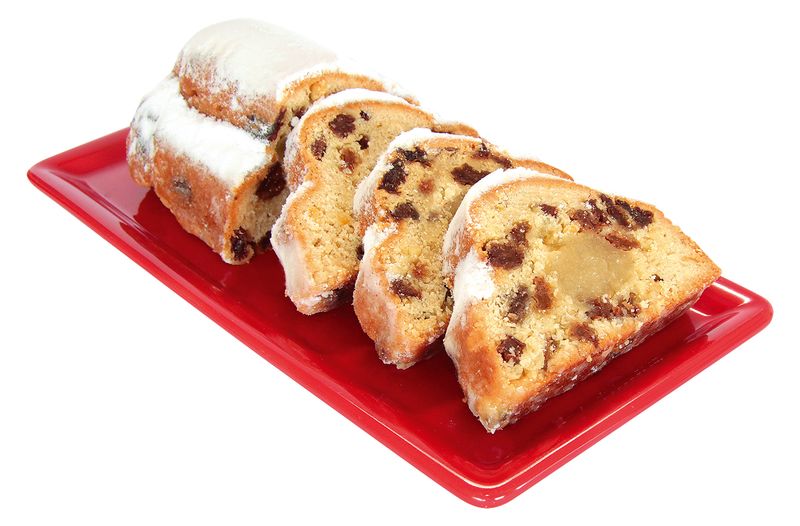
It took a letter to the Pope to make this bread worth eating. In 1474, Dresden stollen was a plain fasting loaf of flour, yeast, and water.
Church rules banned butter during fasting season. A special permission later known as the Butter Letter changed that, and stollen became rich at last.
Today’s Dresdner Christstollen is packed with butter, raisins, candied citrus peel, almonds, and spices. A thick layer of powdered sugar covers the top.
Since 2010, the name has had EU protection. Real loaves carry a golden oval seal with a control number.
The rules are strict. Margarine and artificial flavors are banned, and an expert panel tests every producer each year.
Emil Reimann is a well-known Dresden bakery with several shops, including one near the Frauenkirche. Visit in December to catch the Stollen Festival, where the city even chooses a Stollen Girl to represent the bread.
13. Schwarzwälder Kirschtorte, SchillerGarten, Dresden, Saxony, Germany
Everyone thinks they know Black Forest cake. Most versions sold around the world, though, skip the details that make the German original special.
A proper Schwarzwälder Kirschtorte stacks chocolate sponge with whipped cream and sour cherries. Many authentic versions also start with a thin shortcrust base.
Chocolate shavings and whole cherries finish the top. It is usually served cold, in neat wedges.
German food guidelines are strict about what can carry the name. That is why the classic is hard to copy well abroad.
Oddly enough, this stop is in Dresden, far from the Black Forest. SchillerGarten has served guests since the 1730s, and the poet Friedrich Schiller was once a regular.
It sits on Schillerplatz at the foot of the Blue Wonder bridge, with views over the Elbe. Its own pastry kitchen makes cakes fresh every day, so order a slice and enjoy the river view.
Share this story