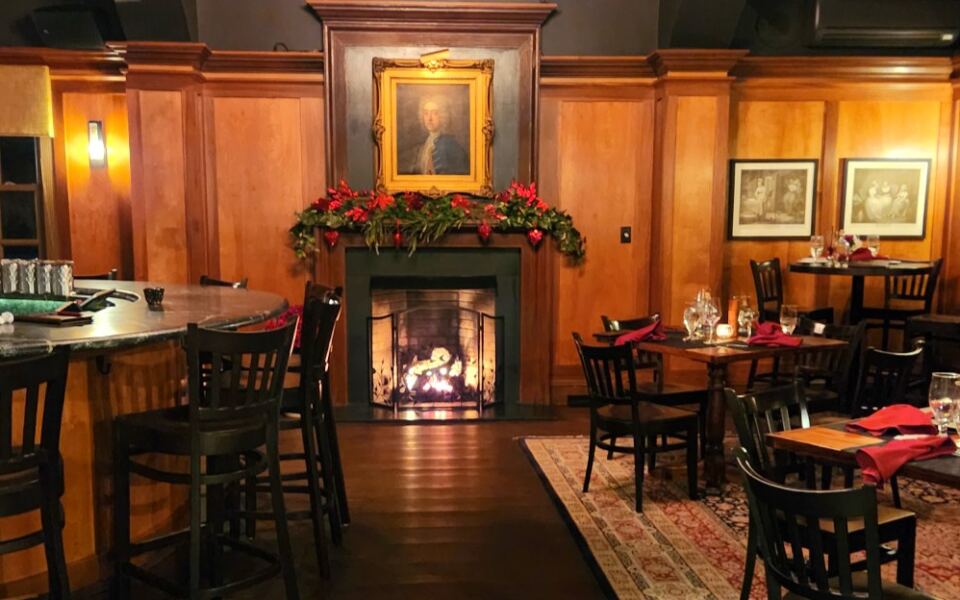
A restaurant in Lancaster County started out as a secret speakeasy hidden in the woods during the 1930s. Today, that same log building holds a dozen separate dining rooms, candlelit tables, and a grand piano near the entrance.
It sits in Pennsylvania farm country, where you might expect a quick diner meal, not white tablecloths and dry-aged steaks. I find the idea of eating dinner in a place built to stay out of sight a lot of fun, and the story behind it only gets better.
A Wooded Lane Leads to a 1933 Landmark
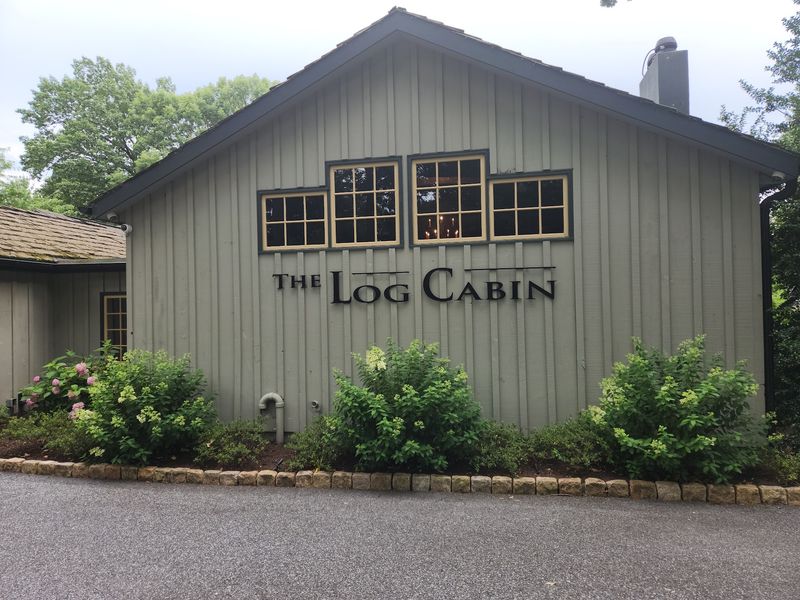
Down a quiet forest road in Lancaster County sits The Log Cabin Restaurant. Its address is 11 Lehoy Forest Drive in Leola, Pennsylvania, just a short drive from the city of Lancaster.
The restaurant ties its story to 1933, and you can even see that year in its web address. That date matters, because it places the cabin right at the tail end of Prohibition.
Back then, a spot hidden among trees was handy for anyone who wanted privacy.
Today the mood is very different. The building is now a white-tablecloth restaurant serving refined American food.
It keeps its lodge-like walls, wood beams, and cozy rooms, so the old cabin feel never disappears.
I like that the setting does a lot of the work before you even sit down. Many guests say it feels more like a mountain getaway than a stop near busy Lancaster roads.
The restaurant opens for dinner most evenings and stays closed on Sundays. Checking the current schedule before you go is smart, especially on weekends.
The building itself has plenty of stories, and they start with what went on here long ago.
Secrets From the Speakeasy Years
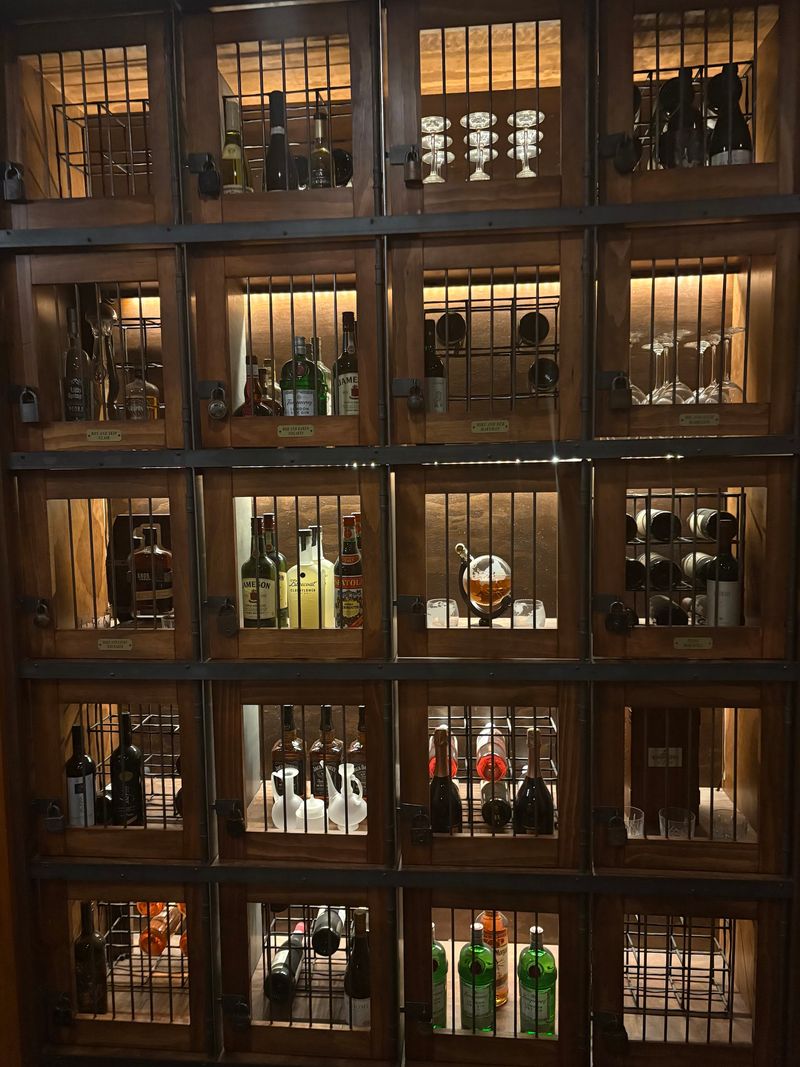
Long before reservations and seasonal menus, this cabin was a speakeasy. During Prohibition, places like this served guests quietly, often far from main streets and curious eyes.
The woods around Leola made a good hiding spot. A log building on a forest lane was easy to overlook, which was exactly the point.
The restaurant still embraces that past with pride. It even names its bar drinks and decor with a nod to the cabin’s sneaky beginnings.
History lovers will enjoy knowing that the walls around them once kept real secrets.
Fun fact: Prohibition ended in December 1933, the same year the restaurant uses as its starting point. That timing makes the cabin a neat bridge between two very different eras.
I find it interesting how a building made for hiding turned into a place people now seek out for big celebrations. It went from secret to celebrated without tearing down its rustic bones.
Of course, the cabin did not stay a speakeasy forever. A new chapter began in the 1950s, when an owner with an artistic eye left a mark you can still see today.
Paintings and a New Chapter Beginning in 1958
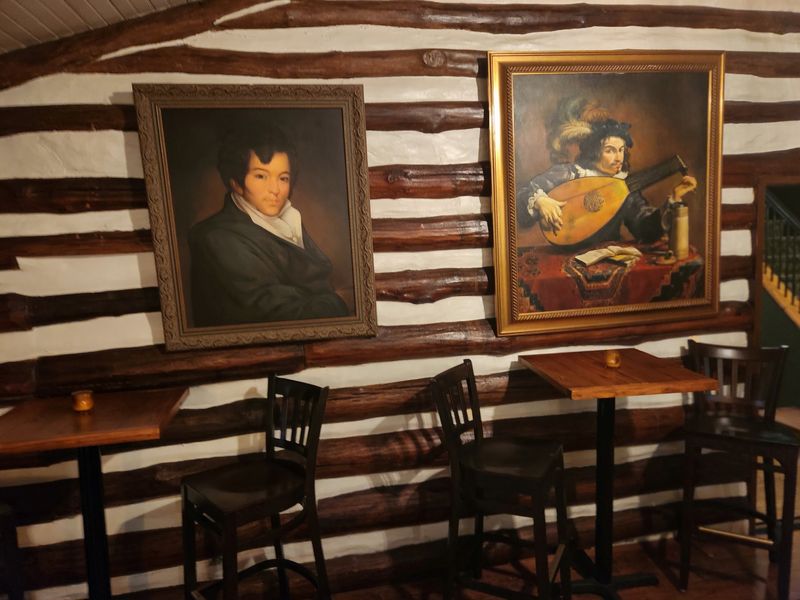
The Log Cabin Restaurant gained an artistic identity in 1958, when Celestino “Charlie” DiSantis purchased the property. His interest in art helped turn the historic restaurant into a place where guests could enjoy paintings alongside their meals.
Today, more than 100 artworks are displayed throughout the building. The collection includes historical pieces, reproductions painted by DiSantis, and works created by other artists.
That distinction matters because the paintings are not all the work of one former owner. Instead, the collection reflects different artists and periods, giving guests something interesting to discover beyond the menu.
The artwork also complements the restaurant’s original log construction and its many separate dining spaces. Each room offers a slightly different setting, with paintings contributing to the building’s character.
For anyone interested in the restaurant’s history, the art collection is another reason to explore the building. What began as a Prohibition-era establishment eventually became a destination known for both fine dining and its unusual surroundings.
The restaurant’s 12 dining rooms make that combination even more interesting.
Twelve Dining Rooms With Different Personalities
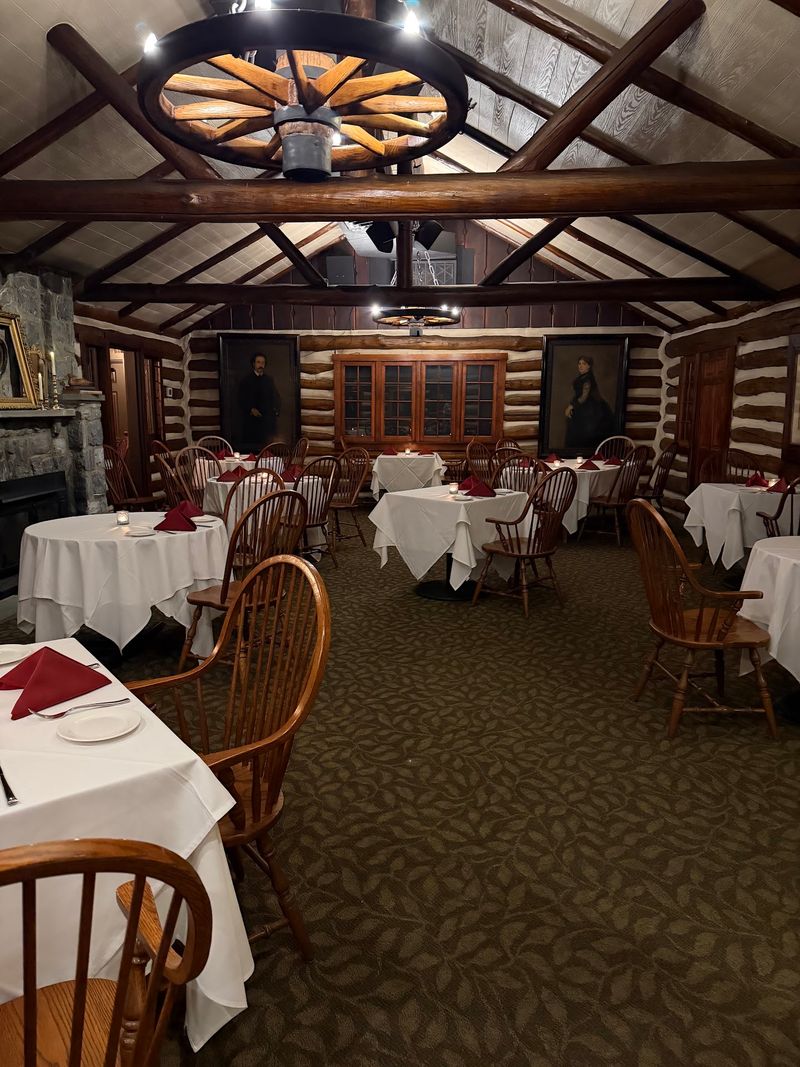
The Log Cabin Restaurant has 12 dining rooms spread across three floors, and each one has its own layout, artwork, and character. Instead of seating everyone in one large dining hall, the restaurant offers several smaller spaces for different occasions.
Among them are the Speakeasy, Balcony Room, DiSantis Room, Sunset Room, Gable Room, and Booth Room. Some are designed for smaller gatherings, while others can accommodate larger celebrations.
The Booth Room has a particularly interesting connection to the restaurant’s past. According to its official history, the original owner, Chet Leicey, recalled storing liquor beneath the wooden booths during Prohibition to keep it out of sight during possible police visits.
The DiSantis Room carries the name of the former owner who purchased the restaurant in 1958. His enthusiasm for painting helped establish the extensive artwork collection that remains part of the restaurant today.
For guests planning an anniversary, birthday, or family gathering, choosing a particular room can make the visit more personal. The restaurant even encourages visitors to ask about tours of the building, although availability depends on how busy the staff are.
With so many rooms to explore, the building offers more than an ordinary steakhouse experience. Its history, artwork, and unusual layout give diners plenty to discover before the meal even begins.
Meet the Gourd Room, Also Called the Gaga Room
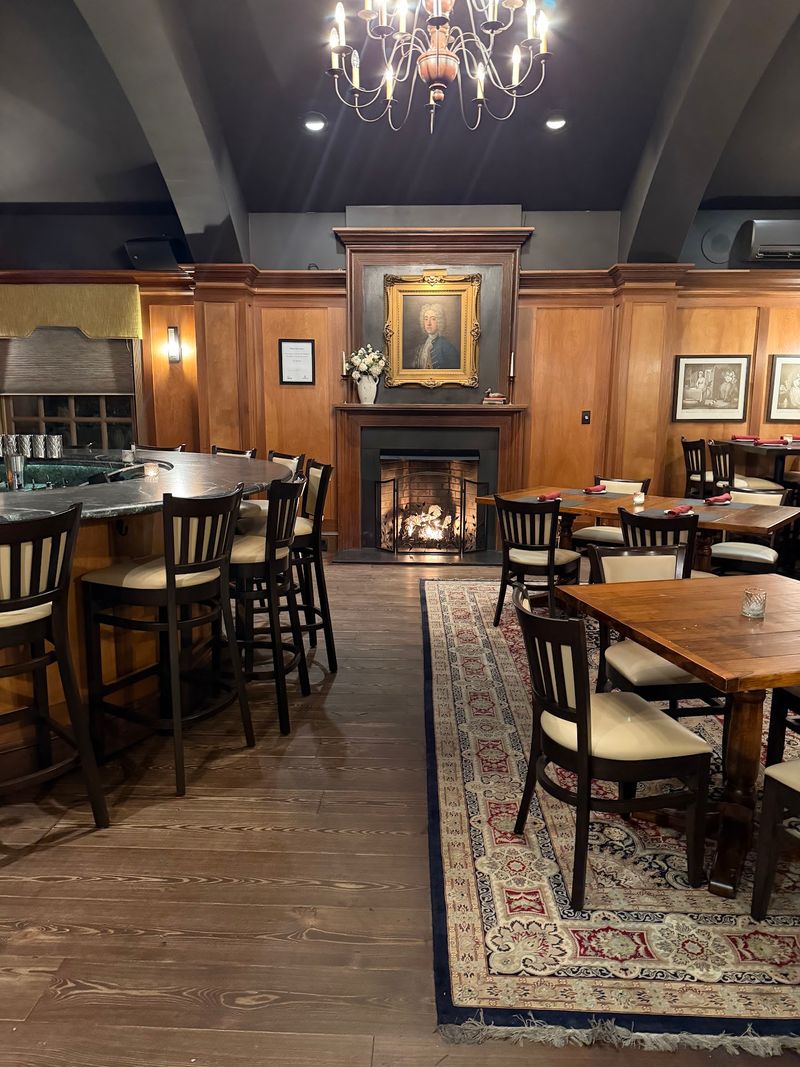
Lady Gaga has reportedly dined at this cabin, and she is said to request one room in particular. The Gourd Room has picked up a fun new nickname because of it: the Gaga Room.
Celebrity visits are not new here. The restaurant has also been linked to Frank Sinatra, adding an old Hollywood layer to the cabin’s long story.
Those connections give fans a playful reason to book. Requesting the same room as a pop star makes an anniversary dinner feel a little more exciting.
Keep in mind that room requests are not guaranteed. If the Gourd Room matters to you, mention it when you reserve and ask early.
I enjoy how a cozy Pennsylvania cabin ended up with this kind of star power. It is a funny mix of farm country calm and big-name glamour.
Still, famous guests are only part of the appeal. Most people come for the same thing those stars probably did, which is a carefully made meal.
The menu changes with the seasons, and it leans heavily on local ingredients.
Dry-Aged Steaks and a Famous Pork Shank
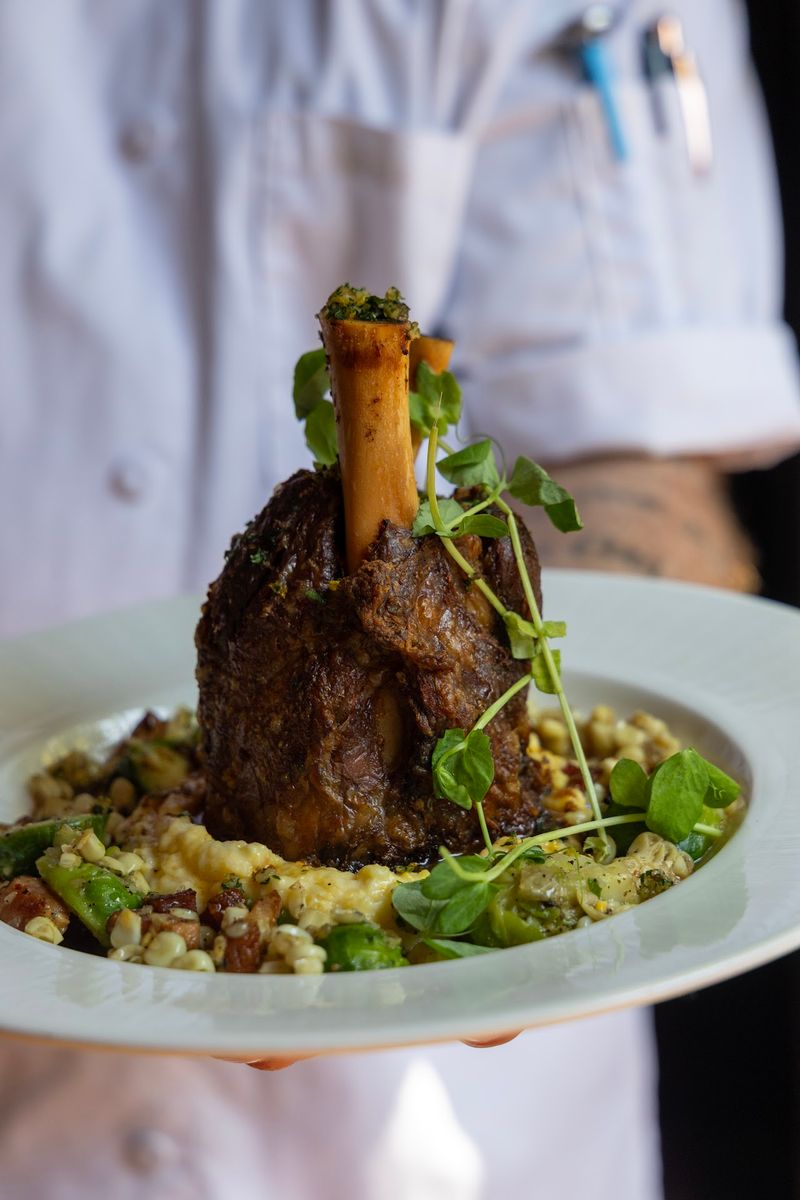
Steak sits at the heart of this menu. The kitchen serves dry-aged cuts like an 18-ounce ribeye, along with filet and surf and turf choices.
Then there is the pork shank osso buco. It comes up again and again among guests, and it has become one of the restaurant’s best-known plates.
Other entrees have included rack of lamb, duck breast, Korean short ribs, potato-crusted halibut, and scallop and cod cakes. Starters may feature oysters on the half shell, bone marrow, pork belly, shrimp and grits, and French onion soup.
The menu rotates with the seasons. That means a dish you loved in winter might be replaced by something new by fall.
Prices land on the premium side, so many people save this place for special nights. Bread is ordered separately rather than brought free to the table, which is good to know ahead of time.
I would go in planning to share a starter and pick one standout main. The real fun, though, might come at the end.
A sticky toffee pudding has built quite the reputation here.
Save Room for Sticky Toffee Pudding
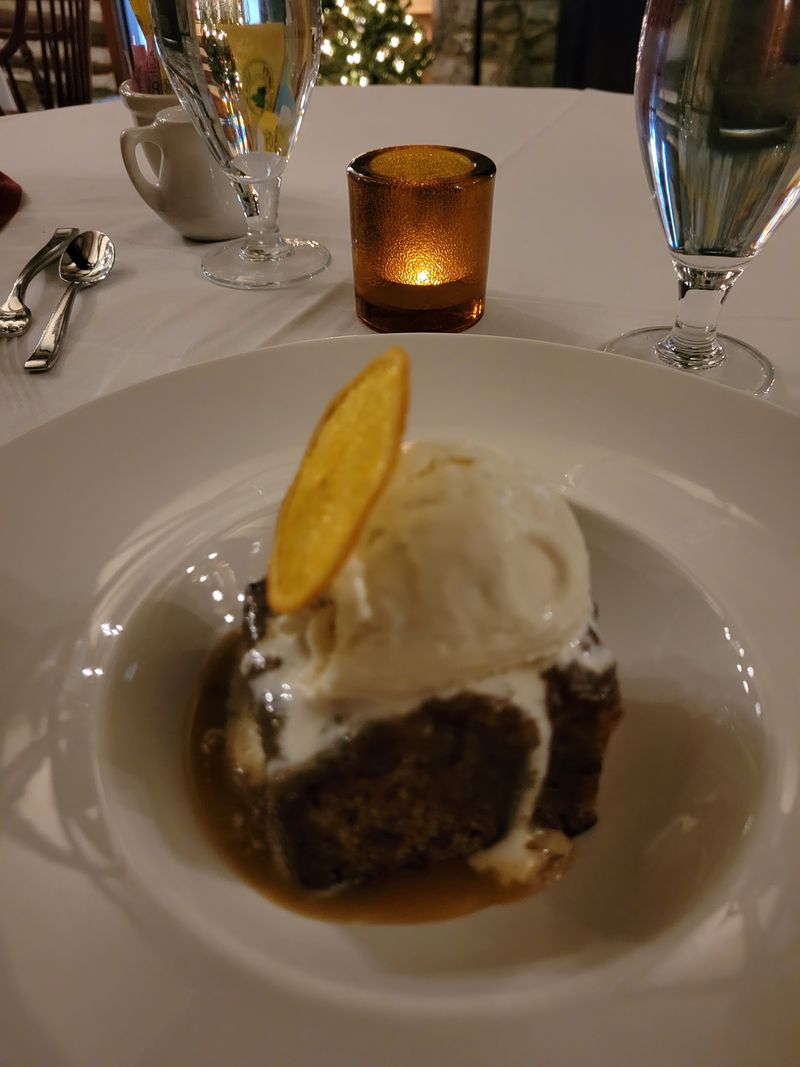
Dessert lovers, this part is for you. The sticky toffee pudding is one of the most talked-about sweets on the menu.
It is a warm, classic British-style dessert made with a soft date cake and toffee sauce. Many diners treat it as the final must-order item of the night.
The dessert list has also included creme brulee, tiramisu, a chocolate espresso torte, and a peanut butter bomb. Like the main menu, options may shift as the seasons change.
Special occasions get extra attention here. Couples celebrating anniversaries have found personal cards on their tables, Wilbur chocolates from nearby Lititz, and even dessert decorated with a printed chocolate message.
Want those touches? Add a note about your celebration when you book online.
The staff often prepares small surprises before you sit down.
I like that the kitchen ends the meal with comfort rather than fuss. A gooey pudding feels right at home inside a log cabin.
Behind those dishes is a commitment that starts far from the dining room. Some of the ingredients come from the restaurant’s very own garden.
Vegetables Straight From the Cabin Garden
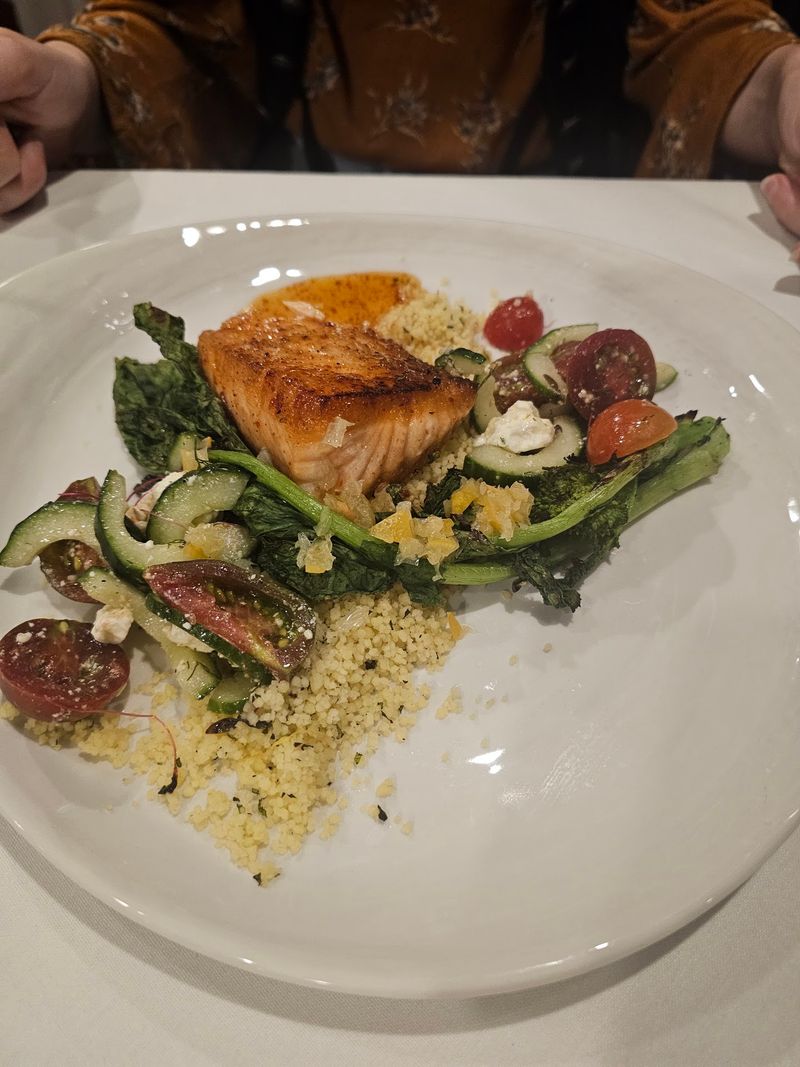
Fresh food does not have to travel far in Lancaster County. The Log Cabin Restaurant grows some of its own produce and sources other ingredients locally.
Vegetables from the restaurant garden show up on plates, seasoned and served alongside entrees. That farm-to-table approach fits naturally in an area known for rich farmland.
Even the bread service shows care. The house butter has been flavored with thyme, mustard, and maple, served with breads like sourdough and pretzel.
Seasonal menus help the kitchen use what is fresh. Expect fall salads, winter comfort plates, and lighter ideas when warmer months arrive.
A quick heads up for vegetarians: meat-free entree choices can be limited. The menu usually offers at least one vegetarian main, and it changes with each season.
I find it refreshing when a fancy restaurant still cares about where its carrots come from. It connects a dressy dinner to the fields just down the road.
Good food is only one part of the evening, though. On certain nights, music fills the cabin, and that changes the whole mood.
Live Music and a Grand Piano by the Door
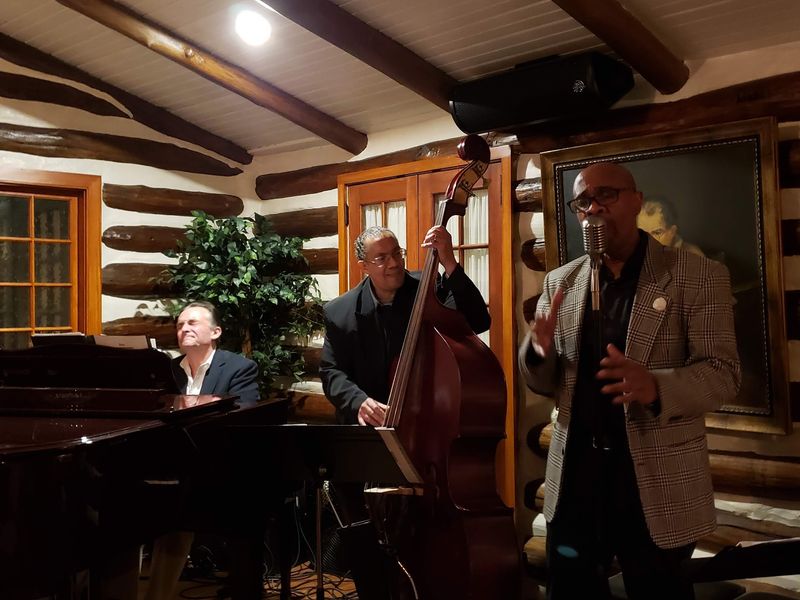
Music greets guests near the entrance, where a grand piano sits in the foyer. It sets a relaxed tone right away.
On weekends, the restaurant often hosts live music. The volume stays gentle enough that tables can still talk without raising their voices.
On other nights, soft instrumental versions of popular songs play in the background. It adds atmosphere without taking over the meal.
The lounge is another nice place to spend time. Guests waiting for their table can relax there before being seated, then linger afterward to enjoy a few more songs.
Holiday visits bring extra charm. The cabin has been decorated with handmade ornaments, rustic touches, and twinkling lights, and staff have helped guests snap photos by the tree near the piano.
Hosts may also offer to take pictures at a special photo backdrop. That is a nice bonus for birthdays, proposals, or Mother’s Day dinners.
I would plan a weekend visit if the music matters to you. Just remember that popular nights fill up, so a little planning goes a long way.
Smart Tips Before You Book a Table
Reservations make a big difference here. Booking about a week ahead is a good habit, especially for weekends and holidays like Valentine’s Day.
The restaurant serves dinner starting in the late afternoon, Monday through Saturday, and closes on Sundays. Hours can change, so confirm before heading out.
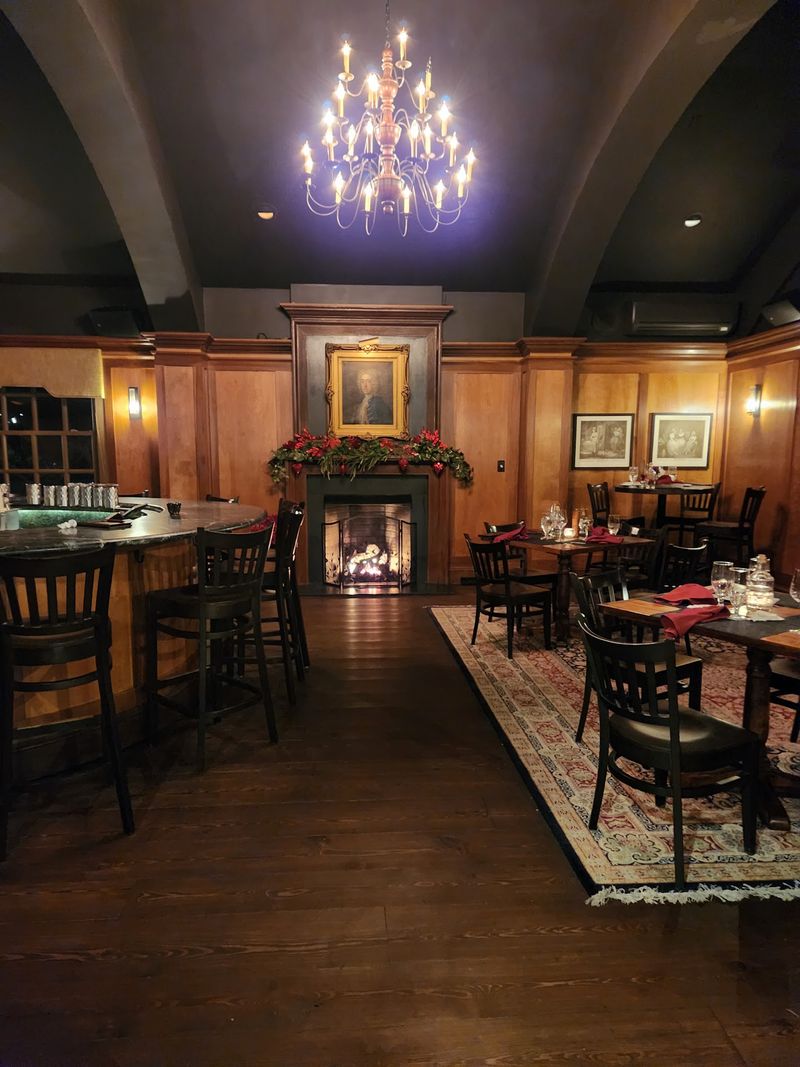
Dress a bit nicer than usual. White tablecloths and candlelight suit date nights, anniversaries, and family milestones.
Budget ahead, since entrees sit in the premium range. Many families still bring kids, and there are simple choices like chicken tenders for younger diners.
Lighting is low in the dining rooms, so older eyes may appreciate glancing at the menu online first. Also, the outdoor lot can be dark at night, and the restaurant has shared plans to redo its parking area.
Watch your step after sunset.
Mention any celebration in your reservation notes. Staff often add cards and sweet touches to the table.
I think the best plan is simple. Arrive early, explore the paintings, and let a cabin with nearly a century of stories set the pace for your evening.
Share this story