Pull out the sleeping bags, because the best part of a ’90s sleepover was often the game closet. Someone always showed up with a favorite box under one arm, and the night suddenly had a plan.
Some games made friends compete over plastic houses and tiny cars. Others sent everyone into giggles over bad drawings and wobbling limbs.
This list brings back 12 classics that filled basements, bedrooms, and living room floors long after the pizza was gone. Some are quiet and clever, some are loud and silly, and a few came straight from the movies.
See how many of them you remember playing, and how many you still argue about.
Monopoly
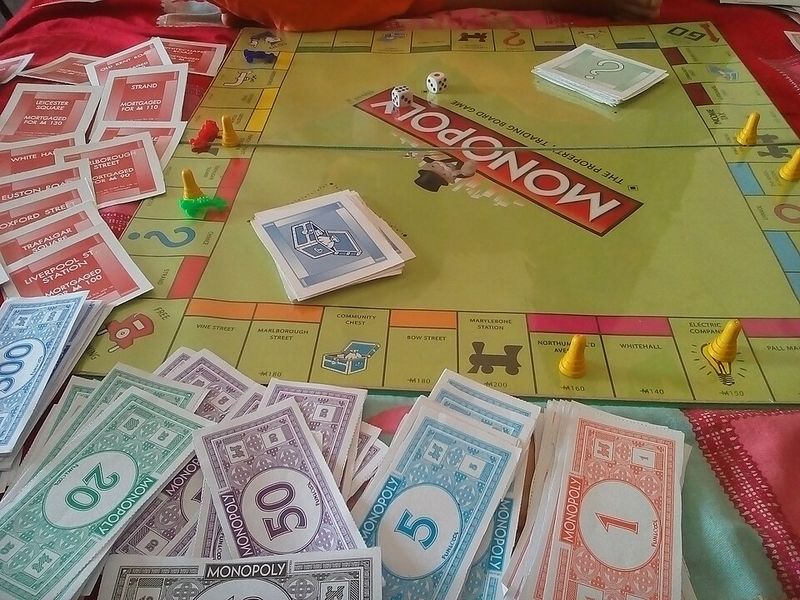
Few games could turn friends into property tycoons as fast as Monopoly. Players raced around the board buying streets, collecting rent, and making trades that sometimes sounded very serious for a group of kids in pajamas.
The game was already a classic long before the 1990s. Parker Brothers began selling it in 1935, and it grew into one of the most recognized tabletop games in the world.
In the ’90s, many family game shelves held the familiar tokens, including the racecar, top hat, battleship, Scottie dog, thimble, boot, iron, and wheelbarrow. Kids fought over who got to be which piece before the first roll.
At a sleepover, the biggest challenge was often finishing before everyone fell asleep. A long game could stretch past midnight, so many groups agreed to house rules just to reach a winner.
Trading properties smartly and building houses early were the moves that usually made the difference.
The Game of Life
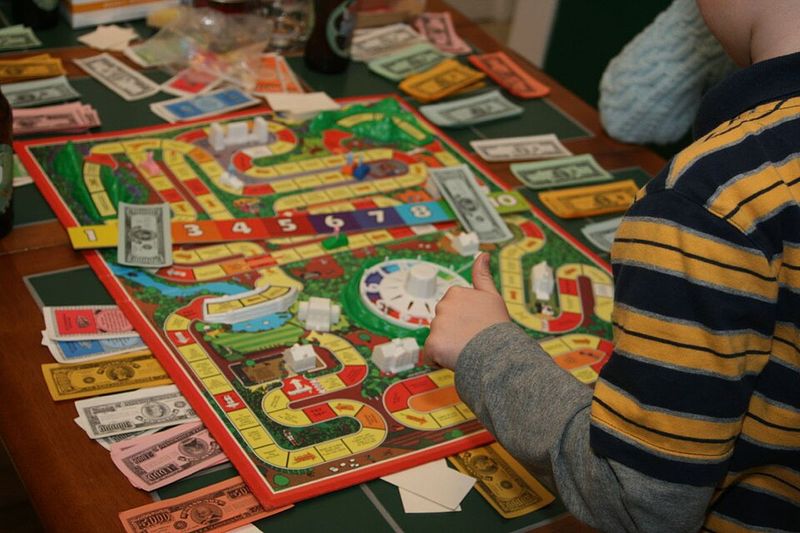
Before most kids knew anything about mortgages, careers, or retirement, The Game of Life offered a colorful preview. It let a group of friends pretend to be grown-ups for an evening.
Players spun the famous wheel and moved little plastic cars along a path filled with choices and surprises. Careers, marriage, children, expenses, and financial twists could change who looked like the winner in a single turn.
Part of the charm was getting all the fun of adult life without any of the real responsibility. Nobody had to pay an actual bill.
At a sleepover, that meant comparing jobs one minute and laughing the next about a car suddenly filling with tiny pink and blue pegs. The spinner kept turns fast, so even a big group could stay interested.
Arguments over who had the best salary were half the entertainment.
Scrabble
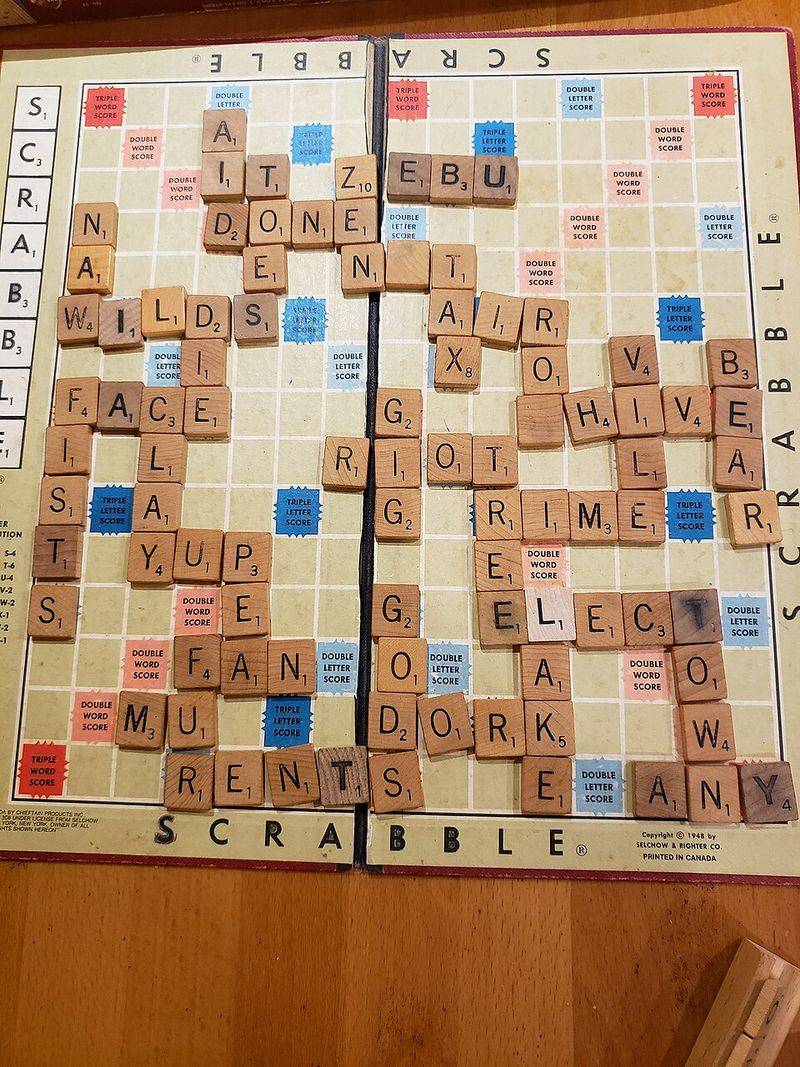
Scrabble was quieter than many sleepover games, but the competition could be just as serious. Everyone stared at their tile racks like they held secret codes.
Players used letter tiles to build connected words while aiming for the double-letter, triple-letter, double-word, and triple-word spaces. One well-placed word could change the score completely.
The real drama came when someone played a suspiciously obscure word and insisted it was legitimate. That usually sent everyone hunting for a dictionary.
The game rewarded vocabulary, planning, and a little luck with the letters you drew. It was also the kind of game where the friend who claimed to be terrible at it suddenly posted a huge score.
For kids who loved language, it was a quiet way to show off between rounds of louder games and snacks.
Candy Land
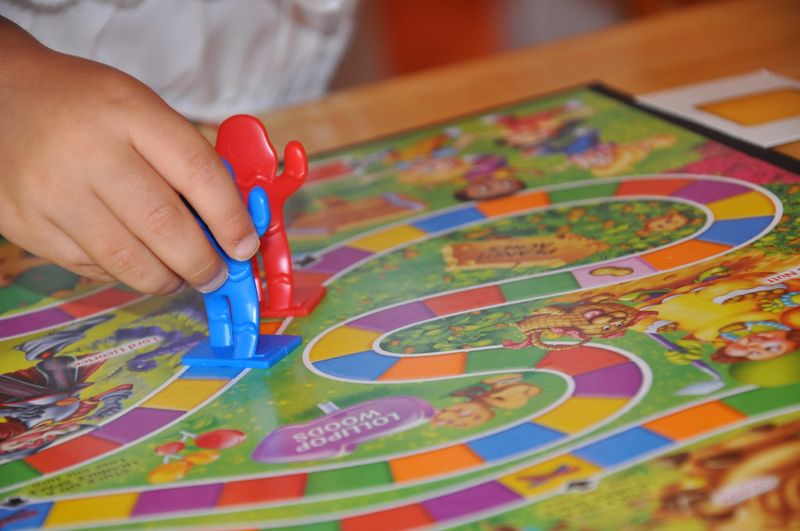
Candy Land required almost no strategy, which was a big part of its appeal. Draw a card, move your pawn, and hope for a shortcut.
Players traveled through a bright fantasy world by following a colorful path toward the finish. Younger children could join easily because reading and counting skills were not needed for basic play.
The history behind it is surprisingly meaningful. Eleanor Abbott created Candy Land while recovering from polio, and she designed it with hospitalized children in mind.
Milton Bradley began selling it in 1949.
By the 1990s, that candy-colored world had already entertained generations of kids. At a sleepover, it was a handy choice when a younger sibling wanted to join in, or when everyone wanted an easy, silly game that nobody could take too seriously.
Risk
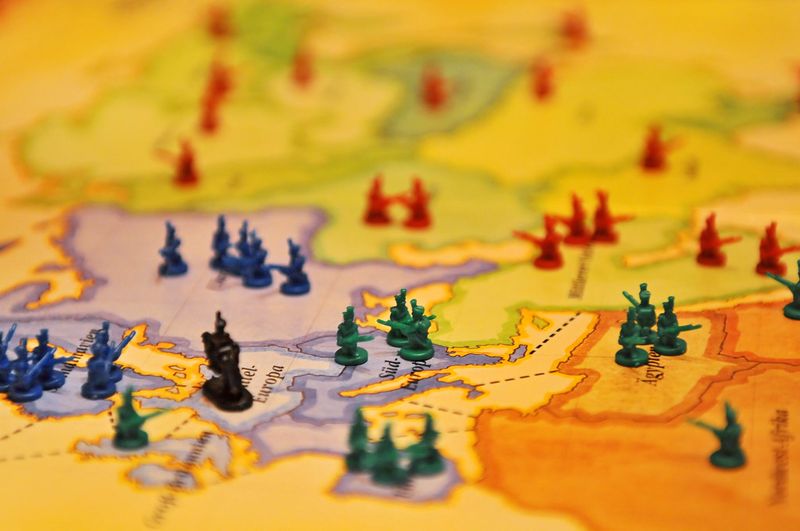
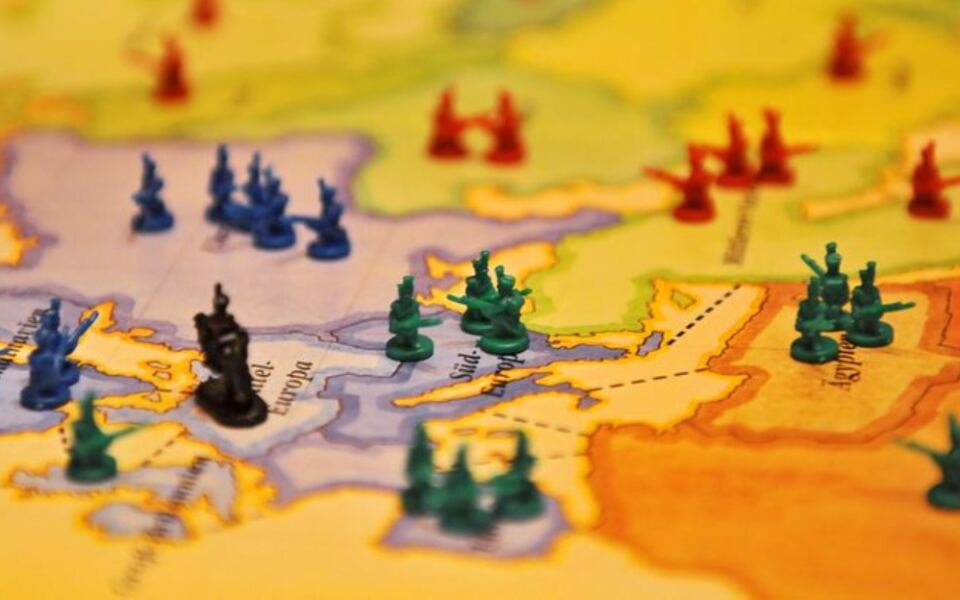
Risk was for the sleepover group that wanted a lot more strategy. Once the world map came out, the evening got serious.
The board showed the world divided into territories, and players commanded armies while trying to expand their reach. Dice decided battles, but winning also took smart choices about where to attack, where to defend, and when to skip a fight.
Temporary alliances kept things lively. One friend might promise not to attack your territory, then change plans a few turns later when conquering it became convenient.
Hasbro still describes Risk as its classic game of global domination. A full game could last hours, so it worked best for groups ready to settle in.
Holding Australia early was a popular plan, and it sparked plenty of debate about the best opening moves.
Operation
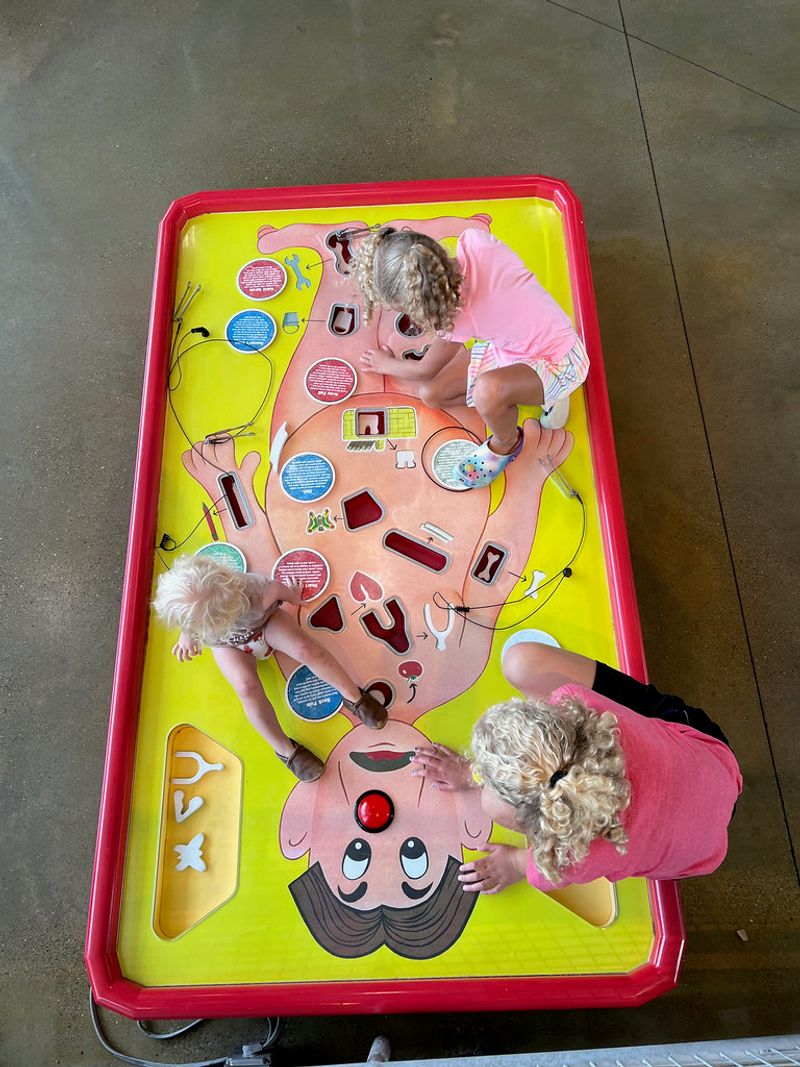
One loud buzz was all it took to make a whole room jump. That was the drama of Operation.
Players used metal tweezers to carefully remove silly ailments from the patient without touching the metal edges around each opening. One small slip set off the buzzer and ended the turn.
The odd ailments were part of the fun. Instead of realistic surgery, players pulled out pieces like the Funny Bone and the Bread Basket.
The game rewarded a steady hand, but watching a friend nervously try a tricky piece was often more entertaining than winning. Everyone leaned in, held their breath, and groaned together when the buzzer went off.
It was quick, easy to learn, and perfect for a few fast rounds between longer games.
Mouse Trap
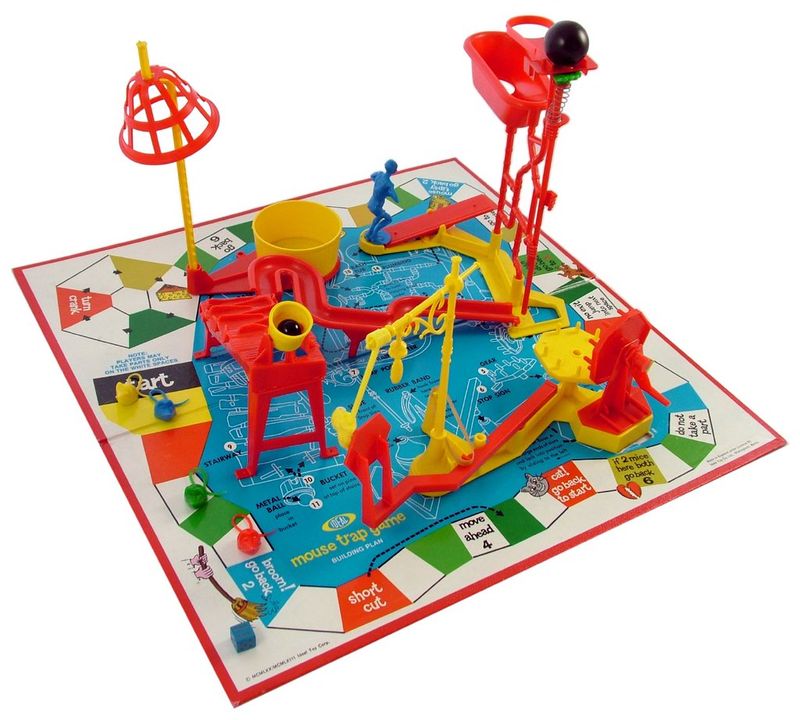
Most board games sat flat on the table, but Mouse Trap came with a giant contraption in the middle of the action. Building it was a project all on its own.
Players moved mouse pieces around the board while working with a complicated trap made of ramps, gears, levers, and other connected parts.
Watching the chain reaction actually work was half the fun.
Modern Hasbro descriptions still highlight the multi-part machine and the way each action sets off the next one.
For kids, the engineering lesson came second. Everyone simply wanted to see whether the elaborate trap would finally catch a mouse.
Even when the machine misfired, the groans and laughs made it a memorable part of the night.
Guess Who?
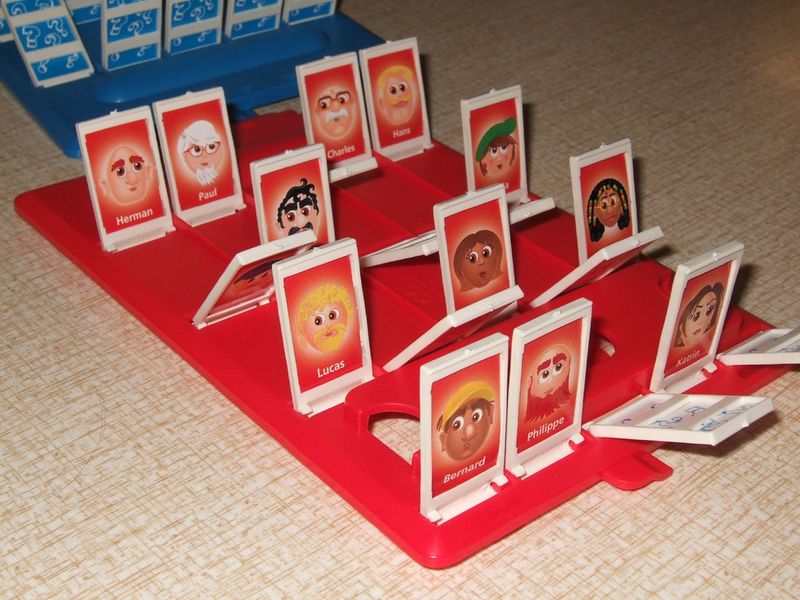
“Does your person wear glasses?” “Does your person have a hat?” Those simple questions got surprisingly tactical in Guess Who?
Each player secretly chose a character while the opponent asked yes-or-no questions. With every answer, players flipped down the faces that no longer matched until only a few remained.
The challenge was finding the question that would remove the most characters at once. Smart players learned to ask about features shared by many faces.
Hasbro’s classic version still follows that basic formula, with two players trying to identify each other’s mystery character using yes-or-no questions.
Simple, fast, and easy to replay, Guess Who? was ideal when two kids wanted a quick contest. It also worked well as a warm-up while the rest of the group argued over what to play next.
Battleship
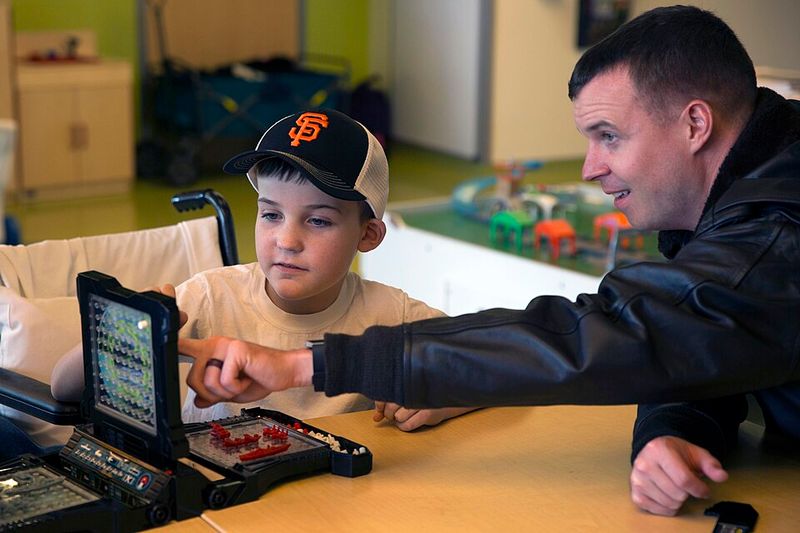
Battleship turned two players into rival naval commanders. A little plastic wall was all that separated one fleet from the other.
Each person secretly placed ships on a grid, then took turns calling out coordinates. The opponent answered with a hit or a miss, so players slowly worked out where the hidden fleet sat.
Milton Bradley introduced the familiar plastic version in 1967, although the idea grew from earlier pencil-and-paper naval games.
The best moment was finally finding a stubborn ship after many wrong guesses. The worst was hearing your opponent announce that your last ship was gone first.
Quick rounds meant rematches were common, and sleepover pairs often kept score across several games before bedtime.
Connect Four
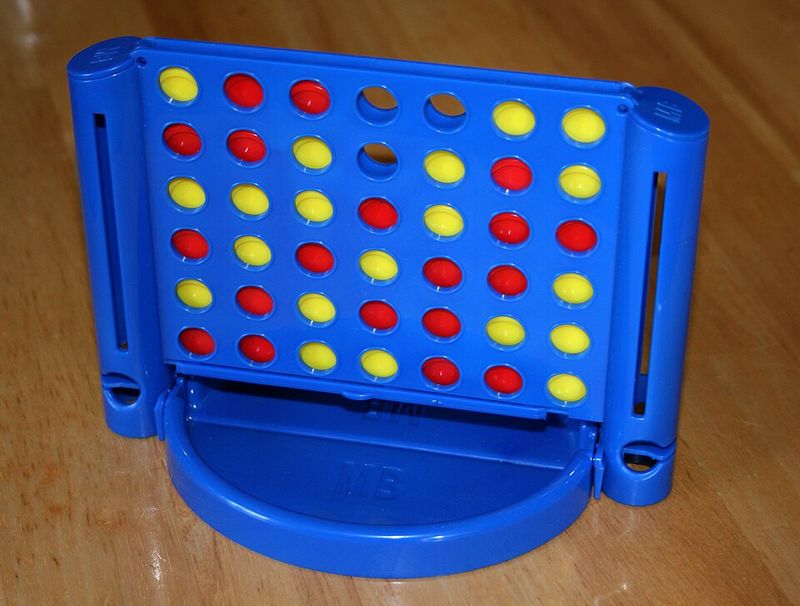
A game does not need dozens of rules to get fiercely competitive, and Connect Four proved it. The rules fit in one sentence.
Two players took turns dropping colored discs into a vertical grid. The goal was to be the first to line up four discs horizontally, vertically, or diagonally.
What looked easy turned into a battle of anticipation. Every move had two jobs: build your own winning line and block your opponent from quietly building one somewhere else.
A single overlooked diagonal could end the game on the spot. The click of discs and the sudden release of the lever to empty the grid made rematches easy.
Quick rounds meant there was almost always time for one more game.
Pictionary
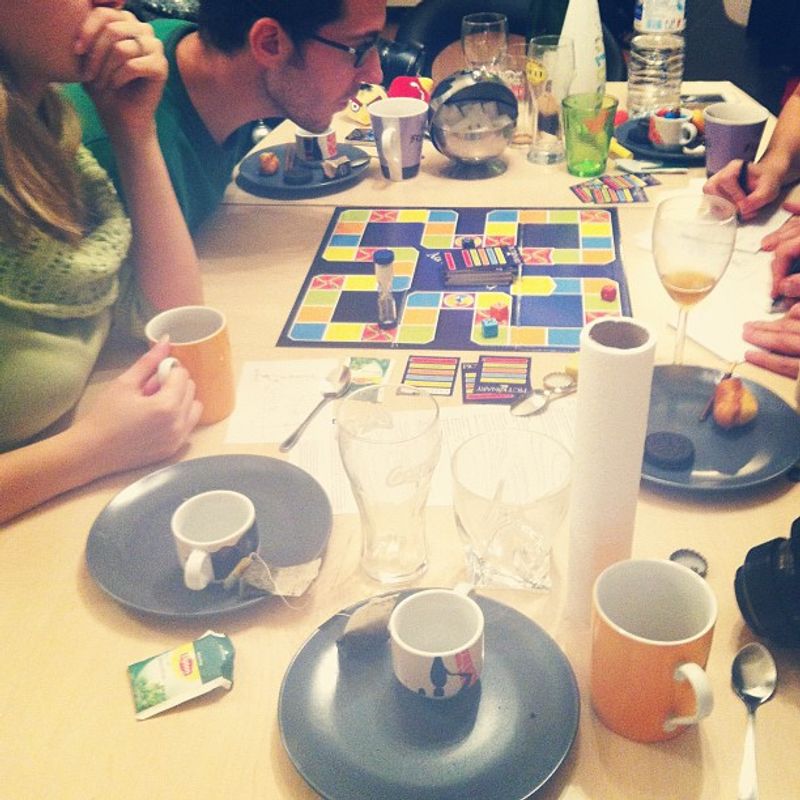
Pictionary was funniest when nobody in the room could draw well. Talent was optional, and it often got in the way.
Players split into teams and tried to communicate words or phrases using only sketches. The artist had limited time, so careful art quickly turned into frantic lines, questionable stick figures, and teammates shouting wilder and wilder guesses.
The original Pictionary dates to 1985, according to Mattel, which still sells versions of the quick-draw game today.
During a sleepover, the badly drawn pictures often became funnier than the contest itself. Many groups ended up keeping the best sketches as souvenirs, and a lopsided cat or a mysterious blob could become an inside joke for years.
Trouble
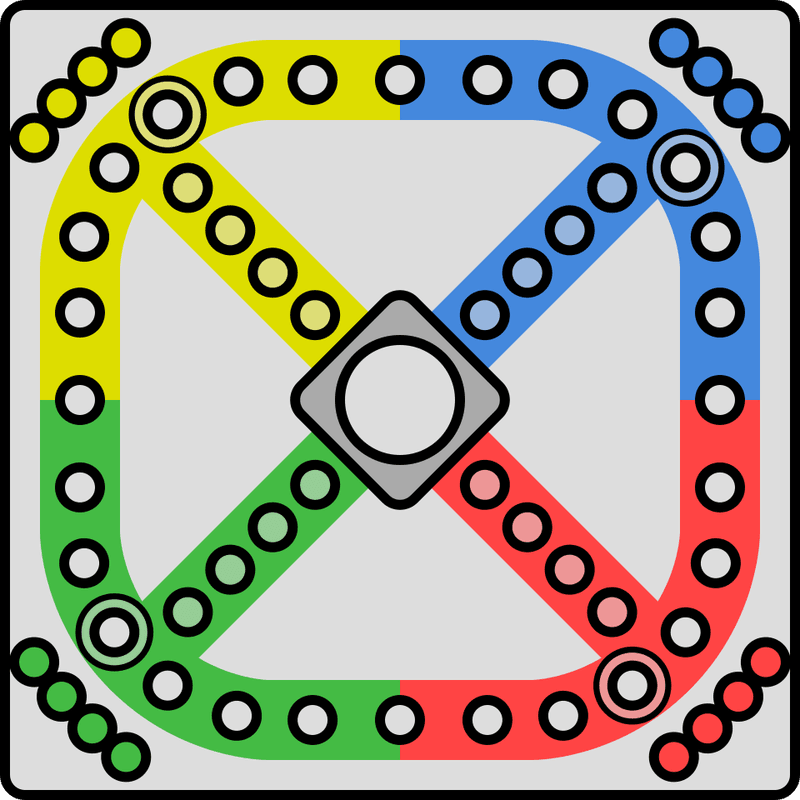
Trouble had one feature that made it instantly recognizable: the Pop-O-Matic. That clear dome in the middle of the board was the star.
Instead of picking up loose dice and rolling them across the table, players pressed the plastic bubble. The die jumped inside with a satisfying pop and showed how many spaces to move.
The goal was to get all your pieces around the board and safely home before everyone else. Of course, another player could send one of your pieces back to start and wreck your progress.
Hasbro still describes Trouble as a race-style game built around its distinctive Pop-O-Matic dice roller.
For many ’90s kids, pressing that plastic bubble again and again was almost as entertaining as the game itself.
Share this story