Most people buy their sparkly stones behind a glass counter. Across America, though, there are places where you can find them yourself, in a plowed field, a muddy creek, or a pile of desert gravel.
Some of these spots let you keep every crystal you uncover. Others show off rocks that change color under special lights.
You might crack open a rock that has been sealed for 500 million years. You might sift a bucket and spot a tiny red garnet winking up at you.
The rules, prices, and best seasons differ a lot from site to site, so a little planning goes a long way. This list covers diamond fields, emerald creeks, opal banks, quartz mines, and one underground tunnel that turns into a rainbow.
Each stop includes useful facts, history, and tips to help you get the most out of a visit. Grab your old sneakers and a sense of adventure, because the first stop involves real diamonds and a field where finders are keepers.
1. Crater of Diamonds State Park, Murfreesboro, Arkansas
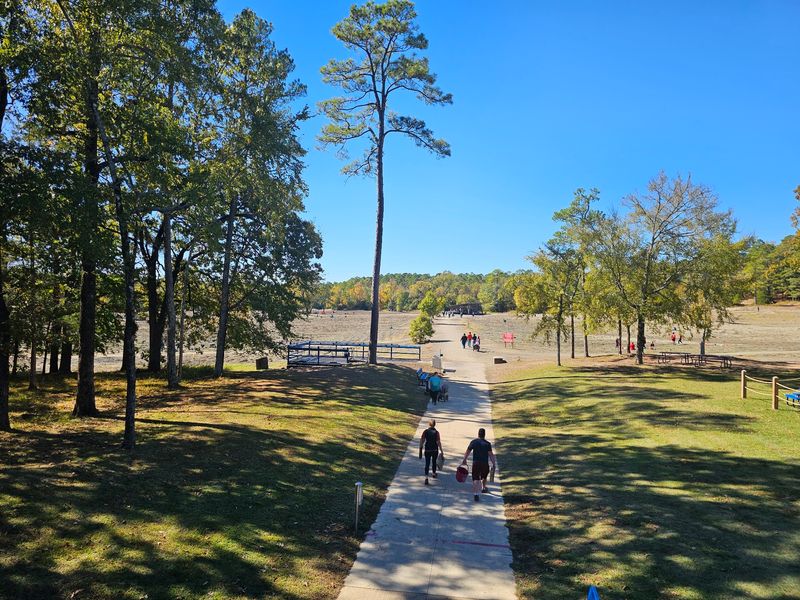
Finders keepers is the official rule at the only public diamond site in the world where gems come from their original volcanic source. The 37-acre search field is actually the worn-down surface of an ancient volcanic crater.
Since it became a state park in 1972, visitors have found more than 37,000 diamonds. They come in white, brown, and yellow.
The biggest one ever found in the United States, the 40.23-carat Uncle Sam, came from this very ground.
Diamonds are not the only prize here. Amethyst, garnet, jasper, agate, and quartz also turn up, and quartz often fools hopeful diggers.
The park rents tools and identifies your finds for free at the Diamond Discovery Center. Staff also run demonstrations that teach smart search methods.
Wear clothes you do not mind ruining, since the field gets muddy or dusty. Many regulars say the best hunting happens after a rain, when fresh stones get washed into view.
A seasonal water park nearby helps everyone cool off afterward.
2. Emerald Hollow Mine, Hiddenite, North Carolina
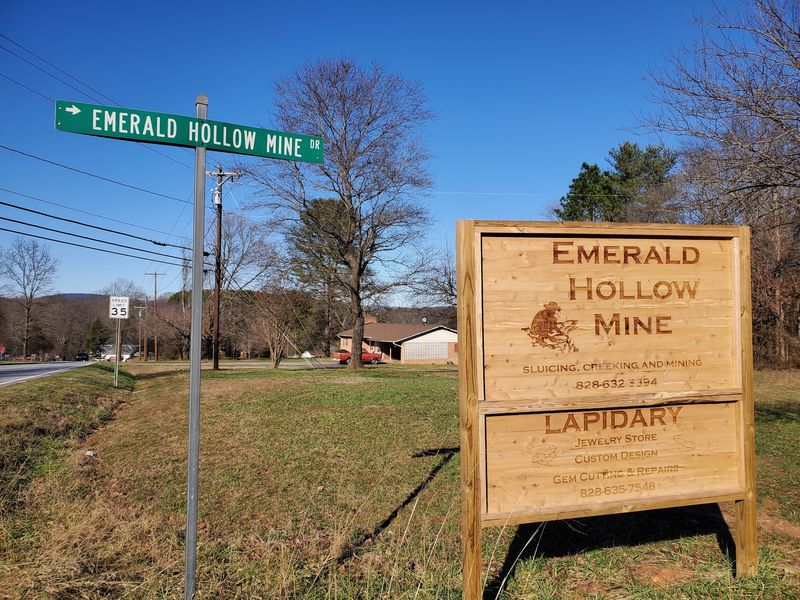
Green is the color of the day in a small town literally named after a rare mineral. Hiddenite, a green gemstone, was first identified in this corner of Alexander County.
Emerald Hollow Mine is the only emerald mine in the United States open to the public for prospecting. More than 60 kinds of gems and minerals have been found on the property.
The list includes emeralds, aquamarine, sapphires, garnets, topaz, tourmaline, and citrine.
Visitors can choose from three ways to hunt. Sluicing means washing buckets through screens, and some enriched buckets guarantee a find.
Creeking lets you sift dirt right in the creek, while digging happens in marked zones on the 70-acre site.
Tools like shovels and screens are provided. Bring old shoes, spare clothes, gloves, and a towel, because you will get wet.
Fun fact: the largest emeralds ever found in North America came from this area. The mine can even cut and polish your rough stone into something wearable.
3. Herkimer Diamond Mines, Herkimer, New York
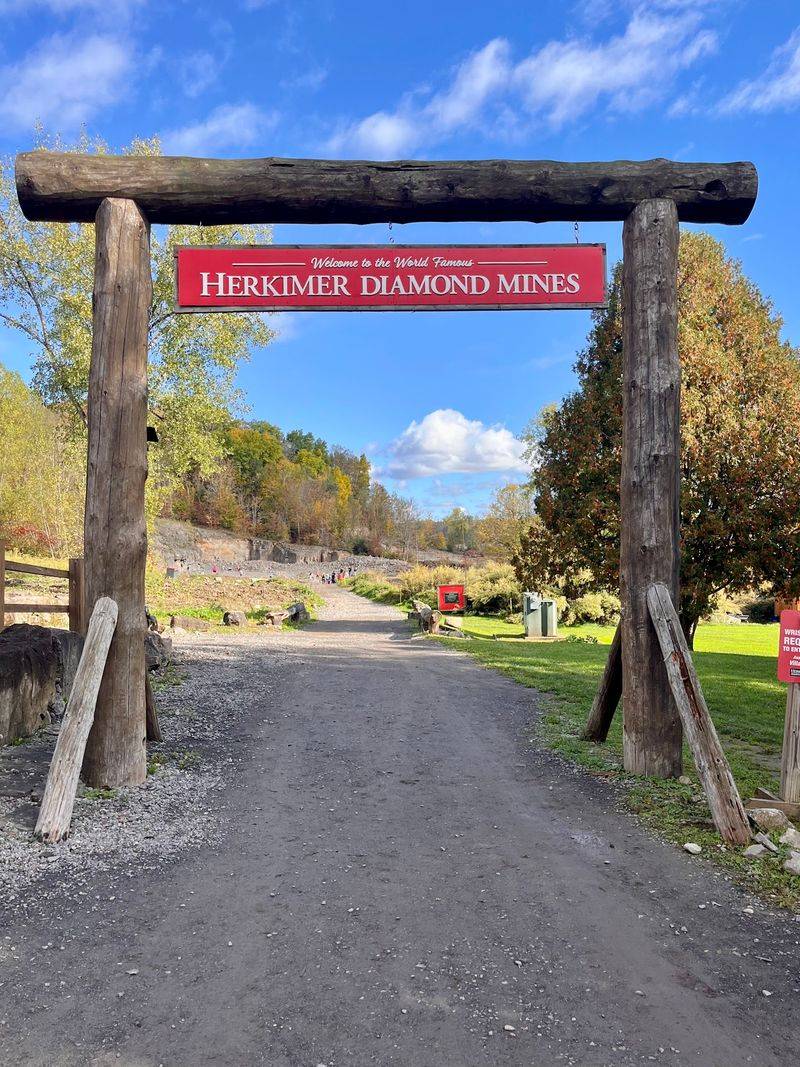
Here is a diamond with a secret: it is not a diamond at all. Herkimer diamonds are quartz crystals with natural points on both ends, a rare trait called double termination.
These crystals started forming about 500 million years ago, when a shallow sea covered much of New York. Mineral-rich water seeped into holes in a rock called dolostone and slowly hardened into clear crystals.
Many have 18 natural faces, no jeweler required.
The hunt is simple and satisfying. Grab a hammer, crack open chunks of dolostone, and check for hidden pockets.
Some of those pockets have stayed closed since before dinosaurs existed.
Everything you find is yours to keep. A sluicing station is also available, and the site can turn your crystals into jewelry.
Bring safety glasses and gloves for all that rock smashing. On the Mohs hardness scale, these crystals rate 7.5, while true diamonds score a perfect 10.
Still, a 7.5 you found yourself is pretty impressive.
4. Rockhound State Park, Deming, New Mexico
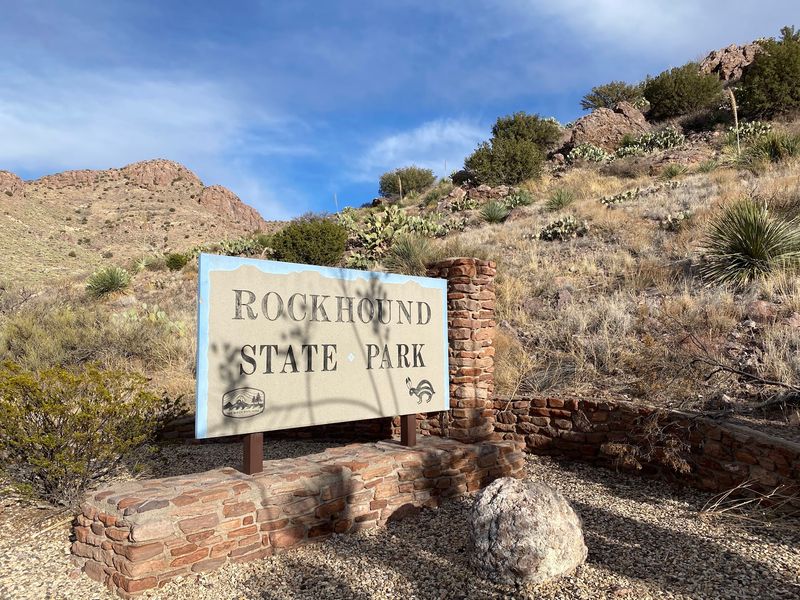
Taking rocks home from a park usually breaks the rules. At this spot in the Little Florida Mountains, it is the whole point.
Rockhound State Park was the first park in the United States created so visitors could collect rocks and minerals for personal use. Each person may take up to 15 pounds from the designated areas.
That is roughly the weight of a big bowling ball, so choose wisely.
The slopes hold agate in many colors, plus jasper, quartz crystals, geodes, thundereggs, and onyx. Keep an eye out for Apache tears, which are small rounded pieces of obsidian.
The 1,100-acre park has two units, the main area and Spring Canyon Recreation Area. Hiking trails climb through volcanic hills with wide views of the Chihuahuan Desert.
Plan your trip between October and April, when temperatures are friendlier. Pack plenty of water, sunscreen, and sturdy closed-toe shoes.
The ground is rocky and uneven, which is great for collecting and not so great for sandals.
5. Wegner Crystal Mines, Mount Ida, Arkansas
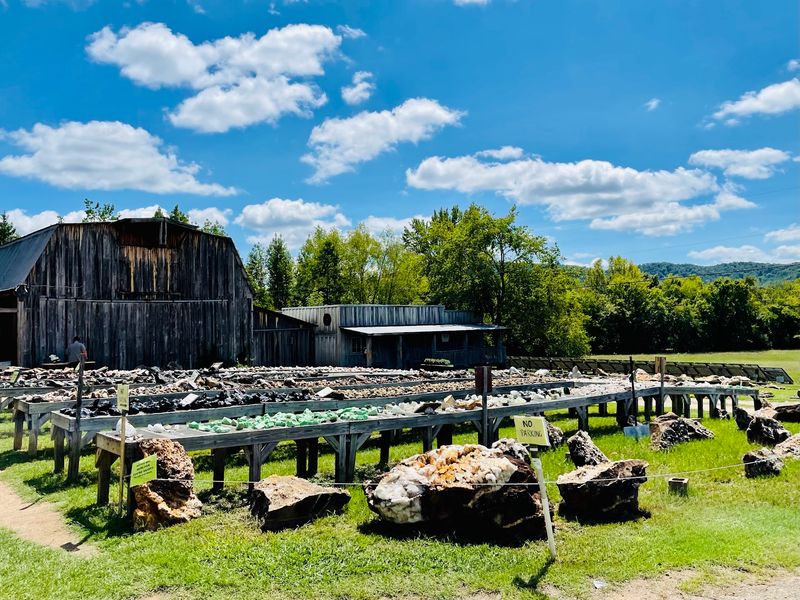
Mount Ida calls itself a quartz crystal capital, and Wegner has been backing up that claim since 1980. The Ouachita Mountains around it are known worldwide for clear, beautiful quartz.
Two digging options top the list. The Crystal Forest Mine starts with a short, bumpy ride to an active site, where you get two hours to dig and keep everything.
Expect clay on your hands and maybe a few crystal points too.
The Tailings Crystal Area is the relaxed choice. It is a big field of already-dug material that gets refreshed with new crystal-bearing dirt, and you can search all day.
Not into dirt at all? The gemstone sluice guarantees finds like rubies and topaz.
Geode cracking is another family favorite.
A free on-site museum explains the local geology. The mineral warehouse displays impressive specimens from Arkansas and beyond.
Families appreciate the organized setup, which makes it easy to switch activities when younger diggers lose patience.
6. Ron Coleman Mining, Jessieville, Arkansas
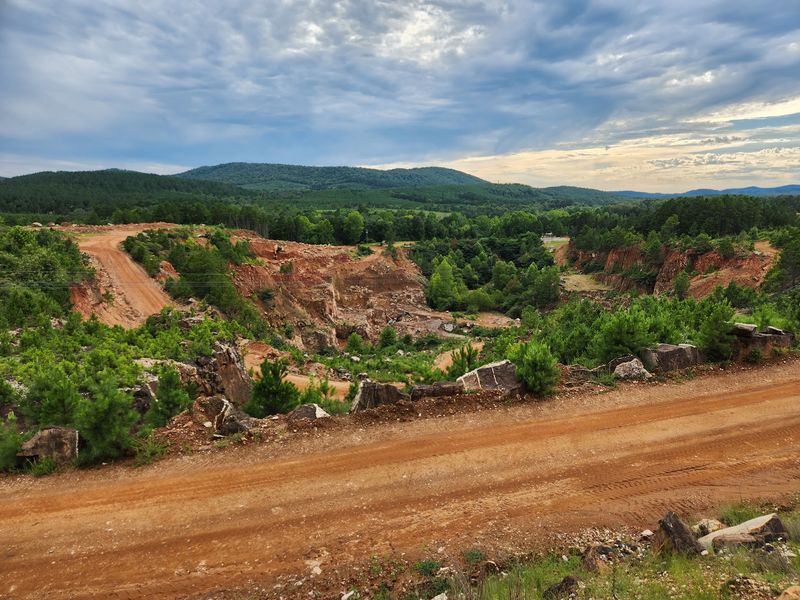
Five generations of one family have pulled quartz out of these hills near Hot Springs. In 1991, they opened a digging area to the public, and crystal fans have been showing up ever since.
Ron Coleman Mining is known as one of the most productive quartz mines in Arkansas. Its 40-acre public dig site is open all year.
Visitors search through freshly excavated material for single clear points and big clusters that look like tiny crystal cities.
Want to see the serious side of mining? Guided tours visit the working commercial mine, sometimes in military vehicles.
Then comes the surprise. The state’s only zipline zooms a quarter mile above a 250-foot-deep crystal mine, giving you a bird’s-eye view of the action.
Back on solid ground, the fine minerals gallery shows specimens from around the world, some nearly nine feet tall. A gift shop and the Crystal Ridge RV Park round things out, so you can dig, rest, and dig again tomorrow.
7. Gem Mountain Gemstone Mine, Spruce Pine, North Carolina
Milepost 331 on the Blue Ridge Parkway is the only direction you need. Just off that marker sits a family-owned mine run by Charles and Kay Buchanan since 1987.
Spruce Pine sits in one of the most mineral-rich areas in the country. Gem Mountain sources its material from local and regional sites, so finds feel genuine.
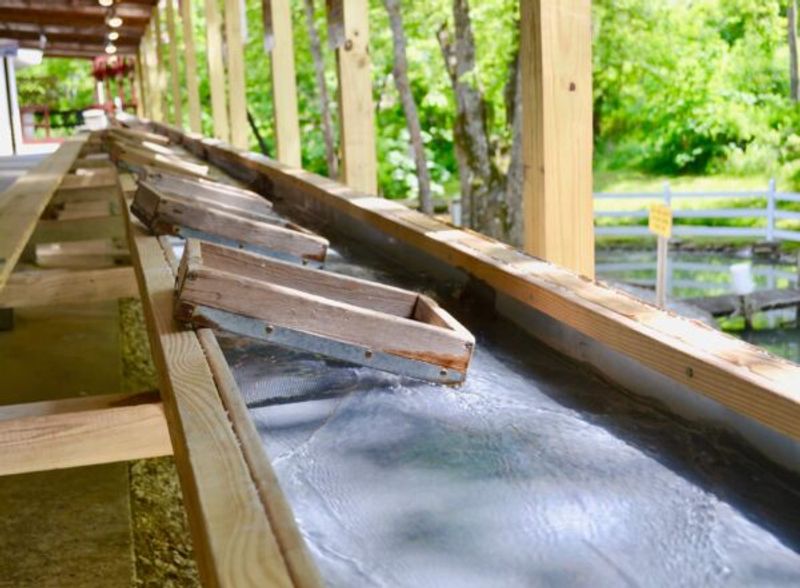
Flume mining is the main event. You buy a bucket, wash it in running water under a covered flume, and watch for rubies, sapphires, emeralds, amethyst, and topaz.
Kids tend to cheer every time something red pops up.
For a tougher challenge, book a guided trip to the private Brushy Creek Mine. There you dig straight from the ground with real mining tools.
Guides help identify stones and share tips. Skilled gem cutters on site can shape your rough finds into jewelry.
Before leaving, check out the fluorescent mineral display, where local rocks change color under ultraviolet lamps.
8. Oceanview & Pala Chief Gem Mines, Pala, California
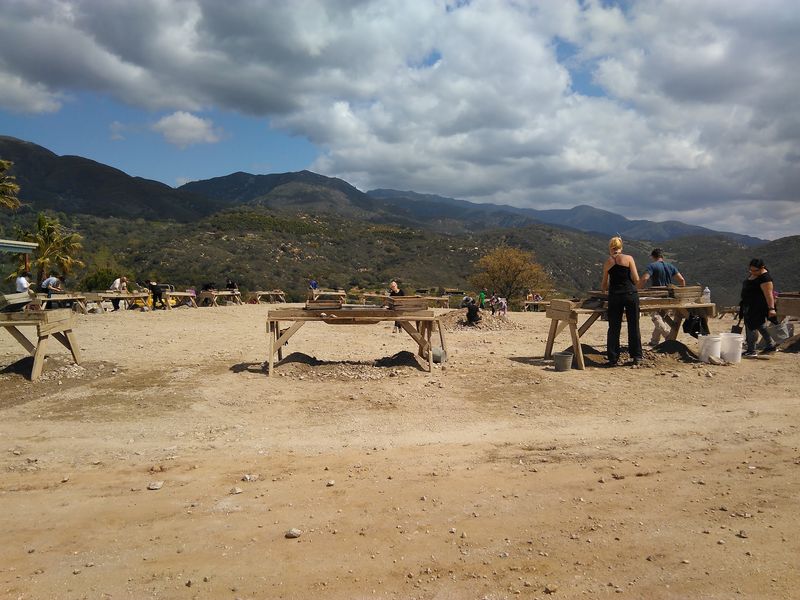
Pink tourmaline put this corner of San Diego County on the map more than a century ago. The Pala mining district is still famous for tourmaline, kunzite, and other colorful crystals.
At Oceanview Mine, visitors sift through material hauled straight out of the mine. The goal is to spot crystals the miners overlooked.
That might mean a slice of pink tourmaline or a pale blue piece of aquamarine.
Kunzite is a fun one to learn about. It is a pink to lilac mineral that was named after George Kunz, a famous gem expert at Tiffany and Company.
The work is simple but takes patience. Screen, rinse, look closely, and repeat.
Advance reservations are required, so do not just show up. Bring sunscreen, water, and a small container for your finds.
Even small crystals connect you to a mining history that has produced some of the finest tourmaline in North America.
9. The Montana Blue Jewel Mine, Helena, Montana
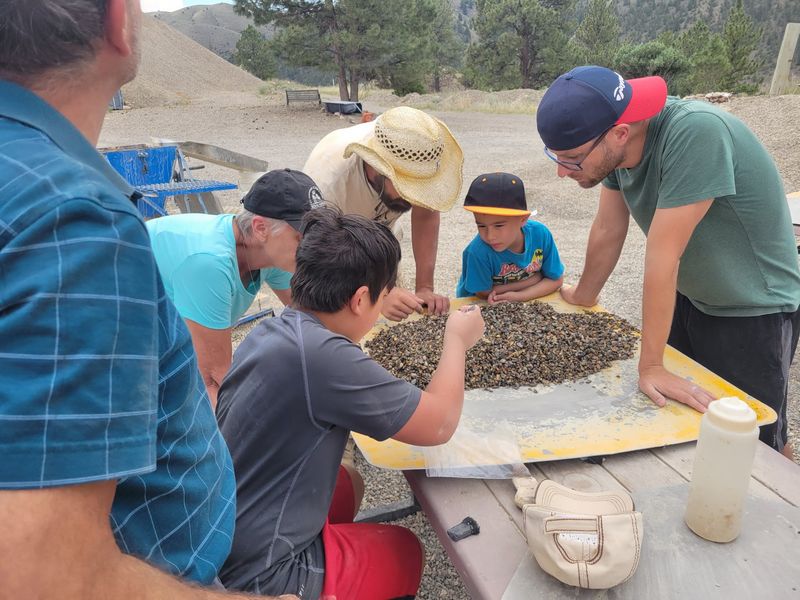
Blue is just the starting point for Montana sapphires. They also come in pink, green, yellow, and shades in between, which makes every screen of gravel a little surprise party.
The Montana Blue Jewel Mine near Helena lets you search for them yourself. The process is all about washing sapphire-bearing gravel and examining what is left.
Sapphires are heavy, so they tend to sink to the bottom of a screen. Experienced hunters flip the screen upside down onto a table, and the gems often sit right in the center of the pile.
Look for small stones that seem glassy and a bit rounded. Most rough sapphires look plain until they are cut and polished.
Garnets and other minerals also show up, so keep an eye out for deep red bits too. The best part is the lesson you take home.
You will never look at a store sapphire the same way after spotting one in muddy gravel.
10. Royal Peacock Opal Mines, Denio, Nevada
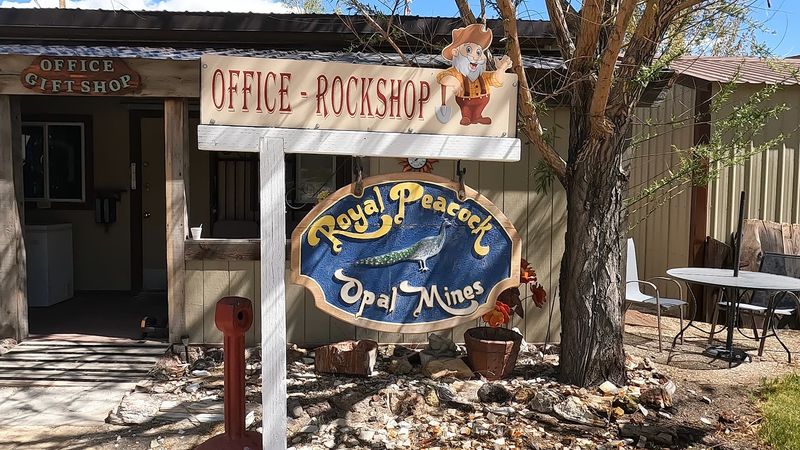
Nevada’s state gemstone, precious opal, has a famous home in remote Virgin Valley. The opals here formed over millions of years inside volcanic ash from the Miocene period.
Royal Peacock has been a family-run fee-dig mine since 1981. The valley is famous for black opal, which shows bright colors against a dark background.
Choose your effort level. Bank digging means working directly into the opal-bearing ash wall, which offers the best odds but serious exercise.
Tailings let you sift already-dug material, and pre-sorted buckets work for all ages.
Every opal you find is yours. Hard hats and closed-toe shoes are required, and bank diggers need eye protection.
The 2026 season runs May 1 through October 18, from 8 a.m. to 4 p.m., weather permitting. The area is isolated, so bring water and sun protection.
An on-site campground offers RV sites, tents, and furnished lodging, and the gift shop sells opal jewelry made by the mining family.
11. Sunstone Public Collection Area, Plush, Oregon
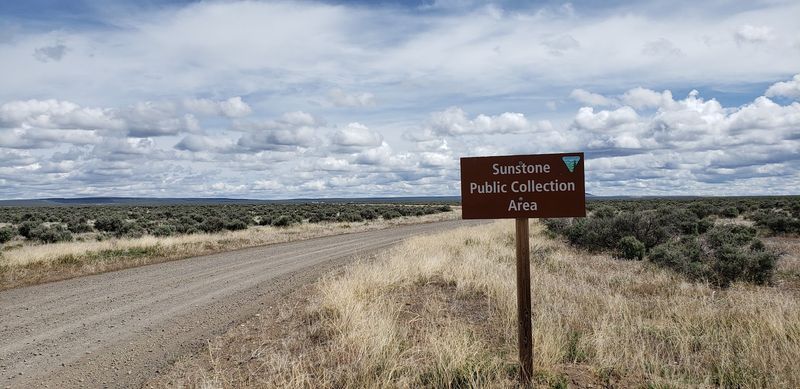
Free gemstones sound like a myth, yet southeastern Oregon has a spot where they lie right on the ground. The Sunstone Public Collection Area is managed by the Bureau of Land Management, and there is no mining fee.
Oregon sunstone is a type of feldspar crystal. Stones range from clear to pale yellow, and some show coppery colors caused by tiny copper bits inside.
It is also Oregon’s official state gemstone.
Many collectors simply walk slowly and scan the dirt. Others dig shallow holes and screen the soil for bigger pieces.
The collecting is for personal use only, so selling your finds is not allowed. Read posted rules before you start.
Plan ahead because services are very limited. The site sits on gravel roads far from town, so bring a full gas tank, extra water, snacks, and a spare tire.
A basic campground is available nearby for anyone who wants an early start the next morning.
12. Topaz Mountain, Delta, Utah
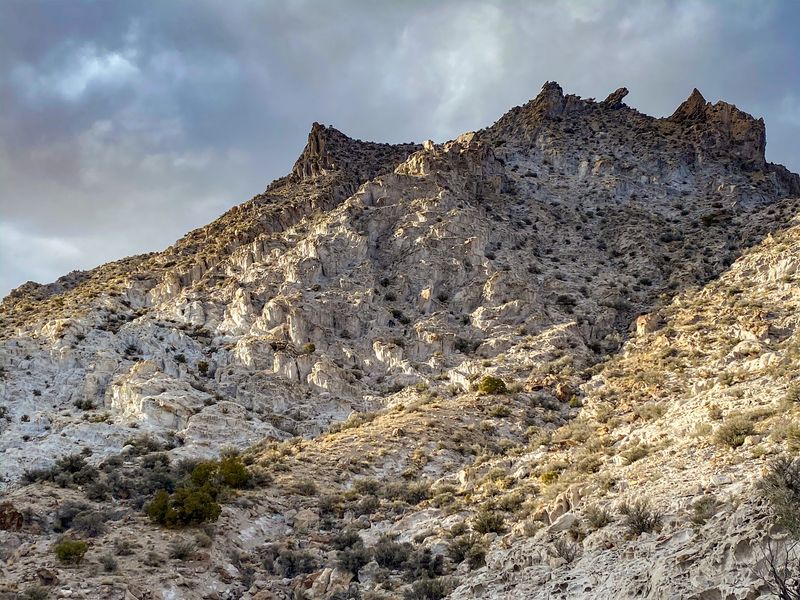
Sunlight is the enemy of the amber-colored topaz found on this Utah mountain. Leave a crystal on a windowsill too long, and its warm color can fade away.
Topaz Mountain sits in the Thomas Range, northwest of Delta. Its light-colored volcanic rock, called rhyolite, contains small cavities where topaz crystals formed.
Collectors have been visiting for generations.
Topaz is Utah’s state gemstone, which makes a find here extra special. Visitors search loose gravel at the base of slopes or carefully break open rock to check the holes inside.
The Bureau of Land Management allows casual collecting for personal use. Check current guidelines before you go.
Here are a few practical tips:
Bring a rock hammer, chisel, safety glasses, and lots of water. The area is remote, with no stores nearby.
Store your crystals in a dark box at home to keep their color. Red beryl, a much rarer find, also comes from this region.
13. Sterling Hill Mining Museum, Ogdensburg, New Jersey
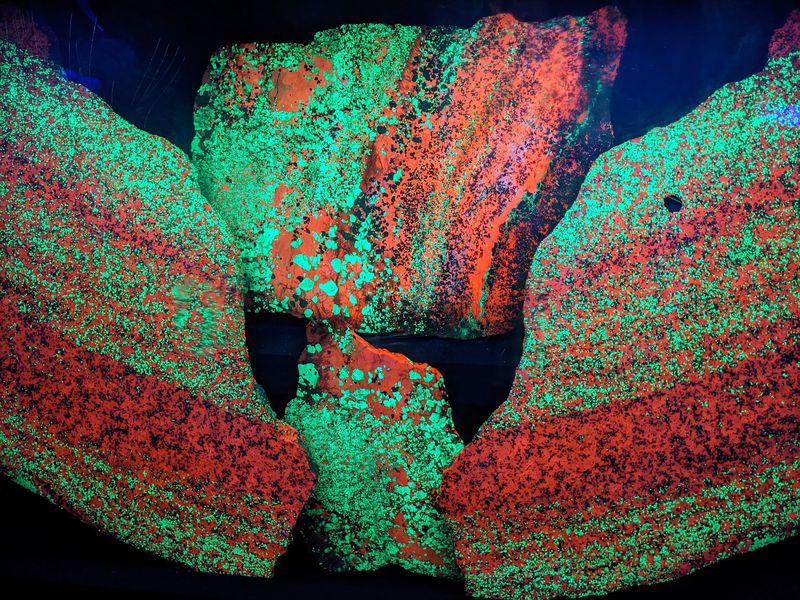
Flip on an ultraviolet lamp in this New Jersey tunnel, and plain gray walls turn red and green. Calcite turns red and willemite turns greenish yellow in the famous Rainbow Tunnel.
Sterling Hill was the last working underground mine in New Jersey. It closed in 1986 and became a museum in 1989.
The numbers are impressive. More than 360 mineral species have been found in the area, 91 of them fluoresce, and 35 exist nowhere else on Earth.
No wonder people call it the Fluorescent Capital of the World.
Guided underground tours cover mining history that goes back to the 1630s. Guides explain how zinc ore shaped the region.
Above ground, the Thomas S. Warren Museum of Fluorescence holds more than 700 glowing pieces.
It is the largest public display of its kind anywhere.
The museum sometimes hosts collecting days on the property. Check the schedule, and bring a jacket because the mine stays cool all year.
14. Spencer Opal Mine, Spencer, Idaho
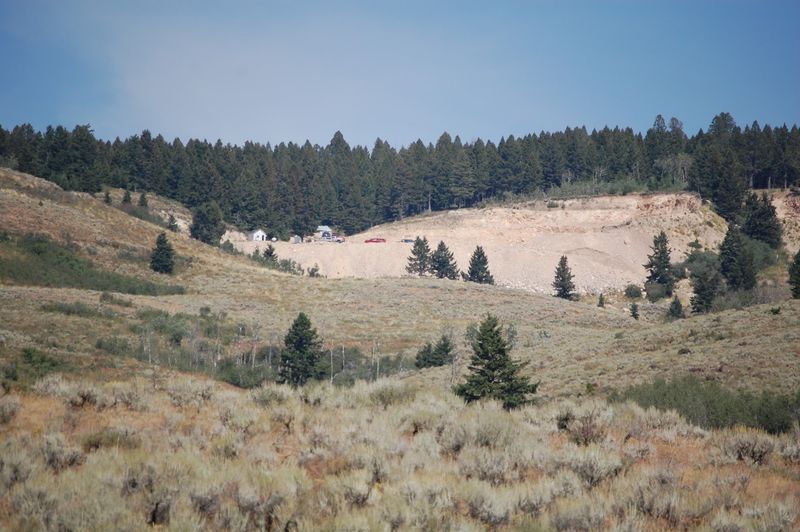
Spencer, Idaho, has fewer than 50 residents and one very colorful claim to fame. The town is home to a mine known for opal formed through ancient volcanic activity.
Spencer opal often grows in thin layers. Cutters slice those layers into doublets and triplets, which are thin pieces of opal glued onto a backing.
Some stones show play of color, the shifting rainbow flashes that make precious opal so popular.
A shop on site sells opal jewelry and mineral specimens. It is a good stop even if you never pick up a shovel.
Hands-on fans can try seasonal collecting. Dates change from year to year, so call or check online before driving out.
The mine sits right off Interstate 15, close to the Montana border. That makes it an easy break on a road trip toward Yellowstone.
Pack a snack, though, because restaurants in town are very limited.
15. Elijah Mountain Gem Mine and Crystal Store, Hendersonville, North Carolina
Goats, peacocks, and gemstones make an unusual team, but they all share the spotlight at this Hendersonville favorite. It has been voted the top gem mine in North Carolina.
Visitors buy prepared buckets that are guaranteed to contain colorful stones. Then they wash them at covered flumes, both indoors and outdoors.
Rain will not cancel your plans here.
All mining gear is provided. Every gem and fossil you uncover goes home with you.
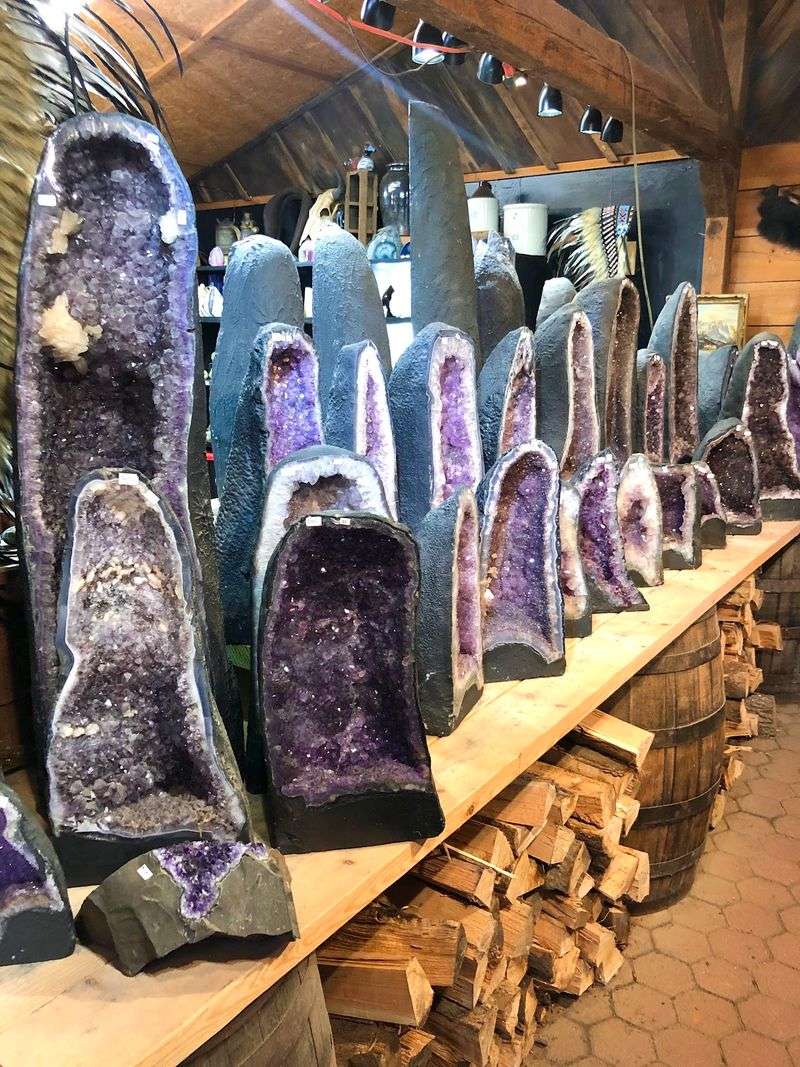
The on-site crystal and fossil store is called the largest in the state. Shelves hold geodes, polished stones, and big mineral specimens in every shape you can imagine.
Extra activities keep the whole family busy. There is a goat farm, a peacock aviary with exotic birds, a creek for splashing, and a family obstacle course.
A shady picnic area makes it easy to stay for lunch. Our final stop proves that a jewelry box adventure can come with a few farm animals too.
Share this story