Disney worlds can feel pure make-believe, yet many of them began with real castles, fjords, towns, and ancient ruins. Artists and filmmakers packed their bags, studied famous landmarks, and carried the best details back to the drawing board.
This list brings together 18 real places connected to Disney and Pixar films, from European palaces to Colombian mountain towns and a Route 66 motel. Some links are direct, and others are more about architecture or scenery that shaped a setting.
Pick a favorite film, find its real-world match, and you might discover your next trip idea or a new reason to rewatch an old classic.
Neuschwanstein Castle, Schwangau, Germany
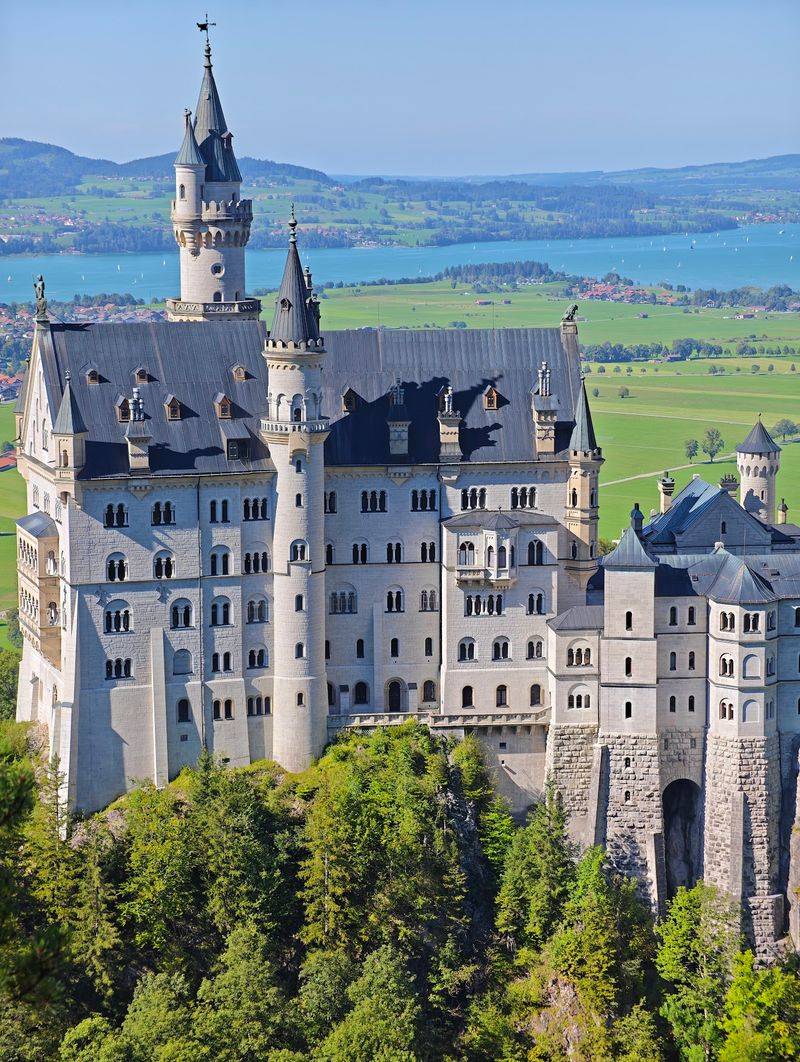
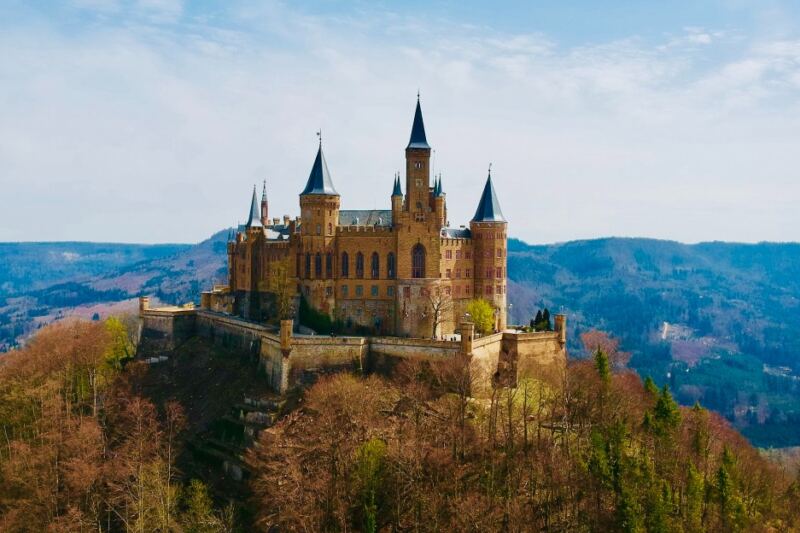
Fairy-tale castles do not get much more famous than this one. Neuschwanstein sits on a rugged hill in Bavaria, and its pointed towers helped shape the look of Sleeping Beauty Castle at Disneyland.
Disney itself notes the similarity between the two castles. Architectural historians also connect the Bavarian landmark with King Stefan’s castle in the animated film Sleeping Beauty.
The castle was built in the nineteenth century for King Ludwig II of Bavaria. Today it is one of the most visited castles in Europe, so booking a timed tour ahead of your trip is a smart move.
The area around Schwangau offers walking paths with views of the castle, which gives photographers plenty of angles. Many visitors also enjoy the nearby mountain scenery and lakes, making the whole trip feel like a storybook outing.
Mont-Saint-Michel, Le Mont-Saint-Michel, France
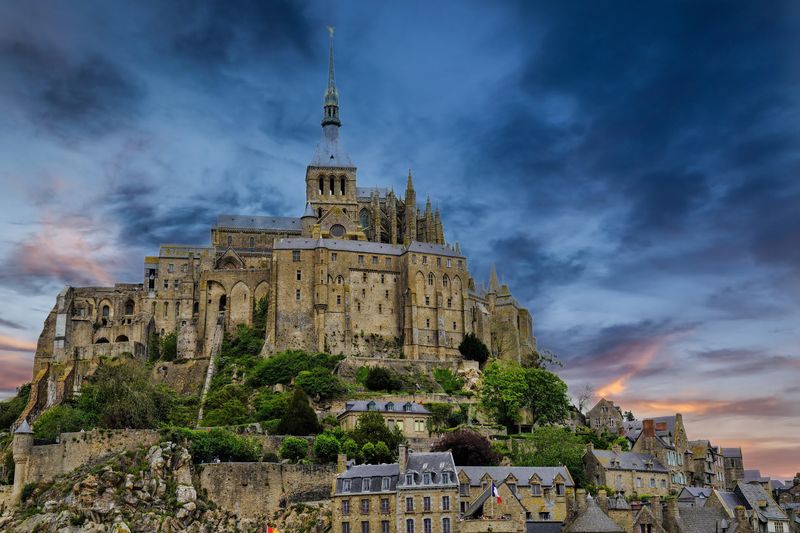
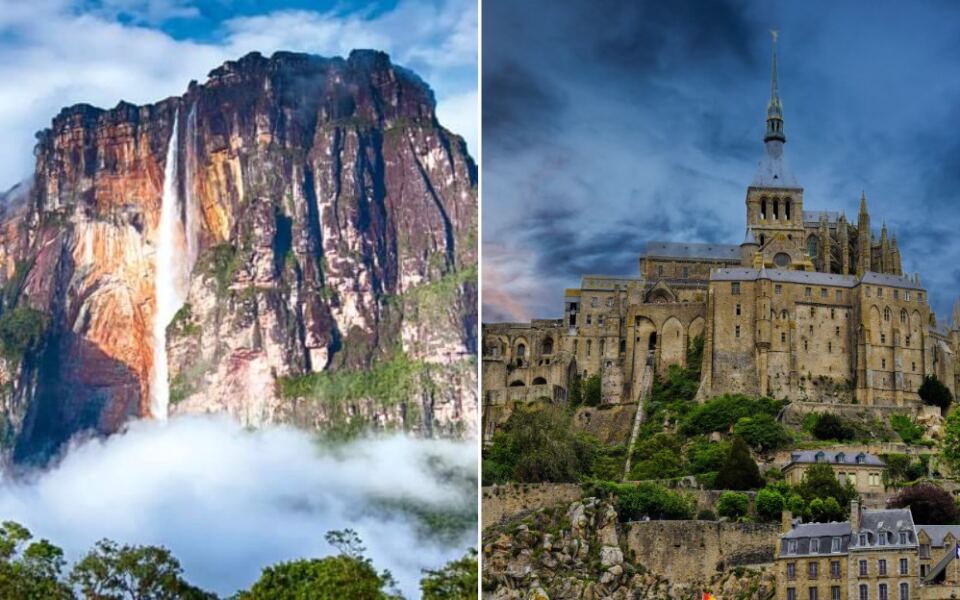
Rapunzel’s island kingdom has a real-life twin off the coast of Normandy. Disney has confirmed that Mont-Saint-Michel inspired the setting of Corona’s castle and island in Tangled.
The rocky island rises from a bay known for dramatic tides. Buildings stack up the slope in tight rows, and an abbey crowns the very top.
Visitors can walk the narrow main street, climb toward the abbey, and take in wide views across the bay. Tide times matter here, so checking the schedule before you go helps you plan photos and walks.
A fun way to see it is to rewatch the opening scenes of Tangled first. The kingdom’s layout, with its hilltop castle and clustered homes, will look surprisingly familiar once you spot the real thing.
Château de Chambord, Chambord, France
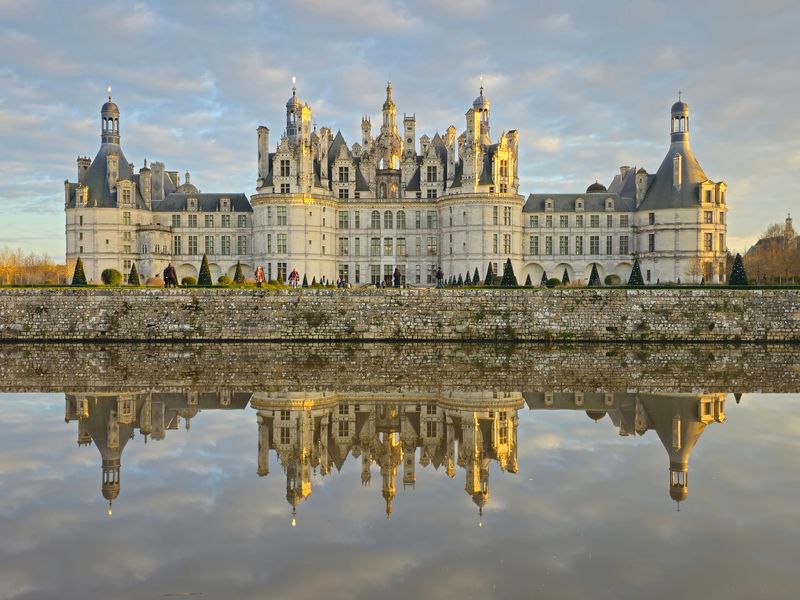
Count the towers and chimneys on Chambord’s roofline and you will see why filmmakers took notice. Disney has pointed to this château when discussing the French architectural heritage reflected in Beauty and the Beast, especially for the exterior of the Beast’s castle.
Chambord is the largest château in the Loire Valley. It was begun in the early sixteenth century for King Francis I and sits inside a huge wooded park.
One highlight is the double-helix staircase, which lets two people climb at the same time without meeting. The rooftop terrace gives close views of the ornate towers and the park around them.
Plan for a full morning or afternoon, since the grounds are large. Bike rentals and walking trails make the surrounding estate easy to enjoy at your own speed.
Palais Garnier, Paris, France
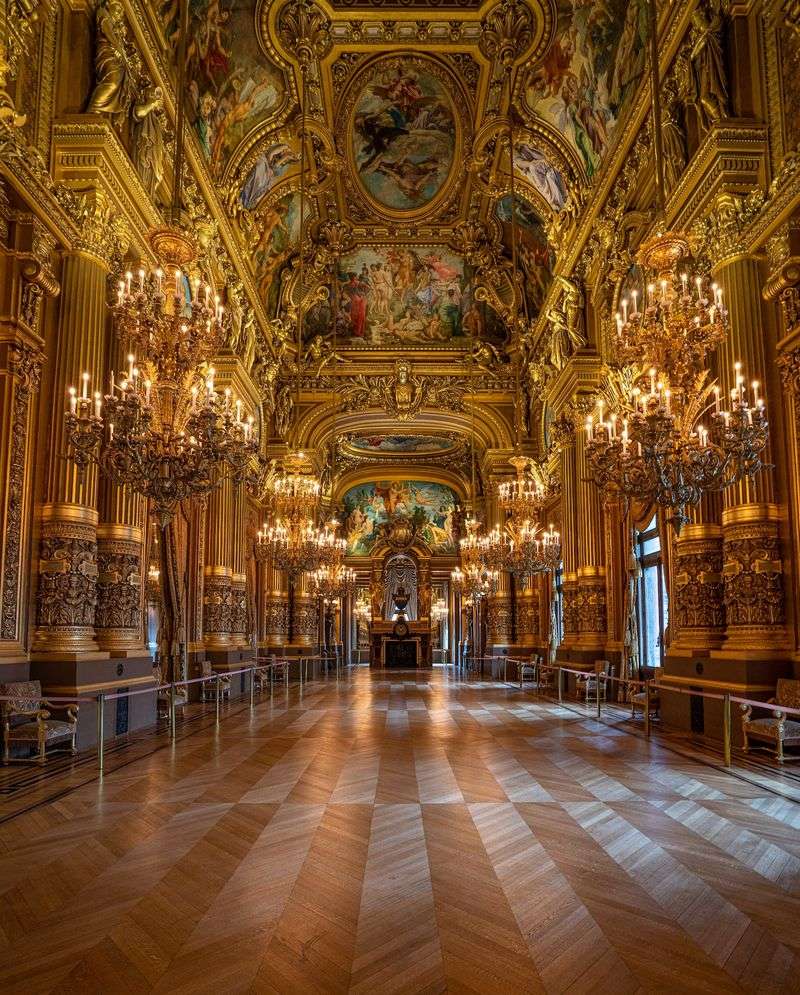
That sweeping staircase in the Beast’s ballroom has a real counterpart in Paris. Disney notes that the film’s grand staircase and ballroom evoke the Napoleon III style seen inside the Palais Garnier.
The opera house opened in the 1870s and is known for its rich decoration. Marble, gold details, and a famous ceiling make the interior a showpiece.
Visitors can book guided or self-guided tours on days without performances, and the building also hosts opera and ballet. Checking the official site for hours and tickets is wise, since schedules change.
Beauty and the Beast fans will want to spend extra time on the grand staircase. It is the clearest place to picture Belle and the Beast taking that famous dance across the floor.
Notre-Dame Cathedral, Paris, France
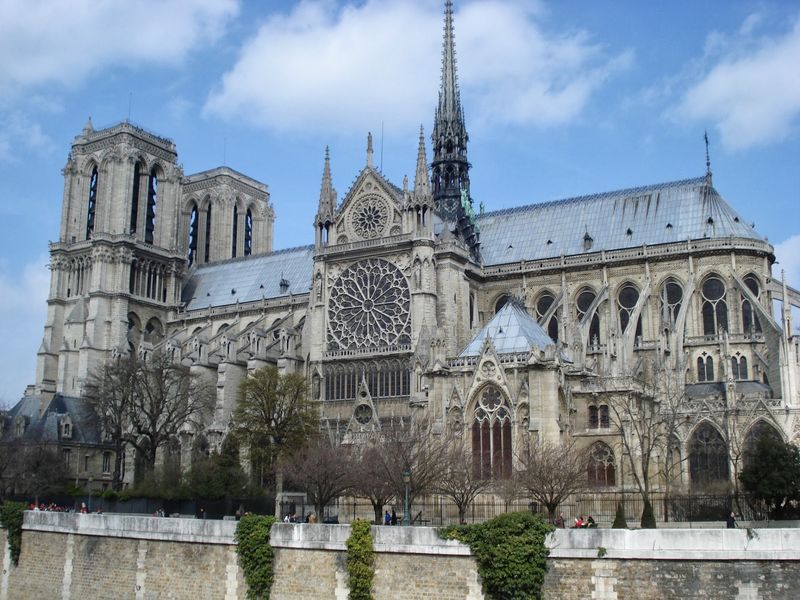
Some Disney settings are barely disguised, and this is one of them. The 1996 film The Hunchback of Notre Dame is based on Victor Hugo’s novel and centers its story on the cathedral and medieval Paris.
The Gothic landmark stands on the Île de la Cité in the middle of the Seine. Its twin towers, flying buttresses, and large rose windows are among the most recognized sights in France.
The cathedral has been reopened after a major restoration, so visitors can see it again. Checking the official website for entry details and any reservation system before you go will save time.
Even from outside, the square in front and the riverside paths offer great views. Fans of the film can easily spot the towers where Quasimodo’s story unfolds.
Akershus Fortress, Oslo, Norway
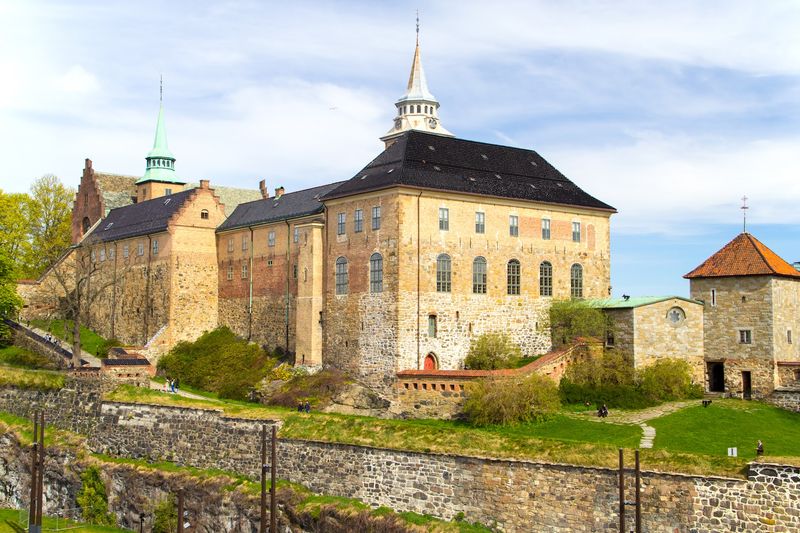
Arendelle’s royal castle owes a debt to the capital of Norway. Visit Norway identifies Oslo’s Akershus Fortress as an important inspiration for the castle in Frozen.
Disney’s filmmakers also drew widely from Norwegian architecture and culture when building the film’s world. Akershus is one of the pieces that helped tie that look together.
The fortress dates back to the medieval era and overlooks the Oslofjord. Its grounds are open to walk through, with views over the harbor and the city.
Because it sits close to downtown, it is easy to add to a day of sightseeing in Oslo. Check the opening times of the buildings inside, as they can differ from the grounds.
Bryggen, Bergen, Norway
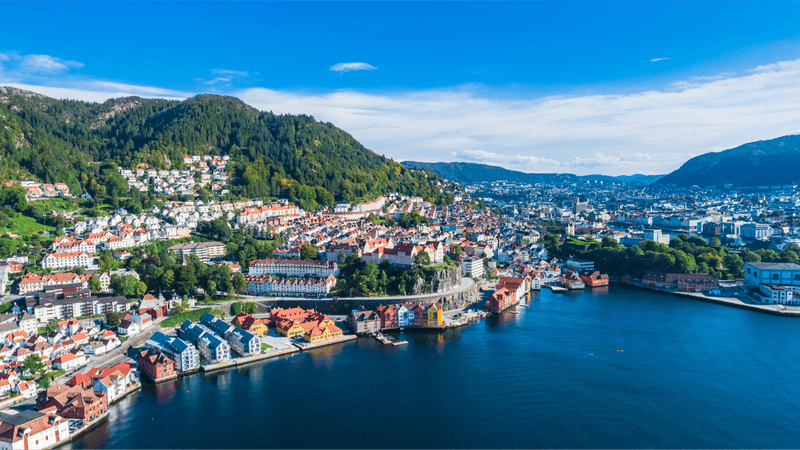
Rows of colorful wooden buildings face the harbor in Bergen, and Frozen fans will feel at home. Bryggen is listed among the Norwegian locations that influenced the architecture seen in Arendelle.
The old wharf area is a UNESCO World Heritage Site. Its gabled wooden buildings reflect Bergen’s long history as a trading port.
Visitors can wander the narrow passages behind the front row of houses, where small shops and workshops now operate. A museum nearby shares the story of the area’s past.
Bergen is also a gateway to the fjord region, so many travelers pair Bryggen with a boat trip. Bring a rain jacket, since the city is known for frequent showers.
Nærøyfjord, Gudvangen, Norway
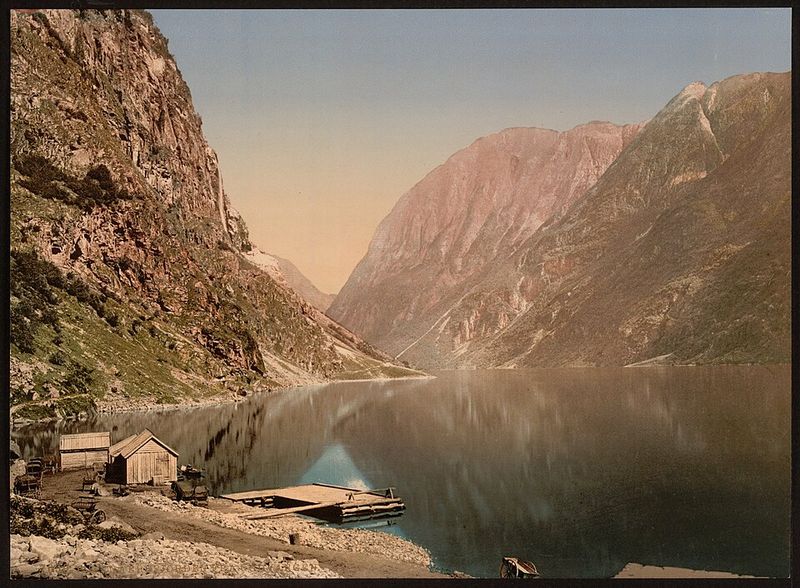
Steep mountains drop straight into narrow water here, and it is easy to see why filmmakers took interest. Nærøyfjord near Gudvangen is one of the Norwegian landscapes associated with Arendelle’s dramatic setting in Frozen.
The fjord is part of a UNESCO-listed landscape. At points it is quite narrow, with cliffs rising high on both sides.
Fjord cruises continue to operate through the area, including quieter electric boat trips. Departures often leave from Gudvangen or nearby towns, so checking schedules ahead is helpful.
Spring and summer bring waterfalls and greener slopes, while cooler months offer a calmer mood. Dress in layers, because it can be breezy on deck even on sunny days.
Borgund Stave Church, Borgund, Norway
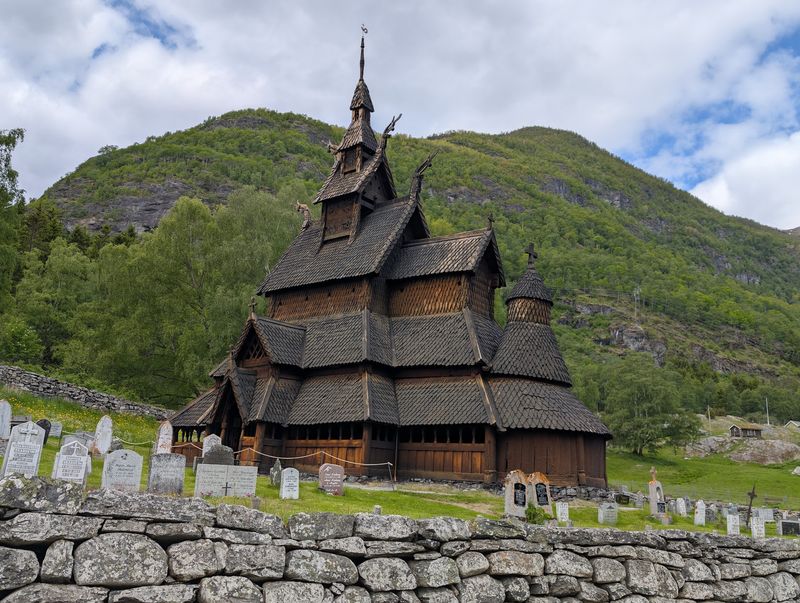
Wood carved into layered roofs and dragon heads sets this church apart from anything in a typical town square. Traditional Norwegian stave churches influenced the chapel used for Elsa’s coronation in Frozen.
Borgund is one of Norway’s best-preserved examples of the medieval wooden style. Its dark timbers and stacked roofs give Arendelle much of its Scandinavian look.
The church stands in a quiet valley in western Norway and is usually open to visitors during the warmer season. A small visitor center nearby offers background on its history and construction.
It sits along a scenic route, so it works well as a stop on a road trip between fjord towns. Check seasonal opening times before you plan your visit.
Callanish Stones, Isle of Lewis, Scotland
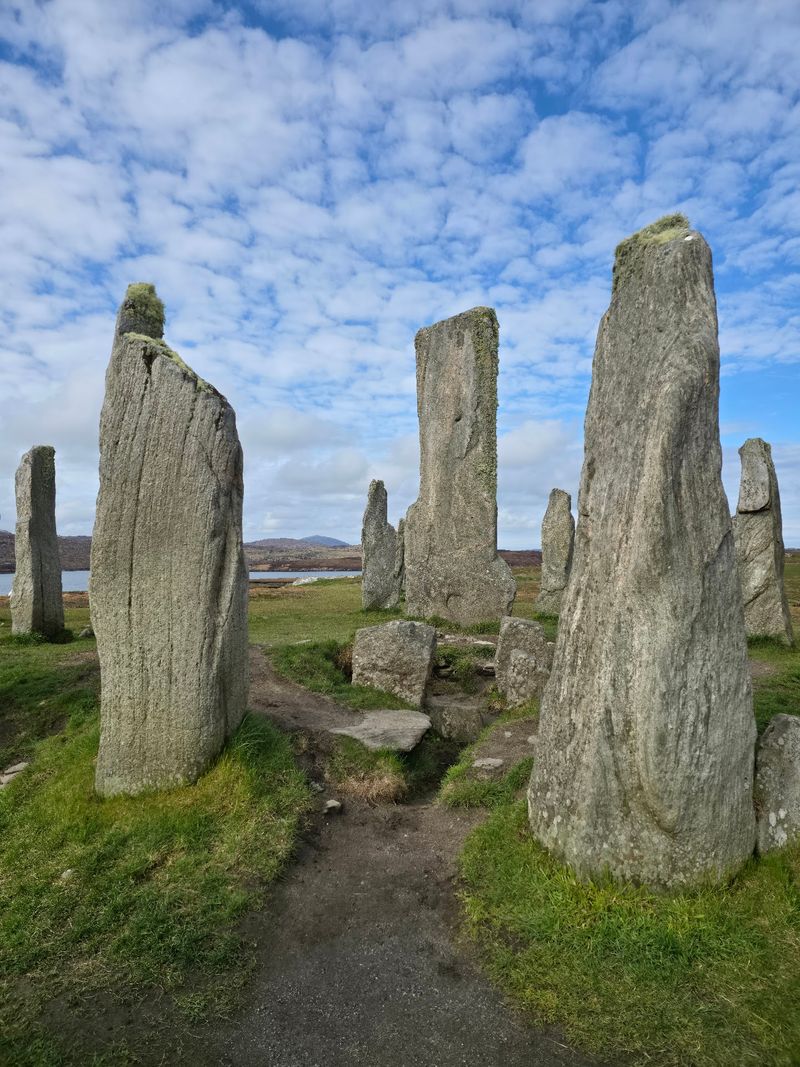
Merida’s mysterious stone circle was not pulled from thin air. Pixar specifically identifies the Callanish Stones in Scotland’s Outer Hebrides as the inspiration for the standing stones in Brave.
The monument on the Isle of Lewis is thousands of years old. Tall stones form a cross-shaped pattern with a central circle, set on open, windswept land.
Visitors can walk among the stones, and a visitor center nearby offers context about the site. Reaching Lewis usually means a ferry or flight, so plan travel in advance.
Sturdy shoes and a warm layer are useful, since the weather can change quickly. Brave fans will find the setting a close match to the film’s rugged, windy Highland mood.
Cinque Terre, La Spezia, Italy
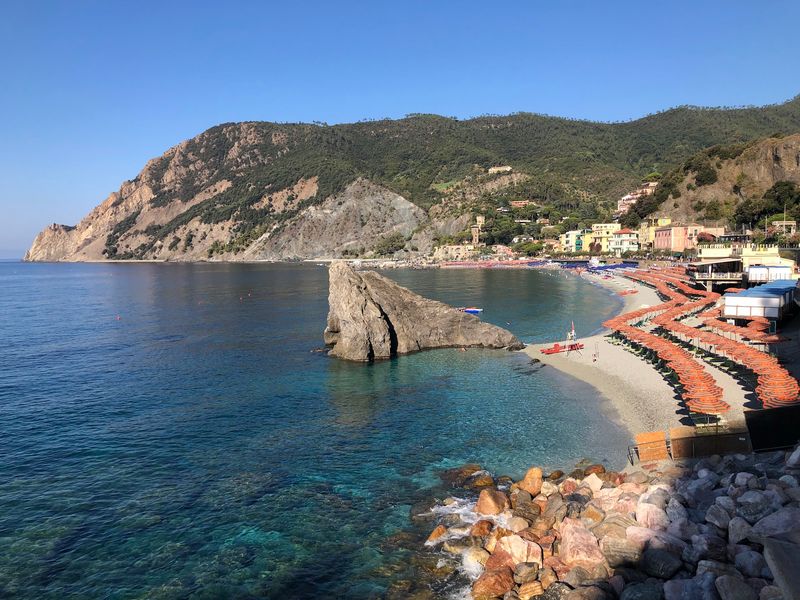
Five small villages stacked along the Ligurian coast gave Luca its seaside flavor. Pixar describes the fictional town of Portorosso as a nod to Cinque Terre and the wider Italian Riviera.
Narrow streets, colorful buildings, and a small harbor define the look. The villages are tucked into steep cliffs above the sea.
Visitors often travel between the towns by train or by hiking trails along the coast. Trail access and passes can change, so checking current conditions first is a good idea.
Fishing boats, sea views, and local seafood add to the small-town character. Summer is busy, so spring or early fall can mean easier walking.
Salento, Salento, Colombia
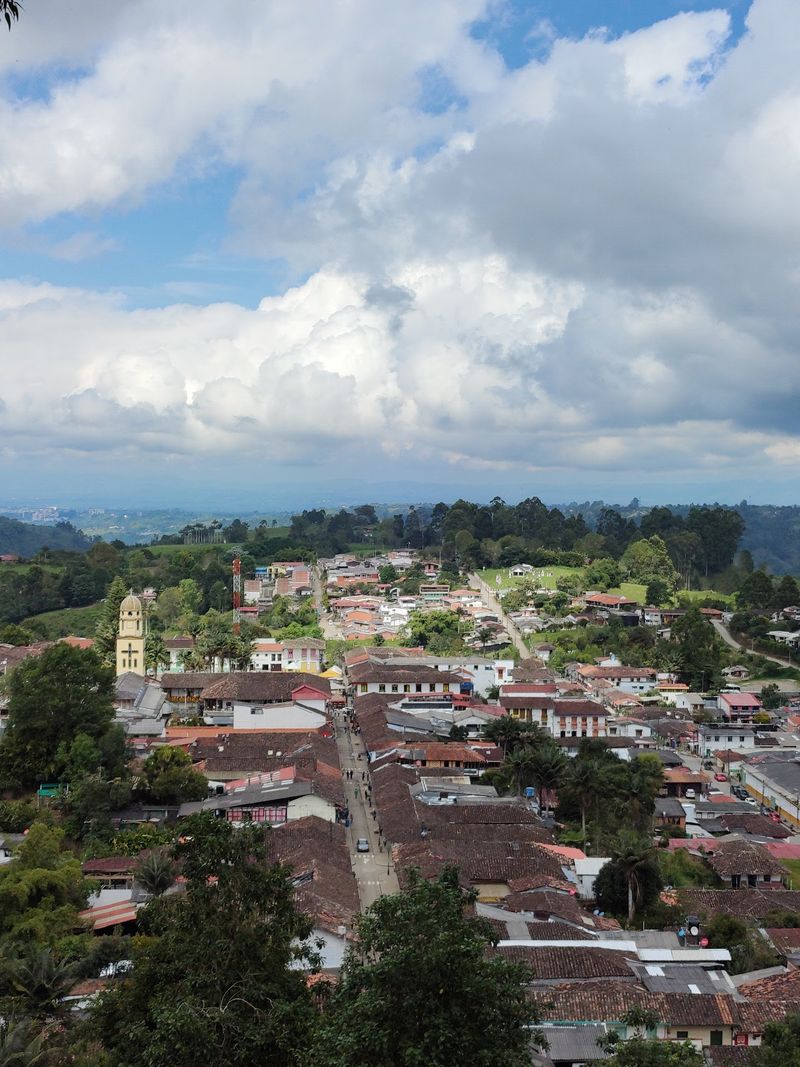
Brightly painted balconies line the main street of this coffee-region town. Salento was another stop on Disney’s Colombian research trip for Encanto.
Its colorful traditional architecture helped inform the community around the Madrigal family and elements of the Casita itself. Doors, windows, and balconies show a lively mix of colors.
Visitors can stroll Calle Real, browse craft shops, and visit nearby coffee farms. Many farms offer tours that explain how coffee goes from plant to cup.
The town also serves as a base for trips into the surrounding mountains. Weekends tend to be busier, so a weekday visit may feel more relaxed.
Cocora Valley, Salento, Colombia
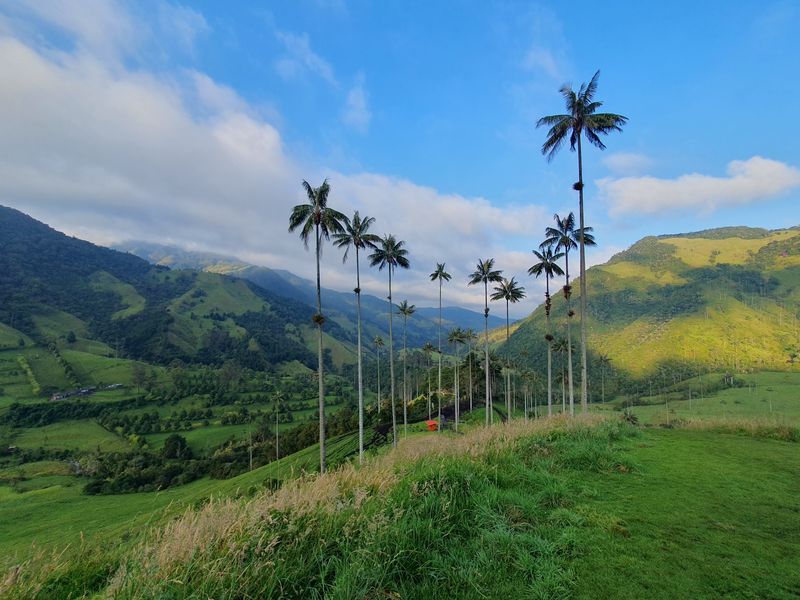
Palm trees here can grow nearly as tall as a twenty-story building. The Cocora Valley’s towering wax palms and lush mountains helped filmmakers understand the natural world they wanted to capture in Encanto.
Disney’s directors visited the valley during their 2018 research trip to Colombia. The wax palm is the national tree of Colombia.
Trails lead through green pastures and cloud forest, and some routes take several hours. Horseback rides are also offered in the area.
Jeeps usually run from Salento to the valley entrance. Weather can change fast, so waterproof layers and good boots are smart choices.
Angel Falls, Canaima, Venezuela
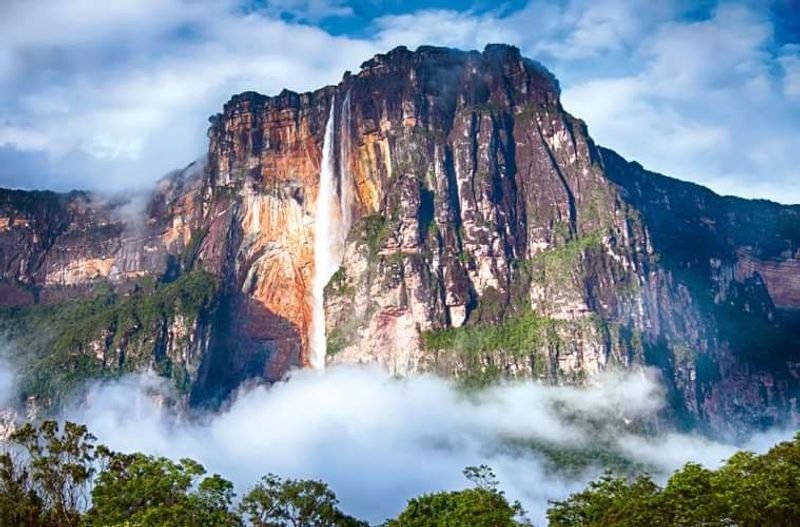
Paradise Falls is fictional, but the landscape behind it is real. Pixar traveled to Venezuela’s tepui region to research Up, studying immense cliffs, waterfalls, unusual plants, fog, and rock formations.
Angel Falls is the real-world landmark most strongly associated with Carl and Ellie’s dream destination. It is the tallest uninterrupted waterfall in the world.
The falls lie within Canaima National Park, a UNESCO World Heritage Site. Reaching them usually involves a flight and a river trip by boat, so planning with a licensed tour operator is important.
The best views often come in the wetter months, when more water flows. Check current travel guidance before booking, since conditions in the region can change.
Wigwam Motel, San Bernardino, USA
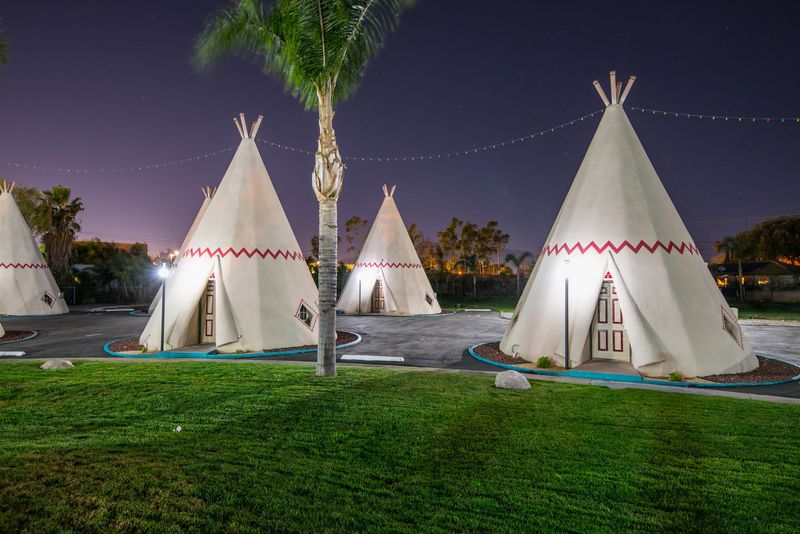
Road trippers on Route 66 can sleep inside a giant cone. California’s tourism authority identifies the still-operating Wigwam Motel in San Bernardino as the inspiration for the Cozy Cone concept in the Cars universe.
The motel is made up of tall, cone-shaped rooms arranged in a curve. Classic cars often sit out front, which adds to the vintage Route 66 look.
It is one of a small number of Wigwam-style motels built across the country. Booking ahead is a good idea, since the unusual rooms draw plenty of travelers.
Cars fans will recognize the idea right away. A stop here fits nicely into a larger drive along the historic highway.
Taj Mahal, Agra, India

Agrabah is made up, yet the Sultan’s palace has a familiar silhouette. The Taj Mahal is widely documented as one of the principal architectural references behind the palace’s domes and monumental shape in Aladdin.
The white marble monument was built in the seventeenth century by Emperor Shah Jahan. It is a UNESCO World Heritage Site and one of the most visited landmarks in the world.
Visitors usually arrive early to enjoy softer crowds and morning light. The site is closed on Fridays for regular visits, so check the day before you plan your trip.
Walking the long gardens toward the main dome helps show the symmetry that inspired animators. Fans of the film will spot the resemblance quickly.
Machu Picchu, Cusco, Peru
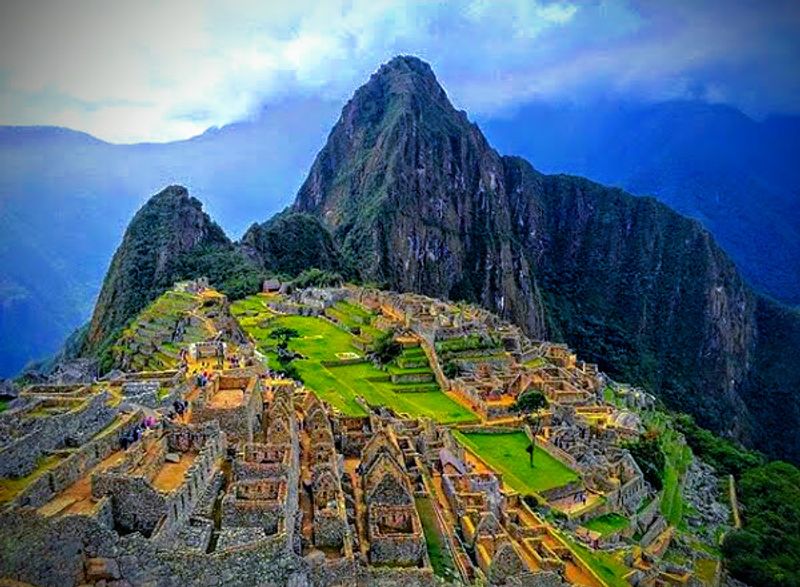
Pacha’s mountain village in The Emperor’s New Groove draws on the Andes. The Inca world strongly influenced the landscapes and architecture of the film, and Machu Picchu is particularly associated with its mountainous setting.
The citadel sits high above the Urubamba River in the Cusco region. Stone terraces, temples, and steep peaks make up the scene.
Visitors typically reach it by train to Aguas Calientes and a short bus ride, or by trekking routes such as the Inca Trail. Entry tickets are timed and limited, so booking early is essential.
The altitude in the region can be noticeable, so spending a day or two in Cusco first can help you adjust.
Alcázar of Segovia, Segovia, Spain
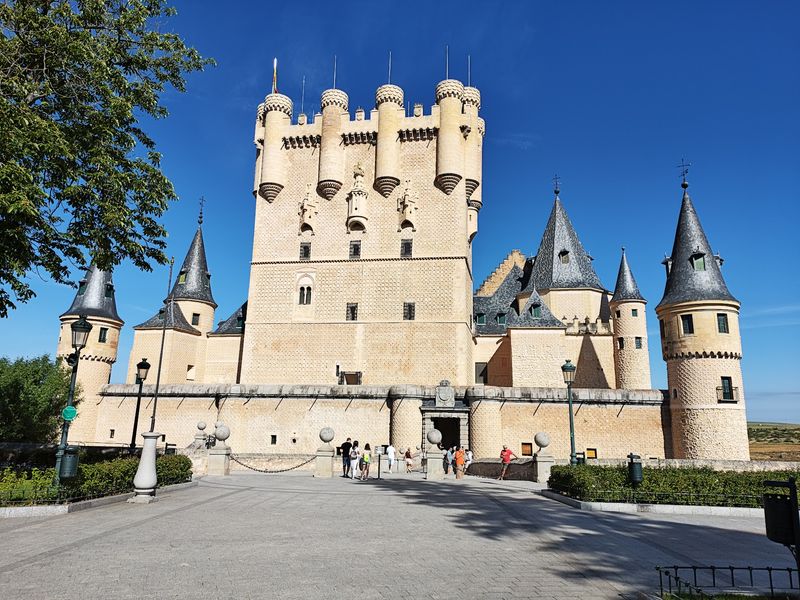
Pointed turrets rising from a rocky ridge make this fortress hard to forget. Architectural historians frequently identify the Alcázar of Segovia as an inspiration for the Queen’s castle in Snow White and the Seven Dwarfs.
Its towers, defensive walls, and commanding position give it a storybook quality. The fortress sits above the meeting point of two rivers.
Inside, visitors can see richly decorated halls and climb the Tower of John II for wide views over the countryside. Segovia’s Roman aqueduct and cathedral are within walking distance, so the town works well for a day trip from Madrid.
Check opening hours before you go, as they can vary by season. Comfortable shoes help with the cobbled streets and tower stairs.
Share this story