Each family in one small Kansas parish was asked to haul six wagon loads of stone to help build their church. That stone came from local quarries, and it was cut and shaped by hand.
The church those families finished in 1911 still rises over the prairie today.
Its twin towers are tall enough to spot from miles away. Drivers on Interstate 70 often see them long before they reach the exit, and many finally pull over after years of wondering.
I like that this story starts with ordinary farmers, not wealthy builders. They had little money, but they had stone, muscle, and a clear goal.
The building later earned a nickname that sounds bigger than the town around it. So how did a church in a tiny prairie community end up being called a cathedral at all?
A Prairie Landmark With a Big Nickname
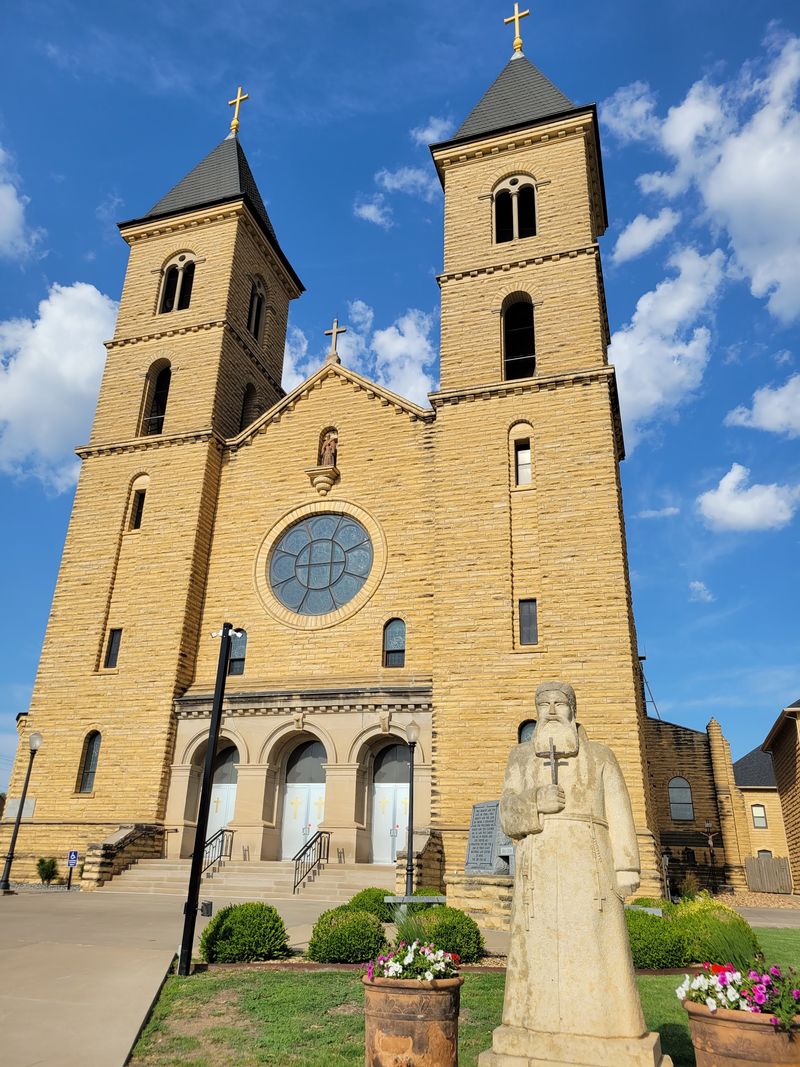
Officially, it is the Basilica of St. Fidelis, a Catholic church at 900 Cathedral Avenue in Victoria, Kansas, in the United States. Most people know it by its famous nickname, the Cathedral of the Plains.
That nickname is a little playful. The church was never the seat of a bishop, which is what makes a church a true cathedral.
Still, the size of the building made the name stick.
Victoria is a small town in western Kansas, just a short drive off Interstate 70. That location makes the basilica an easy stop for road trippers heading toward Denver or crossing the state.
The building is part of an active parish, so it is a working church first and a sightseeing stop second. Daily hours are generally posted from early morning into the evening, but checking ahead is smart.
What catches my attention is how much the building stands out against the open land around it. Flat fields stretch in every direction, and then two tall towers appear.
Those towers did not happen by accident. They came from a group of settlers with a very specific heritage, and their story explains almost everything about this place.
Volga German Settlers Built It From Scratch
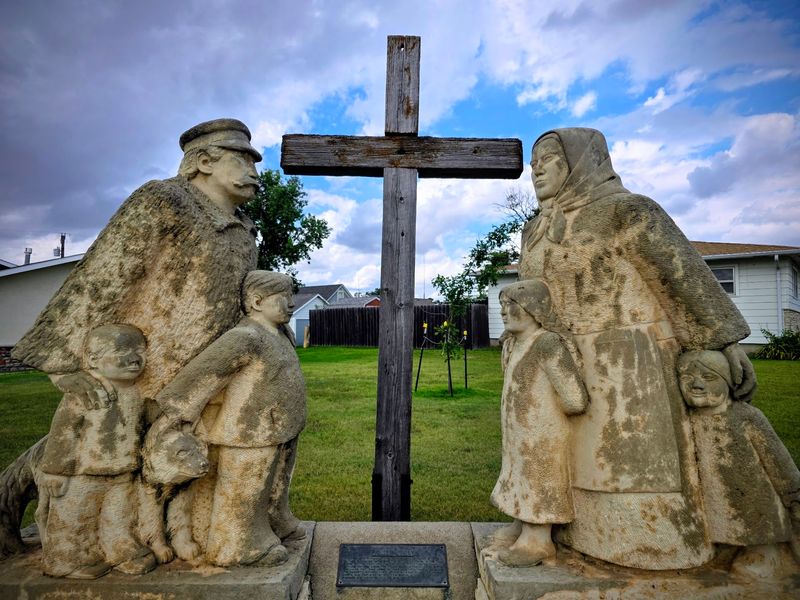
Long before the towers went up, a group of immigrants known as Volga Germans arrived in this part of Kansas in the 1870s. Their ancestors had moved from Germany to Russia generations earlier, settling along the Volga River.
When they came to the Great Plains, they brought their farming skills and strong Catholic faith with them. They also brought a habit of building churches that anchored their whole community.
The parish in Victoria started out with smaller churches. As the community grew, those buildings could not hold everyone, so a much larger church became the goal.
Construction on the current building began in 1908. The parishioners did a huge share of the labor themselves, which kept costs within reach for farm families.
I find it impressive that people who were still building their own homes and farms took on a project this large. They gave time, money, and physical effort during busy seasons.
Records show the church was finished in 1911, just three years after work began. That pace sounds fast for such a big stone building, and the reason has a lot to do with the material they chose.
Six Wagon Loads of Stone Per Family
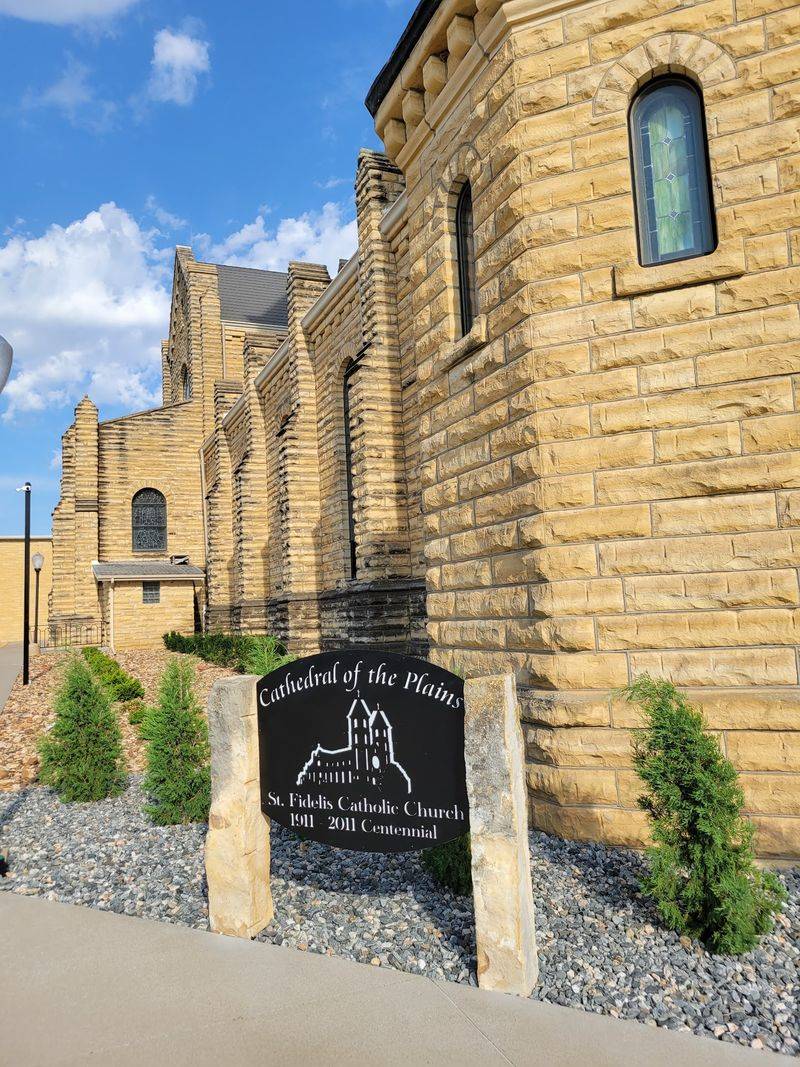
Limestone is the star material here, and it came from quarries in the nearby area. Post rock limestone is common in this part of Kansas, where settlers even used it for fence posts because trees were scarce.
The building plan called on parishioners to help move that stone. Each family was asked to haul six wagon loads of limestone from the quarry to the building site.
That was no small chore. Horse-drawn wagons, heavy blocks, and dirt roads made every trip slow and tiring work.
Once the stone arrived, workers cut and dressed the blocks by hand. Look closely at the exterior walls, and you can see the rugged texture of that hand-shaped stone.
I like thinking about the math behind it. Multiply six loads by every family in the parish, and you start to understand how a farm town built something this large.
The stone also gives the building its warm, golden color. On a sunny day, the walls look almost tan against the blue Kansas sky.
That sturdy stone supports some impressive height, and the towers are where it really shows.
Twin Towers You Can Spot From the Highway
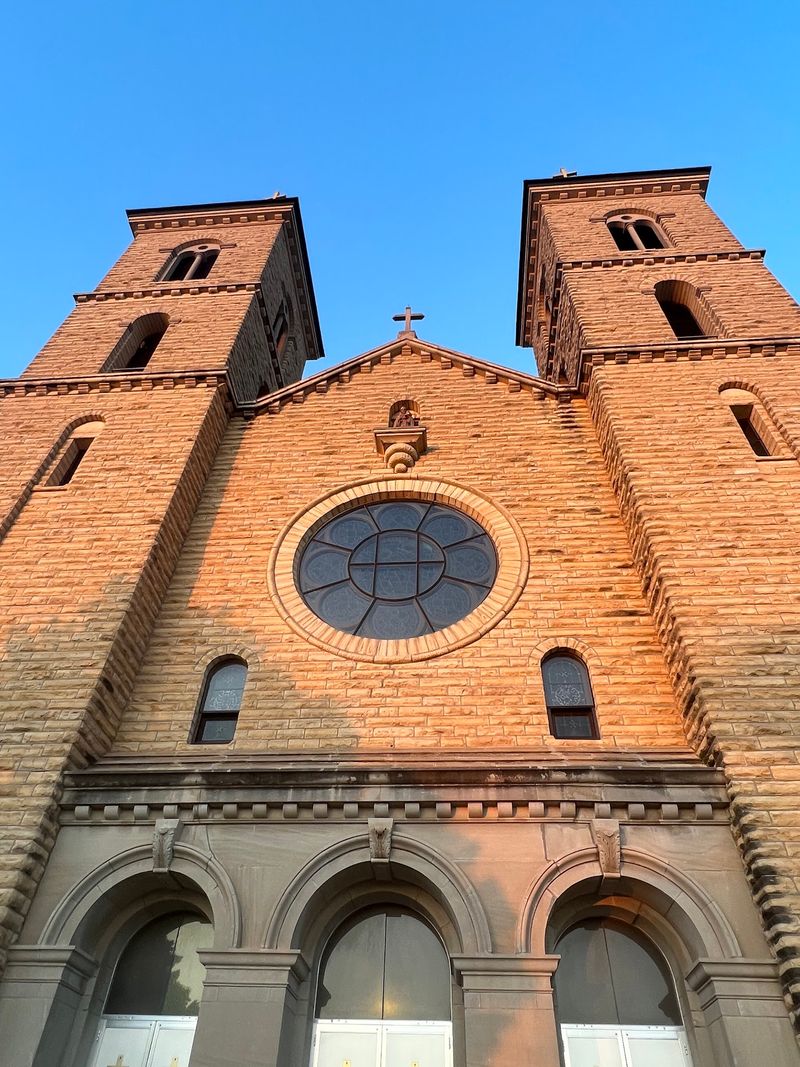
Drivers on I-70 often notice two towers poking above the horizon miles before they reach Victoria. Each tower rises about 141 feet, which makes them hard to miss in flat country.
They frame the front of the church and give it a balanced, formal look. Their shape fits the Romanesque Revival style, with rounded arches and solid, heavy walls.
On the open plains, very little competes with them for attention. Grain elevators and power lines are about the only other tall objects nearby.
That visibility is part of the fun. Plenty of travelers have passed by for years, wondering what that building is, before finally taking the exit.
My advice is simple. If you are driving through western Kansas in daylight, watch the skyline around Victoria and plan a short detour.
Photographers will want to step back from the building to fit both towers into one frame. The wide streets and open space around the church make that easier than in a crowded city.
From the outside, the towers make the first impression. Inside, the scale of the building becomes even clearer.
Room for More Than a Thousand Worshippers
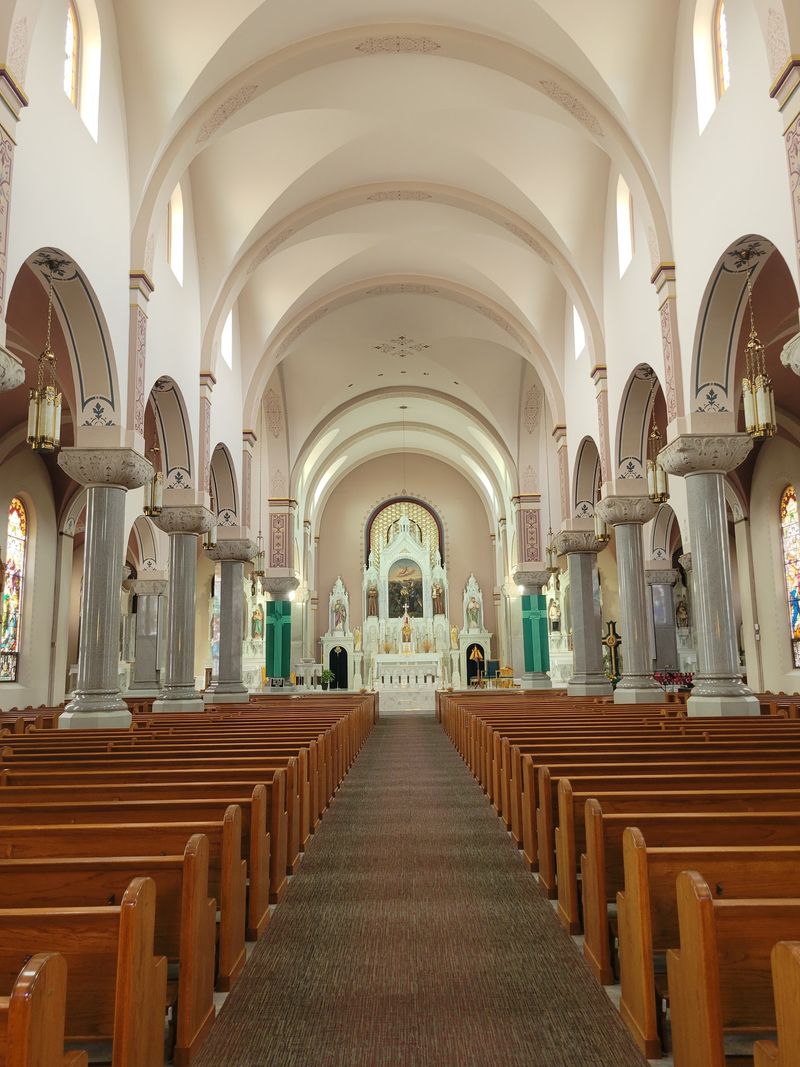
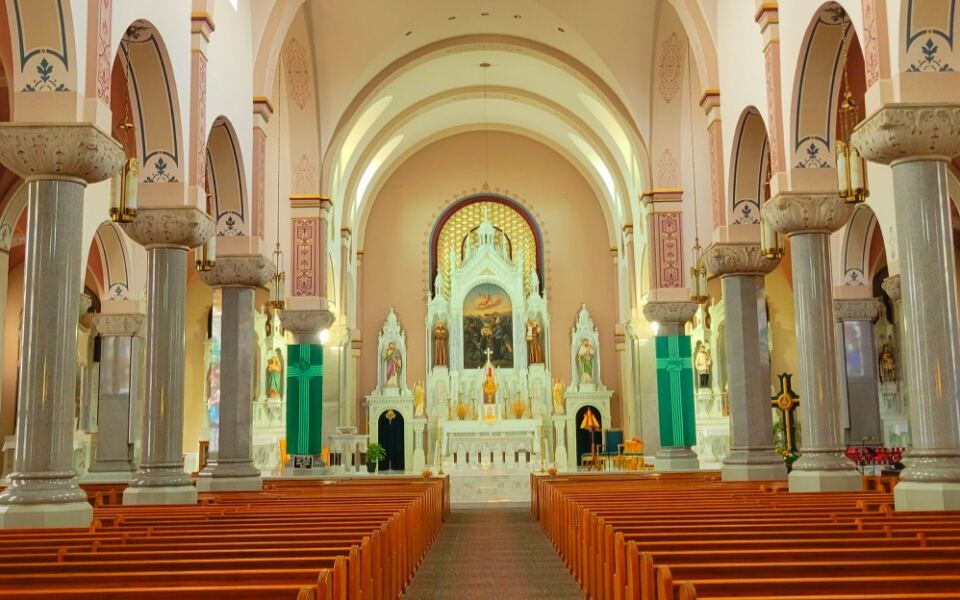
Inside, the church was designed to seat around 1,100 people. For a town as small as Victoria, that number sounds surprising, and it hints at how large the parish once was.
The nave is long and tall, with columns and rounded arches leading your eyes toward the altar. High ceilings create a roomy, open feeling.
That height also matters for sound. Music and singing carry through a space like this, which suits a church built for large services.
The interior is still used for Mass, weddings, and other parish events. Visitors should keep that in mind and stay quiet if a service or ceremony is happening.
I would start a visit by simply sitting in a pew for a few minutes. Taking in the full length of the room helps you notice how carefully the builders planned the space.
Look up as you walk, too. The arches and ceiling details are easy to miss if you only focus on what is at eye level.
Of course, the walls are not just stone. Colorful glass fills many of the windows, and those windows have their own story to tell.
Stained Glass That Tells a Story
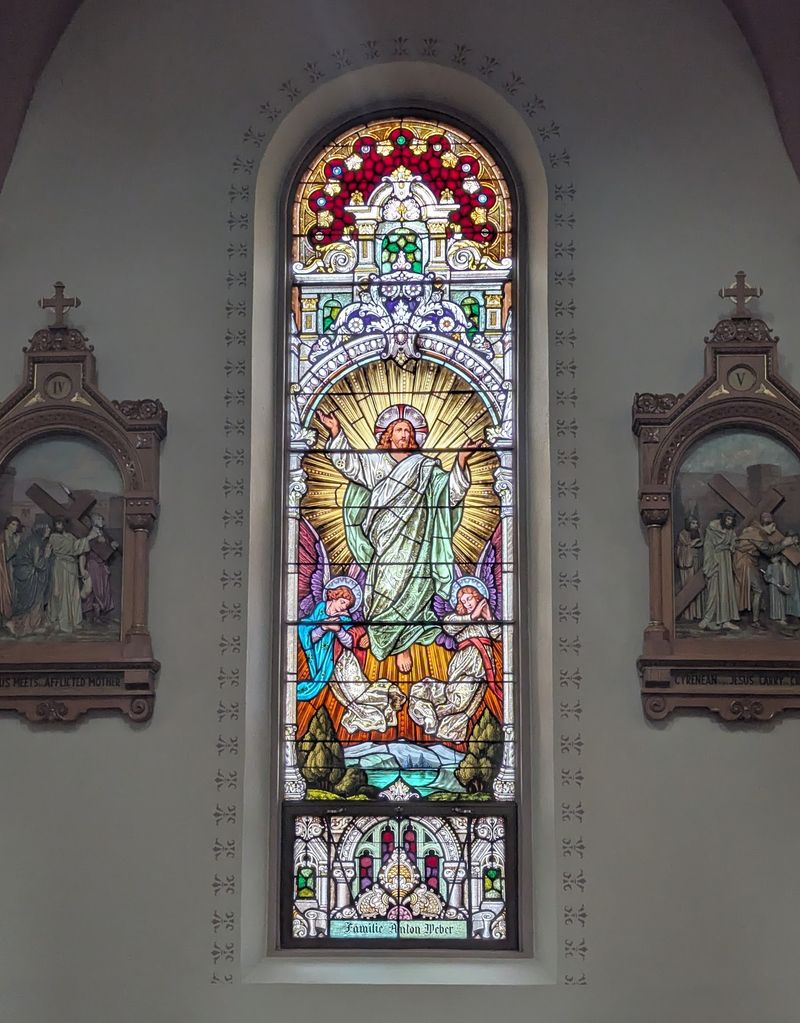
Sunlight changes the mood of this church throughout the day, thanks to its many stained glass windows. The windows were added in the years after construction and came from Munich, Germany.
Many of the windows show scenes from the life of Jesus. They were made to teach as well as decorate, which was common in older churches.
Bright reds, blues, and golds stand out against the light stone. Each window rewards a slow look, since small details are easy to overlook from a distance.
Families with kids might turn the windows into a quiet game. Try picking out familiar Bible scenes and naming them in a whisper.
Timing can make a difference. Morning and afternoon light shine through different sides of the building, so colors may look stronger at certain hours.
I would walk the length of each side aisle rather than viewing everything from the center. Standing closer lets you see the faces, clothing, and backgrounds painted into the glass.
If you want to learn the meaning behind these windows and other details, the church offers a handy way to do that without a guide.
A Self-Guided Tour at Your Own Pace
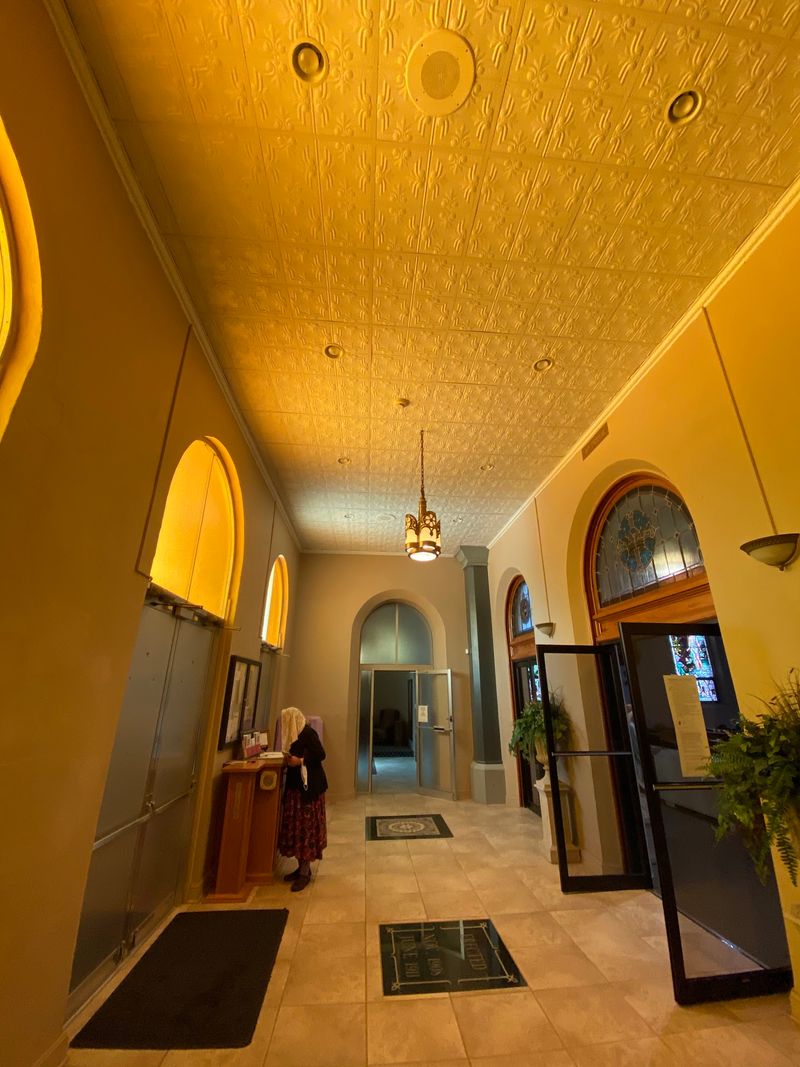
Nobody needs to book a tour guide to learn about this church. Audio stations placed inside the building share recorded explanations about its history and design.
Some of these stations sit in the pews as small boxes with speakers. Press a button, and you can hear details about the part of the church in front of you.
This setup works well for travelers on a schedule. You can listen to one station or all of them, then head back to the road.
It also suits people who prefer a calm, quiet visit. With no group to follow, you can linger where you like.
Keep the volume in mind if others are praying nearby. A respectful pace and soft voices go a long way in an active church.
I like this approach because it lets the building speak for itself. The recordings fill in the background, while your eyes handle the rest.
For travelers who want even more history, the parish has another resource nearby. A small museum and gift shop add extra context, though their hours are more limited than the church itself.
Museum and Gift Shop Hours Worth Checking
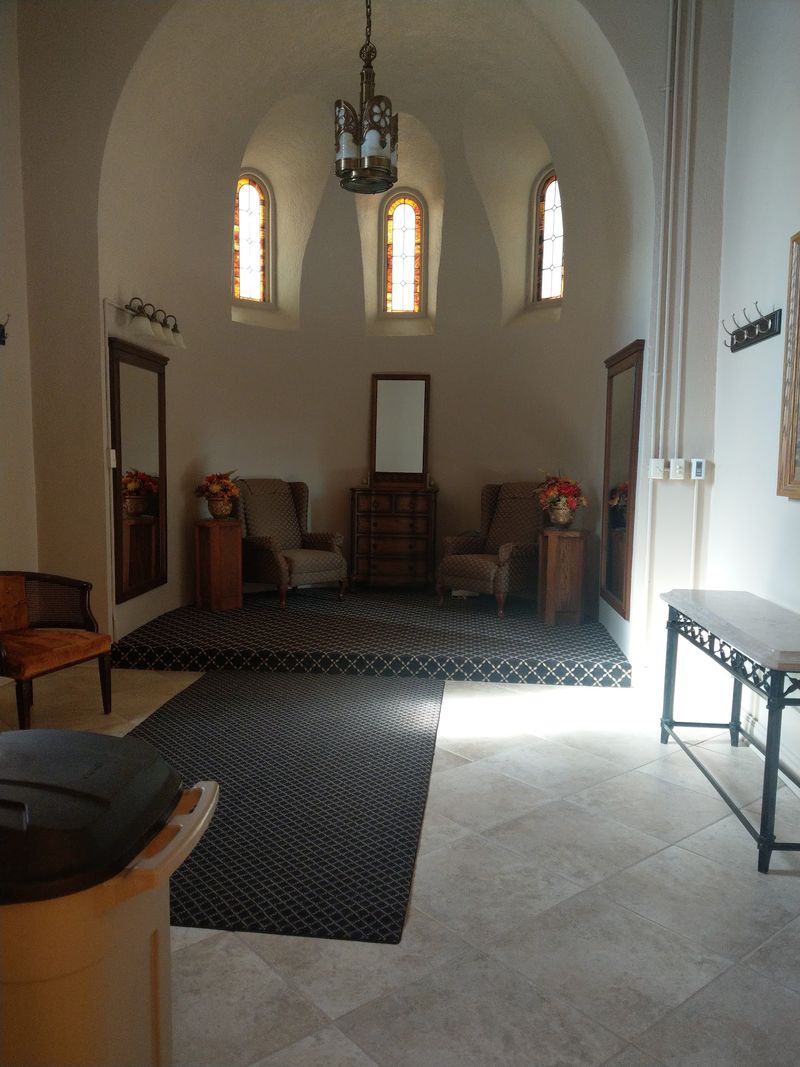
Plan ahead if the gift shop matters to you. Its hours are shorter than the church’s, and late afternoon arrivals sometimes find it already closed.
The parish also has a small museum space spread over two stories. It focuses on the history of the church and the community that built it.
Displays help explain the Volga German heritage behind the building. For anyone curious about the stone hauling and early parish life, this is a good place to dig deeper.
Staff and volunteers can often answer questions, which adds a personal touch. Local knowledge can fill in details that a recording might skip.
The gift shop is a good stop for religious items and souvenirs connected to the basilica. Buying something small also supports the parish.
Because schedules can change, I would check the parish website or call before driving out specifically for these spaces. That small step can save some disappointment.
Even if you miss them, the church itself remains open for long daily hours. And part of its modern story involves a title granted from Rome, which changed how the building is officially known.
A Basilica Title From Pope Francis
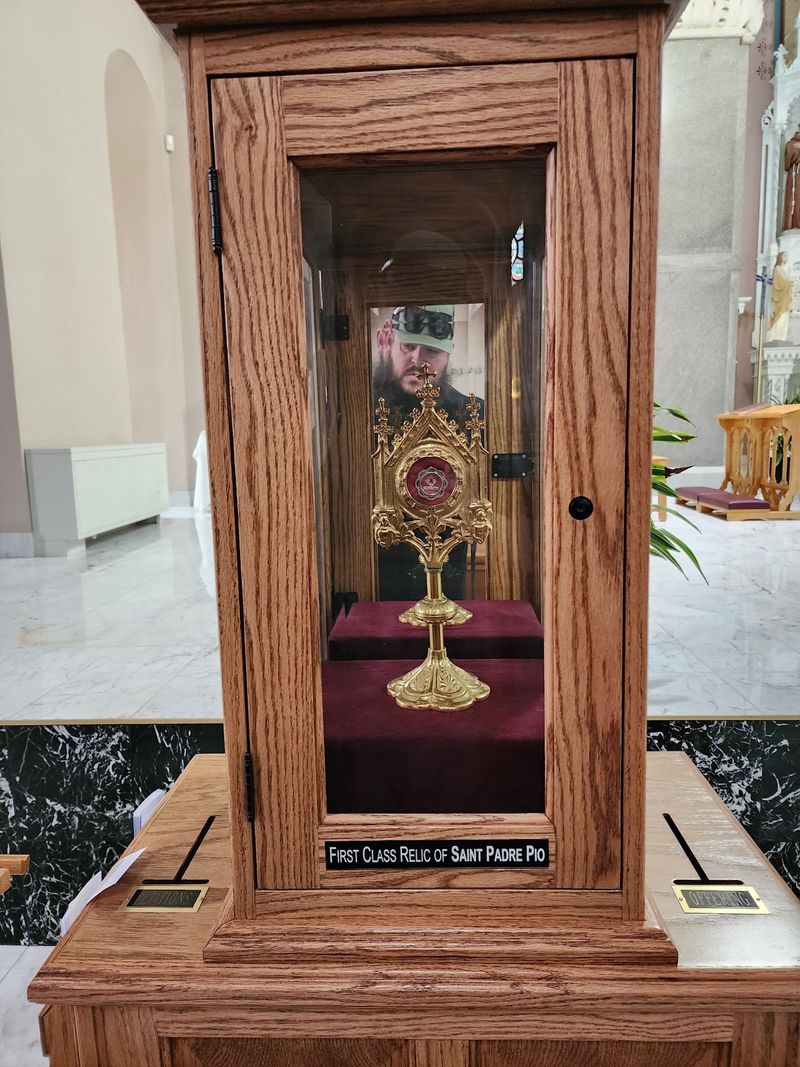
In 2014, Pope Francis named St. Fidelis a minor basilica. That honor is given to churches with special historical, spiritual, or architectural importance.
The title changed the official name to the Basilica of St. Fidelis. The old Cathedral of the Plains nickname stayed popular, so now the church has two well-known names.
Basilicas often display certain symbols that connect them to the pope. These can include a special canopy and a small bell, though details vary from church to church.
For local Catholics, the title was a proud moment. It recognized the faith of the immigrant families who built the church more than a century earlier.
The designation does not turn the building into a museum. It remains a parish church with regular Mass, so visitors may arrive during worship.
Catholic travelers sometimes plan stops at basilicas on purpose. If that sounds like you, attending Mass here could be a meaningful addition to a road trip.
The building has earned praise beyond church circles, too. A statewide contest helped bring even more attention to this corner of western Kansas.
One of the 8 Wonders of Kansas
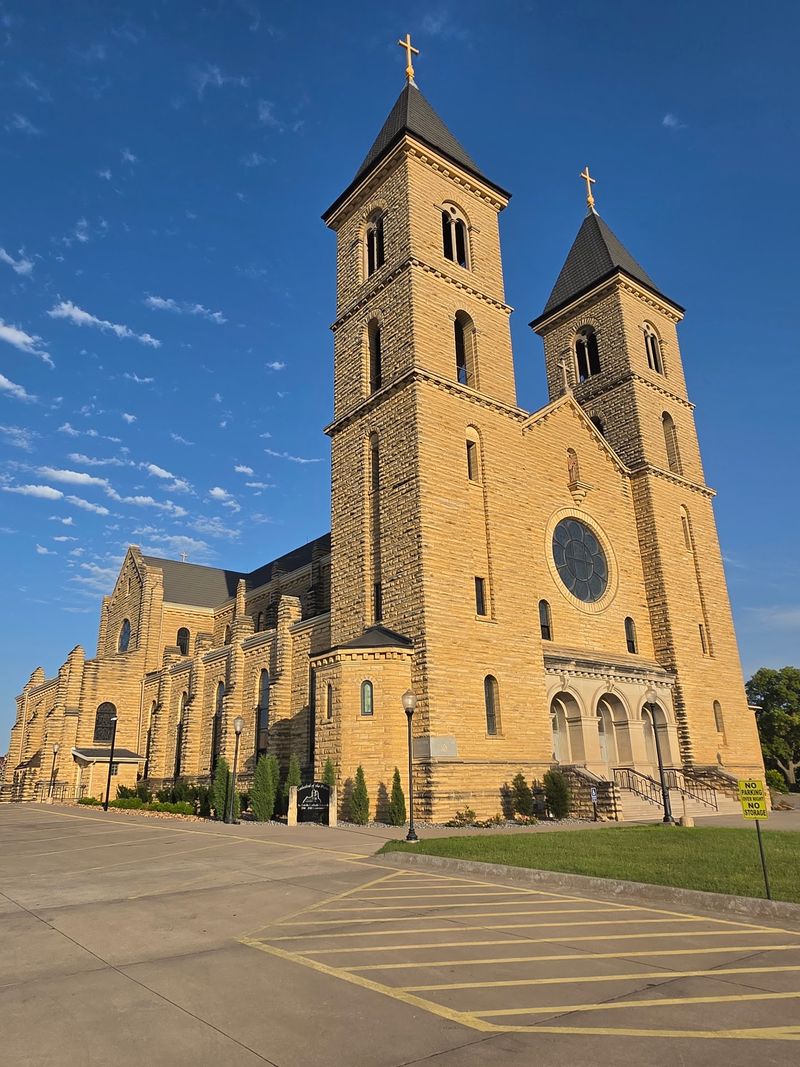
Kansas once held a public contest to name the 8 Wonders of Kansas, and St. Fidelis made the list in the architecture category. That recognition helped put Victoria on more travel maps.
The honor makes sense when you consider the full story. A farming community hauled and shaped stone by hand to build a church this large.
Earlier, in 1971, the church was also added to the National Register of Historic Places. That listing recognizes buildings worth preserving for future generations.
A visit here fits easily into a western Kansas road trip. Hays is a short drive away, offering food, lodging, and other stops.
Comfortable walking shoes and a camera are about all you need. Dress respectfully, since services, weddings, and quiet prayer happen inside.
I would budget enough time to see the outside, listen to a few audio stations, and sit quietly for a moment. Rushing would miss the point of the place.
Long after the last wagon of stone was unloaded, the towers still mark Victoria on the horizon. That steady presence explains why so many travelers decide the detour is worth taking.
Share this story