The sweater yarn on one Pennsylvania shelf may have started out on a sheep grazing just up the hill. That short trip from pasture to skein is the whole idea behind a small wool shop outside Carlisle.
The building itself has a story too, since Amish craftsmen raised it by hand. Inside, the shelves go well past knitting.
Quilters hunt for fat quarters, wool applique fans look for fabric, and felters dig through roving. I like places where the product and the farm sit on the same property.
It makes a ball of yarn feel less like something from a warehouse and more like part of a family’s year. The shop keeps short weekend hours, though, and the sheep keep their own schedule.
Knowing both before you go can make a big difference.
A Working Sheep Farm on Ritner Highway
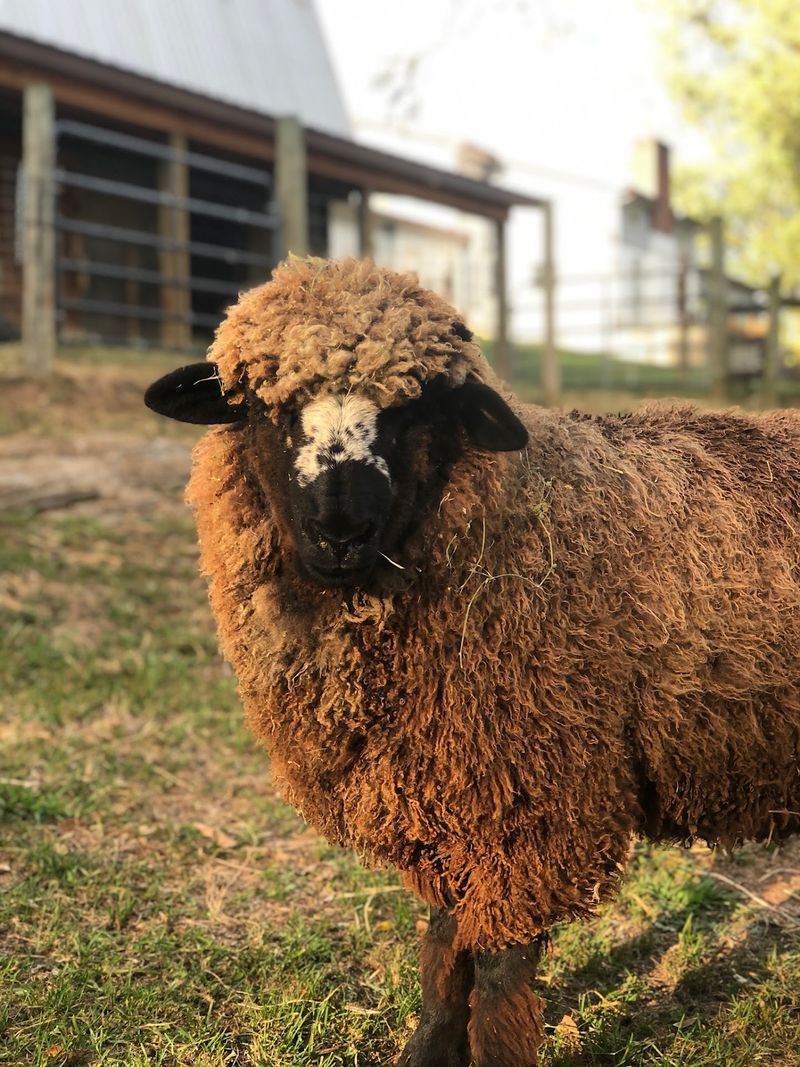
Sheep come first at Mulberry Hill Farm Yarn and Wool Shop, and the store grew up around them. You’ll find it at 2998 Ritner Highway in Carlisle, Pennsylvania, in the United States, out on a rural stretch west of town.
The setup is simple to explain. A family raises sheep, sends their fleece off to become yarn, and then sells that yarn a short walk from the barn.
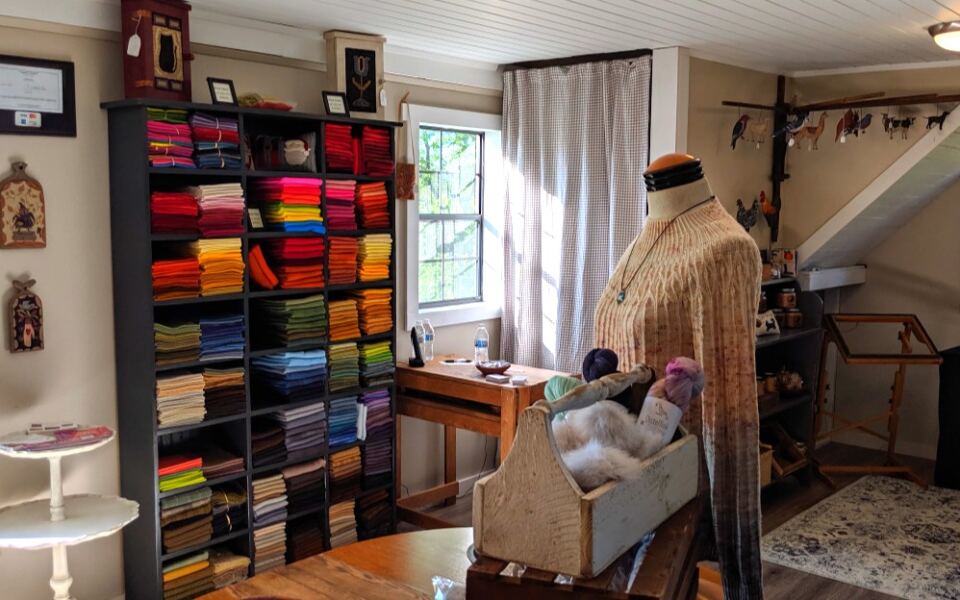
Alongside it, the shop stocks hand-dyed yarns, wool fabric, patterns, and supplies for several fiber crafts.
I find that combination rare in a world of big craft chains. Most yarn we buy has no clear story about where it came from.
Here, the answer to that question is standing in a nearby field, probably chewing on something.
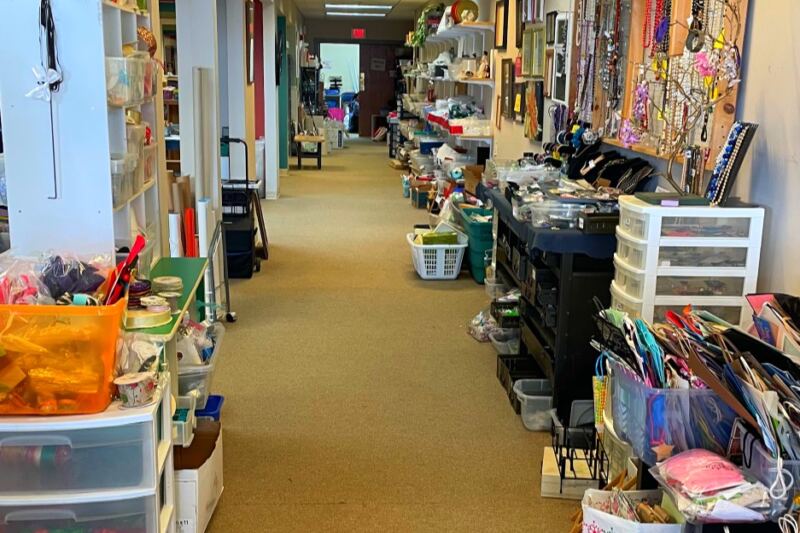
The shop is small, so don’t expect warehouse aisles. What you get instead is a focused selection put together by owners who know fiber well and seem happy to talk about it.
Carlisle sits in the Cumberland Valley, an easy drive from Harrisburg. That makes the farm a reasonable side trip for crafters already passing through central Pennsylvania.
The building you’ll walk into, though, has its own backstory worth hearing.
Raised by Amish Craftsmen
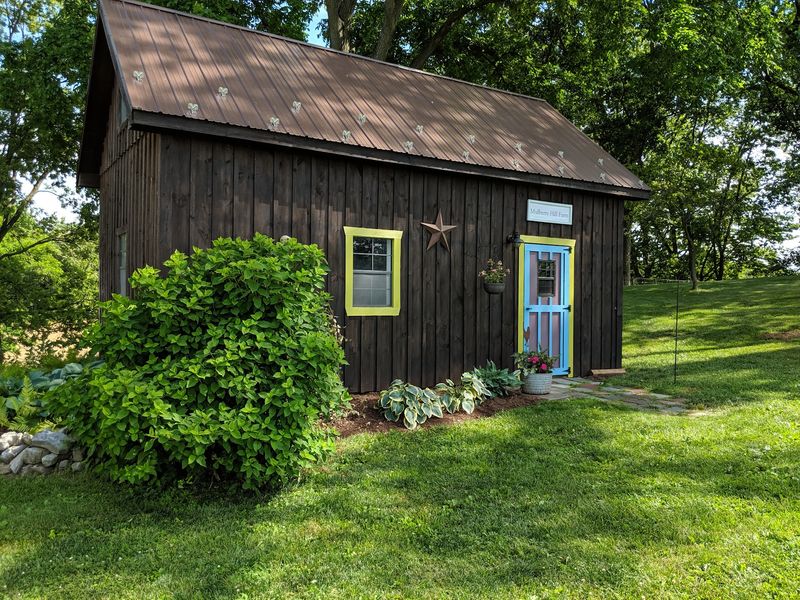
Amish builders put up the shop building, and that fact fits the place surprisingly well. Pennsylvania has a long tradition of Amish carpentry, and many farm families in the state hire these crews for barns, sheds, and small structures.
Amish construction is known for sturdy, practical work. Crews often build with a focus on solid framing and clean lines rather than fancy trim.
For a farm store selling wool from the same property, that plain approach feels right at home.
I like that the building matches the products inside. Both come from hands-on work and a respect for doing things the slower, careful way.
Nothing about it feels like a pop-up or a franchise.
It’s also a small reminder of how connected rural Pennsylvania communities can be. A sheep farmer needs a shop, local craftsmen build it, and crafters from around the region come to fill their bags with yarn.
When you visit, take a second look at the structure before heading inside. It’s easy to rush straight to the yarn shelves.
Still, the walls holding them up are part of the story, just like the sheep out back.
Farm Blend Yarn From the Flock
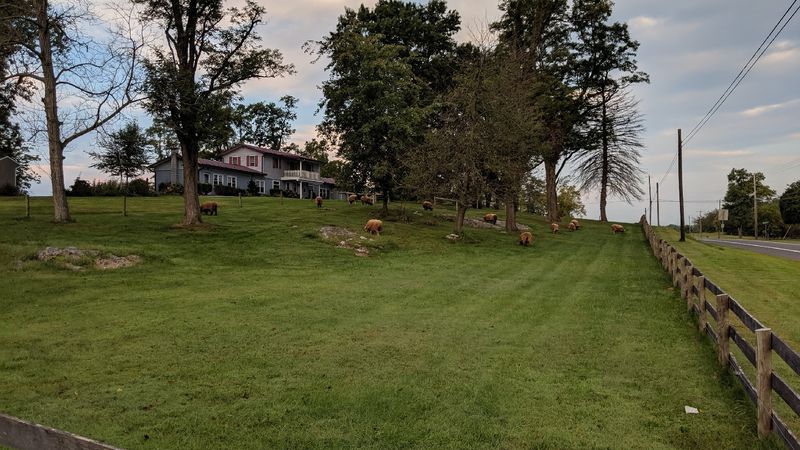
Ask a knitter what draws them here, and the farm blend yarn is likely to come up fast. This is the shop’s yarn made with wool from its own flock, and it ties the whole business together.
The shop also carries private label yarns under its own name. Those skeins give you something you can’t pick up at a big box store, which is half the fun of shopping small.
Why does farm-raised wool matter? For many crafters, it’s about knowing the source.
You can see where the sheep live, and you know the fiber didn’t travel across the world before reaching your needles.
The shop has been described as offering local and ethically sourced yarn. That matters to knitters who think about how their materials are produced, and it’s a nice bonus for anyone else.
My advice is simple. Pick up a skein, feel it, and think about a project that will show it off, like a hat, cowl, or simple sweater where the wool can be the main feature.
Farm yarn is also a thoughtful gift for a crafty friend. The colors on the next shelf over are a whole other story.
Hand-Dyed Colors Worth a Slow Browse
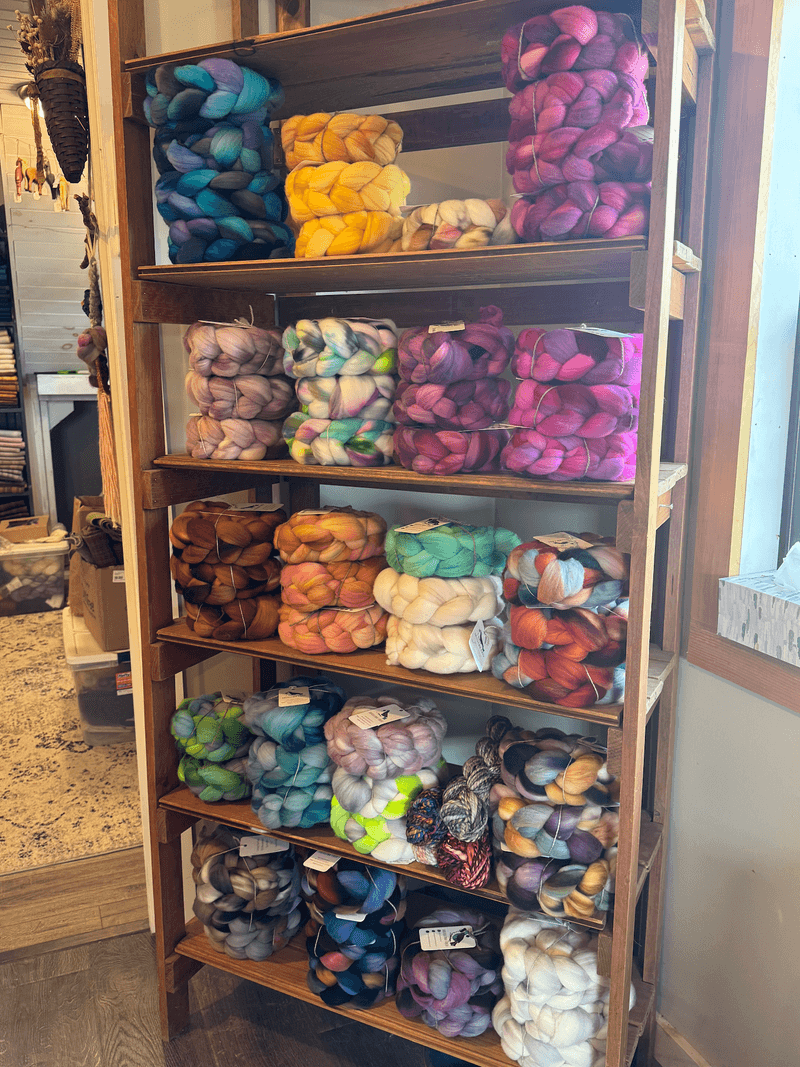
Color hunters, this shelf is for you. A good share of the yarn here is hand dyed, which means each batch can carry small shifts in shade that machine-dyed yarn usually won’t show.
Hand-dyed yarn has a personality. One skein might lean a little deeper, while another shows soft variations along the strand.
Knitters often love that subtle depth in finished projects.
There’s one practical tip that every experienced knitter learns the hard way. Buy enough yarn for your whole project at once.
Because hand-dyed batches can differ, coming back later for one more skein may not give you a perfect match.
If you’re making a large piece, some knitters alternate skeins every few rows. That trick helps blend any small color differences so your sweater doesn’t end up with a sudden stripe.
I’d give myself time to wander this part of the shop. Small stores reward slow browsing, and color choices are easier when you can hold skeins side by side in natural light.
Not every fiber here comes spun into yarn, though. Some of it is still fluffy, loose, and waiting for a spinner or felter to shape it.
Bins of Roving for Spinners and Felters
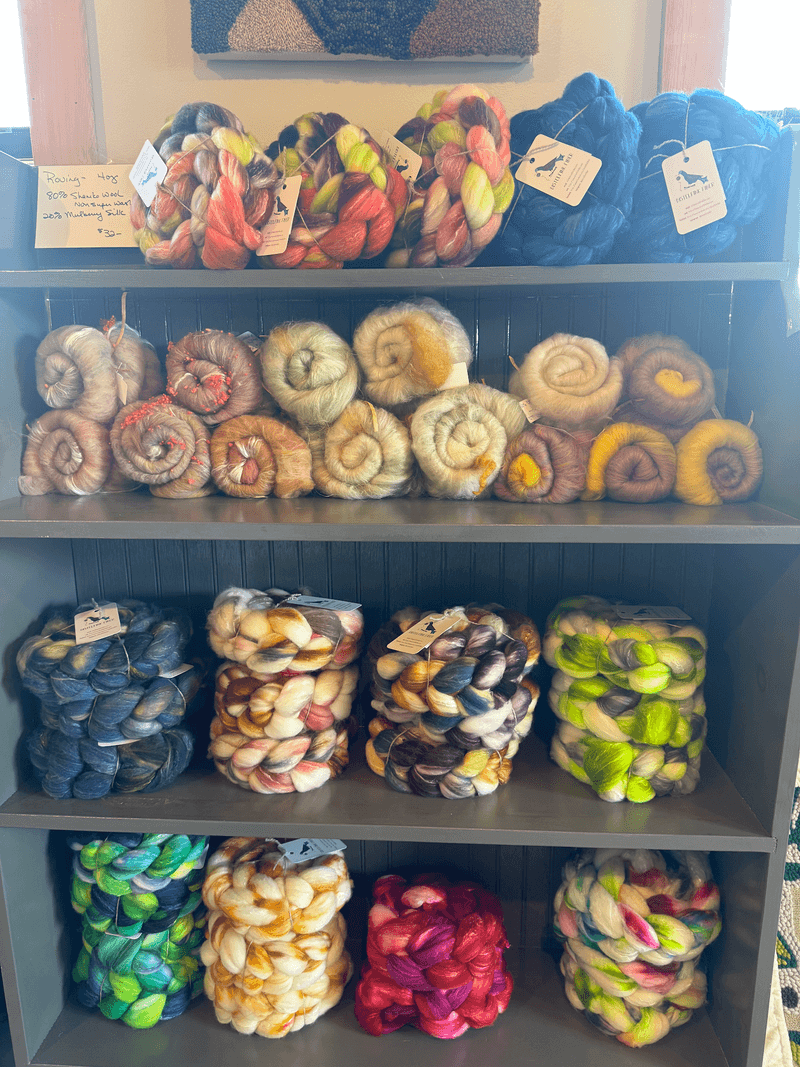
Roving looks like a cloud that someone combed into a long rope. It’s wool that has been cleaned and prepared but not yet spun, and this shop keeps a selection on hand.
Spinners use roving to make their own yarn on a wheel or drop spindle. Felters use it too, poking it with special barbed needles or working it with soap and water to create solid shapes and fabric.
The roving selection has earned recent praise from shoppers, which is good news if you’ve struggled to find it locally. Big craft stores tend to carry limited colors, if they carry any at all.
If you’re brand new, start small. A modest amount of roving goes further than you might think for needle felting little figures like sheep, birds, or ornaments.
I like that roving brings you one step closer to the animal. Holding it, you can almost picture the fleece before it was cleaned and combed.
Roving isn’t the only wool product that crosses into other crafts. Sewists and quilters have their own reasons to visit, and they head for a different section of the shop entirely.
Fat Quarters and Wool Applique Supplies
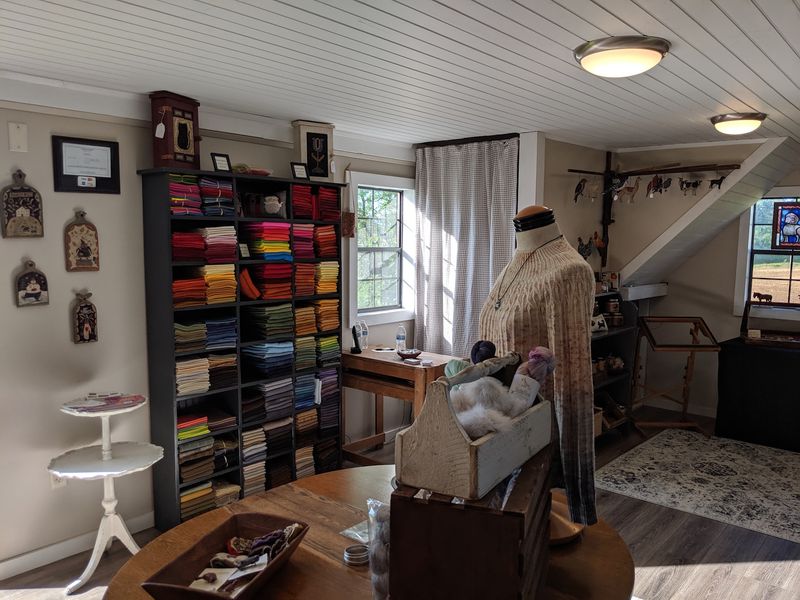
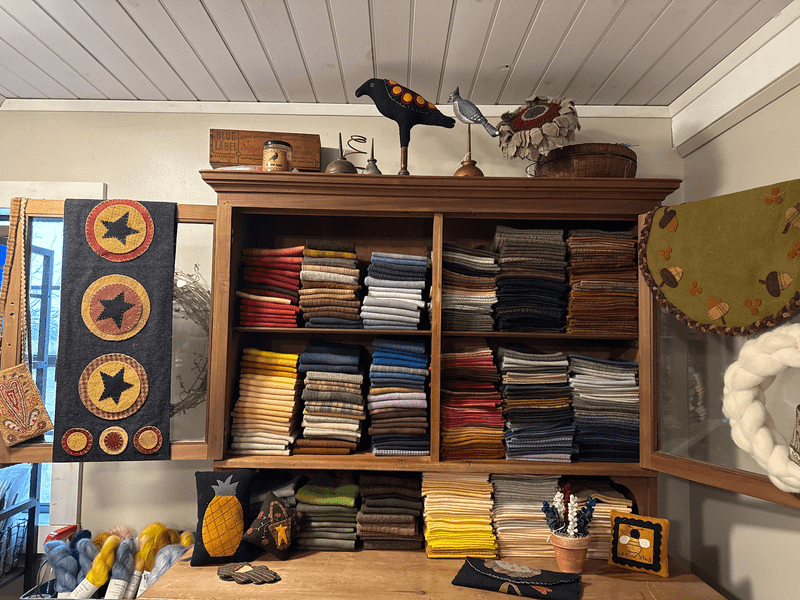
Quilters know the happy feeling of finding a stack of fat quarters in just the right colors. This shop carries them, which makes it more than a stop for knitters.
A fat quarter is a cut of fabric measuring about 18 by 22 inches. That shape gives quilters more usable width than a standard narrow cut, so it’s handy for patchwork blocks and small projects.
Wool applique is another big draw here. In this craft, shapes cut from wool fabric are stitched onto a background, often to make pillows, table mats, or wall hangings with a folk art look.
Wool works nicely for applique because the edges don’t fray much. That means beginners can cut shapes and stitch them down without folding every edge under.
Pennsylvania has deep roots in quilting and folk crafts, so it’s fitting to find these supplies on a farm property. The style suits country homes, but it looks just as good in a city apartment.
If you’ve never tried applique, you may wonder where to begin. Happily, the shop doesn’t leave you guessing, thanks to a shelf full of ready-made kits.
Kits and Patterns That Take the Guesswork Out
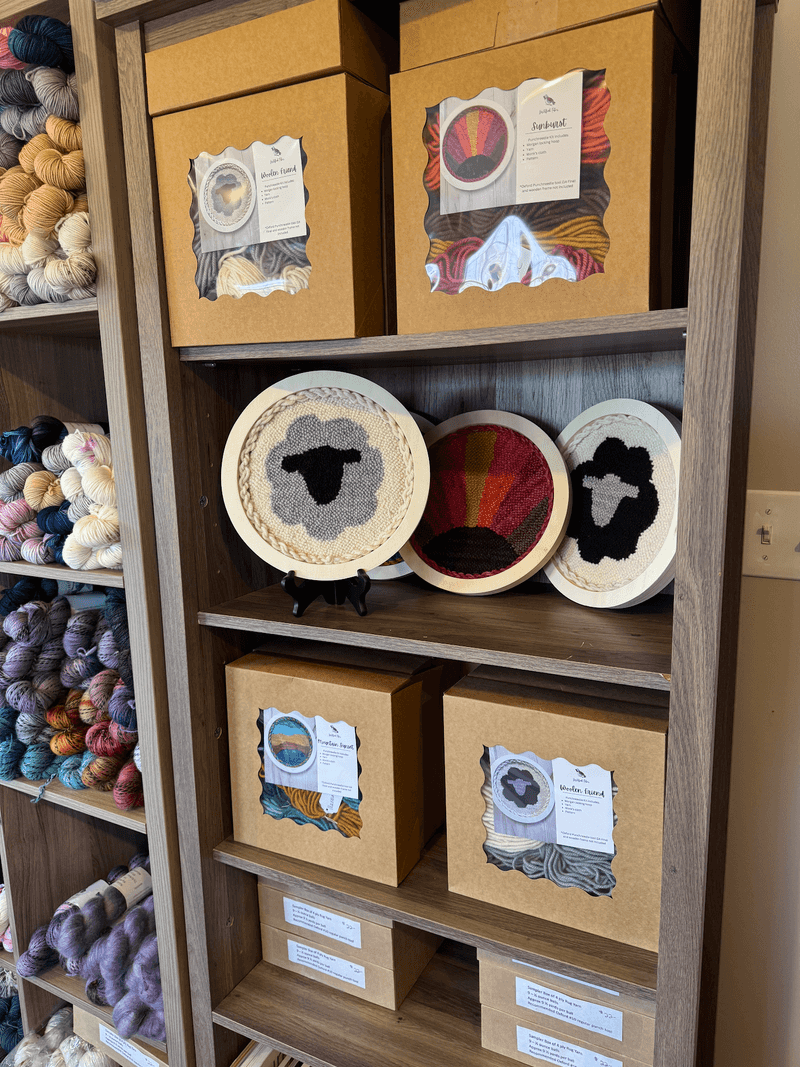
Staring at beautiful yarn with no plan is a very real problem. Kits and patterns solve it, and this shop stocks both for knitters, crocheters, and wool applique fans.
A kit bundles everything for one project. You usually get the pattern plus the right materials in matching amounts, so you don’t have to calculate yardage or guess at colors.
For beginners, that’s a huge help. It removes the worry of buying the wrong thing and lets you focus on learning stitches instead.
Experienced crafters like kits too. Sometimes you just want to relax and follow directions after a long week, without designing anything from scratch.
Patterns sold separately give you more freedom. Pick one you love, then pair it with farm yarn or a hand-dyed skein that catches your eye.
The owners have been described as very knowledgeable, so it’s worth asking questions. They can likely point you to a pattern that suits your skill level and the yarn you’re holding.
Some skills are easier to learn with a teacher nearby, though. That’s where the shop’s hands-on classes come in, especially for a craft involving very sharp needles.
Needle Felting Classes With a Fun Crowd
A small tool with a barbed tip can turn loose wool into a tiny sheep, and learning how is surprisingly fun. Mulberry Hill Farm has hosted needle felting classes, and past students called the experience a lot of fun with a great group.
Needle felting works by poking wool again and again. The barbs tangle the fibers together until they firm up into whatever shape you’re building.
It sounds simple, and it mostly is. The trick is patience and keeping your fingers out of the way, since those needles are sharp.
Taking a class makes sense for this craft. An instructor can show you how to hold the needle, how firmly to poke, and how to add details like eyes or ears.
The owners have mentioned posting upcoming workshops, so schedules change over time. I’d check the shop’s announcements before planning around a class, rather than assuming one is running.
Group classes also have a social side. Sitting around a table with other crafters, sharing tips and laughing at lumpy first attempts, can be half the reason people sign up.
Not into crafting at all? The shop still has something on its shelves for you.
Country Gifts for People Who Don’t Knit
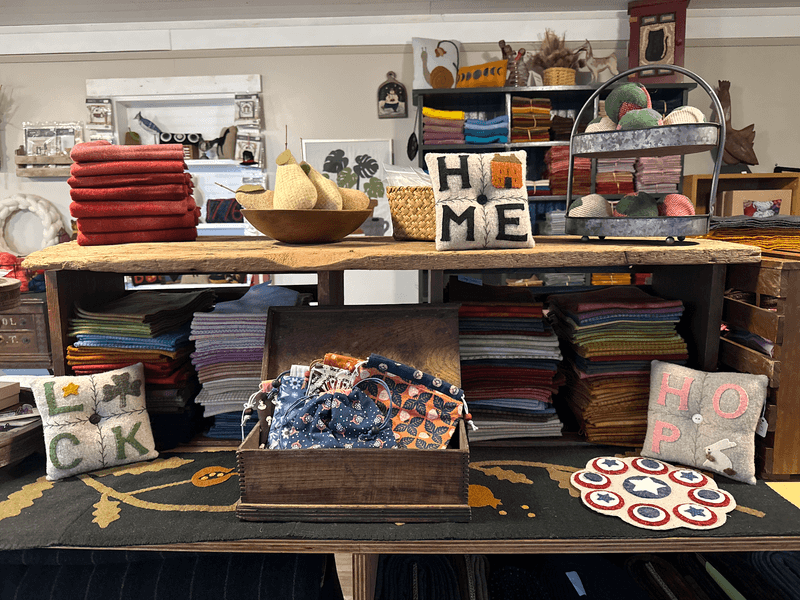
Here’s welcome news for anyone tagging along with a crafty spouse or friend. The shop also sells country style gifts and decor, so non-knitters won’t just stand by the door checking their phones.
Farm stores like this often make good gift stops. You’re buying from a small family business instead of a national chain, and the items fit the rural setting.
The owners have said they wanted to create a space that everyone can enjoy. That goal shows in the mix of products, which reaches beyond yarn and fabric.
I’d keep this section in mind around the holidays. A sheep-themed decoration paired with a skein of farm blend yarn makes a thoughtful present for a knitter in your life.
It’s also a nice way to remember the trip. A small piece of decor from a sheep farm in Pennsylvania carries more meaning than a generic souvenir.
Shoppers have also described the space as tiny, so the selection is curated rather than huge. That makes browsing quick and easy.
Of course, all of this only helps if the doors are open when you arrive. Timing matters more here than at most stores.
Plan Around Short Hours and Seasonal Sheep
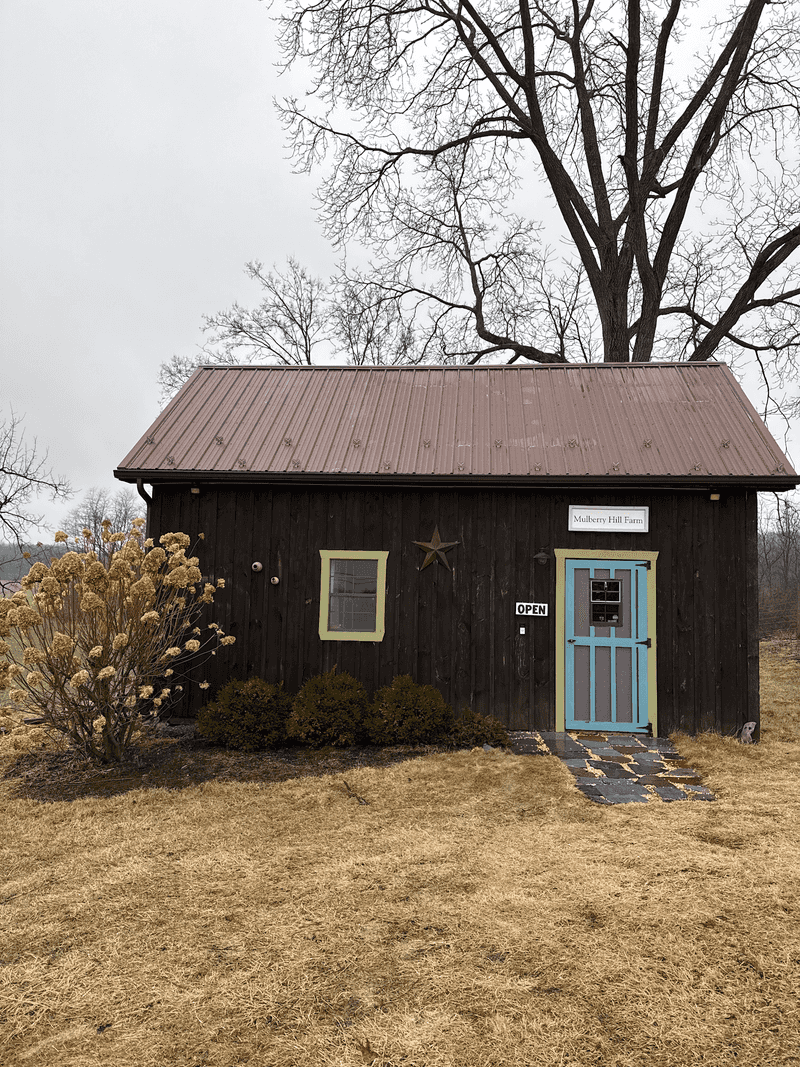
Two days a week is all you get, so plan ahead. Current listings show the shop open Friday afternoons and Saturdays, and closed the rest of the week.
Hours can change, especially at small family farms. I’d check the shop’s website or social pages before driving out, particularly around holidays or bad weather.
Hoping to see the sheep? Season matters.
One shopper visiting in colder months noted the sheep were inside the barn and nowhere near the shop, then cheerfully added that there’s always spring.
Earlier visitors have mentioned getting a tour of the barn and seeing the flock. That doesn’t mean tours are always available, so ask politely rather than expecting one.
Remember that this is a working farm first. Animals have routines, and the owners juggle farm chores along with running the store.
Spring and warmer months seem like the best bet for spotting sheep outdoors. Bring a shopping list, but leave a little room in the budget for a skein you didn’t plan on.
Those small surprises are the reason a trip to a farm yarn shop feels different from clicking buy online.
Share this story