George Washington used this Pennsylvania farmhouse as a headquarters in the fall of 1777. More than a century later, a governor turned the same property into his family home, and it still holds the things his family used.
The governor was also a judge, a historian, and a serious collector. He filled the rooms with old furniture, books, and objects tied to the early days of his state.
His family kept living here long after he left office.
I like places where the past feels personal instead of distant. A guided tour here focuses on one family, one house, and the choices they made about what to keep.
That kind of story sticks with people.
So how did a busy governor end up buying back his own ancestors’ land, and what did he do with it once he had it?
A Governor’s Country Home on the Perkiomen
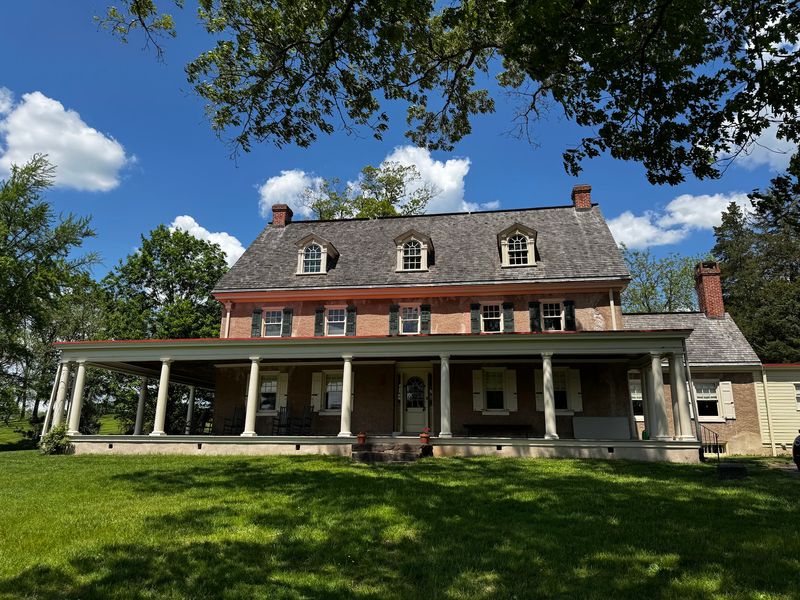
Pennypacker Mills sits at 5 Haldeman Road in Schwenksville, Pennsylvania, in the rolling countryside of Montgomery County. The estate was home to Samuel W.
Pennypacker, who served as the governor of Pennsylvania from 1903 to 1907.
Today, Montgomery County runs the property as a historic site and museum. The county has owned it since 1981, and it keeps the mansion furnished as it looked during the Pennypacker family years in the early 1900s.
What grabs me first is how personal the place feels. It isn’t a grand palace built to impress strangers.
It was a working family home where a governor came to rest, read, and host relatives.
The house sits close to Perkiomen Creek, and the land around it has been farmed and milled for roughly three centuries. That long history is part of the appeal.
Guided tours are the main way to see inside the mansion. Docents lead small groups through the rooms and explain how the family lived.
Tours have long been free, with a small suggested donation welcomed.
Before the governor ever arrived, though, a much more famous visitor had already camped on this land.
Washington Slept Here, and the Signs Prove It
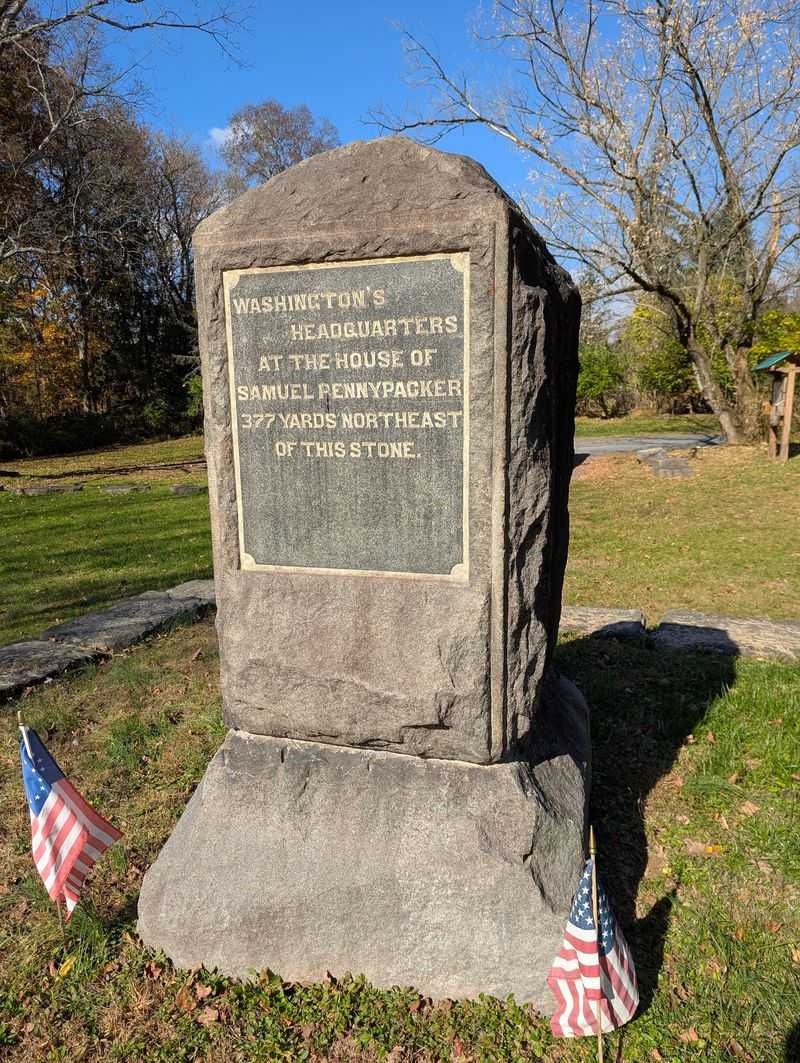
In the fall of 1777, General George Washington and the Continental Army set up camp on this property. Washington used the farmhouse as his headquarters around the time of the Battle of Germantown.
The army camped here both before and after that battle in late September and early October. For a few weeks, this quiet spot near the creek became one of the busiest places in the colonies.
That detail surprised me when I first read about the site. Most people connect the governor with the house, but the Revolution came first.
Informational signs on the grounds share this part of the story. Even if you skip the house tour, you can walk around and read about the army’s stay.
The site also hosts reenactments at times during the year. Costumed interpreters set up camps to show how soldiers lived, cooked, and drilled in the 1700s.
Check the county’s event calendar for dates, since these programs don’t run every weekend.
Governor Pennypacker knew this history well. As a historian, he cared deeply about Washington’s connection to the land, and that pride shaped how he treated the old house when it came back into the family.
Buying Back the Family Land
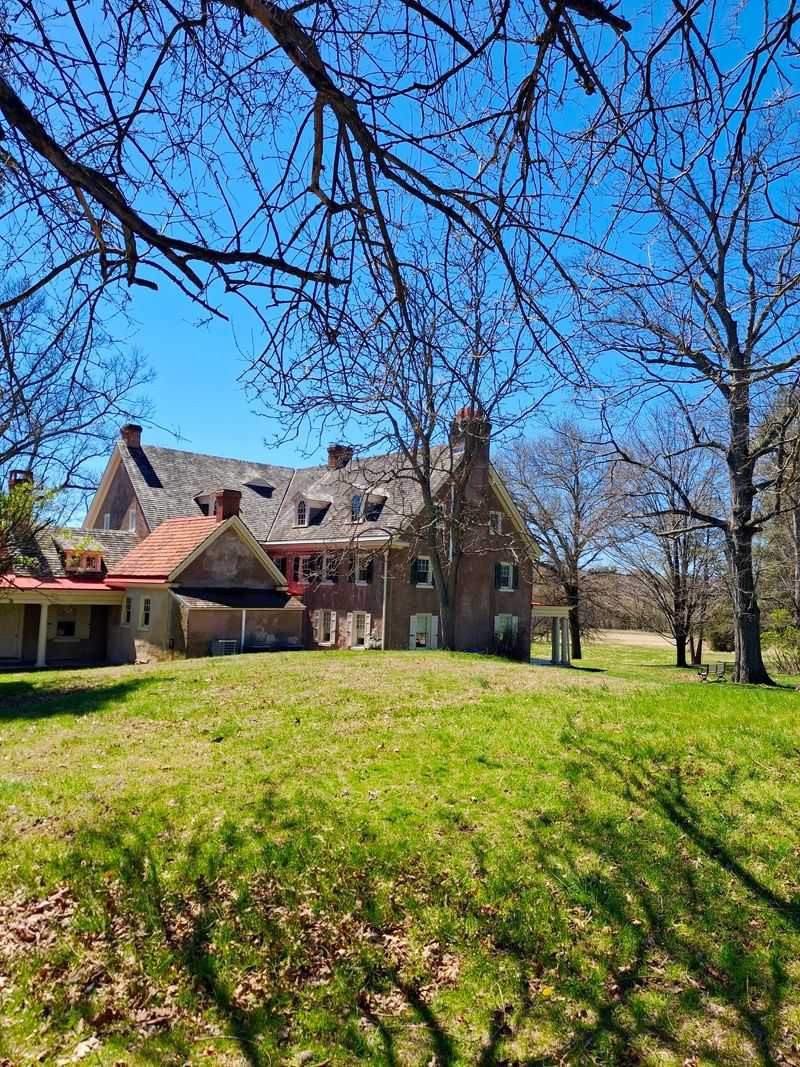
Family roots run deep here. The Pennypacker family had connections to this property dating back to the 1700s, when their ancestors lived and worked along Perkiomen Creek.
Over time, the property passed out of the family’s hands. Then, in 1900, Samuel W.
Pennypacker purchased the historic estate, bringing a piece of his family’s past back under their ownership.
For Pennypacker, this was more than a country retreat. He was a historian who cared deeply about Pennsylvania’s early history, and the property had personal meaning because of his family’s connection to it.
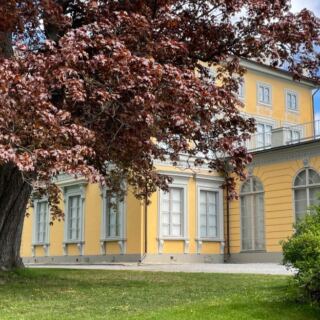
In 1901, he hired Philadelphia architect Arthur Howell Brockie to remodel and enlarge the old farmhouse. The renovations transformed the property into a Colonial Revival country mansion while preserving its connection to the past.
The architectural style suited Pennypacker’s interests. Colonial Revival design drew inspiration from early American buildings, making it a fitting choice for someone who collected historical documents, antique furniture, and objects connected to Pennsylvania’s earliest settlers.
The result was a family home that combined modern comforts with the governor’s appreciation for history.
That interest extended beyond the building itself. Inside, Pennypacker filled the rooms with collections that reflected his fascination with Pennsylvania’s past and his own family heritage.
The Man Behind the Mansion
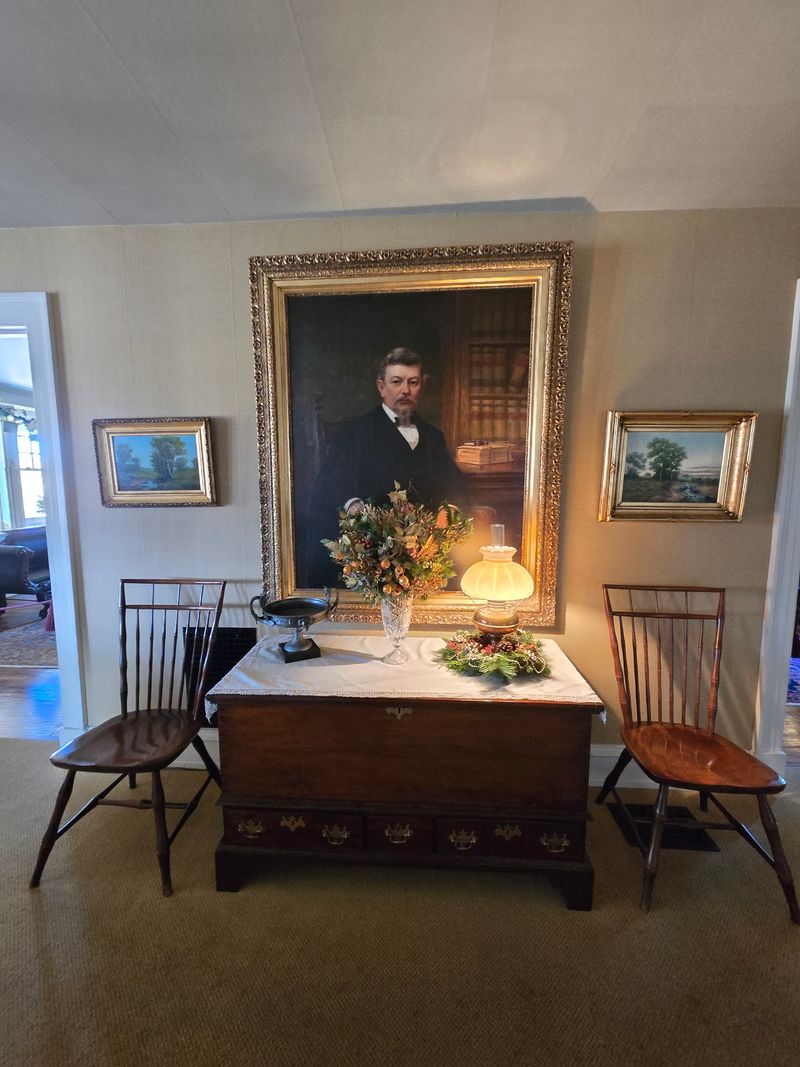
Samuel Whitaker Pennypacker wore a lot of hats. He was a lawyer, a judge in Philadelphia, a writer, a historian, and finally the governor of Pennsylvania.
As governor, he was in office when the Pennsylvania State Police was created in 1905. It was one of the first state police forces of its kind in the country.
He also dedicated the new State Capitol in 1906.
Those achievements are big, but the tour makes him feel human. Guides talk about his habits, his family, and his strong opinions.
He clearly cared about how history would remember his state.
He also wrote an autobiography, which gives a direct look at how he saw himself. If the tour sparks your curiosity, it’s a natural next read.
I like that the house doesn’t treat him as a statue. You learn about the person who sat in these chairs and read these books.
Pennypacker spent his later years at the estate after leaving office. That means the rooms reflect the life he chose once politics was behind him, and his tastes come through clearly in every space.
Rooms Filled With the Family’s Own Things
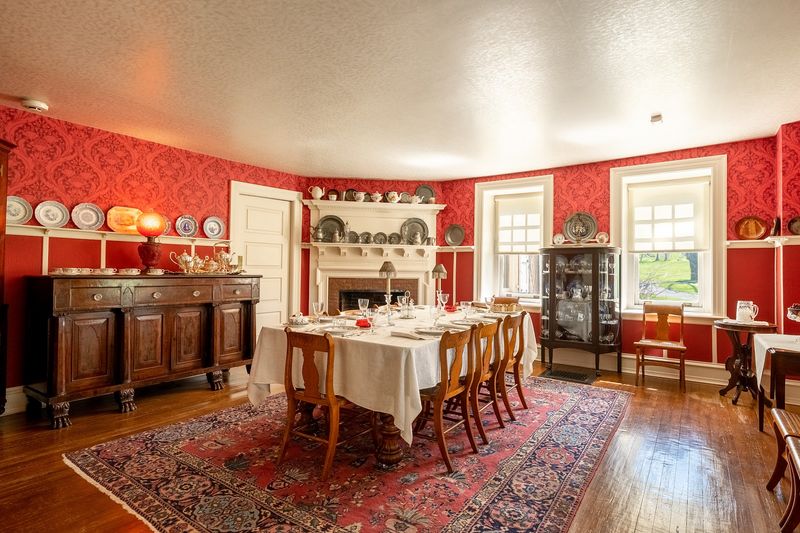
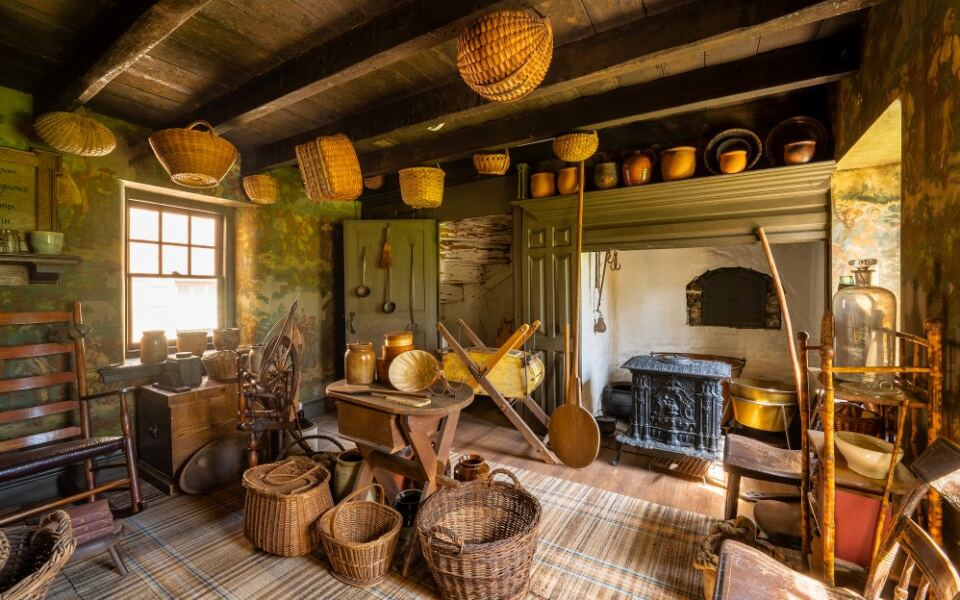
Original belongings make this house stand out. Much of what you see inside belonged to the Pennypacker family, so the rooms aren’t filled with random pieces from the same era.
The mansion is set up to look as it did in the early 1900s. Each room is decorated to match that period without feeling crowded.
That balance matters more than people expect. Some historic homes pack every shelf until it’s hard to focus.
Here, the setup lets you actually notice individual objects.
The governor was a dedicated collector of early Pennsylvania furniture and objects. Many pieces reflect the Dutch and German craftsmanship of the region’s first settlers.
His library is another highlight. Pennypacker collected books and documents about American and Pennsylvania history, and he was known as a serious book collector in his time.
My tip is simple. Ask your guide which items have the best stories behind them.
Docents here know the collection well, and the small details often turn out to be the most memorable part.
The furniture tells you about his taste, but the family itself tells you about his daily life.
Docents Who Love a Good Question
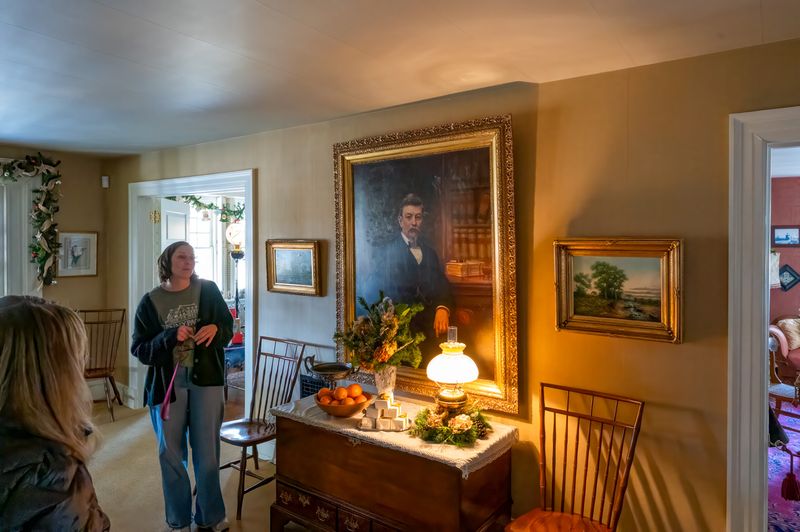
Guided tours are the heart of a visit. The standard house tour usually runs around 45 minutes, though it can stretch when a group has lots of questions.
The guides here are trained docents and volunteers. They lead small groups room by room and explain who lived there and what happened in each space.
I’d go in with a few questions ready. Ask about the governor’s family, the remodel, or Washington’s stay.
Good guides enjoy curious visitors, and this site has a strong reputation for knowledgeable ones.
Tours have traditionally been free, with a small suggested donation. That makes this an easy pick for families watching their budget or anyone who wants a low-cost afternoon outing.
Since tours are guided, timing matters. The site is generally open Tuesday through Sunday and closed on Mondays.
Sunday hours start later in the afternoon, so confirm the current schedule on the Montgomery County website before you go.
A short drive from busy suburbs, the site feels calm and unhurried. Once the tour wraps up, the grounds outside give you plenty more to explore at your own pace.
Trails, Creek Views, and Room to Wander
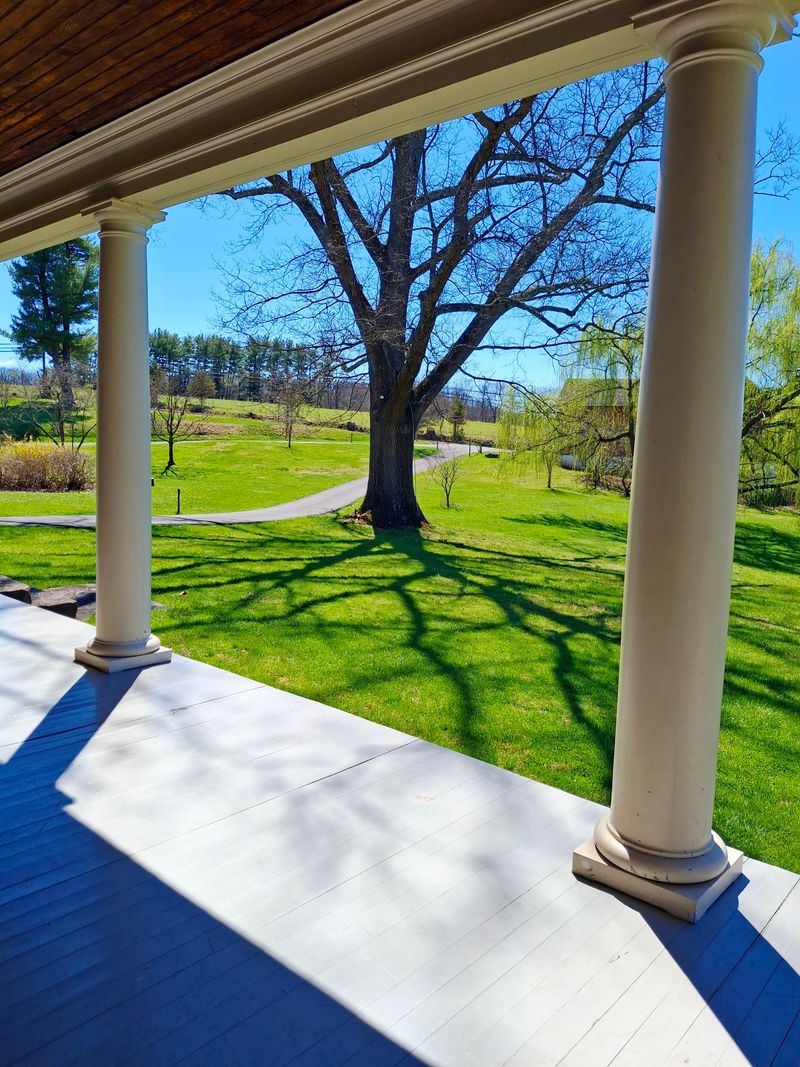
Step outside after the tour and the estate opens up. The grounds include walking trails, wide lawns, and outbuildings that hint at the property’s farming past.
Perkiomen Creek runs nearby, and the setting stays green and quiet for much of the year. It’s a good spot for a slow walk or a picnic on a nice day.
You don’t need a tour to enjoy this part. Some people simply come to stroll the paths and read the history signs placed around the property.
The signs cover the Revolution, the mill history, and the family years. They work well for kids who might get restless indoors, since they can move around while still learning.
I’d suggest comfortable shoes and a little extra time. The trails are easy to enjoy, and the open space gives you a feel for why the governor wanted to live here.
The site is also close to Route 73, which makes it simple to reach from nearby towns.
Those outdoor spaces come alive in a different way during special events, when the lawns fill with crafts, games, and seasonal activities.
Hands-On History for Young Visitors
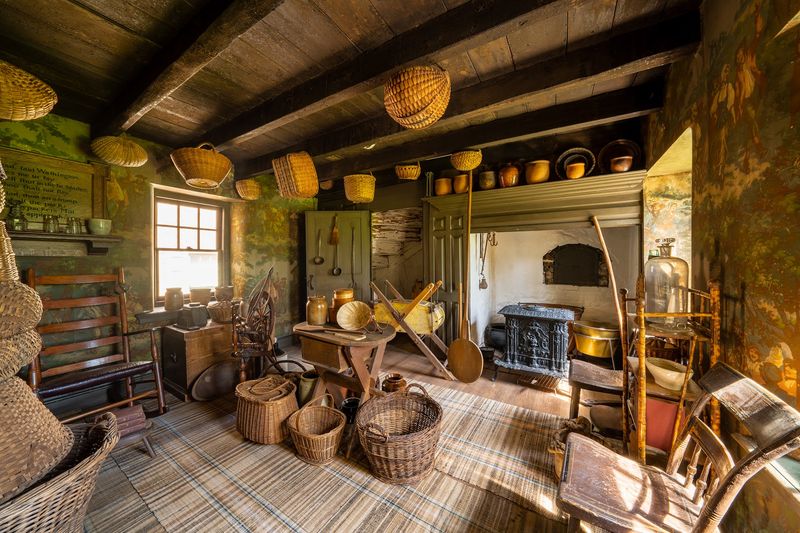
Kids get to do more than look at old stuff here. During some programs, young visitors can turn a hand-cranked wheel to grind corn, which gives them a real feel for how much work early farm life took.
That kind of activity connects nicely to the property’s past as a mill site. It’s one thing to hear about grinding grain and another to try it yourself.
Pennypacker Mills also runs free craft sessions at certain times of year, including Valentine’s Day and spring themes. These are relaxed, creative events aimed at families.
In October, the All Hallows Eve Festival brings pumpkin painting, crafts, old-fashioned games, and hayrides. It’s a gentle, family-friendly way to celebrate fall without anything too spooky.
I like how these programs mix fun with a bit of learning. Children leave with a craft in hand and maybe a question or two about the past.
Event details change from year to year, so check the county’s calendar for current dates. Some programs may need registration.
Grown-ups get their own seasonal favorite, too, starting with a September market full of handmade goods.
A September Market and Seasonal Gatherings
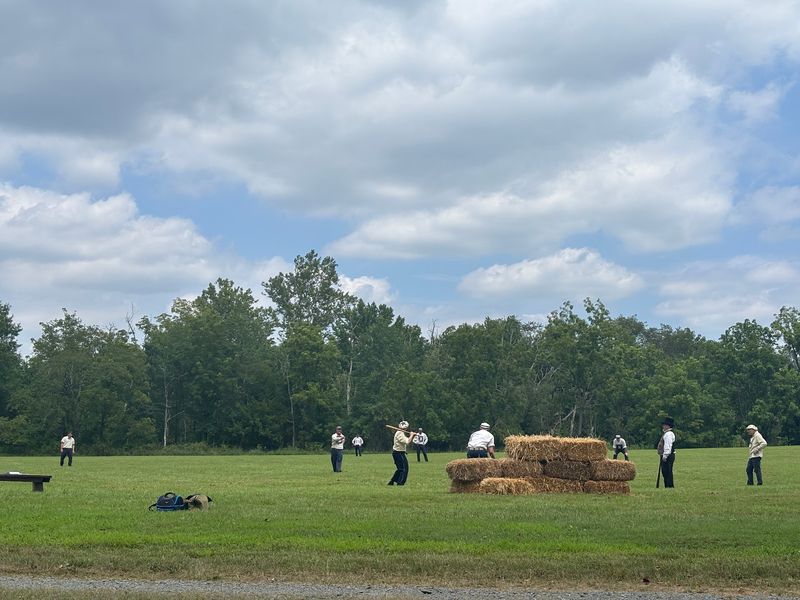
Handmade goods fill the lawn each September. The site hosts an outdoor craft market where artisans set up booths and sell their work.
It’s a nice excuse to visit if house tours aren’t usually your thing. You can shop, walk the grounds, and still sneak in some history along the way.
Throughout the year, the calendar stays busy. Reenactments, lectures, and themed programs pop up in different seasons, so there’s often a reason to come back.
I’d recommend checking the county website a few weeks ahead. Popular events can draw a crowd, and some details like parking or timing may change.
These gatherings also show how the community uses the site today. It isn’t a closed-off museum.
It works as a shared space where neighbors meet and families spend an afternoon together.
The governor himself liked to host relatives and guests at the estate. In a way, today’s events keep that welcoming spirit going on the same lawns.
Of all the seasonal traditions here, though, one stands apart for its decorations, music, and special guest from the North Pole.
A Victorian Christmas Inside the Governor’s House
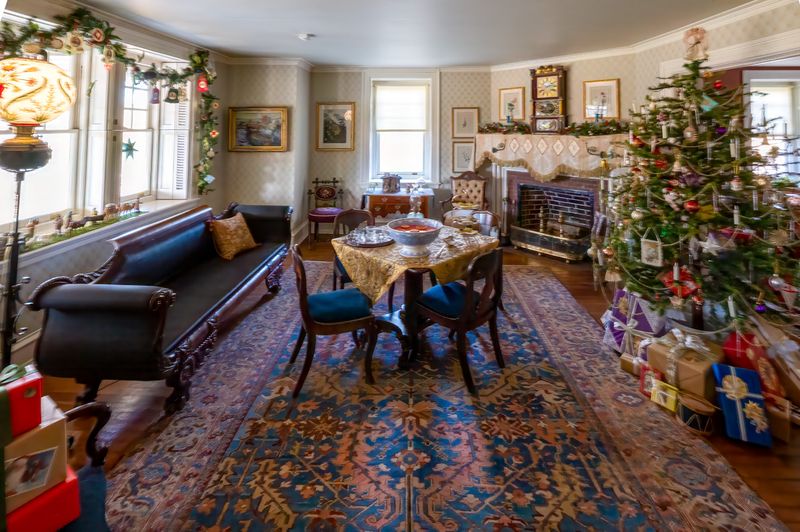
Holiday season brings the house to life in a special way. Each year, the mansion is decorated for a Victorian Christmas, with rooms dressed up in period-style holiday decor.
The Christmas open house has long been a favorite tradition. Past events have featured visits with Santa, holiday music, light snacks, and tours of the decorated rooms.
I can see why families make it part of their December plans. Seeing a historic home dressed for the holidays helps you imagine how the Pennypackers might have celebrated.
The decorations follow the look of the era instead of modern displays. That keeps the house feeling true to its past while still festive.
Because this is a popular time, plan ahead. Check the county’s website for open house dates, and expect more visitors than on an ordinary weekday.
If you can only visit once, December is a strong choice. You get the full house tour plus the added warmth of the season.
From a Revolutionary camp to a governor’s retreat to a holiday gathering spot, this one property in Schwenksville has worn many roles, and it still welcomes guests through its front door every year.
Share this story