Some sweets are almost too pretty to eat. A lump of almond paste can become a tiny peach, a painted pig, a life-sized statue, or even a model of a parliament building.
Candy makers have spent centuries turning almonds and sugar into small works of art, and some of their shops are worth planning a whole trip around. A few of these places have been open for more than 200 years.
Others hide little museums upstairs, where the exhibits are made of the same stuff sold at the counter below. You will find painting classes, free tastings, and fruit so realistic that people try to peel it.
This list covers twelve shops across Germany, Estonia, Hungary, Spain, Italy, and even Brooklyn. Each entry explains what makes the place special, what to look for, and how to get the most out of a visit.
Some stops are famous with tourists, while others are quiet workshops loved by locals. Keep reading to find out where a sweet tooth and a love of art can share the same afternoon, and which shop lets you paint your own candy before you eat it.
1. Café Niederegger, Lübeck, Germany
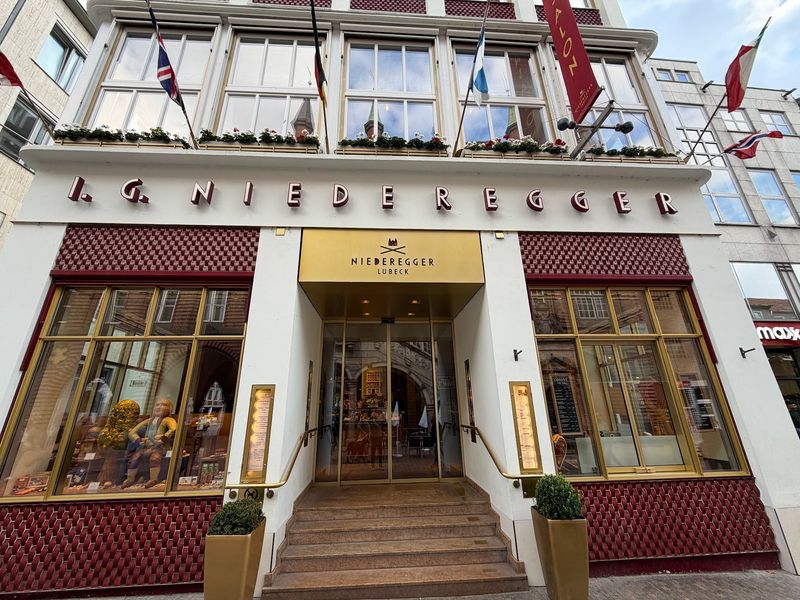
Twelve life-sized statues stand upstairs in this building, and every one of them is made of marzipan. Thomas Mann, the famous writer, is among them, along with other historic fans of the brand.
Johann Georg Niederegger founded the business in 1806. Today, the seventh and eighth generations of the family still run it.
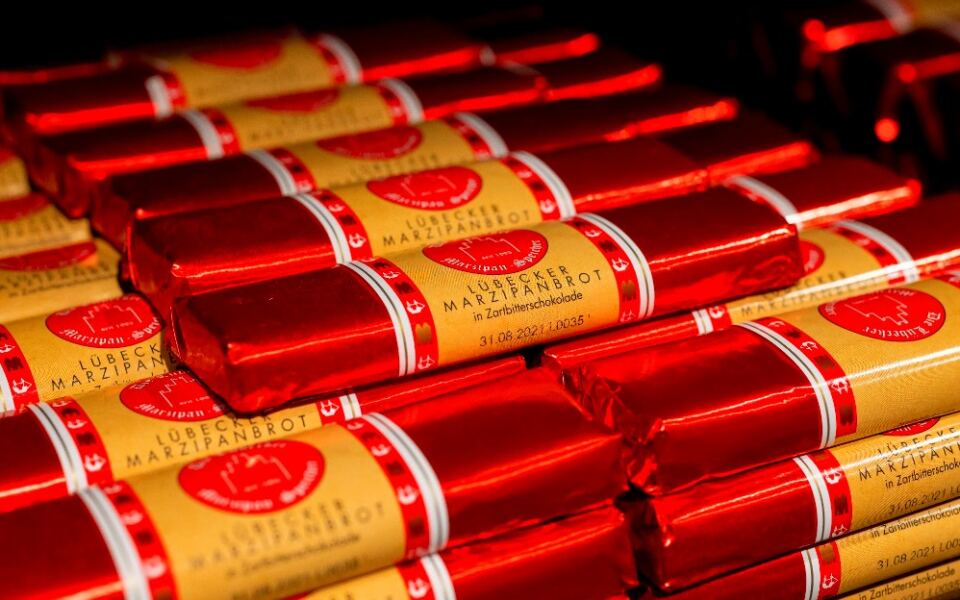
The shop sits right across from Lübeck’s Town Hall, so it is easy to find. Downstairs, shelves hold more than 300 specialties, including marzipan loaves, nougat, truffles, baumkuchen, and stollen.
Niederegger marzipan uses a high share of almonds and less sugar than many rivals. That recipe is the reason fans call it the real deal.
The café serves breakfast, lunch, and a long list of cakes. Order the Marzipan Gateau if you only pick one thing.
Save time for the Marzipan Salon on the upper floor. Entry is free, and the exhibits trace marzipan’s journey from the Orient to northern Germany.
A short film also shows how the candy gets made. It answers questions you did not know you had.
2. Kalev Marzipan Museum Room, Tallinn, Estonia
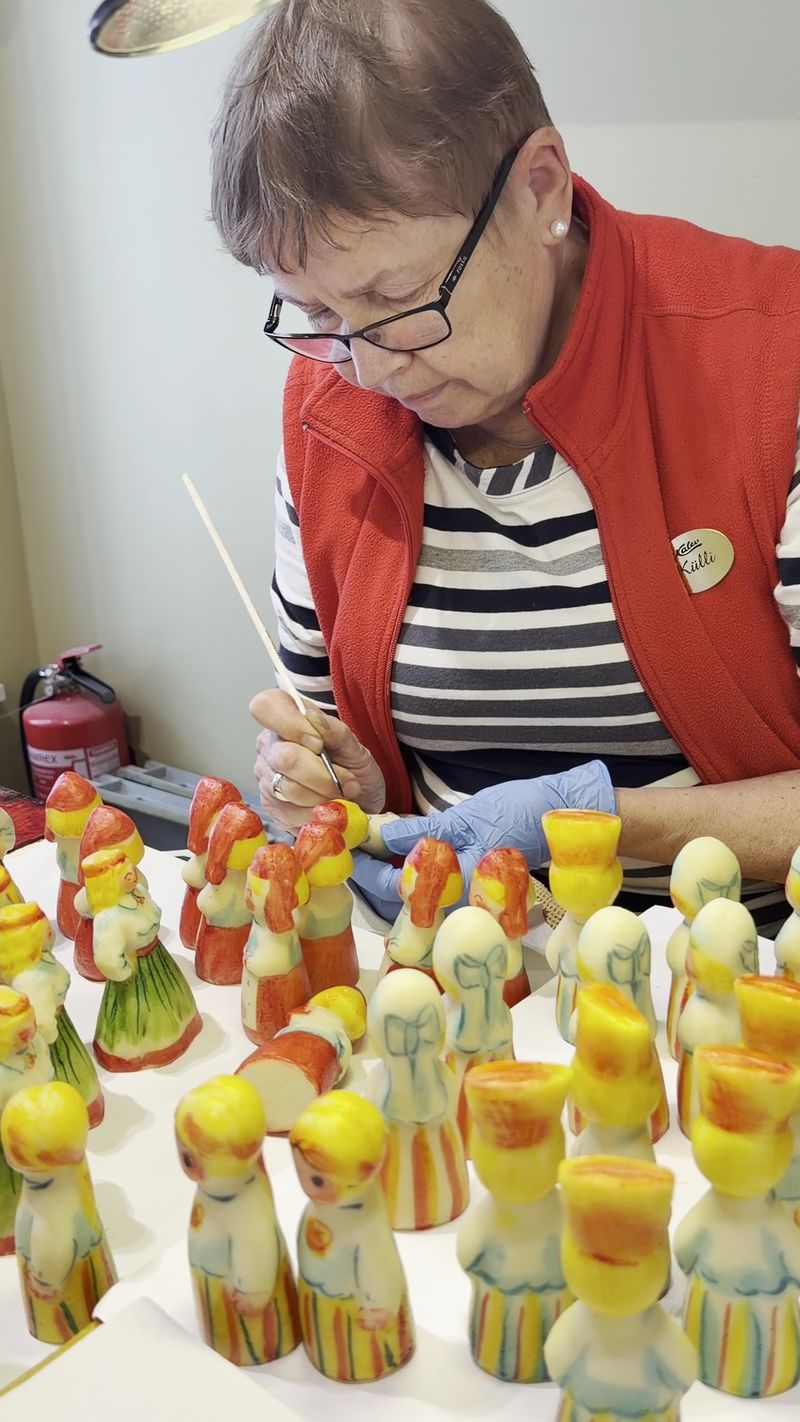
Estonia’s oldest working café, Maiasmokk, opened in 1864, and it keeps a sweet secret in a side room. Nearly 200 painted marzipan figures fill the cases there.
The museum honors Georg Stude, who made marzipan in this very building long ago. Some of his original molds are on display, next to antique candy boxes.
An audio guide walks visitors through the history at a relaxed pace. It works well for curious kids and patient adults alike.
The real highlight is often the artist at the table. Visitors can watch someone hand-paint tiny figures with very fine brushes.
Want to try it yourself? Workshops let children and grown-ups paint their own marzipan figures, and you get to take your work home.
A word of advice: book a workshop ahead during busy summer weeks. Spots in the Old Town fill quickly.
Before leaving, browse the small shop for Kalev marzipan flavors and other Estonian sweets. A painted pig or cat makes a light, cheerful souvenir for friends back home.
3. Szamos Marzipan Museum and Café, Szentendre, Hungary
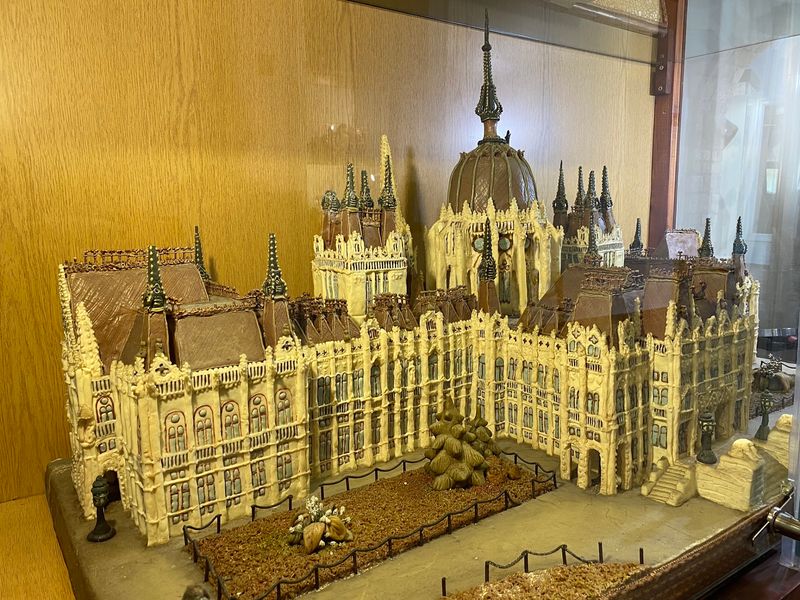
Hungary’s Parliament building is huge, but one copy of it fits inside a small museum in Szentendre. That version happens to be made entirely of marzipan.
The Szamos Marzipan Museum is a short trip from Budapest. It shows what happens when confectioners treat almond paste the way sculptors treat clay.
Inside, you will see a likeness of Princess Diana, fairy tale scenes, Bible stories, and cartoon characters. There are even musical instruments, though nobody should try to play them.
The museum honors two Hungarian masters, Mátyás Szamos and Károly Szabó. Their work raised marzipan from simple candy to detailed portrait art.
Kids usually rush to the cartoon displays first. Adults tend to linger at the Parliament model, counting the tiny windows.
After the tour, head to the café and shop. Free marzipan tastings let you test a few flavors before you buy.
Plan to pair this stop with a walk through Szentendre’s old streets. The town is small, colorful, and easy to explore in a single afternoon.
4. Obrador de Mazapán Santo Tomé, Toledo, Spain
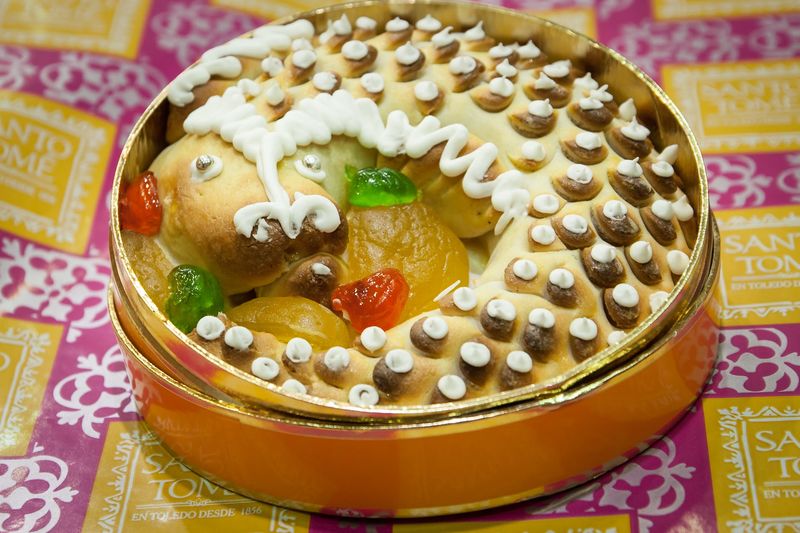
Back in 1856, a confectioner on Calle Santo Tomé started shaping almond paste by hand. More than 160 years later, the original shop is still open on that same street.
Toledo takes marzipan seriously. Local versions usually contain about half almonds, which gives them a strong nutty taste and a firm bite.
Santo Tomé sells small marzipan figures, filled delicacies, and classic Spanish pastries. Many pieces are shaped, baked lightly, and sometimes stuffed with sweet fillings.
Here is a fun bonus. The workshop is connected to the shop, and prearranged visits offer a closer look at how the sweets come together.
Call or email ahead if you want that behind-the-scenes peek. Walk-in tourists usually only see the counter side.
The shop sits in the old center, close to the church that shares its name. It makes a handy snack stop between sightseeing visits.
Pick up a mixed box to try several shapes. Locals often give these as gifts at Christmas, but they taste fine in July too.
5. Pasticceria Maria Grammatico, Erice, Italy
Maria Grammatico learned to bake as a girl living in a convent. The nuns taught her recipes they had guarded for generations.
In 1964, she opened her own shop in Erice, a medieval town perched high above western Sicily. Visitors still climb the winding road just to visit her counter.
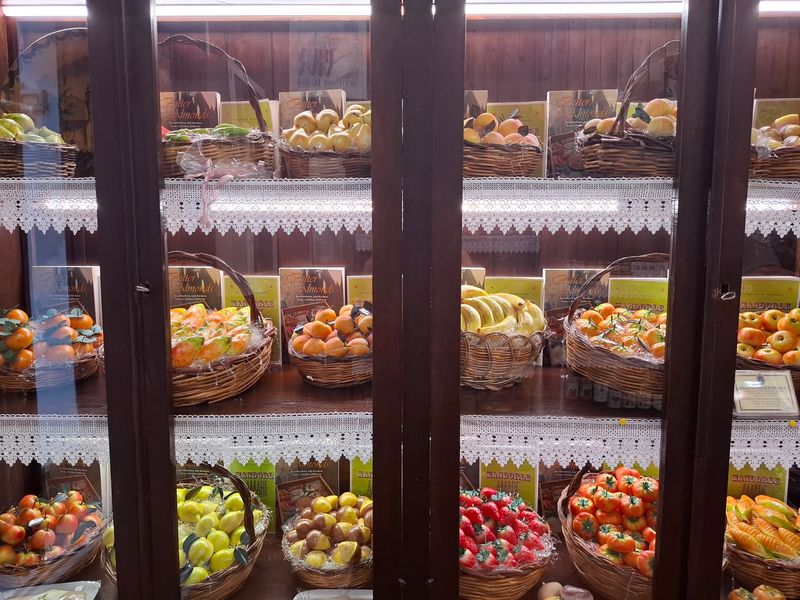
The star attraction is frutta martorana. These almond-paste fruits are shaped and painted to look like real peaches, figs, and lemons.
Many first-timers honestly cannot tell the candy from the produce. That is exactly the point.
Do not skip the genovesi, small pastries filled with custard and best eaten warm. Almond cookies of many shapes fill the rest of the cases.
Maria also shared her story in a well-known cookbook. Reading it before a visit adds a lot of meaning to each bite.
Erice can get crowded on summer afternoons. Arrive in the morning for shorter lines and a calmer look at the displays.
6. Marzipan-Speicher am Holstentor, Lübeck, Germany
Lübeck’s second marzipan hotspot faces the city’s famous Holstentor gate. You can snap a photo of the gate and buy candy within the same five minutes.
Free tastings have been part of the routine here since 1995. Shoppers can sample before choosing, which takes the guesswork out of gifts.
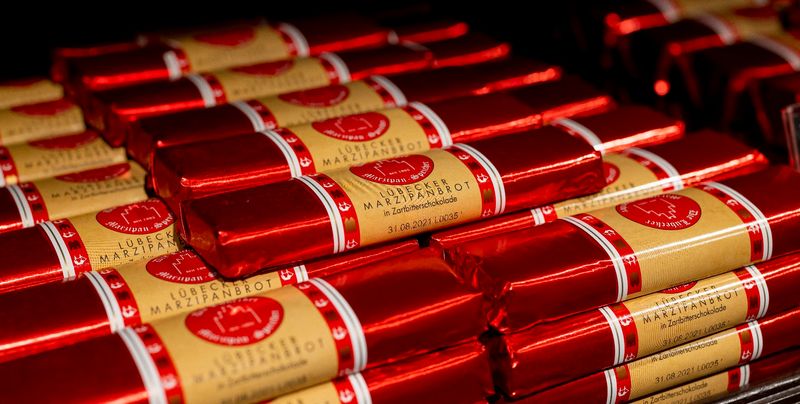
The range goes far beyond plain bars. Look for marzipan spreads, marzipan pasta, almond oil, almond vinegar, and freshly roasted coffee.
Bargain hunters should ask about marzipan breakage. These fresh pieces skip a few finishing steps, so they cost less but keep the quality.
Master pastry chefs often work in view of customers. Watching them shape sweets explains why handmade pieces cost more.
Next door, the Marzipan Speicher Café sits under beams dating to the 12th century. A gallery and courtyard terrace offer views of St. Mary’s towers and the gate.
Order the Lübeck marzipan cake or a scoop of marzipan ice cream. Both make a fine reward after a long day of walking.
7. Villabate Alba, Brooklyn, New York
No passport is needed for this taste of Sicily. Brooklyn’s Bensonhurst neighborhood brings the island’s marzipan tradition to New York.
Villabate Alba is a family bakery with roots in Sicilian confectionery. Its name nods to Villabate, a town near Palermo.
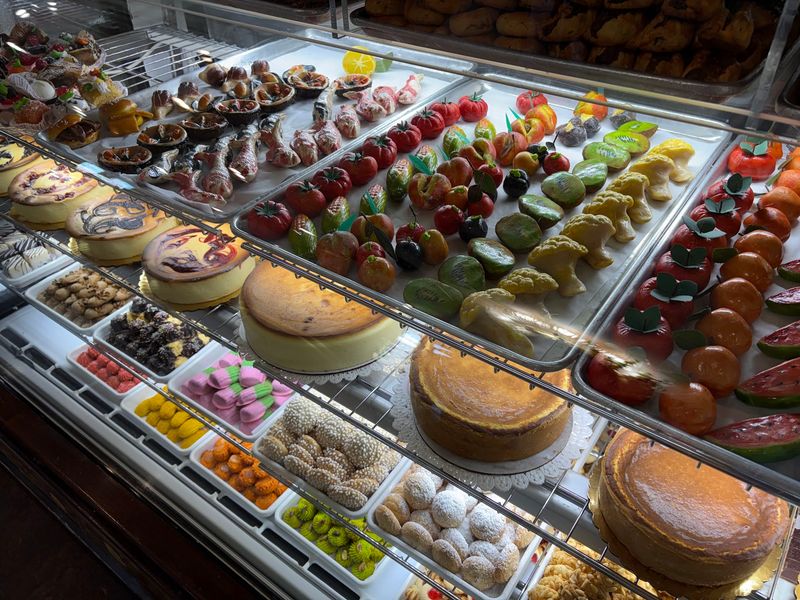
The frutta martorana here gets plenty of attention. Tiny almond-paste bananas, pears, and prickly pears look ready for a fruit bowl.
Each piece is shaped and painted by hand. The detail is impressive, right down to small spots and leaves.
Of course, the cases hold more than fruit. Cannoli, cassata, and cookies tempt nearly everyone who comes in for just one thing.
Holidays bring big crowds, especially near Christmas and Easter. Weekday mornings tend to be quieter for browsing.
A practical tip: martorana keeps well, so it travels nicely as a gift. Cannoli, on the other hand, are best eaten the same day.
Take the subway to the D line in Bensonhurst. The trip pays off fast.
8. Mazapanes Conde, Toledo, Spain
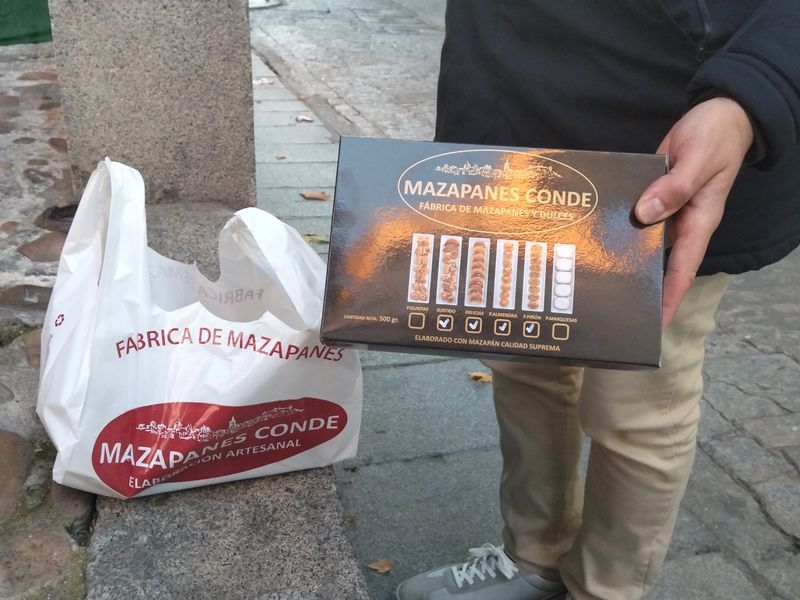
An eel made of marzipan sounds like a joke, yet in Toledo it is a proud holiday tradition. Mazapanes Conde makes some of the city’s best-known versions.
These anguilas de mazapán are long, coiled sweets often decorated with colorful patterns. Families usually share them at Christmas.
The workshop opened in 1982 in Toledo’s historic Jewish Quarter. Narrow streets and old synagogues sit just around the corner.
Conde focuses on traditional recipes rather than flashy modern desserts. Classic marzipan figures and almond pastries fill the shelves.
That old-school approach is the main draw. Visitors get a version of Toledo marzipan that locals recognize from their childhood.
The shop is smaller than the city’s big names, so service tends to feel personal. Staff are usually happy to explain the different shapes.
Ask about sizes if you plan to buy an eel. Some are small enough for a snack, while others can serve a whole table of relatives.
9. Escribà, Barcelona, Spain

Exploding cakes, sugar jewelry, and chocolate walls all came out of one Barcelona family kitchen. Escribà has been surprising customers since 1906.
The Gran Via shop began life as the Forn Serra bakery. Its modernist facade is worth a photo before you even reach the door.
Back in the 1950s, the family pioneered chocolate figures for the Catalan Easter cake called mona de Pascua. Locals soon nicknamed them the chocolate magicians.
Christian Escribà, a fourth-generation pastry chef, pushed that playful spirit even further. His wife, Patricia Schmidt, is known for detailed sugar work.
Their Candy Glam Rings are sugar rings shaped like jewelry. People buy them around the world as fun gifts.
Check the display windows on each visit. They often feature short-lived chocolate sculptures that change with the seasons.
Easter is the busiest and most creative time to drop by. The mona designs during those weeks can get wonderfully wild.
10. Kalev Chocolate Shop, Rotermann Quarter, Tallinn, Estonia
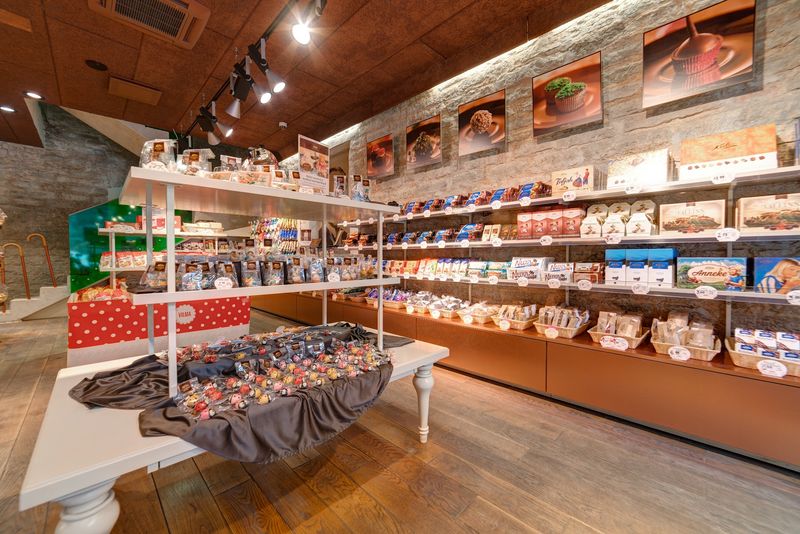
Old factory buildings in Tallinn now hold one of the city’s sweetest stops. The Rotermann Quarter mixes restored industrial walls with sleek new shops.
Kalev has made Estonian sweets since 1806, and this store carries its full lineup. Chocolates, candies, and hand-painted marzipan figures share the shelves.
Gift shoppers will like the build-your-own box option. You choose each piece, so picky relatives get exactly what they like.
Upstairs, a Confectionery Workshop runs hands-on sessions. Guests can make chocolates or paint marzipan figurines.
Instructors cover basic candy making, explain ingredients, and share useful tips. It is a smart rainy-day plan for families.
Groups can even rent the space for events. It holds up to 30 people, which suits birthdays and team outings.
Pair this stop with the Old Town museum room for the full Kalev story. One shows the history, while the other shows the modern brand.
11. Pasticceria Costa, Palermo, Italy
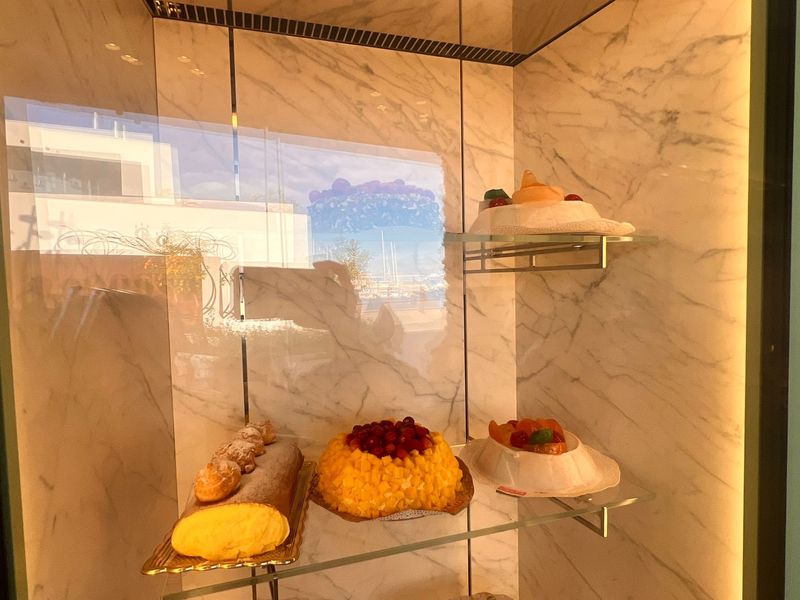
Legend says nuns at Palermo’s La Martorana church once made almond fruits to replace the real ones missing from their garden. The trick worked, and a tradition was born.
Pasticceria Costa keeps that story going with colorful frutta martorana. Small oranges, cherries, and prickly pears line the counters.
The ingredient list is short and clear. Almonds, sugar, glucose, natural flavors, and natural colorings make up each piece.
Costa also sells blocks of almond paste for home bakers. Try making your own fruit, and you will quickly respect the pros.
Many pastries use peeled Avola almonds, organic Madonie honey, and Bronte pistachios. All three are famous Sicilian products.
Elaborate cakes, cannoli, and cassata round out the menu. Cassata, with its bright decorations, often steals the show.
Visit near early November to see martorana at its peak. Sicilian families traditionally give these sweets to children during holidays that month.
12. El Foro de Toledo, Toledo, Spain
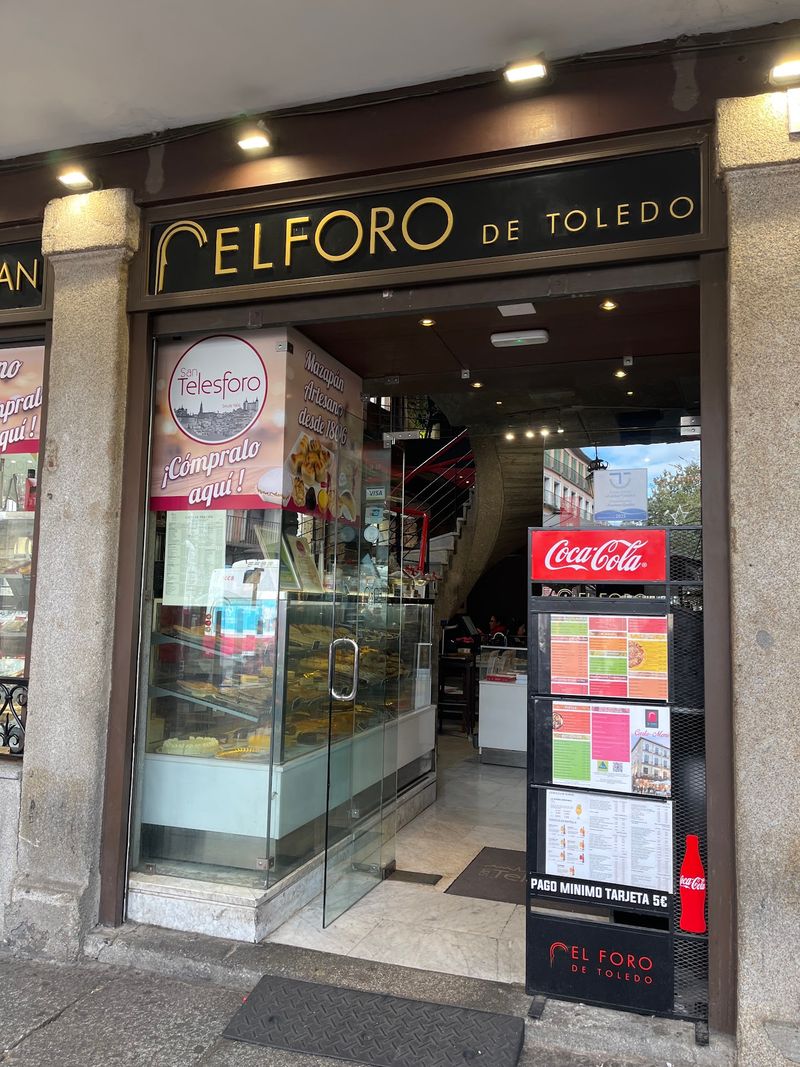
Plaza de Zocodover has been Toledo’s main meeting point for centuries. El Foro gives you a seat overlooking it, plus marzipan on the side.
This café and restaurant stocks handmade sweets from San Telesforo. That producer traces its family heritage to 1806.
The menu lets you skip the takeaway bag and sit down instead. Traditional figures, almond delicacies, and marzipan cake are all available.
Marzipan cake is the one to try here. It is less common than the small figures and makes a nice change.
The location makes this an ideal final stop. Many walking routes through the old city begin or end at the square.
Order a coffee, rest your feet, and watch the plaza traffic. Tour groups, families, and locals all pass through at some point.
Buy a box before you leave if you missed the other shops. It is an easy way to bring Toledo’s almond tradition home in your suitcase.
Share this story