France has far more charming villages than the famous postcard spots. Hidden across the countryside are tiny towns with stone bridges, old castles, and quiet harbors.
Many of them are loved by French families but barely known to visitors from abroad. Here are fifteen places that offer a calmer, more local way to see the country.
Saint-Céneri-le-Gérei, Normandy
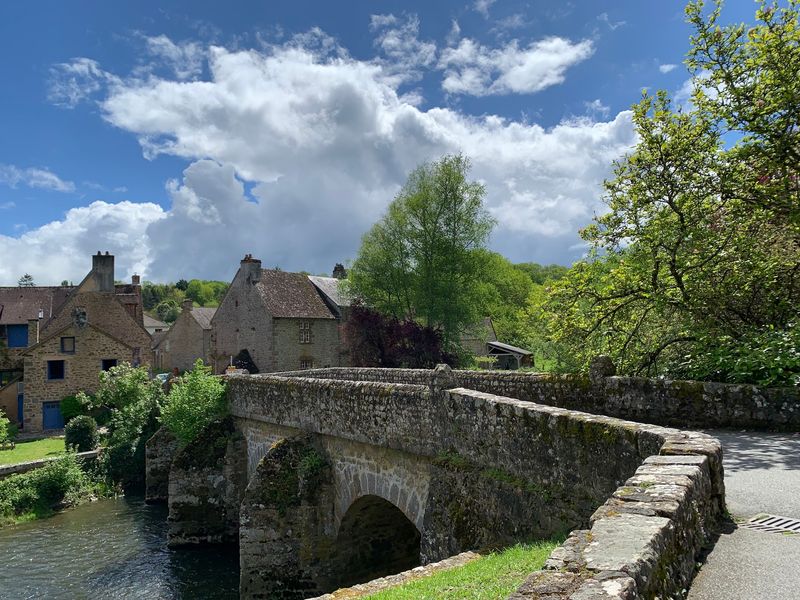
Artists have been setting up easels here since the 1800s, and it is easy to see why. The Sarthe River curls through wooded hills, and an old stone bridge frames the view like a ready-made painting.
Narrow lanes lead past small stone cottages up to a Romanesque church that looks over the water. Its quiet setting is part of the charm, because tour buses rarely find their way here.
Most travelers rush to Mont-Saint-Michel or the Normandy beaches. That leaves this village peaceful, even in summer.
Bring a sketchbook, or at least a camera with plenty of space, because every corner gives you a new angle.
Wear comfortable shoes. The paths along the river are lovely for a slow stroll, and the woods nearby invite you to wander a bit farther.
Stop for a snack at a local spot and watch the water drift by.
It is officially listed among the Most Beautiful Villages of France, which tells you the setting has been well preserved. A short visit can easily stretch into an afternoon, and nobody will blame you for lingering.
Blesle, Auvergne
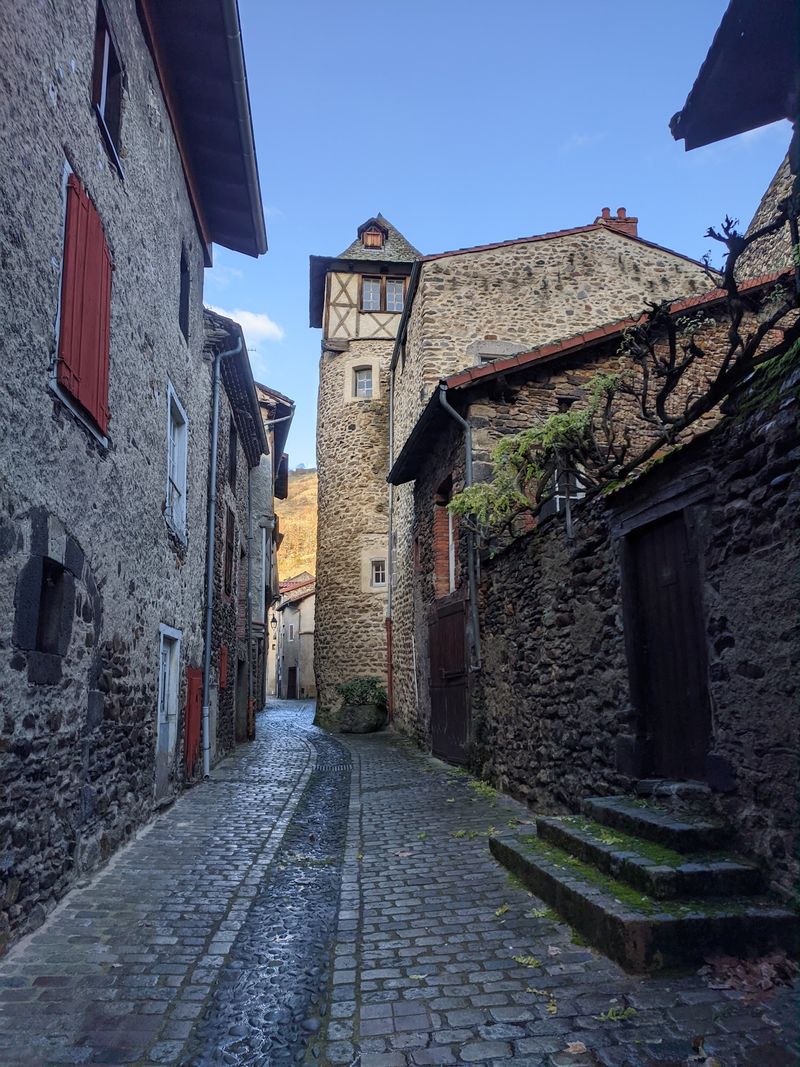
Few travelers ever plan a trip to Blesle, and that is exactly what makes it so appealing. Tucked into the volcanic hills of Haute-Loire, it feels like a secret kept by the locals.
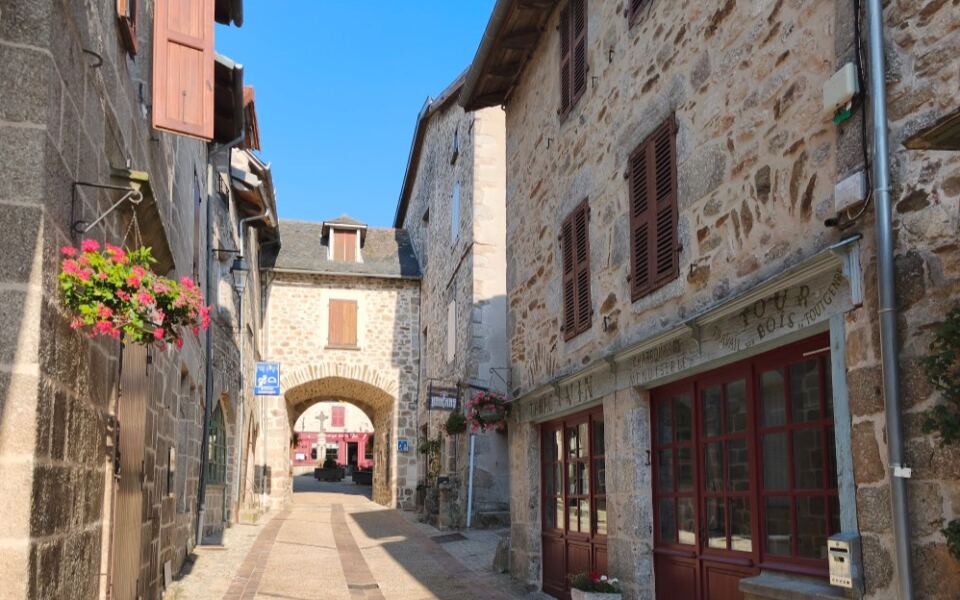
Medieval stone houses huddle around the remains of a Benedictine abbey. The village grew where two valleys meet, so the streets twist and tumble in every direction.
Look up and you will spot timber-framed buildings and bits of old defensive walls.
Many drivers heading between Lyon, Clermont-Ferrand and the south zoom right past this corner of Auvergne. Take the detour.
You will likely share the lanes with just a few friendly residents and maybe a cat or two.
Plan to wander without a map. Every turn reveals a doorway, a fountain or a tiny square that seems made for a coffee break.
The pace here is slow, so let your own schedule relax too.
Blesle holds a place among Les Plus Beaux Villages de France, yet it sees only a trickle of international visitors. That balance of beauty and calm is rare and worth the drive.
Mornac-sur-Seudre, Charente-Maritime
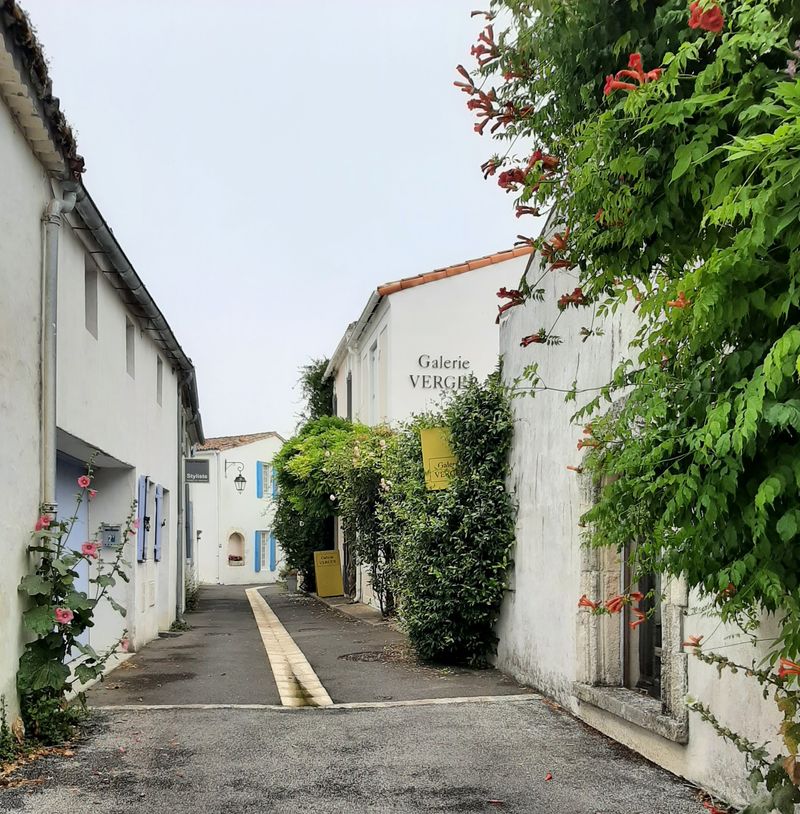
Hollyhocks leaning against whitewashed walls greet you before you even reach the harbor. That cheerful welcome sets the mood for Mornac-sur-Seudre, a village where flowers seem to grow from every crack in the stone.
Lanes curve between low houses and then open toward the water. Salt marshes and oyster farms surround the village, so the sea shapes daily life here as much as the streets do.
Small fishing and oyster boats rest along the harbor.
Big names like La Rochelle and the Île de Ré grab most of the attention on this coast. Mornac stays calmer and friendlier.
It is a lovely place to taste fresh oysters if you enjoy them, or simply to watch the tide slide in and out.
Here is a handy tip. Stay until evening if you can.
After the day-trippers leave, the waterfront turns peaceful and the light turns golden.
Mornac is officially counted among the most beautiful villages in France. It rewards anyone who slows down, walks every lane, and listens for the gulls overhead.
Yèvre-le-Châtel, Loiret
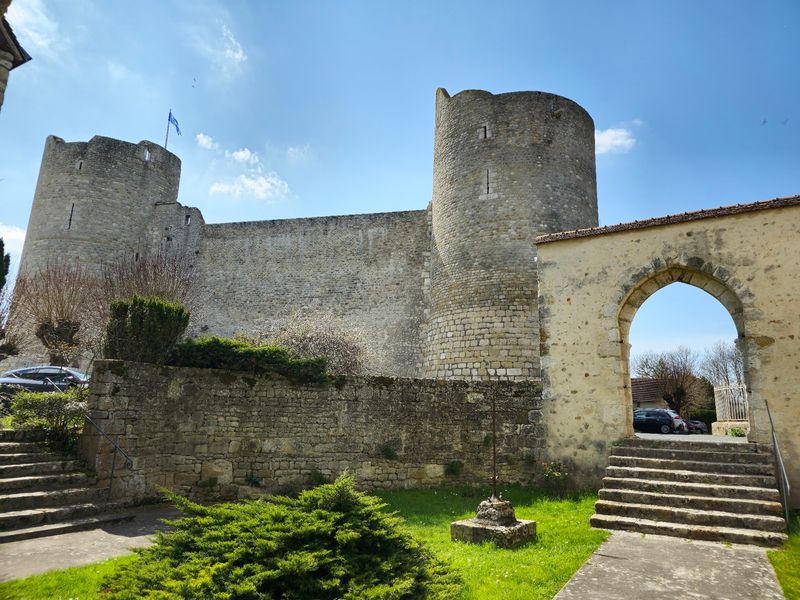
Castle ruins, stone walls and a ghostly unfinished church all sit in one small village. Yèvre-le-Châtel is a fortified town that has held onto its medieval bones remarkably well.
Old houses cluster around the castle remains, and defensive towers still guard the edges. An ancient gateway reminds you that this place once mattered a great deal for defense.
Then there is the unfinished Saint-Lubin church, which looks especially moody from the nearby gardens and quiet lanes.
The village is not far from Paris, yet it gets little attention next to the grand châteaux of the Loire Valley. That makes it a smart stop for anyone who likes history without jostling crowds.
Give yourself time to walk the outer walls. Kids love imagining knights on the ramparts, and adults will enjoy the peace.
Pack a picnic, find a bench near the ruins, and let the past do the talking.
Its place among Les Plus Beaux Villages de France is well earned. It is a real step back into medieval life, minus the drafty halls.
Carennac, Occitanie
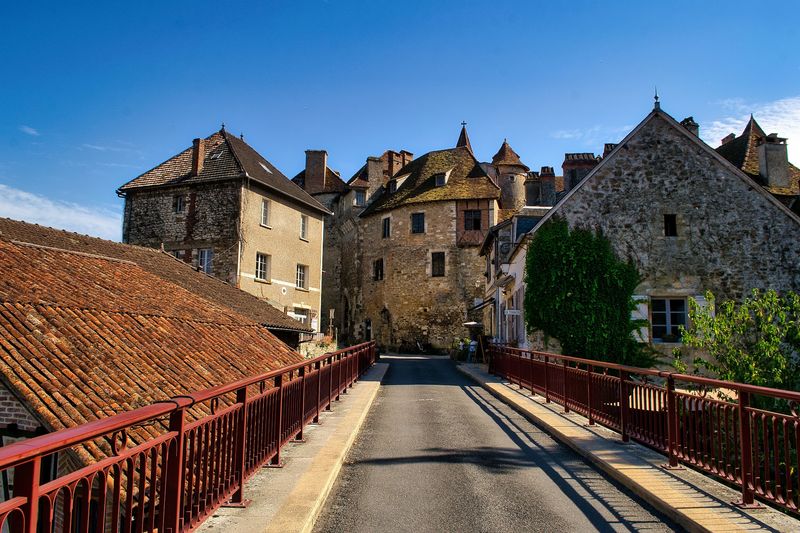
Morning mist drifting over the Dordogne can make Carennac feel like a dream. Honey-colored stone houses glow softly as the sun burns through, and the whole village seems to wake up slowly.
The heart of the place is a Romanesque church and a medieval priory. The village grew around a religious community founded long ago, and later became a handy stop for river travelers.
Look for carved doorways, covered galleries and warm tiled roofs that all match beautifully.
Nearby Rocamadour pulls in huge crowds. Carennac does not.
If you sleep here, you can enjoy the lanes almost alone at breakfast time, which is the best hour for photos.
Try walking down to the river and following the bank for a bit. The water is calm, and the views back toward the village are gorgeous.
Bring a light jacket, since the valley can feel cool early in the day.
Carennac belongs to the official Most Beautiful Villages of France network. It offers the same charm as busier places, with plenty more elbow room.
La Garde-Guérin, Occitanie
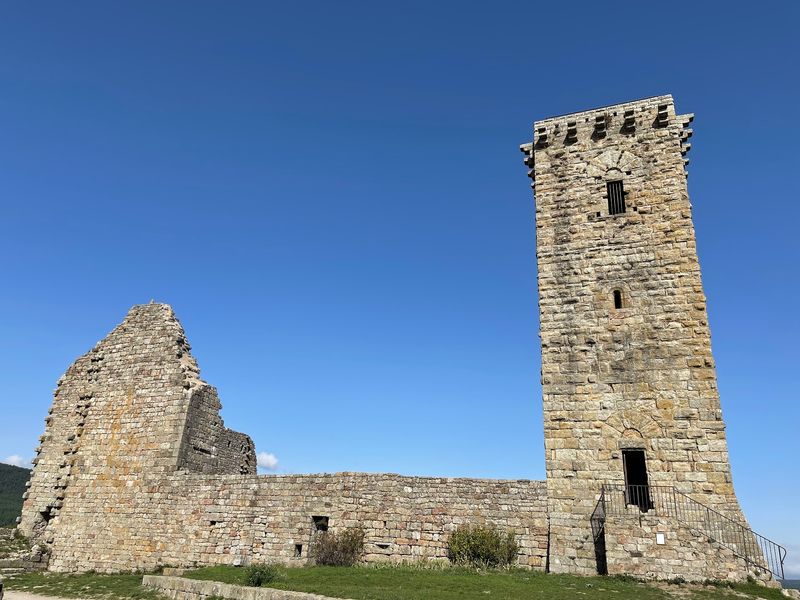
Perched high above a deep gorge, La Garde-Guérin looks like a stone fortress that grew houses. Its location in the rugged Cévennes of Lozère feels wonderfully remote.
Long ago, a group of local defenders lived here to protect travelers on an important medieval route. Their village stayed compact, with narrow lanes, stout stone houses and a square tower that still stands guard.
Walking through it takes little time, but the atmosphere lingers.
Because the roads are winding and the area is far from big cities, visitor numbers stay low. Even so, the village is part of Les Plus Beaux Villages de France.
Enjoy the quiet while it lasts.
The scenery outside the walls is just as striking. Hiking trails lead toward the Chassezac Gorge and across high plateaus, so bring sturdy shoes and water.
The views can stretch for miles on a clear day.
Plan your drive carefully and fill the gas tank beforehand. Services are limited, which is part of the adventure.
The reward is a village that feels truly cut off from the modern rush.
Saint-Suliac, Brittany
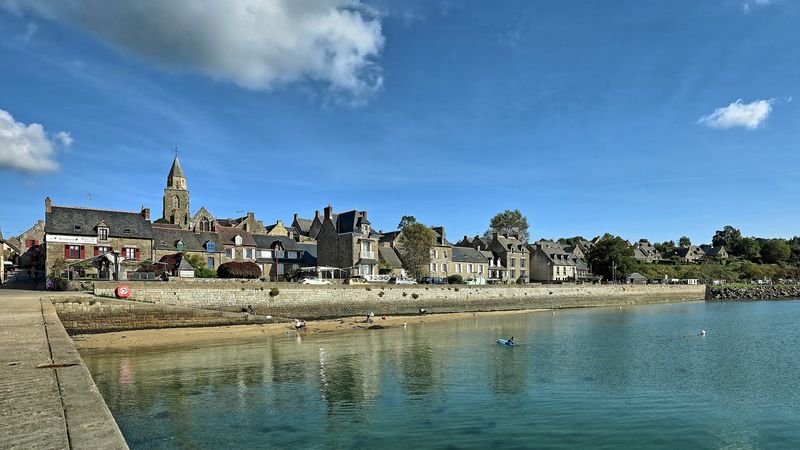
Just a short drive from busy Saint-Malo lies a village that feels like a different country. Saint-Suliac sits quietly on the Rance estuary, and the pace of life slows the moment you arrive.
Stone cottages draped in flowers line steep lanes that tumble toward a little fishing harbor. At low tide, boats lean on the muddy shore, waiting for the water to return.
The scene is simple and wonderfully photogenic.
Feeling energetic? Follow the trail up Mont Garrot.
The climb rewards you with wide views over the estuary and the site of an old Viking camp. It is a nice mix of nature and history in one short walk.
Most visitors zip between Saint-Malo, Dinan and Mont-Saint-Michel without stopping here. That is their loss and your gain.
You can stroll the harbor and still hear the clink of rigging.
The village is officially listed among France’s most beautiful. Check the tide times before you go, since the harbor looks completely different at high and low water.
Montrésor, Centre-Val de Loire
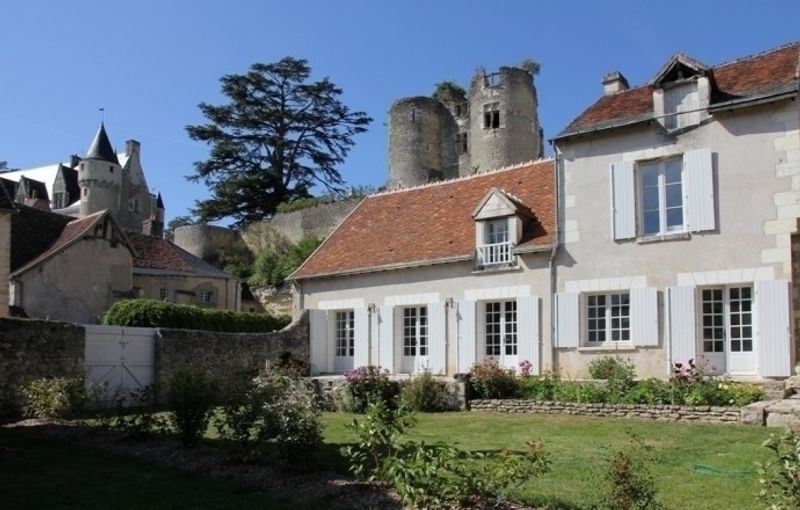
Want châteaux without the stampede? Montrésor delivers.
This small village sits beside the Indrois River under a Renaissance castle, and its old houses reflect in the water like a second village below.
A riverside path gives some of the best views. Follow it slowly, then climb the narrow streets toward the castle and the historic church.
The whole village is small enough to explore in a relaxed afternoon.
Famous neighbors like Chenonceau, Chambord and Amboise draw the big crowds. Montrésor stays modest, and that is a big part of its appeal.
You can enjoy château country without racing from one ticket line to the next.
Pack a snack and find a bench along the water. Ducks often drift by, and the light on the stone is especially pretty in late afternoon.
It is a fine spot for a break between longer sightseeing days.
Montrésor is officially one of Les Plus Beaux Villages de France. It proves that the Loire Valley has quiet corners too, if you know where to look.
Auvillar, Occitanie
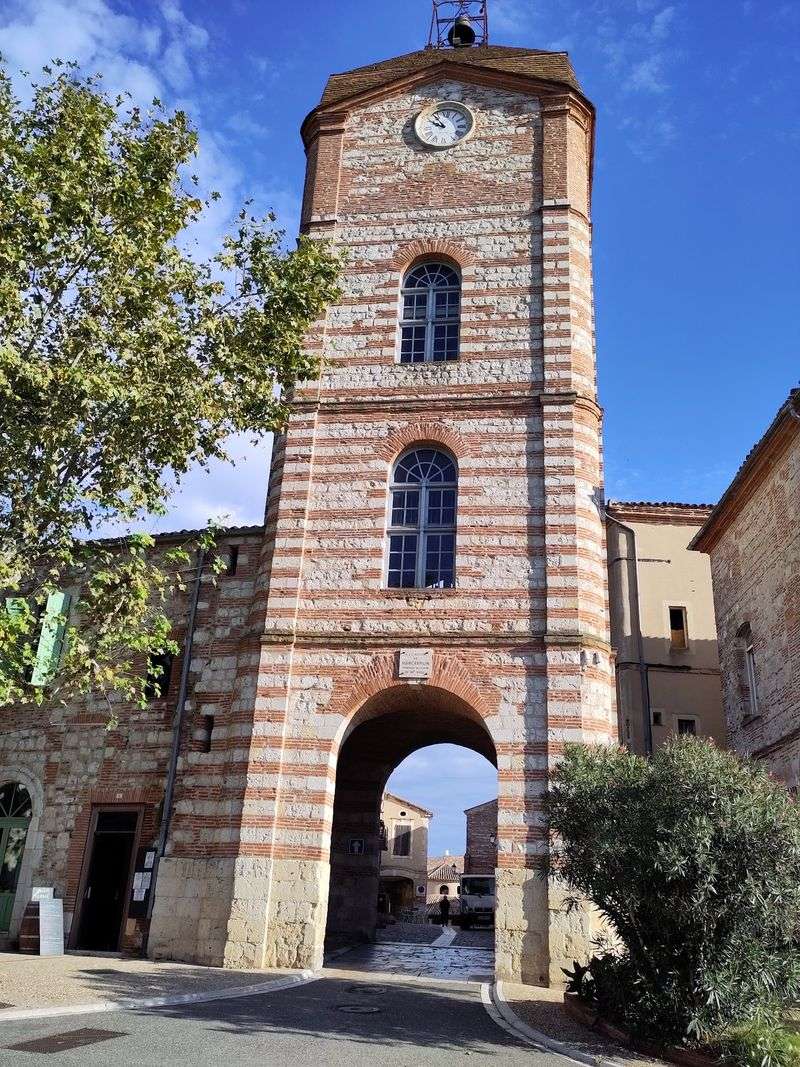
A round market hall sits in the middle of Auvillar, and it is not something you see every day. Brick and stone buildings circle it, making the main square feel like a stage set.
The village rose on a hill above the Garonne River, back when trade and pilgrimage kept it busy. Steep streets still slope down to the old river port.
Pilgrims walking toward Santiago de Compostela have passed through here for centuries, and some still do.
Wide views across the southwestern countryside make the climb worthwhile. Stand at the edge of the village and watch the fields roll out like a patchwork blanket.
Toulouse and Bordeaux get the headlines in this part of France. Auvillar gets the peace.
You can easily visit for an afternoon, though a night in a small guesthouse lets you see the square after the crowds fade.
It is officially counted among France’s most beautiful villages. Wear good shoes, because the cobbled slopes are charming but can be tough on tired feet.
Parfondeval, Hauts-de-France
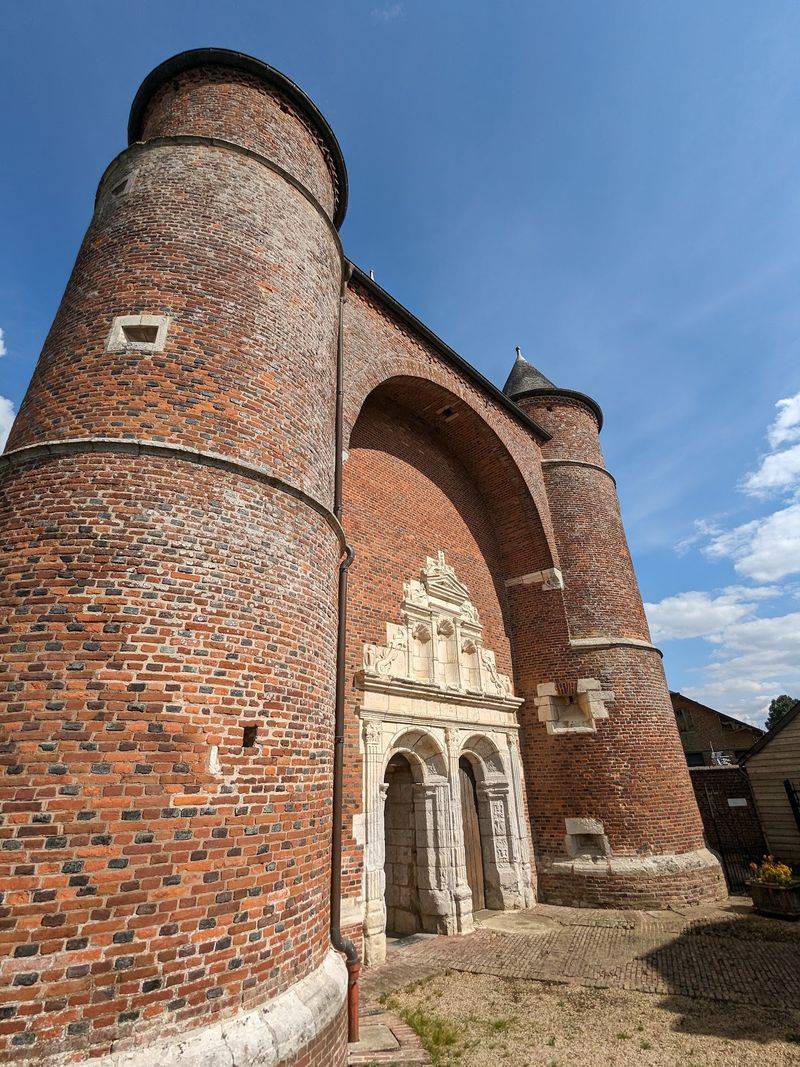
Red brick, not golden stone, is the star in Parfondeval. That alone makes it a fun surprise for anyone who thinks all French villages look alike.
The village sits in the rolling farmland of Thiérache, close to the Belgian border. Orchards and hedges wrap around the houses, and in the center stands a sturdy fortified church.
Villagers once sheltered there during times of conflict, and its thick walls still look ready for trouble.
Its style shows how different France can be from region to region. Compared with the sunny south, this corner feels earthy, green and quietly proud.
The village is on the official Les Plus Beaux Villages de France list and has done well in national rankings. Even so, you will rarely see it on a foreign traveler’s itinerary.
That means space to wander and a real feel for rural life.
Visit in spring or autumn for soft light on the brick. Bring a camera, and perhaps a local cider if you can find one to taste on your way home.
Saint-Quirin, Grand Est
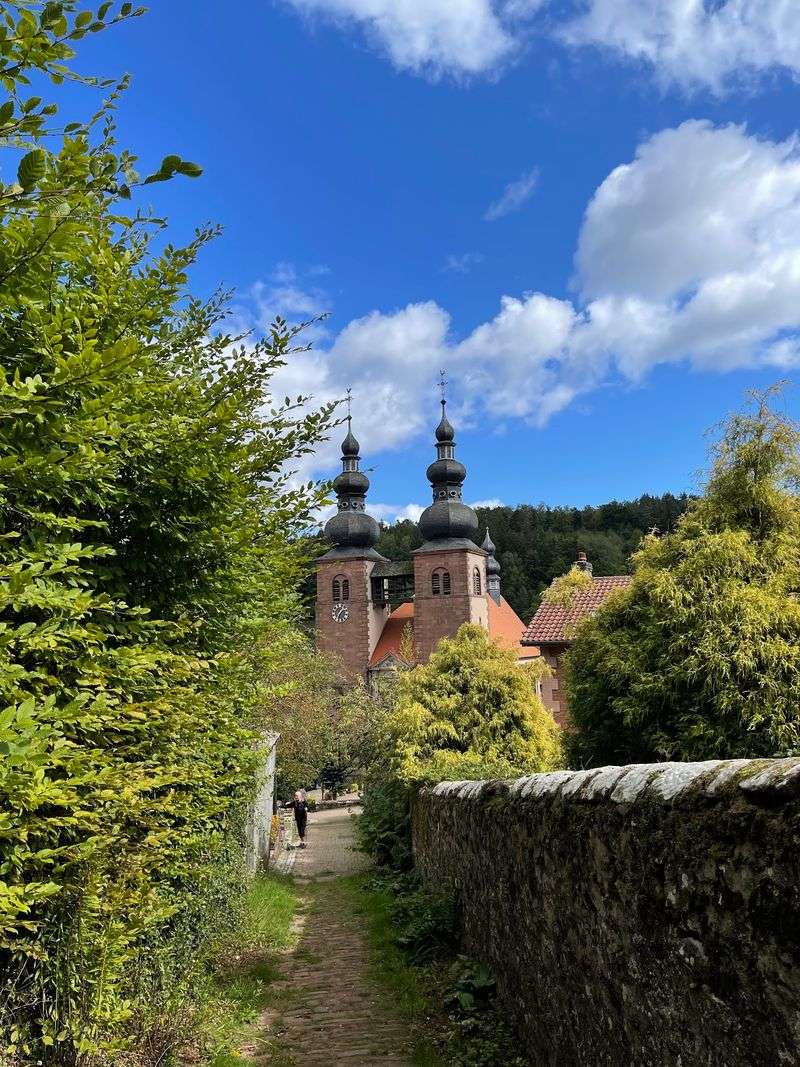
Two onion-shaped towers rise above the trees in Saint-Quirin, and they look wonderfully unexpected. They belong to a Baroque church that anchors the village in the forested foothills of the Vosges.
Traditional houses gather around it, and woodland surrounds everything. The region holds archaeological traces and old pilgrimage routes, so a walk here often feels like a quiet history lesson.
Trails lead off into the hills for anyone who likes fresh air.
Colmar and Riquewihr in Alsace pull in busloads of visitors. Saint-Quirin sees far fewer, even though it belongs to the official Most Beautiful Villages network and has been praised in national contests.
If you are driving across eastern France, it makes a lovely rural pause. Park near the church, take a lap around the village, and then follow a forest path for a while.
Bring layers, as mountain weather can change fast. The reward is a calm stop that gives you time to breathe between bigger sights.
Pesmes, Bourgogne-Franche-Comté
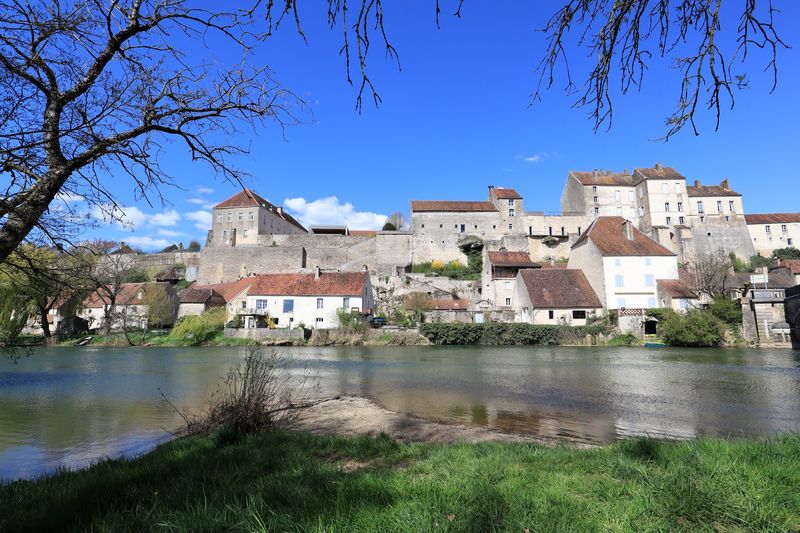
Stone houses line a ridge above the Ognon River, and Pesmes seems to hang there with calm confidence. The village grew around a strategic river crossing, so its past is full of defense and trade.
Look closely and you will spot traces of several eras. There are fortifications, noble homes and a large church that dominates the skyline.
Each building adds a layer to the story.
Burgundy’s wine towns hog the spotlight in this part of France. Pesmes stays in the shadows, which suits those who prefer quiet streets to long lists of attractions.
It belongs to Les Plus Beaux Villages de France and has appeared in national rankings.
Riverside walks are the best way to enjoy the place. Stroll the bank, then climb back up through the lanes and see how the view changes.
A relaxed lunch nearby makes the day complete.
Pesmes suits travelers who enjoy simple pleasures like architecture, water and silence. Come with no schedule and leave with a happy camera roll.
Marcolès, Auvergne-Rhône-Alpes
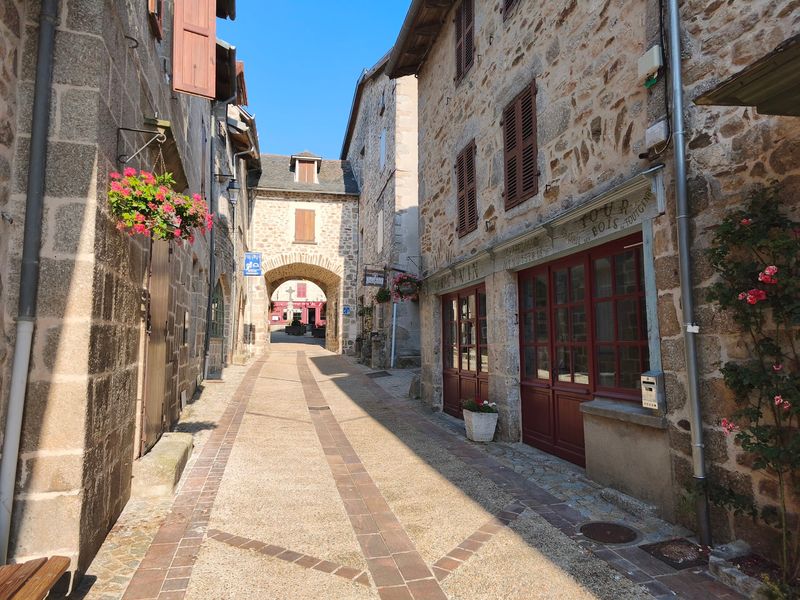
Fifth place in a national popularity contest did not make Marcolès famous abroad, and the locals probably prefer it that way. In 2026 it placed fifth in France’s Favorite Village competition, yet foreign visitors still rarely stop here.
The village rests among the wooded hills of Cantal, a region better known for volcanic landscapes. Its medieval center keeps stone houses, defensive gateways and narrow streets that tell of centuries of country life.
Marcolès also belongs to the Les Plus Beaux Villages de France network, so its charm is officially approved. Walk the old lanes slowly and notice the small details, like worn doorsteps and weathered shutters.
The countryside around it adds more to enjoy. Walking routes cross meadows and woods, and traditional farms dot the hills.
Quiet scenery like this is getting harder to find in France’s busier regions.
Pack comfortable shoes and a picnic. Chances are you will have a trail nearly to yourself, with only cows for company.
Saorge, Provence-Alpes-Côte d’Azur
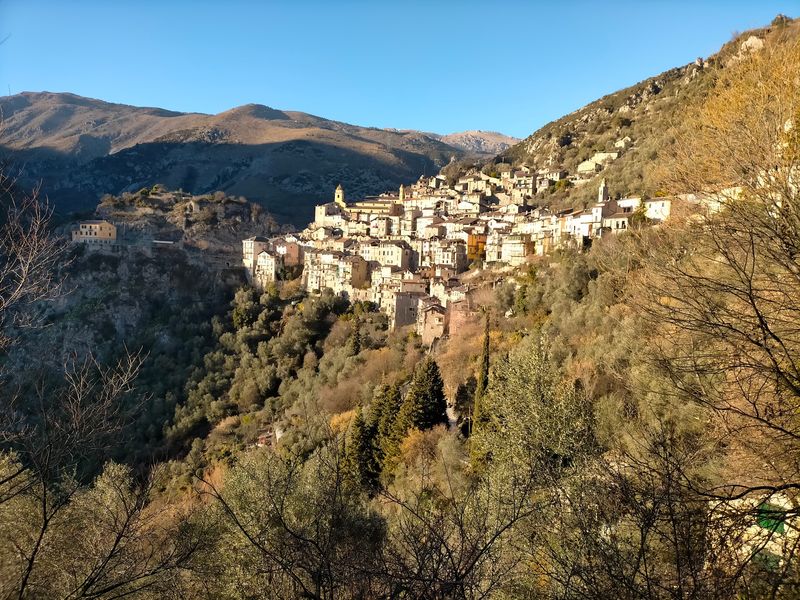
Houses stacked like stone building blocks cling to a cliff in Saorge, and somehow nobody slides off. The village hangs above the Roya Valley near the Italian border, with mountains rising steeply on both sides.
Narrow passageways and staircases twist between tall homes, so exploring is a bit like solving a puzzle. The architecture reflects its border history, and a Franciscan monastery waits just past the old center.
Saorge was a finalist in France’s Favorite Village competition in 2025. It is also on the official Les Plus Beaux Villages de France list.
Still, the remote Alpine setting keeps it far calmer than the glitzy Mediterranean towns down the road.
The journey is part of the fun. Winding roads and mountain views build the excitement before you even park.
Wear shoes with good grip, since the steps can be steep and uneven.
Take your time, pause often, and look back at the valley. The view from the lanes is the kind you will remember long after the trip.
Veules-les-Roses, Normandy
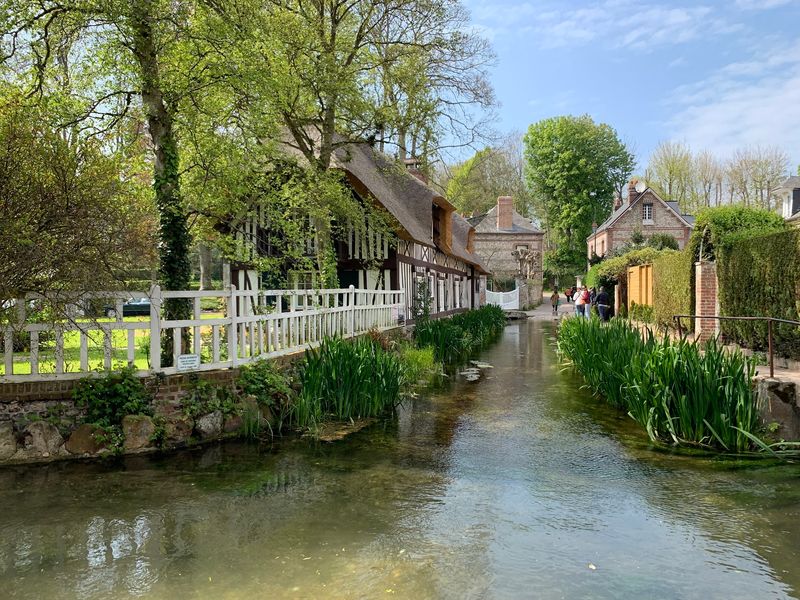
Here is a fun fact to share at dinner: France’s official tourism site calls the Veules the country’s smallest river. It runs right through Veules-les-Roses and only travels a short way before reaching the sea.
Half-timbered houses and gardens crowd the banks, and paths follow the water past old mills and cottages. The walk ends at a small beach on the English Channel, so you get village, river and shore in one easy stroll.
Étretat, Honfleur and the D-Day coast steal most of the visitors in Normandy. Veules-les-Roses quietly waits nearby.
It is officially listed among Les Plus Beaux Villages de France and has earned national praise.
Visit in early summer when the roses and gardens are at their best. Bring a light windbreaker, because the sea breeze can be brisk even on sunny days.
Stop for a snack near the water and watch the river rush by. It is a small stream with a big personality, and it makes the village hard to forget.
Share this story