Somewhere in downtown Omaha, a basement doorway comes with a warning sign and a bowl of holy water. Guests are encouraged to use it before going any farther.
Plenty of people read the sign, think it over, and turn right around.
Upstairs and down, the shelves hold dolls, mirrors, spirit boards, and hundreds of other objects. Every single one arrived with a story from the person who gave it away.
Those stories claim the items move, whisper, or just feel wrong.
I like that nobody forces you to believe any of it. You get a small flashlight, dim red lights, and a card next to each object.
The rest is up to your nerves.
This odd little corner of Nebraska also has a rule that surprises first-timers. It involves your phone, and it is strictly enforced.
A Downtown Omaha Address With a Spooky Job
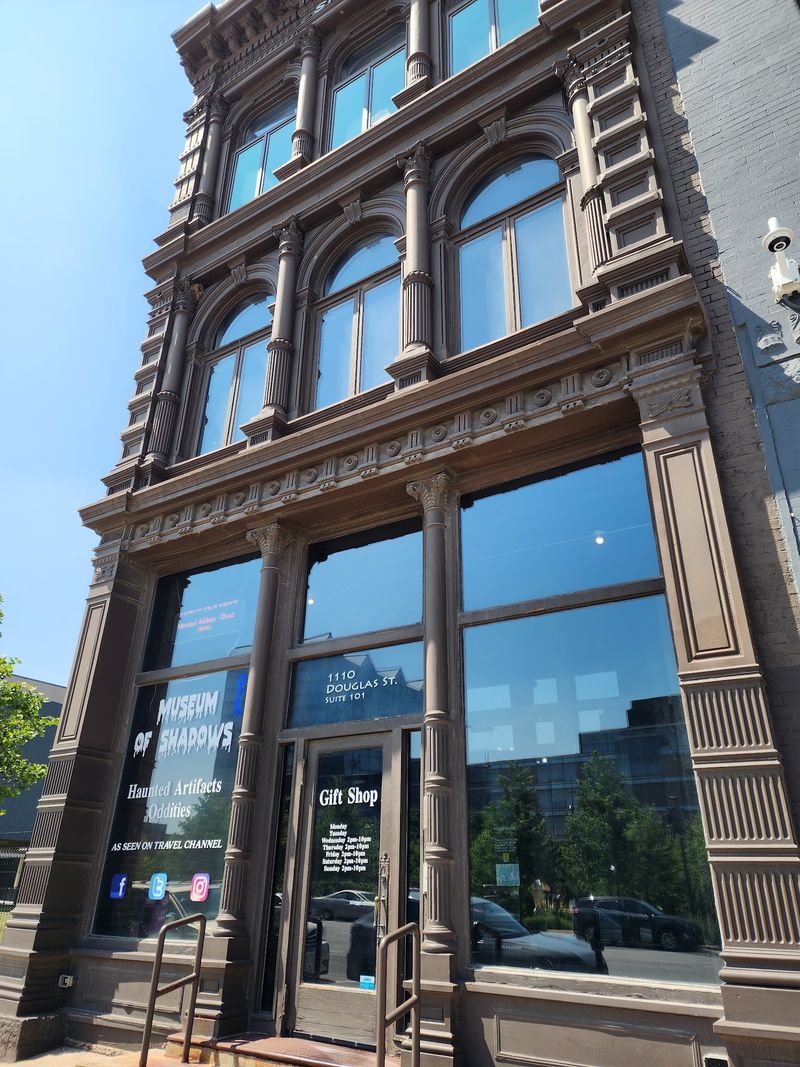
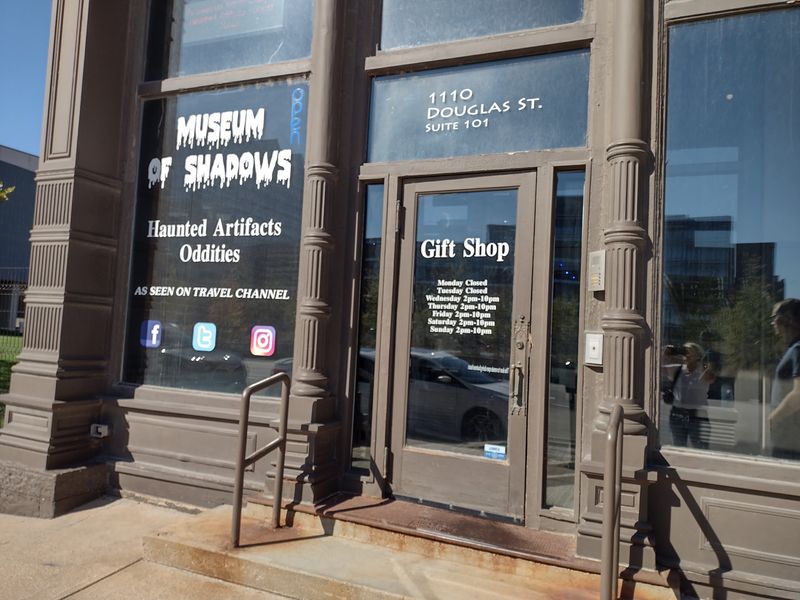
Haunted objects need a home, and in Omaha that home is the Museum of Shadows. You’ll find it at 1110 Douglas St, Omaha, NE 68102, right in the downtown area of Nebraska’s largest city.
The museum is dedicated to items that their former owners claim are haunted. Some people sent them in because they felt uneasy keeping them.
Others simply wanted the objects somewhere safe, far from their living rooms.
What grabs me is the sheer volume. Shelves hold hundreds of pieces, from dolls and mirrors to boards, jewelry, and oddities that are hard to name.
A good chunk of the collection reportedly traces back to New Orleans, a city with its own long reputation for ghost stories.
The tour is self-guided, so you set your own pace. That freedom matters, since many guests end up spending one to two hours reading and looking around.
Hours are generous for night owls. The museum is open Wednesday through Sunday from 2 to 10 PM and stays closed on Mondays and Tuesdays.
Evening visits make sense here, though the lighting inside keeps things shadowy at any hour, which brings up a small tool you’ll carry the whole time.
Your Flashlight Is Your Tour Guide
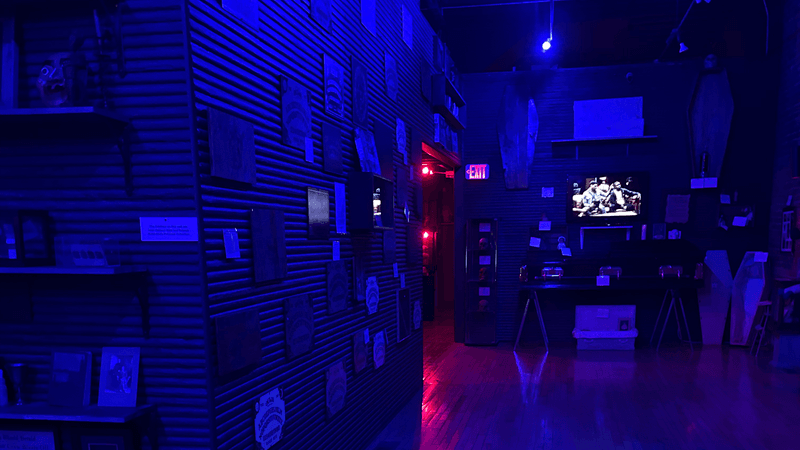
Red light bulbs set the mood inside, and they don’t do much for reading. That’s why admission comes with a small flashlight to light up the cards next to each object.
Here’s a rule to know before you go. Phone flashlights aren’t allowed, and photography is off-limits in the galleries.
Your phone basically becomes a pocket weight for the evening.
I can understand the reasoning. A gallery full of glowing screens would break the eerie feeling the whole place depends on.
It also keeps your attention on the objects instead of a camera roll.
The provided flashlights are small, and some guests have had trouble with them flickering or fading. Whether you blame batteries or something stranger is entirely your call.
Either way, it helps to be patient and keep the beam steady on each card.
One practical tip stands out. Some cards hang high on the wall while others sit low near the floor, so expect a bit of crouching and stretching.
Comfortable shoes and decent knees will serve you well here.
Once that little beam lands on a card, though, the real reason people come starts to reveal itself.
Stories Copied Straight From the Donors
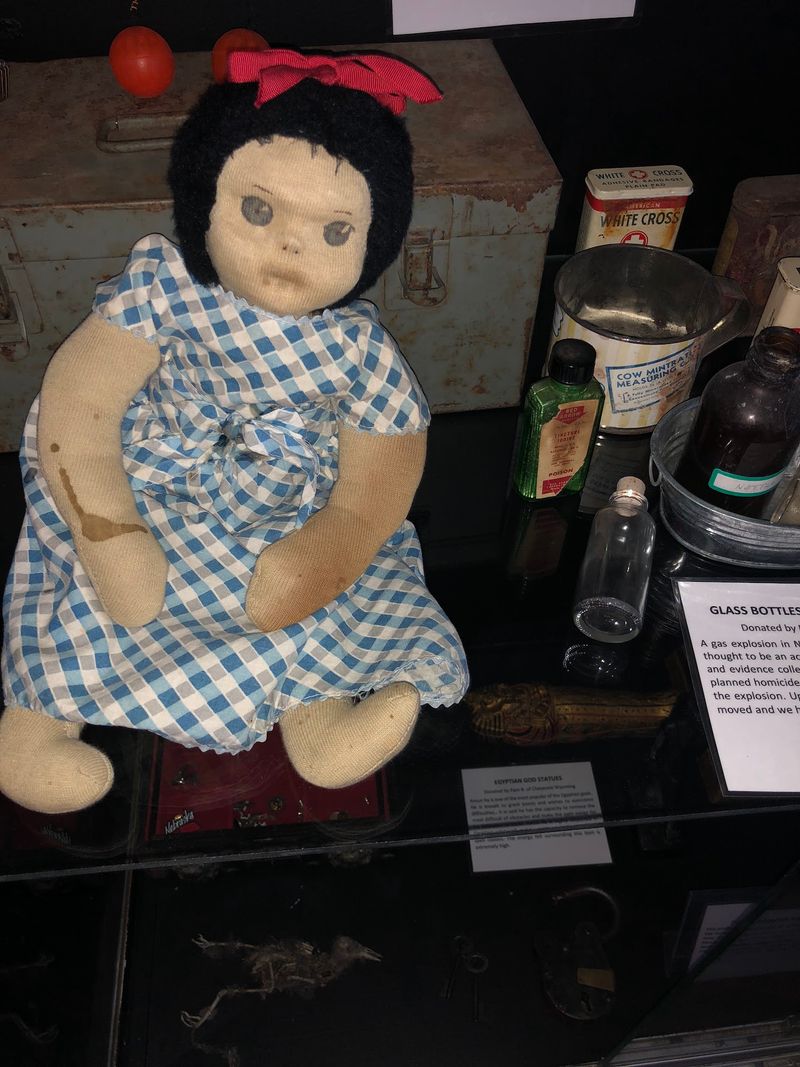
Typos on museum signs usually mean sloppy editing. At the Museum of Shadows, staff have explained that the mistakes stay on purpose.
According to the manager, the notes beside each object are copied from what the donors themselves wrote. Keeping their original words, errors and all, is meant to preserve the authenticity of each account.
I find that choice pretty interesting. You aren’t reading a polished curator’s summary.
You’re reading what a worried person typed about the doll in their closet or the mirror in their hallway.
Some stories run short. Others go on for paragraphs, describing moving objects, strange noises, or a general sense that something was watching.
If you plan to read everything, give yourself plenty of time.
That reading load is worth knowing about ahead of time. Kids and teens who love creepy stories can enjoy it, but they should be comfortable with a lot of text.
Skeptics may raise an eyebrow at certain claims, and that’s fine too.
Personally, the cards are what would keep me moving from shelf to shelf. Of all the objects they describe, one category shows up more than any other.
So Many Dolls Staring Back
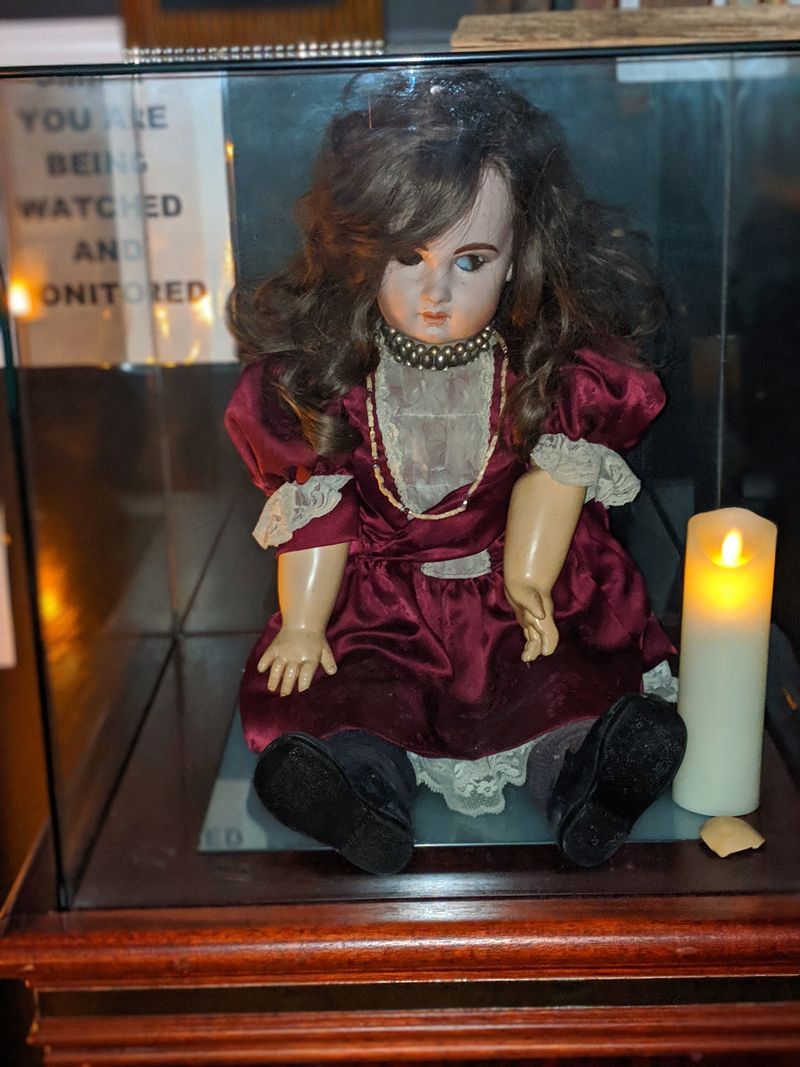
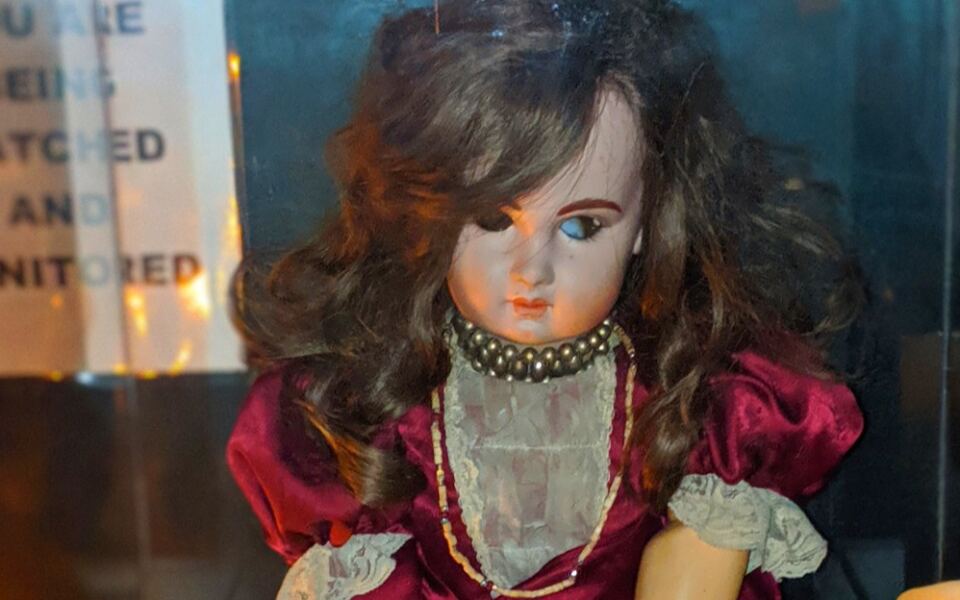
Count the glass eyes, and you’ll lose track fast. Dolls make up a big share of the collection, lining shelves throughout the museum.
It makes sense, honestly. Dolls have faces, and anything with a face can feel like it’s paying attention to you.
Add dim red lighting, and even a sweet porcelain baby starts looking suspicious.
Each doll comes with its own donor story. Some are said to change position.
Others are linked to bad dreams or odd feelings in the homes where they used to live.
One display that guests talk about involves a baby buggy with a doll inside. Staff connect it to stories of child spirits, and some visitors say their flashlights acted up near it.
I’d treat that as part of the legend rather than a guarantee.
If dolls already make you nervous, pace yourself. There’s no rule saying you have to linger in front of every single one.
For collectors and fans of horror movies, though, this part of the museum hits the spot. Just don’t be shocked if you catch yourself checking over your shoulder before moving on to the mirrors and boards waiting nearby.
Mirrors, Boards, and a Wedding Dress
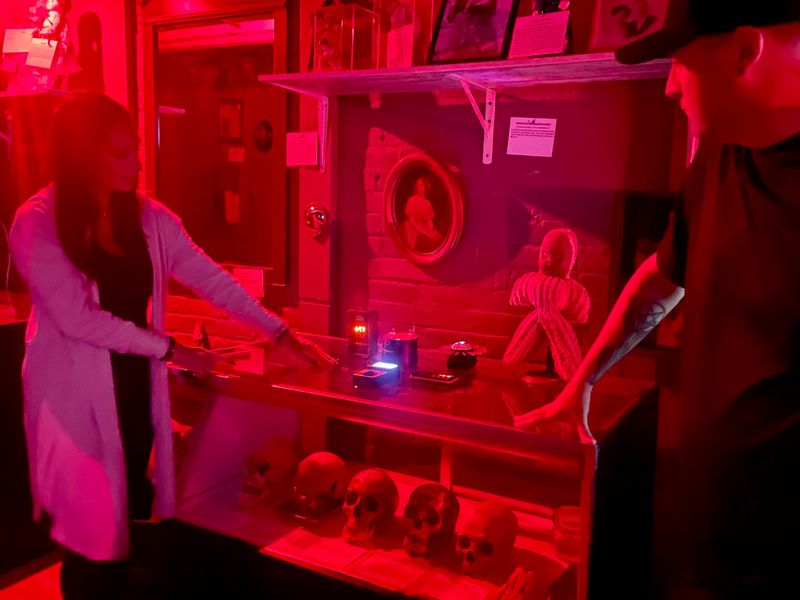
Mirrors deserve a slow look here. Guests often recommend pausing at them, and I’d take that advice, even if staring into an old haunted mirror sounds like a questionable life choice.
Folklore has linked mirrors to spirits for a very long time. Some traditions treat them as doorways, which explains why so many end up in collections like this one.
Spirit boards also appear around the museum. These lettered boards have a long history as both parlor games and tools people use to try contacting the other side.
Seeing several of them together feels a little like walking into a group conversation you weren’t invited to.
Then there’s the wedding dress. Staff have shared stories about activity around it, and it tends to stick in people’s memories.
A gown meant for the happiest day of someone’s life now sits in a haunted museum, and that contrast alone is worth a moment of thought.
None of these pieces needs much decoration to feel unsettling. Their history does the work.
Still, every object upstairs is just a warm-up. The building’s lower level is where the museum’s boldest warnings live.
The Basement Comes With Holy Water
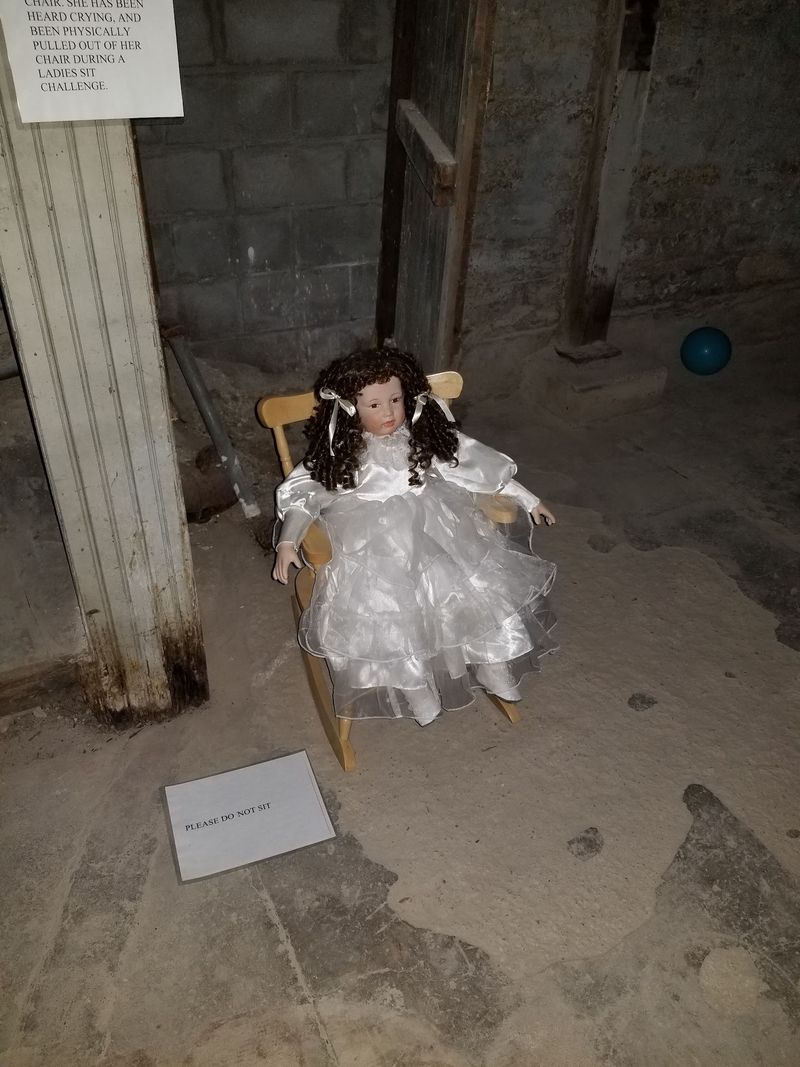
Few museums ask you to bless yourself before entering a room. Down in the basement, one section carries a warning sign and holy water for guests to use first.
This area is often called the demonic section. It holds items that donors described as especially dark or troublesome, and the museum clearly wants people to approach it seriously.
Some visitors take one look and decide they’ve seen enough. Others step in and later describe tugs on their clothes, a heavy pressure in the air, or a feeling of being watched.
Those are personal accounts, of course, not promises.
The basement also includes a space known as the Next Realm room. Staff stories mention a small, childlike figure that some say peeks around corners there.
My suggestion is simple. Treat the basement as optional, and go only if you feel ready.
Nobody earns a trophy for pushing past their comfort zone.
Also, keep the mood respectful. Staff treat the objects with care, and that attitude seems to shape the whole visit.
For extra-brave guests, the basement has one more challenge that turns curiosity into an actual test of nerves.
Ten Minutes Alone in the Dark
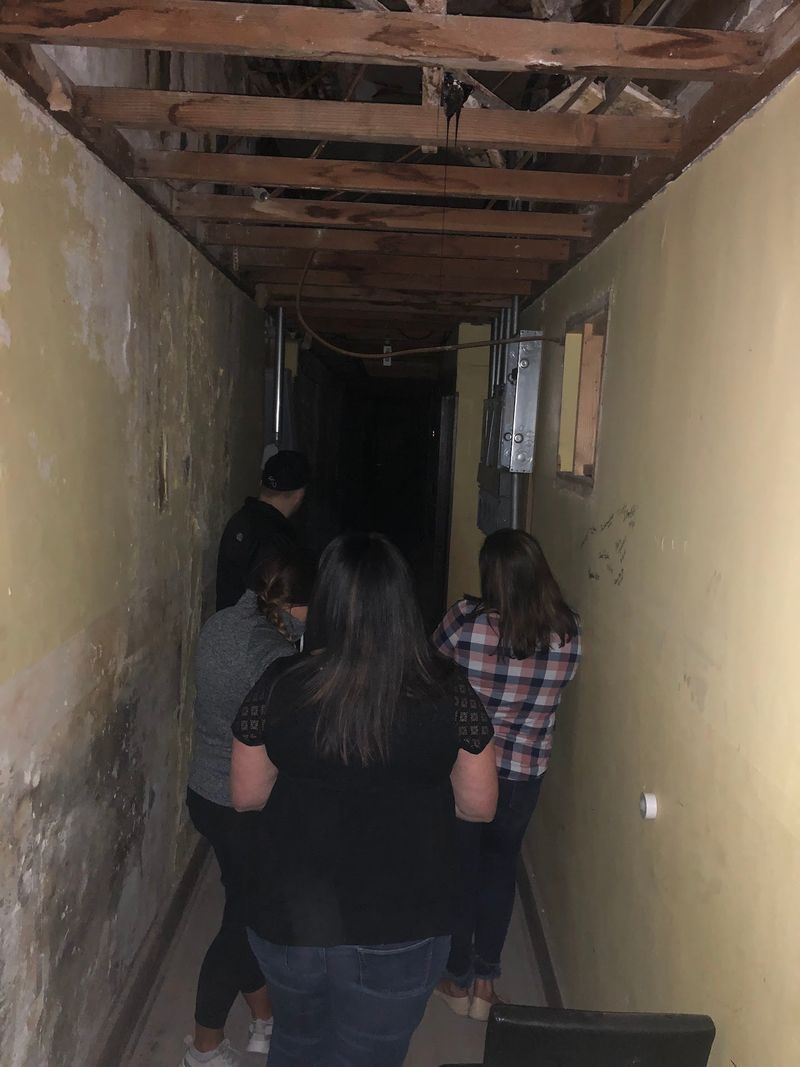
Ten minutes doesn’t sound long until you spend it alone in a dark basement full of allegedly haunted things. That’s the idea behind the museum’s lock-in style challenge.
Guests can pay an extra fee to sit by themselves in the basement for about ten minutes. No group chatter, no friends cracking jokes, just you and whatever is or isn’t down there.
I like that this is an add-on rather than part of the standard visit. People who want a calm, curious stroll can skip it.
Thrill seekers get a clear way to test themselves.
A few guests have mentioned wanting to return specifically for a sit-down challenge or ghost hunt. That says something about how the experience lingers after people leave.
Before signing up, think honestly about how you handle darkness and silence. Anxiety around tight or dim spaces is a fair reason to pass.
Should you go for it, take a deep breath first and remember that the staff are close by. Ten minutes will feel like either a fun dare or a very long afternoon.
Those craving more data than drama can turn to the museum’s rental gear instead.
Ghost Hunting Gadgets for Rent
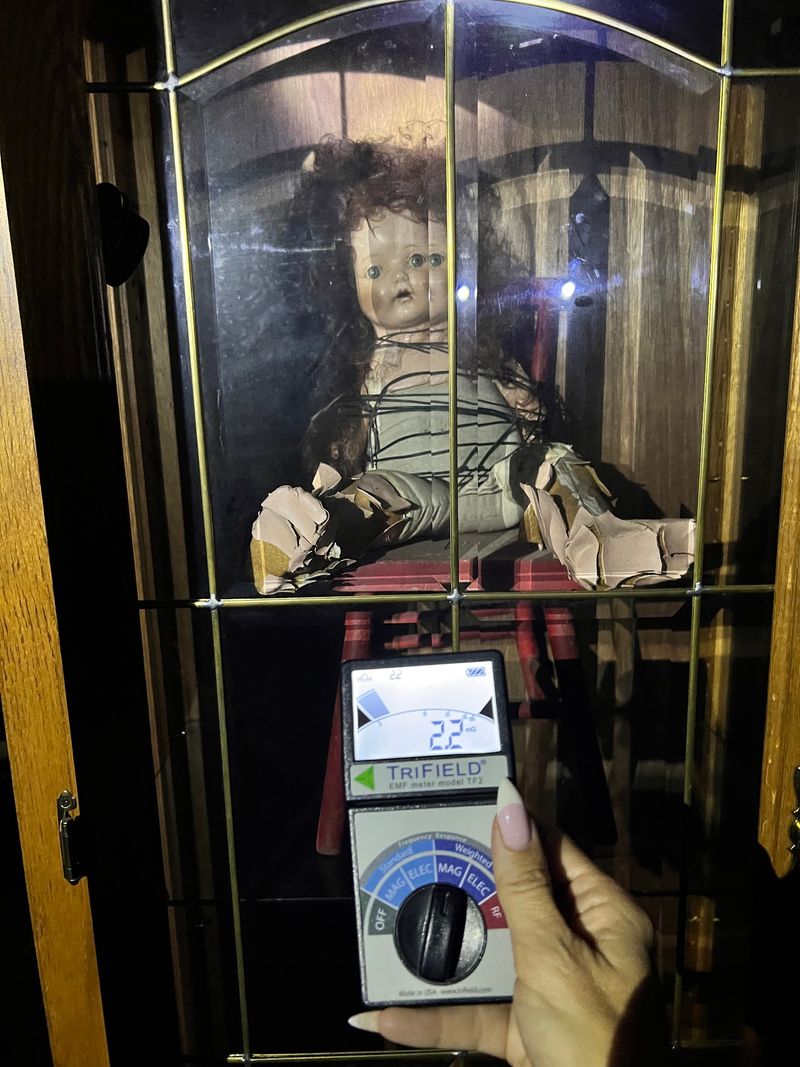
EMF readers, spirit boxes, voice recorders, and black lights are all part of the toolkit here. The museum rents paranormal equipment so guests can poke around with more than a flashlight.
An EMF reader measures electromagnetic fields, and ghost hunters often watch for sudden spikes. Spirit boxes scan through radio frequencies quickly, and some people listen for words in the static.
Voice recorders aim to catch sounds the human ear might miss.
Already own your own gear? You’re allowed to bring it.
That’s a nice touch for amateur investigators and families who treat ghost hunting as a hobby.
One helpful insight comes from a visiting group that ran their own experiments. They found it hard to concentrate during busy open hours, since other guests kept moving through.
Quieter times may work better for serious sessions.
Also keep in mind that the no-photos rule still applies in the galleries. Equipment is about readings and recordings, not snapshots.
Science fans and skeptics can enjoy this part too. Watching a meter sit perfectly still is its own kind of answer.
Sometimes, though, the most interesting evidence comes from the people who work there.
Camera Footage and Staff Stories
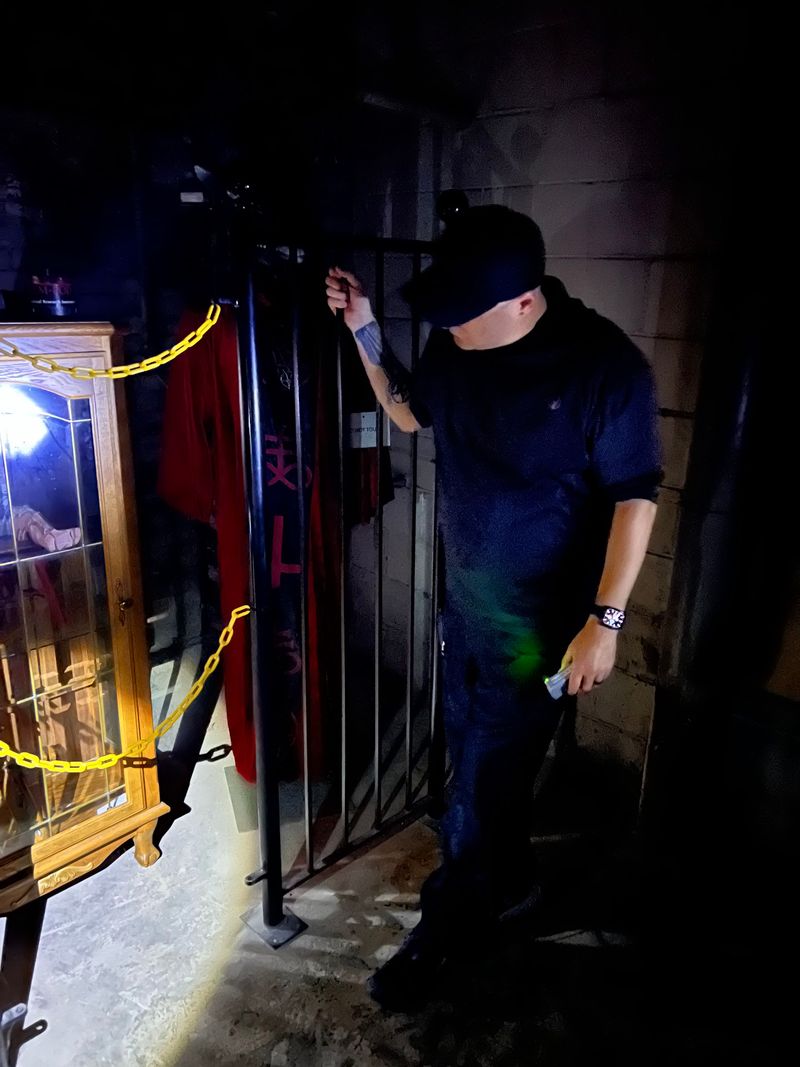
Security cameras run inside the building, and staff have been known to share clips with curious guests. One video reportedly shows an item falling off a shelf in the lobby during the middle of the day.
The manager, Keith, has become a big part of the experience for many visitors. He often talks about the building’s history, his own encounters, and how certain objects arrived at the museum.
What stands out is the tone. He’s described as respectful of every belief, whether you’re a total believer or a firm doubter.
That balance keeps the conversation fun instead of preachy.
There’s also a chance to book a guided tour with a staff member or the owner, typically for an hourly fee. If you’d rather hear the stories than read every card, that option makes a lot of sense.
Fair warning, these chats can run long. One pair of visitors lost track of time so completely that their parking meter expired.
Honest staff stories add context the cards can’t. They also connect the objects to the building itself, which carries a past of its own that adds weight to every visit.
Planning a Visit With Clear Eyes
Expectations shape this museum more than most. Some guests leave thrilled and spooked, while others see a dim room of secondhand curiosities.
Both reactions make sense. The collection relies on donor stories, so how much you enjoy it depends on your love of folklore and your patience for reading.
Admission covers the self-guided tour, with extras like equipment rentals, the basement challenge, and guided tours costing more. Families should budget ahead, since add-ons can stack up quickly.
A few practical notes help. The building is old, and some guests sensitive to musty air have mentioned feeling stuffy afterward, so allergy-prone visitors might plan accordingly.
Downtown parking often means meters, so feed yours generously.
Young kids may get restless with all the reading. Teens who love ghost shows, on the other hand, often find it right up their alley.
Above all, walk in with respect. Staff treat these objects as pieces with real history, and following that lead makes the visit better for everyone.
Whether you leave as a believer or a cheerful skeptic, you’ll walk out onto Douglas Street with a few stories worth retelling on the drive home.
Share this story