Nothing ruins a ski trip faster than a brown, patchy mountain. The good news is that some European resorts sit high, stay cold, or make snow like pros, so their seasons run for months.
Some open in October and keep the lifts spinning into May. Ready to find the best places to carve turns when everyone else is stuck with slush?
Zermatt, Switzerland
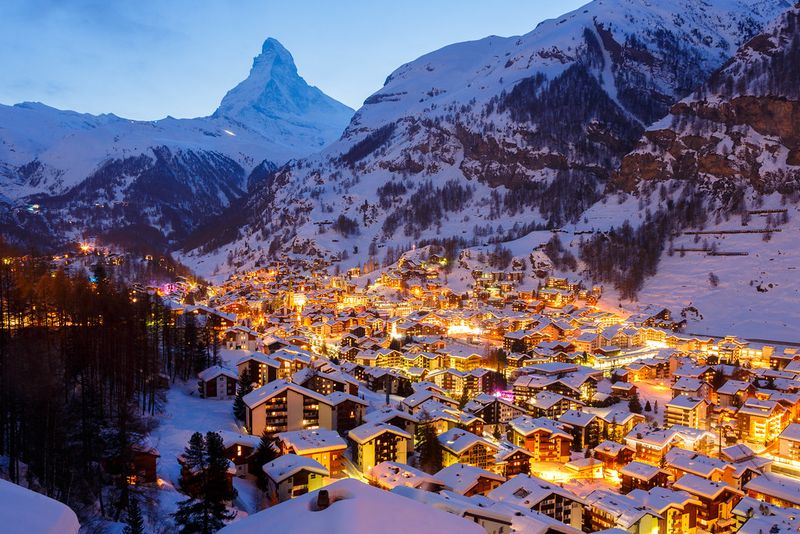
Few mountains pose for photos like the Matterhorn, and Zermatt sits right at its feet. Lifts climb to about 3,883 meters at Matterhorn Glacier Paradise, which is higher than almost anything else in Europe.
All that height keeps snow around long after lower resorts turn green. Glacier skiing is available much of the year, though conditions decide what is open on any given day.
The ski area links to Cervinia in Italy, giving you roughly 360 kilometers of pistes when everything is running.
Snowmaking helps on the lower slopes, so the run back to town stays skiable more often. Spring is a favorite time to visit, with long sunny days and softer snow that feels friendly under your skis.
Keep one thing in mind. High lifts can shut down when strong winds or storms roll in, so pack a backup plan.
A museum visit, a cozy fondue lunch, or a walk through the car-free village can fill a windy day nicely.
Book early for peak weeks, because Zermatt is popular for good reason. Its mix of dramatic scenery, serious altitude, and a huge international ski area makes it a smart pick for anyone chasing dependable snow.
Hintertux Glacier, Austria
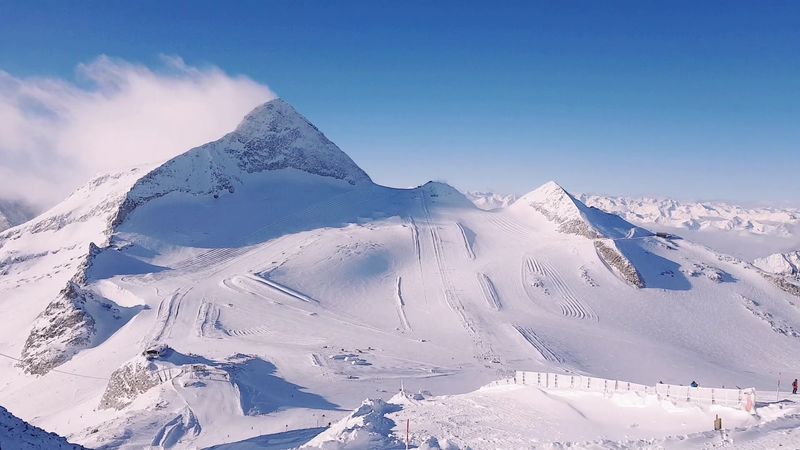
Picture skiing in October while the rest of Austria is still dusting off its snow boots. That is the Hintertux Glacier trick, and it pulls it off better than almost anyone.
The ski area in the Zillertal Valley reaches about 3,250 meters and traditionally offers skiing all year when conditions allow. In winter, around 60 kilometers of glacier pistes give you plenty of variety, and nearby resorts add even more terrain.
Autumn and late spring are the sweet spots here. Many other Austrian areas are closed then, so you often get crisp mornings, shorter lift lines, and a real sense of having the mountain to yourself.
Here is a helpful reality check. Year-round operation does not mean every slope is open every day.
Check the latest slope reports before you go, and bring layers, since glacier weather can change quickly.
For travelers who want flexibility, Hintertux is a gem. You can plan a ski trip for a quiet shoulder season and still count on solid snow underfoot.
Val Thorens, France
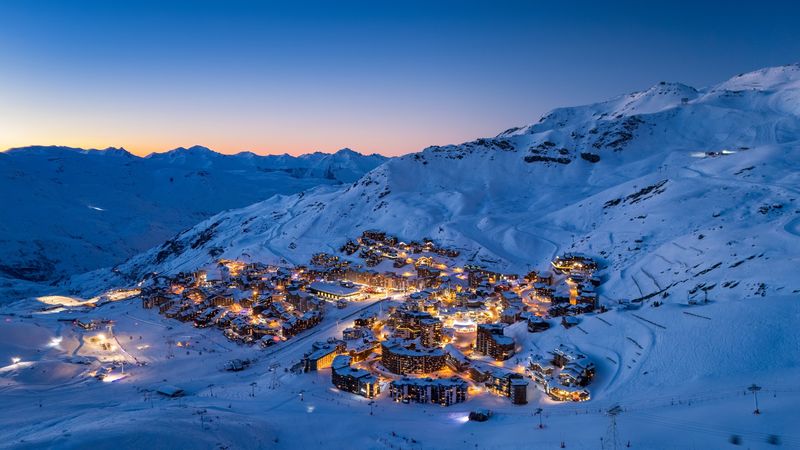
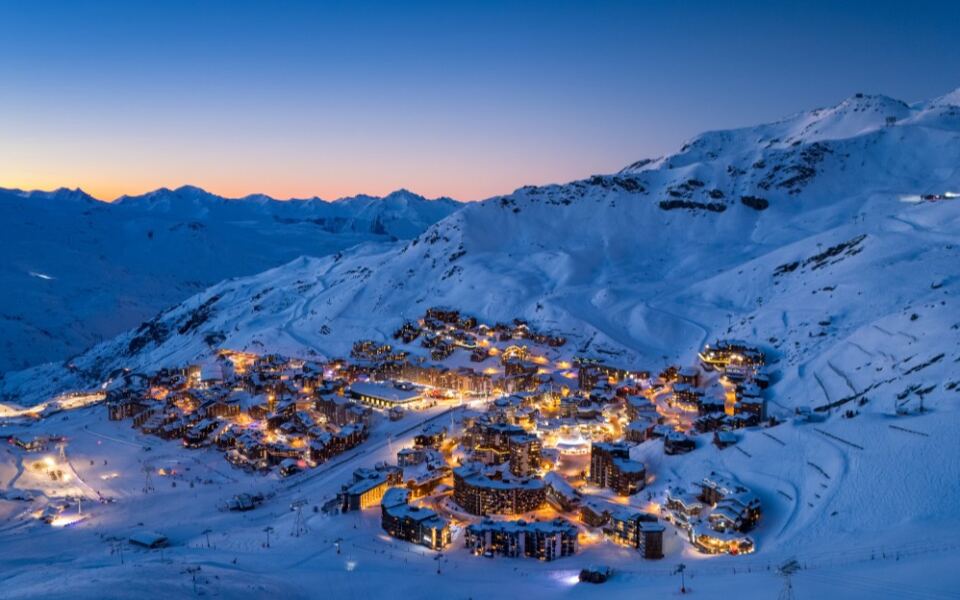
At about 2,300 meters, Val Thorens is the highest major ski village in Europe, and the thin air proves it. Step outside your hotel and you are already in snow country.
The slopes climb above 3,000 meters, which helps a lot during warm winters. Val Thorens is part of Les 3 Vallees, a giant linked network with roughly 600 kilometers of pistes when fully open.
Snowmaking adds extra backup across the season.
The 2026-2027 season is scheduled from November 21 to May 2. That is more than five months of skiing, which is a generous slice of the year for any snow lover.
Many hotels and apartments offer ski-in, ski-out access. That means less time hauling boots through icy streets and more time on the snow.
Lazy mornings feel a lot better when your lift is steps from the door.
Plan your trip around your skill level, since the area has long runs for beginners and steep ones for experts. With so much terrain, you could ski here for a week and never repeat a route.
Solden, Austria
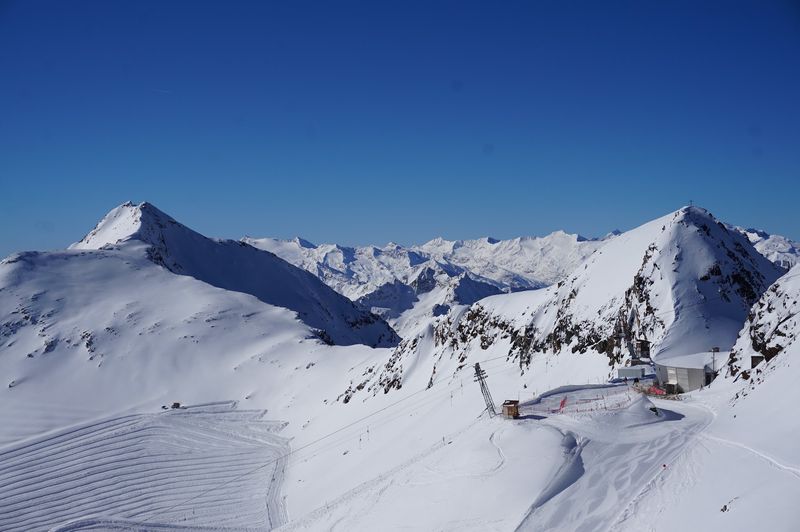
When the Alpine Ski World Cup kicks off each year, the first gates swing open at Solden. That tells you plenty about how early this resort gets snow.
Two glacier areas, Rettenbach and Tiefenbach, anchor the fall season. The terrain stretches from about 1,350 to 3,340 meters, so there is skiing at many heights as the year goes on.
Snowmaking covers roughly 77 percent of the pistes, which keeps the slopes in good shape when nature is slow to deliver. Skiing usually continues into late April or early May.
Experienced skiers will love the long, varied runs, and the spring snow tends to stay dependable up high. Beginners can find gentler slopes, though much of the mountain rewards confident skiers.
A smart tip is to ski the glacier early in the day, when the snow is firm and the views are sharpest. Then drift down to a sunny hut for lunch.
Solden mixes serious racing history with a lively village, so there is something fun after the lifts close too.
Tignes, France
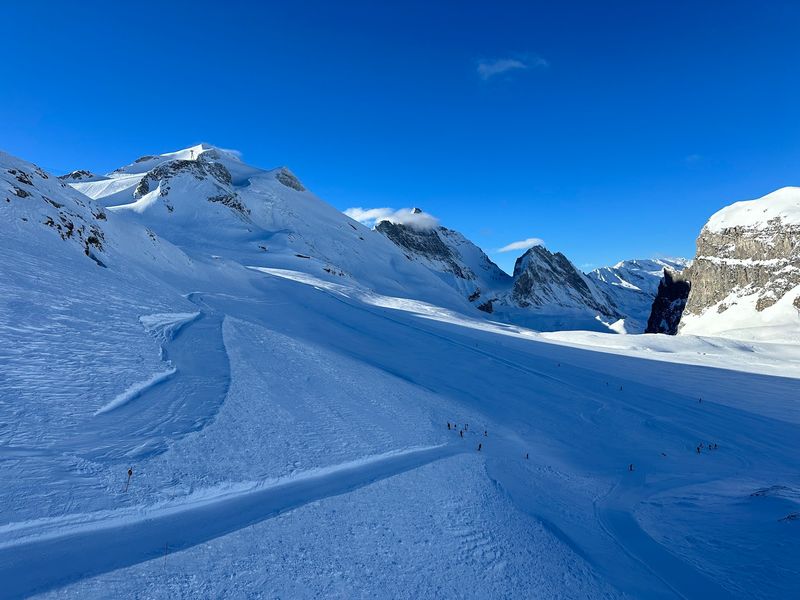
Tignes has a snow-sure reputation, and the Grande Motte Glacier is a big reason why. Skiing here reaches about 3,456 meters, well above the point where snow melts quickly.
Teamed up with neighboring Val d’Isere, the resort offers around 300 kilometers of linked pistes. Intermediates and advanced skiers will find plenty of ways to stay busy, from cruisy cruisers to steeper challenges.
Several parts of the village sit above 2,000 meters. That height improves your odds of good snow right near your accommodation, not just on the upper mountain.
The 2026-2027 season runs from November 21 to May 2. April can be a standout month, with longer daylight and lots of high terrain to enjoy in the spring sun.
Glacier skiing outside winter depends on snow and weather, so check before you plan a summer or fall visit. Pack sunscreen and good goggles, since bright snow can be harsh.
Tignes rewards skiers who like big mountains and long days.
Obergurgl-Hochgurgl, Austria
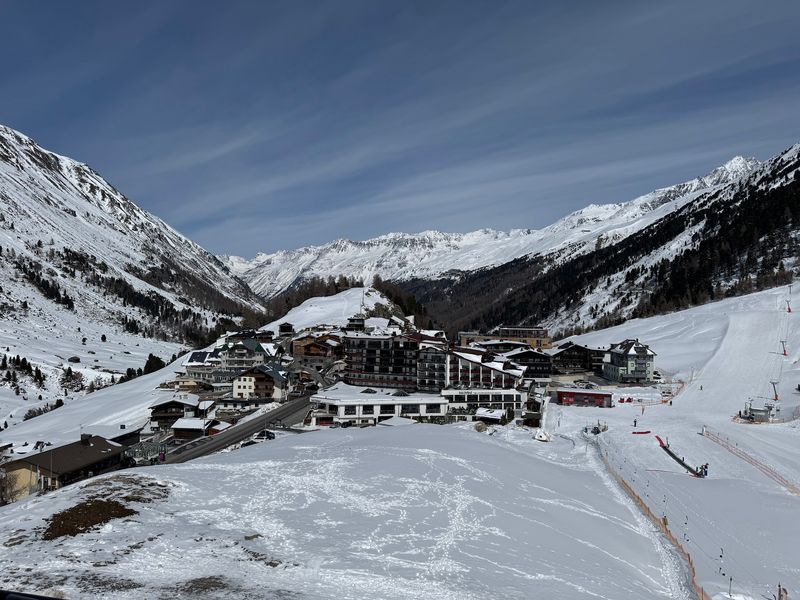
A glacier is not the only way to win the long-season game. Obergurgl-Hochgurgl proves it with height, natural snowfall, and smart snowmaking.
The ski area spans 1,800 to 3,030 meters, with about 112 kilometers of groomed pistes and 25 lifts. The resort usually operates from mid-November through late April.
Wide, forgiving slopes suit families and intermediate skiers especially well. The villages are fairly compact, so walking to a lift or a restaurant rarely feels like a chore.
Many hotels sit right by the pistes, which makes morning gear-ups simple. After a day on the snow, you can slip into a warm lounge or a spa without much fuss.
The surrounding Otztal Alps put on a scenic show all season. Try planning a mid-winter trip here when snow is almost guaranteed, or a spring visit for sunny slopes and relaxed vibes.
Either way, you get a friendly mountain with serious staying power.
Saas-Fee, Switzerland
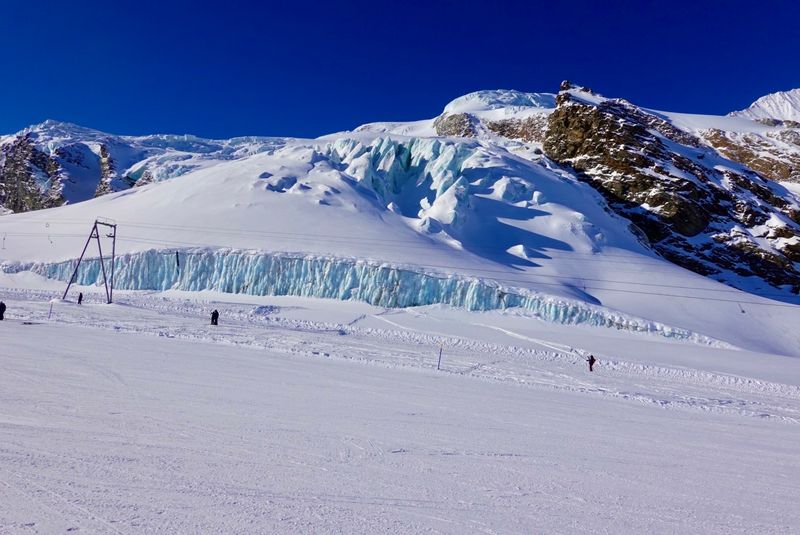
Eighteen peaks above 4,000 meters surround Saas-Fee, which is quite a crowd of giants. This ring of mountains helps the glacier hold snow and makes the whole valley feel dramatic.
Glacier slopes reach about 3,600 meters, so skiing can start earlier than at many nearby resorts. The wider Saas Valley adds around 150 kilometers of pistes across several ski areas.
The published winter season runs from October 31, 2026, to April 18, 2027. That makes it a strong choice for early-season trips when other places are still waiting for snowfall.
Cars are not allowed in the village, so streets stay quiet and fresh. Wooden chalets, cozy cafes, and glacier views make strolling a pleasure after your ski day.
If you like peaceful surroundings more than crowded lift lines, this is a lovely alternative to Switzerland’s bigger names. Pack warm layers, because high glacier air can be chilly.
The reward is crisp snow and views that make you stop mid-run to stare.
Breuil-Cervinia, Italy
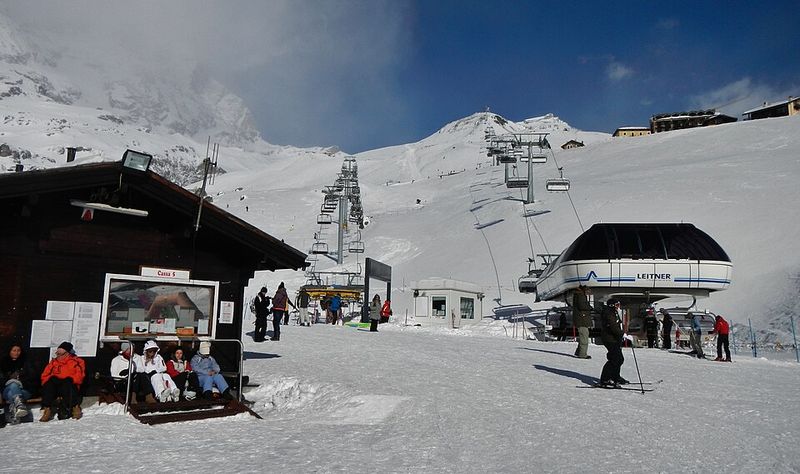
Sunny Italian slopes, wide open runs, and a Matterhorn view: Cervinia serves all three in one tidy package.
The village sits at about 2,050 meters, giving it one of the longest ski seasons in the Italian Alps. The 2026-2027 season is scheduled from October 24 to May 2, so you have a big window to plan around.
Broad, high slopes suit intermediate skiers who love long cruising runs. When weather allows, the lifts connect over to Zermatt, opening up glacier terrain and extra slopes on the Swiss side.
The mood in Cervinia is relaxed compared with its fancy neighbor. You will find traditional mountain restaurants, plenty of places to stay, and a laid-back feel that suits families and friends.
For late-season travelers, the height is a major bonus. Spring snow stays better here than at lower resorts.
Remember to bring your passport if you plan to ski across the border, and check the lift status before heading over.
Les Deux Alpes, France
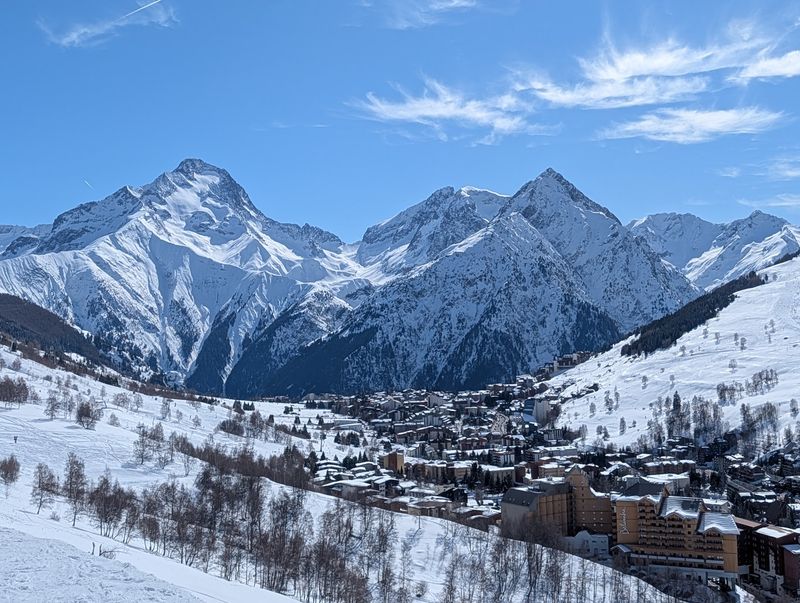
About three quarters of the skiing at Les Deux Alpes sits above 2,000 meters. That is a cool statistic when spring temperatures start climbing.
The resort offers roughly 220 kilometers of pistes reaching 3,600 meters. Its regular 2026-2027 season runs from November 28 to May 2, followed by scheduled high-altitude skiing through May 30.
Summer operations mostly serve competitive training groups, so casual visitors should focus on the winter and spring windows. The glacier area gives you a strong chance of good snow when other resorts are closing up.
Freestyle fans will feel right at home, thanks to terrain parks and fun features. Long descents also reward skiers who like to go the distance in a single run.
If you want to ski beyond Easter, this is a smart pick. Plan to start your day on the glacier, when snow is firmest, then enjoy a sunny lunch on a terrace.
It is a lively, high-flying choice for spring ski adventures.
Stubai Glacier, Austria
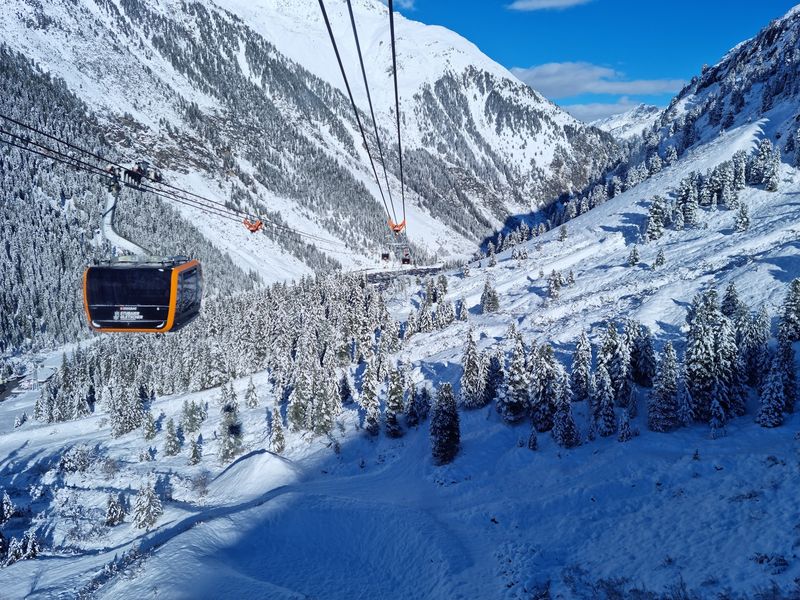
Close to Innsbruck, Stubai Glacier is a handy escape for skiers who cannot wait for winter. The 2026-2027 operations began on October 9, with more terrain opening as snow improved.
The highest slopes reach about 3,210 meters. Broad glacier terrain offers room for beginners, intermediates, and experienced skiers, so groups with mixed abilities can ski together happily.
Skiing typically continues into May, although closing dates depend on the season’s conditions. That gives you a long stretch of reliable snow, especially in the high areas.
Families like the dedicated learning zones, which make first turns less stressful. Strong skiers can head higher to explore wide open slopes with big views.
The Stubai Valley below adds traditional Austrian villages and many places to stay. Plan to check snow reports before you travel, and bring warm gear for chilly mornings.
Stubai is a friendly, flexible choice for anyone who wants to start early or finish late.
Share this story