Budapest is a city split in two by a wide, sparkling river. On one side you get hilltop castles and cobbled lanes, and on the other you get grand boulevards, busy markets and steamy baths.
Most of the big sights sit close together, so a few days is enough to see plenty. Here are fifteen places that make a first trip feel complete.
Hungarian Parliament Building
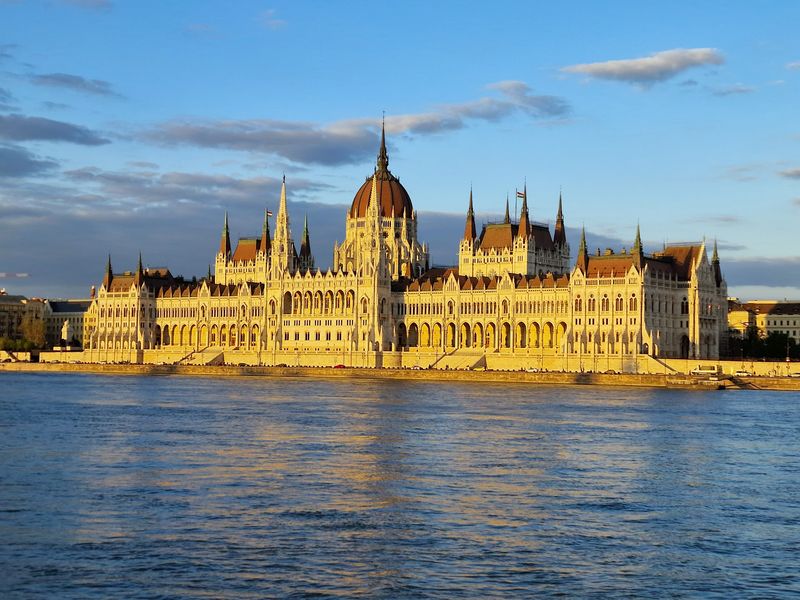
Picture a giant stone wedding cake with a dome on top, glowing gold beside the river at night. That is the Hungarian Parliament, finished in 1904 and still home to the country’s National Assembly.
It holds nearly 700 rooms, which sounds like a lot of places to lose your keys.
Guided tours take you up a grand staircase and through halls covered in gold decoration. The star of the show is the Holy Crown of Hungary, one of the nation’s most treasured historical objects.
Guides explain its long story in simple terms, so even younger visitors can follow along.
Tickets are sold for set tour times, and groups are kept small. Book ahead online, because walking up on the day can leave you staring at a closed door.
Bring your passport or ID, since security checks are part of the visit.
For the best photo, cross to the Buda side of the river and look back after sunset. The building is lit from every angle, and its reflection ripples across the Danube.
Bring a camera with a full battery, because you will want plenty of shots.
Fisherman’s Bastion
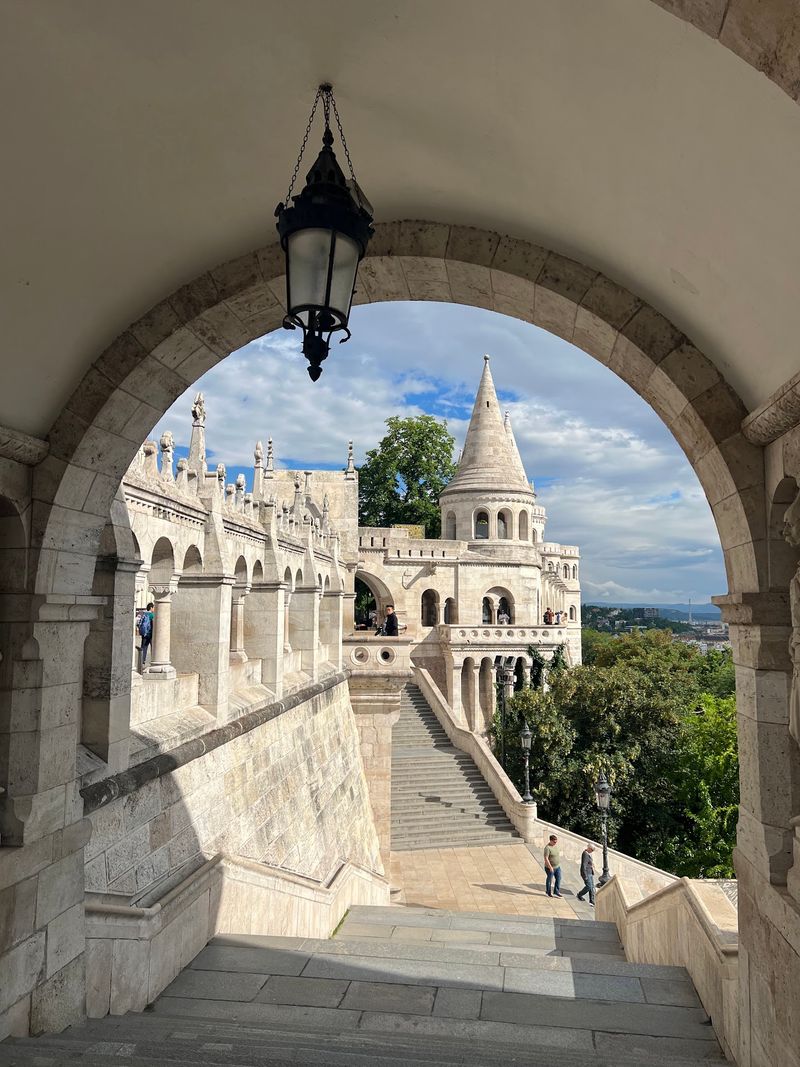
Seven pointy towers, white stone stairs and a view that makes people go quiet. Fisherman’s Bastion was built between 1899 and 1902, and it looks like a storybook fortress.
Each tower stands for one of the Magyar tribes linked to the founding of Hungary.
Here is a twist: it was never meant to defend anything. Builders made it as a pretty lookout, and it does that job brilliantly.
Arched walkways and curved staircases frame the Danube and the Parliament across the water.
The lower terraces are free to walk around. Some upper areas charge a fee during certain hours, so check the sign before climbing.
A small ticket is a fair price for the best seats in town.
Go early in the morning if you want photos without a crowd of elbows in them. Soft light turns the stone a warm cream color, and the river looks calm and silver.
Afterward, wander over to the neighboring church and keep the castle-district adventure going.
Buda Castle
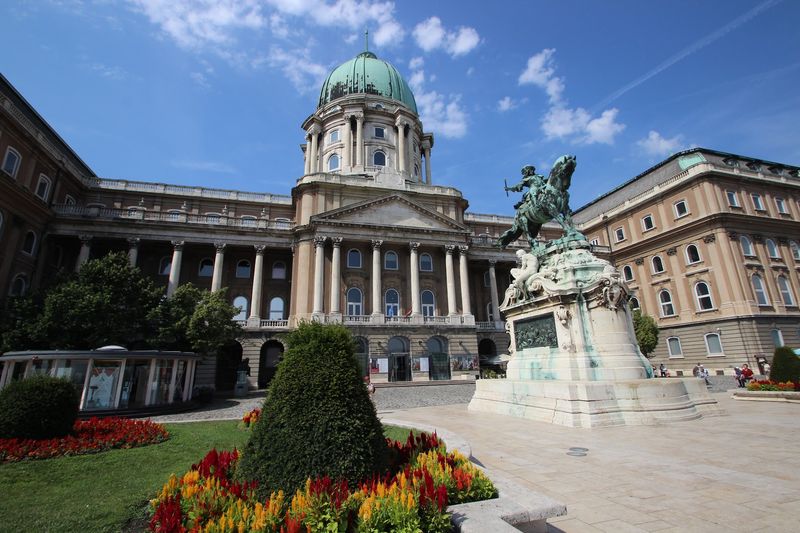
Over the centuries this hill has seen sieges, fires and more rebuilding than a toy box of blocks. Buda Castle began in the 13th century, and wars kept changing its look.
What stands today is a grand royal complex with plenty to explore.
Inside, you can visit the Hungarian National Gallery and the Budapest History Museum. Art fans and history lovers both get a treat under one roof.
Outside, public courtyards and terraces let you wander for free and soak up views toward Pest.
The Castle District around it is full of old houses, small restaurants and leftover bits of medieval stonework. Take your time on the quiet side streets, where the crowds thin out.
You might spot a doorway or window that looks hundreds of years old.
Restoration work is often happening somewhere on the hill. Some sections may be closed, so check current access before you go.
Comfortable shoes help, since the slopes and cobbles can test tired feet.
Matthias Church
Look up and the roof seems to be wearing a zigzag sweater. Matthias Church shines with colorful tiles made by the famous Zsolnay porcelain factory.
Against the white stone walls, the pattern pops like confetti.
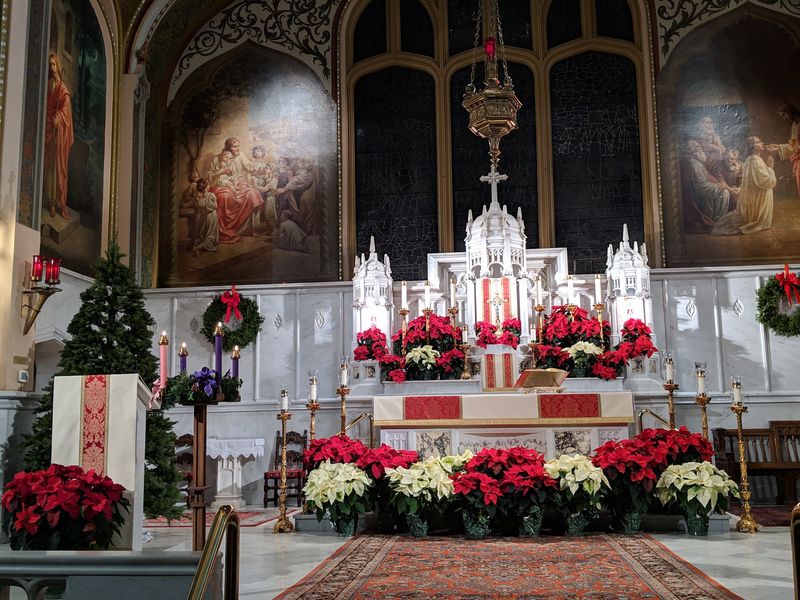
The church dates back to the 13th century, but its Neo-Gothic look comes from a big restoration in the late 1800s. Step inside and the walls burst with painted patterns, tall columns and stained glass.
Light drifts through the windows and paints the floor in soft colors.
History happened here, too. In 1867, Emperor Franz Joseph and Empress Elisabeth were crowned in this very building.
Standing in the same space gives a nice little shiver.
Concerts sometimes fill the church with music, and the echo is lovely. Check the schedule before your trip if you want to catch one.
Since the church sits right beside Fisherman’s Bastion, you can easily see both in a single morning.
Széchenyi Chain Bridge
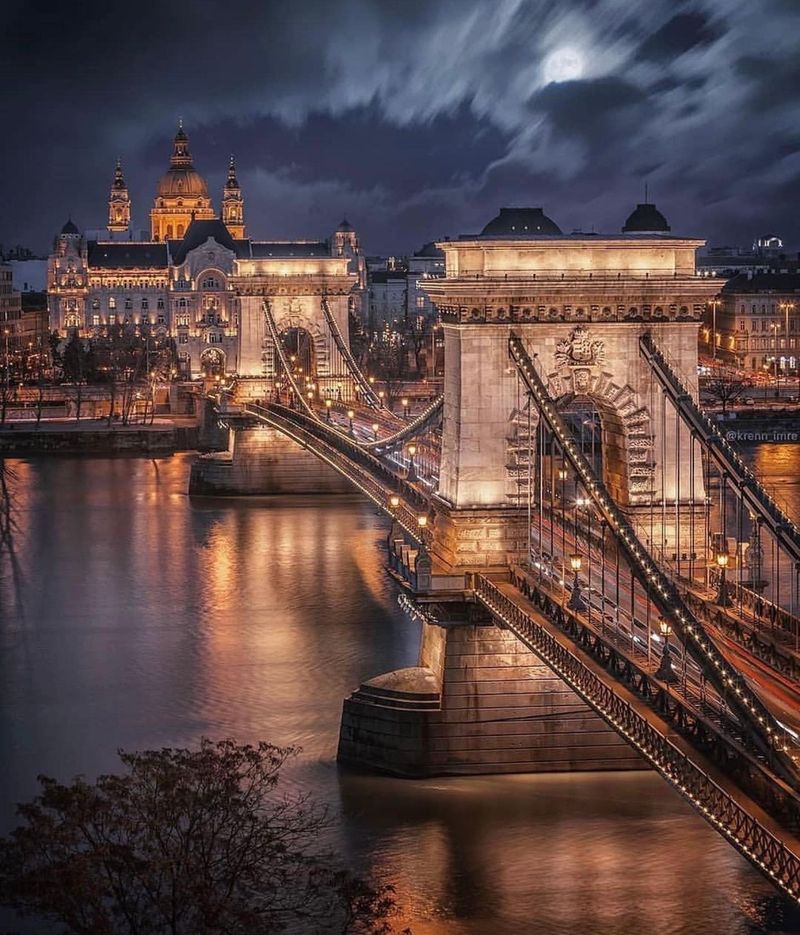
Before 1849, crossing the Danube here meant a boat or a wobbly seasonal bridge. Then the Chain Bridge opened as the first permanent link between Buda and Pest.
British engineer William Tierney Clark designed it, and it helped pave the way for the two cities to merge in 1873.
Big stone pillars, iron chains and a pair of famous lion statues give it plenty of character. Strolling across is a must, since the views take in Buda Castle, the Parliament and the riverfront.
Every few steps, a new photo begs to be taken.
After a major restoration, the bridge welcomed walkers again in 2023. That means you can cross on foot without any fuss.
Pick your time wisely, though.
An evening walk is the winner. Lights come on across the historic buildings, and the whole scene glows like a postcard.
Bring a jacket, because the breeze off the river can be chilly.
St. Stephen’s Basilica
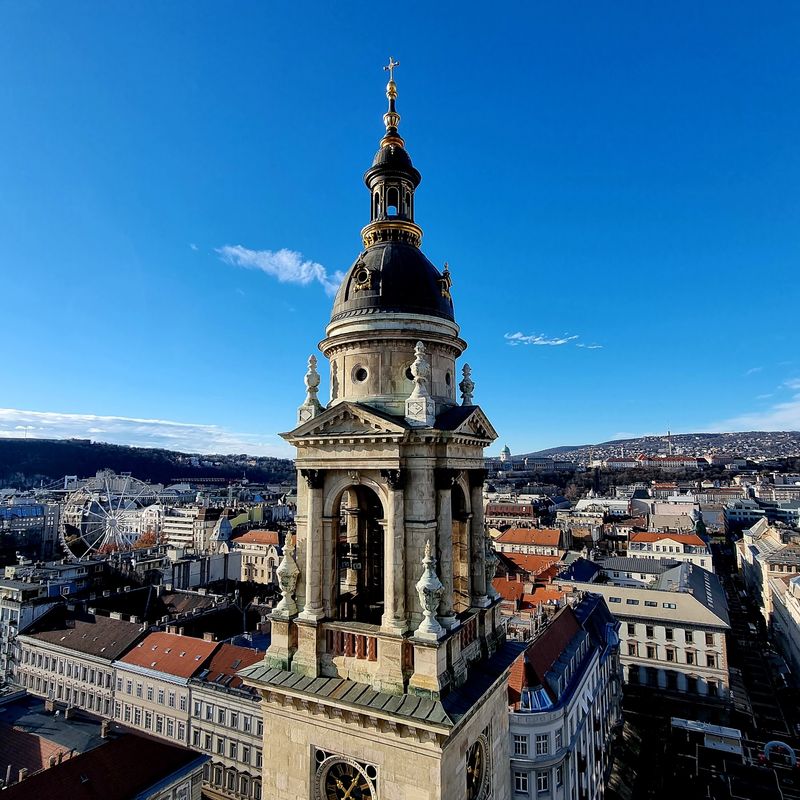
Stephen I was Hungary’s first king, and this basilica carries his name with pride. It took more than fifty years to build and was finished in 1905.
Its dome rises 96 meters, tying with the Parliament as the tallest in the city.
Inside, you will find shiny marble, rich decoration and lovely religious art. The most special object is the Holy Right, a relic said to be the king’s mummified right hand.
It sits in its own chapel, and a small donation may light it up for a moment.
Want a view? Take the lift and stairs up to the terrace around the dome.
From there, the rooftops of Pest spread out in every direction like a red-tiled quilt.
Down below, the pedestrian square is lined with cafés and restaurants. Grab a pastry and a coffee after your visit.
It is an easy, relaxed base for exploring the downtown area.
Széchenyi Thermal Bath
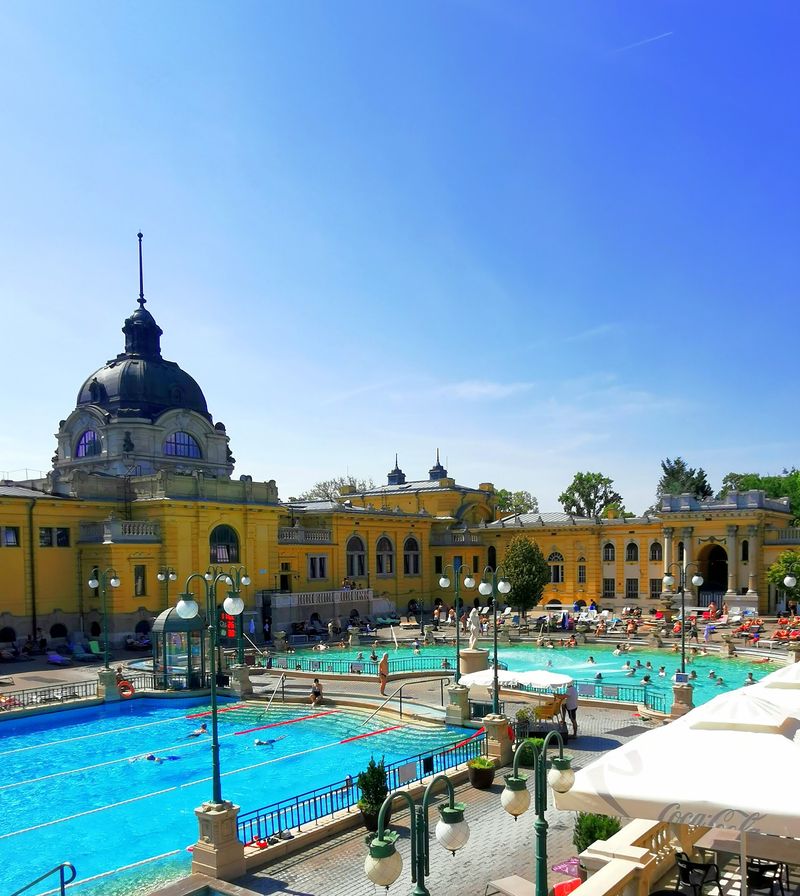
Steam curls up from the water while snowflakes melt on your nose. That is winter at Széchenyi, and it is gloriously odd.
The yellow Neo-Baroque complex opened in 1913 in City Park and is fed by hot underground mineral springs.
Inside you will find indoor thermal pools, outdoor swimming areas, saunas and steam rooms. You can hop from one to another and test every temperature.
Some pools feel like a warm bathtub, and others are hot enough to turn you pink.
Look closely and you may spot locals playing chess while floating in the water. It is a very Budapest way to spend an afternoon.
Join in by watching, or just kick back and relax.
Plan for a few hours so you never feel rushed. Pack flip-flops, a towel and a swimsuit, or check what you can rent.
Before buying tickets, look up current entry rules, age limits and which pools are open.
Heroes’ Square
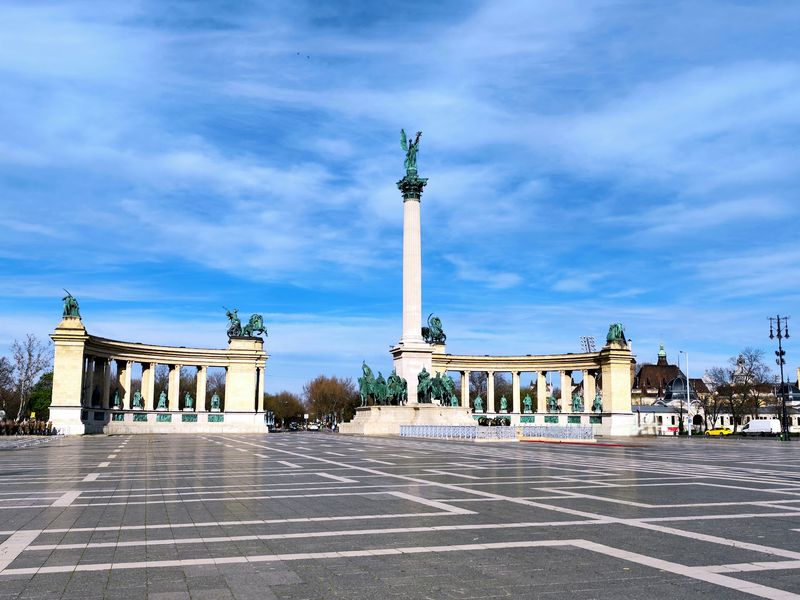
Fourteen statues of kings and leaders stand in a curve, and seven chieftains on horseback guard the center. Heroes’ Square is where Hungary shows off its history in bronze and stone.
The Millennium Monument was planned in 1896 to mark a thousand years since the Magyars settled the Carpathian Basin.
A tall column rises in the middle, topped by a figure of the archangel Gabriel. The colonnades behind it honor famous rulers and other important figures.
Reading the names and spotting the faces turns the square into an outdoor history lesson.
On either side stand the Museum of Fine Arts and the Hall of Art. Art lovers can pop in and add a gallery stop to the day.
Both buildings make the square feel even more grand.
The square sits at the end of Andrássy Avenue, so it is an easy walk or ride from downtown. Behind it lies City Park, ready for more exploring.
Visit in the afternoon for friendly light and great photos.
Vajdahunyad Castle
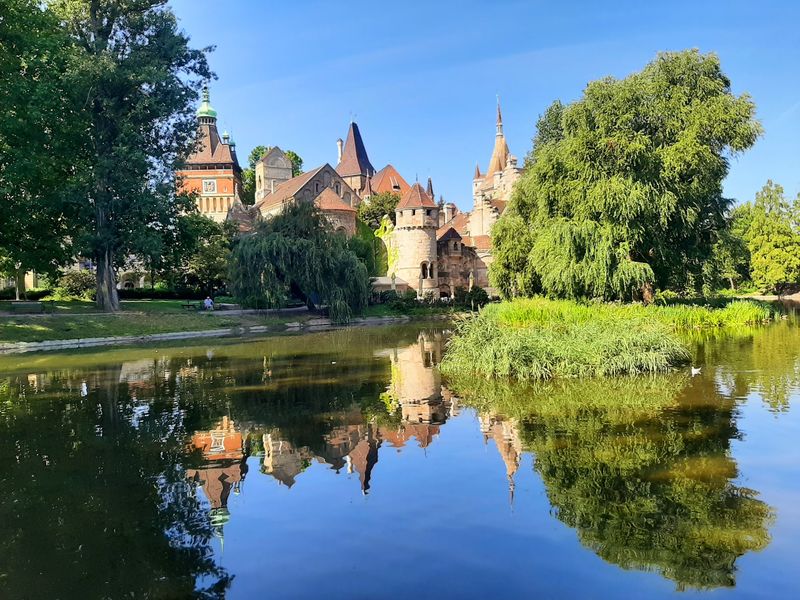
Plot twist: the medieval fortress is a bit of a fake. Vajdahunyad Castle was built for the 1896 Millennium Exhibition, and it was meant to be temporary.
People loved it so much that it stayed.
The complex mixes Romanesque, Gothic, Renaissance and Baroque styles, all copied from real buildings around the old Kingdom of Hungary. Walking through its courtyards feels like flipping through a book of architecture.
Every tower and gate seems to come from a different century.
Inside, the Hungarian Museum of Agriculture explores farming traditions and country life. It is more interesting than it sounds, with tools, food history and rural stories.
Plan a short stop if you like quirky museums.
The lake out front makes the castle a favorite spot for photographers. Come in winter and you will find an outdoor ice rink gliding beneath the towers.
Rent skates, take a lap and enjoy a fairy-tale backdrop.
Great Market Hall
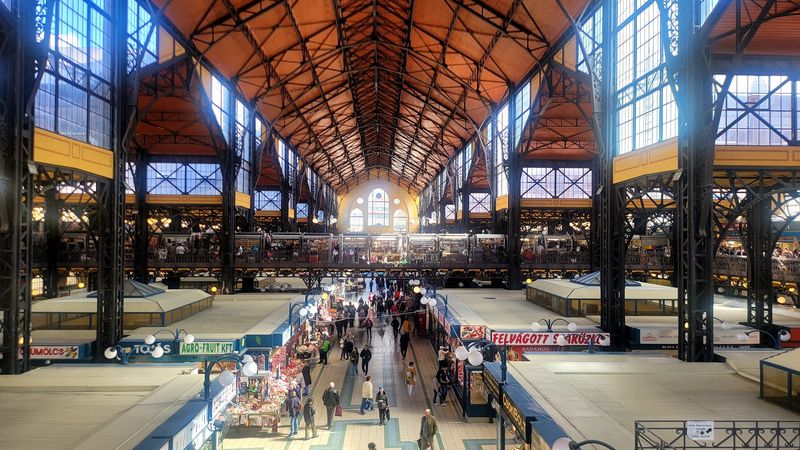
Strings of red paprika hang from the stalls like spicy party decorations. The Great Market Hall opened in 1897 and was designed by architect Samu Pecz.
Its brick walls, colorful roof tiles and steel-framed interior make it a sight before you even buy a snack.
The ground floor is packed with smoked sausages, cheeses, fresh vegetables and jars of regional goodies. Paprika makes a cheap, light souvenir to tuck into a suitcase.
Vendors are used to curious visitors, so ask before you pick.
Head upstairs for handmade crafts and food stands. Try lángos, a fried dough treat topped with sour cream and cheese.
Share one, because it is bigger than it looks.
The hall stands beside Liberty Bridge, so it fits neatly into a riverside walk. Arrive in the morning to watch locals do their real shopping.
Bring some cash, as a few stalls prefer it.
Dohány Street Synagogue
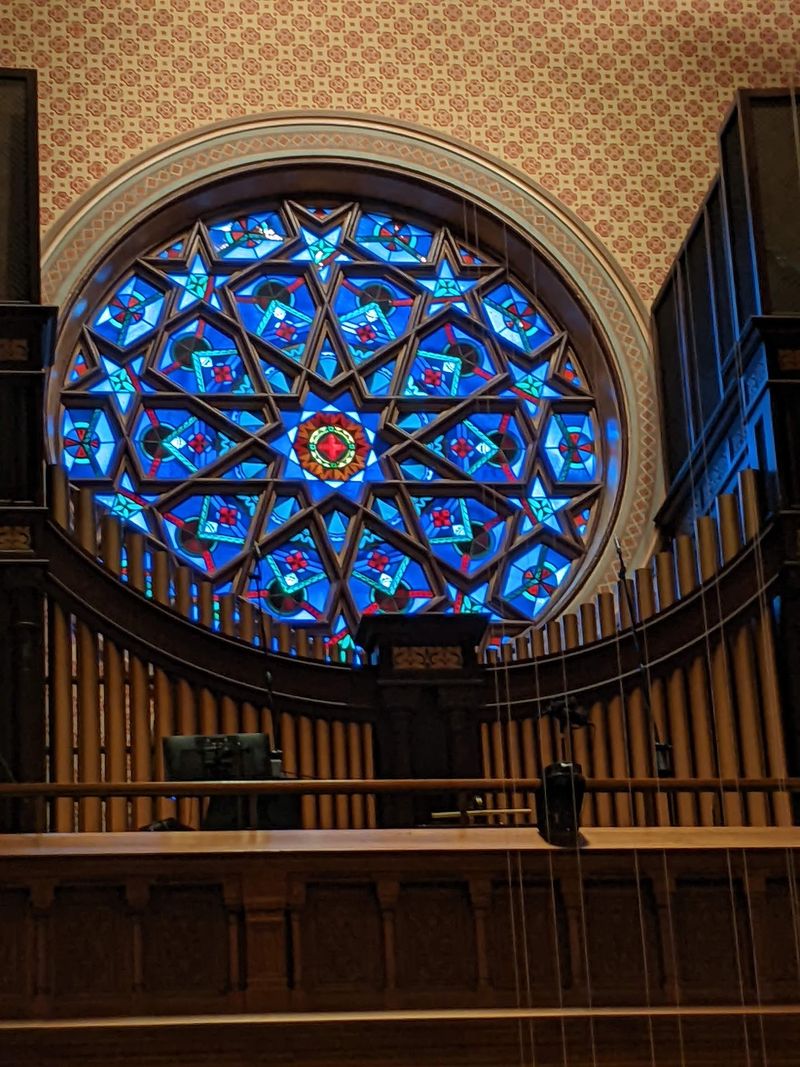
Two tall towers topped with onion domes announce this building long before you reach the door. Dohány Street Synagogue opened in 1859 and ranks among the largest synagogues in Europe.
Its Moorish Revival style, with patterned brick and ornate details, looks unlike anything else on the street.
Inside, galleries, painted decoration and religious furnishings fill the hall. Take a moment to look up, since the ceiling is as striking as the walls.
The space feels grand but also calm.
The complex includes the Hungarian Jewish Museum and memorials to Holocaust victims. In the courtyard, the Tree of Life memorial shows a weeping willow made of metal.
Each leaf carries a name, and reading a few is deeply moving.
Visiting gives helpful background on Budapest’s Jewish community and what it gave the city. Dress respectfully and expect security checks at the entrance.
Set aside enough time to take it all in without hurrying.
Shoes on the Danube Bank
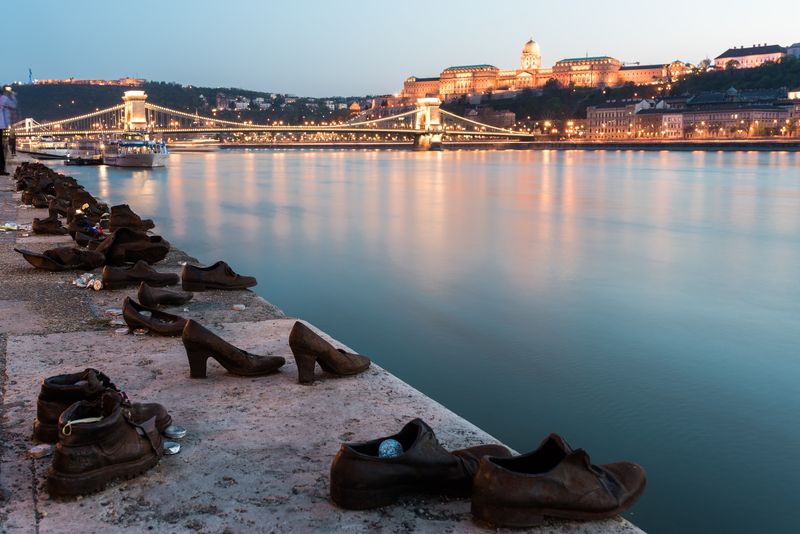
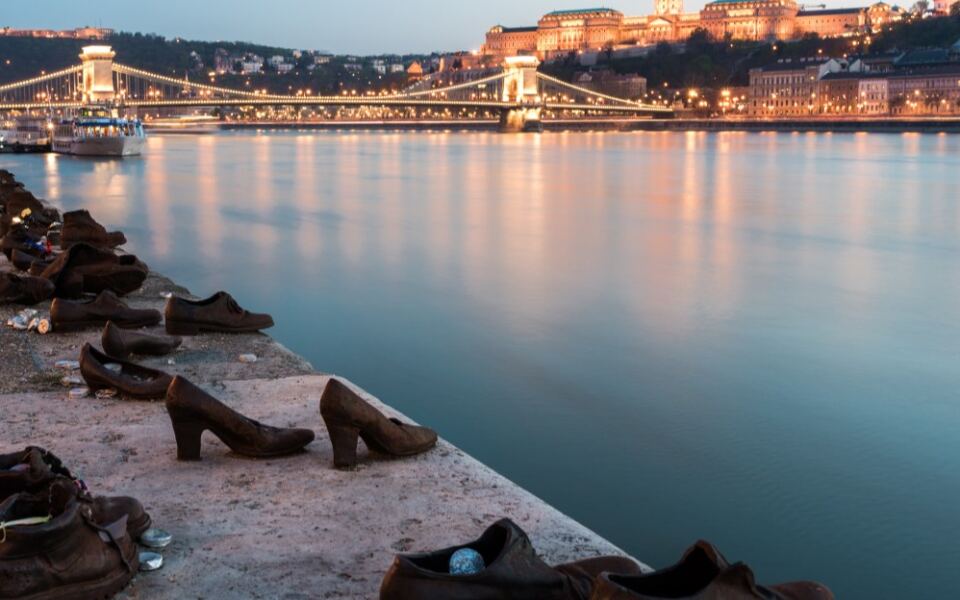
Sixty pairs of rusty iron shoes sit along the riverbank, and they stop people in their tracks. The memorial was created in 2005 by film director Can Togay and sculptor Gyula Pauer.
It honors Jewish people who were shot here into the Danube during the Holocaust.
Look closely at the shoes. Some are small, some are big, and some are worn boots or fancy heels.
Each style stands for a real person with a real life.
Visitors often leave flowers, candles and small stones beside the shoes. You do not need to do anything special.
A quiet moment is enough.
The memorial is near the Parliament, along the Pest embankment, so it is easy to find on a riverside walk. Keep voices low and photos respectful.
The simple design sits in sharp contrast with the grand buildings nearby, and that contrast makes the message even stronger.
Hungarian State Opera House
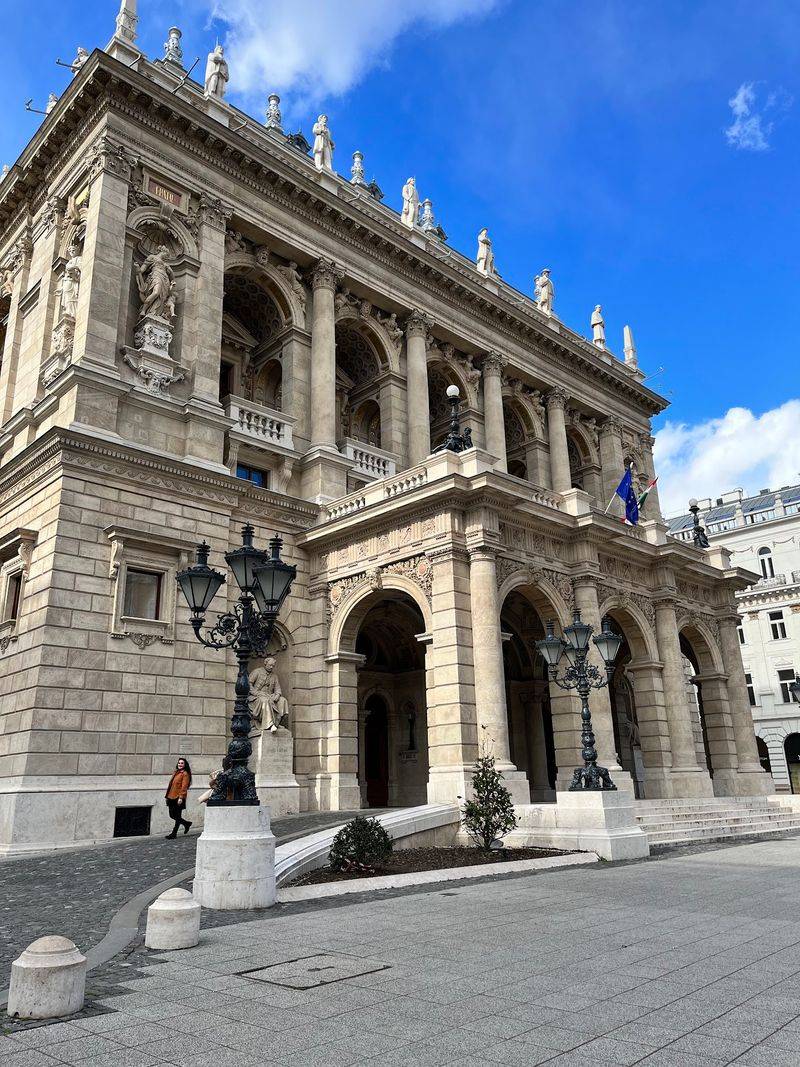
Gold leaf, red velvet and a ceiling painted like a heavenly party: that is the opera house inside. Architect Miklós Ybl designed the Neo-Renaissance building, which opened in 1884 on Andrássy Avenue.
It quickly became a hub of European music.
The auditorium is packed with gilded decoration, curved balconies and a giant chandelier. Even if you have never watched an opera, the room is worth seeing.
Craftsmanship shows in every corner and carved detail.
A big restoration finished in 2022, blending the historic look with modern stage technology. You can buy tickets for opera or ballet, often at friendly prices.
Dress nicely, since many guests enjoy making an evening of it.
Short on time or not into long shows? Join a guided tour instead.
The tour ends with a brief musical performance, which is a sweet finish. Book ahead, as popular time slots can fill up.
Margaret Island
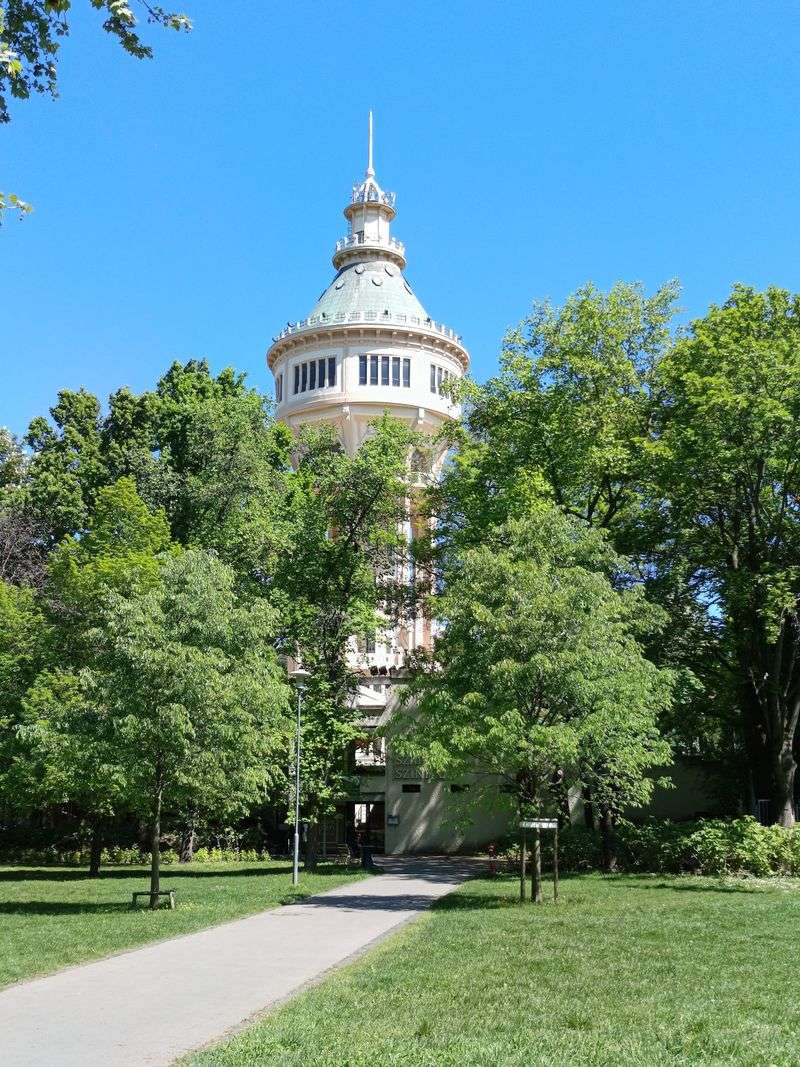
Cars are mostly banned here, and your ears will thank you. Margaret Island sits in the middle of the Danube and feels like a deep breath after busy city streets.
Gardens, shady paths and wide lawns invite you to slow down.
The island is named for Princess Margaret of Hungary, who lived in a convent here. Ruins of old monasteries still rest among the trees.
Wander over and picture what life looked like centuries ago.
Rent a bike or a pedal cart and roll around the whole island. Stop at the Japanese Garden for a peaceful pause.
The water tower, finished in 1911, rises above the greenery and makes a handy landmark.
In warm months, locals fill the island with picnics, jogging and ball games. Pack snacks and a blanket, then join in.
Visiting here shows you everyday Budapest, far from the tour buses.
Danube River Cruise
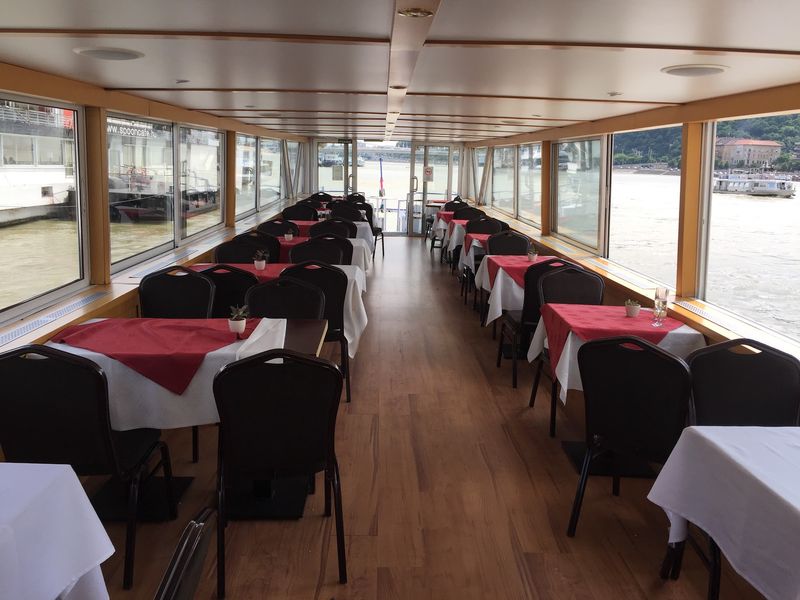
Sit back, let the engine hum and let the landmarks come to you. A Danube cruise glides past the Parliament, Buda Castle, Fisherman’s Bastion and several famous bridges.
Seeing both riverbanks at once explains how the city grew around the water.
Daytime trips are best for studying the buildings up close. You can spot small details like carved stone and copper domes.
Photos come out crisp and bright.
Evening cruises turn the skyline into a glittering show. Lights reflect on the river, and the bridges glow like jewelry.
Many boats offer narrated tours, and some serve dinner on board.
A basic sightseeing trip lasts about an hour, so it fits easily into a busy plan. Schedules can change with the seasons and river conditions, so confirm your departure time.
Bring a light jacket, because it gets breezy on deck.
Share this story