Throughout history, people have created amazing things that still puzzle experts today. Ancient civilizations built structures and invented tools that seem almost impossible given their time period and available technology. Scientists continue to study these mysteries, trying to figure out exactly how our ancestors accomplished such incredible feats.
1. Antikythera Mechanism

Pulled from a shipwreck off the coast of Greece in 1901, this bronze device looked like a corroded lump at first. Once cleaned, scientists discovered something extraordinary: a complex system of gears that worked like an ancient computer.
Dating back to around 100 BCE, it calculated astronomical positions and predicted eclipses with stunning accuracy. The craftsmanship involved creating dozens of interlocking bronze gears that tracked planetary cycles.
What truly amazes researchers is how advanced this technology was for its time. Nothing remotely similar appears in historical records for another thousand years, making it a true technological anomaly that challenges everything we thought we knew about ancient Greek engineering capabilities.
2. Roman Concrete
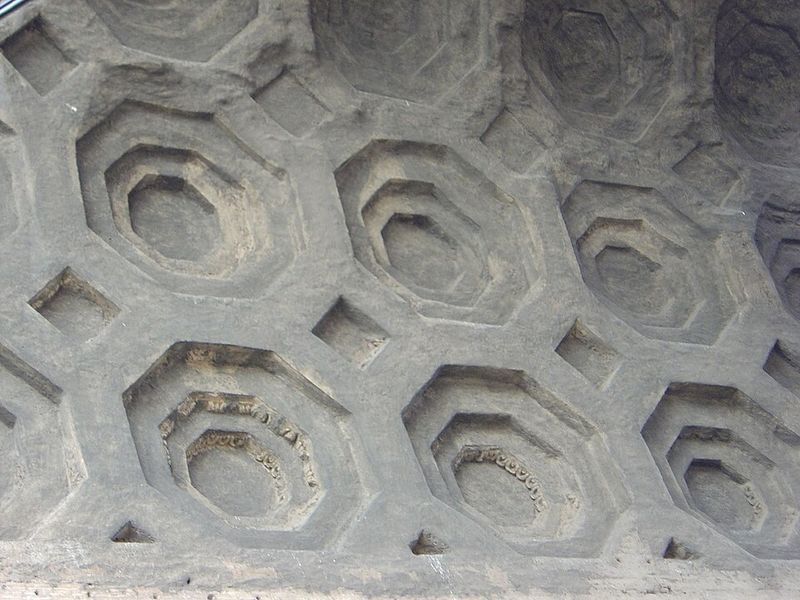
Walk into the Pantheon in Rome, and you are standing beneath a concrete dome built nearly 2,000 years ago. Remarkably, it has outlasted countless modern structures that crumble after just decades.
Romans mixed volcanic ash called pozzolana with lime and seawater to create their concrete. Over time, chemical reactions actually strengthened the material rather than weakening it, forming minerals that filled tiny cracks.
Modern engineers have studied this ancient recipe extensively, hoping to replicate its longevity. While we have decoded some secrets, creating concrete that improves with age and exposure to seawater remains challenging. The Romans somehow perfected a formula that our advanced technology still struggles to match consistently.
3. Damascus Steel

Warriors once prized swords made from Damascus steel above all others. These blades could slice through a falling silk scarf yet withstand the hardest battle without breaking, combining flexibility with incredible strength.
Craftsmen created this legendary metal using wootz steel ingots imported from India, forging them using techniques passed down through generations. The resulting blades displayed beautiful wavy patterns that looked almost like flowing water.
By the 1700s, the knowledge of making true Damascus steel vanished completely. Modern metallurgists have analyzed ancient blades and attempted countless recreations, but debate continues about whether anyone has truly matched the original. Some believe the secret involved specific impurities in the original ore that cannot be replicated today.
4. Baghdad Battery
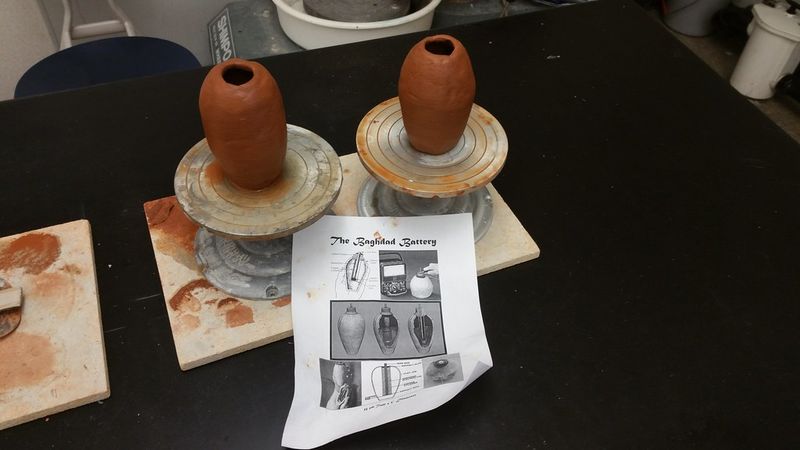
Discovered in 1938 near Baghdad, these peculiar clay jars contained copper cylinders and iron rods. When archaeologists first examined them, some suggested they might have generated electricity over 2,000 years ago.
Each jar stood about five inches tall and held components that, when filled with acidic liquid, could theoretically produce a small electrical charge. This sparked wild theories about ancient electroplating or early lighting systems.
However, most experts today remain skeptical about the battery theory. No wires, electroplated objects, or other supporting evidence has been found nearby. The jars might have stored scrolls or served religious purposes instead. Without definitive proof, these mysterious containers continue to generate more questions than answers about what ancient Mesopotamians actually used them for.
5. Pyramids of Giza

Standing tall for over 4,500 years, the Great Pyramid of Giza contains roughly 2.3 million stone blocks, each weighing between 2 and 80 tons. Imagine moving even one of those without modern machinery.
Ancient Egyptians used copper chisels, wooden sleds, and enormous ramps to quarry, transport, and position these massive stones. The precision is astounding: blocks fit together so tightly that a knife blade cannot slip between them.
Researchers have proposed numerous theories about the construction methods, from straight ramps to spiral ramps to internal ramps. Yet nobody knows for certain exactly how workers achieved such accuracy or coordinated such a massive workforce. The pyramids remain a testament to human determination and ingenuity that continues to humble modern engineers.
6. Voynich Manuscript

Housed at Yale University sits a book that nobody can read. Created sometime in the 1400s, the Voynich Manuscript contains 240 pages filled with an unknown writing system and bizarre illustrations of plants that do not match any known species.
The manuscript also includes astronomical diagrams, naked figures in strange plumbing systems, and pharmaceutical recipes written in the mysterious script. Carbon dating confirms the book is genuinely old, not a modern hoax.
Cryptographers, linguists, and computer scientists have all tried cracking the code. Some believe it is an elaborate cipher, while others think it might be a constructed language or even sophisticated nonsense. Despite countless hours of analysis using cutting-edge technology, the Voynich Manuscript guards its secrets stubbornly.
7. Stonehenge

Rising from the English countryside, these massive stones have stood for roughly 5,000 years. The largest sarsen stones weigh about 25 tons each, while the smaller bluestones traveled nearly 200 miles from Wales to their current location.
Ancient builders arranged the stones to align perfectly with the summer solstice sunrise. On that special morning each year, the sun rises directly above the Heel Stone, casting shadows through the monument in a spectacular display.
How Neolithic people moved these enormous rocks without wheels or metal tools remains hotly debated. Theories include wooden rollers, sledges, and even boats for water transport. More puzzling still is why they went to such extraordinary effort, suggesting Stonehenge held profound spiritual or astronomical significance we may never fully understand.
8. Indus Valley Plumbing

Cities like Mohenjo-daro boasted better plumbing 4,600 years ago than many modern towns have today. Nearly every house connected to a sophisticated sewer system using standardized fired bricks and covered drains.
Residents enjoyed private bathrooms with toilets that flushed waste into underground sewers. These drains included inspection holes for maintenance and sloped perfectly to keep water flowing smoothly away from homes.
The level of urban planning required to coordinate such infrastructure across an entire city is remarkable. The Indus Valley people clearly understood sanitation, hygiene, and civil engineering principles that would not reappear in other civilizations for thousands of years. Their attention to public health and cleanliness demonstrates a surprisingly modern mindset that researchers find both impressive and mysterious.
9. Sacsayhuamán Walls
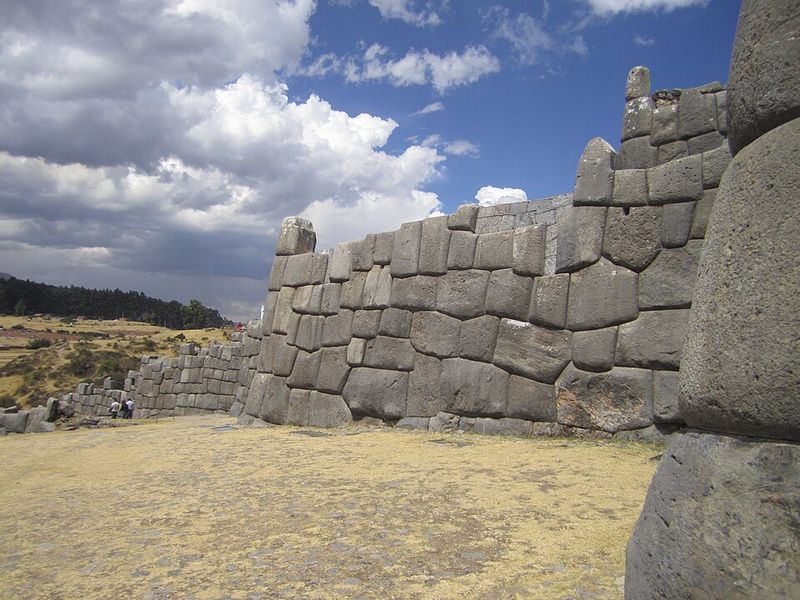
Outside Cusco, Peru, stand walls built from stones so perfectly fitted that not even a credit card can slide between them. Some of these blocks weigh over 100 tons, yet they interlock with neighboring stones in complex, irregular patterns.
Inca masons shaped each stone to fit its specific position without using mortar. The precision is so exact that the walls have survived numerous earthquakes that destroyed Spanish colonial buildings built on top of them.
Nobody knows exactly how workers cut and shaped such massive stones with such accuracy. The Inca had no iron tools, no wheels, and no written language to record their techniques. Some stones feature dozens of angles and faces that fit together like a three-dimensional jigsaw puzzle, suggesting a level of planning and skill that seems almost superhuman.
10. Greek Fire
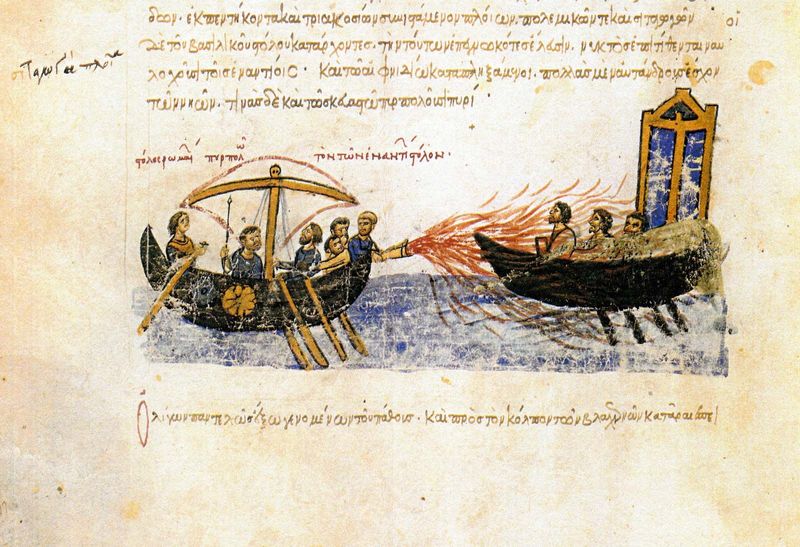
Byzantine sailors wielded a terrifying weapon that could burn on water itself. Greek Fire shot from bronze tubes mounted on warships, spraying liquid flames that could not be extinguished by water, making it devastatingly effective in naval battles.
The formula was such a closely guarded state secret that only the emperor and a few craftsmen knew it. Enemies desperately tried to steal or recreate the recipe, but the Byzantines protected it fiercely.
When the Byzantine Empire fell, the secret died with it. Historians believe the mixture likely contained petroleum, quicklime, sulfur, and possibly other ingredients. Modern attempts to recreate Greek Fire have produced similar effects, but without the original recipe, we cannot know for certain if any recreation truly matches what terrorized Mediterranean waters over a thousand years ago.
11. Nazca Lines
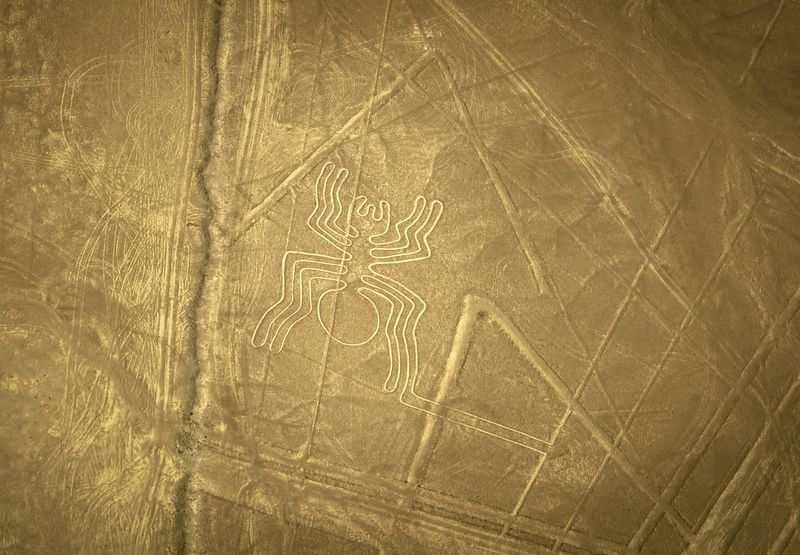
Stretching across the Peruvian desert are enormous drawings that can only be fully appreciated from the sky. The Nazca people created these geoglyphs between 200 BCE and 500 CE by removing the reddish top layer of stones to reveal lighter ground beneath.
The designs include a spider, monkey, hummingbird, and various geometric shapes, some stretching over 1,000 feet long. The dry climate has preserved them remarkably well for over two millennia.
What puzzles scientists is why the Nazca created art they could never see properly themselves. Were they messages to gods in the sky? Astronomical calendars? Religious walking paths? The lines are too large and numerous to have been made without careful planning, yet the Nazca left no written explanation for their purpose or meaning.
12. Olmec Colossal Heads

Seventeen massive stone heads carved by the Olmec civilization stare across the Mexican landscape. Each one depicts a different individual with unique facial features, helmets, and expressions, weighing anywhere from 6 to over 40 tons.
Sculptors carved these monuments from basalt boulders quarried from the Tuxtla Mountains, sometimes located 60 miles away from where the finished heads now stand. Moving such enormous weights through jungle terrain without wheels or large animals seems nearly impossible.
Archaeologists believe the heads represent Olmec rulers, but many questions remain unanswered. How did workers transport these massive stones? What tools did they use to carve such detailed features into extremely hard basalt? Why did they invest so much effort into creating these particular monuments? The Olmec left behind impressive art but few answers.
13. Viking Sunstone
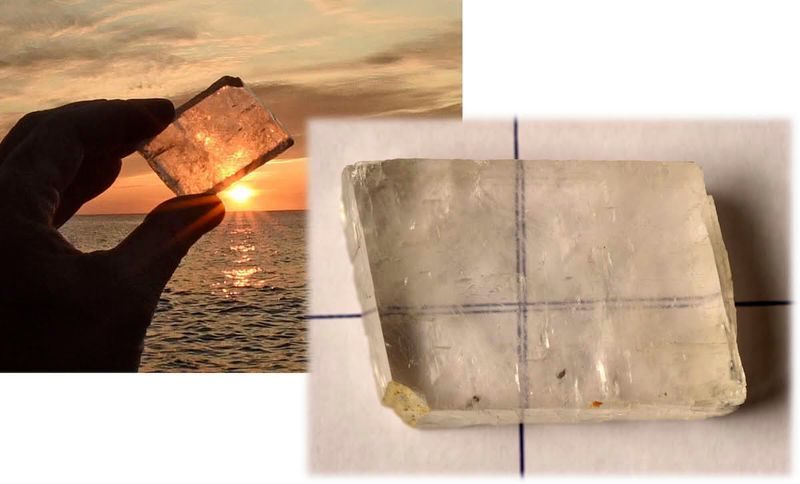
Norse sagas mention a mysterious sunstone that helped Vikings navigate when clouds hid the sun. For centuries, historians dismissed this as myth until scientists discovered that certain crystals could actually serve this purpose.
Iceland spar, a type of calcite crystal, can polarize light in ways that reveal the sun’s position even on overcast days. When rotated and viewed properly, these crystals show patterns that point toward the hidden sun with surprising accuracy.
While the physics works perfectly, direct archaeological evidence remains limited. Only one possible sunstone has been found on a shipwreck, and it was not with navigation tools. Did Vikings actually use this clever technique, or did they rely on other methods? Without more physical proof, the sunstone remains part history, part legend, and entirely fascinating.
14. Longyou Caves
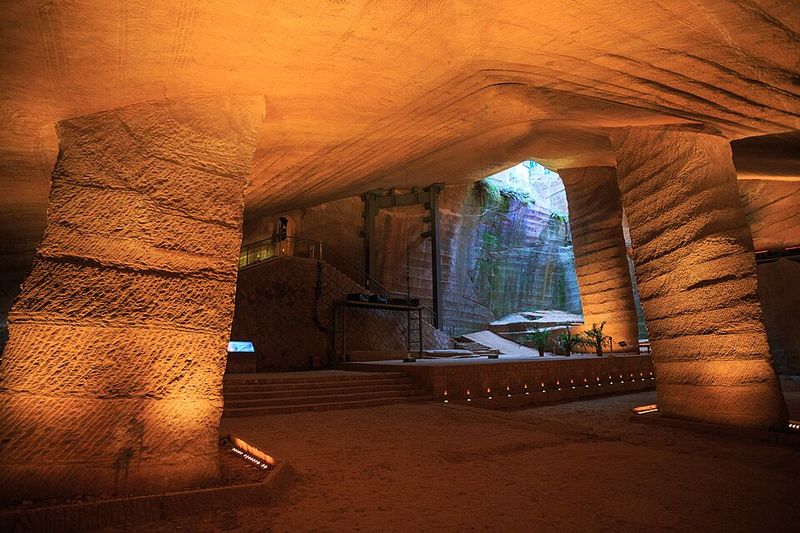
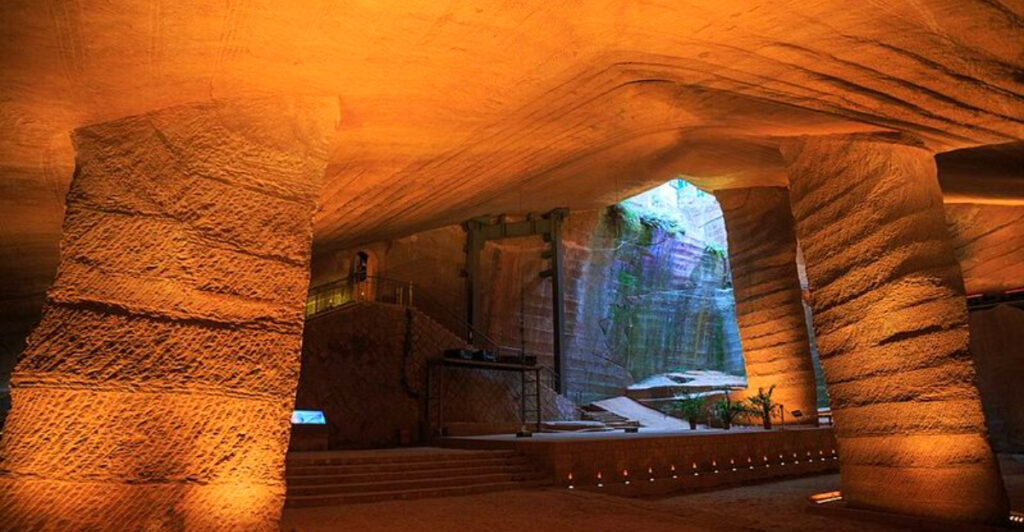
In 1992, Chinese villagers pumped water from ponds and discovered something extraordinary underneath: 24 enormous caves carved entirely by hand from solid sandstone. The caves date back at least 2,200 years, possibly much older.
Each cave features precisely angled walls, carved pillars, and rooms large enough to hold thousands of people. The amount of stone removed would have required incredible effort, yet archaeologists have not found the millions of tons of excavated rock anywhere nearby.
Most mysteriously, not a single inscription, carving, or written record explains who built them, why, or how they accomplished such a massive undertaking. The uniformity of chisel marks suggests organized labor and careful planning, but the complete absence of documentation makes the Longyou Caves one of China’s most perplexing archaeological mysteries.
15. Göbekli Tepe
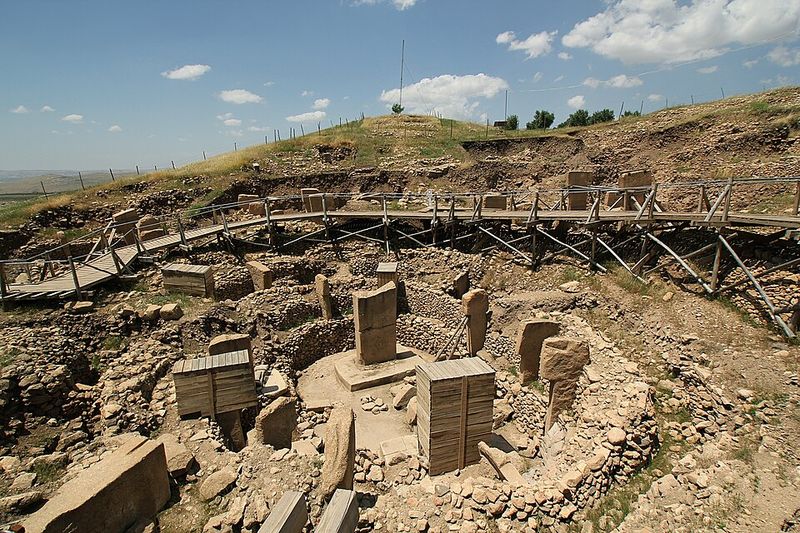
Before farming, before pottery, before metal tools, people built something magnificent in Turkey. Göbekli Tepe contains massive stone pillars arranged in circles, some weighing up to 20 tons and standing 18 feet tall, dating back an incredible 11,600 years.
The pillars feature intricate carvings of animals like foxes, lions, and birds, demonstrating artistic skill from people traditionally considered simple hunter-gatherers. Multiple circular structures suggest the site served ceremonial or religious purposes.
What baffles archaeologists is how nomadic people organized the labor and resources needed for such construction. Building Göbekli Tepe would have required coordinating hundreds of workers, feeding them, and maintaining the project for generations. This discovery has forced scientists to completely rethink the timeline of human civilization and what our ancestors were capable of achieving.
Share this story