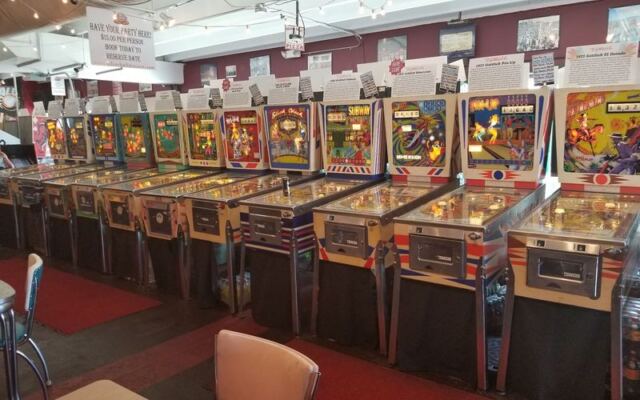
A boardwalk stop in New Jersey can look like a quick way to fill an hour, then turn into the part of the day everyone talks about afterward. Here, an hour buys more than a turn at one game: it gives you time to try pinball machines from different decades and find a favorite.
The setup is simple enough for someone who has never played, yet varied enough to keep a longtime fan busy. There is more to know before you go, including how the timed passes work and why an hour might feel surprisingly short.
A pinball stop on the boardwalk
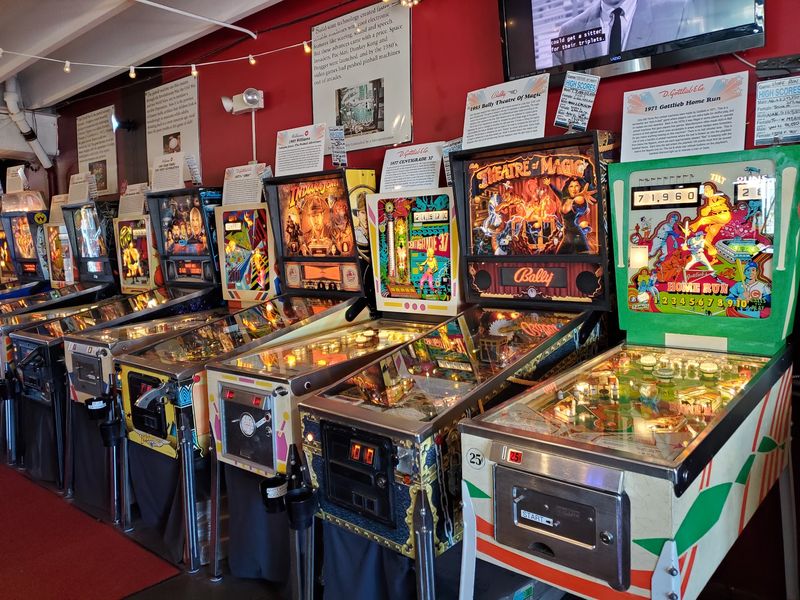
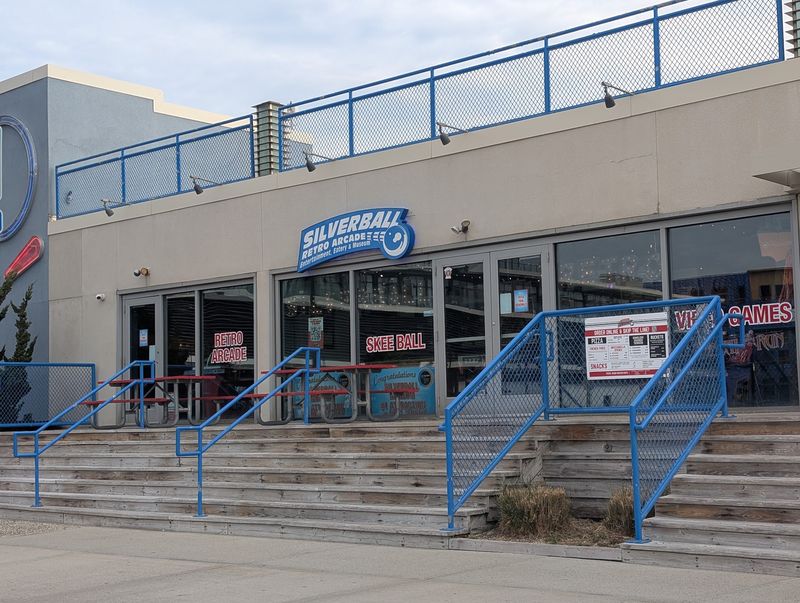
The address puts the plan in focus: Silverball Retro Arcade is at 1000 Ocean Ave N, Asbury Park, NJ 07712, United States. It is a boardwalk arcade centered on playable vintage pinball, not a display where the machines are kept behind barriers.
That distinction matters if a group cannot agree on a full-day activity. Someone can come for a short round of games, while another person can take time comparing machines from different eras.
The boardwalk location also makes the arcade a practical stop during a longer outing, rather than a destination that requires an entirely separate plan.
Its main idea is easy to grasp before arrival: pay for a block of time, then choose what to play inside. Pinball leads the way, but it does not have the whole floor to itself.
The result is a specific reason to pause on the boardwalk, especially for anyone who has wondered what older arcade games are like to play.
Decades of pinball in play
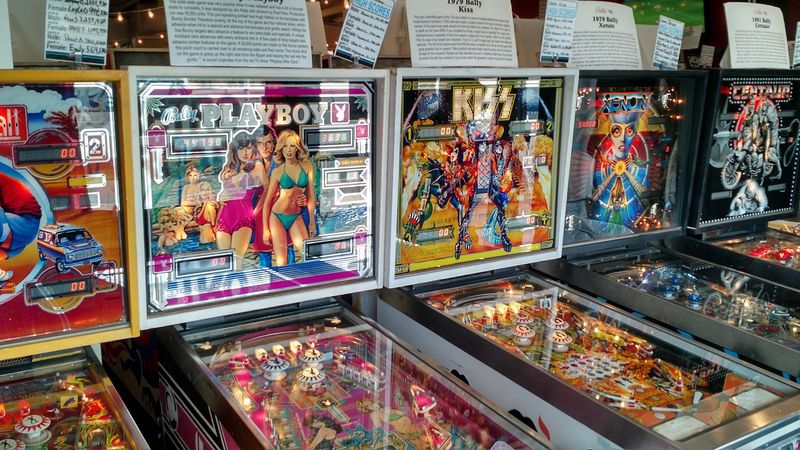
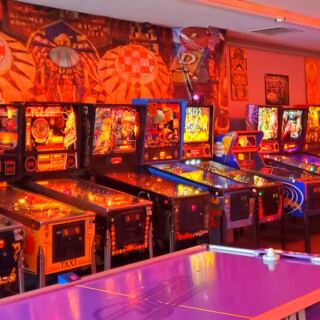
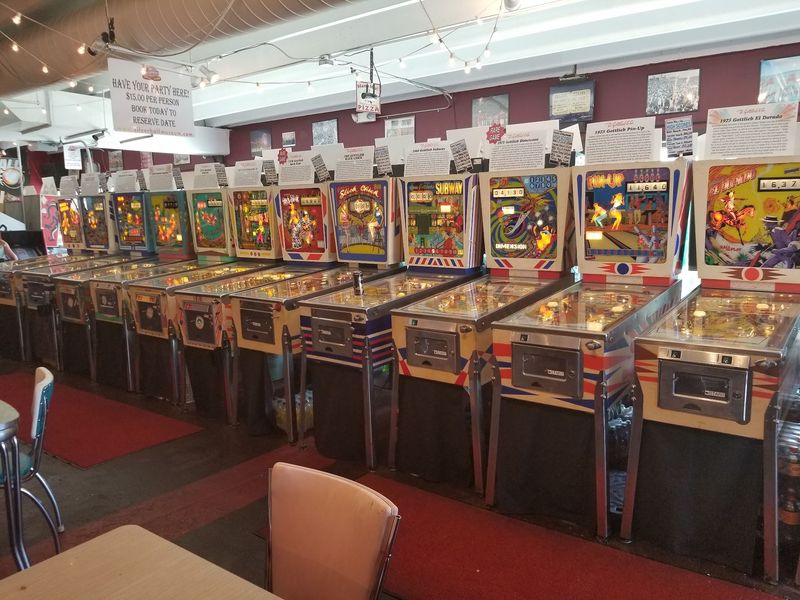
Pinball history is more interesting when the lesson begins with a button. Silverball’s collection spans machines from the 1930s to the present, giving players a chance to move among different generations of the game during one visit.
That range is the arcade’s strongest claim on a curious person’s time. A newcomer does not need to know the terminology to notice that an older table asks for a different approach than a newer one.
A returning player can spend the same hour following a more personal trail, perhaps seeking out a style remembered from years ago.
There is no need to treat the collection as homework. Pick a machine, play a few rounds, and move on when curiosity points elsewhere.
The age range gives the outing a sense of discovery without requiring a guided tour or a particular level of skill. It also explains why pinball fans may find one hour a tight schedule.
The stories above the machines
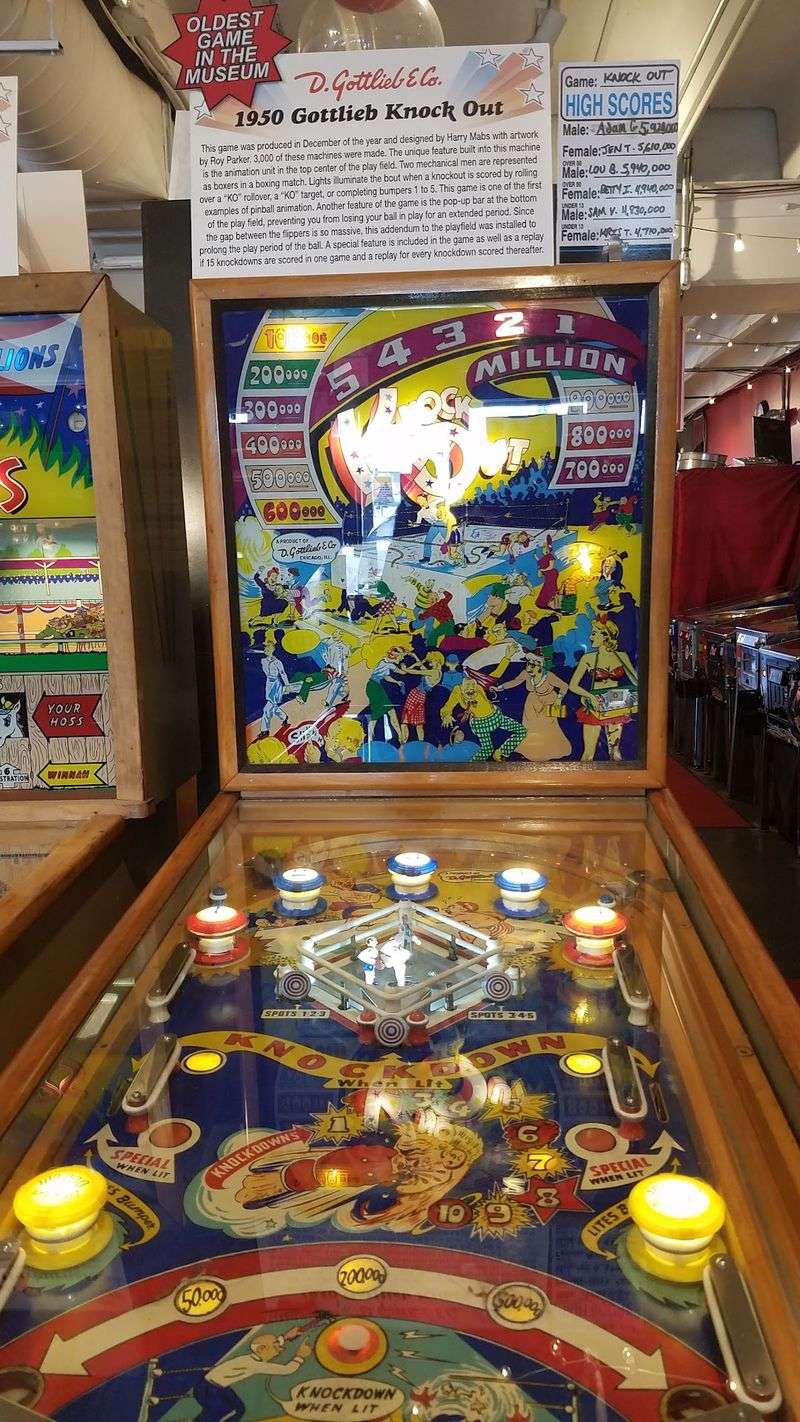
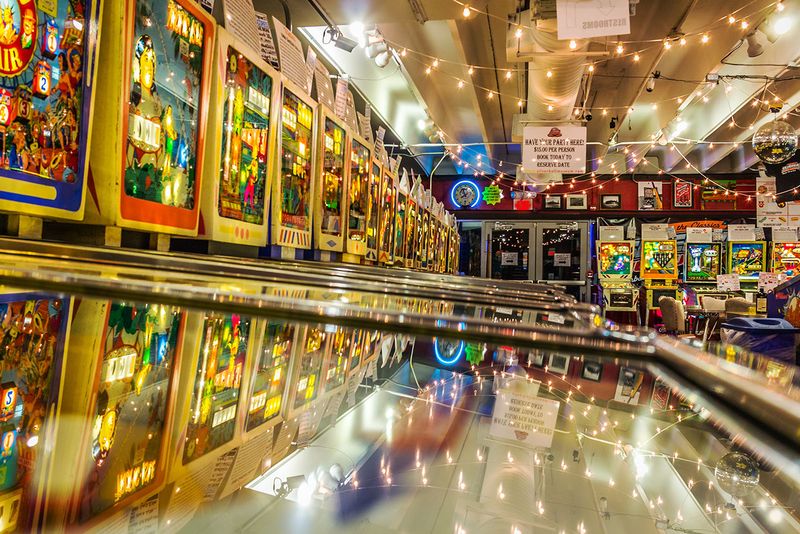
A little context can change the way a game feels to play. Informational pages above the machines give curious players something to read between turns, connecting the collection to more than the next high score.
The arcade’s stated range, from the 1930s onward, makes those details particularly useful. Without context, a player might simply choose whichever table is open.
With it, the visit can become a chance to notice when a machine was made and consider where it fits in pinball’s long run. The information adds value even for someone who spends only a short time at each game.
Reading every page is not required, of course. The better approach may be to let a machine catch your interest, then check its information before moving to the next one.
That small pause gives the collection a museum-like element while keeping the main attraction exactly where it belongs: in play.
More games beyond pinball
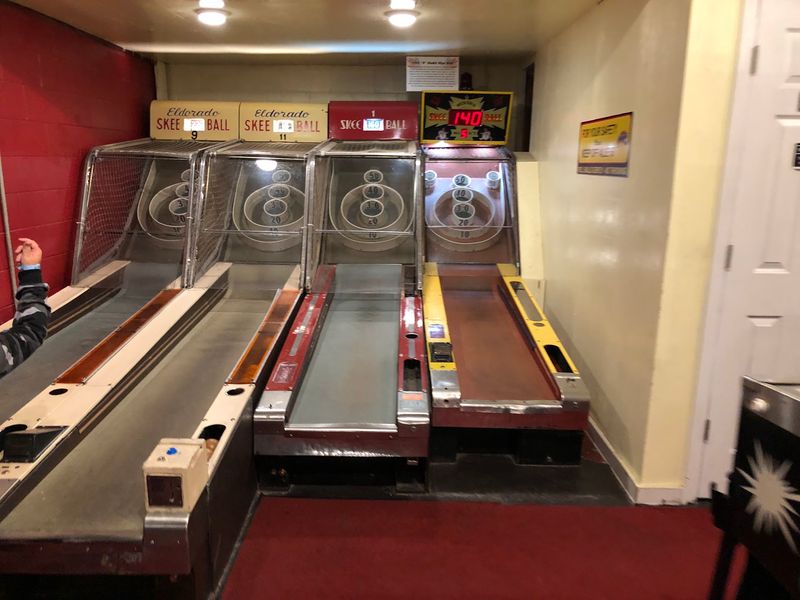
Pinball may get top billing, but a change of game is never far from the plan. Silverball also has retro arcade options, including skeeball, along with other games that broaden the visit beyond rows of pinball tables.
That variety helps when two people arrive with different interests. One can spend most of the time practicing pinball while the other tries a familiar arcade game, then they can trade recommendations.
It also gives beginners a way to take a break from learning flipper timing without leaving the arcade. A timed pass encourages that kind of wandering because each new choice does not call for a separate game purchase.
The selection is still best understood as pinball-first. Anyone expecting every type of modern arcade attraction should keep that focus in mind.
For a group interested in older games, though, the mix makes the hour less rigid and gives everyone another reason to stay for one more round.
One pass and room to explore
The easiest part of planning a round is knowing that play is tied to time rather than a separate charge for every machine. Pay for admission, then use the included free-play games during the pass period.
That setup leaves room to try something unfamiliar without worrying about spending another turn’s worth of money.
An hour works as an introduction, particularly for someone adding the arcade to a boardwalk outing. It also creates a small challenge: there may be more appealing machines than time to play them.
Longer passes can make more sense for people who want to revisit favorites, compare eras, or give each person in a group space to choose.
The practical move is to decide how flexible the day is before buying a pass. A short visit is still a real visit here; it simply calls for picking a few priorities.
At Silverball, the clock matters more than the number of games you try.
A place for different generations
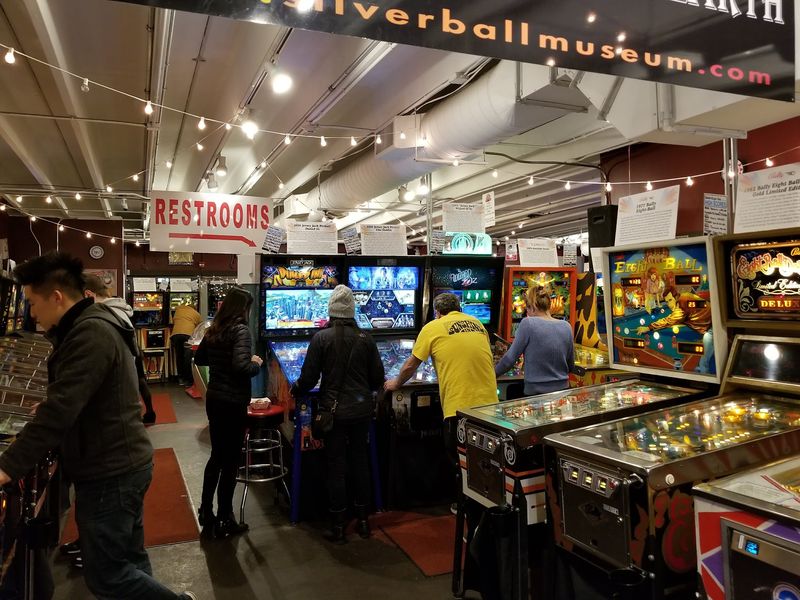
A pinball table does not ask when someone first learned to play. That makes Silverball an outing where different generations can begin on fairly equal terms, even if one person remembers older machines and another is meeting them for the first time.
The collection gives experienced players a chance to seek out familiar styles, while newcomers can sample games without having to commit to a single choice. A child and an adult might prefer entirely different tables and still share the same activity.
Groups can make their own informal challenge, or simply split up and compare favorites afterward. No special knowledge is needed to get started.
Age alone, however, does not decide whether the outing will fit. Younger children who need a calmer activity may have a harder time with a busy arcade environment, and the timed format rewards people who are ready to play.
The best shared visit leaves space for different interests rather than insisting everyone follow the same machine-by-machine route.
A boardwalk plan beyond fair weather
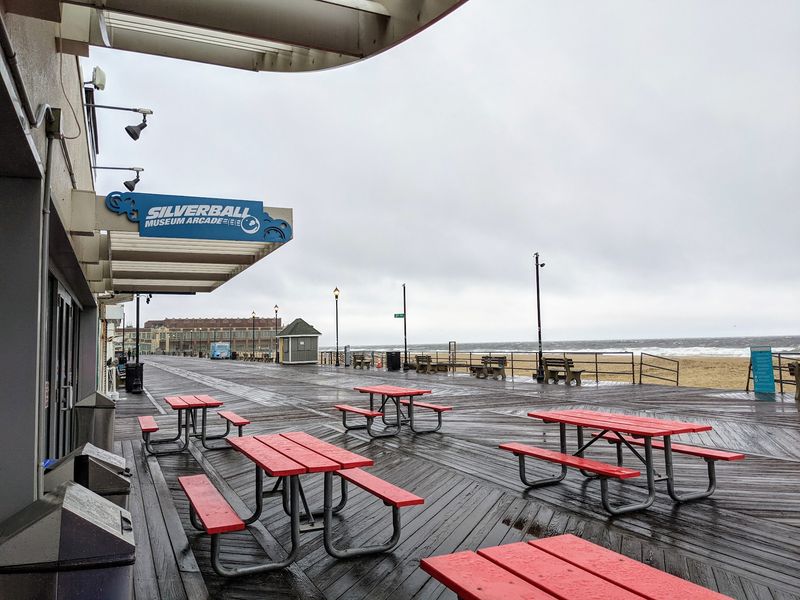
A boardwalk day does not have to depend entirely on outdoor plans. Silverball offers an indoor activity in its boardwalk setting, so a change in weather need not remove every option from the itinerary.
That flexibility is useful even on a day when the original plan is going well. A group can reserve an hour for games, then return to whatever else brought them to the area.
Someone with more time can choose a longer pass and make pinball the main event. The arcade’s broad operating schedule also gives people options beyond a narrow afternoon window, though exact hours are worth checking before setting out.
The setting explains part of its appeal to New Jersey day-trippers. It pairs a familiar shore outing with a pastime that spans generations, without asking anyone to choose between a boardwalk visit and a game-focused one.
When outdoor plans shift, that combination can turn an open hour into a purposeful stop.
The pace of a pinball session
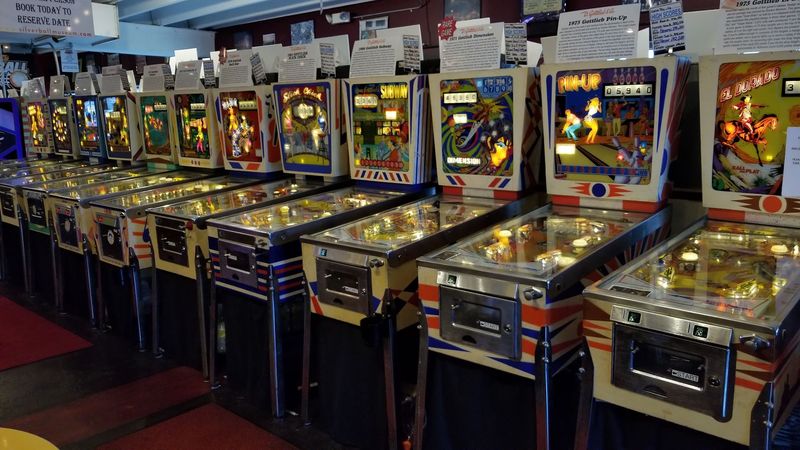
Not every player will use the same hour the same way. Some will settle on one machine and try to improve; others will treat the pass as permission to keep moving until they have sampled as much as possible.
Both approaches suit a place with pinball from many decades. A focused player can get a better feel for one table’s rules through repeated games.
A curious beginner may get more from changing machines often and discovering which style holds their attention. The free-play arrangement makes either choice straightforward, since another attempt does not require a fresh purchase at the machine.
Expect the experience to be active rather than quiet. An arcade may not suit someone looking for a low-key setting, particularly with younger children who prefer a calmer pace.
Still, there is no prescribed route through the collection. The most satisfying plan is often the simplest one: follow the games that interest you, and leave time to return to a favorite.
Hours that leave room for a visit
Late-day plans have some room here, especially at the end of the workweek. The listed hours are 11 am to 9 pm Monday through Thursday, 11 am to midnight Friday, 10 am to midnight Saturday, and 10 am to 9 pm Sunday.
Those windows support different kinds of outings. A weekday visit can be a shorter stop, while Friday and Saturday allow more time to fit games around other plans.
Weekend mornings begin earlier than weekdays, which may help groups that prefer to start their day with the arcade rather than work it in later.
Hours are practical information, not a promise that every machine will always be available. Check the arcade’s current schedule before traveling, particularly if the trip depends on a late arrival or a particular date.
Once the timing is settled, the next decision is how long to stay. With this many eras of pinball represented, leaving that choice until the last minute may be the trickier part.
Pass choices and a simple arrival plan
A little pass planning can keep the clock from becoming the main opponent. An hour-long option has been reported at $17.50, while some accounts describe a $20 longer pass.
These figures are examples, not a guaranteed current price, so confirm the available passes and rates directly before going.
The arcade is on the boardwalk, which makes its location clear once the outing is centered on that area. The supplied information does not establish a particular parking lot, transit route, or entry policy for every pass.
Rather than build a trip around an assumption, check those details if they matter to your group. The arcade’s website is a useful starting point for current admission information and any schedule changes.
Choosing a pass comes down to intent. A single hour suits a quick introduction; a longer stretch gives pinball fans more chances to compare machines and return to favorites.
Make that decision before play starts, and the rest of the visit can stay pleasantly uncomplicated.
A worthwhile extra hour in Asbury Park
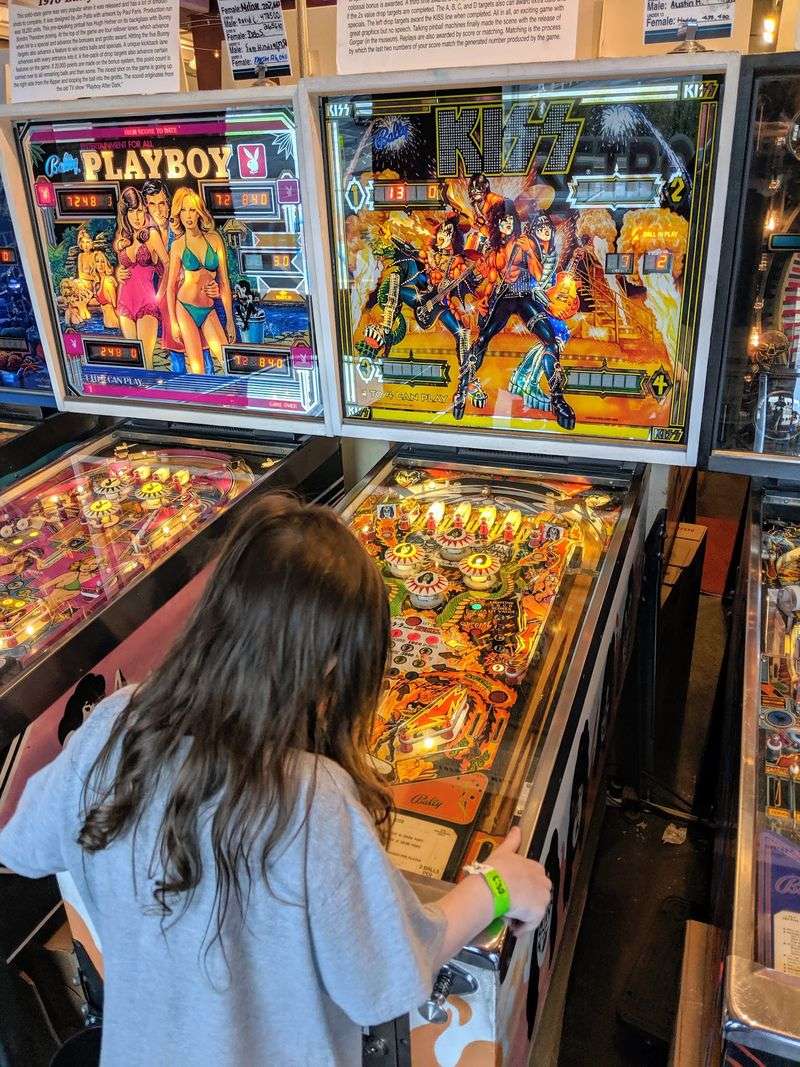
The best reason to stop is also the simplest: these machines are meant to be played. Silverball puts decades of pinball within reach under one timed admission plan, then adds other retro games for anyone ready to change course.
It does not require a lifelong interest in arcade history. Someone can arrive knowing almost nothing about pinball, learn by trying a few tables, and come away with a preferred era or machine.
A more devoted player can use the same visit to compare games across the collection. Because the arcade sits on the boardwalk, either kind of outing can fit into a broader day without turning the schedule into a complicated project.
An hour is enough to understand the appeal, though it may not be enough to satisfy every curiosity. That is a fair measure of what makes the place memorable.
It gives a familiar New Jersey boardwalk trip a specific, playable purpose and lets each person decide when their session is complete.
Share this story