A museum tucked into a New Jersey neighborhood might not seem like the start of a big adventure. Then comes the surprise: here, you can leave the exhibits behind and search a real fossil quarry for shark teeth.
That hands-on chance makes the science feel personal, especially when the things people find connect to the museum around them. Here is what makes the place special and what to plan before you go.
A Fossil Museum in Mantua Township
Not every museum puts its main activity right outside the building. Edelman Fossil Park & Museum of Rowan University does, at 66 Million Mosasaur Wy, Mantua Township, NJ 08080, in the United States.
Its exhibits focus on fossils and prehistoric life, while the quarry gives guests a chance to search for finds themselves.
The combination makes the place more than a stop for dinosaur fans. Someone who enjoys science can spend time with the displays, then see how an actual search works.
A child who would rather do something than read every panel has a hands-on option, too.
It is a distinctly New Jersey outing: the museum connects what is on display with material found at the site and in the surrounding region. The building and quarry serve different purposes, but each makes the other more interesting.
Even before a shovel comes into the plan, that connection gives the trip its reason for being.
The Local Story Beneath the Exhibits
New Jersey has a prehistoric story that can be easy to overlook in everyday life. At Edelman Fossil Park & Museum, that story drives the visit rather than sitting off to one side.
Displays explain fossil finds and the process of finding them, with particular attention to the area around the museum.
The connection matters when it is time to head toward the quarry. A fossil in a case is interesting on its own; knowing that specimens in the marine exhibits were found at the site gives the outdoor activity a clearer purpose.
Guests can connect the patient work of searching with the finished displays inside.
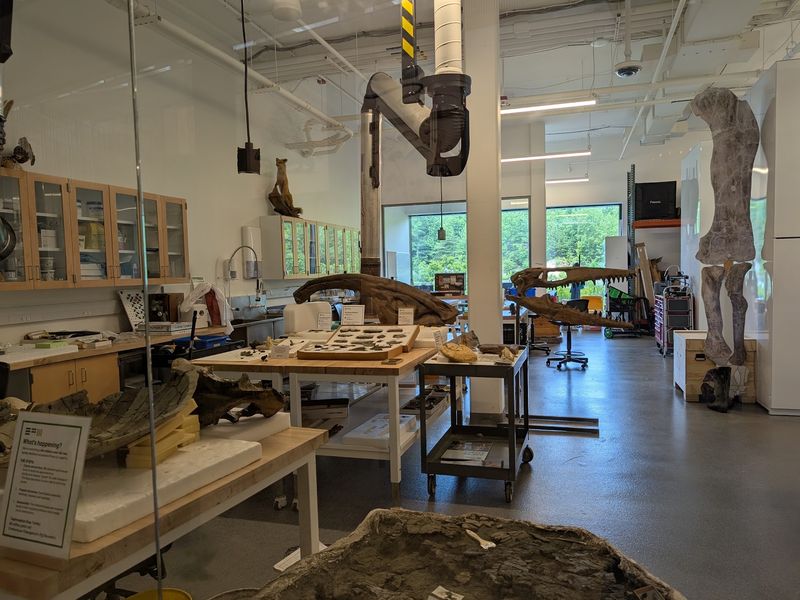
There is also a view into a workspace where fossils are being worked on, though the room itself is not open to the public. It adds another step to the story between a quarry find and a museum exhibit.
Here, local history is something people can study and take part in.
A Real Search in the Quarry
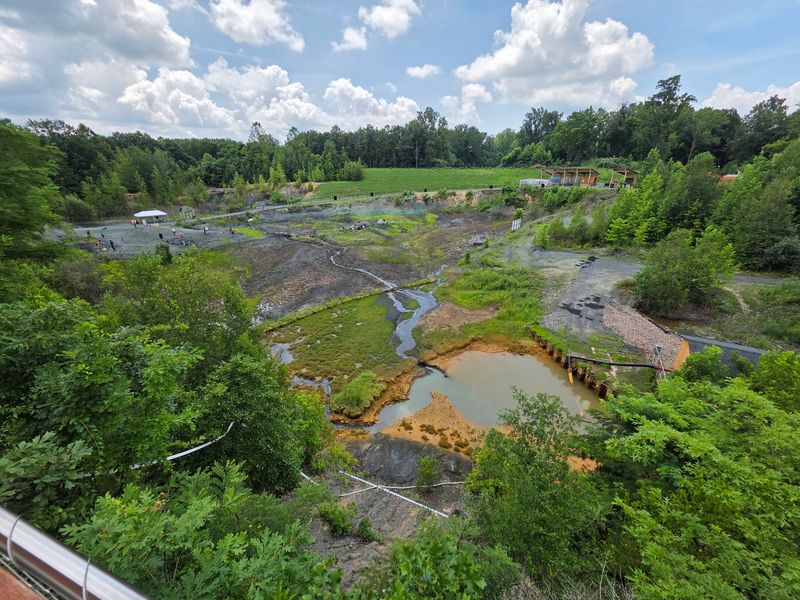
The quarry is where a museum day becomes an active search. Guests who book the dig can work through material at the site and look for real fossils, including shark teeth.
Finds are possible, not guaranteed, which is part of what makes each search its own experience.
Guides help participants understand the activity and examine what they uncover. That guidance is especially useful when a small object is hard to identify.
Accounts of visits describe shark teeth and other fossils found during digs, but no one should arrive expecting a particular result. Paying attention to the process is a better plan than setting a teeth-per-hour target.
The dig is a separate, timed activity with an additional fee, so it deserves a place in the schedule rather than a last-minute assumption. Closed-toe shoes are a sensible choice for quarry time.
For many guests, the appeal is simple: the museum does not stop at explaining fossil hunting; it lets them try it.
Dinosaurs, Marine Life and Interactive Galleries
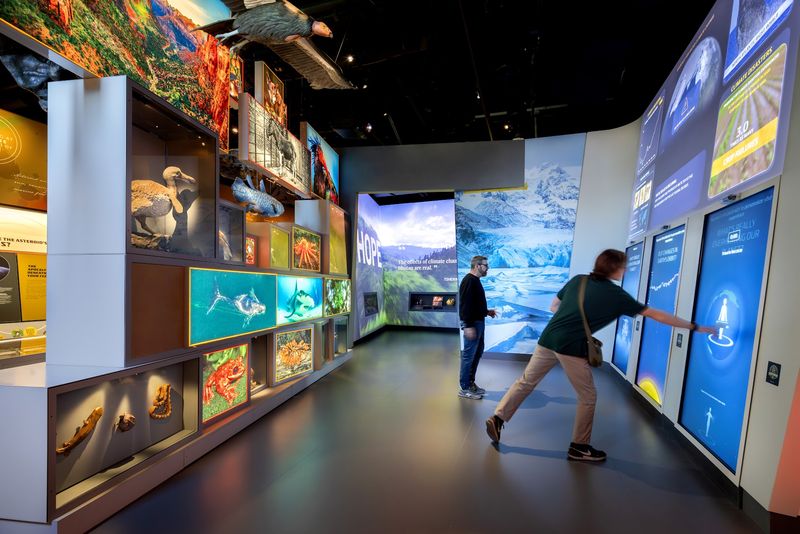
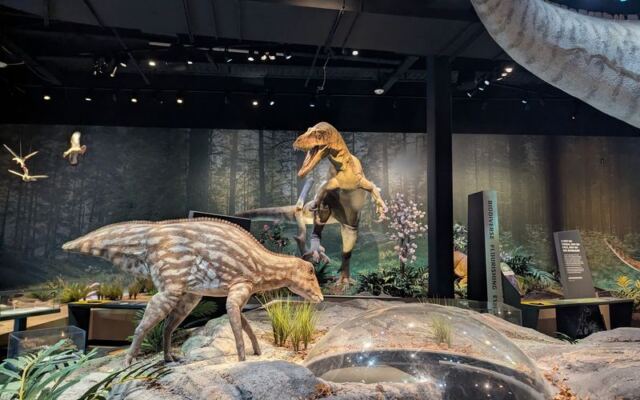
A quarry visit makes more sense after some time with the exhibits. Inside, the museum pairs fossil information with large prehistoric animal displays, including dinosaurs and marine reptiles.
Labels and explanations give guests a way to connect what they see with the animals and environments being discussed.
Interactive screens add another way to explore. Guests receive keycards that can be used at points throughout the museum, making the galleries more active than a simple sequence of display cases.
The building has two floors, with stairs and elevators available. Its scale is smaller than that of a large natural history museum, which may suit people who want a focused outing.
Not every gallery moment needs to be hurried toward the dig. The exhibits explain why the fossils matter and how researchers learn from them.
A family can move between reading, discussing and trying interactive elements before heading outside. By then, the quarry has become part of a larger question, not just a place to collect something small.
More to Explore Beyond the Main Galleries
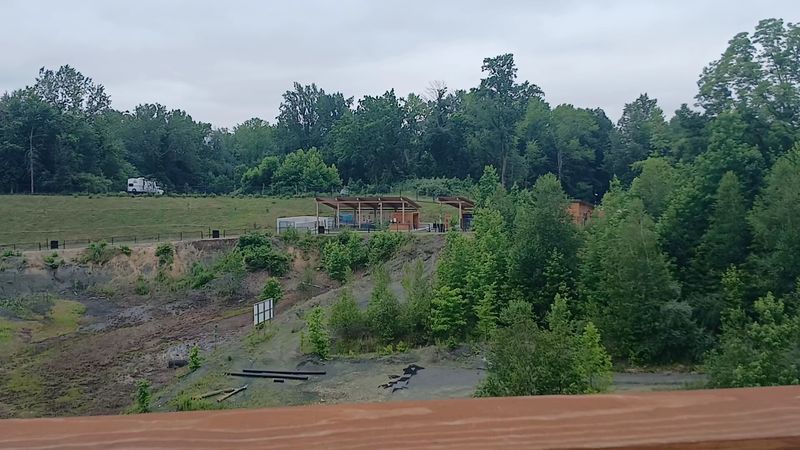
A fossil hunt is the headline activity, but it need not fill the whole day. The museum also has a virtual reality experience, described by guests as an optional, timed add-on.
Like the quarry dig, it carries an extra fee, so it is best treated as a choice rather than part of basic admission.
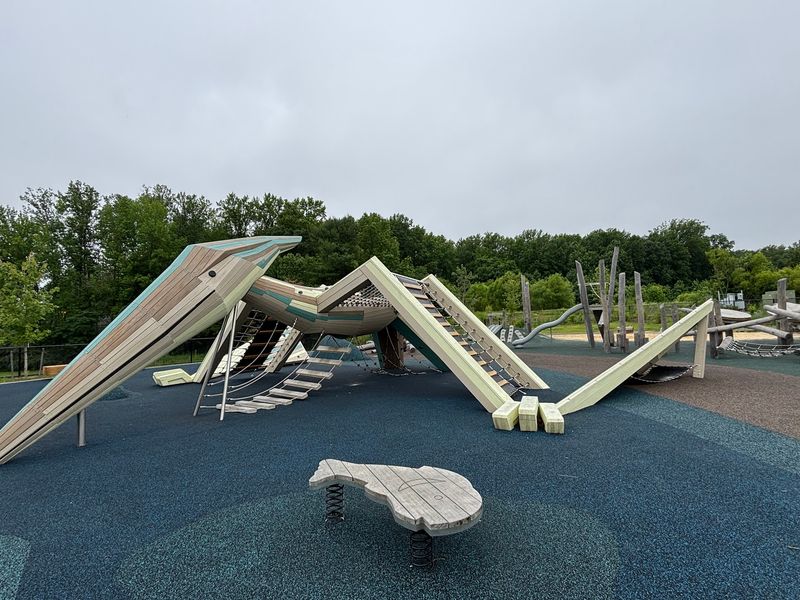
Elsewhere, Critter Cove includes live animals and a touch tank. Younger children have more room to vary the pace, with an outdoor pterosaur-themed playground and a small indoor play area also noted by guests.
Those stops give families options when attention shifts away from exhibit text.
The grounds offer walking trails, too, for anyone interested in extending the outing outdoors. A cafe and gift shop round out the museum facilities.
None of these features replaces the quarry, but together they explain why a visit can unfold in several ways. Some groups may spend their extra time playing; others may return to a favorite gallery.
An Outing for Curious Groups
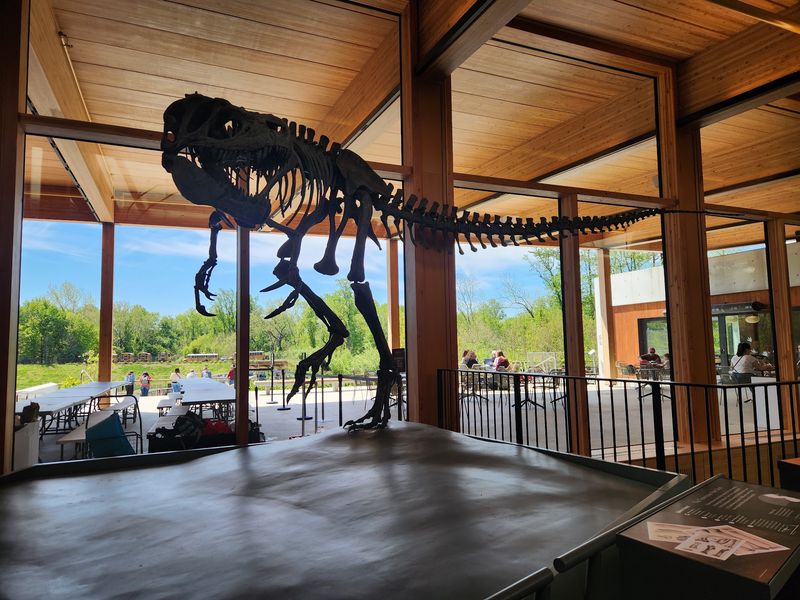
Ages and interests do not have to match perfectly for this trip to work. The galleries offer information for adults, interactive elements for children and a shared activity in the quarry for groups that choose to book it.
Families, couples and school groups have all made use of that mix.
Helpful staff and volunteers are a recurring part of the experience described by guests, particularly when questions come up in the exhibits or at the dig. That support can make an unfamiliar subject easier to approach.
Still, the quarry asks for patience. Some younger children may enjoy the playground more than a careful search through quarry material, and that is a useful distinction when planning.
The museum’s relatively compact size may also help groups decide how ambitious to make their day. There is enough to move among galleries, animals and outdoor areas without insisting that everyone do every activity.
The best itinerary is the one that leaves room for each person’s curiosity.
Hours, Tickets and a Quarry Plan
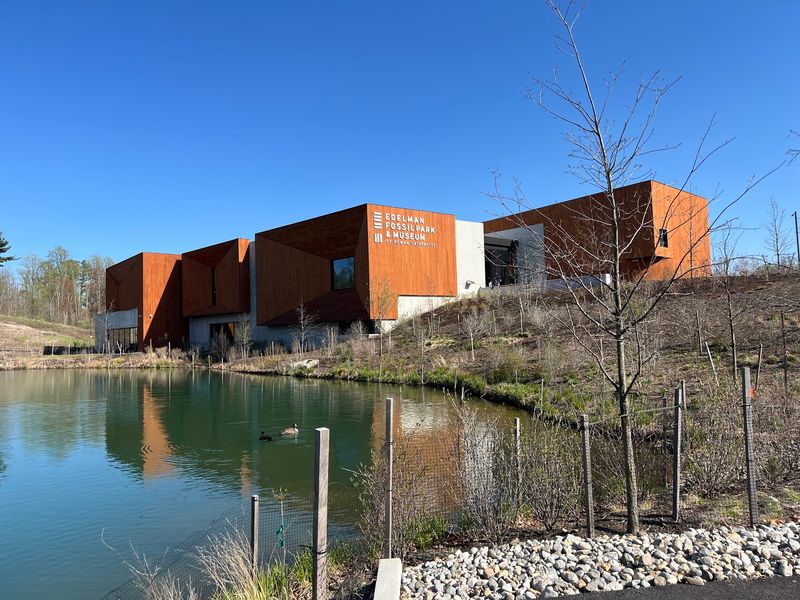
A little planning matters most if the quarry is the reason for the trip. The museum’s listed hours are 10 a.m. to 5 p.m. every day of the week.
The dig and virtual reality experience are timed add-ons with separate fees, and guests have noted that the quarry should be booked ahead.
Ticket amounts can vary by activity, so checking the museum’s website for current admission, add-on costs and available times is wiser than relying on an old price. Buying tickets before arrival can also make check-in more straightforward.
Closed-toe shoes belong on the quarry checklist, along with enough time to enjoy the galleries rather than racing straight to a reserved session.
Guests describe parking at the museum and an accessible building with ramps and elevators. Driving is a practical way to reach this Mantua Township destination; no transit route is established by the available information.
Once the reservations are set, the day has an easy outline: learn inside, search outside and leave time for anything else that catches the group’s interest.
A New Jersey Day Trip With a Point
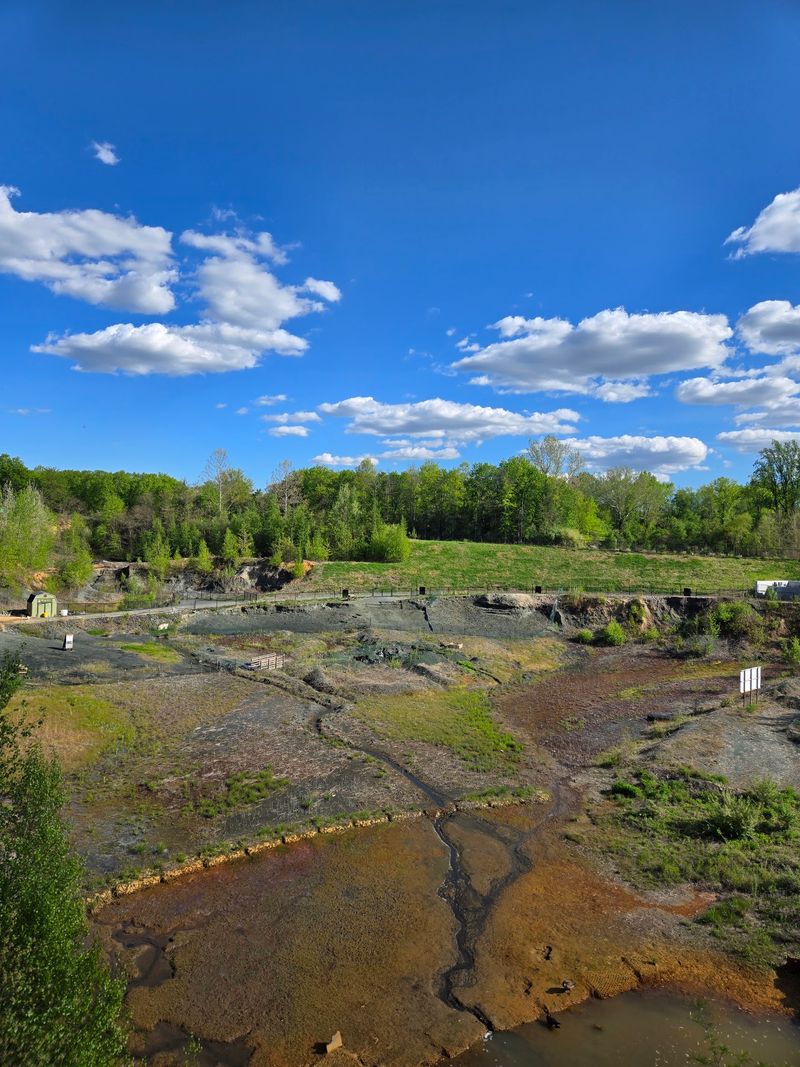
Shark teeth are a memorable reason to put Edelman Fossil Park & Museum on the calendar, but they are not the only reason to go. The strongest part of the outing is the link between learning about fossils indoors and searching for them outdoors.
Even a dig without the hoped-for find still shows how much attention the process takes.
That makes the museum a good fit for New Jersey residents who want a day trip with a clear purpose. It offers local prehistoric history, interactive galleries and optional activities that let families shape the visit around their interests.
The playground and trails can extend the day, while a shorter museum-focused visit remains possible.
The practical choice is to check current tickets and reserve a quarry session before leaving home. Then let the exhibits do some work before picking through the quarry material.
A small fossil may come home with you; either way, the place offers a more personal way to understand what lies beneath this part of New Jersey.
Share this story