Some bands are remembered as perfectly balanced units where every member contributes equally. Others eventually produce one musician whose songwriting, stage presence, or sheer commercial appeal becomes difficult to contain within the group’s identity.
That doesn’t mean the other members lacked skill. In many cases, the band itself created the environment where the future superstar first developed.
From blues-rock guitarists who rewrote the rules of live performance to pop singers who quietly wrote and produced nearly everything their group released, these 15 musicians eventually built careers that dwarfed the bands that first introduced them to the world. What makes these stories fascinating isn’t just the scale of their solo success, but how differently each transition happened.
Some left willingly, some were pushed by tension, and some simply grew in directions the group couldn’t follow. Each case offers a clear window into how individual talent, ambition, and timing can quietly outpace even a successful collective identity.
1. Eric Clapton, John Mayall & the Bluesbreakers
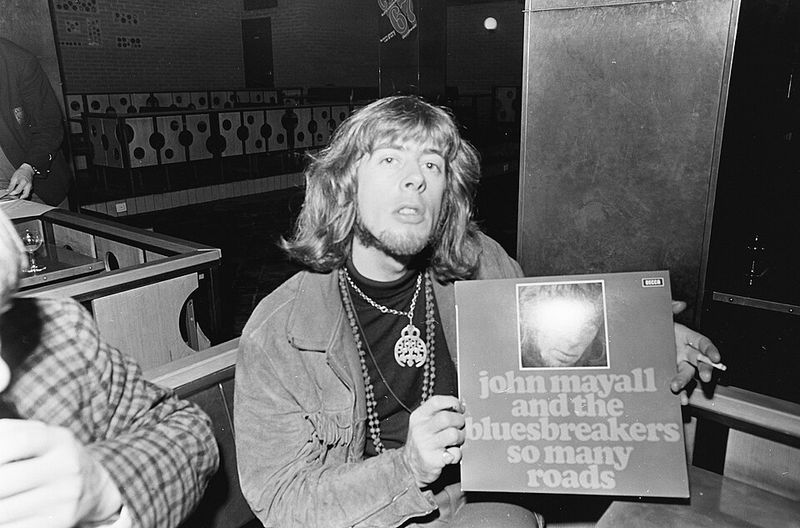
Graffiti reading “Clapton is God” started appearing on London walls while its subject was still technically just the guitarist in someone else’s band. Eric Clapton joined John Mayall’s Bluesbreakers in April 1965, and his impact was almost immediate.
The 1966 album “Blues Breakers with Eric Clapton,” nicknamed the Beano Album, introduced a guitar tone built from a Gibson Les Paul pushed through a Marshall amplifier that became enormously influential.
Clapton left the Bluesbreakers in July 1966, with Peter Green stepping into the role. He went on to form Cream, then Blind Faith, then Derek and the Dominos, and eventually built one of rock’s most recognized solo careers.
John Mayall remained a hugely respected figure in British blues history. But the young guitarist who passed through his band was already headed somewhere considerably larger.
2. Peter Frampton, Humble Pie
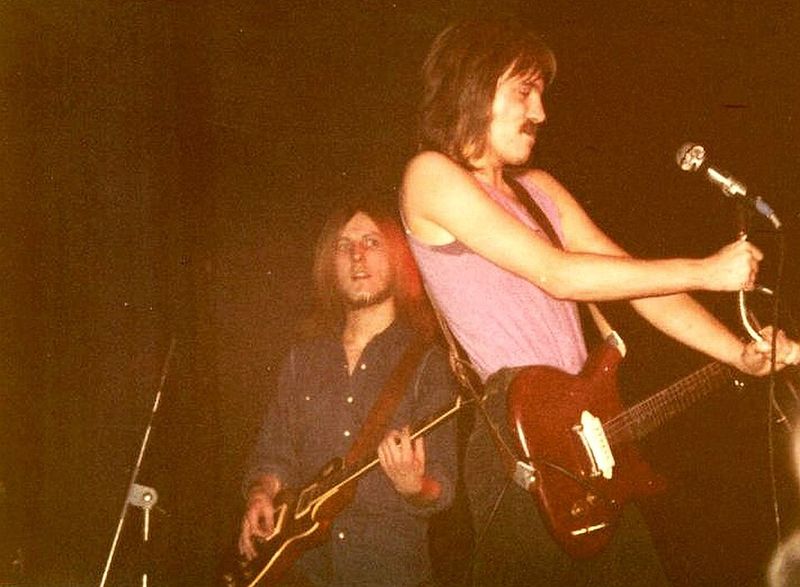
Nobody predicted that a live double album recorded across several concerts would turn a moderately successful solo guitarist into one of the biggest rock acts in America. Peter Frampton had left Humble Pie in 1971, a band that combined Steve Marriott’s powerful vocals with a muscular blues-rock sound.
His early solo records produced polite results rather than breakthroughs.
Then “Frampton Comes Alive” arrived in 1976 and changed everything. “Show Me the Way,” “Baby, I Love Your Way,” and “Do You Feel Like We Do” gave Frampton a commercial footprint Humble Pie never approached. His talk-box guitar technique became one of the most imitated sounds of the decade.
Humble Pie left a genuine mark on hard rock history. Frampton simply ended up somewhere their catalog could never have taken him.
3. Rod Stewart, Faces
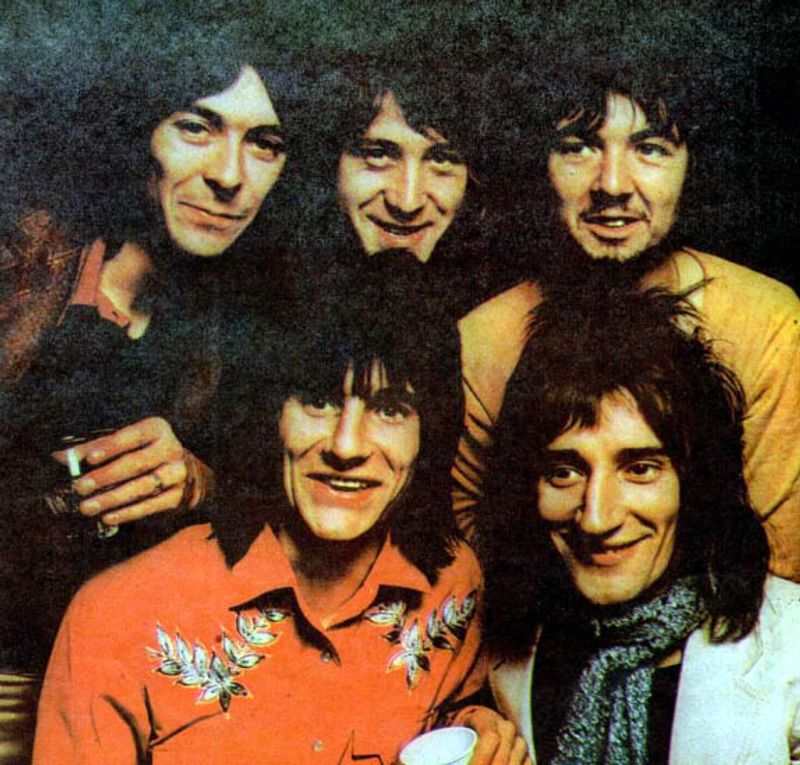
Faces were one of rock’s most entertaining live acts during the early 1970s, known for a loose, good-time energy that translated beautifully in concert. Rod Stewart fronted the group alongside Ronnie Wood, Ronnie Lane, Ian McLagan, and Kenney Jones, and together they produced enduring songs including “Stay With Me” and “Ooh La La.”
The unusual situation was that Stewart’s solo career was exploding at exactly the same time. His 1971 album “Every Picture Tells a Story” and its single “Maggie May” turned him into an international star while he was still technically Faces’ frontman.
That created an increasingly lopsided dynamic.
By the time Faces dissolved in 1975, Stewart’s individual identity had grown so large that the band’s name had effectively become secondary. His distinctive voice and personality were already carrying a career that needed no group to support it.
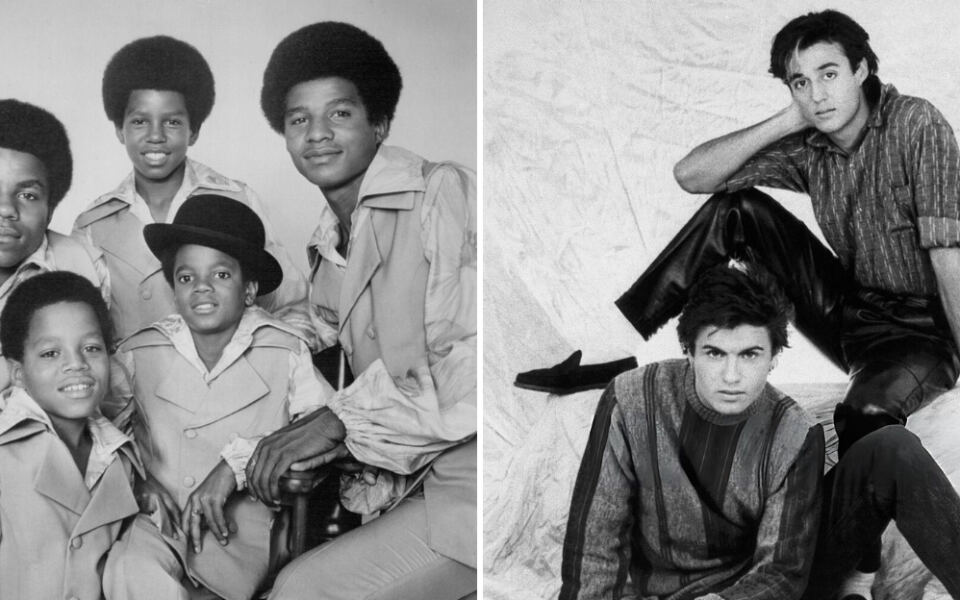
4. Michael Jackson, The Jackson 5
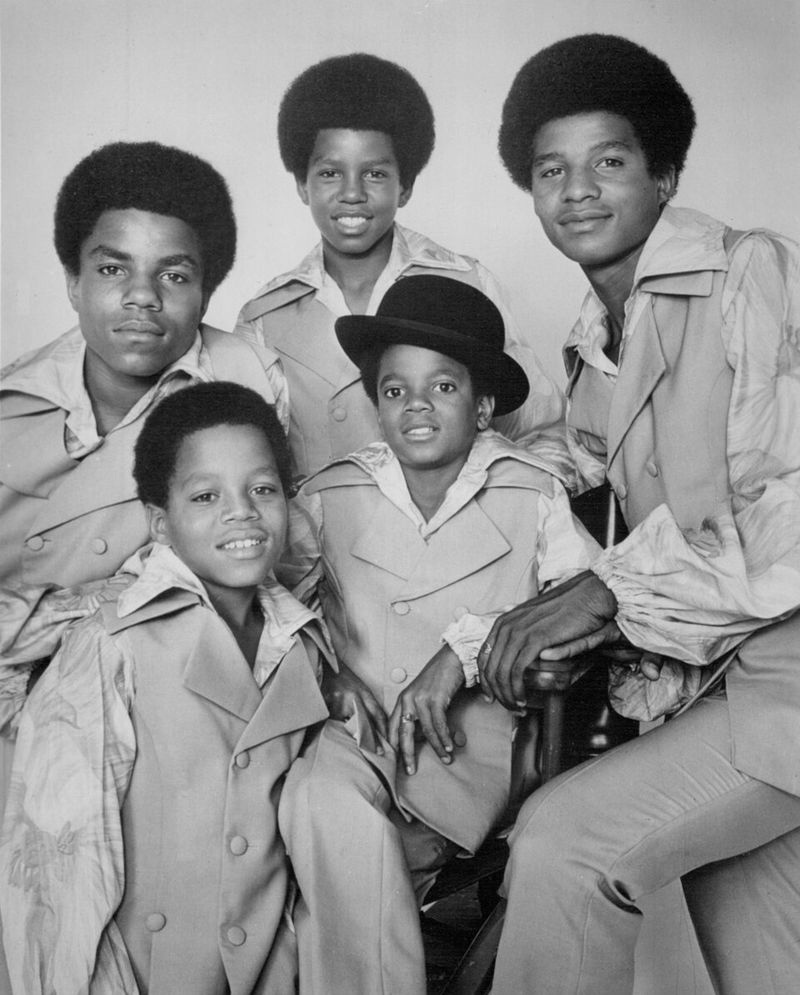
The Jackson 5 were not a minor starting point. They were one of Motown’s most commercially powerful acts, scoring four consecutive number-one singles starting with “I Want You Back” in 1969.
Even within that successful group, Michael Jackson attracted disproportionate attention from the beginning.
His voice, timing, and physical performance set him apart even as a child. As he matured, his ambitions moved well beyond the youthful pop sound Motown had built around the family. “Off the Wall” in 1979 established the adult version of his talent, and “Thriller” in 1982 became the best-selling album in recorded music history.
Jackson’s videos, choreography, and public persona became global cultural events on a scale no group could have generated. The Jackson 5 gave him his foundation.
What he constructed on top of it was in a category by itself.
5. Lionel Richie, Commodores
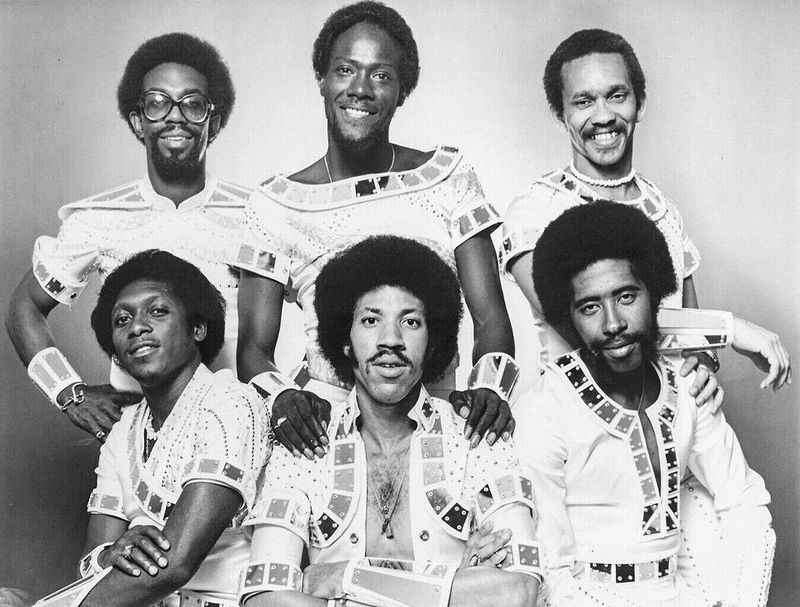
The Commodores were already a Motown success story before Lionel Richie’s songwriting instincts began pointing somewhere larger. The band could produce funk-driven material like “Brick House,” but Richie’s ballads revealed a talent for broad pop appeal that extended well beyond the group’s core audience. “Easy,” “Three Times a Lady,” and “Still” showed exactly where his instincts were heading.
His solo career launched in the early 1980s and accelerated quickly. “Truly,” “All Night Long,” “Hello,” and “Dancing on the Ceiling” made him one of the decade’s dominant pop figures. He also co-wrote “We Are the World” with Michael Jackson in 1985, placing him at the center of one of pop music’s most visible charitable moments.
The Commodores continued after his departure. Richie’s crossover appeal, however, had already carried him into commercial territory the group was never positioned to reach.
6. George Michael, Wham!
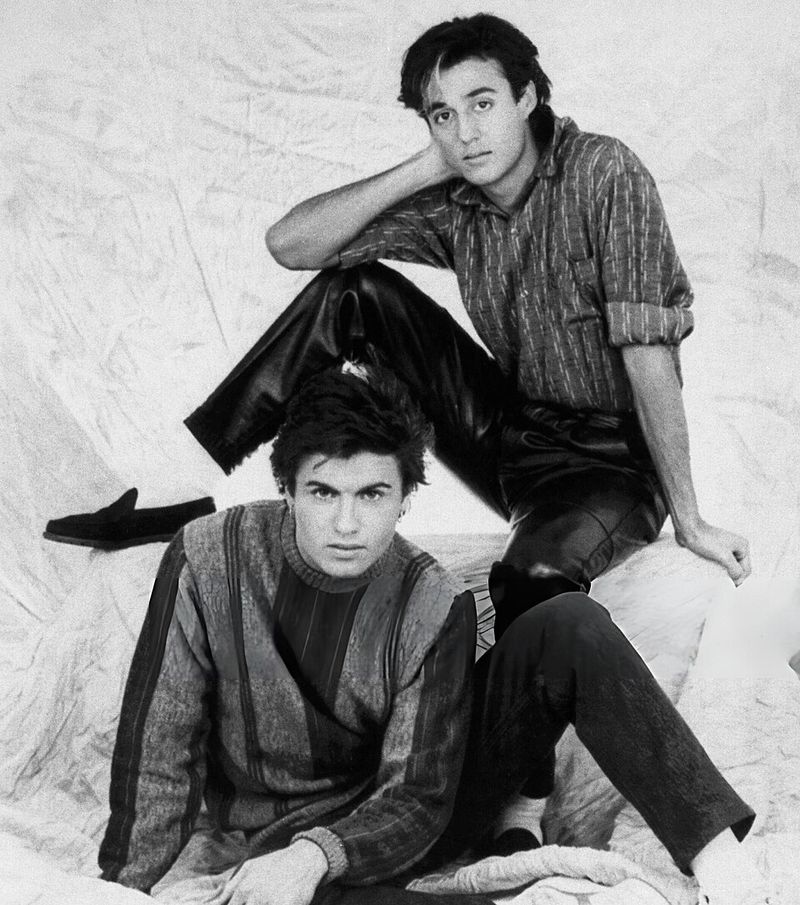
Wham! produced some of the most recognizable pop singles of the 1980s, including “Wake Me Up Before You Go-Go,” “Everything She Wants,” and “Freedom.” What became increasingly clear was that George Michael was writing, producing, and shaping nearly all of it. Even “Careless Whisper,” which functioned as a George Michael showcase, hinted at the solo career taking shape beneath the surface.
When “Faith” arrived in 1987, the transformation was complete. Michael moved fluidly between pop, soul, funk, and heartfelt ballads, demonstrating a range that the Wham! image had never fully required of him.
The album sold over 25 million copies worldwide.
Wham! made him famous and gave him a platform millions of artists would have been grateful to have. What followed showed that the platform had only been the starting point for a much more ambitious musical identity.
7. Phil Collins, Genesis
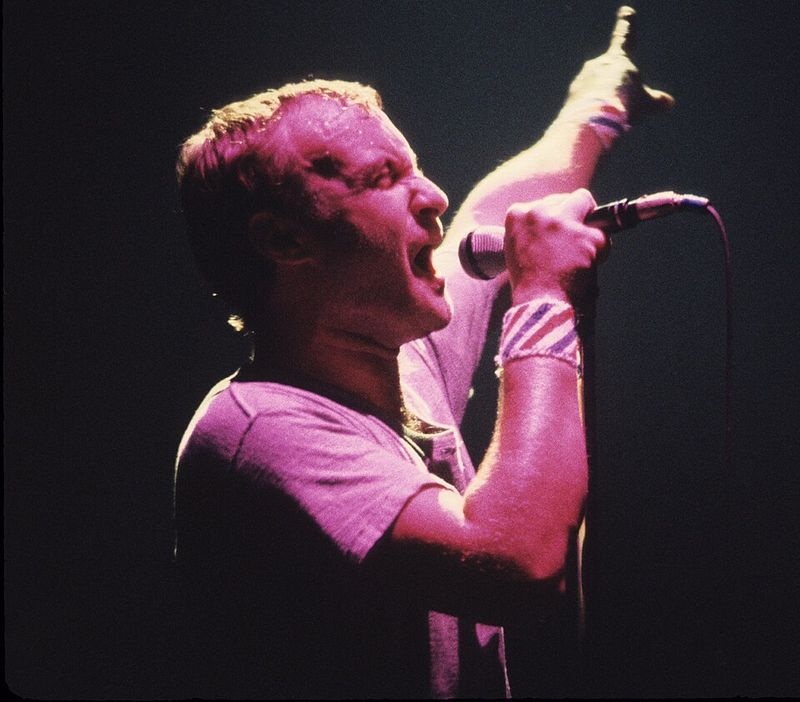
Phil Collins didn’t leave Genesis to become a solo star. He did both simultaneously, which makes his case genuinely unusual on this list.
Collins joined Genesis as the drummer in 1970. After Peter Gabriel’s departure in 1975, Collins stepped into the vocalist role and the band didn’t decline.
It became significantly more commercially successful.
His solo debut “In the Air Tonight” in 1981 immediately established a separate identity, and his individual run of hits through the 1980s was extraordinary. He also appeared at both the Philadelphia and London stages of Live Aid in 1985, famously crossing the Atlantic on Concorde to perform on two continents in a single day.
Genesis remained a massive act throughout. Collins somehow became an even bigger individual celebrity than one of the world’s most successful bands.
That combination has almost no parallel in rock history.
8. Sting, The Police
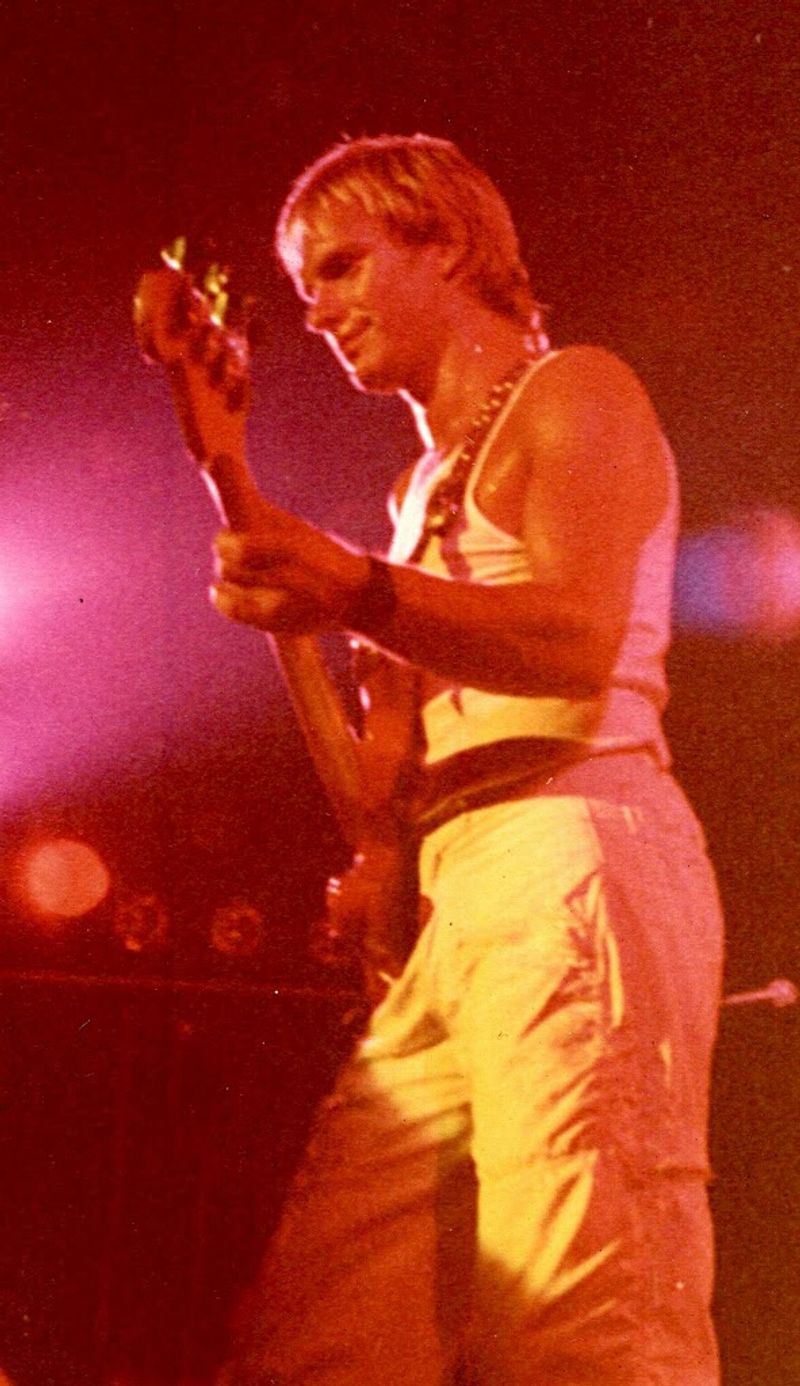
The Police accomplished something genuinely rare: they combined punk urgency, reggae-influenced rhythms, and sophisticated pop songwriting into a sound that was immediately identifiable. By the time “Synchronicity” reached number one in 1983, they were among the biggest bands on the planet. “Every Breath You Take” became one of the most-played songs in radio history.
Sting’s solo debut, “The Dream of the Blue Turtles” in 1985, made clear he wasn’t interested in simply recreating the Police formula. He assembled a jazz-influenced band and explored more complex arrangements.
The creative distance between his solo work and the group’s catalog was deliberate and significant.
The Police had already reached the top of the commercial mountain. What Sting proved afterward was that walking away from that position didn’t reduce his relevance.
His solo catalog extended across four decades and multiple musical directions.
9. Paul Simon, Simon & Garfunkel
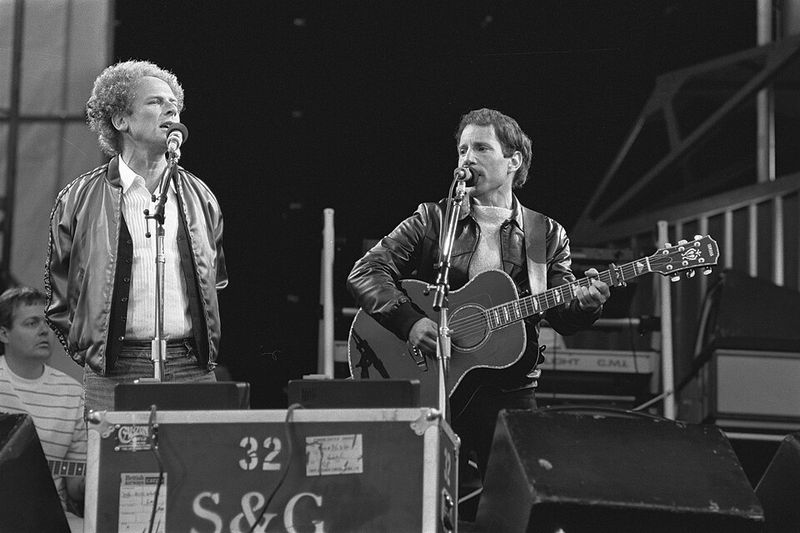
Art Garfunkel’s voice was a central part of what made Simon and Garfunkel so distinctive. That fact is worth acknowledging clearly, because the partnership produced some of the most celebrated popular music of the 1960s. “The Sound of Silence,” “Mrs. Robinson,” “The Boxer,” and “Bridge Over Troubled Water” remain among the most recognized recordings of the era.
Paul Simon wrote all of it. After the duo split in 1970, his solo career moved steadily toward greater musical range.
He explored reggae, gospel, jazz, and Latin influences across several well-received albums before “Graceland” in 1986 brought South African musical traditions into a mainstream context and won the Grammy for Album of the Year.
Simon and Garfunkel’s cultural footprint remained enormous. Simon’s solo output, however, demonstrated that his songwriting curiosity had enough energy to sustain a completely independent career across several decades.
10. Van Morrison, Them
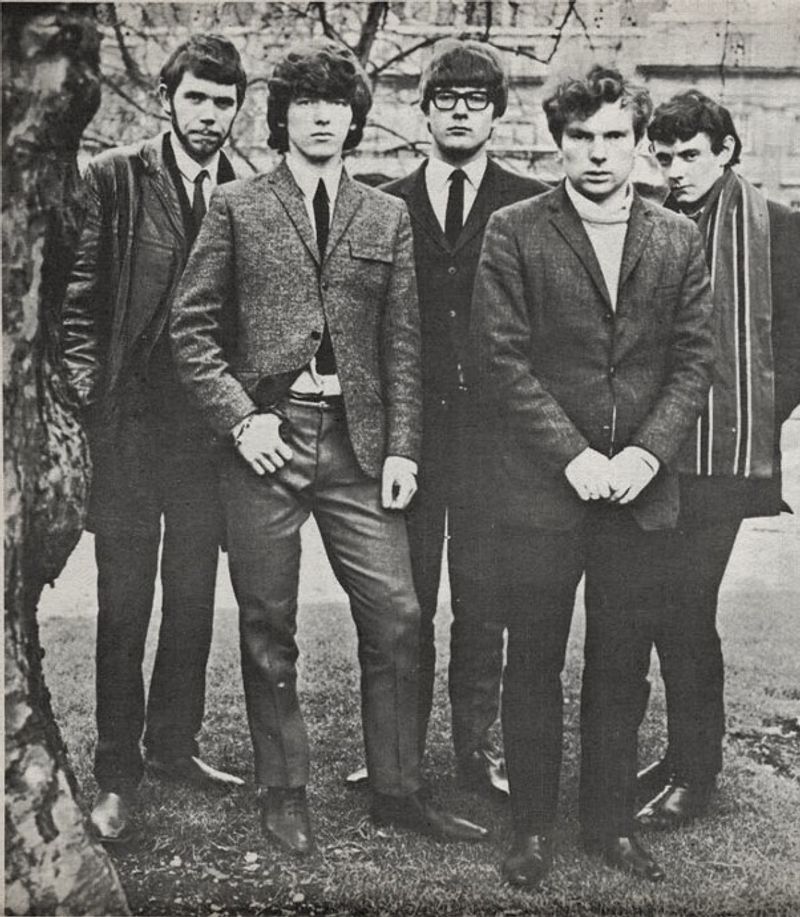
Them recorded “Gloria” in 1964, and the song became one of garage rock’s most enduring standards, covered by everyone from the Shadows of Knight to Patti Smith. Van Morrison’s voice was the unmistakable center of that recording, raw and commanding in a way that stood apart from most British R&B groups of the period.
His ambitions quickly outpaced what a conventional rock group could accommodate. After leaving Them, “Brown Eyed Girl” gave him an early solo hit in 1967.
Then came “Astral Weeks” in 1968, an album that drew freely from jazz, folk, blues, and Celtic influences and operated almost entirely outside the boundaries of commercial pop.
“Moondance” followed in 1970 and expanded his audience considerably. Them had been a strong band with genuine recordings to their name.
Morrison became an artist whose catalog generated serious critical discussion for decades after those early club years.
11. Neil Young, Buffalo Springfield
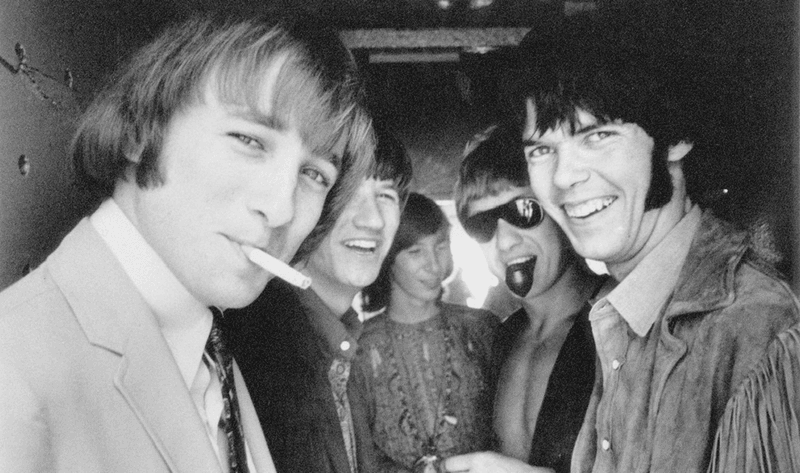
Buffalo Springfield packed an unusual amount of songwriting talent into a band that lasted only about two years. Stephen Stills, Richie Furay, and Neil Young all brought strong individual voices to the group.
Their recordings helped establish the folk-rock and country-rock sounds that would define the following decade’s California music scene.
Young was already developing in directions that were difficult to contain within a group format. After the band dissolved in 1968, he launched a solo career and began working with Crazy Horse. “Everybody Knows This Is Nowhere,” “After the Gold Rush,” and “Harvest” arrived in quick succession and positioned him as one of his generation’s defining singer-songwriters.
He then spent decades refusing to stay in any single musical lane, shifting between acoustic folk, electric rock, country, and electronic experiments. Buffalo Springfield remains historically significant.
Young’s solo trajectory simply grew too large for that chapter to be anything other than his opening act.
12. Peter Gabriel, Genesis
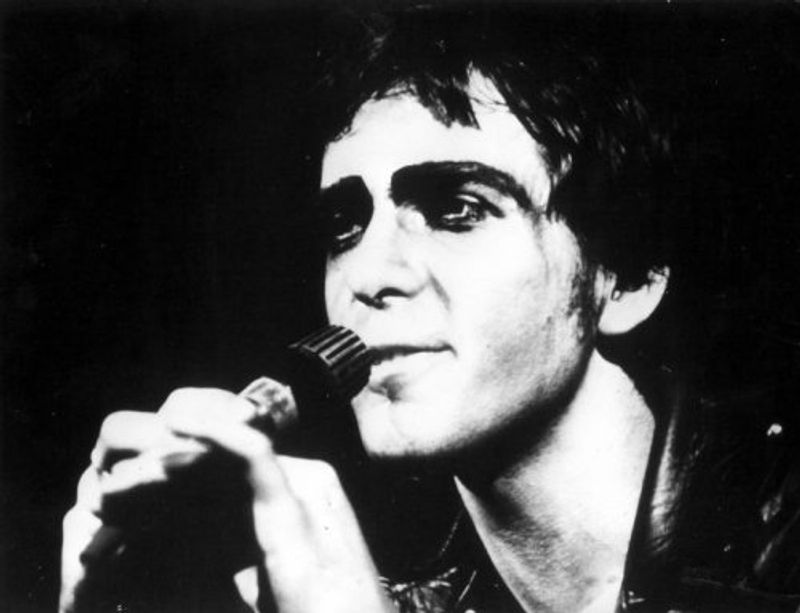
Early Genesis concerts were unlike almost anything else happening in rock during the early 1970s. Peter Gabriel appeared in elaborate costumes representing different characters from the band’s conceptual albums, turning performances into theatrical events.
Albums like “Selling England by the Pound” and “The Lamb Lies Down on Broadway” built a devoted following around that approach.
Gabriel left in 1975 and spent several years constructing a solo identity built on experimentation rather than extending the Genesis framework. “Solsbury Hill” and “Games Without Frontiers” expanded his audience before “So” in 1986 made him a genuine mainstream star. “Sledgehammer” and its groundbreaking stop-motion video became one of the defining MTV moments of the decade.
The remarkable detail is that Genesis became commercially larger after his departure, with Collins taking over vocals. Gabriel outgrew the band’s original creative structure while the band simultaneously reinvented itself and prospered under entirely different terms.
13. Bryan Ferry, Roxy Music
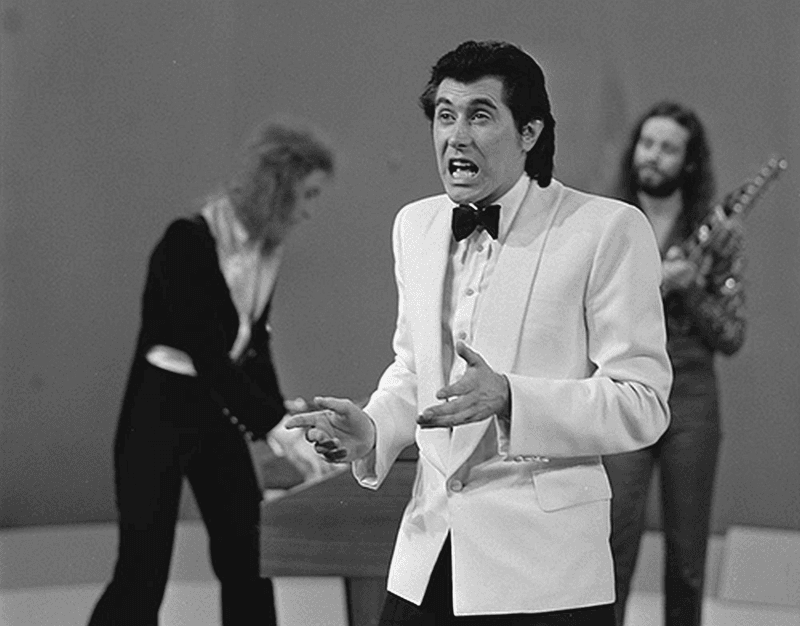
Roxy Music arrived in 1972 looking and sounding like they had skipped ahead of contemporary trends. Bryan Ferry’s voice, image, and songwriting were central to an identity that blended glam rock, art rock, fashion, and electronics into something genuinely original.
Brian Eno, Phil Manzanera, and Andy Mackay contributed to a lineup that influenced post-punk, new wave, and synth-pop artists throughout the following decade.
Ferry began releasing solo albums while Roxy Music was still active, initially covering songs by other writers alongside his own material. His individual persona grew more prominent with each passing year.
After Roxy Music’s “Avalon” became a major success in 1982, he shifted his primary focus to solo work.
“Slave to Love” and other solo recordings reinforced the elegant, carefully constructed persona he had developed throughout the 1970s. Roxy Music’s legacy remained intact.
Ferry simply proved that much of its sophistication resided specifically in him.
14. Kenny Rogers, The First Edition
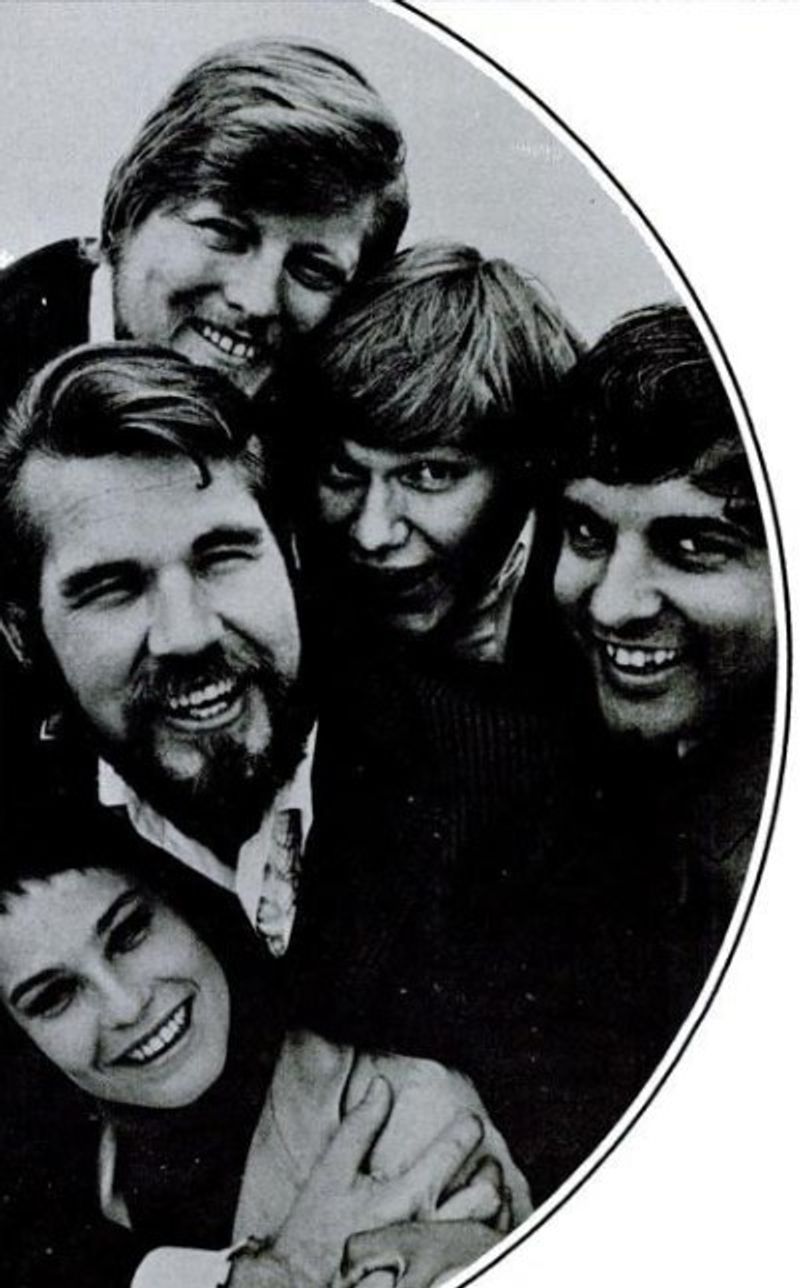
Before the beard, the gravelly storytelling voice, and the country music empire, Kenny Rogers was fronting a psychedelic pop-rock group that recorded one of the stranger hits of the late 1960s. “Just Dropped In (To See What Condition My Condition Was In)” reached the top five in 1968 and sounded nothing like the music that would later define his career. The First Edition also produced “Ruby, Don’t Take Your Love to Town,” which showed the storytelling instinct that eventually found its proper home in country music.
When the group dissolved, Rogers moved toward Nashville and discovered a commercial identity that clicked immediately. “Lucille” broke through in 1977, followed by “The Gambler,” “Coward of the County,” and “Lady.”
The First Edition gave Rogers genuine hits and valuable performing experience. His solo career turned him into one of country music’s most recognized crossover stars of the late 20th century.
15. Don Henley, Eagles
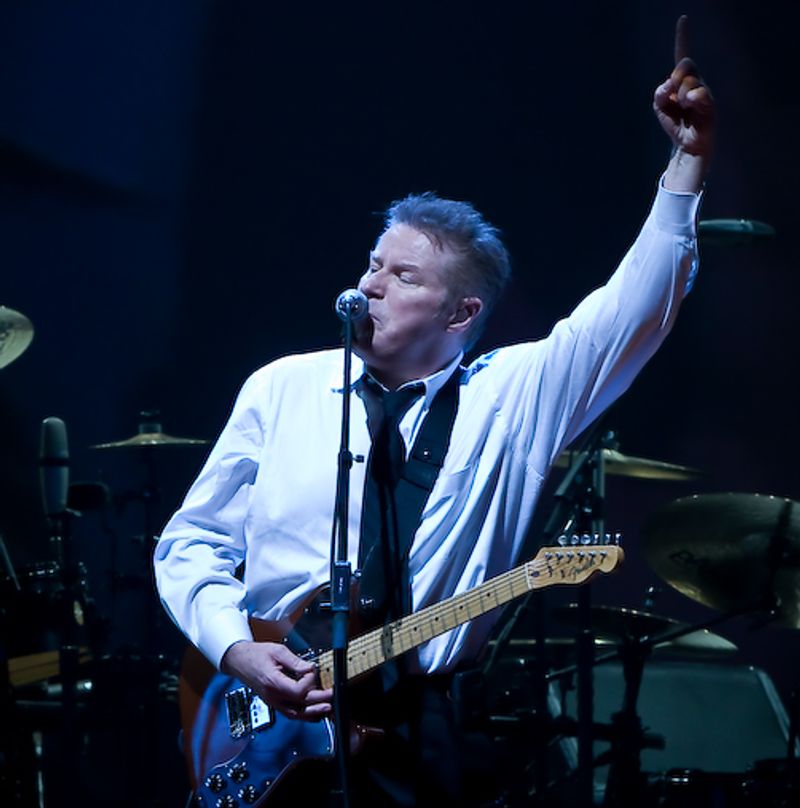
Calling any single member too talented for the Eagles would be an overstatement. The group contained an exceptional collection of singers, instrumentalists, and songwriters.
Don Henley and Glenn Frey formed the central creative partnership during the band’s most commercially successful period, producing “Desperado,” “One of These Nights,” and “Hotel California” together.
When the Eagles split in 1980, Henley’s solo career took a noticeably different direction. He moved toward a sharper, more contemporary sound. “Dirty Laundry” in 1982 and “The Boys of Summer” in 1984 established him as one of the most successful solo artists to come from a major 1970s rock band. “The End of the Innocence” in 1989 added another layer to that reputation.
The Eagles eventually reunited and remained enormously popular. What Henley’s solo output confirmed was that his songwriting identity was strong enough to fill arenas and dominate radio entirely on its own terms.
Share this story