The guitar usually gets the glory, and the singer gets the spotlight. Meanwhile, the bass player can quietly be doing something extraordinary underneath both of them.
Some bass lines are so famous that everyone recognizes them immediately, while others are hiding inside huge songs, doing far more work than casual listeners ever realize. Take away the bass and suddenly the groove disappears, the chorus loses its punch, or the entire recording feels strangely empty.
These 20 bass riffs and bass lines span decades of rock, funk, metal, and pop, from the early 1960s through the early 1990s. Each one shaped how a song sounds, even if the bass rarely gets the credit.
Whether you are a lifelong music fan or someone who has never thought much about the low end, this list offers a reason to revisit some familiar recordings with fresh ears. Put on headphones, turn up the bass, and prepare to hear these songs in a completely different way.
1. The Real Me, The Who
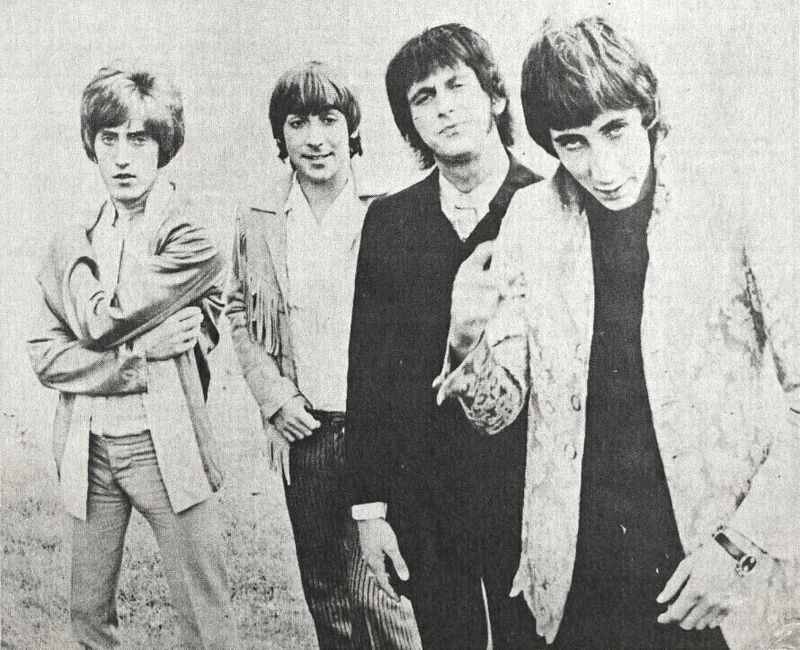
John Entwistle, nicknamed Thunderfingers, didn’t approach this track like a bassist politely supporting the rest of the band. Released on Quadrophenia in 1973, the song finds him racing around Roger Daltrey’s vocal with runs that sound like a second lead instrument.
Instead of simply following Pete Townshend’s guitar, the bass constantly moves, filling spaces and pushing against Keith Moon’s explosive drumming. That combination should have created chaos.
Somehow, it works.
Many consider Quadrophenia to feature Entwistle’s finest studio performance on bass, yet this particular track still deserves far more attention outside musician circles.
2. Rain, The Beatles
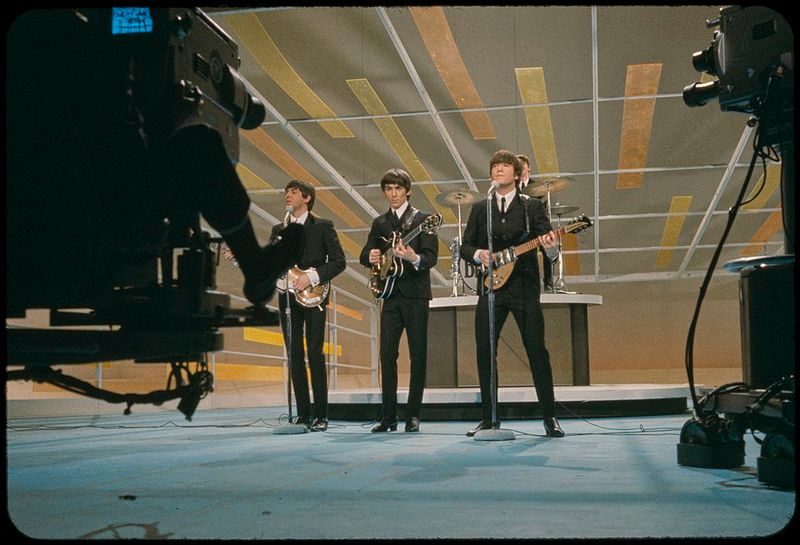
Paul McCartney’s melodic approach to bass changed dramatically during the Beatles’ mid-1960s studio years, and this track is one of the clearest places to hear that transformation. Released as the B-side of Paperback Writer in 1966, the bass part refuses to sit quietly underneath the melody.
McCartney moves around the chords with a thick, prominent sound, creating phrases that function almost like miniature melodies of their own. The recording used altered tape speeds, but beneath all that studio innovation is a remarkably confident rhythm section.
Ringo Starr considers this his finest recorded drum performance, which tells you something about the quality of the whole track.
3. Ramble On, Led Zeppelin
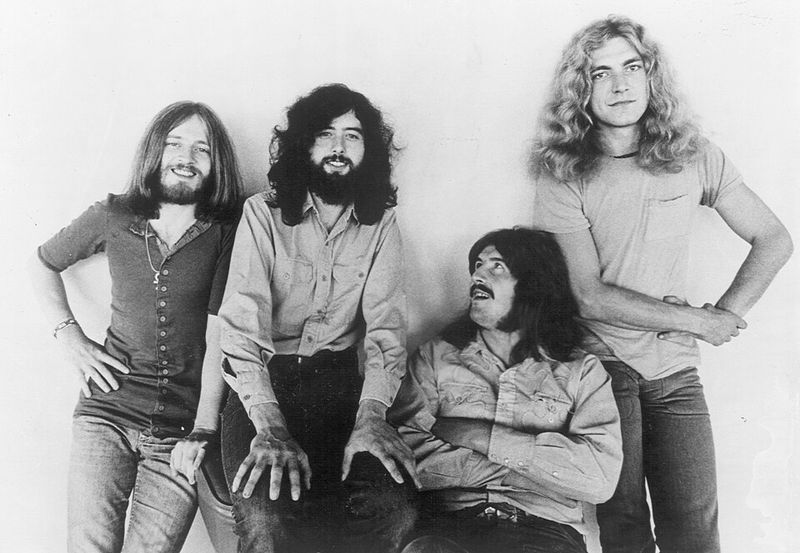
John Paul Jones had the difficult job of providing a foundation beneath Jimmy Page, Robert Plant, and John Bonham without disappearing behind them. On this 1969 track from Led Zeppelin II, he does far more than hold everything together.
The song moves between restrained verses and heavier choruses, and Jones’ bass uses varying note values, including quarter-notes, eighth-notes, and 16th-note turnarounds, to build tension before the full band expands. Bassist Michael Anthony of Van Halen has specifically cited this song as an example of Jones’ exceptional melodic playing.
That kind of peer recognition speaks to a performance that rewards careful listening every single time.
4. Hey Bulldog, The Beatles
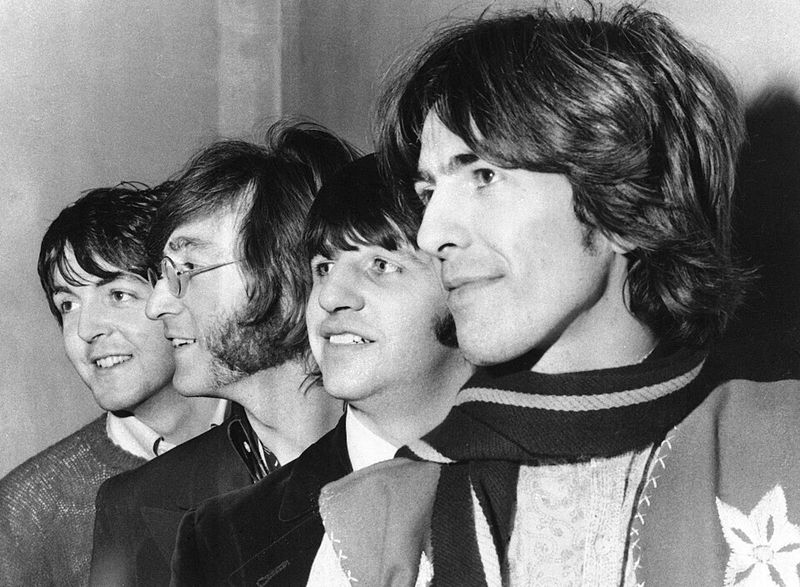
Even among Beatles songs, this track spent years living slightly outside the spotlight. Recorded on February 11, 1968, at Abbey Road Studios, the song was originally titled Hey Bullfrog before Lennon and McCartney ad-libbed barking sounds during the session and changed course.
McCartney’s bass is aggressive, melodic, and unusually busy throughout. Recording engineer Geoff Emerick praised the performance as McCartney’s most inventive bass playing since Sgt.
Pepper’s Lonely Hearts Club Band.
The track was cut from the American version of the Yellow Submarine film but restored in the 1999 re-release, giving it a second chance at the recognition it always deserved.
5. Fascination Street, The Cure
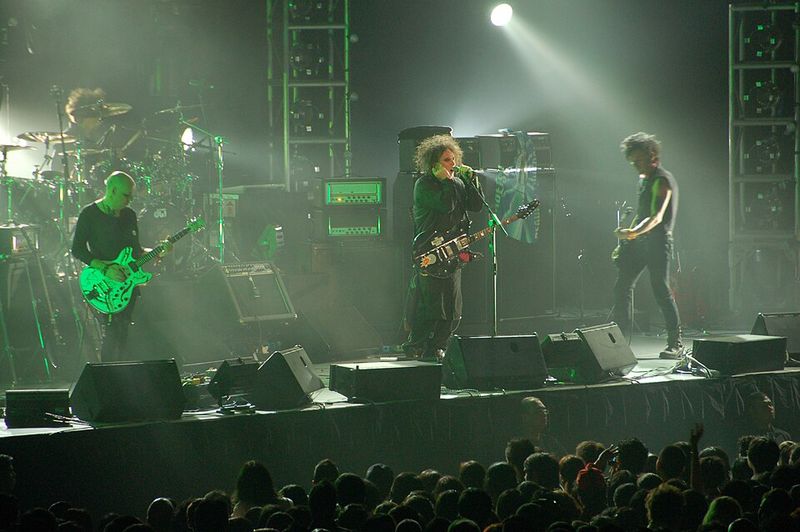
The Cure aren’t usually the first band mentioned in conversations about great bass riffs, but Simon Gallup’s work here makes a strong argument for including them more often. His bass establishes the song’s dark, hypnotic pulse almost immediately on this track from Disintegration, released in 1989.
Gallup emphasizes forward momentum using eighth notes and octave jumps, creating a consistent push without overplaying. His ability to make repetition feel like obsession rather than boredom is central to why the riff works.
Remove it and the song loses much of its intensity. Sometimes the most effective bass riff isn’t the most technically complicated one.
6. Into the Mystic, Van Morrison
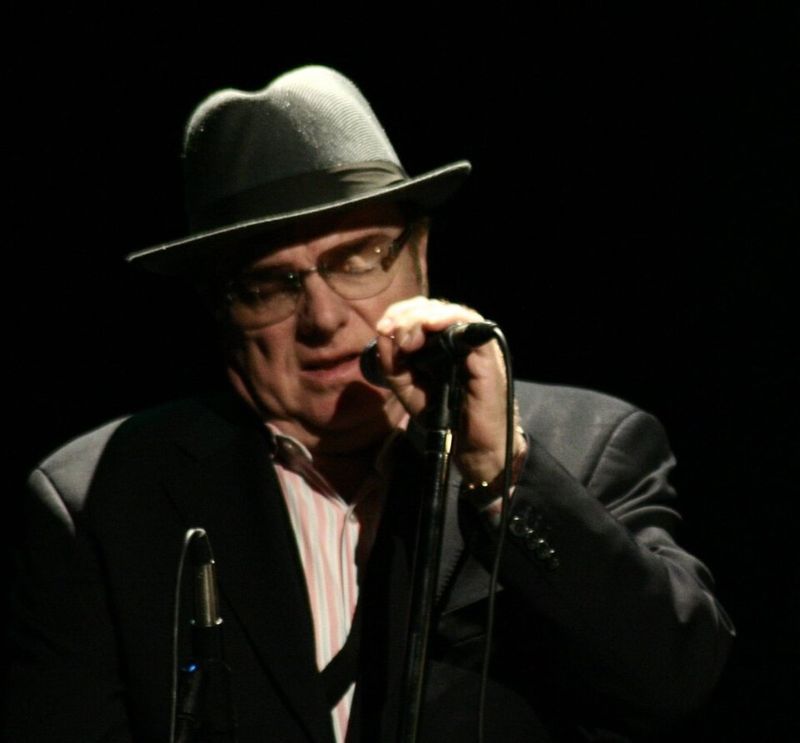
Van Morrison’s Into the Mystic is usually remembered for its vocal and poetic imagery. Listen underneath those elements and there is another reason the recording works so effectively.
John Klingberg’s bass, recorded in August 1969 for the Moondance album, anchors the mostly acoustic track with a walking bass line that carries a soft jazz swing.
His playing has been described as loose and improvised, allowing him to move freely through the chord changes in a way that transcends the boundary between pop and jazz.
Some great bass performances announce themselves immediately. This one reveals its importance only when you deliberately focus on it.
7. One of These Nights, Eagles
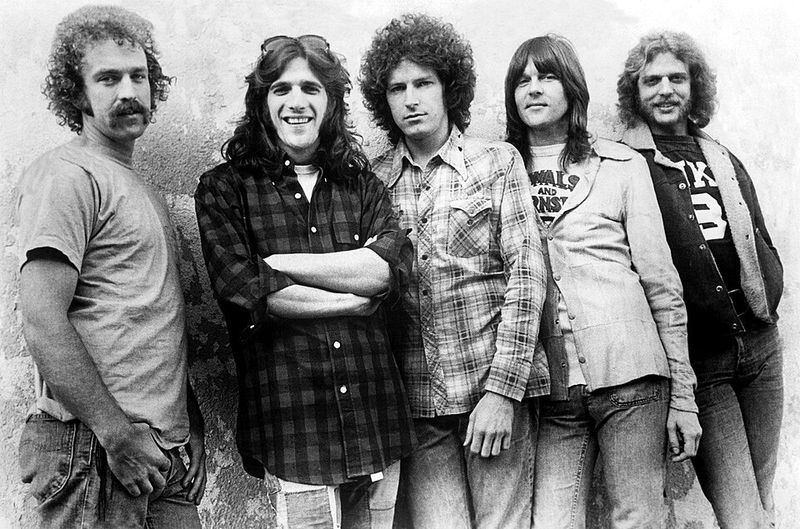
The opening of One of These Nights immediately signals that this isn’t going to be a straightforward country-rock song. Randy Meisner’s bass delivers a pulsating, syncopated groove that pushed the Eagles toward R&B territory in a way their earlier material hadn’t attempted.
Guitarist Don Felder has stated in interviews that he composed the iconic intro bass riff when Meisner was snowed in, then taught it to Meisner, who played it on the record. The track reached number one on the Billboard Hot 100 in 1975.
Meisner’s tasteful, melodic playing is a major reason that groove exists at all, yet it rarely receives the attention it deserves.
8. I’m Running, Yes
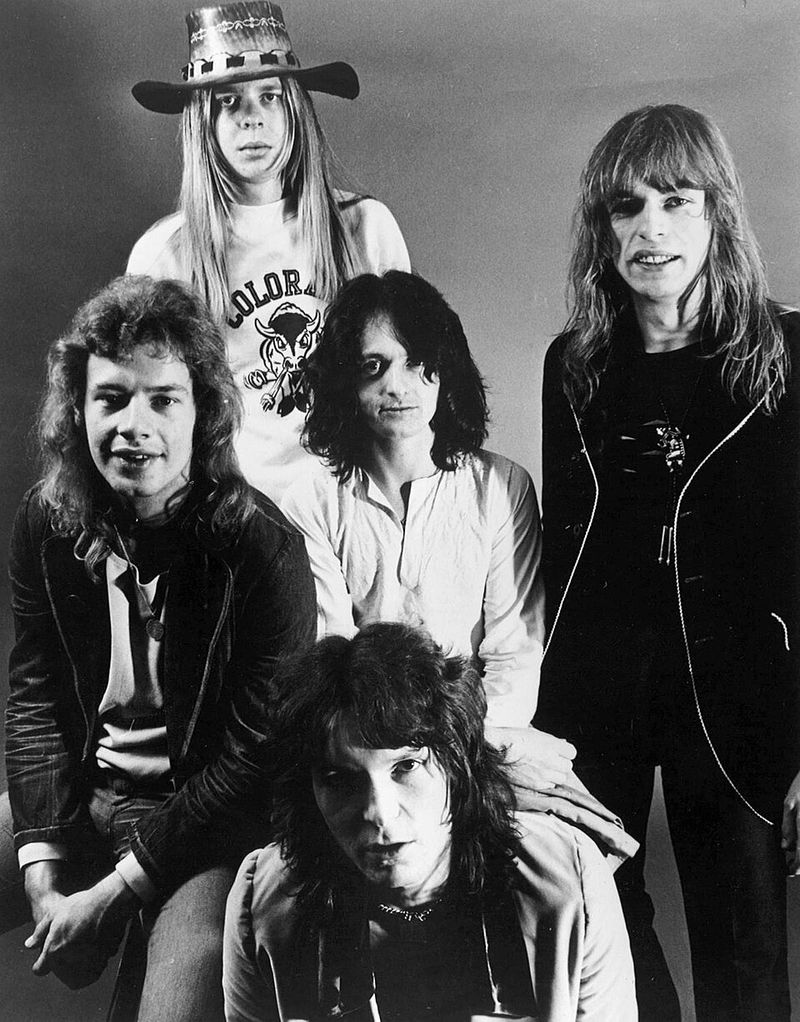
Chris Squire’s bass was never designed to disappear quietly into a mix. On this track from Yes’s 1987 album Big Generator, his crisp bass riff opens the song and introduces Caribbean-influenced rhythmic overtones that give the track an unusual character.
The song moves through sections that hint at the band’s progressive rock past while incorporating the more polished production typical of the era. Squire maintains his characteristic incisive tone and melodic approach even within that contemporary framework.
Plenty of people know Squire was brilliant. Fewer immediately reach for this track when demonstrating exactly why his bass playing was so consistently inventive across different periods of Yes.
9. Dragon Attack, Queen
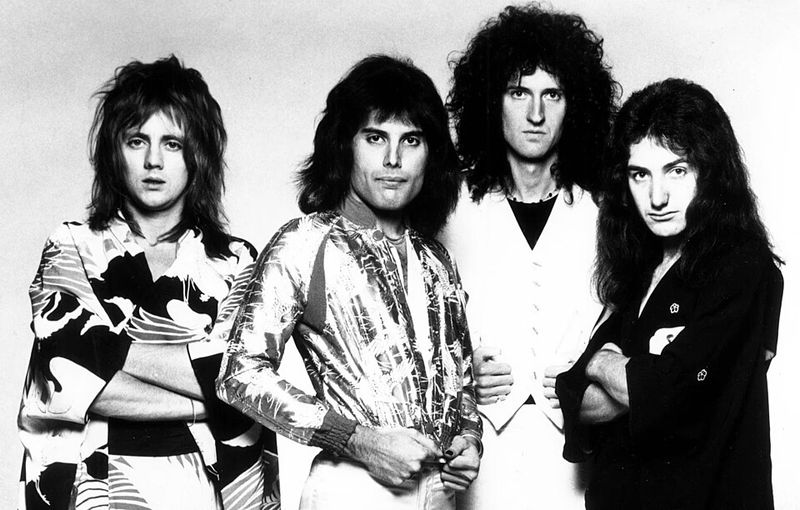
Queen could have built this track entirely around Brian May’s guitar. Instead, John Deacon supplies one of its most important ingredients.
Released on The Game in 1980, the song evolved from a jam session and was written by May with the intention of creating something stripped-down and open.
Deacon’s bass delivers what has been described as a monster groove with surgically precise funk, maintaining a muscular riff while the rest of the band works around it. The track functions as a preview of the funk direction Queen would explore more explicitly on Another One Bites the Dust.
Deacon’s sense of rhythm was essential to that shift, and Dragon Attack is where it first becomes undeniable.
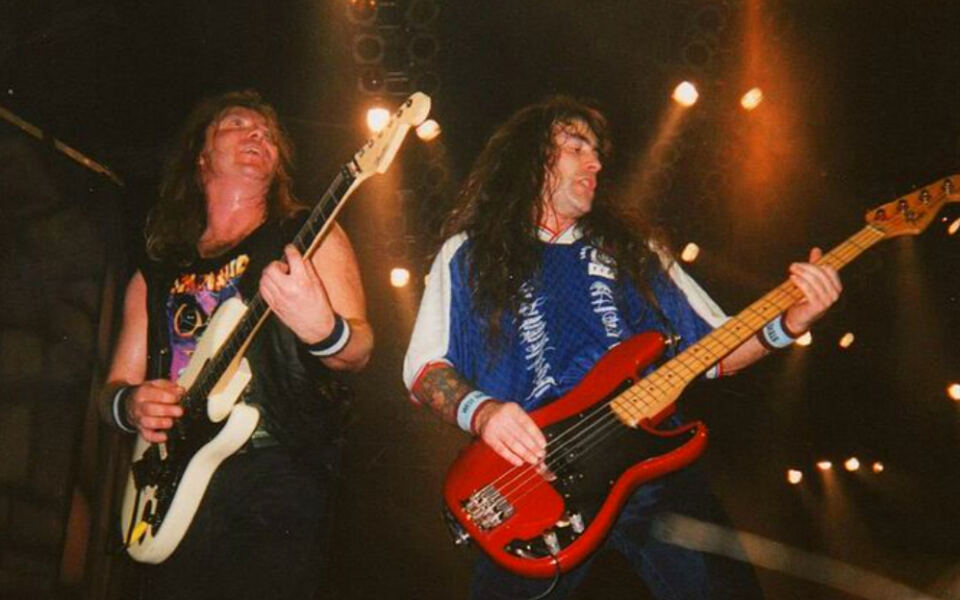
10. Wrathchild, Iron Maiden
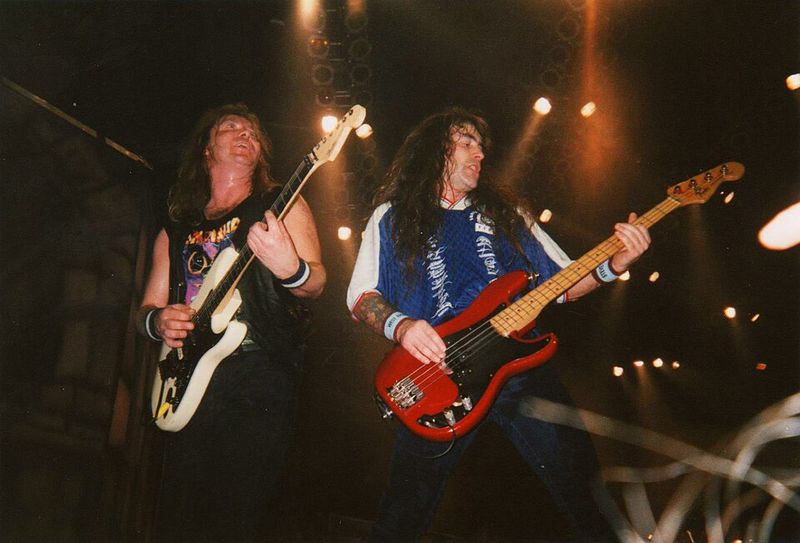
Iron Maiden fans know exactly what Steve Harris can do. Outside heavy metal circles, however, his bass playing still doesn’t receive the broad recognition it deserves.
Wrathchild, released on the Killers album in 1981, is a compact demonstration of his signature style.
Harris’s galloping bass movement and bright, aggressive tone push directly through the mix rather than sitting beneath the guitars. While many metal bands buried the bass in distortion, Harris made his instrument impossible to ignore.
The Killers album was produced by Martin Birch, who enhanced the band’s studio clarity considerably.
Later Maiden songs became much more elaborate, but this track captures the raw power of a bassist who already knew exactly what he wanted.
11. New Year’s Day, U2
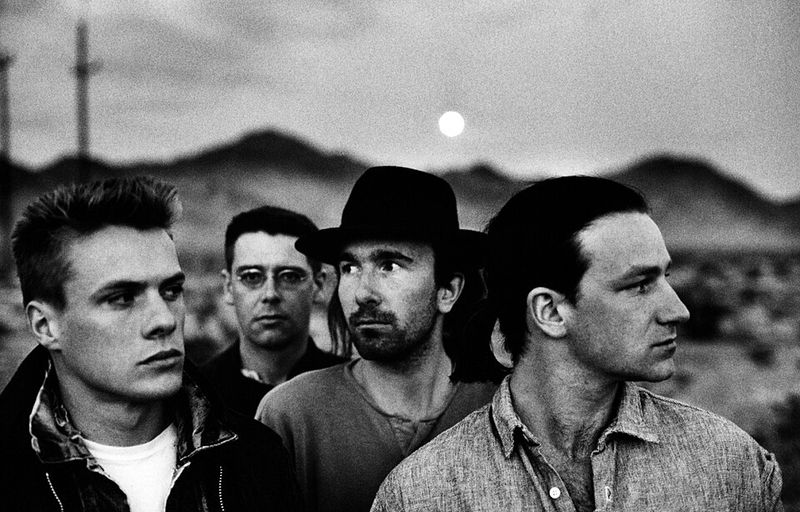
The Edge’s guitar understandably receives enormous attention whenever U2’s sound is discussed, but New Year’s Day begins with another instrument doing most of the heavy lifting. Adam Clayton’s bass line gives the 1983 track its dark, urgent foundation, straightforward enough to be immediately memorable yet powerful enough to carry long stretches of the arrangement.
Clayton is known for prioritizing simplicity and groove over complexity, often using a pick for added punch. His restraint on this recording becomes a structural strength rather than a limitation.
The bass line isn’t decoration here. It’s the spine of the entire song, and the War album would feel noticeably thinner without it.
12. Blood and Roses, The Smithereens
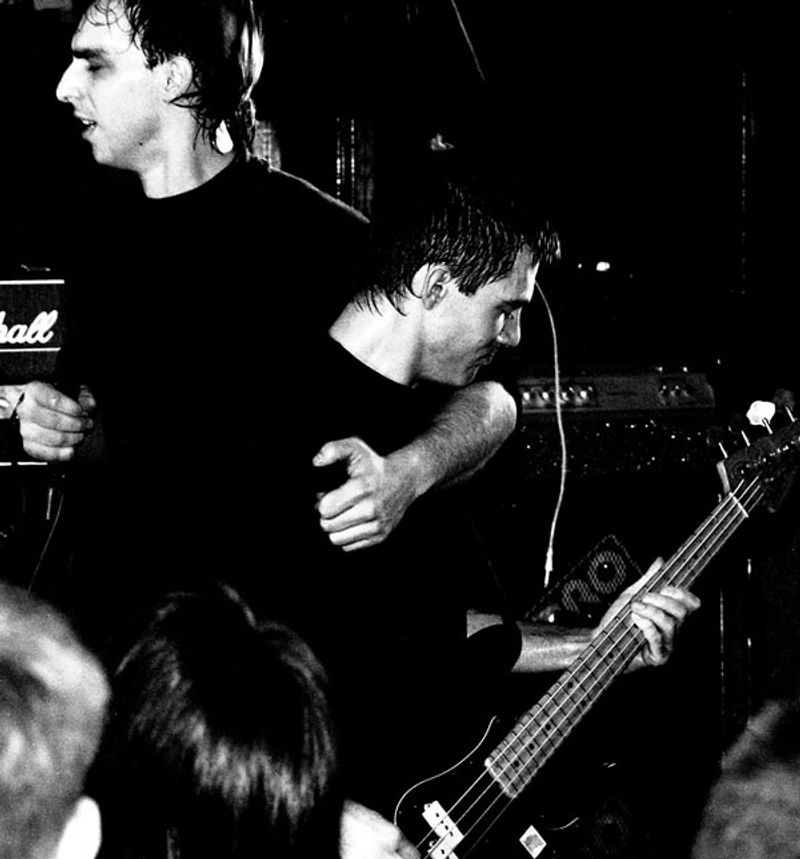
Mike Mesaros opens Blood and Roses with a dark, descending bass figure that establishes the entire mood before the full band arrives. Once you’ve noticed it, it becomes difficult to imagine the song without it.
Released in 1986 on the Smithereens’ debut album Especially for You, produced by Don Dixon, the arrangement was kept sharp and tight.
The bass-driven sound was central to the band’s blend of power pop hooks with a heavier atmosphere than the genre label might suggest. Fans have frequently described the bass line as both melodic and tricky, which is a combination that doesn’t come easily.
Blood and Roses gained national attention through college radio and MTV, and Mesaros’s riff is a primary reason people kept coming back.
13. Badge, Cream
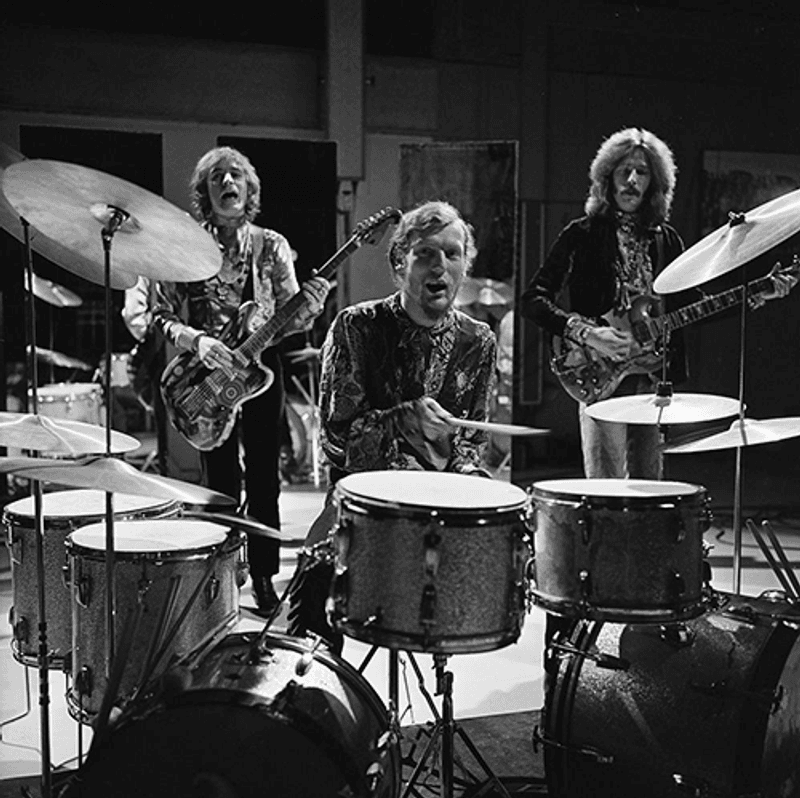
When people discuss Cream, the conversation naturally turns toward Eric Clapton’s guitar or Ginger Baker’s drumming. Jack Bruce deserves equal attention.
Badge comes from Cream’s final album Goodbye, released on February 5, 1969, and was co-written by Clapton and George Harrison, who received the songwriting credit L’Angelo Misterioso.
Bruce’s bass moves through the arrangement with the confidence of someone who never believed the instrument should be restricted to simple supporting notes. Clapton played guitar through the Leslie speaker of a Hammond organ on this recording, adding to its unusual sonic texture.
Bruce, Baker, and Clapton frequently interacted more like three lead musicians than a conventional band, and Badge captures that dynamic on a relatively concise song.
14. The Lemon Song, Led Zeppelin
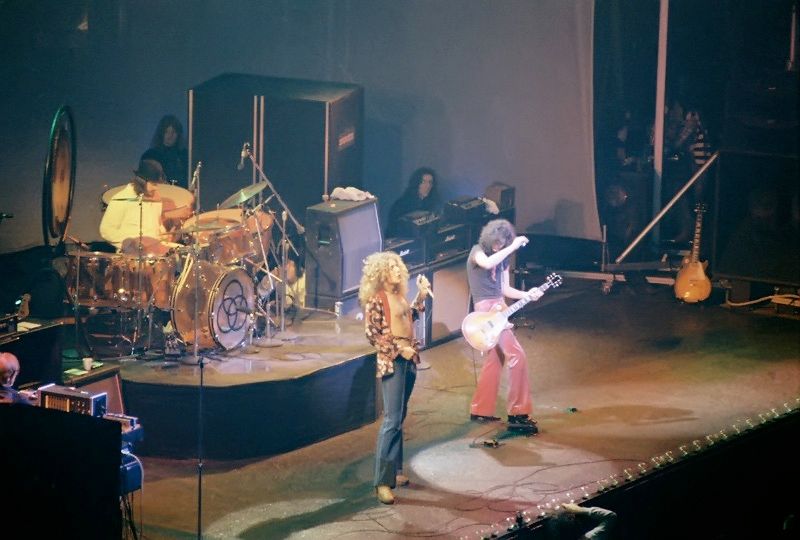
John Paul Jones earns a second appearance here because this track is simply too good to leave out. Recorded for Led Zeppelin II in 1969, the song stretches out and gives Jones substantial space to demonstrate how deeply his playing was rooted in blues, soul, and R&B.
The bass solo beginning around the 2:58 mark is particularly notable, featuring fast double-time feels, genuine blues phrasing, and funky groove work that outlines each chord change with parallel blues scales. Jones modulates ideas with real expressiveness throughout.
Put on headphones and concentrate on Jones alone, and the track becomes a bass showcase hiding inside one of Led Zeppelin’s most expansive blues workouts.
15. I’m a Man, Chicago
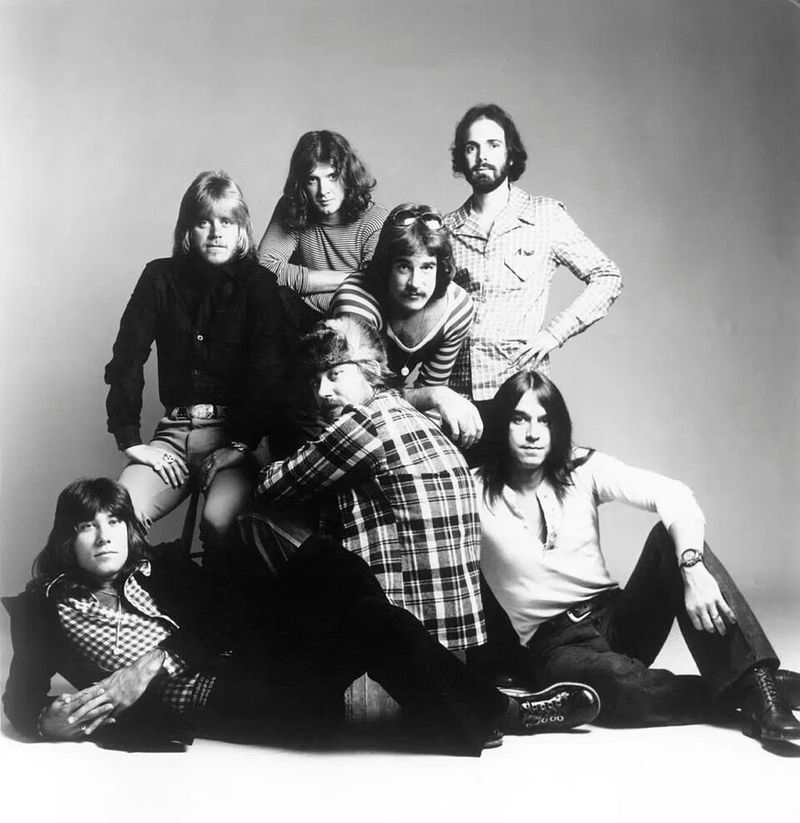
Early Chicago was a much heavier and stranger band than people who know only the later ballads might expect. Their version of I’m a Man, a cover of the Spencer Davis Group song featured on their 1969 debut album Chicago Transit Authority, demonstrates Peter Cetera’s formidable skills as a bassist before he became primarily known as a vocalist.
His deep-pocketed picked bass contributes to a relentless groove underneath horns, percussion, guitar, and vocals. The arrangement extends well beyond conventional pop structure, allowing the musicians to explore rhythm in a way that highlights how accomplished the original lineup truly was.
Before the glossy 1980s hits, Cetera was anchoring a band that could move between jazz, rock, soul, and extended improvisation without missing a beat.
16. What’s Going On, Marvin Gaye
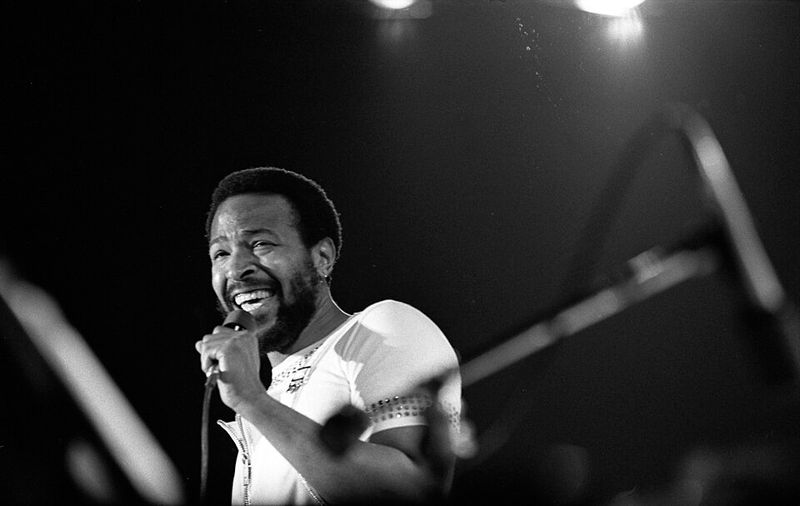
James Jamerson’s performance on this track is admired by bass players worldwide, but it deserves far more recognition from the general listening public. His 1962 Fender P-Bass with flatwound strings and a foam mute under the bridge, played exclusively with his index finger he called the hook, produced one of the most sophisticated bass performances in pop music history.
The line underneath Marvin Gaye’s vocal doesn’t merely mark chord changes. It creates countermelody in the spaces between phrases, making the bass feel almost conversational.
Released in 1971, the record finally credited Jamerson as the incomparable James Jamerson.
Once you isolate his playing, it becomes difficult not to hear the entire recording in a completely different way.
17. Mayor of Simpleton, XTC
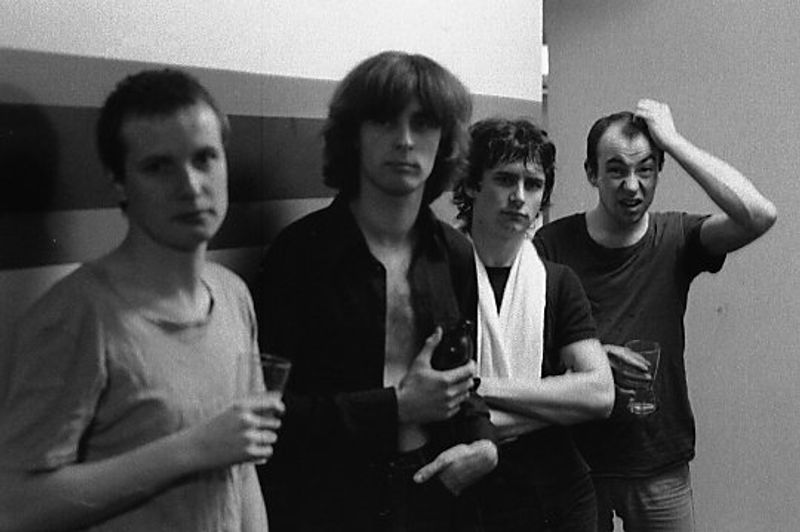
Colin Moulding’s bass line on this track is almost absurdly busy for a song that sounds so effortlessly catchy. Andy Partridge, who wrote the song, specifically instructed Moulding to approach the bass part in a J.S.
Bach mode, where each note functions as a precise counterpoint to the chords and melody above it.
Released in 1989 as the first single from Oranges and Lemons, the track began as a half-speed quasi-reggae tune with a sequenced bass part before evolving into XTC’s best-performing single in the United States, reaching number one on the Alternative Songs chart.
An overly complicated bass part can make a song feel cluttered. Moulding instead creates additional melody while preserving the track’s lightness throughout.
18. The Magnificent Seven, The Clash
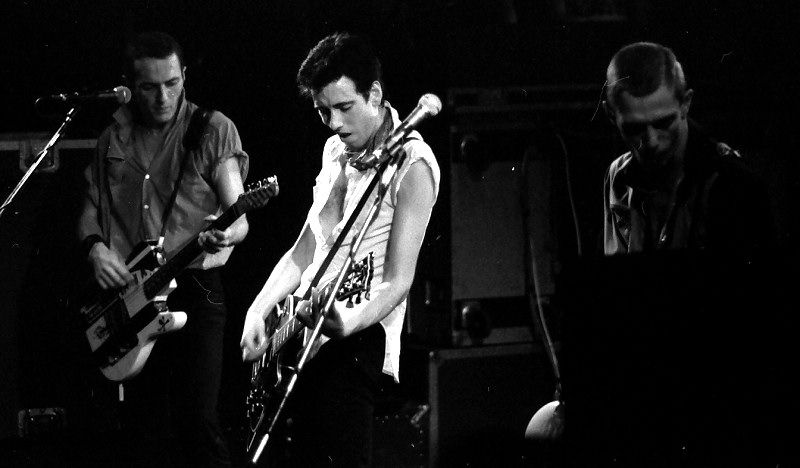
The Clash’s willingness to absorb sounds from outside punk was one of the qualities that made them so interesting, and this track pushed that experimentation directly toward funk and early hip-hop. Norman Watt-Roy of Ian Dury and the Blockheads played the distinctive funky bass loop, recorded at Electric Lady Studios in April 1980.
The song drew inspiration from New York acts including the Sugarhill Gang and Grandmaster Flash, and it represents one of the earliest attempts by a rock band to write and perform original rap-influenced music. The vocal delivery gets plenty of historical attention for its novelty in that context.
Without Watt-Roy’s repetitive, muscular groove underneath, the experiment simply wouldn’t hold together nearly as well.
19. No More Tears, Ozzy Osbourne
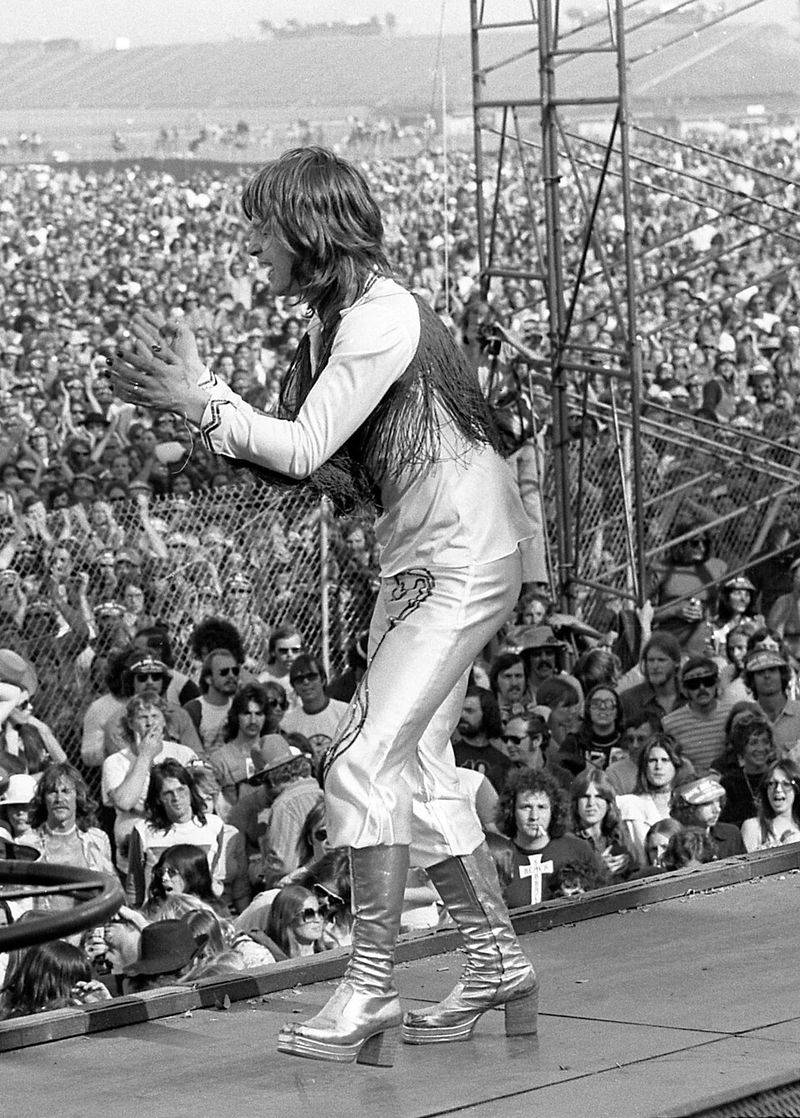
The opening bass figure of this track sounds enormous from the very first note. Mike Inez composed the riff, though the bass on the actual album recording was played by longtime Osbourne collaborator Bob Daisley.
Inez received a songwriting credit for the title track specifically because of his creation of that introductory figure.
Released in 1991, the album No More Tears was certified quadruple platinum in North America, and Zakk Wylde’s guitar work naturally receives substantial attention. But the bass is what initially hooks the listener before anything else arrives.
The tone, space, and repetition do the work here without requiring dozens of notes or flashy technique. The song announces itself entirely from the bottom up.
20. Roundabout, Yes
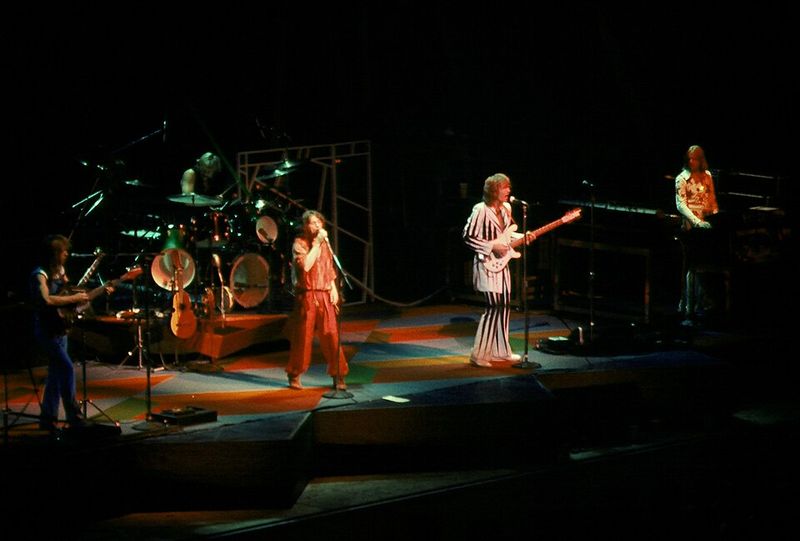
Calling Roundabout overlooked would be inaccurate. Calling Chris Squire’s bass contribution underappreciated by casual listeners is much easier to defend.
Squire used a Rickenbacker 4001 fitted with Rotosound roundwound strings and rewired it into stereo, sending the bridge pickup to a guitar amplifier with a fuzzbox for treble and the neck pickup to a conventional bass amp for low frequencies.
That technique created what has been described as a tonal sandwich, with growling overdriven higher frequencies layered over clean, solid bass. The result allowed his playing to be rhythmic, melodic, and occasionally a lead instrument simultaneously.
Focusing exclusively on Squire while listening to this 1971 track can make an extremely familiar song feel genuinely new again.
Share this story