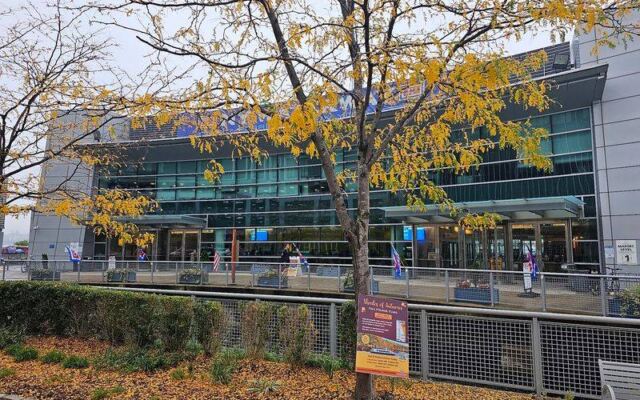
A trip into Manhattan can start with a surprise on the New Jersey side of the Hudson. What looks like a simple ferry stop offers a crossing that takes about eight minutes, with no need to drive into the city.
That short ride is useful for commuters, but it also makes an ordinary day trip feel a little more interesting. Here is what to know before choosing the ferry, from tickets and parking to the view along the way.
A Ferry Terminal in Weehawken

Not every worthwhile New Jersey stop asks you to stay put. Port Imperial Ferry Corporation is a ferry terminal at 4800 Ave at Port Imperial, Weehawken Township, NJ 07086, United States.
Its main job is getting people across the Hudson to Manhattan, and that simple purpose gives the place its appeal. A crossing described as taking about eight minutes turns a routine trip into an easy option for a city outing.
The terminal works for more than one kind of traveler. Commuters use it to reach Manhattan, while people planning a day trip can leave their cars on the New Jersey side.
Ticket machines, a counter, bathrooms, and nearby parking make the starting point straightforward. The useful surprise is not that a ferry exists here.
It is how much of a Manhattan trip can be settled before the boat even leaves New Jersey.
A Crossing Built Into Everyday Plans
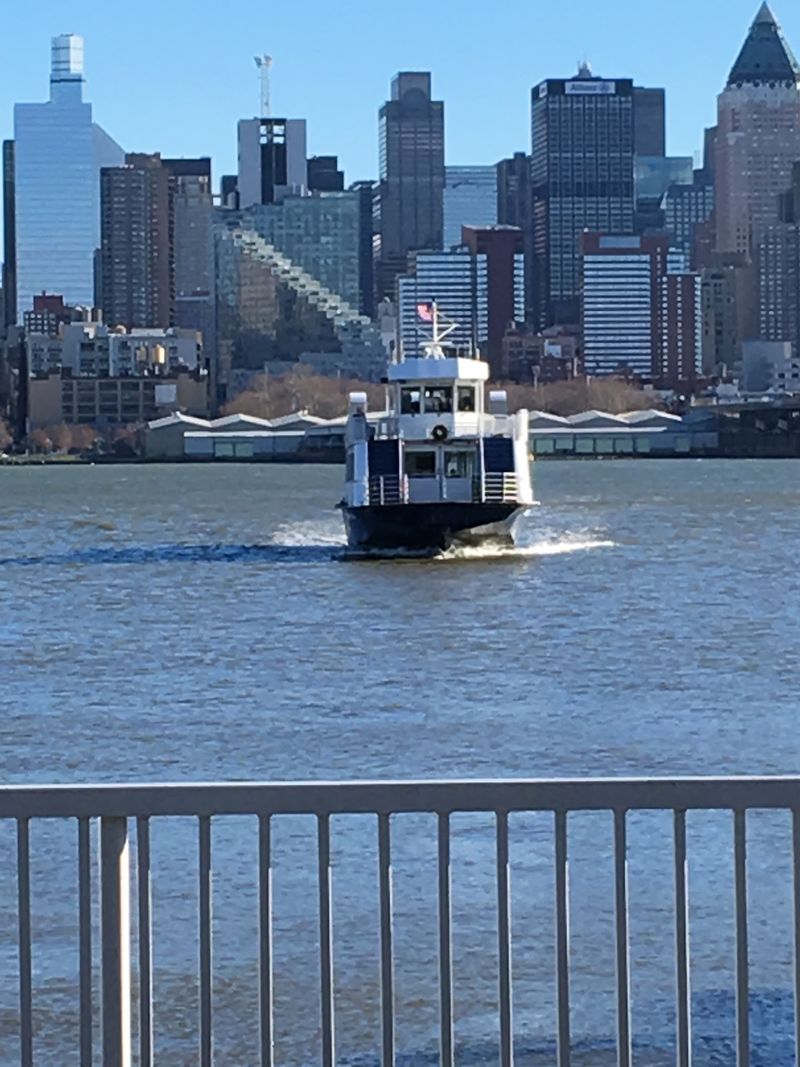
Eight minutes is short enough to change how someone thinks about a trip into Manhattan. Accounts of the Port Imperial crossing repeatedly put the ride at about that length, though the full journey also includes getting to the terminal, buying a ticket, waiting, and traveling onward after arrival.
The boat is the quick part, not the whole itinerary.
That distinction helps explain why the terminal suits both regular commuters and occasional day-trippers. A person headed to Midtown may find the route especially convenient.
Someone with a destination farther across Manhattan should allow time for the next leg. Ferry schedules also matter: arriving just after a departure can change the math.
Rather than treating eight minutes as a promise for the entire outing, treat it as the memorable middle of a trip that still deserves a little planning. The reward is a Hudson crossing that fits into an otherwise ordinary day.
The Hudson as Part of the Route
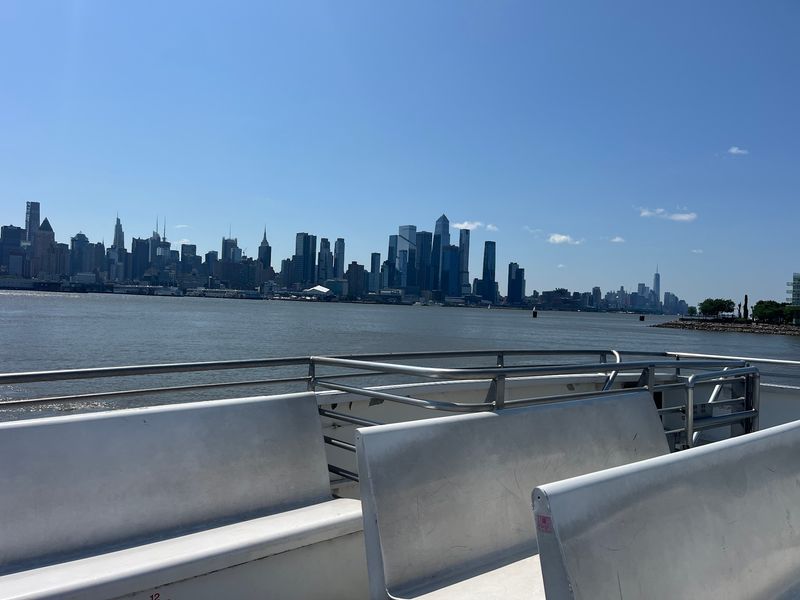
Road travel tends to make the Hudson an obstacle to get past. From Port Imperial, the river becomes the route itself.
The ferry carries passengers between New Jersey and Manhattan, making the crossing a distinct part of the journey rather than a stretch spent in a car. That difference matters even to people whose only goal is reaching the other side.
The trip is brief, so there is no need to build an entire day around being on the boat. It can simply add a change of pace to a commute or a short city visit.
The New Jersey departure also gives the state a more active role in the outing: Weehawken is not merely where the car gets parked, but where the trip begins. For people who usually measure a Manhattan visit by roads and delays, a ferry departure offers a different way to organize the same plans.
Midtown Within Easy Reach
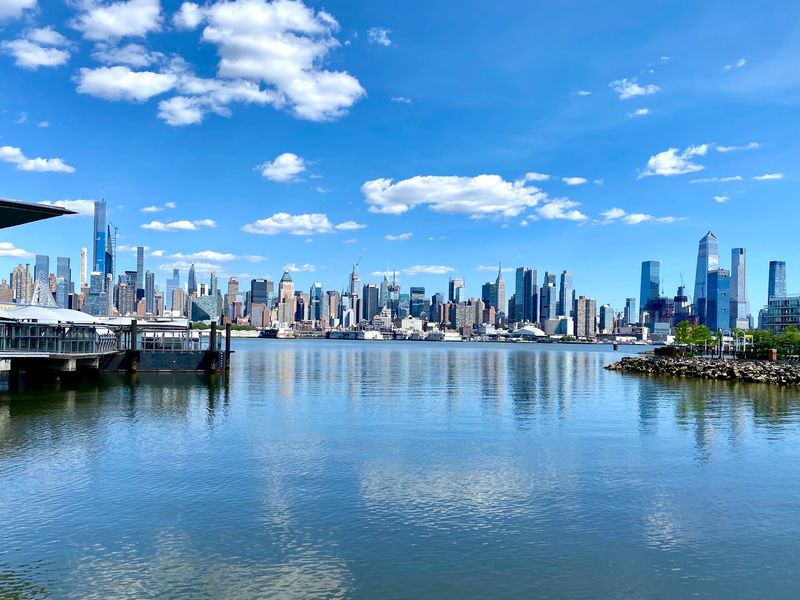
Manhattan is a big target, and a quick crossing is most useful when it lines up with the final destination. The Port Imperial ferry is often described as a convenient way to reach Midtown.
That makes it appealing for a workday there or a visit centered on that part of the city. It is less helpful to think of the eight-minute ride as covering every part of Manhattan.
Plans farther from the ferry arrival point require an additional step. New York Waterway shuttle buses are mentioned as an option on the Manhattan side, but routes should be checked for the specific day and destination.
The same care applies on the return trip: knowing where to board and when to leave keeps a short crossing from becoming a rushed connection. A little route-checking may seem less exciting than boarding the boat, yet it is what makes the simple trip stay simple after arrival.
A New Jersey View of Midtown
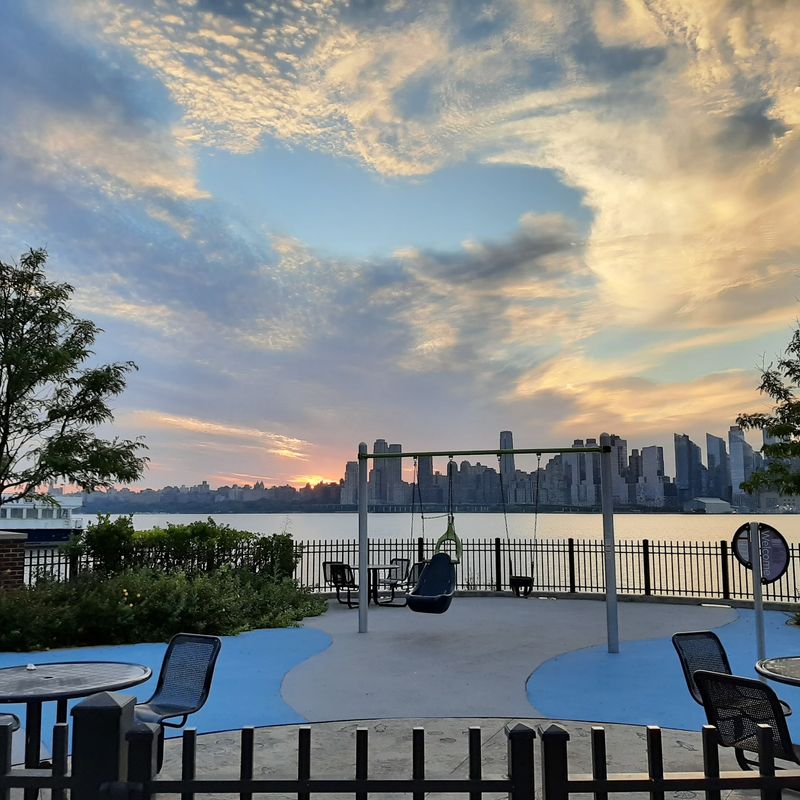
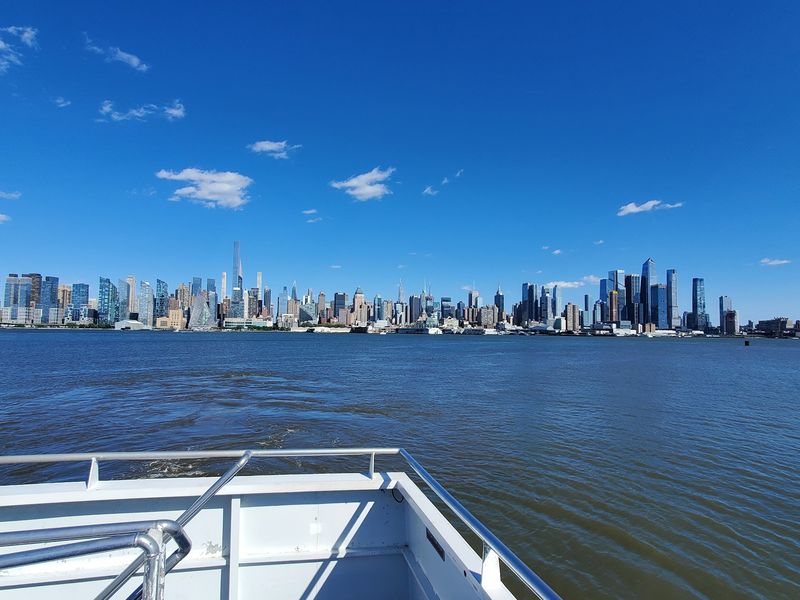
There is a reason to pause on the New Jersey side before focusing on the trip ahead. The Port Imperial area offers views toward Midtown Manhattan, and the ferry ride provides another chance to take in the city from across the Hudson.
For a crossing that lasts only about eight minutes, the setting does a good share of the work.
That perspective also changes the usual New York day-trip story. The outing does not begin only after reaching Manhattan.
It begins in Weehawken, where the city is already part of the scene and the ferry is close at hand. A camera is reasonable to bring, but there is no need to turn the terminal into a lengthy stop.
The view is one of the benefits of using this route, not a separate attraction that needs a complicated plan. It gives New Jersey travelers a moment worth noticing before the day’s main plans begin.
An Alternative to Driving Into Manhattan
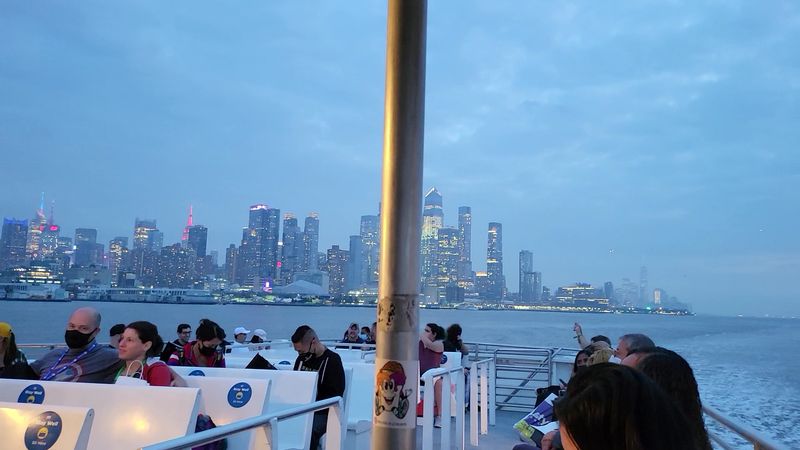
A Manhattan trip does not have to include driving a car into the city. At Port Imperial, travelers can park near the terminal and finish the Hudson crossing by ferry.
That arrangement appeals to people hoping to avoid tunnel traffic and tolls, two practical concerns that often come up when choosing how to travel from New Jersey.
The ferry is not automatically the fastest or least expensive answer for everyone. A local bus may suit some destinations and budgets better, and the value of the boat depends on its departure time as well as the place someone needs to reach.
Still, separating the car trip from the Manhattan portion can make an outing easier to organize. The choice is less about proving that one mode of travel always wins and more about having another workable option.
For a day centered on Midtown, leaving the car behind for the crossing may be exactly the point.
A Terminal That Handles the Basics
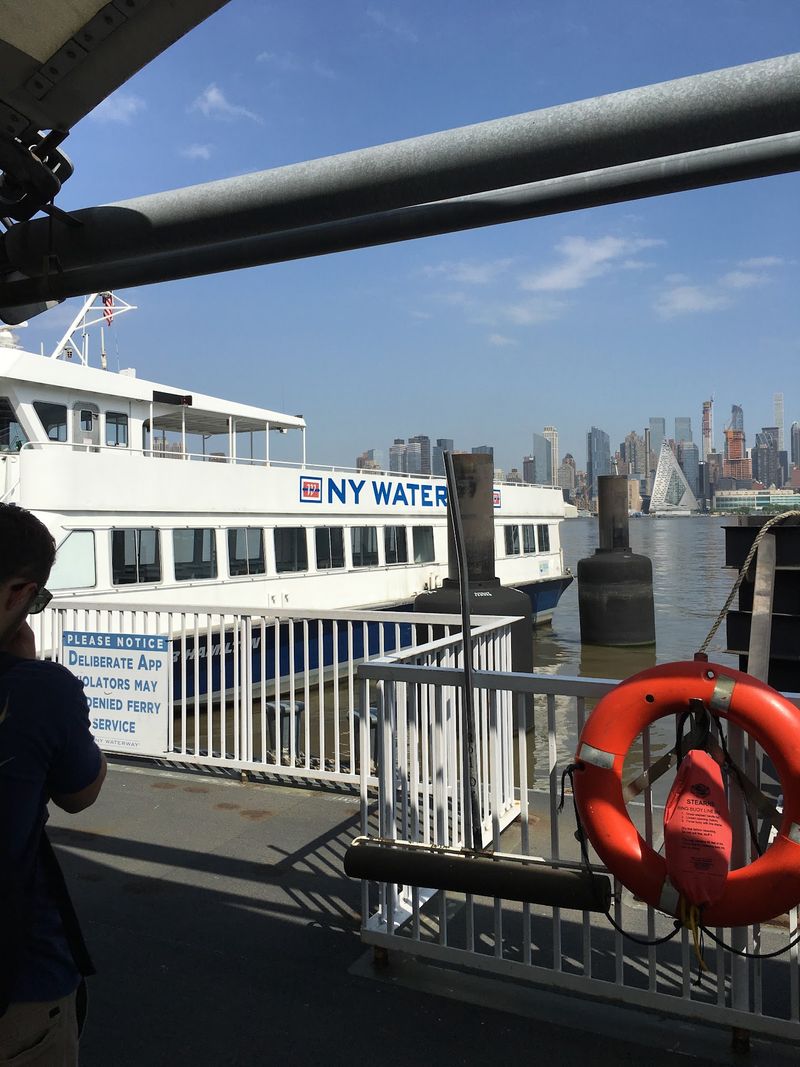
Practical details become important when a boat has a departure time. Port Imperial has ticket machines and a counter, giving passengers ways to handle a ticket before boarding.
Bathrooms and a waiting area are also noted at the terminal. None of those features is flashy, but together they make the ferry easier to use for someone who has not made the trip before.
Allow a little time to sort out the ticket process rather than arriving at the last moment. One account describes needing to exchange a phone ticket for a paper ticket at the counter, so it is sensible to confirm current boarding instructions before traveling.
Procedures can change, and the safest plan is to follow the operator’s latest guidance. Once tickets are settled, passengers can focus on the crossing instead of a machine or a queue.
At a terminal built for short trips, small preparations can have a noticeably useful payoff.
A Commute With a Different Rhythm
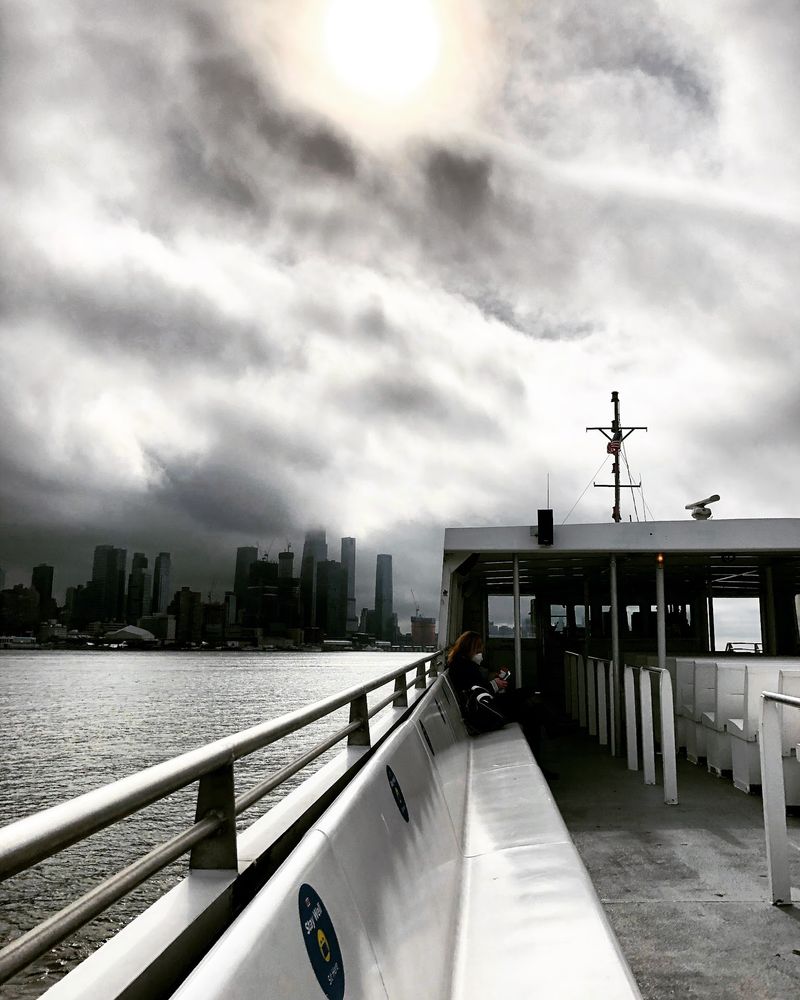
Morning and afternoon trips can feel different from a relaxed midday outing. The terminal serves commuters, and busy periods may bring more people to the boarding area.
Accounts of weekday travel describe quick movement toward the ferry, but a smooth boarding process is not a reason to assume every departure will have the same wait.
Regular use also changes the cost calculation. A crossing that seems appealing for an occasional Manhattan visit may add up differently for someone making the trip every workday.
Bus routes and onward travel in the city deserve comparison before choosing a daily routine. On the other hand, commuters who value the short Hudson crossing may find that it fits their schedule and destination well.
Port Imperial is most useful when the full journey works, not just the boat ride. Its everyday character is part of the story: this is a place people rely on, not only a novelty for a day off.
A Short Outing With Children
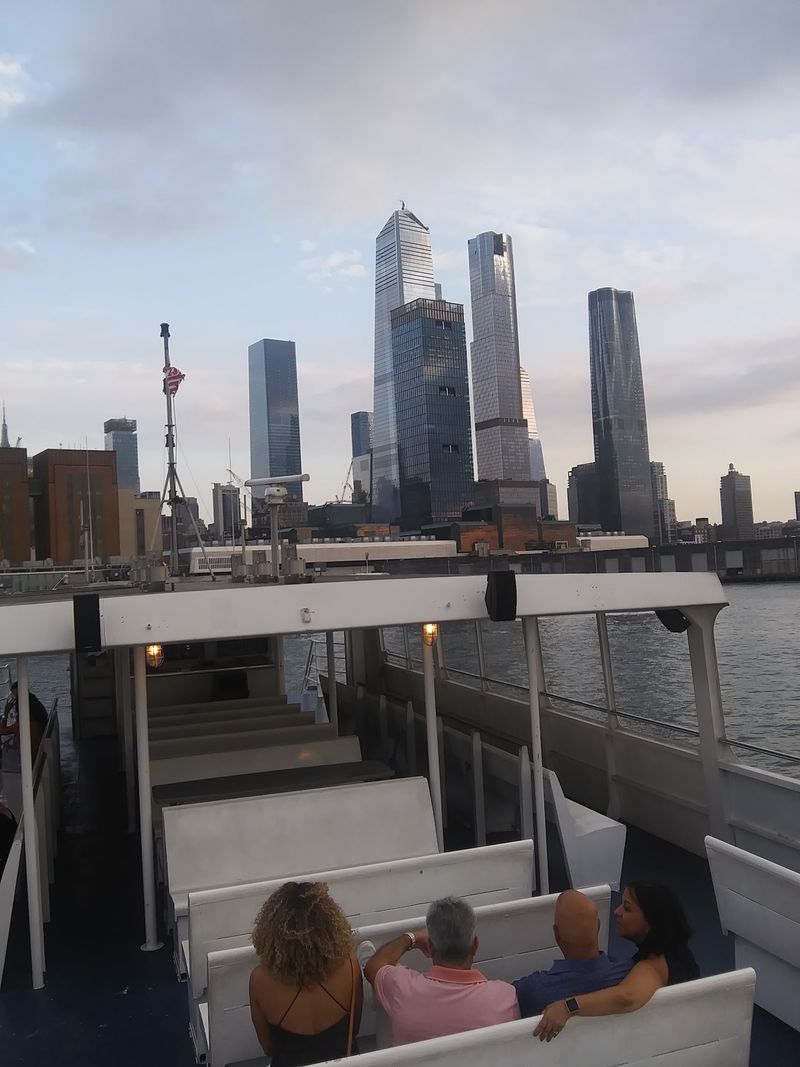
Children do not need a long voyage to have a boat ride become part of the day’s plan. The crossing from Port Imperial is short, which can make it an approachable option for a family headed into Manhattan.
The ferry itself adds an activity to a trip that would otherwise be mostly about getting somewhere else.
Simple logistics still matter. Families can use the terminal’s ticketing facilities and bathrooms before boarding, then plan the next part of the day around their Manhattan arrival point.
A return departure is worth checking in advance, especially when the city visit has a set finish time. Costs should be confirmed for everyone traveling rather than estimated from an older fare account.
Nothing about the route requires an elaborate schedule, but a few decisions made before leaving New Jersey can keep the outing manageable. The boat ride may be brief; the memory of taking a ferry into the city can last longer.
Parking Near the Ferry
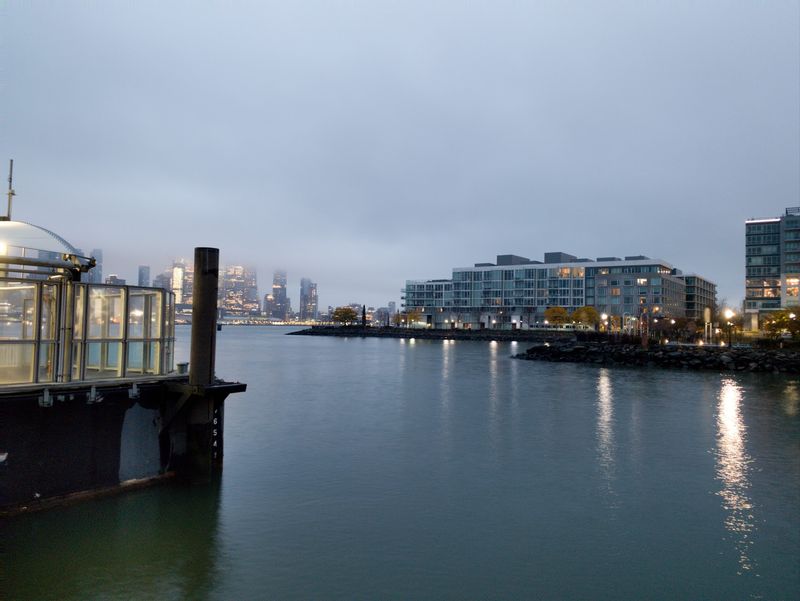
Driving to the ferry can be a useful compromise for New Jersey travelers who need a car for the first part of their trip. Parking garages are described near Port Imperial, including spaces across from or within a short walk of the terminal.
That puts the car on the New Jersey side while the ferry handles the river crossing.
Parking deserves its own check before departure. One older account mentioned a day rate tied to specific arrival and departure times, but that figure should not be treated as a current offer.
Garage terms and availability may differ when someone actually travels. The walking time between a parking space and the boarding area also belongs in the day’s schedule, particularly around busier commute periods.
For people comparing a direct drive with a ferry trip, the parking arrangement is a central part of the decision. It is what turns Port Imperial from a nearby waterfront stop into a practical starting point.
Connections Beyond the Boat
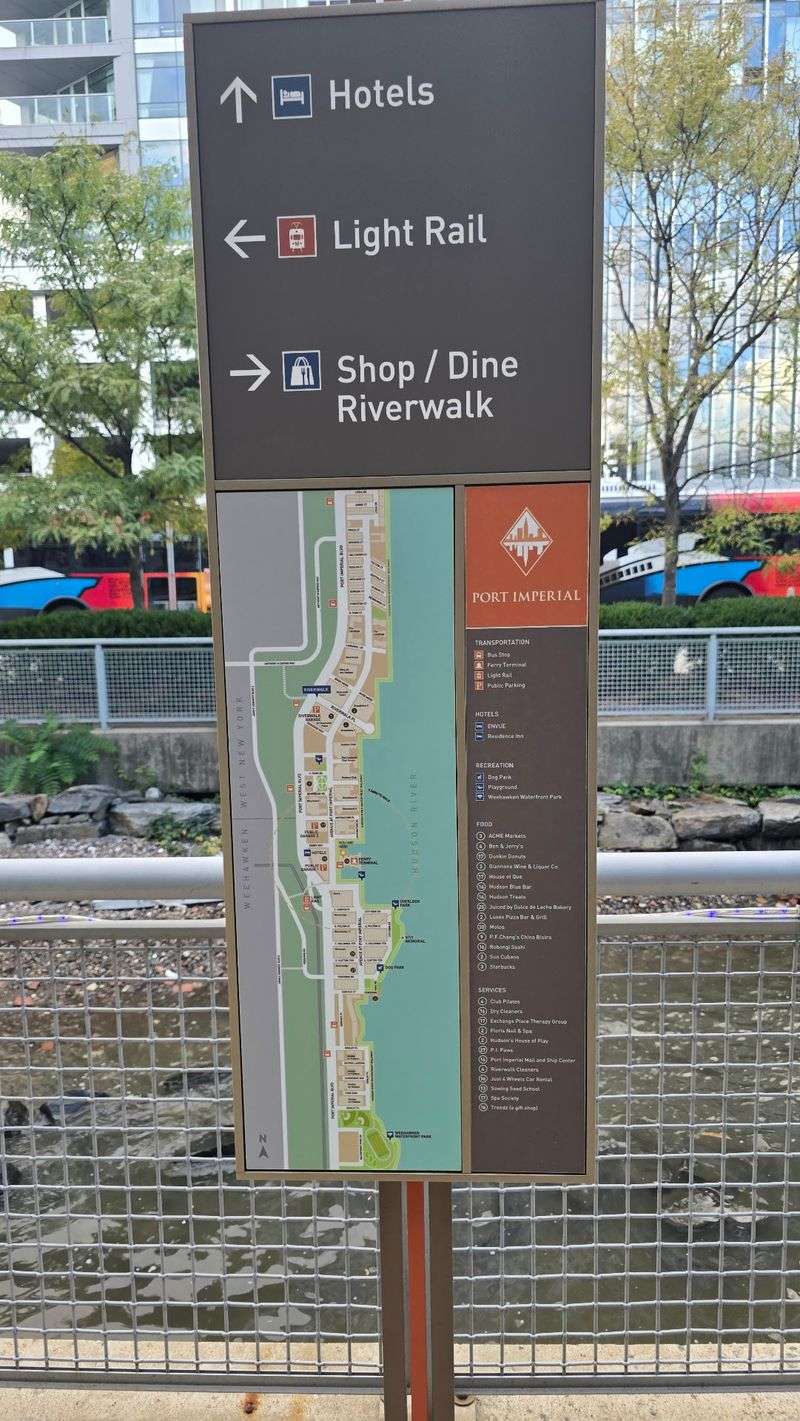
Not everyone arrives at Port Imperial by car. Accounts of the route mention New Jersey bus connections and shuttle service, while Manhattan-side buses can help passengers continue beyond the ferry landing.
Those links make the crossing more flexible, but they also introduce schedules that deserve attention.
Before relying on a connection, check where the bus goes and when it runs. A route that works neatly for one neighborhood may be inconvenient for another, and a change on either side of the river affects the total trip.
The ferry’s eight-minute crossing remains appealing, yet it is only one part of a journey that may include walking or another vehicle. The operator’s current route information is a better planning tool than an old account of a particular shuttle.
Thinking through the complete trip helps prevent an easy crossing from ending with an uncertain next step. The best connection is the one that actually reaches your destination.
Schedules and Fares Worth Checking
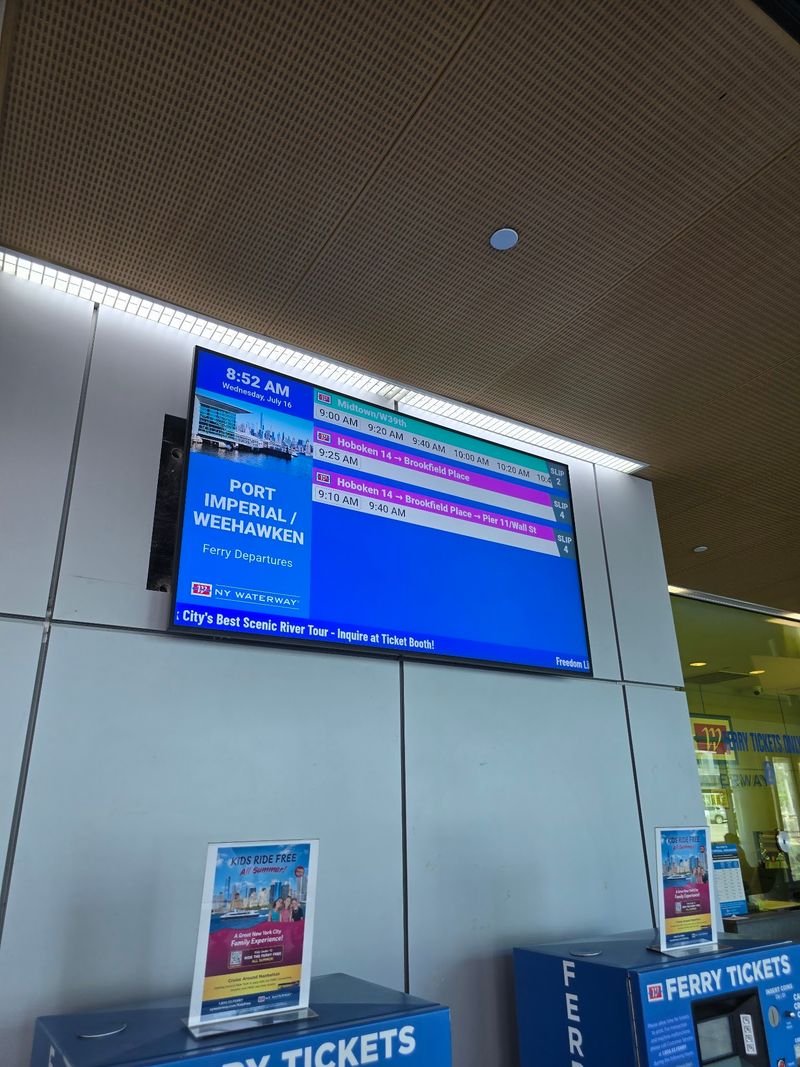
A fast ferry still requires good timing. Reported crossing times of about eight minutes describe the ride, not the wait for a departure.
Service frequency, operating hours, and the exact route can affect how well Port Imperial fits a particular day. Check the current timetable before leaving home, then allow enough time to reach the terminal and board.
Fares need the same care. Older accounts give different one-way amounts and describe different views on value, so none is a reliable current price.
Look up today’s fare and any applicable ticket options before deciding how the ferry compares with a bus or a drive. Return travel should be part of that check, not an afterthought once the Manhattan plans are finished.
There is no need to make the outing complicated; the point is to settle the details that can change. Once the schedule and cost fit the plan, the short crossing can do what it does best.
A Small Trip That Changes the Day
Some New Jersey outings earn attention by asking people to spend hours in one place. Port Imperial does something different: it makes the move between places the interesting part.
A terminal with ticket machines, nearby parking, and bus connections supports a Hudson crossing that can take about eight minutes. The destination may be Manhattan, but Weehawken provides the start.
That makes the ferry worth considering without pretending it suits every trip. The fare, departure schedule, and final address in the city should all make sense first.
A regular commuter may weigh those details differently from a family planning a single afternoon across the river. For either traveler, the appeal is clear enough.
The ferry offers a practical way to leave the car on the New Jersey side and make the crossing by boat. It is a modest local option that can make a familiar trip feel less routine.
Share this story