Classic rock has a long history of songs that sound one way but mean something completely different. From anthems played at political rallies to ballads chosen for wedding receptions, some of the most beloved tracks in rock history were built on ideas their audiences never fully understood. The gap between what listeners heard and what artists actually intended is wider than most people realize. This list pulls back the curtain on 13 iconic songs, revealing the real stories, personal struggles, and sharp cultural commentary that inspired them.
1. Born in the U.S.A. – Bruce Springsteen

Ronald Reagan’s 1984 presidential campaign famously tried to adopt this song as a patriotic rallying cry, which says everything about how thoroughly its real meaning was missed. Springsteen wrote it in 1981 as a raw portrait of a Vietnam veteran returning home to unemployment, indifference, and a country that had moved on without him.
The contrast was intentional. The thundering, triumphant chorus was designed to clash with the bleak verses, highlighting the painful gap between the American promise and the reality many working-class citizens faced. The VA man dismisses the narrator, the refinery won’t hire him, and his hometown offers nothing.
Springsteen confirmed the song was partially inspired by Ron Kovic, a Marine veteran who became an anti-war activist after being paralyzed during service. The original working title was simply “Vietnam.” It remains one of rock’s most misread songs, its anthemic energy masking a deeply critical message about how a nation treats its veterans.
2. Every Breath You Take – The Police
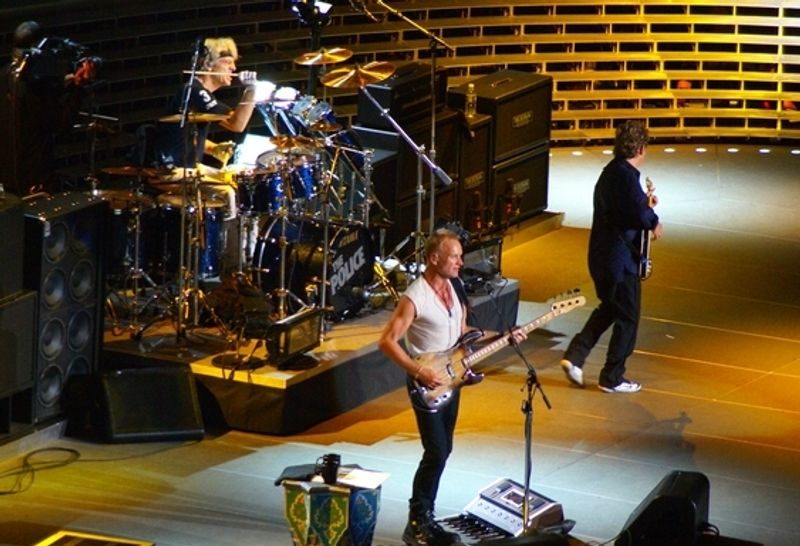
Wedding playlists around the world have featured this song for decades, which would make Sting wince. He has called it “a nasty little song, really rather evil,” and described it explicitly as a portrait of obsession, jealousy, and surveillance rather than devotion.
Sting wrote the lyrics during the breakdown of his first marriage to Frances Tomelty. The emotional turbulence of that period shaped every line, turning what sounds like a tender promise into the internal monologue of a possessive, controlling figure who refuses to let go.
The soothing arrangement is precisely why the misreading persists. Casual listeners absorb the melody without registering the meaning of lines like “every bond you break, I’ll be watching you.” Sting reportedly found it both amusing and frustrating that Andy Gibb once performed it as a romantic duet. The song has since been linked by scholars to themes of state surveillance and control, making its cheerful misuse at weddings particularly ironic.
3. Puff, the Magic Dragon – Peter, Paul and Mary
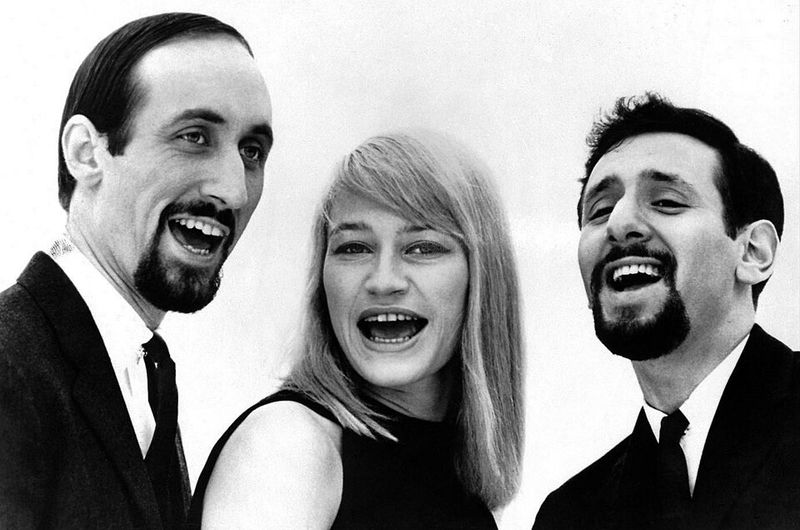
No song in folk history has been more persistently misread than this one, and no two songwriters have spent more time correcting the record. Peter Yarrow and Leonard Lipton, who co-wrote the song based on a 1959 poem Lipton penned at Cornell University, have repeatedly and firmly stated it is about the loss of childhood innocence, nothing more.
The drug interpretation gained traction after a 1964 Newsweek article proposed that “Jackie Paper” referred to rolling papers and “Puff” was a coded reference to marijuana use. Lipton flatly rejected this, noting that drug culture was not prevalent at Cornell in 1959 and that it would be irresponsible to embed such references in a children’s song.
The actual story follows a dragon named Puff whose human friend Jackie Paper eventually grows up and stops visiting, leaving Puff alone. Paul Stookey even staged a mock trial in 1973 to formally “acquit” the song of its alleged drug references, asking the audience to serve as the jury.
4. Lola – The Kinks
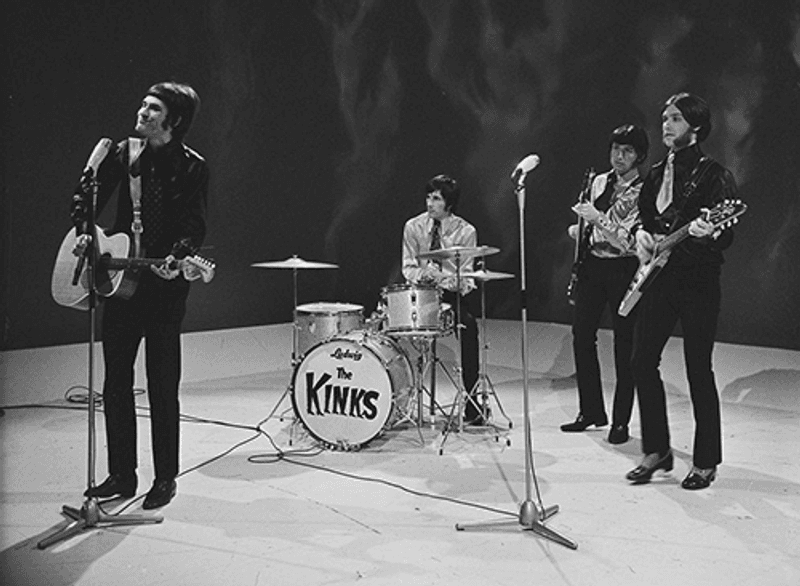
Ray Davies wrote this track after watching The Kinks’ manager, Robert Wace, unknowingly spend an evening dancing with a cross-dresser in a Paris club. That real-world encounter became the foundation for one of rock’s most quietly progressive songs, released at a time when gender identity was almost never addressed in mainstream music.
The narrator meets Lola in a Soho bar, is drawn to her immediately, and gradually realizes she is a transgender woman. Rather than recoiling, the song’s protagonist accepts the situation with warmth and even admiration, concluding that “girls will be boys and boys will be girls, it’s a mixed-up muddled-up shook-up world.”
The song also faced a practical obstacle before reaching listeners. The original lyric referenced Coca-Cola by name, violating BBC rules on product placement. Davies flew across the Atlantic specifically to re-record the line, swapping it for “cherry cola.” That transatlantic fix preserved what became a landmark moment in rock’s engagement with LGBTQ+ themes.
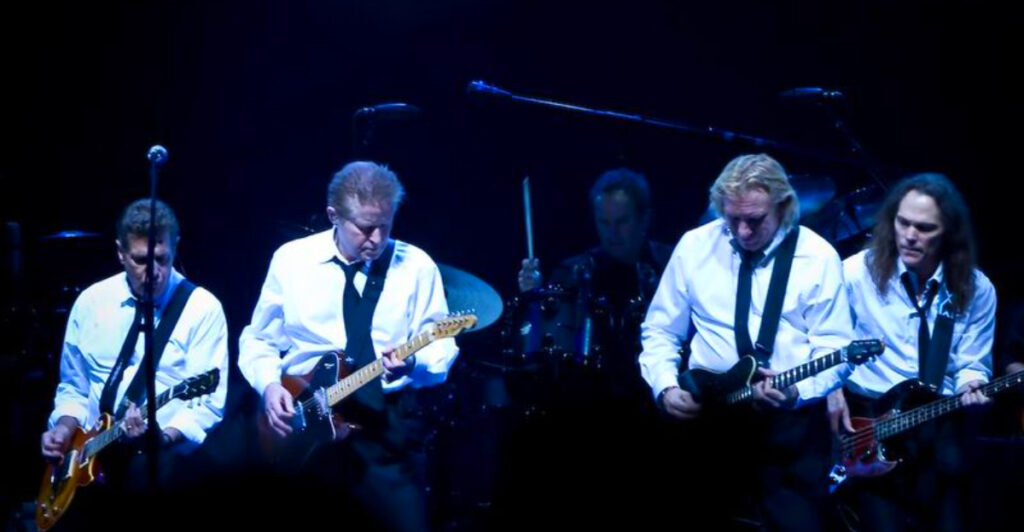
5. Hotel California – Eagles
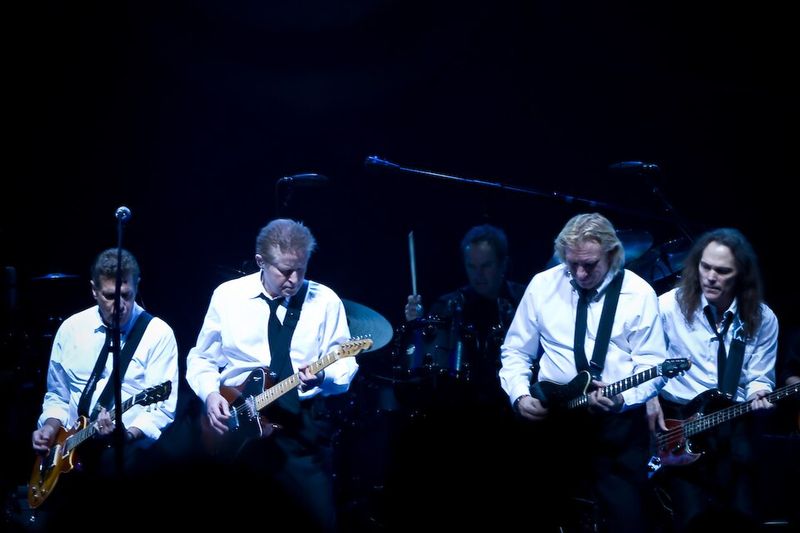
Few songs have generated more fan theories than this Eagles classic, yet the band has always been clear about what it represents. Don Henley described it as their take on the darker side of fame and ambition in late-1970s Los Angeles, a world of excess, narcissism, and self-destruction dressed up in luxury.
Glenn Frey wanted the song to feel cinematic and deliberately ambiguous, similar to an episode of The Twilight Zone. The famous line “You can check out any time you like, but you can never leave” was meant to capture how the entertainment industry traps people once they enter its orbit.
While fans have suggested connections to cults, drugs, or even a real hotel, the Eagles consistently pointed to a broader socio-political statement about American culture. The song maps the journey from wide-eyed ambition to disillusionment, making it one of rock’s sharpest critiques of the California dream.
6. American Pie – Don McLean

At over eight minutes long, this 1971 song functions less as a pop track and more as a compressed history of American culture across a decade. McLean was 13 years old and working as a paperboy when he learned about the 1959 plane crash that ended the lives of Buddy Holly, Ritchie Valens, and J.P. Richardson, the moment he later called “the day the music died.”
The verses move through the 1960s using coded symbolism. Elvis Presley appears as “the king,” Bob Dylan as “the jester,” and the Altamont Free Concert of 1969 is widely interpreted as the song’s grim finale. McLean confirmed the track depicts a society moving in the wrong direction and described it as a “morality song.”
He kept the specific meanings deliberately vague for years, allowing listeners to form their own interpretations. When he eventually confirmed several references, it validated decades of careful analysis by fans. The song remains one of rock’s most ambitious attempts to capture social change through a single narrative.
7. Landslide – Fleetwood Mac
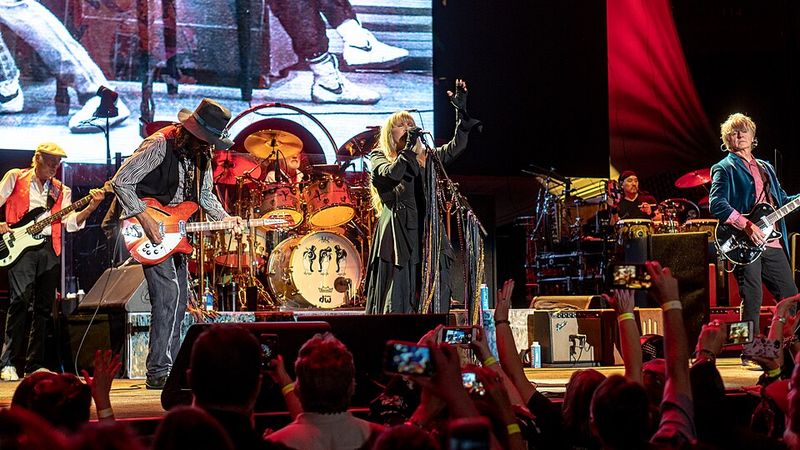
Stevie Nicks wrote this song in 1973 while standing at a crossroads that most fans never knew existed. She and Lindsey Buckingham had just been dropped by Polydor Records after their debut album, Buckingham Nicks, underperformed. Nicks was working odd jobs to keep them afloat, and her father had offered to pay for her to return to college if music did not work out within six months.
The song was written in Aspen, Colorado, while she looked out at the Rocky Mountains and genuinely questioned whether to continue. The lyric “the landslide brought me down” was not a romantic metaphor but a direct expression of her fear that everything she had built might collapse.
She chose to keep going. Within a year, Mick Fleetwood invited them both to join Fleetwood Mac, launching one of rock’s most successful careers. “Landslide” is therefore not a love song but a document of one of the most consequential personal decisions in rock history, captured before its outcome was known.
8. Wish You Were Here – Pink Floyd
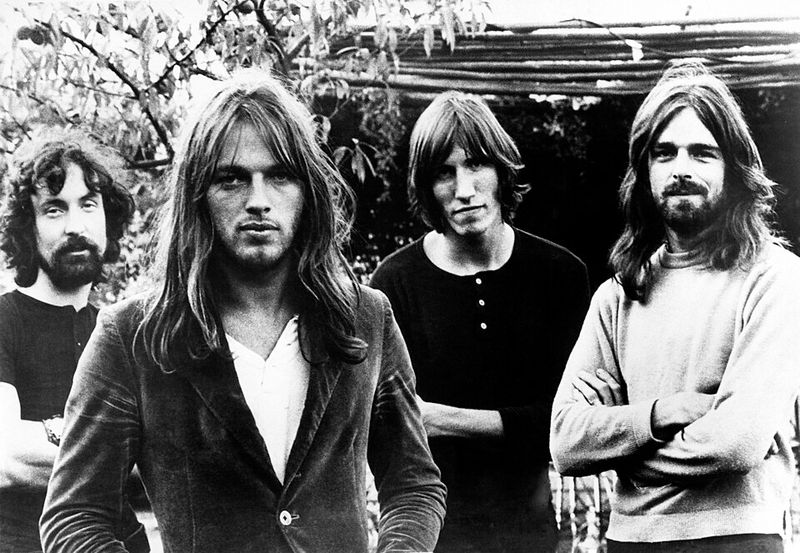
Most listeners hear this song as a universal expression of missing someone, but its origins are far more specific and far more complicated. Roger Waters wrote it primarily as a tribute to Syd Barrett, the original Pink Floyd frontman whose mental health deteriorated severely in the late 1960s, eventually forcing him out of the band he had founded.
The album also reflected the band’s own alienation after the commercial explosion of The Dark Side of the Moon. Waters described the record’s central theme as “absence,” examining both Barrett’s disappearance from their lives and the band’s growing sense of disconnection from the music industry that had made them wealthy.
In June 1975, while the band was mixing another Barrett tribute, “Shine On You Crazy Diamond,” Barrett himself walked into Abbey Road Studios unannounced. He had gained significant weight, shaved his head and eyebrows, and was not recognized by his former bandmates for several minutes. That encounter, a literal manifestation of the absence they were recording about, reportedly moved Richard Wright to tears.
9. Bennie and the Jets – Elton John
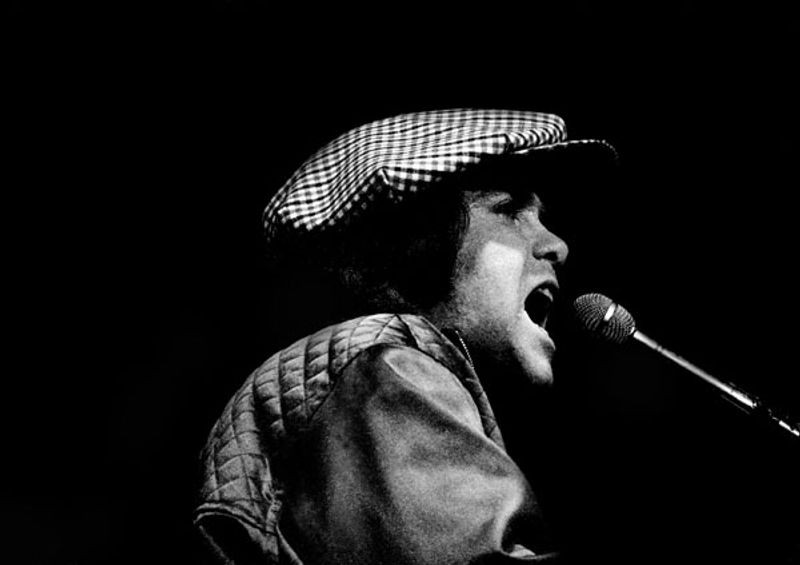
Bernie Taupin built this song around a fictional android rock band fronted by an androgynous performer named Bennie, and the entire premise was designed as a satirical jab at the manufactured spectacle of early-1970s glam rock. There was never a real band, never a real Bennie, and the song’s supposed live energy was entirely constructed in the studio.
Producer Gus Dudgeon layered audience applause and crowd noise from various real concerts into the recording to create the illusion of a live performance. Elton John’s deliberate vocal stutter on “B-B-B-Bennie” was an artistic choice tied to the song’s robotic, futuristic concept. Lines like “she’s got electric boots, a Mohair suit” were Taupin mocking the image-driven shallowness of the era.
Elton John was initially reluctant to release it as a single, doubting its commercial appeal. The song broke through after gaining significant airplay on urban radio stations in Detroit, an audience that responded to its rhythm and energy. Its success as a satire that most listeners never recognized as one is part of what makes it remarkable.
10. Running on Empty – Jackson Browne

Jackson Browne recorded this album almost entirely on the road in 1977, capturing performances on tour buses, in hotel rooms, and during soundchecks. The decision was not just a production choice but a deliberate statement about the subject matter: the physical and emotional depletion of a life spent perpetually in motion.
The song’s title came from Browne’s own habit of driving to recording sessions with his fuel gauge near empty. He turned that literal detail into a metaphor for a broader condition, the feeling of pushing forward without knowing why or where the journey is leading. The lyrics ask hard questions about purpose and direction without offering easy answers.
Lines like “looking back at the years gone by like so many summer fields” capture the way time accelerates on the road, with days blurring into each other. The song resonated far beyond musicians, speaking to anyone who has kept moving out of habit rather than intention. Its candor about exhaustion made it one of rock’s most honest self-portraits.
11. The Trees – Rush
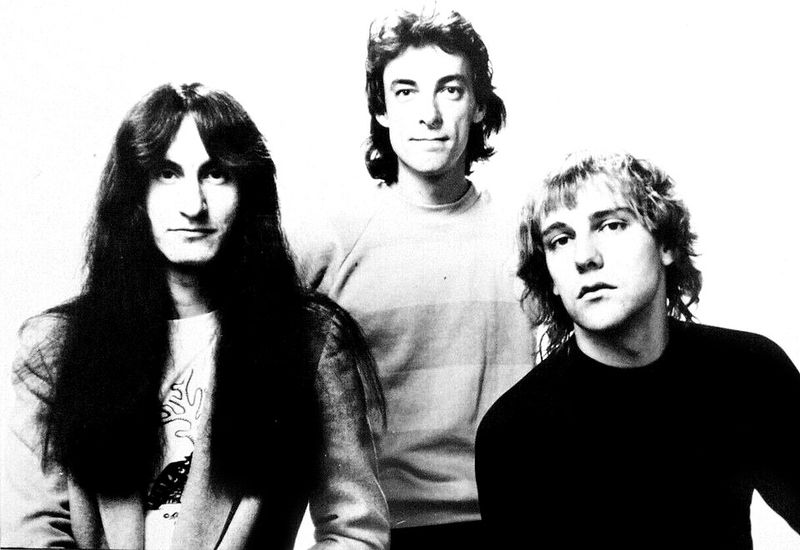
Neil Peart once explained that this song started with a cartoon he had seen depicting trees behaving like people. His initial concept was purely playful, a thought experiment about what would happen if the natural world adopted human grievances and bureaucratic solutions. He described his original intent as producing “a very simple statement.”
The narrative follows maple trees that resent the taller oaks for blocking their sunlight. After prolonged conflict, the issue is resolved by a “noble law” that makes all trees equal “by hatchet, axe, and saw.” That ending, with its grim enforcement of uniformity, gave the song a distinctly political edge that audiences immediately picked up on.
Peart’s known appreciation for Ayn Rand’s philosophy during that period fueled interpretations of the song as a critique of forced equality and collectivism. In his 2007 book Roadshow, Peart confirmed it was intended as a parable about collectivism. Geddy Lee later reflected that the band’s views in those years were “a little naive,” showing how even its creators’ understanding of the song has evolved over time.
12. Dust in the Wind – Kansas
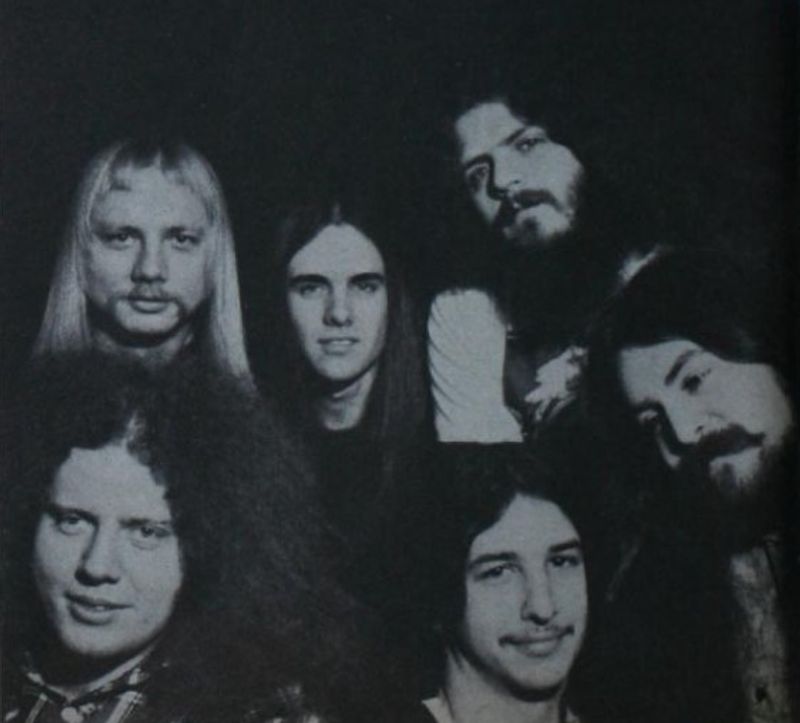
Kerry Livgren originally developed the fingerpicking pattern behind this song as a technical exercise to improve his guitar playing. It was his wife, Vicci, who encouraged him to build it into a complete song. The philosophical direction came when Livgren was reading a collection of Native American poetry and came across a single line that stopped him: “For all we are is dust in the wind.”
That phrase triggered a meditation on impermanence, the futility of accumulating wealth, and the temporary nature of human achievement. Livgren was initially hesitant to bring the song to his bandmates, believing its quiet acoustic style clashed with Kansas’s established progressive rock sound. He was wrong about that hesitation.
The song also carried strong biblical resonance for Livgren, who later converted to Christianity and recognized echoes of Ecclesiastes and Psalm 144 in the lyrics. Rather than simply being a melancholic ballad, it functions as a philosophical argument about priorities, urging listeners to reconsider what actually holds lasting value in a life that moves quickly toward its end.
13. Dream On – Aerosmith
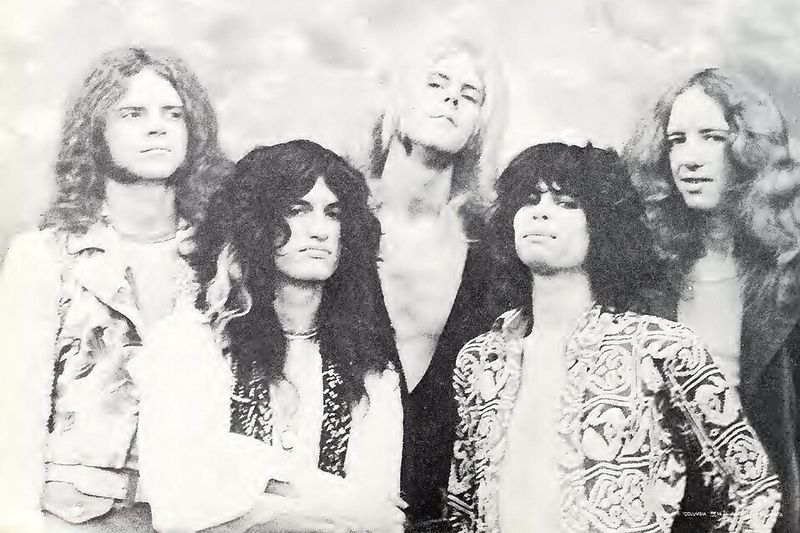
Steven Tyler composed the core of this song as a teenager, years before Aerosmith existed as a band. He worked out the melody and chord progressions on a Steinway upright piano at his family’s lodge in New Hampshire, at roughly 17 or 18 years old. The song was not written from a position of success but from the uncertainty of someone who had not yet proven himself.
The lyrics reflect that youthful perspective with unusual maturity. Lines about watching lines appear on his face and the past slipping away like dusk to dawn came from a teenager already thinking seriously about aging, time, and the cost of ambition. Tyler later described the song as being about “the hunger to be somebody” and the difficult early years of building a band from nothing.
His father, a classical musician named Victor Tallarico, influenced the song’s distinctive chord structure. Tyler recalled lying under his father’s piano as a child, absorbing the sound of classical pieces being played above him. Joe Perry initially disliked the track, calling it insufficiently rock-oriented, but the song became Aerosmith’s defining statement about perseverance.
Share this story