1959 was one of those years when popular music seemed to be changing by the week. Rock and roll was still young, doo-wop was everywhere, country was crossing over, and a new generation of singers was turning teenage heartbreak into something that could fill a jukebox.
It was also a year of huge personalities. Elvis Presley was still dominating the charts even while serving in the U.S. Army, Johnny Cash was deepening his legend, and artists like Ray Charles, Bobby Darin, and The Drifters were pushing popular music in new directions.
These 12 songs helped make 1959 feel electric, and decades later, they still sound like the beginning of something big.
1. Mack the Knife by Bobby Darin
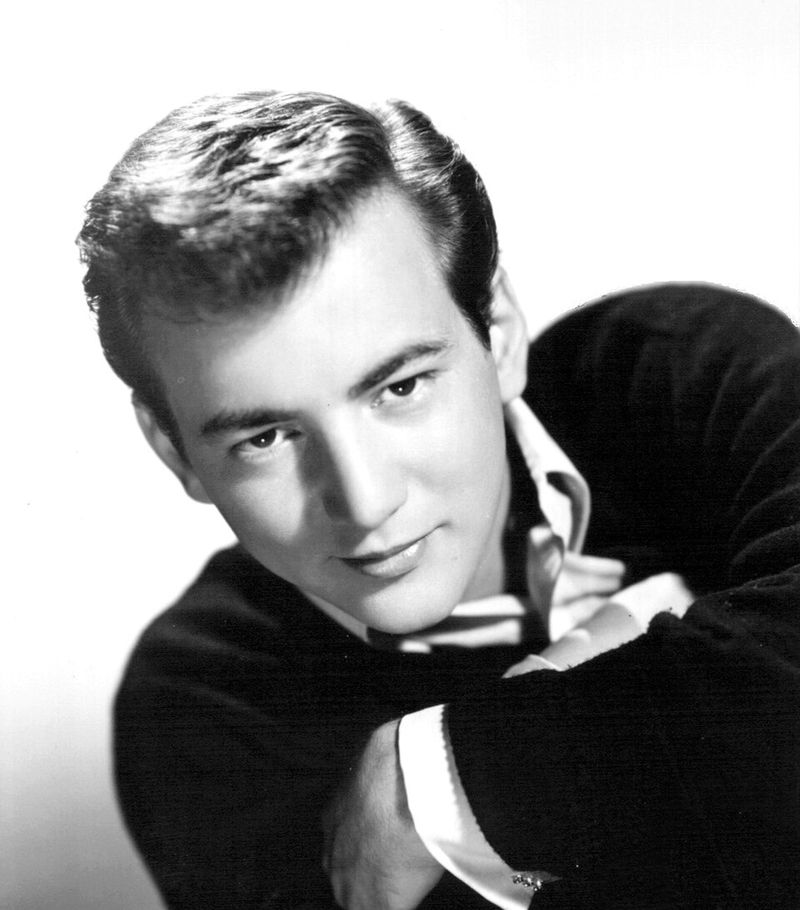
Bobby Darin took an unlikely piece of material and transformed it into one of the defining pop records of 1959. Mack the Knife originated with The Threepenny Opera, the stage work created by Bertolt Brecht and Kurt Weill decades earlier. By the time Darin got hold of it, the song already had a history, but his recording gave it an entirely different personality.
Darin approached the song with the swagger of a seasoned nightclub performer despite being only in his early twenties. The arrangement gradually builds as he works through the verses, and his performance becomes increasingly confident along with it. The combination made the recording sound sophisticated without losing the energy younger listeners expected from a contemporary pop star.
The gamble paid off spectacularly. Mack the Knife reached No. 1 on the Billboard Hot 100 and remained there for nine weeks. It also won Record of the Year at the Grammy Awards, while Darin was named Best New Artist. The song established that his career could extend far beyond straightforward teenage pop.
More than six decades later, the recording still sounds remarkably assured. Few songs capture the polished, swinging side of 1959 quite as effectively.
2. A Teenager in Love by Dion and the Belmonts
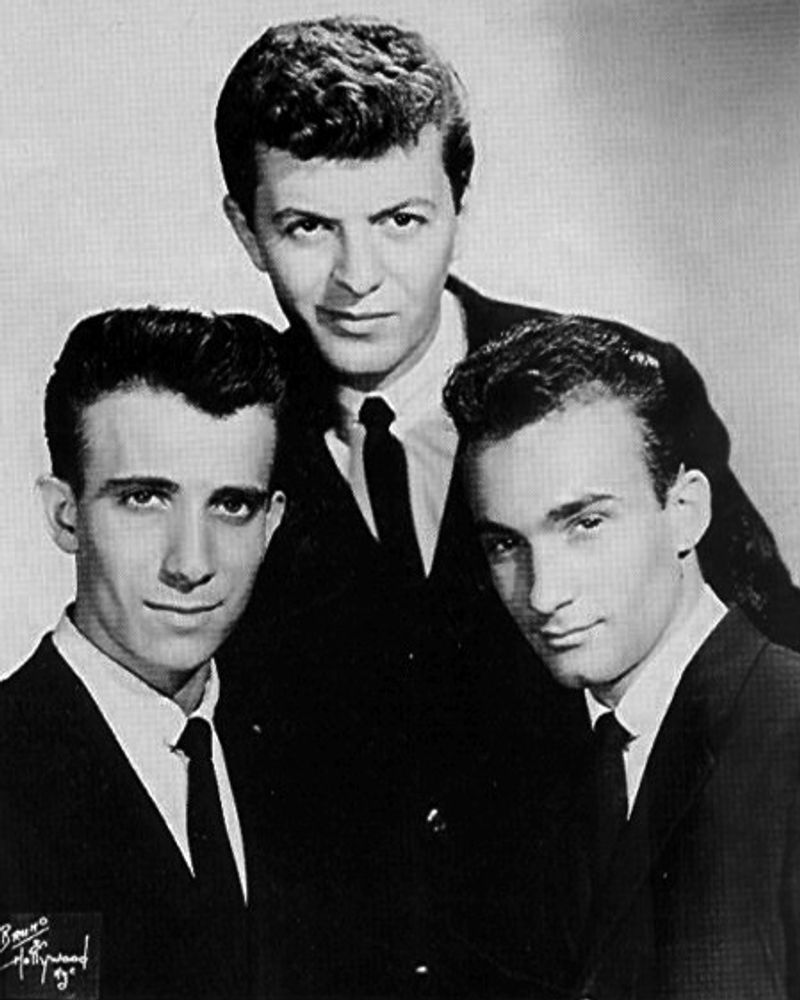
Few performers captured teenage anxiety as effectively as Dion and the Belmonts. A Teenager in Love took the emotional extremes of young romance and condensed them into a polished pop song surrounded by irresistible vocal harmonies.
Written by Doc Pomus and Mort Shuman, the song arrived just as Dion and the Belmonts were becoming one of the most recognizable vocal groups in America. Dion’s lead vocal carries the uncertainty of the lyrics, while the Belmonts provide the smooth doo-wop backing that gives the recording its unmistakable late 1950s character.
The song became a major hit in 1959, reaching the Top 10 on the Billboard Hot 100. Its appeal was not difficult to understand. The lyrics describe romance as a constant swing between happiness and misery, which probably sounded very familiar to the teenagers buying records at the time.
Dion would eventually leave the Belmonts and establish a successful solo career with songs such as Runaround Sue and The Wanderer. A Teenager in Love remains one of the recordings that best captures where his career began.
3. What’d I Say by Ray Charles
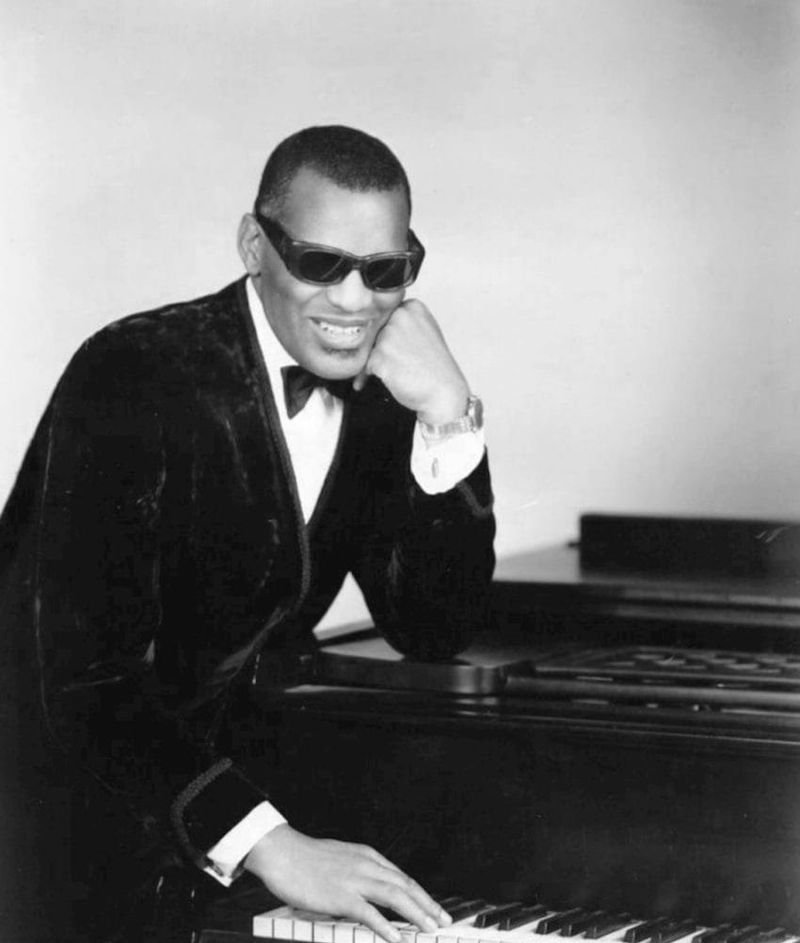
There was nothing particularly planned about the beginnings of What’d I Say. According to Ray Charles, the song emerged during a live performance when he and his band had exhausted their prepared material but still had time left to fill. Charles began improvising at the electric piano, the musicians followed him, and the audience responded enthusiastically.
That spontaneity survived when the song reached the recording studio. The electric piano riff immediately establishes the groove, but the famous call-and-response passages are what pushed the record into more daring territory. Charles drew heavily from the sounds of the Black church while placing them inside a secular rhythm-and-blues performance.
Atlantic Records released What’d I Say in 1959, and it became Charles’ first major crossover pop success. More importantly, it provided a glimpse of where American popular music was heading. Gospel, blues, jazz, and rhythm and blues were coming together in a way that would help shape the emerging sound of soul music.
Plenty of records from 1959 sound unmistakably tied to their era. What’d I Say is different. Its rhythmic force and performance energy still feel immediate, making it one of the year’s most important recordings.
4. Put Your Head on My Shoulder by Paul Anka
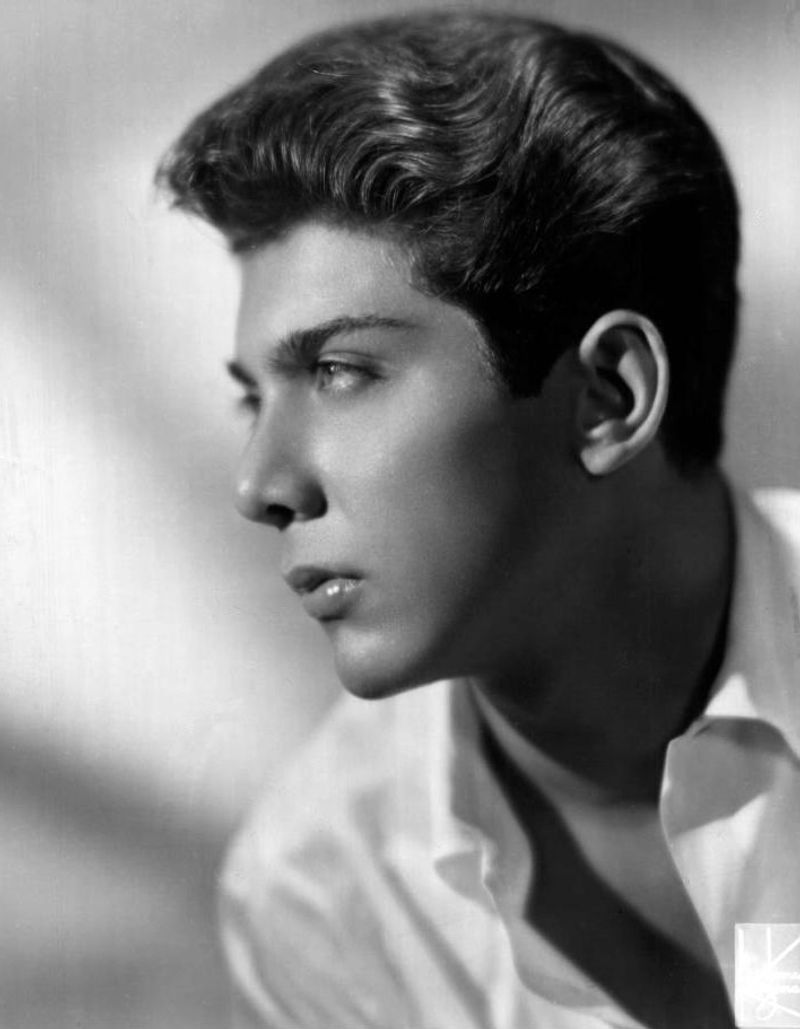
The late 1950s produced no shortage of songs designed for teenage slow dances, but few have endured as successfully as Put Your Head on My Shoulder.
Paul Anka was still a teenager himself when he became one of the era’s biggest pop stars. Unlike many young singers who depended entirely on professional songwriting teams, Anka wrote much of his own material. That gave his songs an authenticity that connected naturally with the young audience buying his records.
Put Your Head on My Shoulder was released in 1959 and climbed to No. 2 on the Billboard Hot 100. The arrangement is gentle and uncluttered, allowing Anka’s vocal and the simple romantic sentiment to remain at the center.
Remarkably, the song has found new audiences generations after its original release. Its continued popularity demonstrates that some pop formulas endure for a reason. A strong melody and a straightforward romantic message worked in 1959, and they still work today.
5. Dream Lover by Bobby Darin
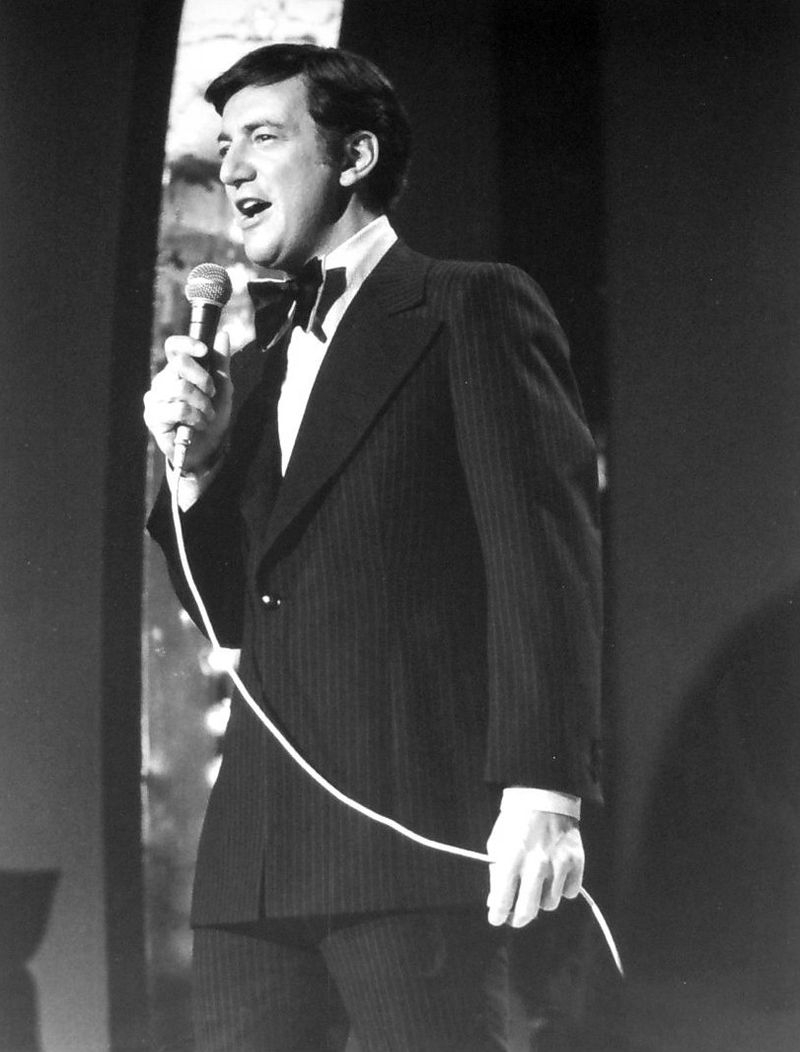
Bobby Darin’s second appearance on this list demonstrates just how extraordinary his 1959 really was. While Mack the Knife presented him as a sophisticated entertainer comfortable with big-band arrangements, Dream Lover placed him firmly back in the world of youthful pop romance.
Darin wrote the song himself, and its premise could hardly be simpler. The narrator longs for the perfect romantic partner to appear and rescue him from spending his nights alone. That straightforward sentiment is paired with one of Darin’s most memorable melodies.
Dream Lover became a major international success, climbing to No. 2 on the Billboard Hot 100 and reaching No. 1 in the United Kingdom. Neil Sedaka played piano on the recording, adding another notable name from the era to its history.
What makes the record particularly interesting today is how different it sounds from Mack the Knife. Hearing the two side by side reveals why Darin was such an unusual talent. In the same year, he could convincingly sound like a teenage jukebox favorite and a veteran nightclub performer.
6. The Battle of New Orleans by Johnny Horton
A song about an 1815 military battle becoming one of America’s biggest pop hits sounds improbable today. In 1959, Johnny Horton managed exactly that.
The Battle of New Orleans was written by Jimmy Driftwood, a schoolteacher who originally used music as a way to make history lessons more engaging for his students. Horton’s version transformed the historical narrative into a lively country-pop record filled with memorable descriptions of Andrew Jackson’s forces confronting the British.
Listeners loved it. The song reached No. 1 on the Billboard Hot 100 and also dominated the country chart. Billboard ultimately ranked it as the top song of 1959.
Its success illustrates how broad the popular-music landscape remained at the end of the 1950s. A historical novelty song with country instrumentation could share the charts with teenage idols, doo-wop groups, and rhythm-and-blues performers.
Horton’s career was tragically cut short when he died in an automobile accident in 1960. The Battle of New Orleans remains one of his most enduring recordings.
7. There Goes My Baby by The Drifters
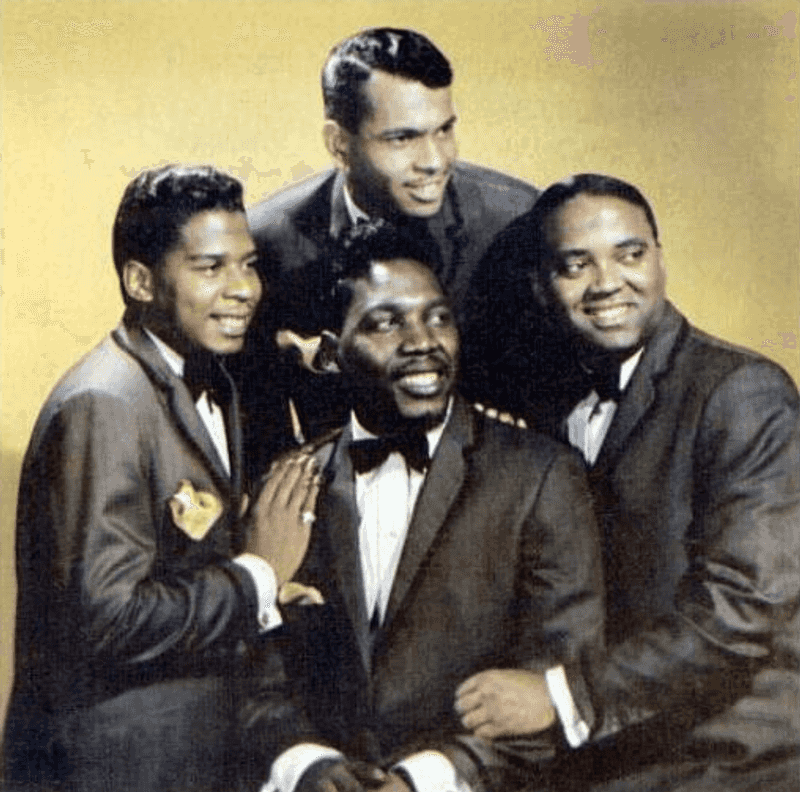
There Goes My Baby did more than give The Drifters another hit. It helped demonstrate how dramatically rhythm-and-blues production could expand.
The recording introduced Ben E. King as the group’s lead singer and surrounded his emotional vocal with an unusually elaborate arrangement. Strings and other orchestral elements created a scale that was uncommon on R&B singles at the time.
Producers Jerry Leiber and Mike Stoller were taking a considerable risk. The finished record sounded different enough that Atlantic Records executives reportedly had doubts about releasing it. Audiences were far less hesitant.
There Goes My Baby became a major hit, reaching No. 2 on the Billboard Hot 100 and No. 1 on the R&B chart. Its lush production anticipated the increasingly sophisticated soul recordings that would emerge during the 1960s.
The Drifters would go on to produce a remarkable run of classics, but this was the record that announced a new chapter for the group and helped point popular music toward the future.
8. Venus by Frankie Avalon
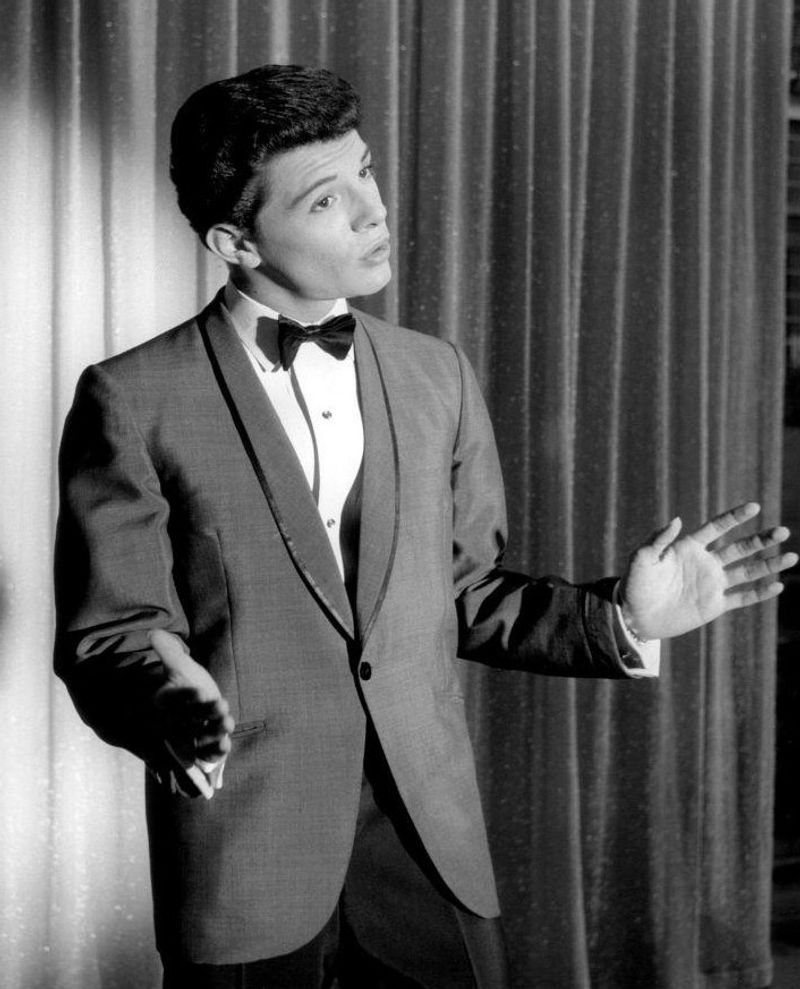
Frankie Avalon became one of the defining teen idols of the late 1950s, and Venus was the record that pushed his popularity into another league.
The premise fits the era perfectly. Avalon appeals to Venus, the Roman goddess of love, asking her to send him the ideal girl. It is innocent, unabashedly romantic, and wrapped in the polished production associated with mainstream teenage pop at the end of the decade.
Released in 1959, Venus climbed all the way to No. 1 on the Billboard Hot 100, where it remained for several weeks. The success helped establish Avalon as much more than another singer hoping to benefit from the rock-and-roll boom.
He soon expanded into acting and became particularly associated with the beach-party movies of the 1960s alongside Annette Funicello. Yet Venus remains one of the recordings most closely associated with his music career.
It is difficult to hear the opening moments without immediately being transported back to the world of jukeboxes, sock hops, and late 1950s teenage pop.
9. Charlie Brown by The Coasters
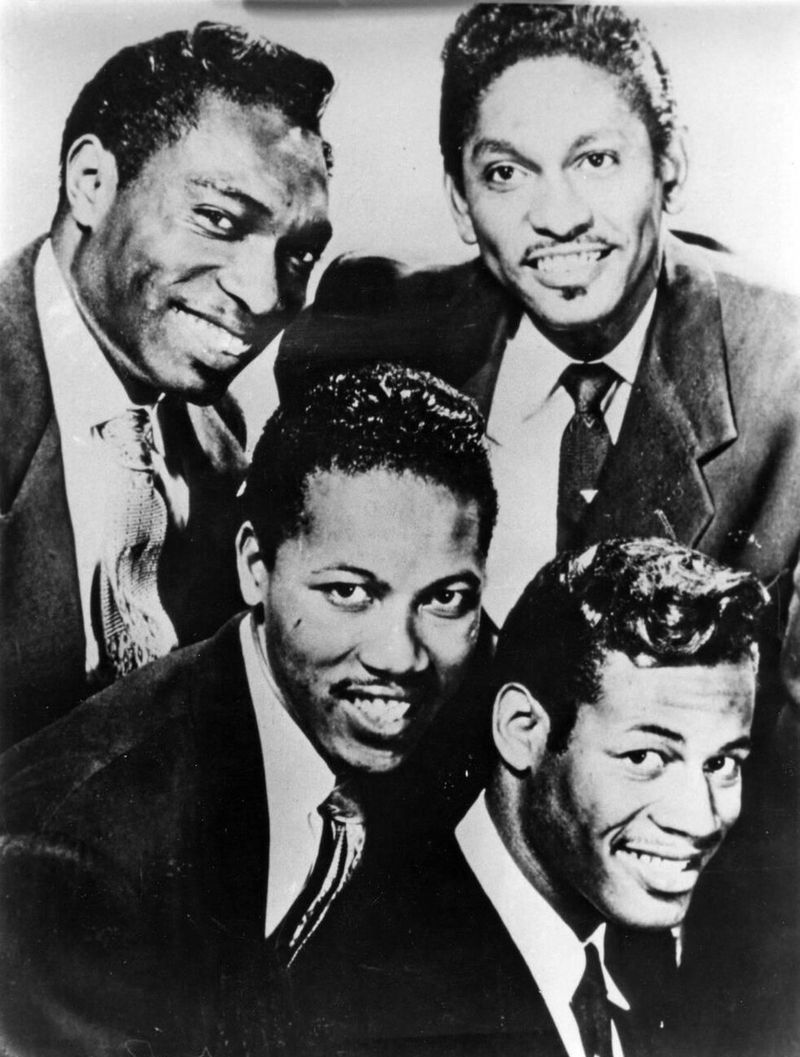
The Coasters understood something many rock-and-roll performers overlooked: records could be genuinely funny without sacrificing their musical appeal.
Charlie Brown is built around a familiar character, the kid in school who seems incapable of staying out of trouble. He throws things, causes disruptions, and then responds to the inevitable consequences with the song’s unforgettable complaint about everyone picking on him.
Jerry Leiber and Mike Stoller wrote the song, continuing one of the most productive songwriting and production partnerships of the era. The Coasters were perfectly suited to their material because they treated each recording almost like a miniature theatrical performance.
Charlie Brown reached No. 2 on the Billboard Hot 100 in 1959 and became one of the group’s signature songs. It joined an extraordinary catalog that also included Yakety Yak, Searchin’, and Poison Ivy.
More than anything, the song captures the playful side of early rock and roll. Not every record needed to be about heartbreak or rebellion. Sometimes a troublesome kid and a great hook were enough.
10. El Paso by Marty Robbins
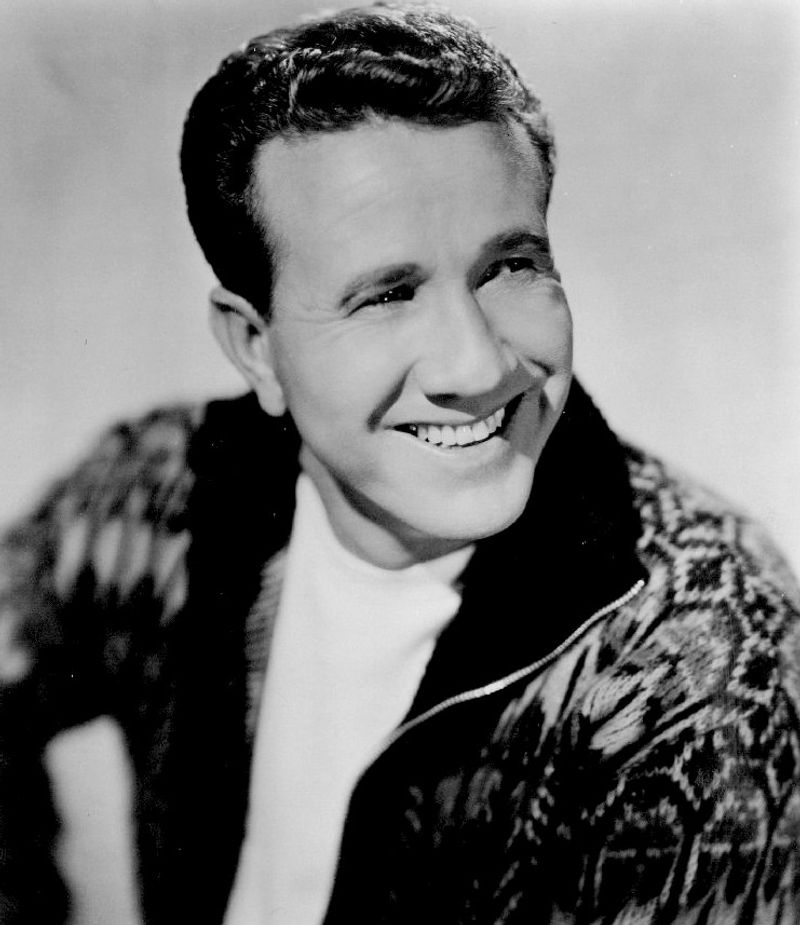
Marty Robbins did not simply record a country song with El Paso. He created a miniature Western tragedy.
The story follows a cowboy who falls hopelessly in love with Feleena, a dancer at Rosa’s Cantina in El Paso. Jealousy leads to violence, the narrator flees, and his inability to stay away from Feleena ultimately draws him back toward a fatal conclusion.
At more than four minutes, El Paso was unusually long for a commercially successful single in an era when radio favored much shorter recordings. The compelling story made its length feel like an advantage rather than a problem.
Released in 1959 as part of Robbins’ Gunfighter Ballads and Trail Songs project, El Paso crossed far beyond the country audience. It eventually reached No. 1 on the Billboard Hot 100 in early 1960 while also becoming a major country hit.
Its release belongs firmly to 1959, and its cinematic storytelling makes it one of the year’s most ambitious recordings. Few pop hits before or since have packed so complete a narrative into a single song.
11. It’s Just a Matter of Time by Brook Benton
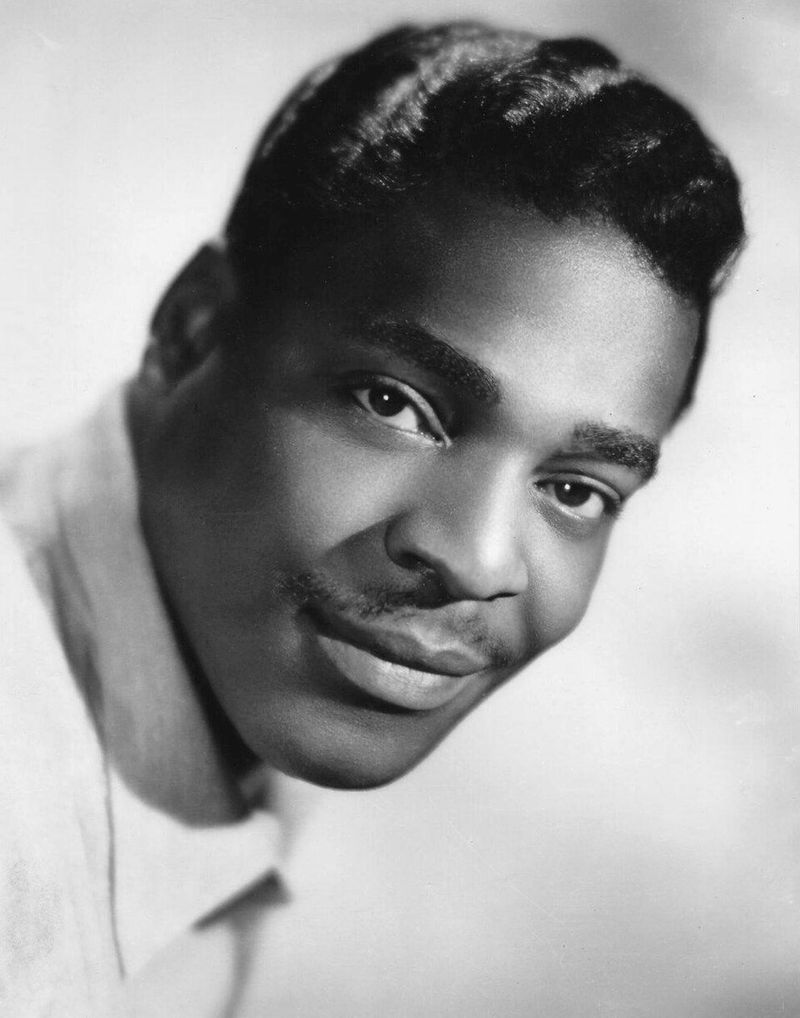
Brook Benton brought a different kind of romantic confidence to the charts in 1959. Rather than sounding desperate or heartbroken, he delivers It’s Just a Matter of Time with the calm certainty of someone convinced that lost love will eventually return.
Benton co-wrote the song with Belford Hendricks and Clyde Otis, beginning a period that would produce some of his most successful recordings. His deep, smooth voice immediately distinguished him from the teenage singers dominating much of the pop market.
It’s Just a Matter of Time reached No. 3 on the Billboard Hot 100 and topped the R&B chart. The recording helped establish Benton as a major crossover performer capable of appealing to pop and rhythm-and-blues audiences simultaneously.
The song proved remarkably adaptable as well. Later country versions by Sonny James, Glen Campbell, and Randy Travis introduced it to entirely new generations of listeners.
Benton’s original remains the foundation, a sophisticated 1959 recording built around one of the era’s most distinctive voices.
12. Shout by The Isley Brothers
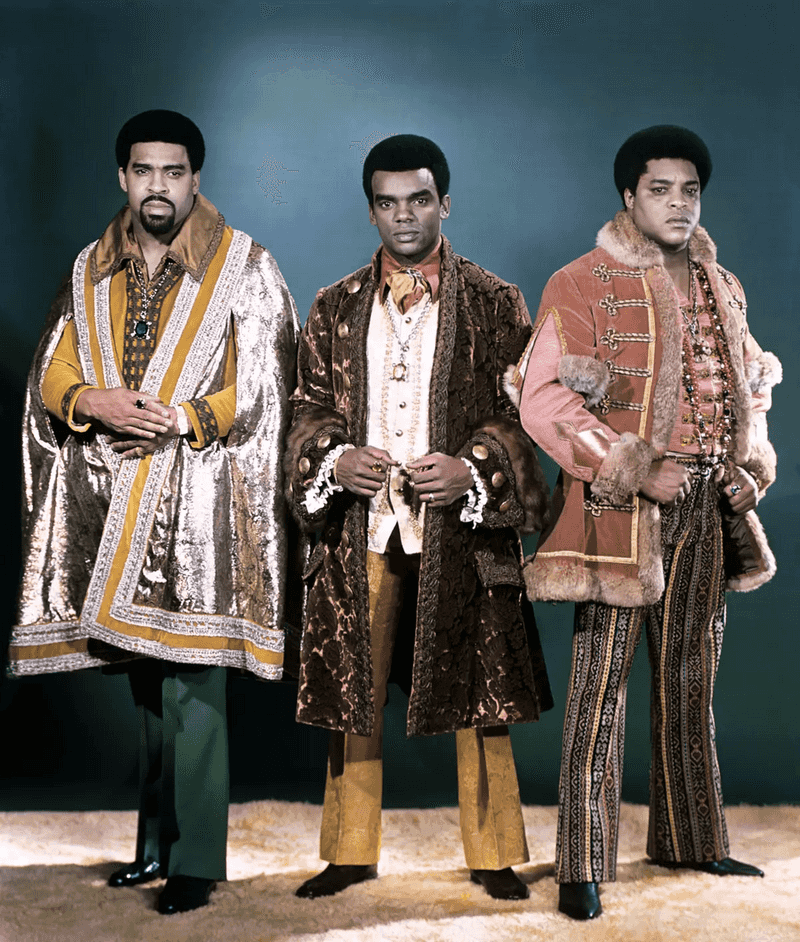
Not every important record becomes an immediate chart blockbuster. Shout is one of the best examples.
The Isley Brothers developed the song partly from the call-and-response excitement of their live performances. The recording begins with controlled energy before steadily escalating into the kind of communal celebration that practically demands audience participation.
Released in 1959, Shout initially performed more modestly on the charts than its later reputation might suggest. Time completely changed that story. The song became a rock-and-roll standard, was covered by numerous performers, and eventually became nearly unavoidable at parties, weddings, sporting events, and celebrations.
The record also captures something essential about the musical transition happening at the end of the 1950s. Gospel-inspired vocals, rhythm and blues, and the raw excitement of rock and roll collide in a performance built around energy rather than polish.
If one track deserves to close a collection called 15 Classic Tracks That Made 1959 Absolutely Electric, Shout is an especially fitting choice. The year produced plenty of beautiful ballads and polished pop hits, but The Isley Brothers supplied the electricity.
Share this story