Most people assume that traditional clothing only survives in history books, folk museums, or carefully choreographed cultural shows put on for tourists. The reality is far more interesting.
Across the world, there are communities where handmade garments, embroidered blouses, wool tunics, and centuries-old headdresses are simply part of getting dressed in the morning. These are not theme parks or living history exhibits.
They are real towns, islands, mountain valleys, and farming communities where local dress continues to show up at markets, schools, offices, church services, cattle drives, and family celebrations. Some of these traditions have earned UNESCO recognition.
Others are quietly remarkable precisely because no one made a big deal about preserving them. They just kept going.
The 13 communities below represent some of the most genuine, verifiable examples of traditional dress still woven into the routines of daily life, and each one has a story worth reading.
1. Appenzell, Appenzell Innerrhoden, Switzerland
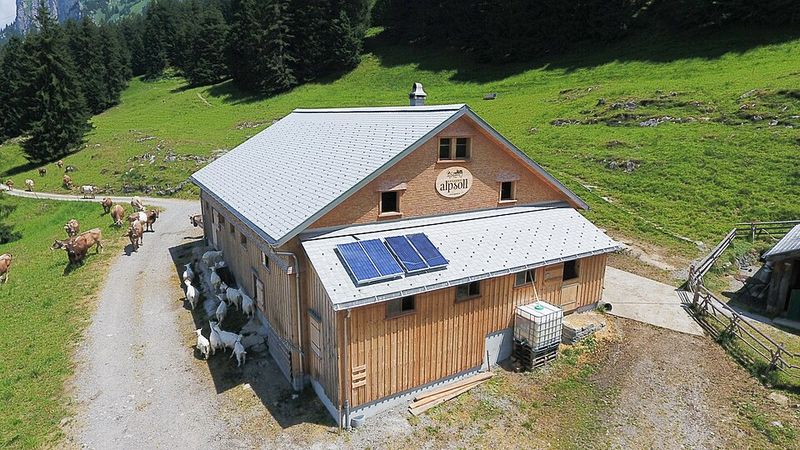
On cattle drive days in Appenzell, the hillsides fill with herdsmen who look like they stepped out of a painting that never stopped being painted. Men wear embroidered white shirts, red silk-lined waistcoats with square silver buttons, and decorated suspenders, while a distinctive snake-shaped golden earring called an “Ohreschueffe” completes the look.
During alpine cattle shows, the attire shifts to yellow leather breeches, white knitted knee-length socks, and a flat black hat decorated with ribbons and flowers. Women’s feast-day costumes are equally elaborate, featuring finely pleated ankle-length skirts, a velvet bodice with silver filigree clasps, and a gold cap with carmine-red silk bows.
Importantly, the workday women’s costume appears far more frequently than the elaborate feast-day version, making Appenzell one of Switzerland’s strongest surviving pockets of genuinely lived traditional dress rather than a once-a-year showcase. The local tourism authority confirms this distinction clearly.
2. Kihnu, Pärnu County, Estonia
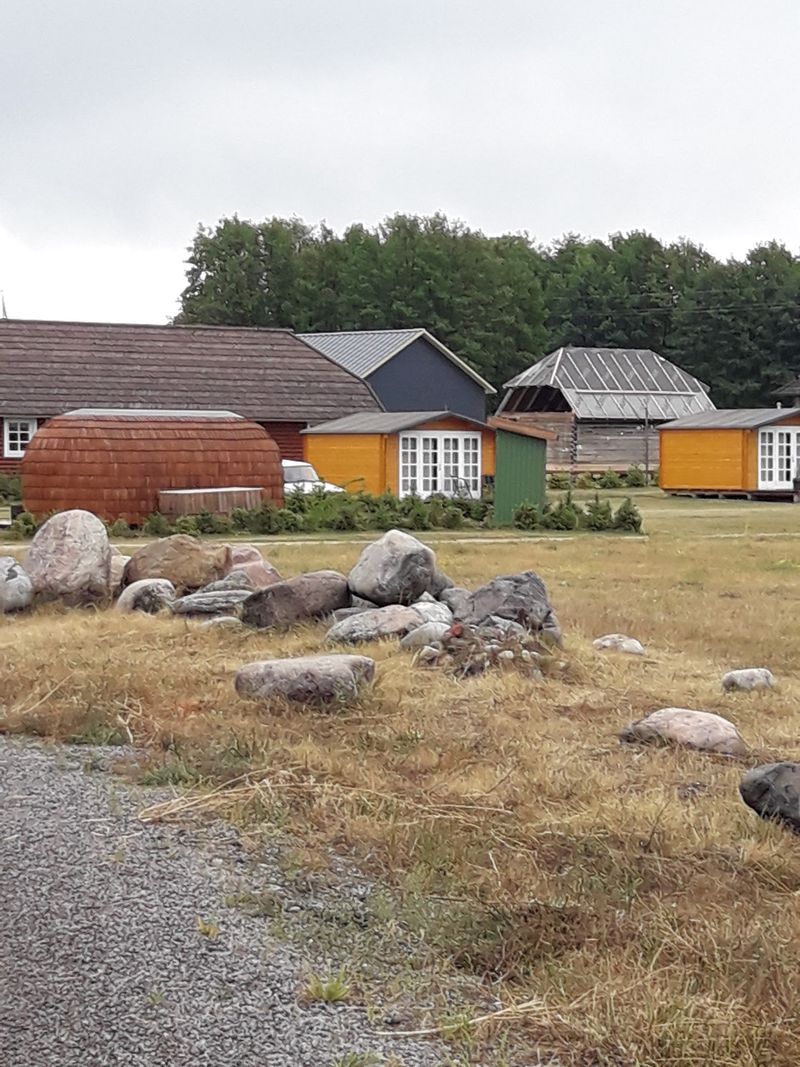
On a small Baltic island with a population that fits comfortably in a single village, the women have managed to do something extraordinary: keep a textile tradition so alive that UNESCO put it on their Representative List of Intangible Cultural Heritage of Humanity.
Kihnu women handcraft striped wool skirts locally called “kört,” knitted stockings, mittens, and embroidered blouses as part of ordinary life rather than occasional performance. The skirts use vibrant red stripes combined with blue, black, or grey, and the specific shades can indicate a woman’s marital status, with younger women favoring brighter colors.
Aprons, knitted sweaters called kampsun, and white headscarves complete the everyday ensemble, while more intricate scarves and floral crowns appear at community events. Men also retain elements of traditional dress for festivals.
Against Kihnu’s quiet landscape of pine groves and coastal roads, this handmade clothing feels completely at home rather than out of place.
3. Thimphu, Thimphu District, Bhutan
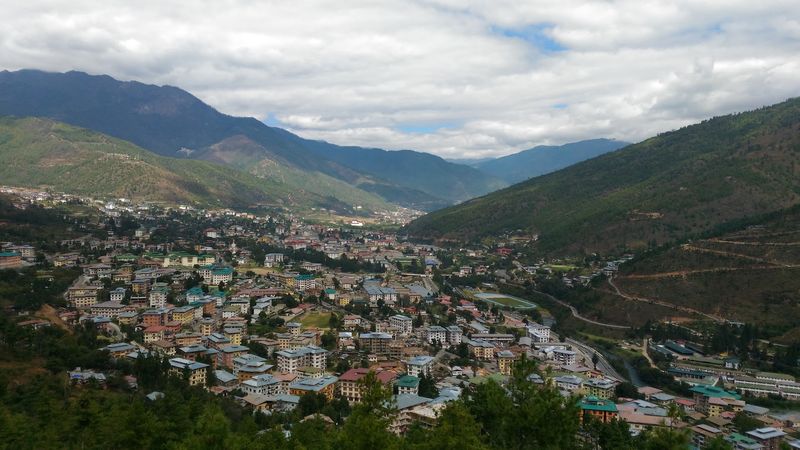
Few capital cities in the world can claim that their residents wear traditional clothing to the office on an ordinary Tuesday, but Thimphu is not an ordinary capital city. Bhutan’s gho for men and kira for women appear in government buildings, hotels, schools, restaurants, and busy city streets as a matter of national policy and genuine cultural pride.
The gho is a knee-length robe folded and belted at the waist with a woven kera, typically worn over a shirt and paired with knee-high socks. For formal occasions, a ceremonial scarf called a kabney is draped over the left shoulder, with its color indicating the wearer’s rank or status.
Women’s kiras are floor-length dresses crafted from intricately woven fabric, worn over a blouse called a wonju, with a short open jacket called a toego added for formal events.
Younger Bhutanese have found creative ways to reinterpret colors and weaving patterns, keeping centuries-old textile traditions genuinely current rather than frozen in time.
4. Taquile Island, Puno Region, Peru
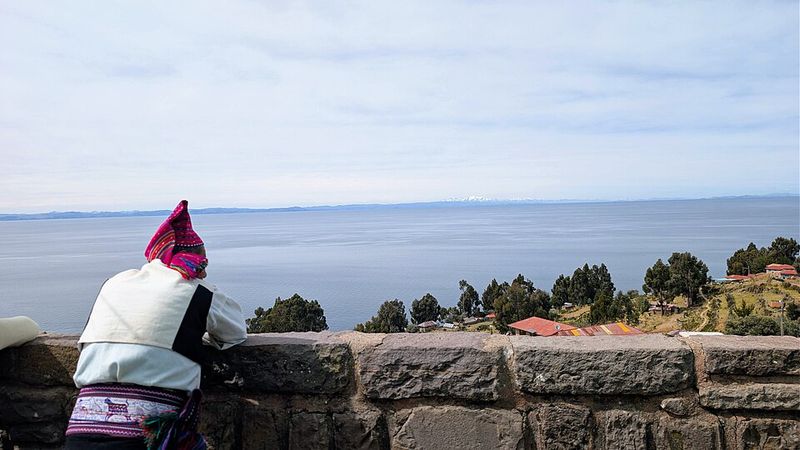
Taquile Island holds a distinction that most textile-producing communities can only dream about: UNESCO recognized its textile art as a Masterpiece of Oral and Intangible Heritage precisely because the clothes are made, worn, and understood within the community itself, not simply produced for outside buyers.
Men on Taquile are the knitters, a reversal of many global traditions, and they produce the famous chullo hats with earflaps and colorful geometric designs that can indicate a man’s marital status. Women handle weaving, producing elaborately patterned belts called chumpis and other garments on traditional backstrap looms, with designs referencing agricultural cycles and the natural world.
The textile colors and patterns add vivid visual energy to an island already framed by the deep blue of Lake Titicaca and the distant Andean peaks. Every stitch carries meaning within the community, making the clothing a collective statement of identity rather than personal decoration.
Taquile’s garments are genuinely worn, not archived.
5. Chichicastenango, El Quiché, Guatemala
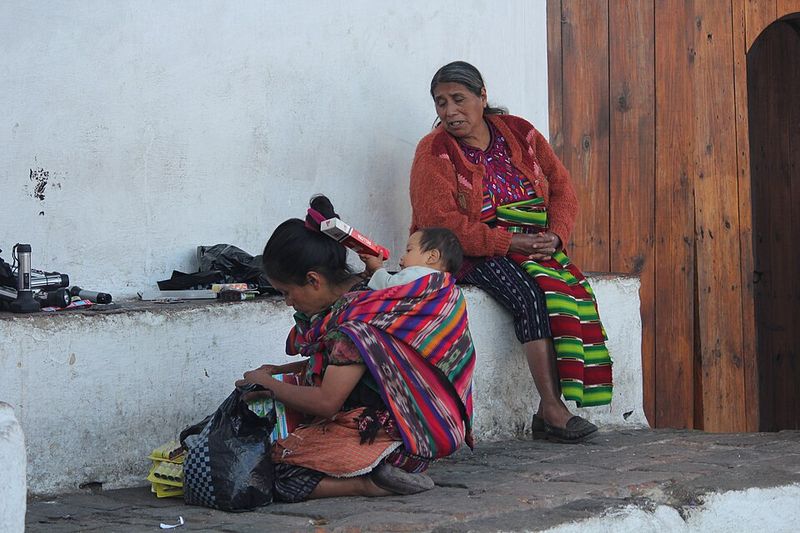
Thursday and Sunday transform Chichicastenango into one of Central America’s most visually striking public spaces, where the K’iche’ Maya weaving tradition arrives not as a performance but as simply what people are wearing when they come to sell flowers, produce, and handmade goods.
The huipil, a traditional blouse woven with geometric or zoomorphic embroidery, has historically functioned almost like a community identifier, with specific patterns and color combinations associated with particular villages or social roles. Men’s traditional dress includes embroidered jackets, woven trousers, and sashes, sometimes completed with a distinctive head wrap called a paty for religious or ceremonial occasions.
The weaving skills behind these garments are passed through families, making each piece a carrier of inherited knowledge rather than a mass-produced souvenir. Chichicastenango’s market has an atmosphere that far exceeds a simple shopping stop, largely because the clothing worn by vendors and community members is genuinely part of their daily cultural life.
6. Bârsana, Maramureș County, Romania
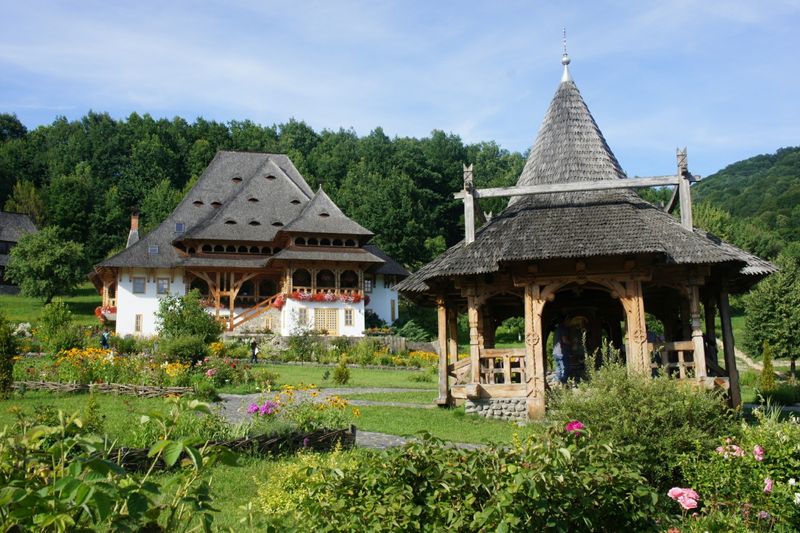
Rural Maramures has a habit of making visitors feel like they have miscalculated the century, particularly on Sunday mornings when embroidered blouses, woven aprons, and regional hats appear at church services and community gatherings without any fanfare.
Women’s attire centers on the finely embroidered white blouse called an “ie,” paired with a woven wool skirt called a fota and a patterned apron in contrasting colors. Married women typically cover their heads with a headscarf, while unmarried women might wear more elaborate head decorations.
What makes Maramures particularly interesting is that styles vary noticeably from village to village, with colors and textile details sometimes revealing exactly where a wearer originates.
Men’s costume typically includes white linen trousers, an embroidered shirt, and a thick wool vest called a suman, topped with either a straw hat or a tall felt hat depending on the village. In Barsana, the wooden monastery architecture and mountain scenery make these surviving sartorial traditions feel entirely native to their surroundings.
7. San Juan Chamula, Chiapas, Mexico
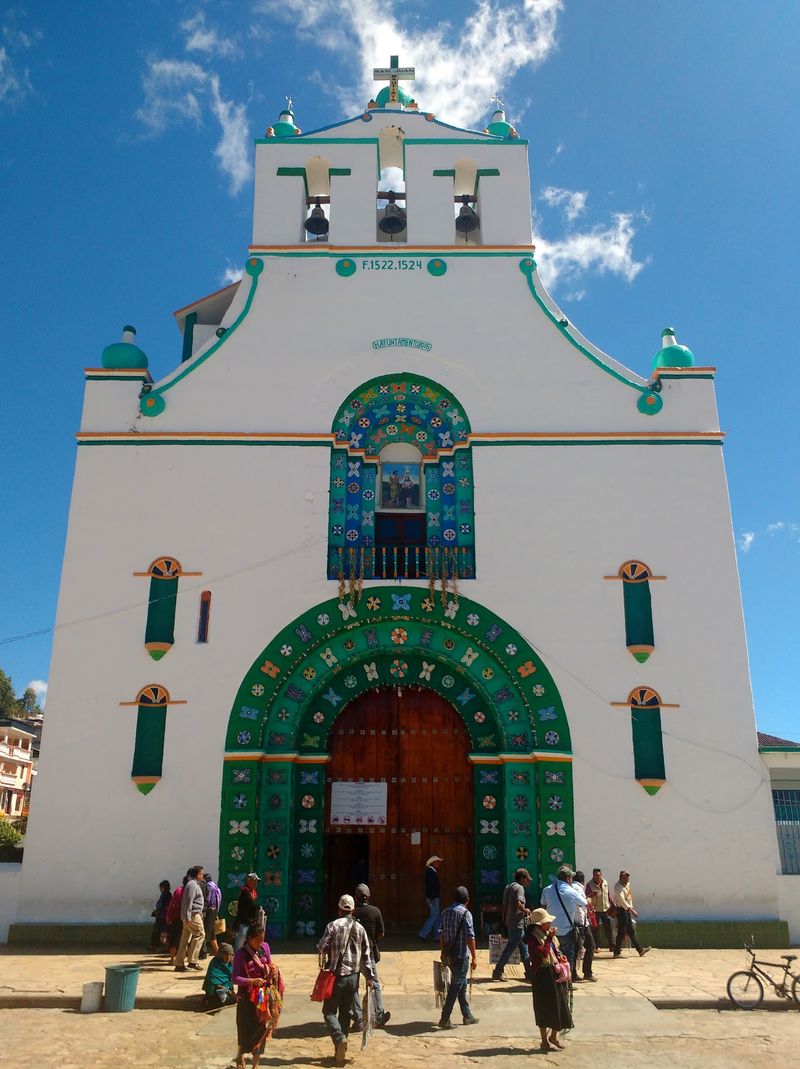
Cool highland temperatures and a fiercely maintained cultural identity have combined to make San Juan Chamula a place where wool garments remain part of ordinary street life rather than reserved for calendared celebrations.
Women’s everyday clothing typically includes a wraparound skirt called an enredo, a vibrant red sash, and an embroidered blouse, with wool playing a practical and symbolic role throughout. Men frequently wear heavy knee-length tunics woven from undyed black or white wool called chujes, paired with white cotton trousers and a palm hat that may be decorated with colored ribbons during religious observances.
Mexico’s National Museum of Anthropology specifically notes that these wool garments remain important for both daily and ceremonial use.
Traditional dress in San Juan Chamula functions as a communication system, signaling community belonging, social role, and cultural continuity. The clothing appears at market visits, church gatherings, and everyday errands, making it one of Mexico’s clearest examples of Indigenous dress that never shifted into occasional-use status.
8. Sa Pa, Lào Cai Province, Vietnam
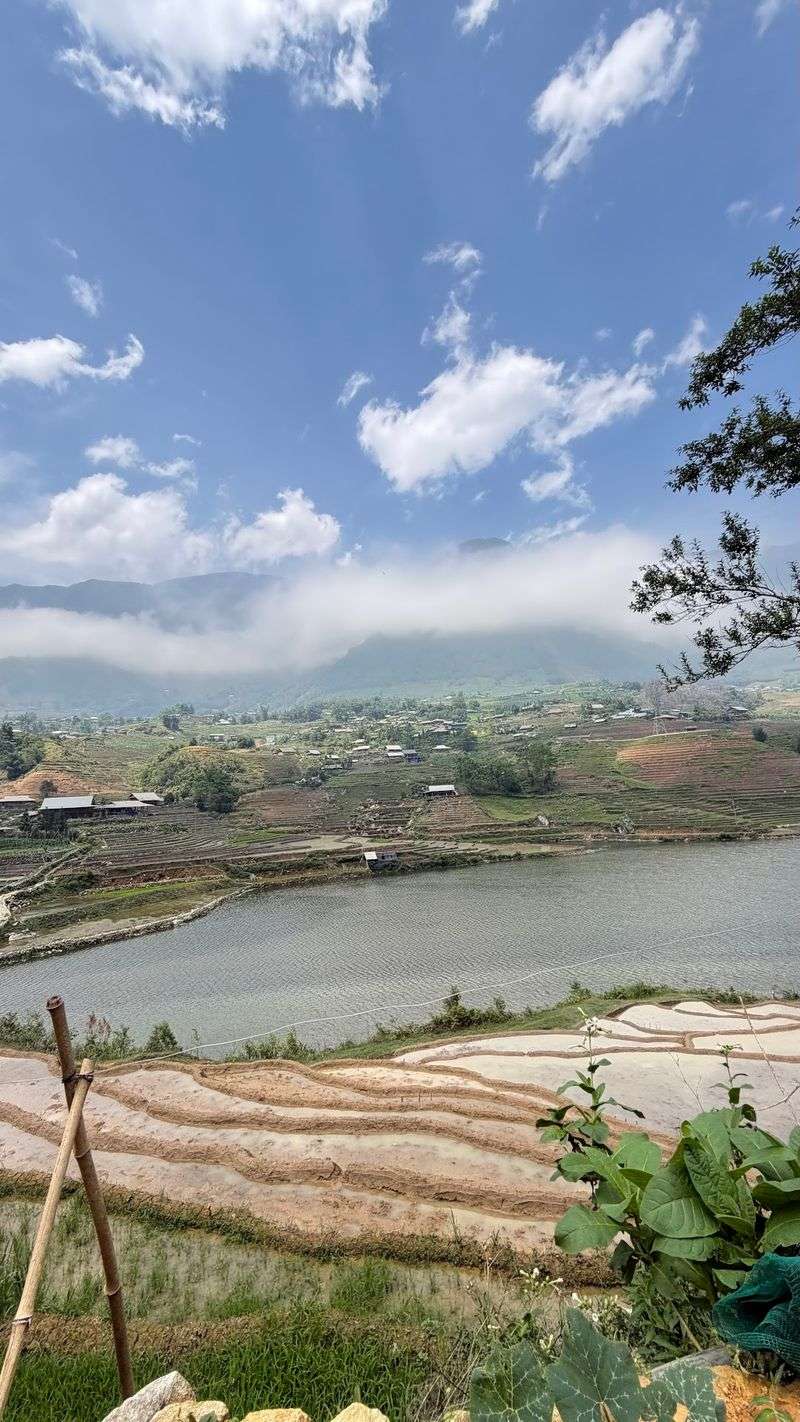
The mountains around Sa Pa are home to several ethnic communities whose textile traditions are among northern Vietnam’s most visually distinctive cultural features, turning a trip to a local market into a genuinely informative experience in living heritage.
Black H’Mong women are recognized for their indigo-dyed hemp clothing, which includes intricate embroidery, batik patterns, and pleated skirts, often paired with silver ornamentation that contrasts sharply with the deep indigo base. Red Dao women are instantly identifiable by elaborate red turbans decorated with silver coins and tassels, worn alongside richly embroidered jackets and trousers where red remains the dominant color throughout the design.
These garments are not ceremonial reserves brought out for festivals. They appear in daily community life and at local markets, worn while working and trading.
The skills required to produce them, from cultivating hemp to natural dyeing to complex embroidery, continue to be transmitted through families, keeping the tradition genuinely active rather than documented and retired.
9. Chinchero, Cusco Region, Peru
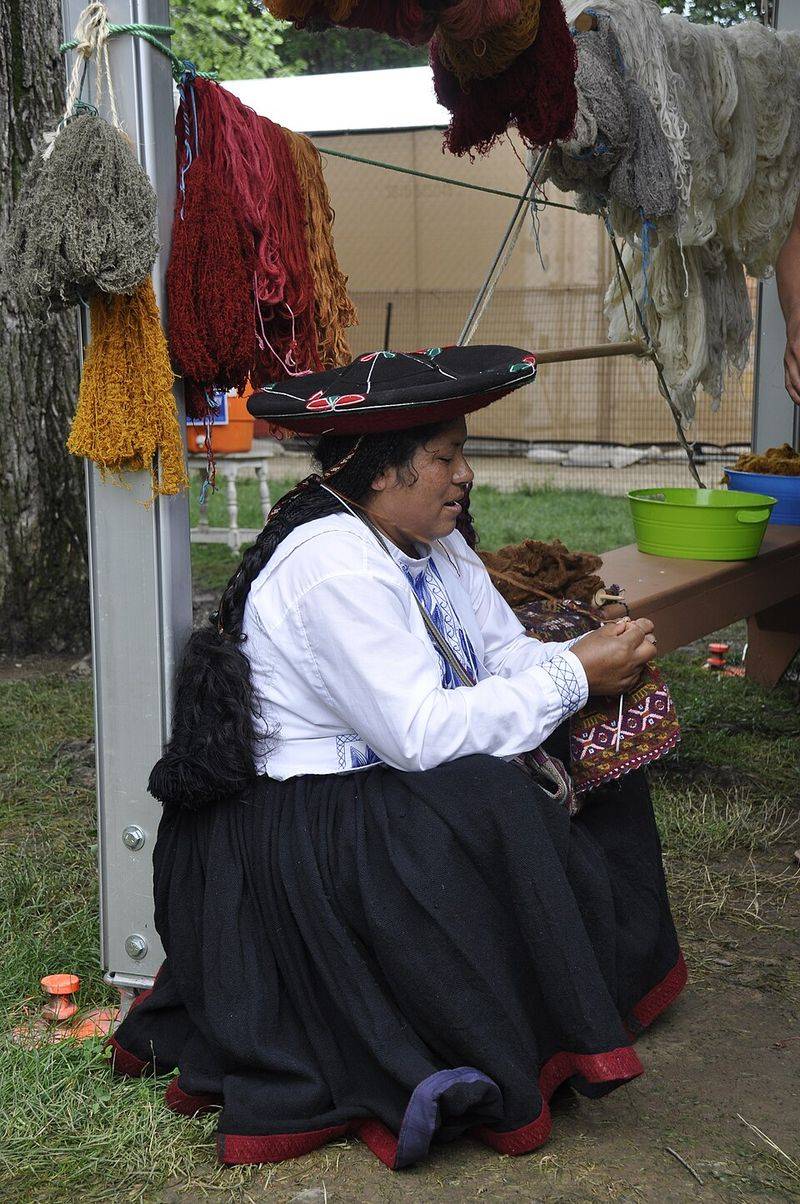
Chinchero makes a convincing case that Inca textile heritage never actually ended. Quechua weavers here continue spinning, dyeing with natural plant and insect-based dyes, and weaving garments whose patterns carry inherited community knowledge that has been refined rather than frozen.
Women typically wear layers of hand-woven skirts called polleras, embroidered blouses, and the lliclla, a rectangular shoulder cloth that doubles as a practical carrying wrap and a canvas for elaborate symbolic designs. Men wear hand-woven ponchos, trousers, and chullo hats featuring local motifs and colors specific to their community.
These garments are worn daily, not saved for special occasions.
The weaving process itself is a communal activity, often demonstrated at local textile centers where visitors can follow the full sequence from raw wool to finished cloth. Chinchero’s combination of high Andean scenery, visible archaeological remains, and a living weaving culture makes it one of the Sacred Valley’s most genuinely distinctive destinations, where the clothing tells a story that the ruins alone cannot.
10. Opuwo, Kunene Region, Namibia
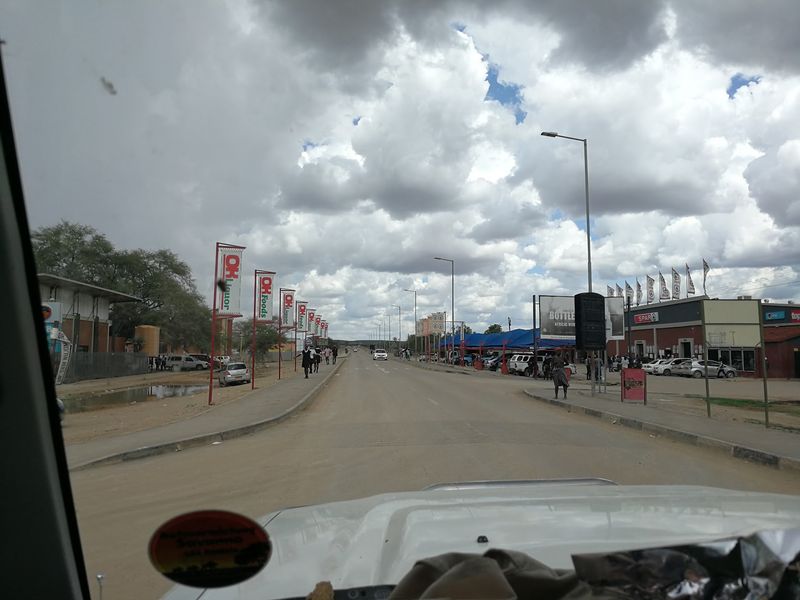
Opuwo is the kind of place that quietly dismantles the assumption that tradition and modernity must occupy separate spaces. On any given day, OvaHimba women in culturally distinctive dress and ochre-based otjize can be seen in the same markets and public areas as residents wearing contemporary Western clothing, and Namibia’s official tourism descriptions present this not as contradiction but as the town’s defining character.
The otjize, a paste made from ochre, butterfat, and aromatic resins, is applied daily to skin and hair, serving both practical sun protection purposes and deep cultural significance related to beauty, vitality, and connection to the earth. OvaHimba women’s attire also includes animal hide or fabric skirts with elaborate shell and metal jewelry and distinctive leather headdresses.
Men wear loincloths or skins with leather belts and various adornments.
These practices are not reserved for ceremonies. They are visible in everyday routines, making Opuwo a genuinely compelling example of a living culture that has continued on its own terms rather than adapting itself for outside audiences.
11. Bumburet, Kalash Valleys, Pakistan
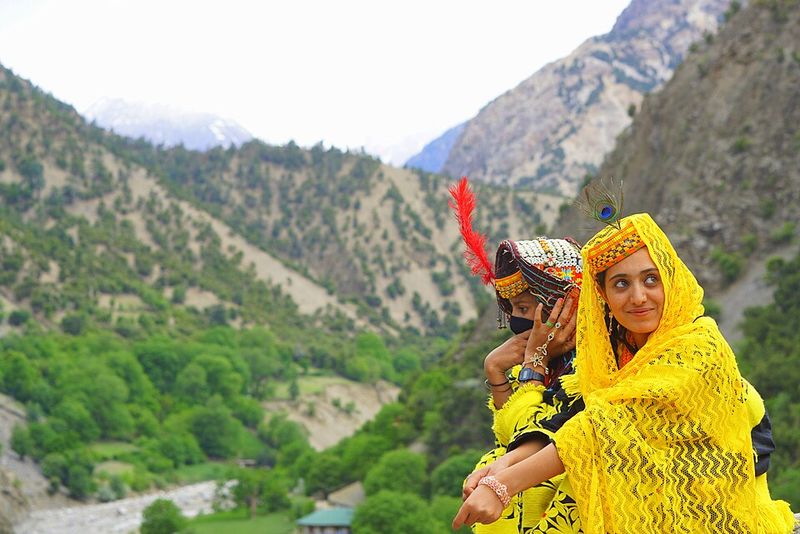
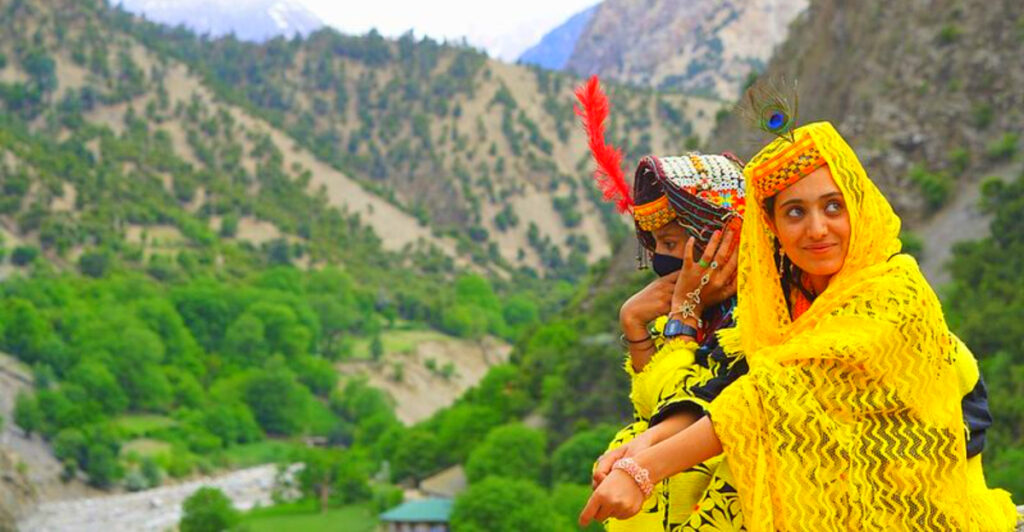
Hidden in the Hindu Kush, Bumburet is one of the Kalash Valleys where an ancient culture continues to function as a complete, living system rather than a preserved fragment of something that ended long ago. UNESCO’s 2026 documentation of the Kalasha valleys specifically emphasizes that clothing, rituals, settlements, and community traditions still operate together as one coherent cultural whole.
Kalasha women are among the most visually recognizable figures in Pakistan’s northwest, wearing long dark dresses embellished with colorful embroidery and intricate beadwork. The kupasi or sueshal headdress, decorated with cowrie shells, beads, and plumes, can indicate a woman’s marital status and the specific valley she comes from.
These garments are everyday wear, not ceremonial reserves.
Textile skills central to producing this clothing are documented as part of Pakistan’s intangible cultural heritage, with techniques passed carefully through generations. The result is a valley where traditional dress is not a symbol of resistance to change but simply a natural part of how people identify themselves and organize their daily lives.
12. Lancaster County, Pennsylvania, USA
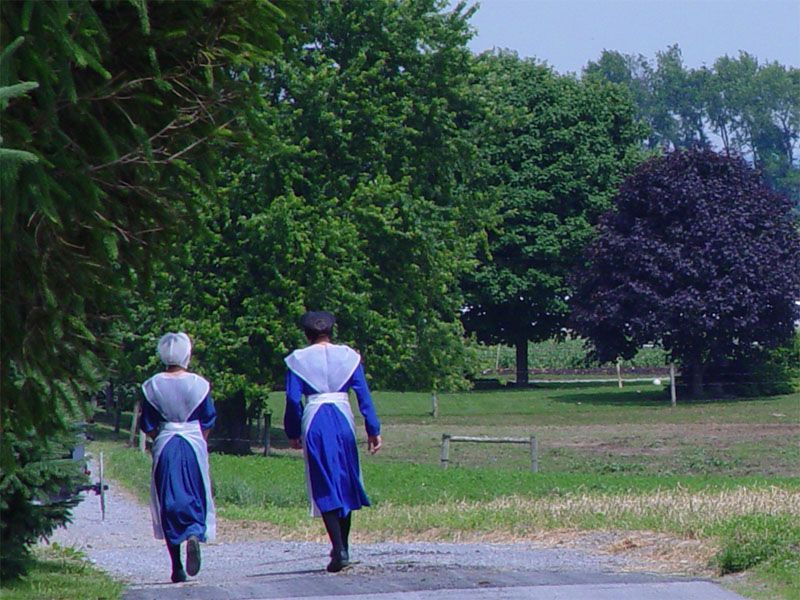
Lancaster County holds a steady, quiet distinction as home to one of America’s most well-known Old Order Amish communities, where plain dress is not a stylistic preference but a daily expression of religious conviction and community solidarity.
Men wear solid-colored shirts in practical shades like blue, grey, or black, paired with broadfall trousers fastened with buttons rather than zippers, held up by suspenders. A broad-brimmed straw hat or black felt hat is standard headwear, and married men wear beards without mustaches, a practice with specific theological roots in their Ordnung, the community’s unwritten code of conduct.
Women wear long solid-colored dresses with aprons, capes over the bodice, and white prayer coverings called kapps.
The clothing is deliberately uniform, designed to minimize individual expression and reinforce community belonging. Visitors to Lancaster County should approach this traditional dress with genuine respect rather than treating it as a photo subject, recognizing it as an active part of people’s faith lives rather than a historical curiosity on display for outside observers.
13. Lauterbrunnen, Canton of Bern, Switzerland
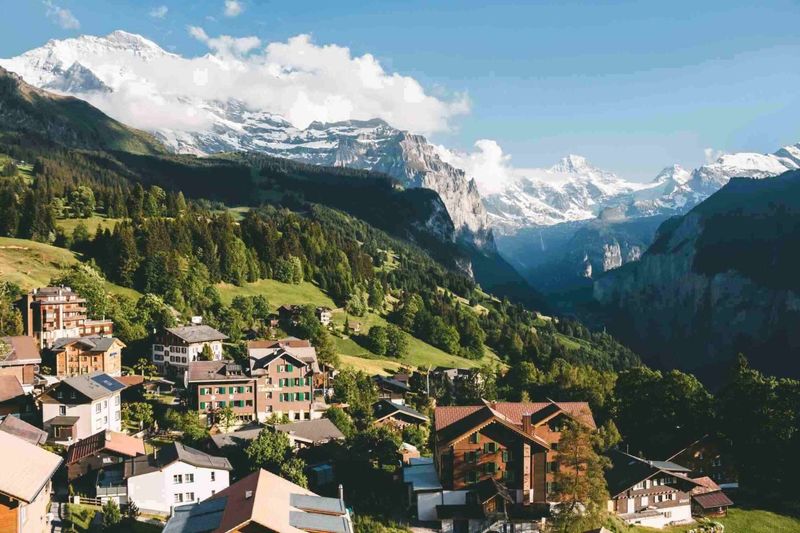
Lauterbrunnen is internationally famous for its sheer cliffs and waterfalls, but the valley has a cultural layer that most visitors overlook entirely: a distinctive regional Tracht that remains a recognizable piece of local identity rather than a forgotten historical costume.
The Sunday version of the costume features high Empire-style waists, carefully finished blouses, shawls, and an intricately styled bonnet or straw hat that gives the ensemble a ceremonial quality. Workday attire is more practical but retains the regional character through specific apron styles, skirt designs, and blouse details that distinguish Lauterbrunnen’s Tracht from those of neighboring valleys.
The materials and craftsmanship reflect a long history of local textile pride.
These garments appear most visibly at cultural occasions, folk music events, and community gatherings rather than routine weekday errands, but their continued presence at those events ensures they remain a living part of valley identity. Lauterbrunnen offers visitors both dramatic natural scenery and a quiet reminder that Swiss regional culture runs considerably deeper than chocolate and watches.
Share this story