Country music in 1964 was doing something that pop radio simply was not: telling stories that felt like they belonged to real people in real places. While the British Invasion was reshaping the pop charts, country radio stayed close to home, covering marriage, heartbreak, hard work, and the occasional comedic disaster. The year produced an extraordinary range of voices and styles, from the sharp guitar-driven Bakersfield Sound out of California to the polished Nashville productions that were winning over broader audiences. Some of the biggest records of 1964 came from debut artists who arrived fully formed, while veterans delivered career-defining performances.
Roger Miller brought rapid-fire humor, Buck Owens practically owned the chart, and Connie Smith made history with her very first single. Whether you know these songs by heart or are discovering them for the first time, each one captures something specific and true about where country music stood in 1964 and what it meant to the people who listened.
1. Dang Me by Roger Miller
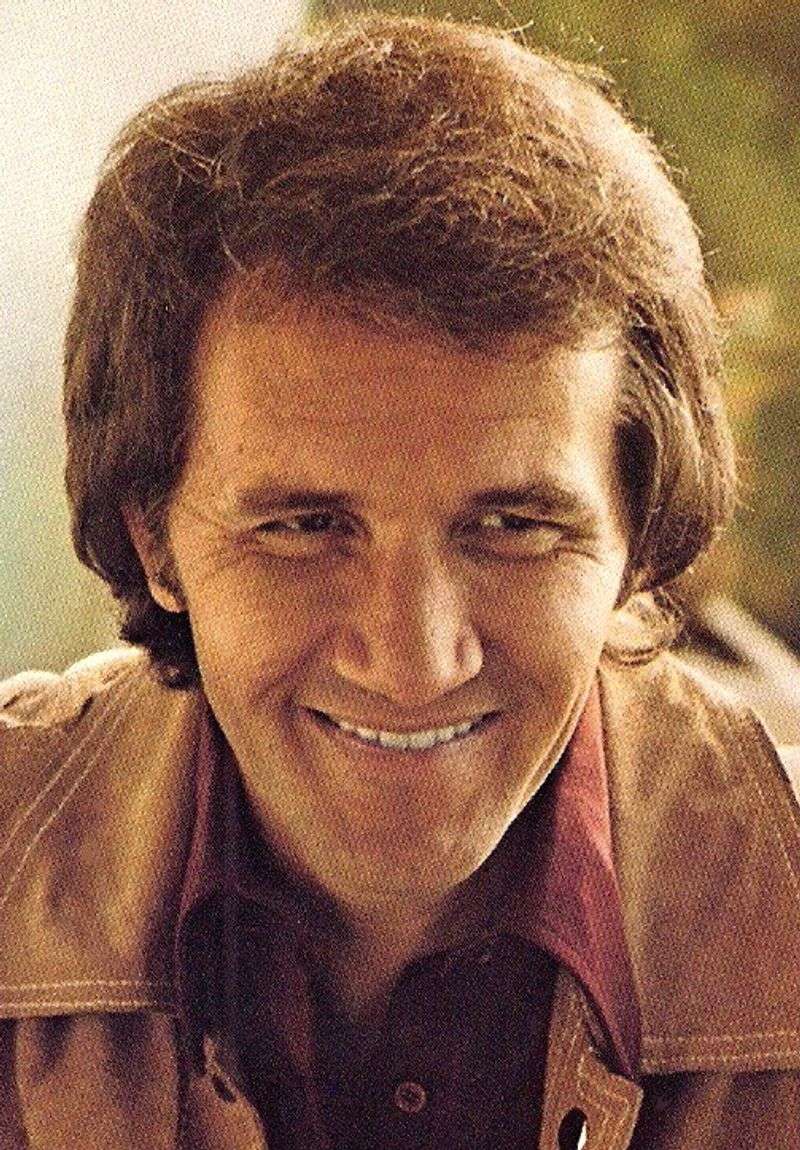
Humor was not always considered a safe bet in country music, but Roger Miller changed that calculation almost overnight with this record. Released in August 1964, “Dang Me” shot to No. 1 on the Billboard country chart and crossed over to the pop chart, reaching No. 9 on the Hot 100.
The song’s narrator is a cheerful self-confessed screwup who recognizes his own faults and shrugs them off with a grin. Miller’s rapid-fire delivery and clever wordplay made the whole thing feel spontaneous, even though the writing was precise and sharp. At a time when country songs frequently leaned toward heartbreak and loss, this record opened a different door entirely.
Miller’s success with “Dang Me” proved that the genre had room for wit and personality. It launched one of the most unusual careers in country history and showed that a funny song could still carry genuine character and craft.
2. My Heart Skips a Beat by Buck Owens
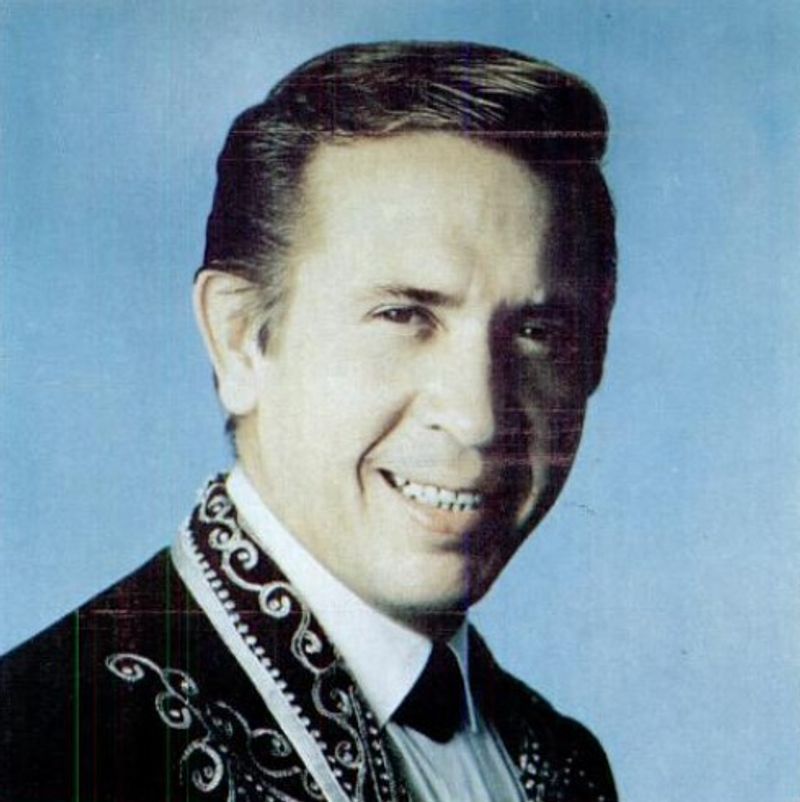
Buck Owens released “My Heart Skips a Beat” on February 24, 1964, and it climbed straight to No. 1 on the country chart, where it spent seven non-consecutive weeks. It was his third single to reach the top position, and it helped establish a pattern of dominance that defined his entire year.
The song pairs romantic vulnerability with the bright, guitar-forward instrumentation that made the Bakersfield Sound so distinctive. Owens was operating out of California, not Nashville, and that geographic distance produced a noticeably different sonic approach. His records felt energetic enough for a Saturday-night dance floor but still carried the emotional storytelling country audiences expected.
What makes this chart story especially unusual is that its own B-side, “Together Again,” briefly knocked it off the top spot before “My Heart Skips a Beat” returned for four more weeks at No. 1. Owens was essentially competing with himself, and winning on both fronts simultaneously.
3. Once a Day by Connie Smith
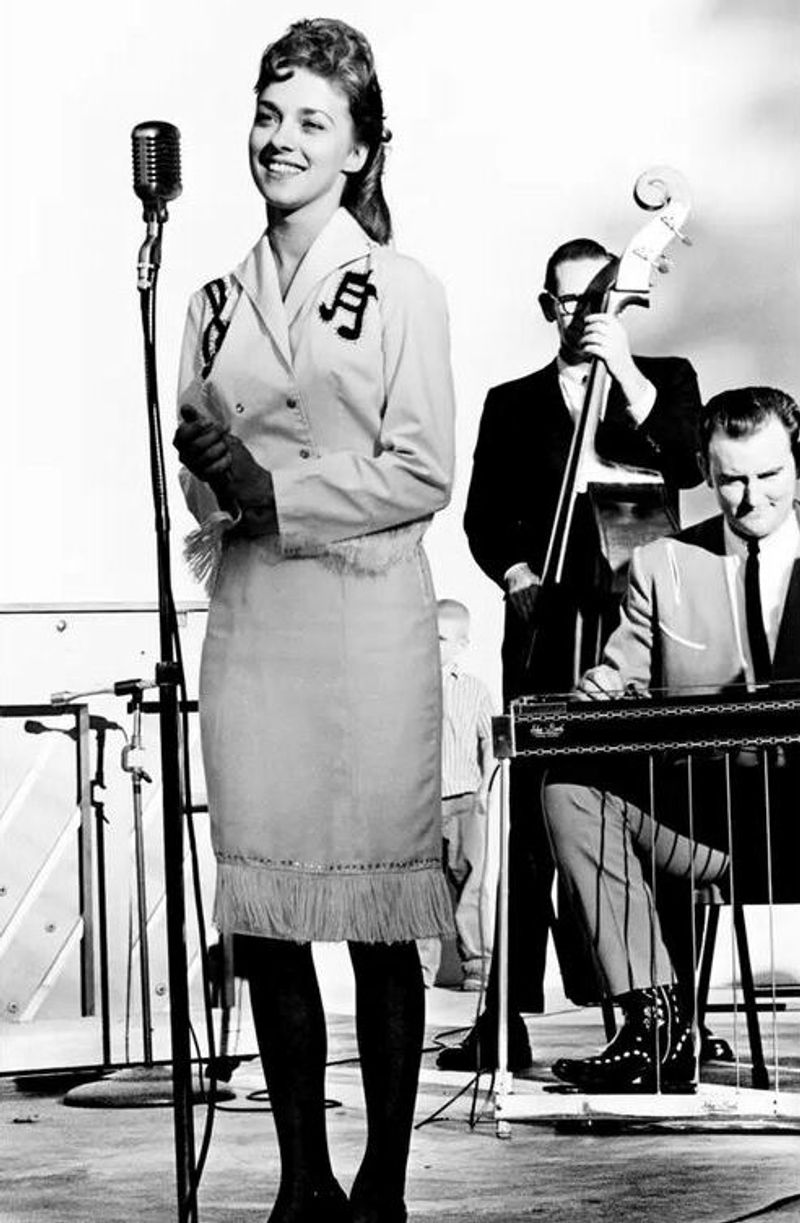
Few debut singles in country music history made the kind of immediate statement that this one did. Released in August 1964, “Once a Day” reached No. 1 on the Billboard Hot Country Songs chart on November 28, 1964, where it stayed for eight consecutive weeks, making Connie Smith the first female solo artist to top the country chart with a debut single.
The song’s central idea lands with a delayed punch. The narrator says she only thinks about her former love once a day, but that one time starts when she wakes up and doesn’t end until she falls asleep. Veteran songwriter Bill Anderson wrote the track and also helped Smith secure her deal with RCA Records. It was recorded at RCA’s Studio B in Nashville in July 1964.
The Library of Congress later selected “Once a Day” for preservation in the National Recording Registry in 2020. Smith’s eight-week record stood for nearly five decades before Taylor Swift surpassed it in 2012.
4. I Guess I’m Crazy by Jim Reeves
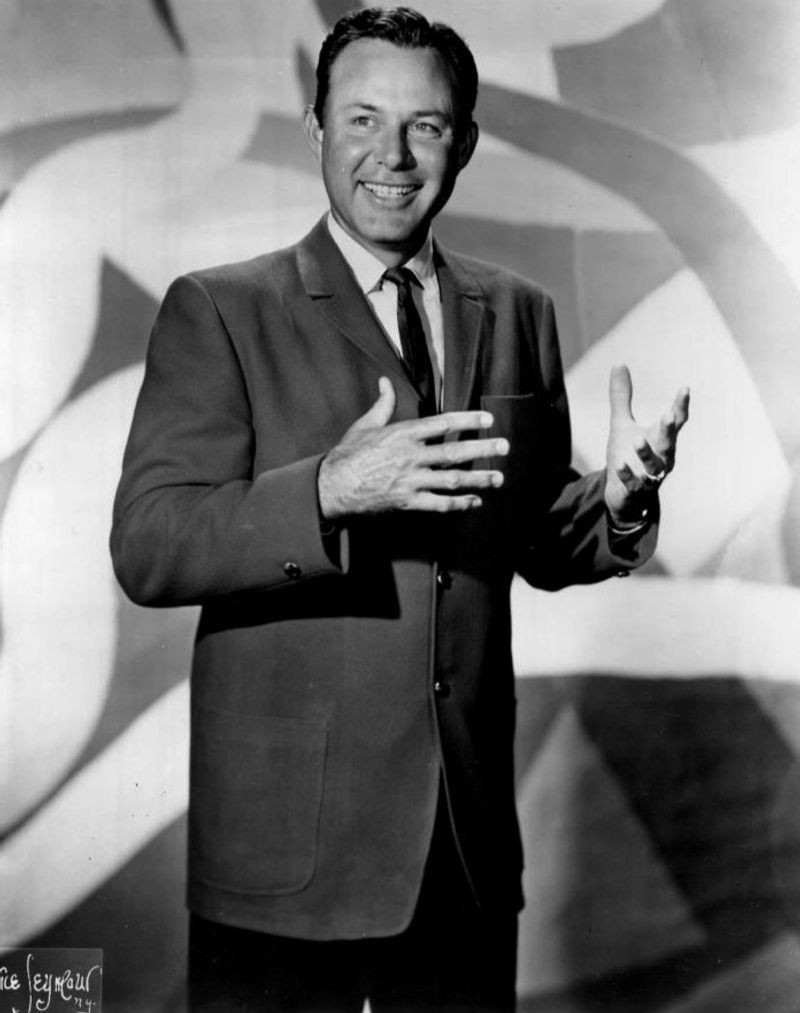
Jim Reeves recorded “I Guess I’m Crazy” before his death in a plane crash on July 31, 1964, but the song’s chart run made it one of the most emotionally charged records of the year. Released in June 1964, it became his first posthumous No. 1, spending seven consecutive weeks at the top of the U.S. country chart.
The song’s narrator is so consumed by love that he half-expects everyone around him to question his judgment. Reeves never pushed the emotion too hard. His warm baritone and restrained delivery were central to the Nashville Sound’s appeal, and this record demonstrated exactly why that approach connected with such a wide audience.
The track also reached No. 17 on the Easy Listening chart and No. 82 on the Hot 100. Reeves was a key architect of the polished, pop-influenced Nashville Sound, and “I Guess I’m Crazy” stands as one of his most enduring performances, carrying extra weight given the circumstances surrounding its release.
5. Together Again by Buck Owens
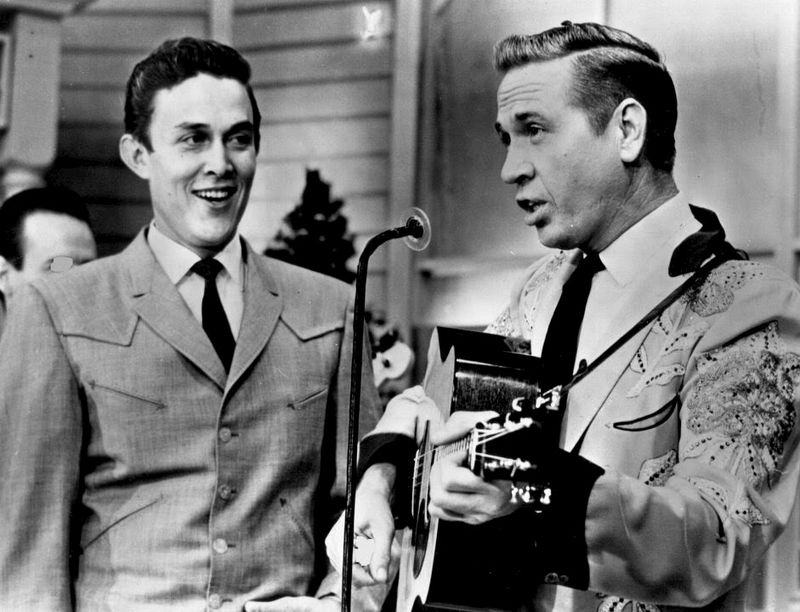
What started as a B-side became one of the most celebrated records in Bakersfield Sound history. Released on April 4, 1964, “Together Again” was paired with “My Heart Skips a Beat” but quickly earned its own chart run, eventually reaching No. 1 on the country chart and briefly interrupting its own A-side’s chart reign.
The song describes the overwhelming relief of reuniting with someone you love, and Buck Owens delivered that feeling with a directness that set him apart from many Nashville contemporaries. There were no elaborate string arrangements here, just clear vocals, prominent guitar, and emotional honesty.
Tom Brumley’s steel-guitar solo on this track is widely considered one of the finest in country music history. The combination of musical restraint and emotional weight gave the record a lasting quality that continued to influence performers for decades. Many artists have recorded their own versions, but none have topped the original.
6. Understand Your Man by Johnny Cash
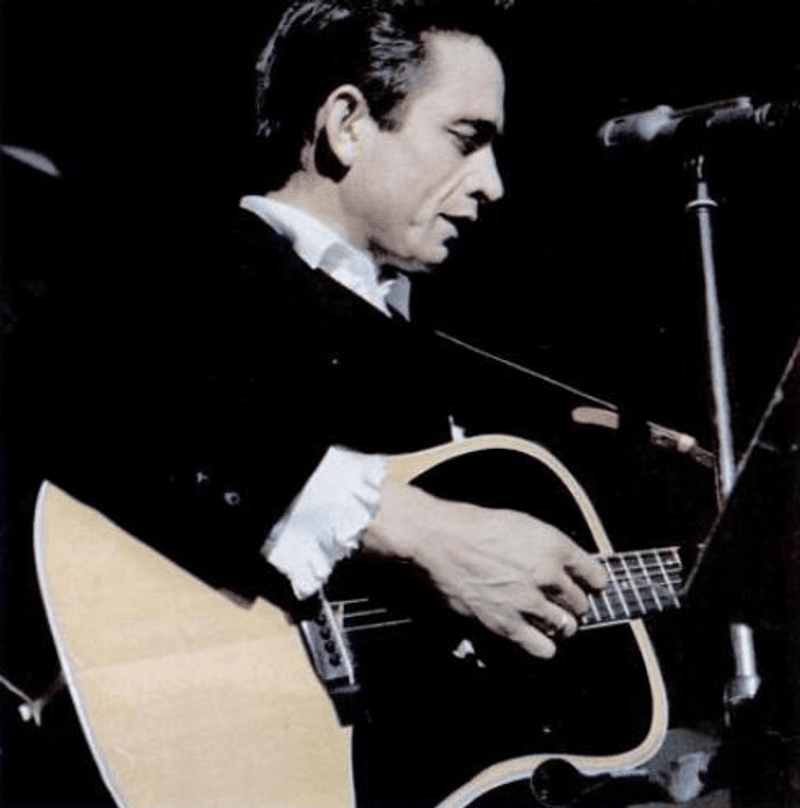
Johnny Cash reportedly wrote “Understand Your Man” in about 20 minutes, and the speed shows in the best possible way. Released in January 1964 as the lead single from his album “I Walk the Line,” the track reached No. 1 on the country chart and stayed there for six weeks, also reaching No. 35 on the Hot 100.
The song is a farewell with no interest in lengthy debate. Cash’s narrator is leaving and simply asks not to be made into the villain on the way out. The melody shares similarities with Bob Dylan’s “Don’t Think Twice, It’s All Right,” a practice with deep roots in folk music’s tradition of borrowing and reworking existing tunes.
Cash’s boom-chicka-boom rhythm gives the song a steady, almost unstoppable forward motion that suits the narrator’s mindset perfectly. Decades later, the track carried added significance when Cash performed it as the final song of his last public concert, in July 2003.
7. I Don’t Care Just as Long as You Love Me by Buck Owens
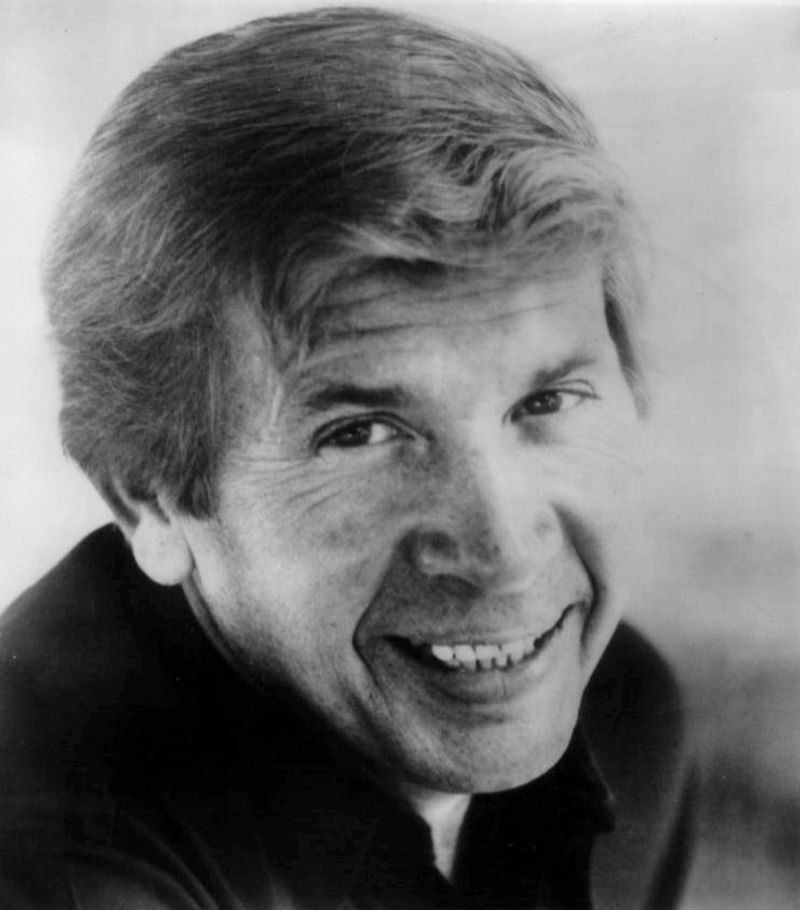
By the time “I Don’t Care (Just as Long as You Love Me)” was released on August 3, 1964, Buck Owens had already spent much of the year at the top of the country chart. This single became his fourth No. 1 of the year, spending six weeks at the top and briefly appearing on the pop chart at No. 92 on the Hot 100.
The song’s message is deliberately uncomplicated. Money, social status, and outside opinions carry no weight for the narrator as long as love remains. Behind that sentiment is the crisp, guitar-driven Bakersfield instrumentation that distinguished Owens from the lush Nashville productions of the same period.
For working-class listeners, the combination of modest expectations and absolute devotion was an easy idea to get behind. Owens’ vocal harmonies with the Buckaroos added texture without softening the record’s direct, no-frills personality. His 1964 chart dominance remains one of the most remarkable single-year runs in country music history.
8. Saginaw, Michigan by Lefty Frizzell
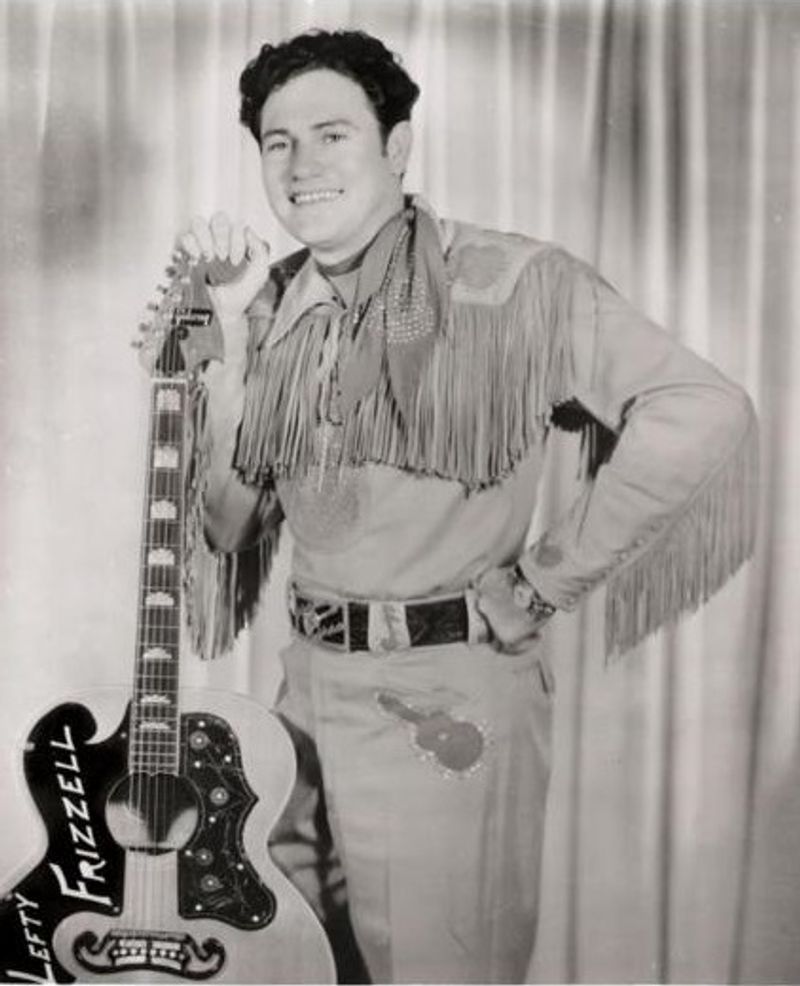
Not many country songs get their title from a mid-sized industrial city in the upper Midwest, but Lefty Frizzell made it work. “Saginaw, Michigan” became his sixth and final No. 1 hit on the U.S. country chart in 1964, spending four weeks at the top and reaching No. 85 on the Hot 100.
The story follows a poor fisherman’s son who falls for the daughter of a wealthy local businessman who disapproves of the match. The young man travels to Alaska, fabricates a tale about striking gold, then sells the supposedly valuable claim to the greedy father in exchange for his daughter’s hand. The scheme is clever, the outcome satisfying, and the whole thing plays out with Frizzell’s characteristically relaxed phrasing.
The song was co-written by Don Wayne and Bill Anderson, who had a remarkable year across multiple artists in 1964. For Frizzell, it was a late-career highlight that reminded listeners exactly how good he remained at making a story feel effortless and inevitable.
9. Begging to You by Marty Robbins
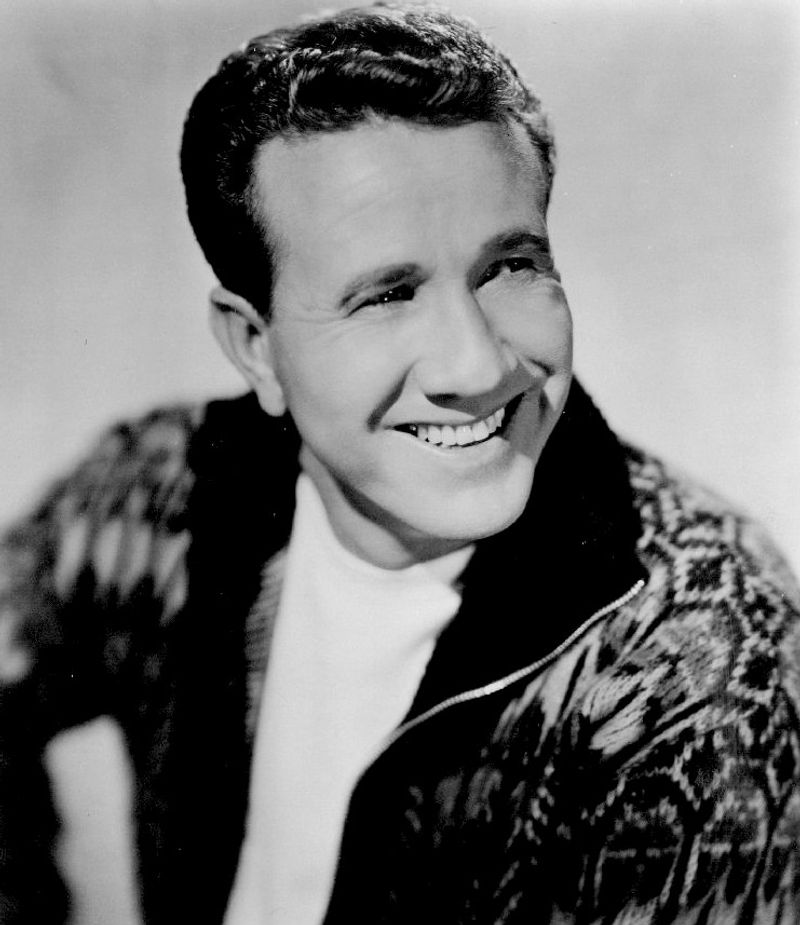
Marty Robbins was already famous for gunfighter ballads and Western story songs when “Begging to You” showed a completely different side of his talent. Released in October 1963, the song became a No. 1 country hit in 1964, spending three weeks at the top and twenty-three weeks total on the chart. It also reached No. 74 on the Hot 100.
The record marked Robbins’ tenth No. 1 on the country chart, a milestone that underlined how consistently he had connected with audiences across different styles. Here, the swagger is entirely absent. The narrator is willing to set aside pride and openly plead for another chance at love, which was a significant emotional shift from Robbins’ more adventurous material.
His smooth, controlled vocal delivery gave the song a polished quality that suited jukebox play and country radio equally well. “Begging to You” demonstrated that Robbins could make vulnerability sound just as compelling as any frontier adventure he had ever recorded.
10. Password by Kitty Wells
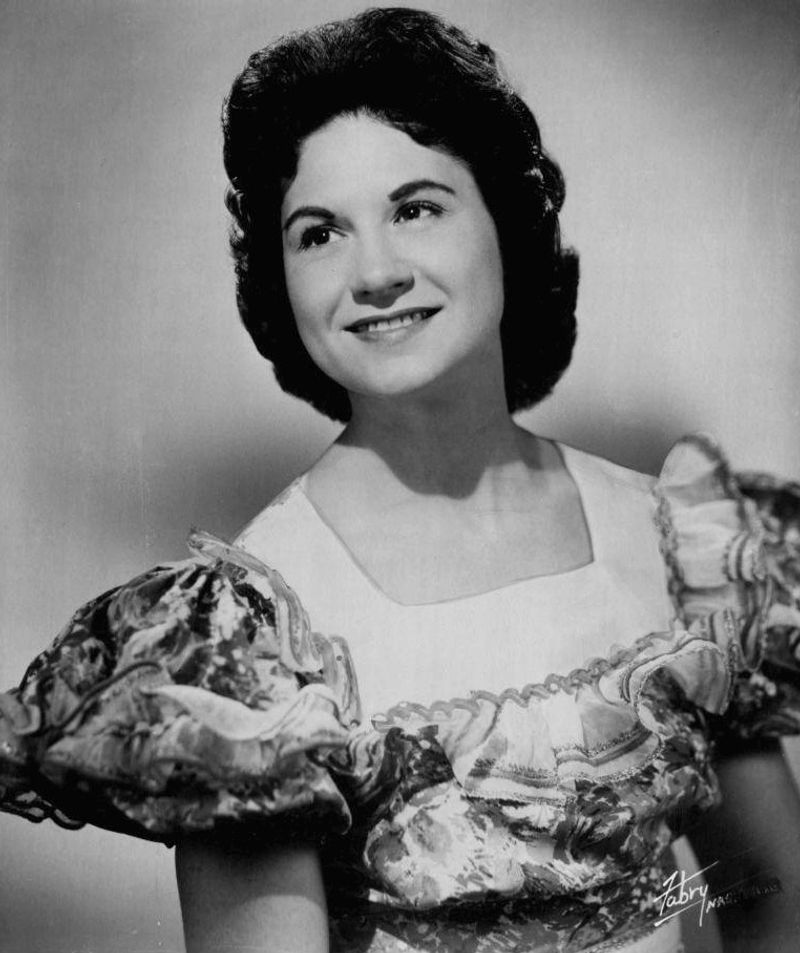
Kitty Wells had already spent more than a decade reshaping what women’s voices could say in country music when “Password” arrived in June 1964. The song reached No. 4 on Billboard’s Hot Country Singles chart in October 1964 and remained on the chart for 23 weeks, another solid entry in one of the genre’s most consistent careers.
The title uses a concept most listeners in 1964 would have understood as a secret word or phrase rather than anything related to technology. In the song, the “password” is the emotional access another person might have to a partner’s heart, and the narrator’s concern about a rival runs through every line. Wells had built her reputation giving voice to women’s perspectives on love, double standards, and betrayal.
In an era when male artists dominated the country chart, her continued presence on radio was both a commercial achievement and a cultural one. “Password” kept that tradition firmly intact and added another chapter to her remarkable run.
11. Wine, Women and Song by Loretta Lynn
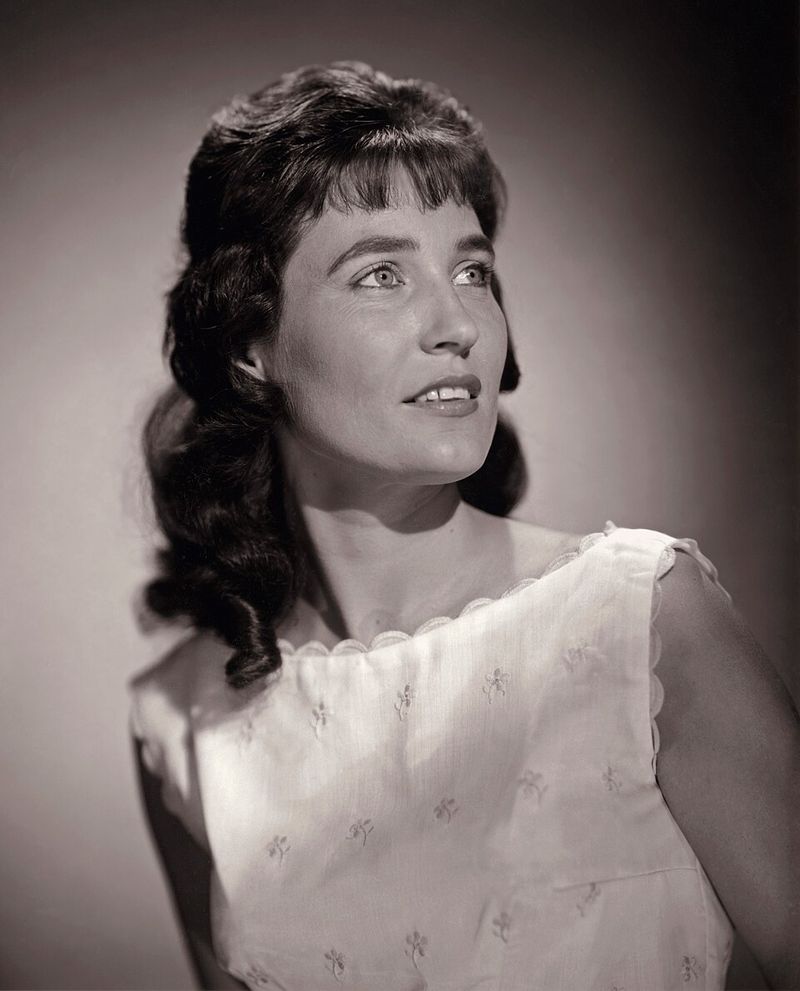
Loretta Lynn was still building toward the massive stardom that would define the rest of her career when “Wine, Women and Song” became her biggest hit to that point in 1964. Released in April 1964, the song reached No. 3 on the Billboard Hot Country Singles chart. It was recorded on February 26, 1964, at Columbia Recording Studios in Nashville, with producer Owen Bradley overseeing the session.
Written by Betty Sue Perry, the song puts Lynn’s narrator in direct confrontation with a man whose nights out and wandering attention are threatening the relationship. Rather than accepting the situation quietly, she calls it out plainly. That willingness to challenge bad behavior directly would become one of Lynn’s most recognized qualities as a songwriter and performer.
“Wine, Women and Song” offered an early preview of the candid, sharp perspective that would eventually make Lynn one of country music’s most important voices. The record showed audiences what she was capable of well before her biggest years arrived.
12. Burning Memories by Ray Price
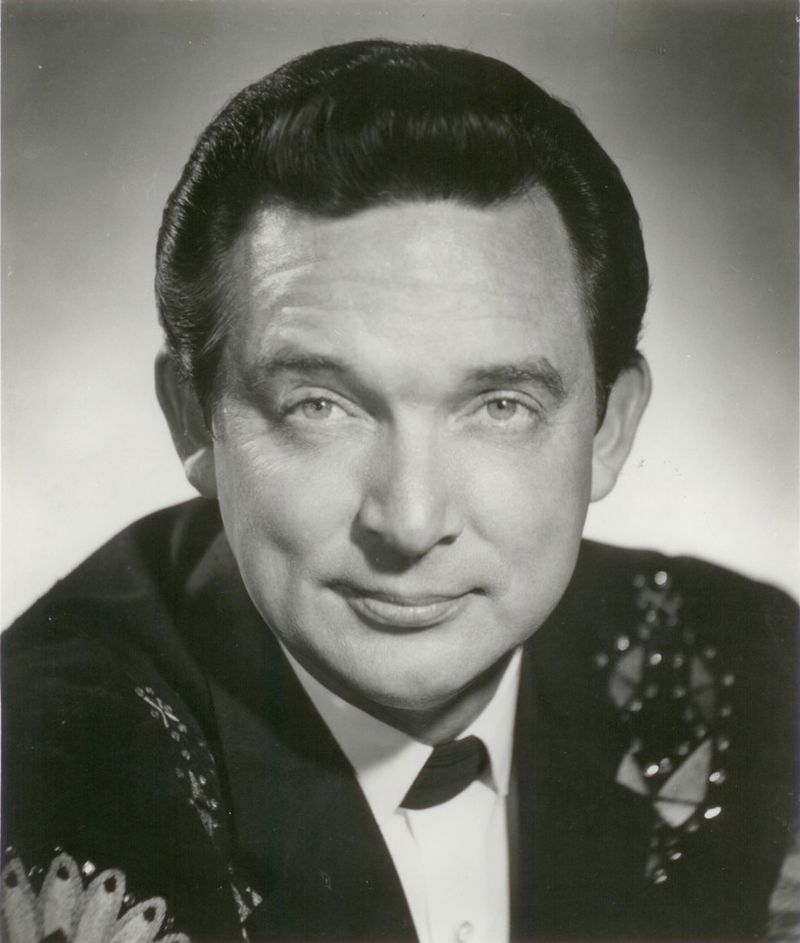
Ray Price brought one of country music’s most polished voices to “Burning Memories,” a song built around a familiar but genuinely relatable situation. Released in February 1964, the track peaked at No. 2 on the country chart and gave Price another strong entry in a career that had already produced numerous hits across different stylistic periods.
Written by Mel Tillis and Wayne Walker, the song follows a narrator who tries to destroy physical reminders of a lost relationship, only to discover that getting rid of objects does nothing to quiet what is happening inside his head. It is a precise and honest observation, delivered without overstatement.
By 1964, Price had moved noticeably toward a more sophisticated countrypolitan style, incorporating strings and prominent piano into his arrangements alongside traditional country elements. “Burning Memories” reflected that evolution clearly. The album of the same name followed on December 21, 1964, giving the year a strong closing chapter for one of Nashville’s most dependable performers.
Share this story