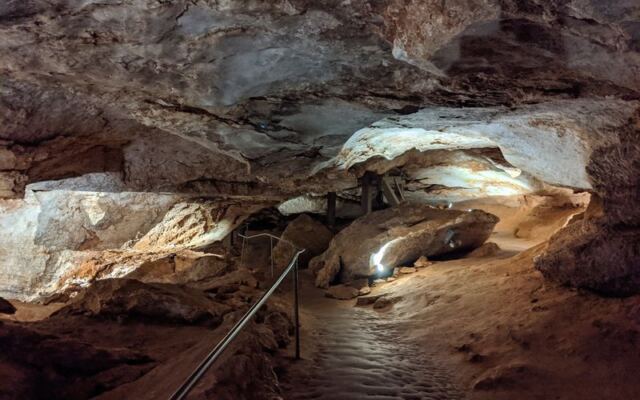
Oklahoma has a way of surprising people, and few places do it better than a quiet canyon tucked into the northwestern corner of the state. Hidden from the road, carved through ancient gypsum rock, and home to a living stream that still winds through the dark, this cave system feels like a secret the land has been keeping for centuries.
Families, road-trippers, and curious adventurers have been showing up and leaving genuinely amazed. Pack your sense of wonder, because what waits underground is unlike anything most people expect to find in Oklahoma.
Where Alabaster Caverns State Park Sits on the Map
Nestled in the far northwestern corner of Oklahoma, near the small town of Freedom, Alabaster Caverns State Park sits in a spot that most road maps barely acknowledge. The park is located along State Highway 50A, and the canyon that houses it stays completely invisible from the road until you are practically on top of it.
That sense of sudden discovery is part of what makes arriving here feel so rewarding.
The park sits roughly two and a half hours from Oklahoma City, making it an achievable day trip for much of the state. Despite the drive, visitors consistently say the journey is worth every mile.
The surrounding landscape of open plains gives no hint that a forested canyon and a network of caves lies just below the surface.
Freedom, Oklahoma is a small community, but it punches well above its weight when it comes to natural attractions. The park is also conveniently close to three other notable state parks, making it an easy anchor for a broader regional adventure.
For anyone chasing something genuinely off the beaten path in Oklahoma, this is exactly the kind of discovery that sticks with you long after you head home.
The Geology Behind the Gypsum Caves
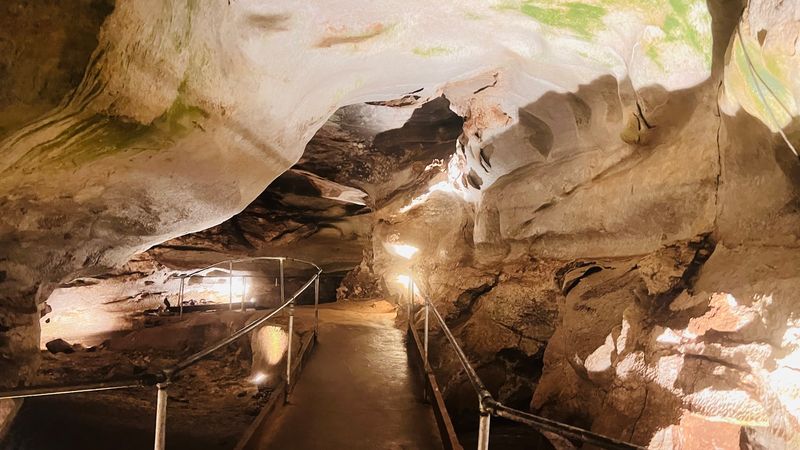
Alabaster Caverns is one of the only places in the United States where visitors can see rare black alabaster up close. The caves here formed through a process involving gypsum, a soft mineral that dissolves slowly over time as water moves through the rock.
What gets left behind are passages, chambers, and walls streaked with colors and textures that feel almost unreal.
Gypsum caves differ from the limestone caverns most people picture when they think of spelunking. The rock here is softer, more varied in color, and genuinely touchable.
Park staff actually encourage visitors to handle the alabaster walls, which makes the experience feel far more hands-on than a typical cave tour.
The park features four separate gypsum caverns, each with its own character and appeal. Some passages require a bit of ducking, and the floors can be slippery where hardened mud and loose rock collect, so sturdy footwear is a smart call.
Guides recommend holding the handrails in tighter sections. For geology enthusiasts or anyone who simply finds rocks fascinating, standing inside these ancient formations and actually touching them is a genuinely rare opportunity that very few cave parks in the country offer.
The Underground Stream That Still Runs Today
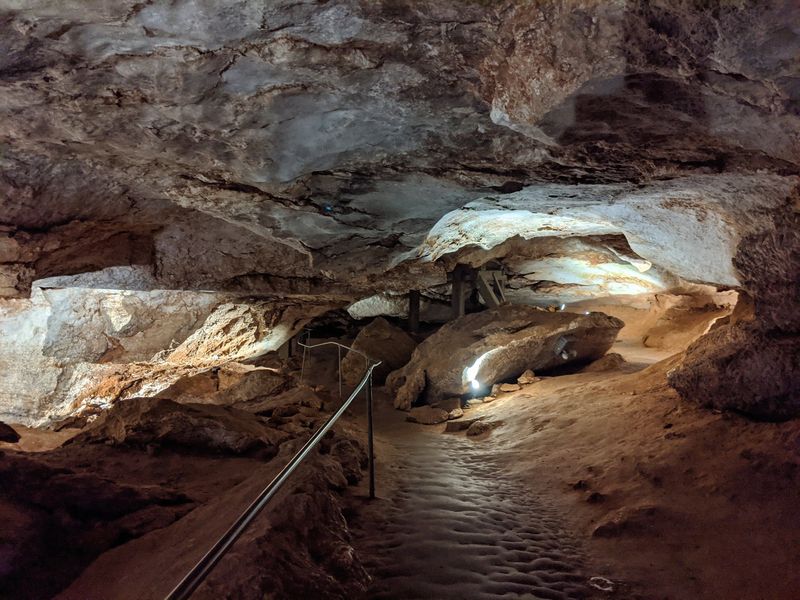
One of the most unexpected features of the main cavern is the stream that still moves through it. Water has been cutting through this rock for an extraordinary span of time, and today a visible flow continues winding along the cave floor in sections of the tour route.
Spotting running water inside a cave has a way of making the whole experience feel alive rather than static.
The presence of the stream also explains much of the cave’s biological diversity. Moving water creates habitat, and that habitat supports the salamanders and other small creatures that call these passages home.
Visitors who look carefully along the water’s edge sometimes spot these shy residents going about their quiet lives in the dark.
For kids especially, the stream tends to be a highlight that sparks endless questions. Tour guides field plenty of curiosity about where the water comes from and where it goes, and the answers connect to the broader story of how the cave itself was shaped.
The stream is a reminder that Alabaster Caverns is not a frozen moment in geological time. Water is still working here, still shaping the rock, still moving through the dark just as it has for thousands of years.
The Bats Living in the Caverns
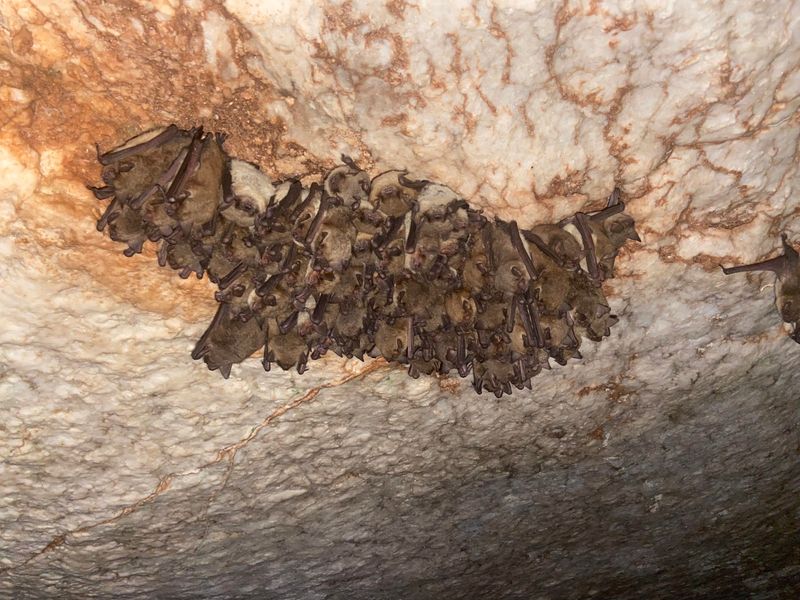
Bats are one of the most talked-about features of Alabaster Caverns, and for good reason. Multiple species of gentle, small bats make their home in these caves, and visitors on guided tours often get surprisingly close to roosting colonies.
Seeing bats in their natural cave habitat, rather than darting overhead at dusk, is a genuinely different and memorable experience.
The best time to see bats here is between November and March, when they hibernate in larger numbers. Summer visits still offer bat sightings, but the hibernating season brings the biggest congregations.
Tour guides explain the different species present and share fascinating details about how bats navigate, feed, and contribute to the local ecosystem.
Visitors frequently mention the bat encounters as a standout moment, often noting that they had never seen bats this close before. The species here are described as gentle and non-aggressive, which helps even hesitant visitors relax and appreciate the experience.
One reviewer noted that bats can be spotted doing occasional fly-bys during the tour, adding a spontaneous, lively quality to the underground walk. If bats have always seemed a bit mysterious or even intimidating, a guided tour through Alabaster Caverns has a way of turning that feeling into genuine appreciation.
A 2018 Earthquake and Collapse That Changed the Cave
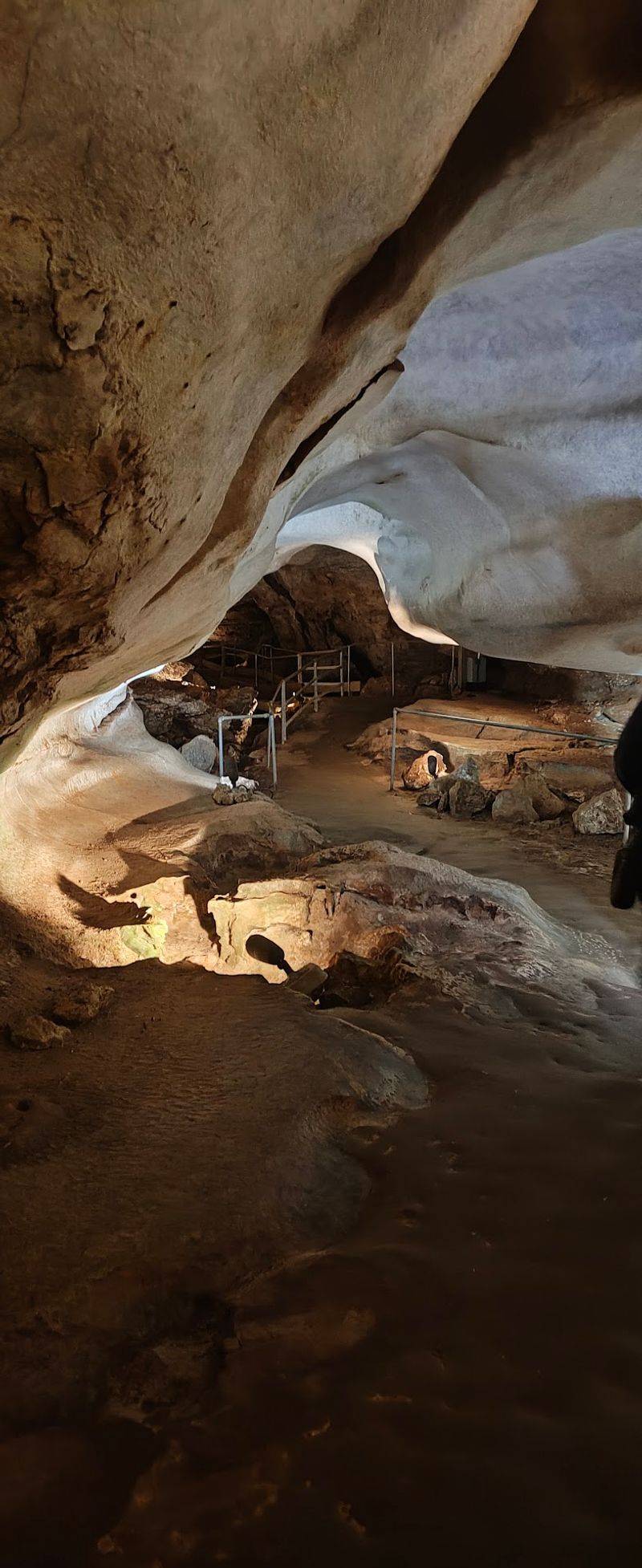
In 2018, the cave experienced a dramatic event that permanently altered its layout. Eleven inches of rain combined with a 3.4 magnitude earthquake triggered a significant collapse inside the main cavern, blocking one of the original entrance points and closing off a section of the passage.
The park adapted, and tours now enter through the back of the cave and retrace the route rather than passing all the way through.
What is remarkable is how little this change diminishes the experience. Guides note that the cave offers plenty to see in both directions, and the turnaround approach means visitors get a second look at formations and features they may have missed on the way in.
The collapsed section also becomes part of the story that guides tell, giving the tour an added layer of geological drama.
The park has remained well-maintained since the event, and visitors describe it as clean, organized, and thoughtfully managed. The earthquake and flood history adds an unexpected dimension to the visit, transforming what might have been a straightforward cave tour into something that feels like witnessing a living, evolving landscape.
Few cave parks can offer that kind of real-world geological narrative, and it makes the Alabaster Caverns experience richer for it.
The Guided Tour Experience Inside the Main Cavern
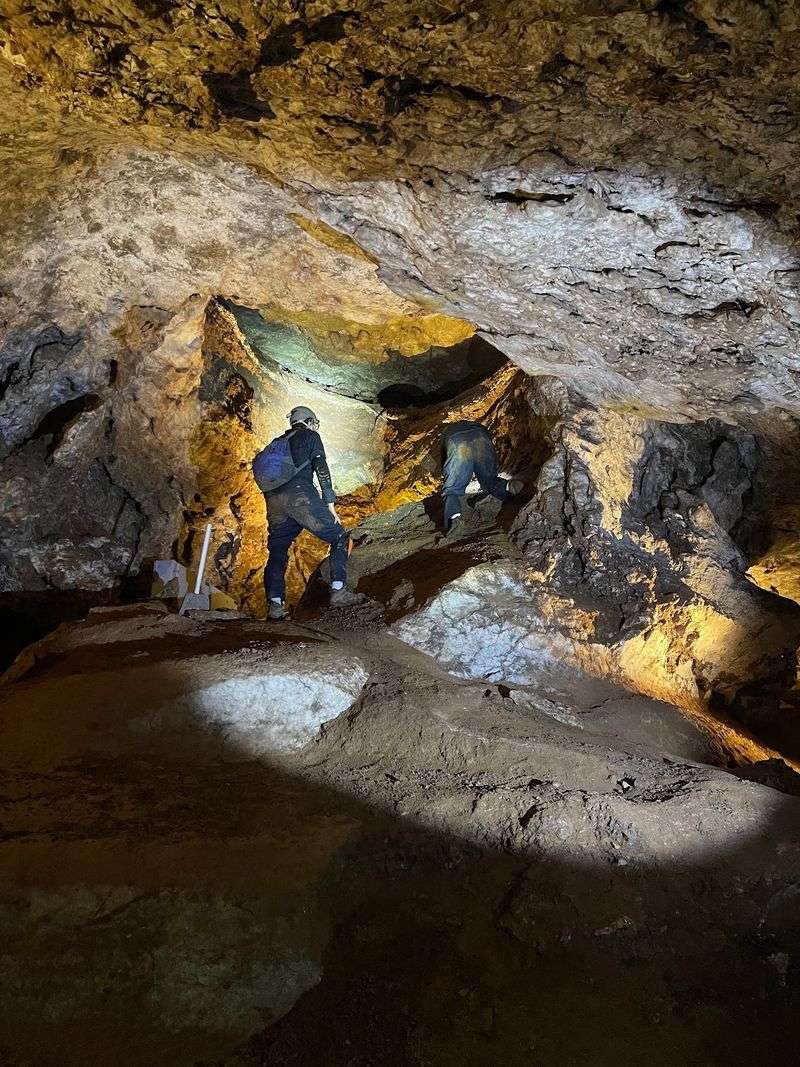
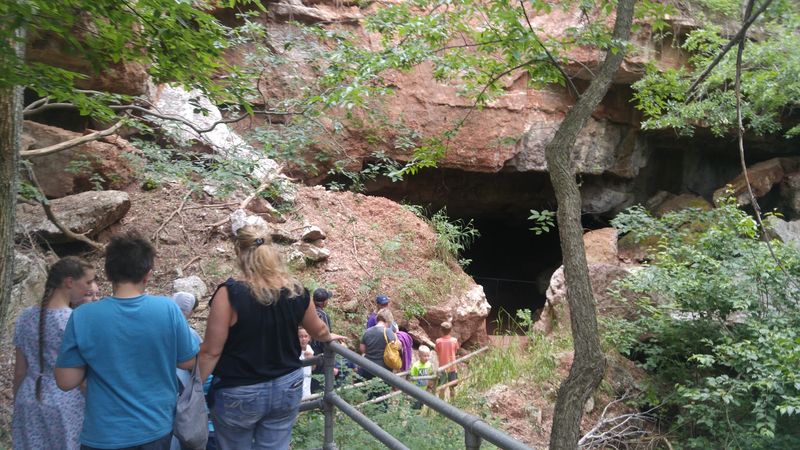
Guided tours run at the top of every hour, and groups tend to stay small enough that visitors can ask plenty of questions without feeling rushed. The tour through the main cavern takes approximately 25 minutes and covers a route that is described as manageable for most fitness levels, including people with somewhat limited mobility.
A few low-clearance spots require ducking, but nothing about the walk feels extreme.
Tour guides here have earned consistent praise for their knowledge and enthusiasm. Visitors frequently describe them as knowledgeable, patient, and genuinely passionate about the cave system.
Guides cover the geology, the history, the wildlife, and even some surprising historical facts about the cavern’s past uses, including its designation as a potential civil shelter capable of housing thousands of people.
The cave is well-illuminated along the tour path, making it easy to appreciate the formations without straining to see in the dark. One practical note worth knowing: visitors are not permitted to bring personal items, including water bottles, onto the tour.
Given that the cave stays at a cool 62 degrees Fahrenheit, the temperature inside is comfortable, though stepping back into Oklahoma summer heat immediately after can be a sharp contrast. Bringing water to drink right after the tour is a smart move.
Spelunking Permits for Independent Explorers
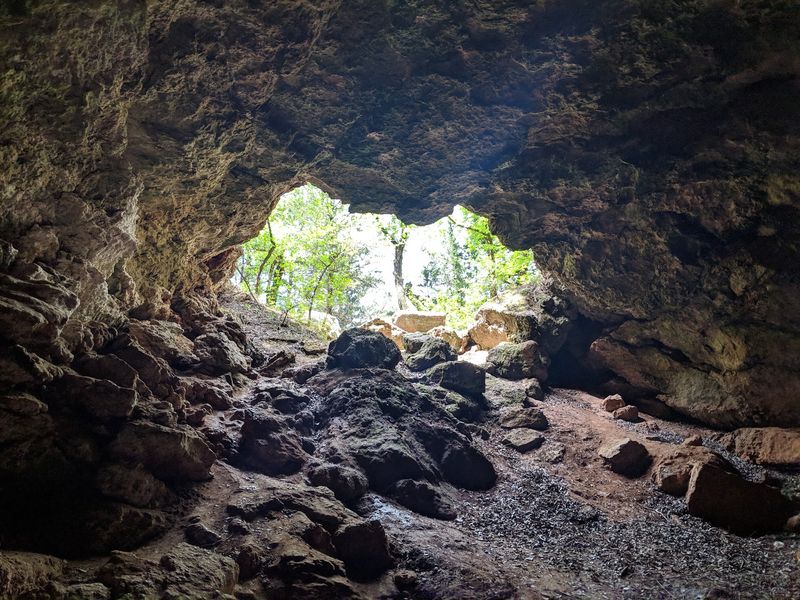
Beyond the main guided tour, Alabaster Caverns offers something that sets it apart from most public cave parks: the option to explore on your own. Adventurous visitors can obtain permits to venture into the caves independently, with appropriate equipment.
For anyone who finds the guided tour fun but craves a more immersive underground experience, this is a genuinely exciting upgrade.
The park has multiple caverns, and not all of them follow the same rules. Some caves are open for self-guided exploration, while others require equipment and permits.
Staff at the park are happy to walk visitors through the options and help match the right experience to each group’s comfort level and physical readiness. The openness to hands-on exploration is a defining quality of the park’s philosophy.
Spelunking here is described as accessible to people with a spirit of adventure rather than requiring expert-level skills. The rock, being alabaster and gypsum, is touchable and climbable, and the park encourages visitors to engage physically with the environment in ways that most cave sites would never permit.
For families with older kids or adults looking for something more active than a walking tour, the permit-based exploration option turns a visit into a full-on underground adventure worth planning around.
Cave Camping: Sleeping Underground in Oklahoma
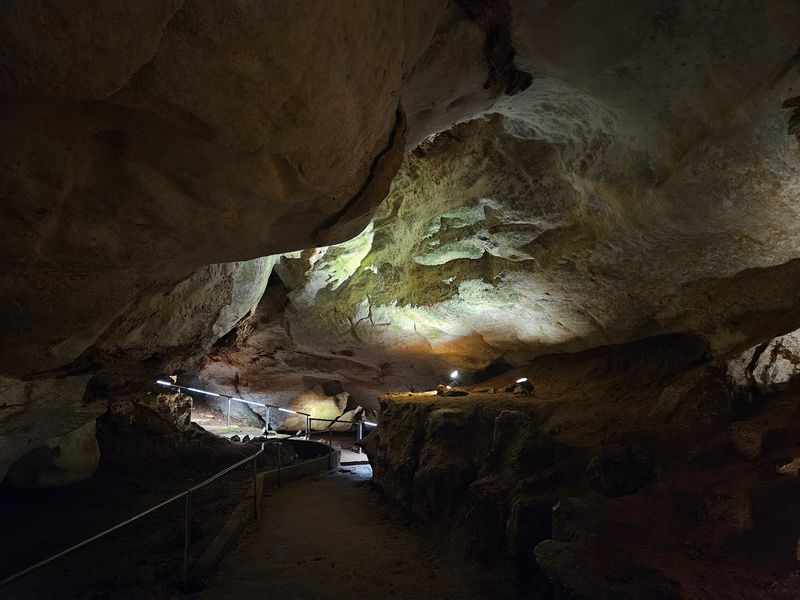
Camping inside a cave sounds like something from an adventure novel, but at Alabaster Caverns it is a real option that visitors can book. One of the park’s caverns is designated specifically for cave camping, allowing guests to spend the night underground in a setting that is about as unique as Oklahoma gets.
The temperature stays consistent year-round, which makes it a surprisingly comfortable sleeping environment regardless of what the weather is doing above ground.
The idea of waking up inside a gypsum cave, surrounded by ancient rock and the quiet drip of water, appeals to a specific kind of traveler: someone who wants their camping story to be genuinely different from everyone else’s. Groups and families have used the cave camping option for scouting events and other organized outings, and it tends to generate the kind of shared memories that people talk about for years.
Booking cave camping requires coordination with park staff, so reaching out ahead of your visit is the smart approach. The park’s phone number is available through its official listing, and staff are described as helpful and welcoming when it comes to planning.
For anyone who has camped in tents, RVs, and cabins and wants the next chapter of their camping story to be truly unusual, sleeping inside an Oklahoma cave is hard to top.
Hiking Trails Through the Canyon Walls
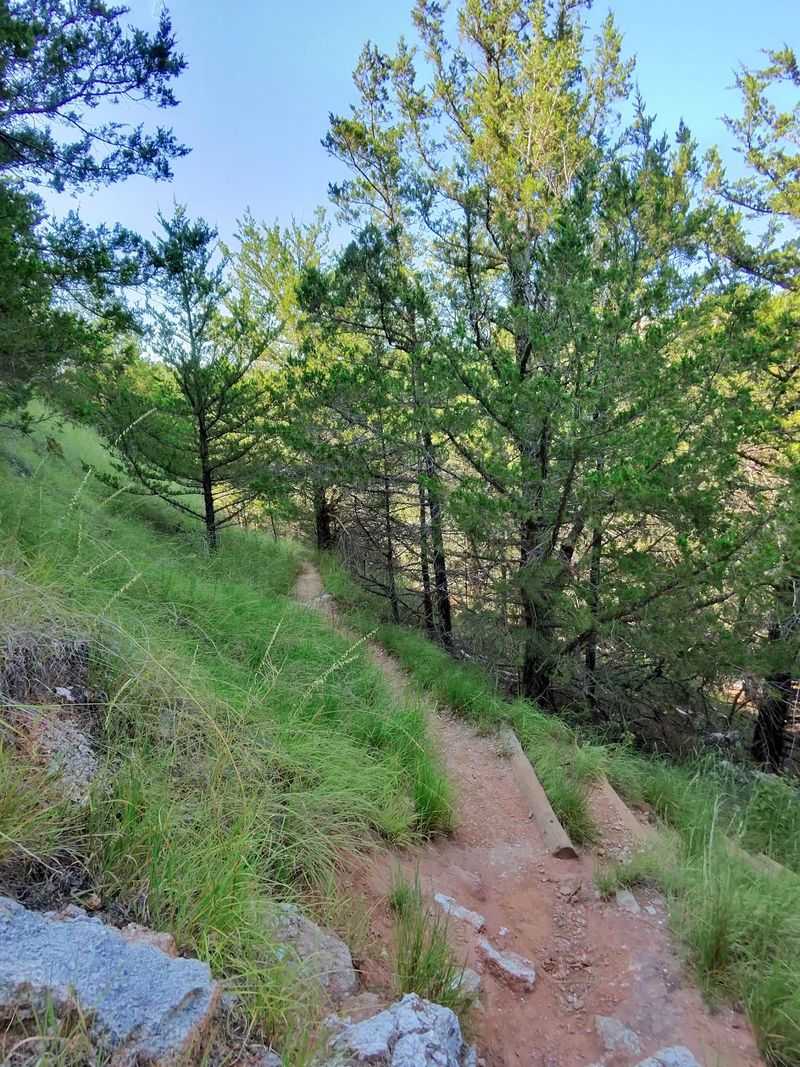
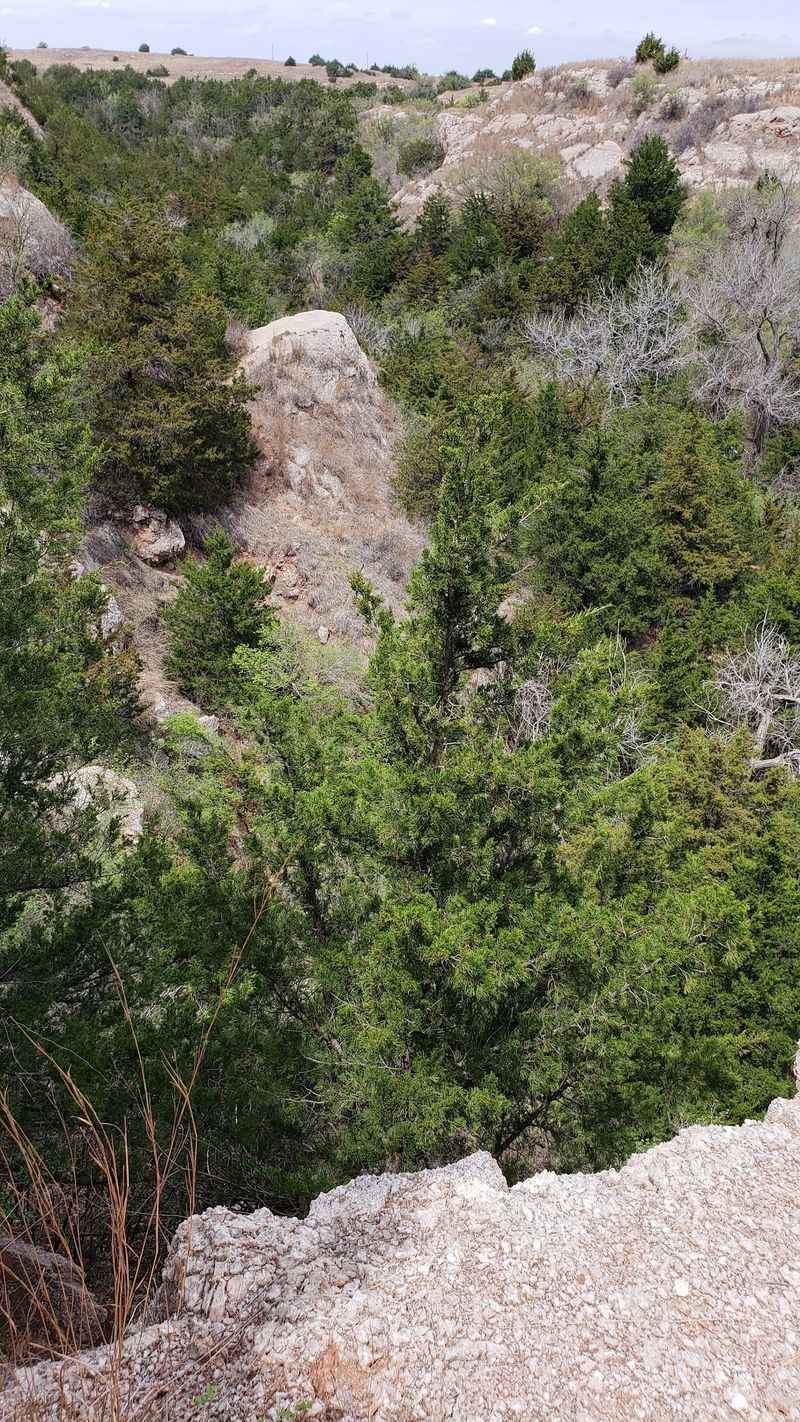
Above ground, Alabaster Caverns State Park offers a surprisingly lush environment for a part of Oklahoma that most people picture as flat and dry. The park sits inside a low canyon, and the canyon walls support heavily forested terrain that feels genuinely removed from the surrounding plains.
Hiking trails wind through this wooded landscape, offering views and a sense of natural depth that complements the underground experience beautifully.
Visitors who take the time to hike after their cave tour often mention how much the trails add to the overall visit. The combination of underground exploration and above-ground walking creates a full day of activity rather than a quick stop.
Wildlife sightings are possible along the trails, and the canyon setting makes for enjoyable stargazing when camping overnight.
One practical note from visitor accounts: the surrounding fields and roadsides can occasionally host local wildlife, including the western diamondback rattlesnake. Staying on marked trails and watching where you step is sensible advice for any Oklahoma outdoor experience.
That small note of caution aside, the hiking here is described as enjoyable and accessible for a wide range of fitness levels. The forested canyon is genuinely beautiful, and spending time in it after the cave tour rounds out the visit in a way that feels complete and satisfying.
Camping, RV Sites, and Park Amenities
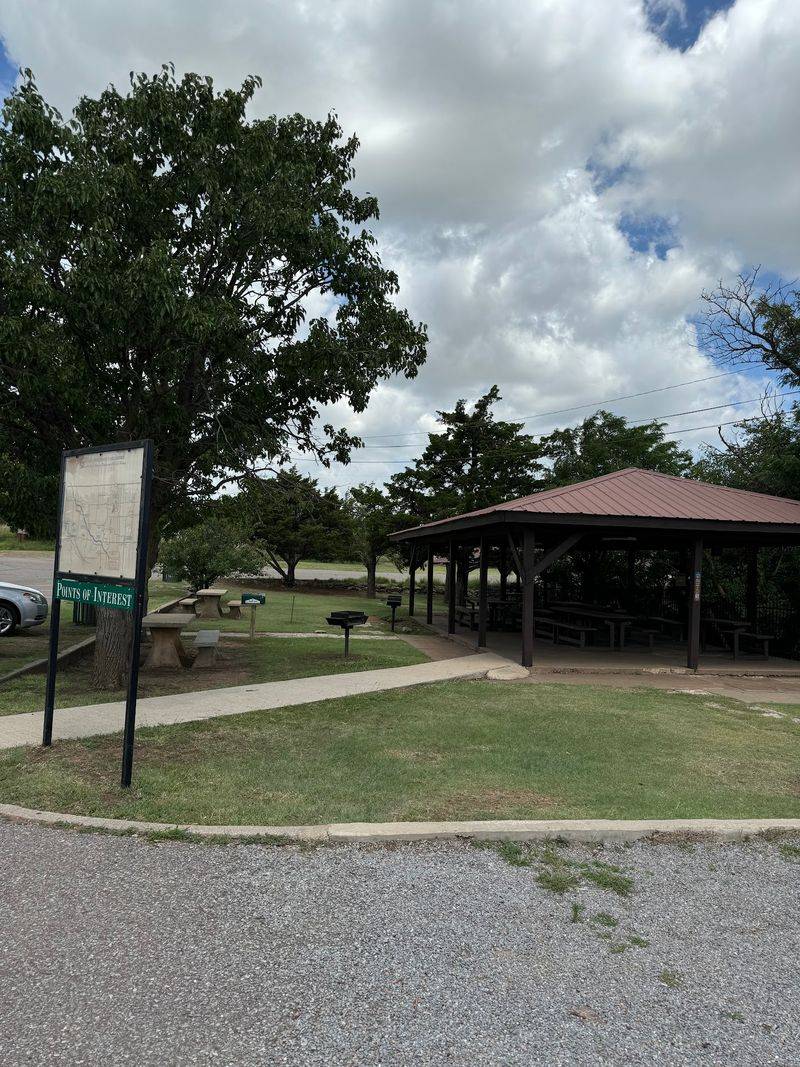
Alabaster Caverns State Park is set up to welcome overnight guests with a solid range of amenities that go well beyond what many rural Oklahoma parks offer. The RV sites feature level concrete slabs with both water and electric hookups, and a dump station is available at the front of the park.
Tent campers are also accommodated, and the overall campground is consistently described as clean, quiet, and well-maintained.
Modern restrooms with showers are available on site, which is a meaningful comfort for multi-night stays. A small store rounds out the on-site conveniences, giving campers a place to pick up basics without making a long drive into town.
Visitors who have stayed for multiple nights describe the campground as relaxing and peaceful, with the dark night skies of northwestern Oklahoma making for exceptional stargazing after the sun goes down.
The park’s ADA compliance is worth noting for visitors with accessibility needs, as the main cave tour and campground facilities are designed with that consideration in mind. Families, couples, and solo travelers have all found the camping setup comfortable and welcoming.
For anyone thinking about building a longer road trip around the park, the combination of quality camping infrastructure and multiple days worth of exploration makes Alabaster Caverns a genuinely strong base camp for the northwestern Oklahoma region.
Visiting Hours, Prices, and How to Get There
Planning a visit to Alabaster Caverns is straightforward once you know the basics. The park is open every day of the week from 8 AM to 4:30 PM, with cave tours running at the top of each hour within those operating hours.
Arriving early gives you the best chance of catching a tour without a long wait, especially on busy weekend days during warmer months.
Pricing for the cave tour is quite reasonable. Visitor accounts suggest a family of three can expect to pay around $26 for the guided tour, which works out to a very affordable outing by any measure.
The park’s contact number is 580-254-6085, and more information is available through the official Oklahoma travel listings page linked to the park. Staff are described as helpful when it comes to questions about permits, cave camping, and scheduling.
Getting there means heading to 217036 State Highway 50A in Freedom, Oklahoma. The drive from Oklahoma City runs about two and a half hours, and the park is close to three other state parks, making it easy to combine into a broader regional trip.
The canyon location means the park is hidden from the road, so watch for the signage rather than expecting to spot it from a distance. Once you find it, the sense of discovery kicks in immediately, and that feeling carries all the way through the visit.
Share this story