Most people assume that great musicians must have spent years studying sheet music and learning to read every note on a staff. The truth is far more surprising.
Some of the biggest names in music history built entire careers, wrote timeless songs, and reshaped popular culture without ever becoming fluent in standard musical notation. From the British Invasion of the 1960s to the blockbuster film scores of the 21st century, these musicians prove that creativity and musical intelligence can operate through memory, instinct, collaboration, and an exceptionally trained ear.
Understanding how they worked changes the way you think about what it actually means to be a musician. Their stories span rock, blues, jazz, soul, pop, and classical film composition, covering decades of music history and a remarkable range of styles.
What connects them is not a limitation but a different kind of musical fluency, one that produced some of the most recognized recordings ever made.
1. Eric Clapton
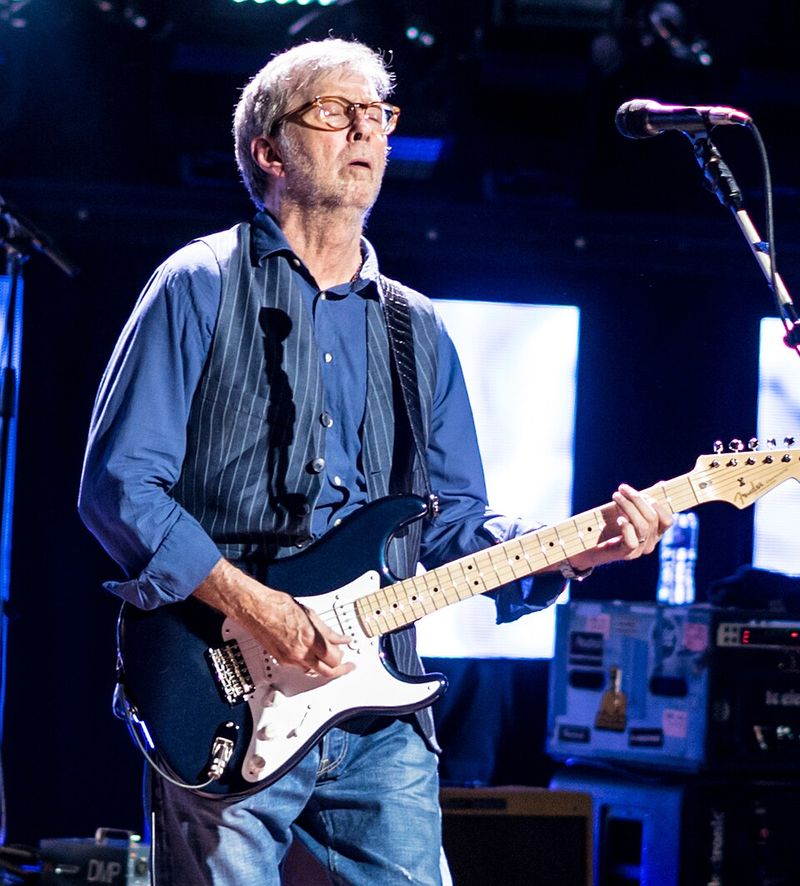
Eric Clapton once described feeling genuinely nervous performing with Aretha Franklin because every other musician on stage had sheet music in front of them, and he could not read a single note of it. That moment captures something important about how Clapton built his career: entirely through listening, imitation, and practical experience.
He learned by placing a reel-to-reel recorder beside his record player, capturing himself playing along to blues recordings, and practicing until the riffs became second nature. American blues guitarists including B.B.
King, Freddie King, Muddy Waters, and Robert Johnson shaped his vocabulary of bends, vibrato, and phrasing.
His work with John Mayall’s Bluesbreakers, Cream, and Derek and the Dominos eventually made him one of the most recognizable guitarists of his generation. Reading notation and understanding music deeply are clearly two very different skills.
2. Stevie Wonder
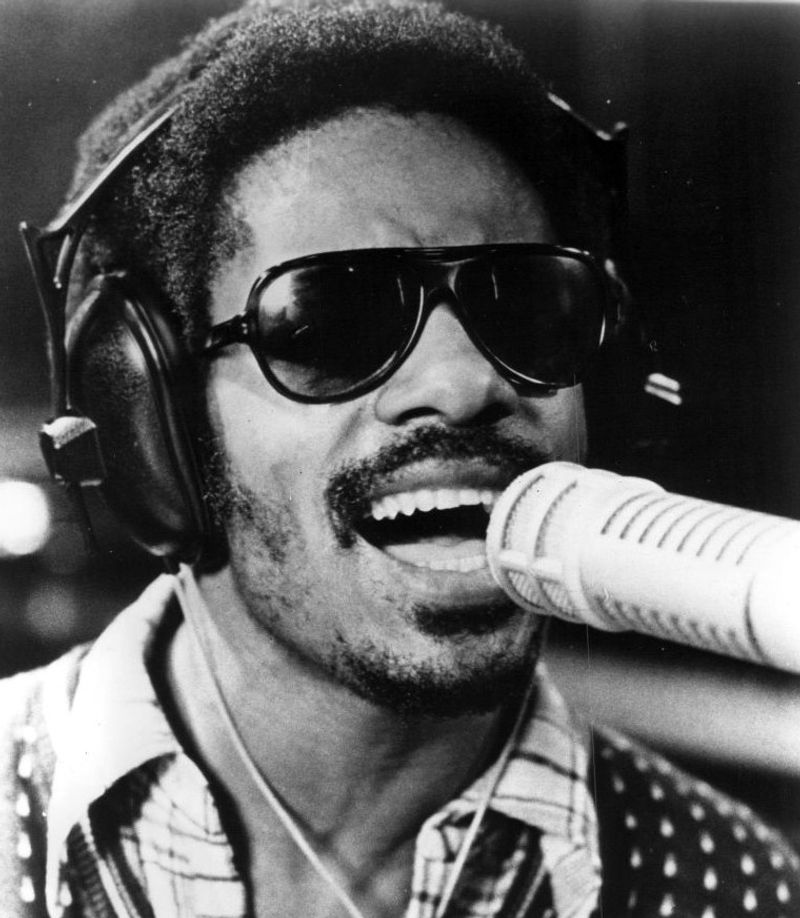
Blind since shortly after birth, Stevie Wonder developed a creative process built entirely around his extraordinary ear, his command of multiple instruments, and an intuitive understanding of sound that few musicians in any genre have matched. Conventional printed sheet music simply was not part of his working method.
By his landmark 1970s period, Wonder was writing, arranging, producing, and playing substantial portions of his own recordings. Albums including Innervisions and Songs in the Key of Life pushed soul and popular music into new harmonic and rhythmic territory, incorporating emerging synthesizer technology alongside complex arrangements.
Accessible notation systems for blind musicians do exist, including Braille music, but Wonder’s process was rooted in aural comprehension and performance memory. Describing him as musically limited because of his relationship with notation misses the point entirely.
His ear was the instrument that organized everything else.
3. Lionel Richie
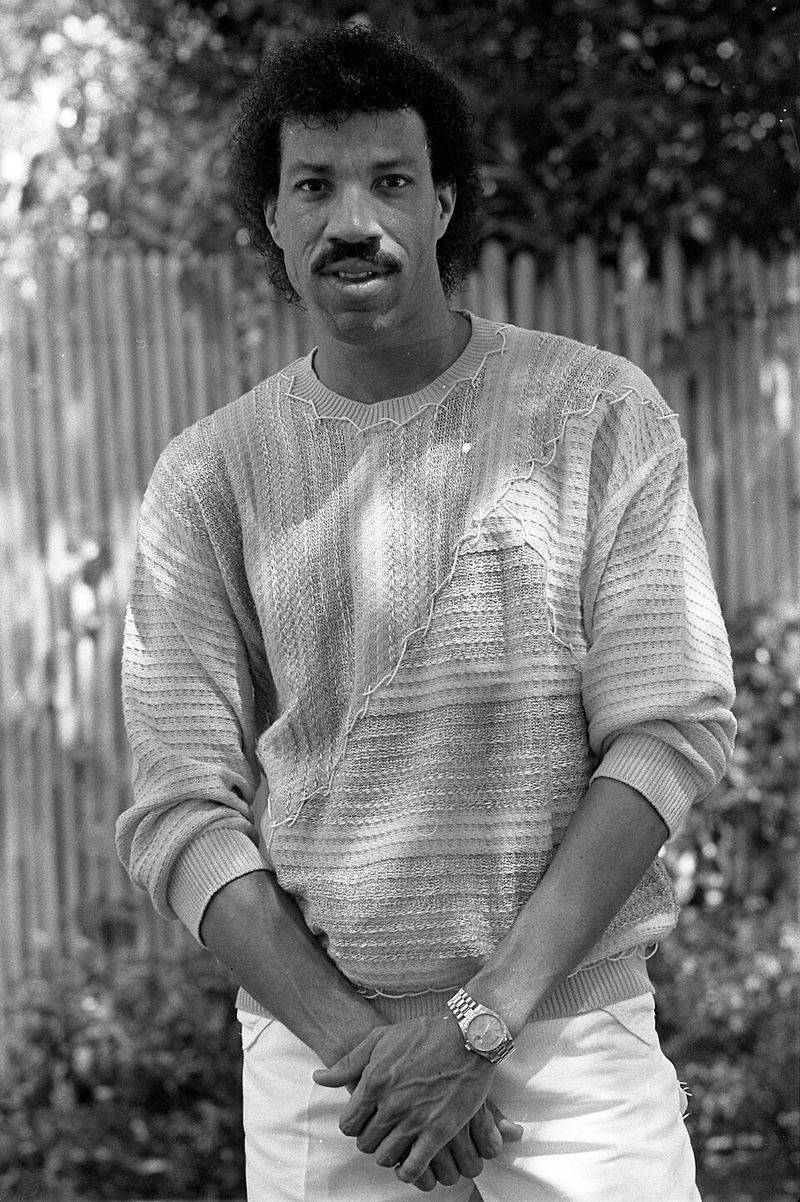
Long before Lionel Richie became one of the dominant solo stars of the 1980s, he was shaping the Commodores’ distinctive blend of funk, soul, and smooth pop. His route into music ran through instinct and practical experience rather than conservatory-style training or conventional notation.
That approach did not slow him down. Easy, Three Times a Lady, Still, Truly, Hello, and All Night Long became enormous hits across the late 1970s and 1980s.
His songwriting demonstrated a reliable command of melody, chord movement, arrangement, and emotional pacing that translated directly into commercial and critical success.
Richie is a clear example of why the phrase “couldn’t read music” needs careful context. A songwriter who understands what a melody needs, how a chord should resolve, and where a song’s emotional peak belongs is working with sophisticated musical knowledge, regardless of whether sheet music is involved.
4. Paul McCartney
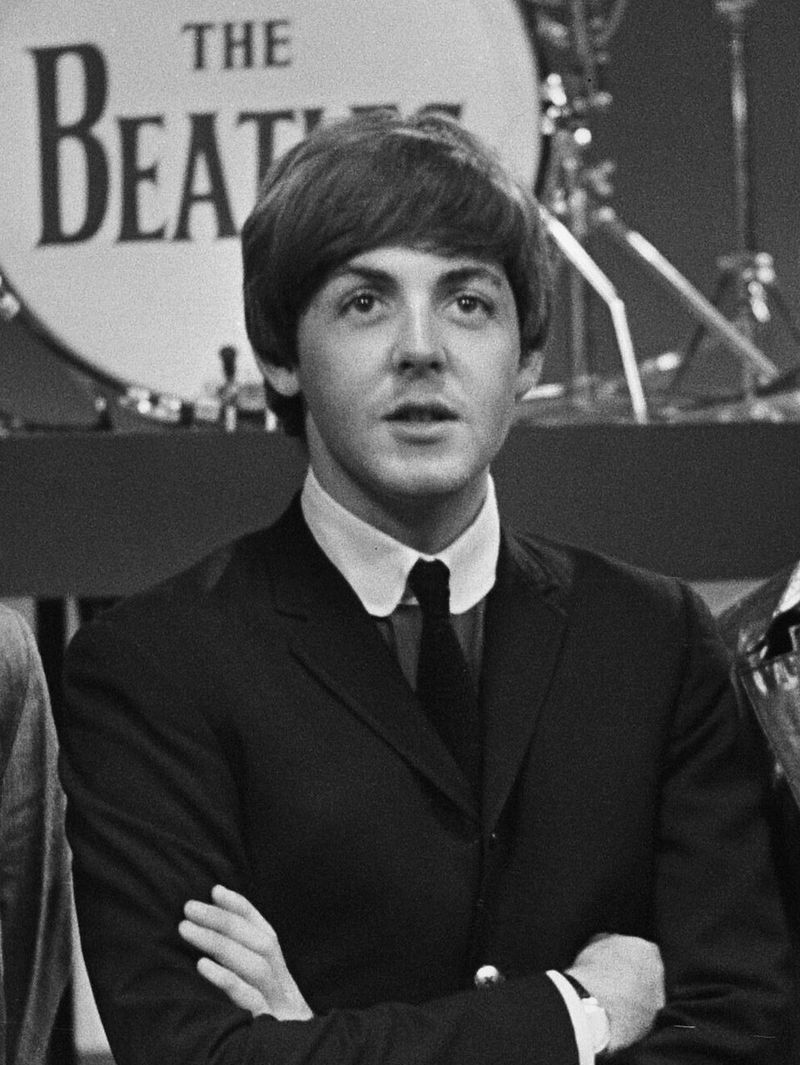
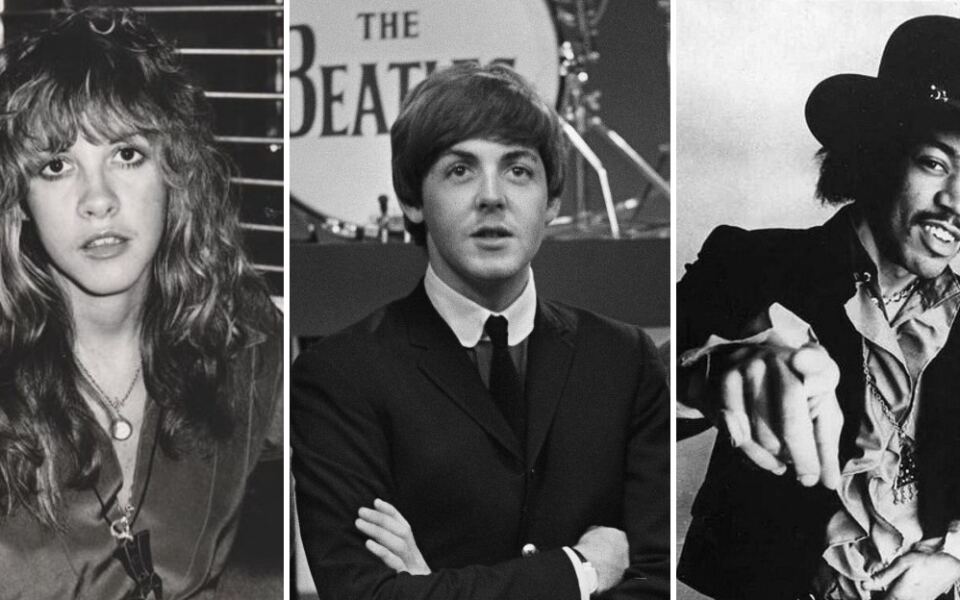
He called conventional musical notation “the dots on a page,” and he never truly learned to read them. Paul McCartney has openly admitted that neither he nor the other Beatles used standard sheet music when composing their songs.
Instead, everything developed through instruments, memory, experimentation, and close collaboration between bandmates.
That process produced Eleanor Rigby, Yesterday, Penny Lane, and dozens of other songs that became permanent fixtures in popular music. When formal orchestration was required, McCartney and the band communicated their ideas to producer George Martin, who translated those concepts into arrangements that professional session musicians could perform.
McCartney’s harmonic instinct, his feel for bass lines, and his ability to construct sophisticated melodies entirely by ear made him one of the most productive and celebrated songwriters of the 20th century, all without a single dot on a page.
5. Slash
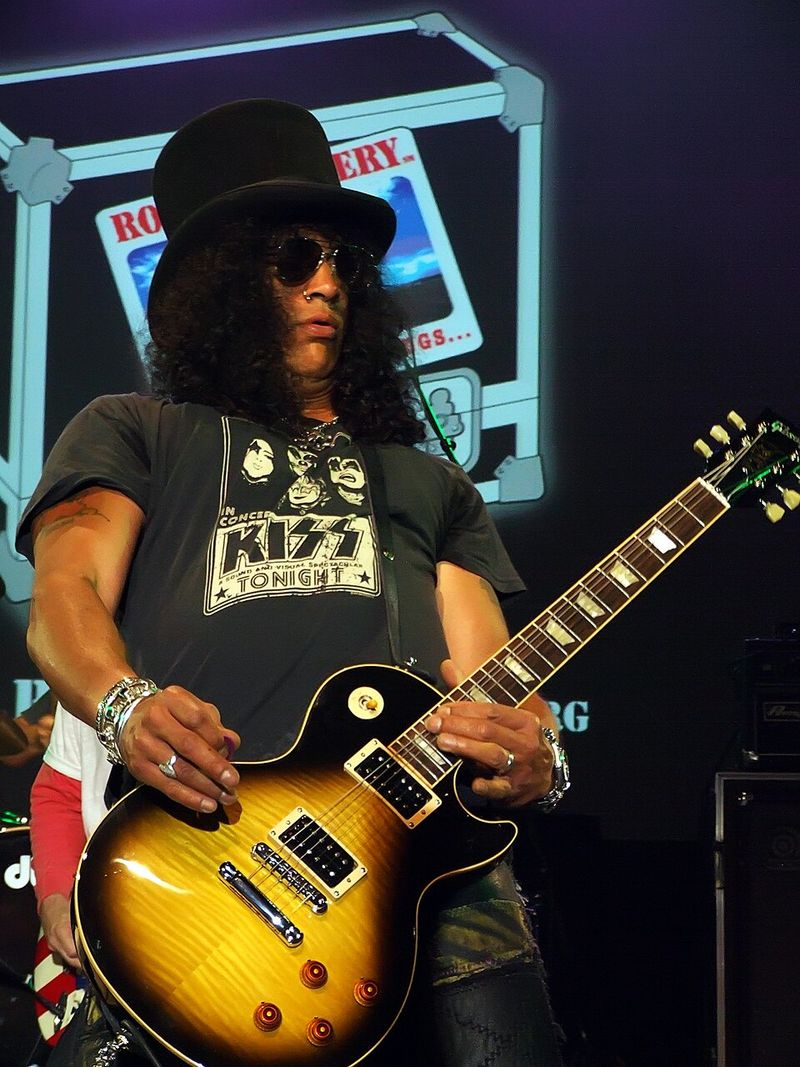
Slash cannot read a single musical note on paper, and he has never made a secret of it. The Guns N’ Roses guitarist learned entirely by playing, listening, and spending enormous amounts of time with his instrument.
He has publicly emphasized the value of jamming over formal study, crediting practical experience as the foundation of his playing.
His famous opening guitar figure for Sweet Child o’ Mine reportedly began as a string-skipping exercise during rehearsal before the band recognized its potential and built a song around it. That kind of spontaneous discovery through playing is very different from composing at a desk with manuscript paper.
Slash’s phrasing, chord awareness, and ability to construct memorable solos all reflect deep musical understanding. He learned the language of the fretboard through sound and feel rather than through printed pages, and the results consistently rank him among the greatest rock guitarists ever recorded.
6. Noel Gallagher
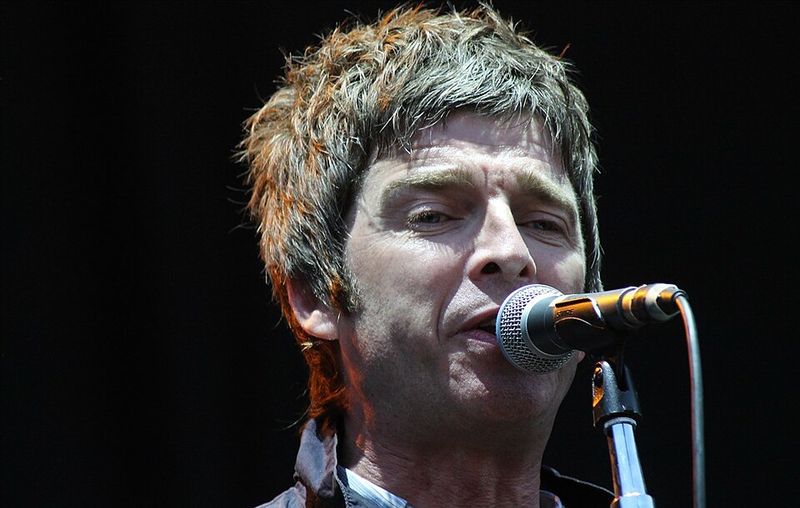
Noel Gallagher has been straightforwardly open about his limited relationship with conventional musical notation. He has stated that he is not technically proficient in the way formally trained musicians are, and he has even suggested that studying music theory might actually damage his approach to songwriting by making it less spontaneous.
Gallagher also has dyslexia, which has affected his reading abilities generally. His songs instead emerged from chords, melodies, and a deep familiarity with the rock and pop records that shaped his musical instincts throughout his youth.
That method produced Wonderwall, Don’t Look Back in Anger, Live Forever, and Champagne Supernova, songs that became communal singalongs across an entire decade of British popular culture. His work also shows how relatively simple harmonic ingredients become powerful when paired with the right melody, timing, and arrangement.
For self-taught guitarists everywhere, his process feels entirely recognizable.
7. Jimi Hendrix
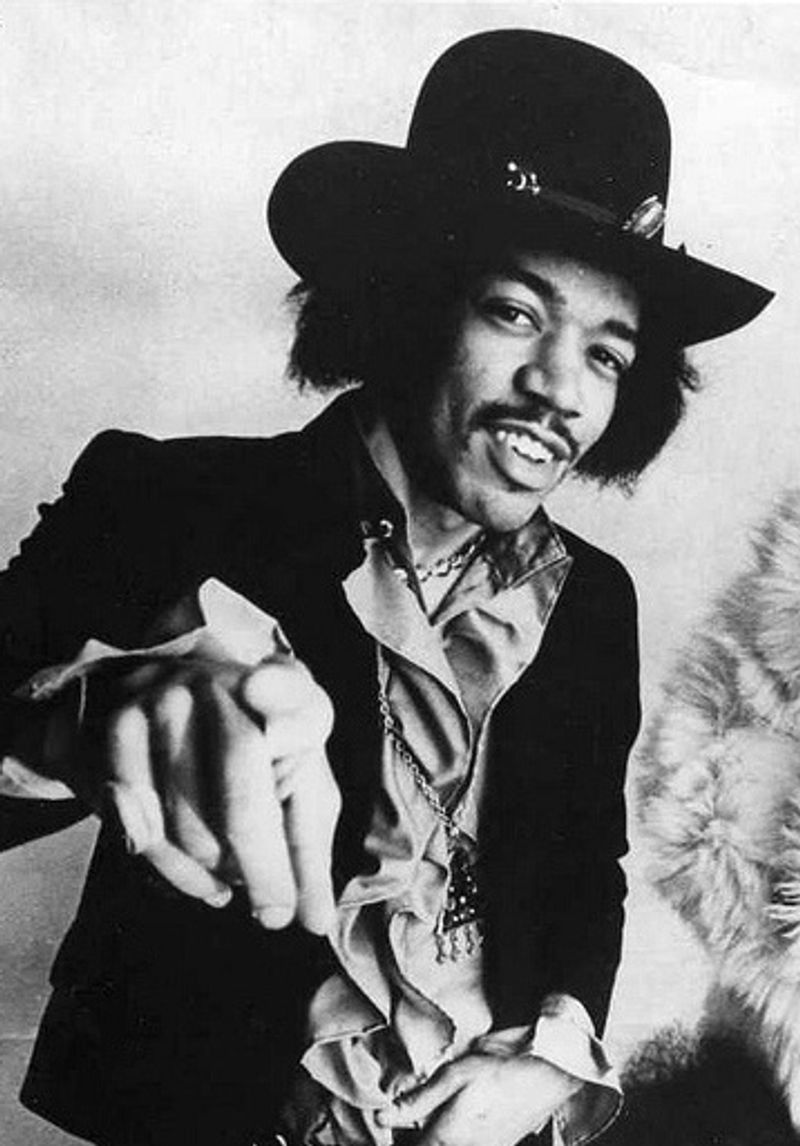
At age 15, Jimi Hendrix picked up his first acoustic guitar and began teaching himself by listening to blues records and copying what he heard. No formal lessons, no sheet music, no instructor guiding him through scales on a staff.
He learned by watching other musicians perform and by practicing relentlessly until he could reproduce what he heard.
By the late 1960s, that self-taught approach had produced a guitarist whose playing seemed to operate outside the known limits of the electric guitar. Feedback, distortion, unusual chord voicings, and expressive bends became part of a personal musical language that influenced generations of players after him.
Hendrix absorbed lessons from Muddy Waters, B.B. King, and other blues artists, then pushed far beyond those foundations.
The guitar was effectively his manuscript paper, and his fingers found the music directly on the strings.
8. Dave Brubeck
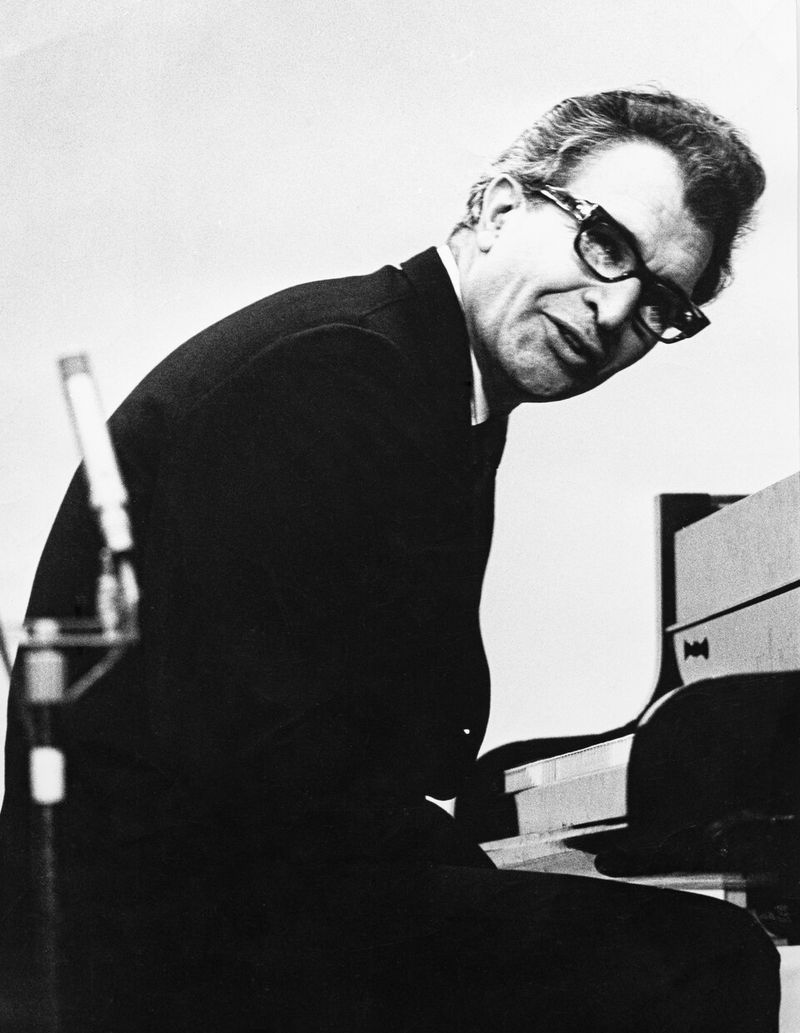
Dave Brubeck is one of the more surprising names on this list, and his story requires important context. When he entered college to study music, faculty discovered that his sight-reading ability was significantly below the expected standard.
He had relied so heavily on his ear and natural musical ability that reading notation had never developed to match his playing skill.
He was reportedly allowed to continue his studies under the condition that he would never teach piano. Despite that rocky academic start, Brubeck went on to become one of jazz’s most celebrated and innovative figures.
The Dave Brubeck Quartet’s Time Out, featuring Paul Desmond’s Take Five, became one of jazz music’s landmark albums, known for its sophisticated use of unusual time signatures. Brubeck’s story is particularly valuable because it shows that extraordinary musical instinct and the ability to read notation can develop on entirely separate timelines.
9. Eddie Van Halen
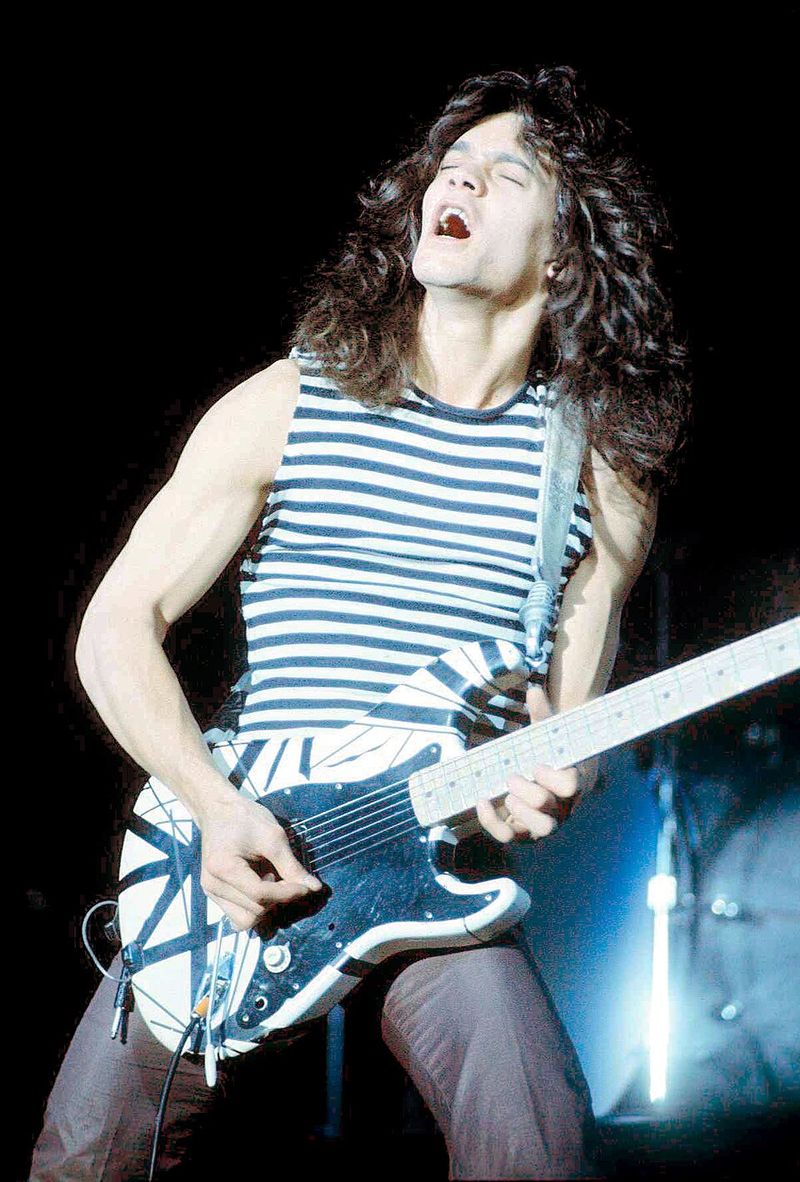
Eddie Van Halen’s childhood actually included substantial musical education. He and his brother Alex took piano lessons, and Eddie became an accomplished young pianist.
He has described, however, learning pieces primarily by listening and watching his teacher rather than by becoming dependent on reading notation. He once admitted that he did “everything by ear” and would often make fun of his teacher during lessons.
That aural approach carried directly into his guitar playing. When he heard a sound he wanted to produce, he found it physically on the instrument rather than working from a written guide.
Techniques including his celebrated two-handed tapping were not entirely his invention, but Eddie brought them into mainstream rock with speed, precision, and theatrical impact that changed how millions of people thought about the electric guitar. His 1978 solo piece Eruption remains one of rock’s most studied and imitated recordings.
10. Irving Berlin
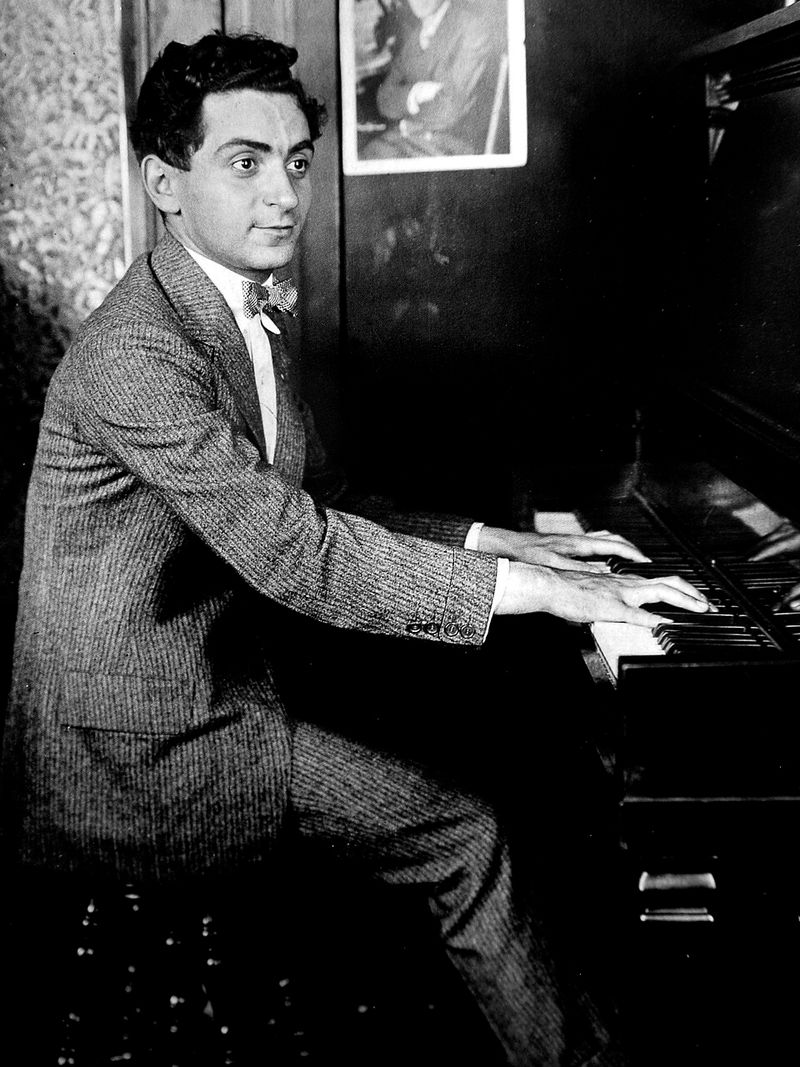
Irving Berlin may be the most extraordinary case on this entire list. The man responsible for White Christmas, God Bless America, and Cheek to Cheek had limited formal musical training and could not read or write standard music notation with any professional fluency.
He was essentially a self-taught rudimentary pianist who could only play comfortably in the key of F-sharp.
To work around that limitation, Berlin used a specially designed transposing piano equipped with a lever that allowed him to change keys mechanically while still playing in his one comfortable key. For transcription and publication, he relied on professional arrangers, copyists, and musical secretaries to capture his melodies in standard notation.
None of that prevented one of the most successful songwriting careers in American popular music history. Berlin’s example makes a central argument clearly: the initial creative act can happen entirely in the imagination, the ear, and the fingers, long before a single note is written down.
11. Michael Jackson
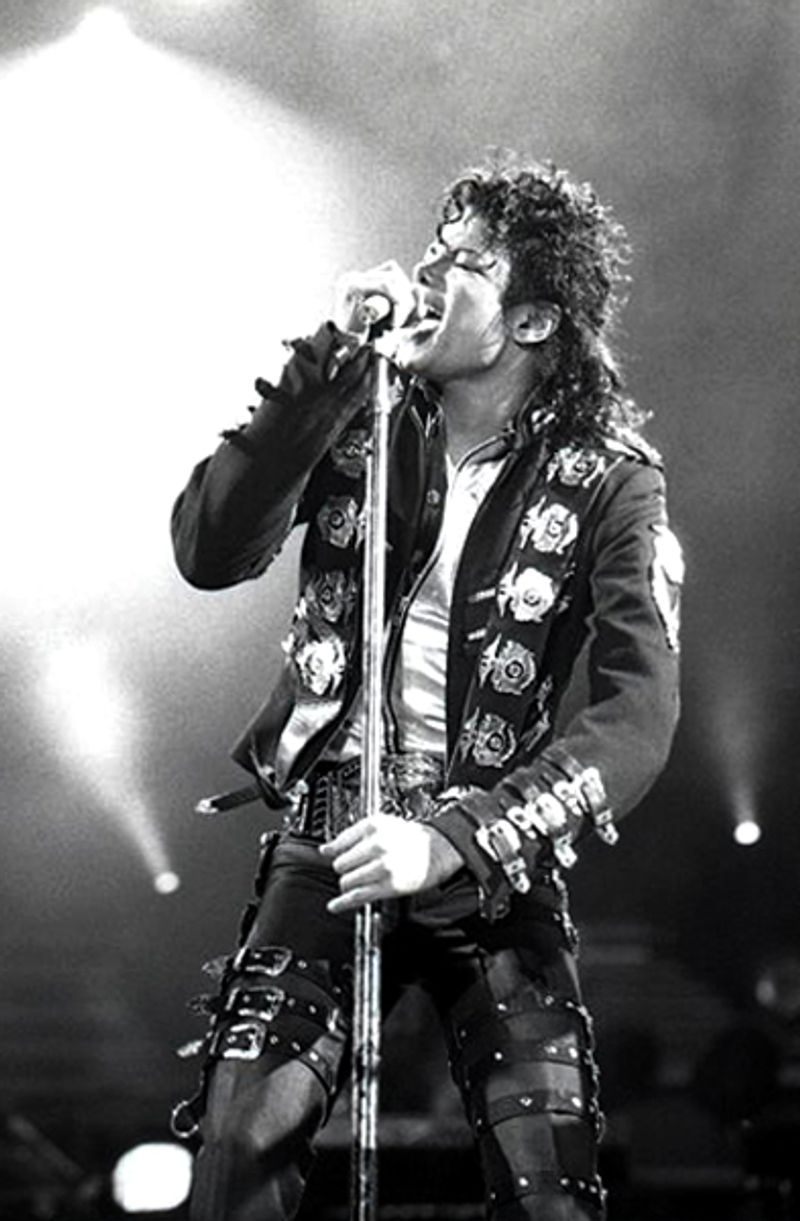
Michael Jackson never formally learned music theory and did not play instruments beyond a basic level. What he did possess was an internal understanding of musical arrangement sophisticated enough to astonish professional musicians and producers who worked with him.
His songwriting process involved hearing entire arrangements in his head and then communicating them vocally to the musicians around him. He could reproduce melodies, bass lines, drum rhythms, harmonies, and instrumental parts with his voice, and collaborators would then transcribe and develop those ideas into finished recordings.
Accounts from producers and session musicians confirm how detailed and specific those communicated ideas could be. Jackson would arrive with much of an arrangement already fully formed internally, and his voice functioned as a compositional tool rather than merely the lead instrument.
That process helped produce some of the most meticulously constructed pop recordings ever made, including tracks from Thriller and Off the Wall.
12. Hans Zimmer

Hans Zimmer might be the most counterintuitive inclusion here. He became one of Hollywood’s most recognized film composers, creating music for enormous orchestral productions, yet he has spoken openly about not being a traditionally trained sight-reader and about an unconventional musical education that bypassed the standard conservatory route.
His compositional process runs heavily through keyboards, synthesizers, computers, and layers of sonic experimentation. He typically begins by working with directors to understand the emotional architecture of a film before writing specific melodies or themes.
Films including The Lion King, Gladiator, Inception, and Interstellar carry scores that blend orchestral forces with electronic textures and unconventional instrumentation. Teams of orchestrators help translate Zimmer’s ideas into the notation required for large recording sessions.
His career demonstrates how technology fundamentally changed what it means to compose. A film score no longer has to begin with pencil and manuscript paper.
It can begin with sound itself.
13. B.B. King
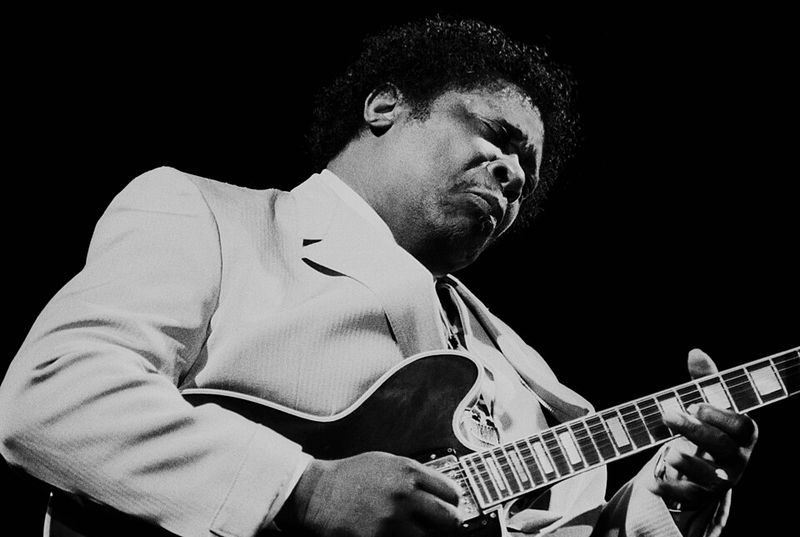
B.B. King’s guitar playing proves how much information can live inside a single, carefully placed note.
King was not known as a conventional sight-reader. His musical language developed through listening, performing, and decades of practical experience rooted in blues, gospel, and African American musical traditions that were transmitted through sound rather than written notation.
That education produced one of the most distinctive guitar voices ever recorded. His vibrato, bends, pauses, and phrasing gave his guitar Lucille an almost conversational quality.
A handful of notes could carry more weight and character than another guitarist’s extended solo.
His influence reached far beyond blues. Eric Clapton, Jimi Hendrix, Peter Green, and Gary Moore all absorbed important lessons from King’s approach to touch, timing, and tone.
B.B. King is a useful reminder that notation can record notes but cannot automatically teach a player what to do with the space between them.
14. Stevie Nicks
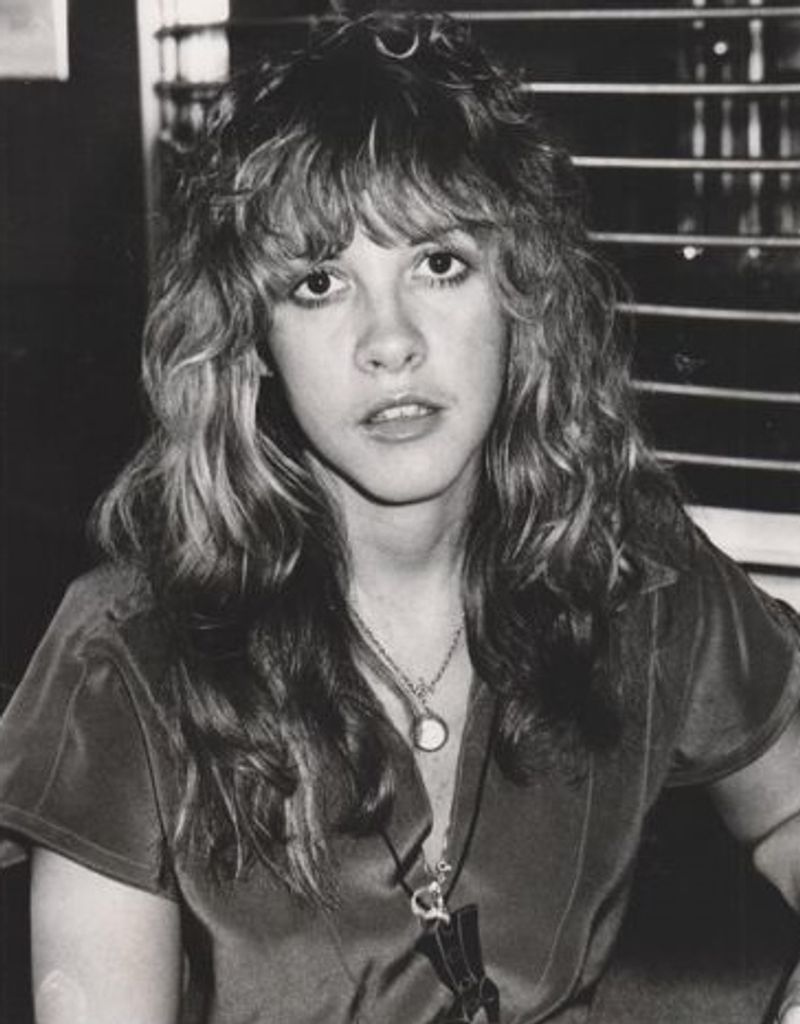
Stevie Nicks considers herself a poet first and a songwriter second. Her creative process begins with journals filled with prose and poetry, from which lyrics and emotional concepts gradually take shape.
Formal musical notation has never been part of that process. Songs develop around melodies, chords, vocals, and the recordings she makes to capture ideas before they fade.
That approach produced Landslide, Rhiannon, Dreams, and solo material including Edge of Seventeen, songs that became defining recordings of the 1970s and 1980s. Once a song’s core was established, Fleetwood Mac could develop it collectively, with other musicians adding bass, drums, guitars, harmonies, and production detail around the central composition.
Nicks didn’t need a fully notated score to communicate Dreams to a band. She needed a compelling melody, a clear emotional direction, and the right words.
That combination connects her to nearly every musician on this list: fluent in the musical language that mattered most, regardless of what appeared on paper.
Share this story