Most people assume that great songs require months of careful work, late-night rewrites, and endless second-guessing. The reality is that some of the most recognized recordings in pop, rock, and country history were sketched out in a single sitting, sometimes in under 30 minutes. Songwriters from the 1960s through the 1980s repeatedly described moments where a full idea arrived so quickly they barely had time to write it down. What makes these stories compelling is not just the speed, but the lasting cultural weight of the songs that resulted.
These were not throwaway tracks or forgotten B-sides. They became career-defining hits, cultural touchstones, and radio staples that millions of people still know word for word today. Understanding how they came together so fast reveals something genuinely interesting about how creative ideas can arrive fully formed, without warning, and without a clear explanation for why they work as well as they do.
1. All Right Now, Free (1970)
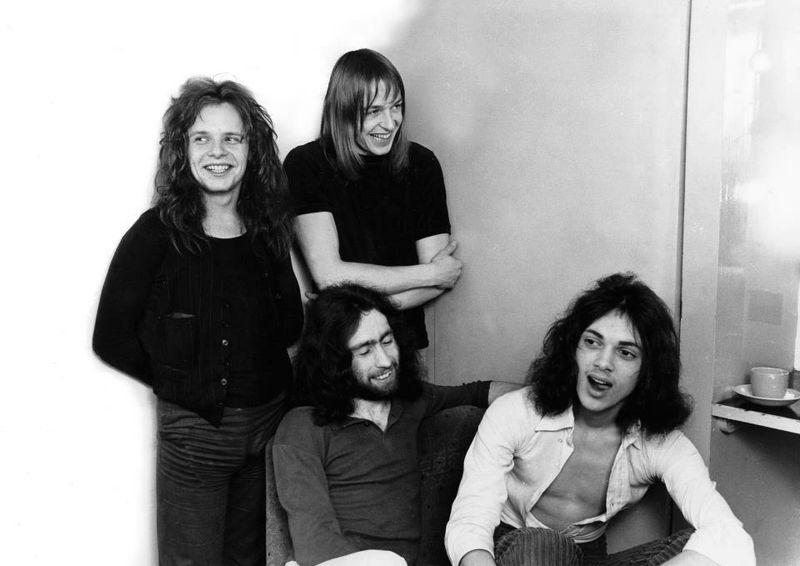
Bassist Andy Fraser wrote the music for this track backstage after a concert where the audience had responded with almost no energy. Frustrated by the flat reception, he sat down and worked out the core musical structure in roughly 10 minutes. Lead vocalist Paul Rodgers then stepped in and added lyrics almost immediately.
The song was recorded and released in 1970, reaching number two on the UK Singles Chart and breaking into the top 100 in the United States. For a band that had struggled to connect with wider audiences, the turnaround was dramatic. “All Right Now” became Free’s signature recording and one of the most recognizable guitar-driven rock tracks of the early 1970s.
Fraser was just 17 years old when he wrote it, which makes the speed and commercial success of the composition even more striking given his age at the time.
2. Paranoid, Black Sabbath (1970)
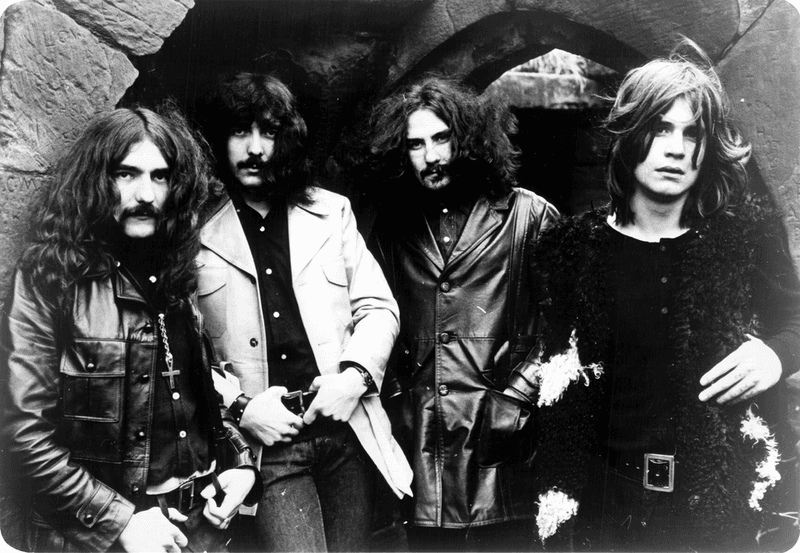
The band needed one more track to round out their second album, and the solution arrived fast. Drummer Bill Ward later said the whole thing came together in “twenty, twenty-five minutes from top to bottom.” Bassist Geezer Butler recalled writing the lyrics almost as quickly as he could put pen to paper.
Tony Iommi drove the session with his riff ideas, Ozzy Osbourne developed a vocal melody, and Butler supplied the words. The entire composition process, by most accounts, lasted well under an hour. Butler has even said his part of the writing took closer to five minutes.
Despite its rushed origins, “Paranoid” became the title track of the album and one of the defining songs in heavy metal history. It charted in the UK top 5 and has remained a permanent fixture in rock radio playlists for more than 50 years since its release.
3. Yesterday, The Beatles (1965)
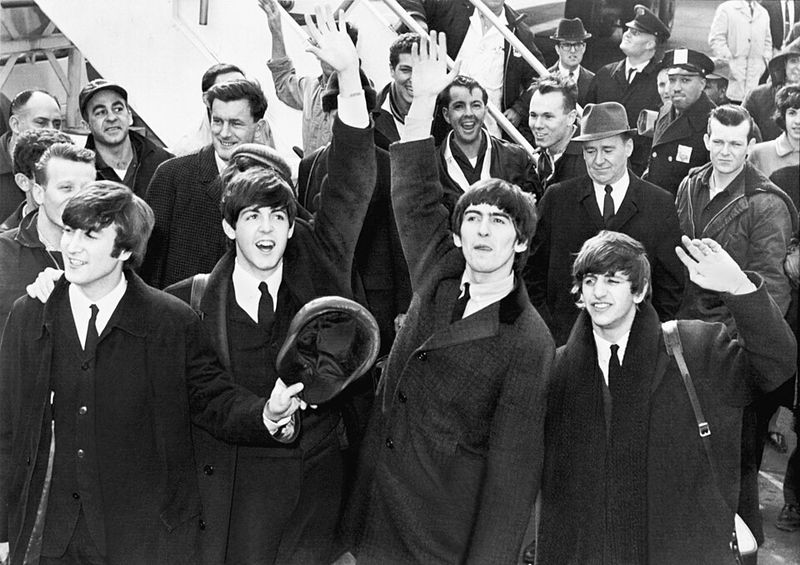
Paul McCartney has told this story many times, and it remains one of the most unusual origin stories in popular music. He dreamed the entire melody one night while staying at his then-girlfriend Jane Asher’s home in London. Upon waking, he immediately sat down at a piano to play it back before the memory could fade.
His first concern was that he had subconsciously borrowed it from somewhere else, so he spent weeks asking other musicians if they recognized it. Nobody did. The working title during that early period was “Scrambled Eggs.” The final lyrics were written later, reportedly during a five-hour drive from Lisbon airport while McCartney was on holiday in Portugal.
“Yesterday” went on to become one of the most covered songs in recorded music history. The melody itself, which arrived in a dream, is widely considered one of the most naturally constructed in the history of popular songwriting.
4. Jolene, Dolly Parton (1973)
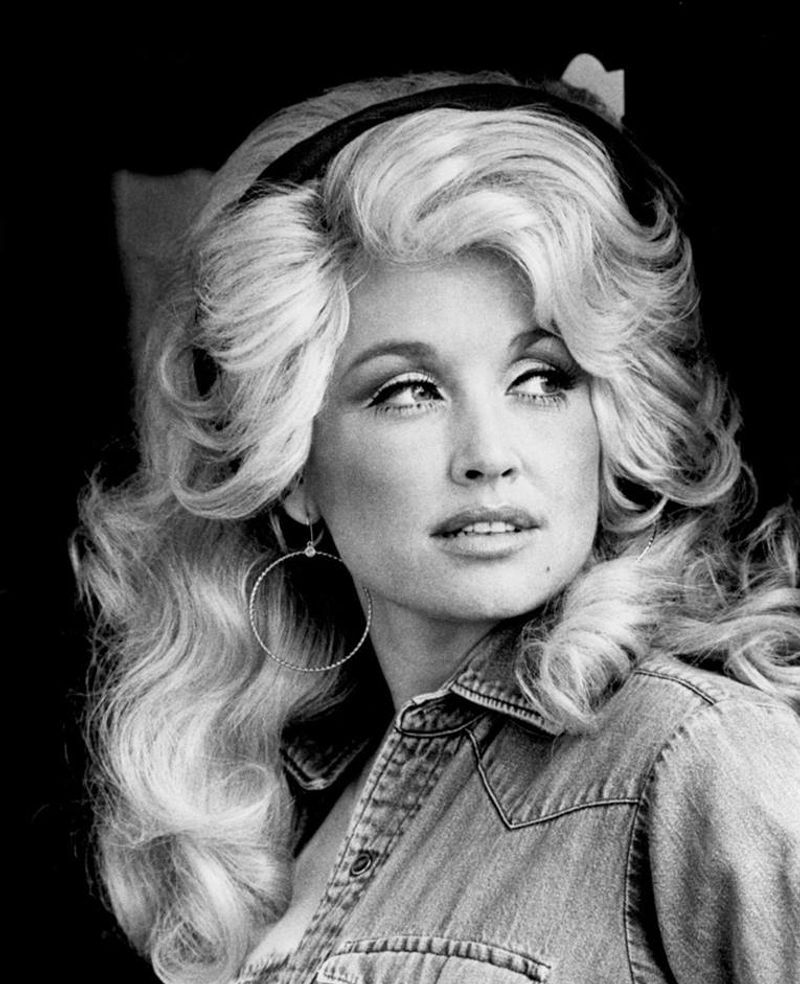
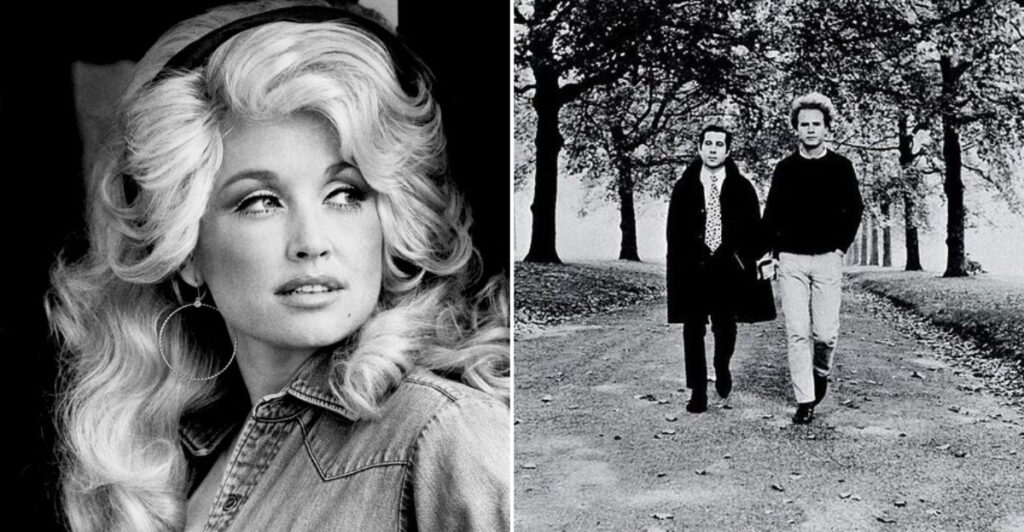
Dolly Parton reportedly wrote this country classic in roughly 10 minutes, and the story behind it is just as vivid as the song itself. Two separate real-life moments gave her the title and the emotional core. A red-haired bank teller had been flirting with her husband Carl Dean, and a young fan named Jolene had asked for an autograph around the same time.
Parton later said she kept repeating the name “Jolene” because she liked how it sounded, and that repetition became the chorus. The recording was completed on May 22, 1973, and the single was released in January 1974.
It reached number one on the Billboard country charts and has since been covered by artists across multiple genres. Few songs written in under 15 minutes have shown that kind of staying power across five decades of popular music.
5. A Hard Day’s Night, The Beatles (1964)
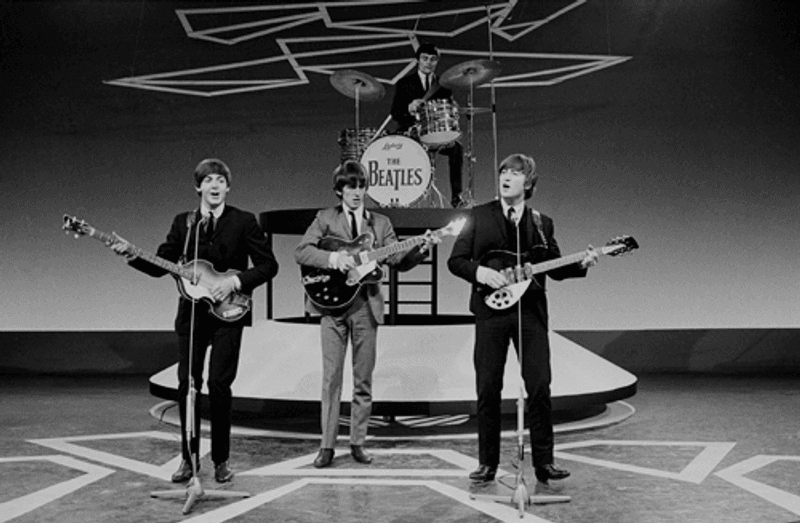
Ringo Starr accidentally coined the phrase after a long day of filming when he remarked that it had been “a hard day’s night.” The film’s director Richard Lester officially chose it as the movie title on April 13, 1964. John Lennon, who had already used a version of the phrase in his 1964 book “In His Own Write,” took it upon himself to write the song.
Lennon reportedly scribbled the lyrics on the back of a matchbox cover in a single short sitting. The song was recorded just three days after the title was confirmed, on April 16, 1964. The full recording session lasted fewer than three hours.
Paul McCartney contributed to the middle section. The finished track opened both the film and the album of the same name. It reached number one in both the UK and the US, cementing the band’s dominance during what became known as the British Invasion.
6. The Sound of Silence, Simon and Garfunkel (1964)
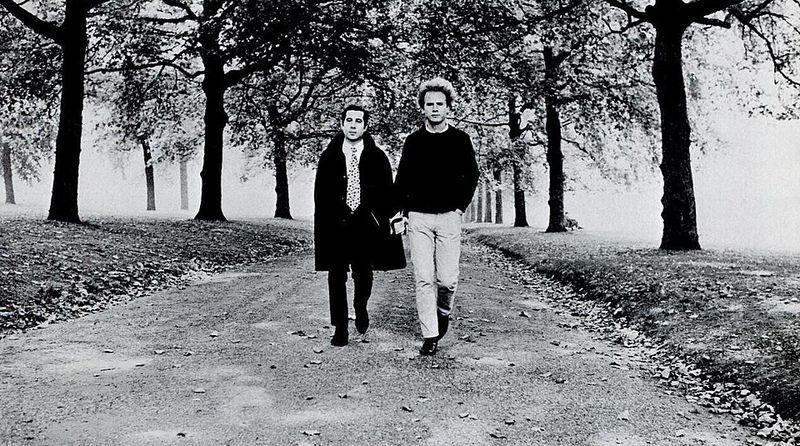
Paul Simon has described writing much of this song while sitting in his bathroom, where he found the acoustics helpful for working through ideas. He was in his early twenties and largely unknown at the time, and the song’s reflective tone reflected a broader cultural mood that was building across American college campuses in the early 1960s.
The original version, recorded in 1964 for the duo’s debut album, was not a commercial success. However, producer Tom Wilson later overdubbed the track with electric instruments in 1965 without consulting Simon or Garfunkel. That version became a top-five hit and launched both artists into mainstream recognition.
The song’s central theme of people failing to genuinely communicate with each other connected with a generation navigating rapid social change. Its path from a bathroom writing session to one of folk-rock’s most enduring recordings is one of the more unusual success stories of the 1960s music industry.
7. Blitzkrieg Bop, Ramones (1976)
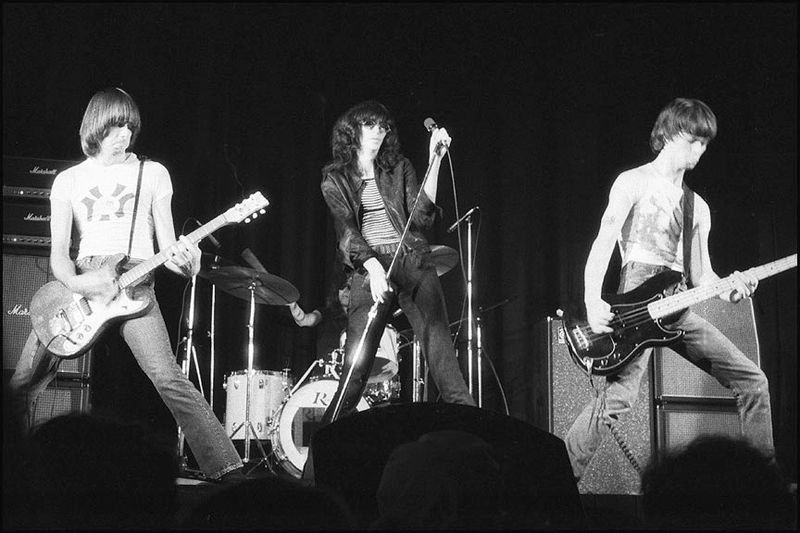
Dee Dee Ramone has said the basic structure and lyrics for this track came together in roughly 15 minutes. Built around a straightforward chord progression and the chanted phrase “Hey Ho, Let’s Go,” the song was designed to be direct, fast, and immediate, which matched the band’s entire approach to making music.
The Ramones formed in New York City’s Forest Hills neighborhood in 1974 and developed a stripped-down style that rejected the elaborate production trends of mid-1970s rock. “Blitzkrieg Bop” opened their self-titled debut album released in April 1976 and ran just under two and a half minutes.
Critics and musicians recognized it immediately as something genuinely different. The song became a foundational text for the punk rock movement that spread through New York, London, and beyond over the following two years. Its chant is now used at sporting events worldwide, far removed from its original underground context.
8. Sweet Child O’ Mine, Guns N’ Roses (1987)

Slash stumbled onto the guitar riff during a casual jam session at the band’s shared Los Angeles house. He described it at the time as a “circus” melody he was just noodling around with, not something he intended to develop into a full song. Rhythm guitarist Izzy Stradlin heard it and asked him to keep playing.
Duff McKagan built a bassline around it, and drummer Steven Adler worked out a beat. Axl Rose, hearing the music take shape, began writing lyrics based on a poem he was already working on, inspired by his relationship with Erin Everly. The lyrics were completed by the following afternoon.
The song appeared on the 1987 album “Appetite for Destruction” and became the band’s first and only number-one single in the United States. The famous “Where do we go now?” section near the end reportedly came about when Rose was simply asking the producer how to close out the track during an early session.
9. I Will Always Love You, Dolly Parton (1974)
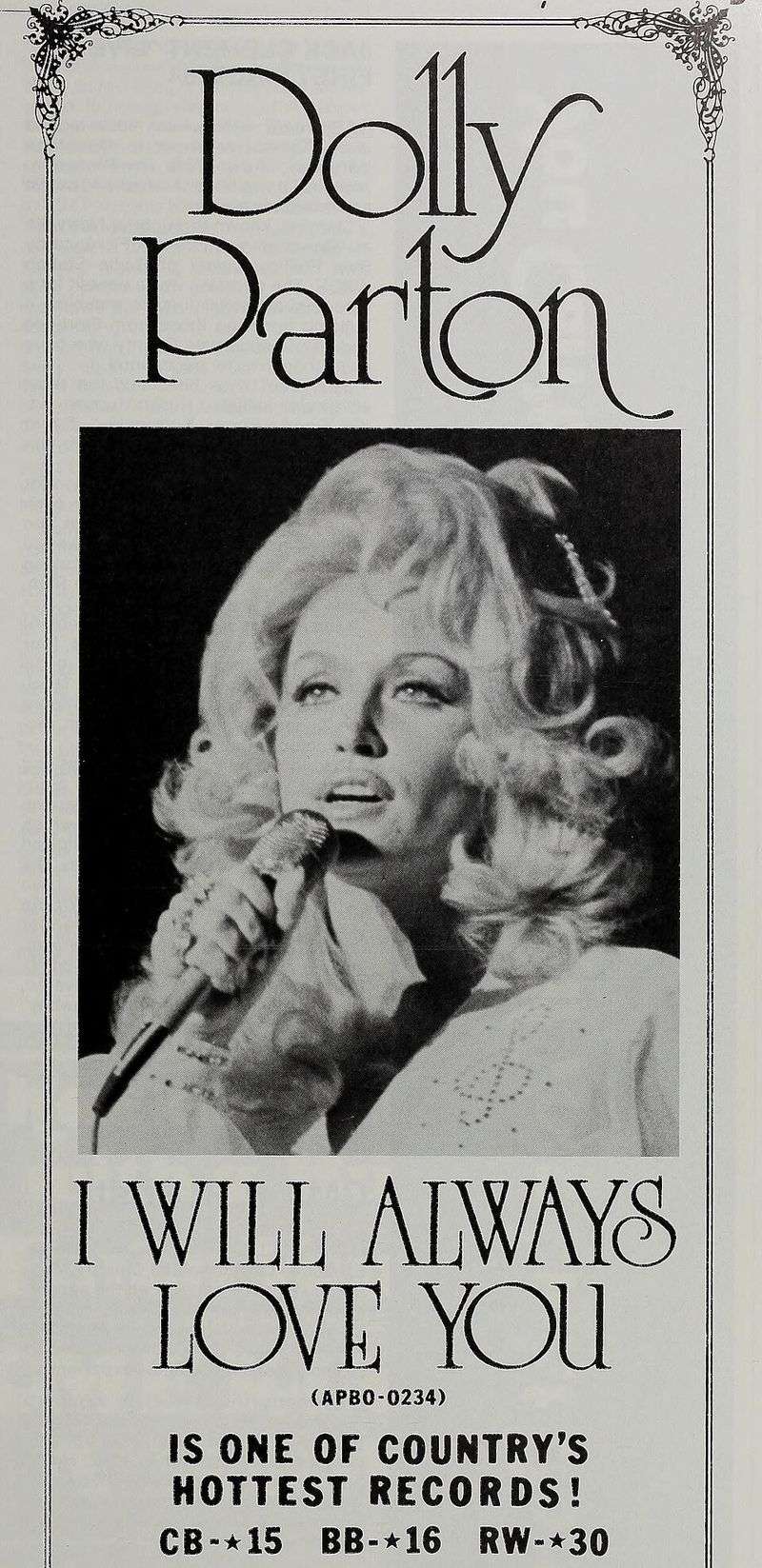
On the very same day she wrote “Jolene,” Parton also completed this song, which she has estimated took about 20 minutes to finish. The motivation was deeply personal. After seven years working alongside mentor and business partner Porter Wagoner, she had decided to pursue a solo career and needed a way to express her gratitude without making things worse.
She played it for Wagoner the morning after writing it, and he reportedly told her it was the best song she had ever written. The recording was completed on June 12, 1973, and it reached number one on the country charts twice for Parton alone.
Whitney Houston’s 1992 version brought it to an entirely new global audience. The fact that both this song and “Jolene” were written in the same brief session remains one of the more remarkable single-day outputs in country music history.
10. Crazy, Patsy Cline (1961)
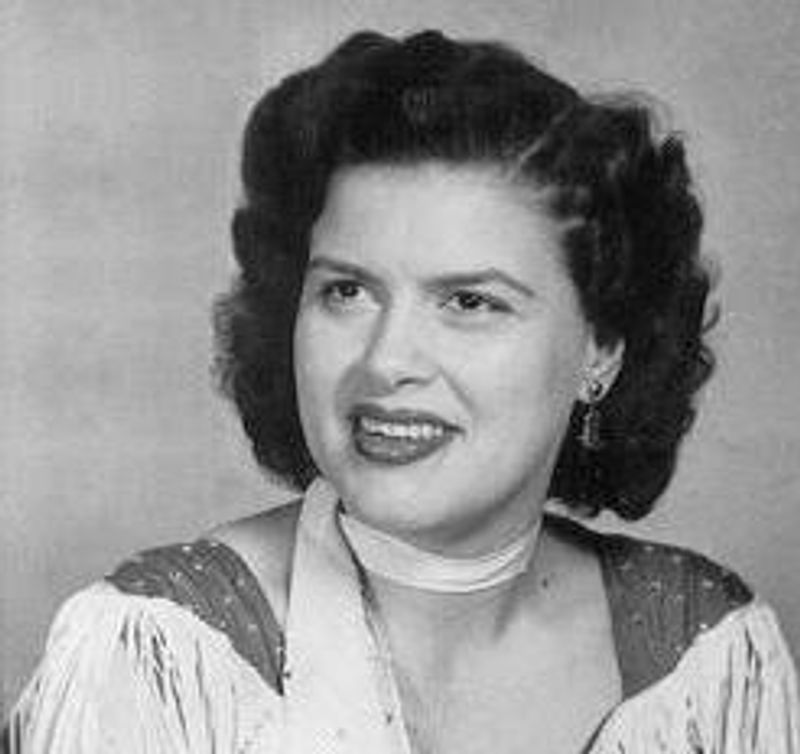
Willie Nelson wrote “Crazy” in less than an hour, reportedly during his commutes between Pasadena and the Esquire Ballroom where he was working at the time. The original working title was “Stupid,” and Nelson wrote it from the perspective of someone processing the end of a relationship. He completed it during the same week he wrote “Night Life” and “Funny How Time Slips Away.”
Patsy Cline was initially hesitant to record it. Her producer Owen Bradley pushed her to give it a try, and she laid down her vocal track in a single take, three weeks after the music track had already been recorded. She was still recovering from injuries at the time of the vocal session.
The song reached number two on the country charts and crossed over to the pop charts as well. It has since been voted one of the greatest country songs ever recorded in multiple industry polls and critical surveys.
11. Need You Tonight, INXS (1987)
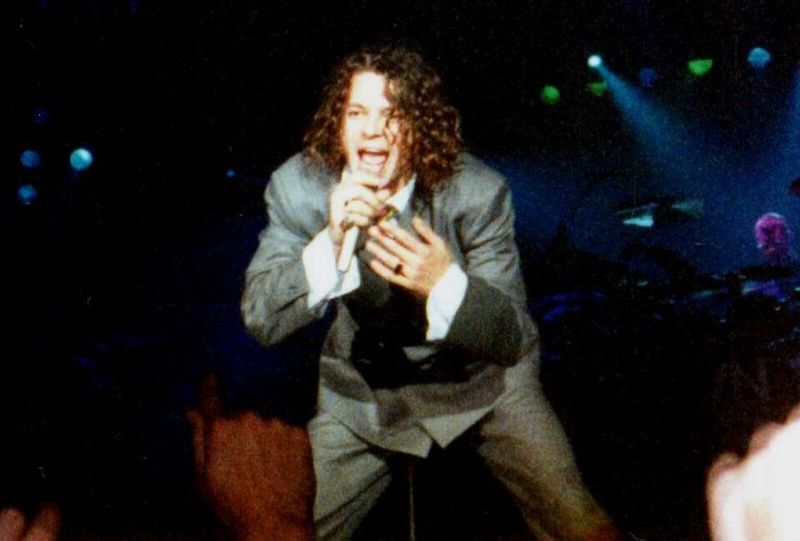
Andrew Farriss came up with the guitar riff while waiting for a cab to the airport. He ran back inside his house to record it over a drum-machine beat he had already set up on his Fostex 8-track recorder, not wanting to lose the idea before his flight. He then handed the tape to Michael Hutchence in Hong Kong.
Hutchence wrote most of the lyrics that same night, reportedly in about 10 minutes. Farriss later described the song as being “probably written in about ten minutes” when it came to the core lyrics and main musical ideas. The full production came later, but the essential song was essentially done in one short session across two locations.
Released as the lead single from the 1987 album “Kick,” it became INXS’s only number-one single in the United States. The track helped push “Kick” to multi-platinum status in multiple countries, becoming the commercial peak of the band’s career.
12. We Can Work It Out, The Beatles (1965)
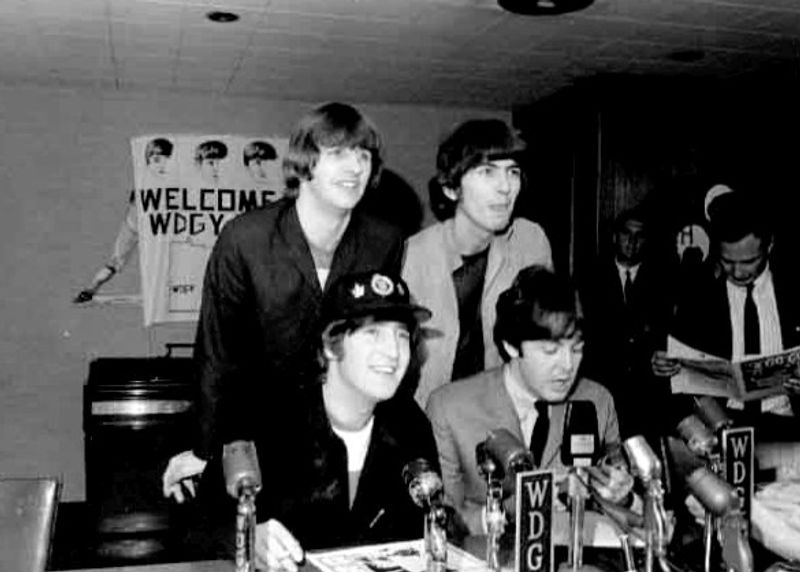
Paul McCartney arrived at the writing session with the verses and chorus already sketched out. He brought the idea to John Lennon, and the two worked through it together. Lennon contributed the bridge section, writing the lines “Life is very short, and there’s no time for fussing and fighting, my friend,” which gave the song a more philosophical counterpoint to McCartney’s upbeat optimism.
George Harrison added a structural idea of his own, suggesting the middle section shift into a 3/4 waltz-like feel, which gave the song an unexpected rhythmic twist. The track was recorded during the “Rubber Soul” sessions in late 1965 and released as a double A-side single alongside “Day Tripper.”
It reached number one in both the UK and the US. The contrast between McCartney’s hopefulness and Lennon’s more measured outlook made the collaboration one of the clearest examples of how their different personalities strengthened each other’s work.
13. Just Like Heaven, The Cure (1987)
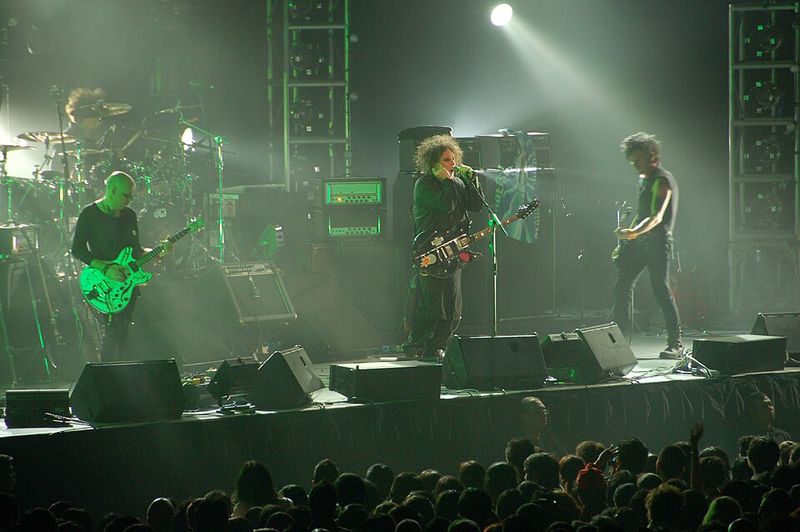
Robert Smith developed the instrumental foundation for this song by committing to a disciplined writing schedule where he forced himself to write music 15 days per month. The original demo was titled “Shivers.” The lyrics came separately, and Smith has said they were written in about 15 minutes while reflecting on a trip to Beachy Head in East Sussex with his future wife, Mary Poole.
The finished song was recorded at Studio Miraval in Southern France during the sessions for the album “Kiss Me Kiss Me Kiss Me.” It was released as a single in October 1987 and reached the top 40 in both the UK and the United States.
“Just Like Heaven” became one of The Cure’s most recognized recordings and introduced the band to a broader pop audience. Its combination of upbeat guitar work and personal lyrical detail made it stand apart from the darker material the band was known for earlier in their career.
14. Nothing Compares 2 U, Prince (1985)
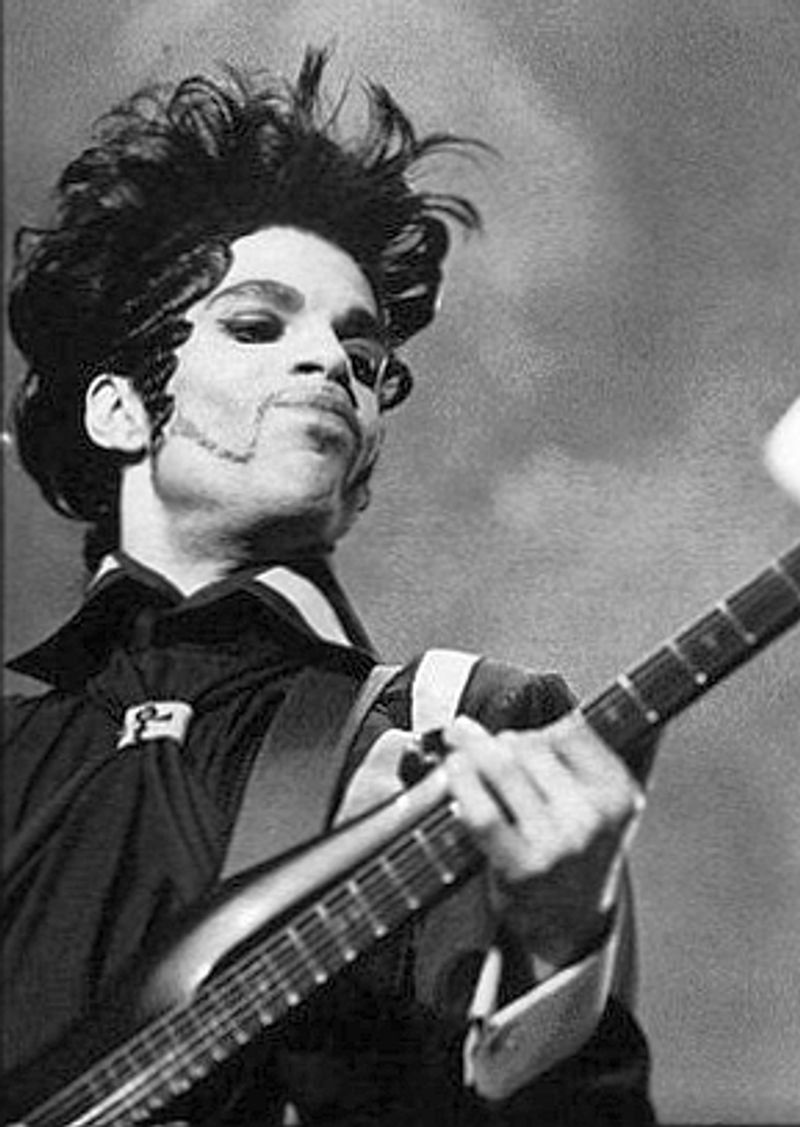
Prince wrote this song in 1985 and first gave it to his side project group The Family, who recorded it for their self-titled album that same year. The original version attracted little attention outside of Prince’s dedicated fan base. The composition itself was reportedly completed in a single writing session, consistent with how Prince typically worked during his most prolific period in the mid-1980s.
Sinead O’Connor recorded her version in 1990, and the result was a global phenomenon. Her recording reached number one in multiple countries and became one of the defining singles of that year. The music video, filmed in Paris, became one of the most-watched clips of the early MTV era.
Prince’s original version has since received far more attention as listeners traced the song back to its source. The gap between when it was written and when it became famous is one of the more unusual timelines in modern pop music history.
Share this story