Some of the most familiar songs in popular music started in ways listeners would never guess. A melody might arrive in a dream, a title can come from a child’s drawing, and a massive hit may begin as a song intended for somebody else entirely.
In other cases, listeners spent years assuming a song meant one thing when the songwriter had something very different in mind. These 18 famous tracks all have origin stories that make them far more interesting once you know how they began.
1. Sweet Child o’ Mine by Guns N’ Roses
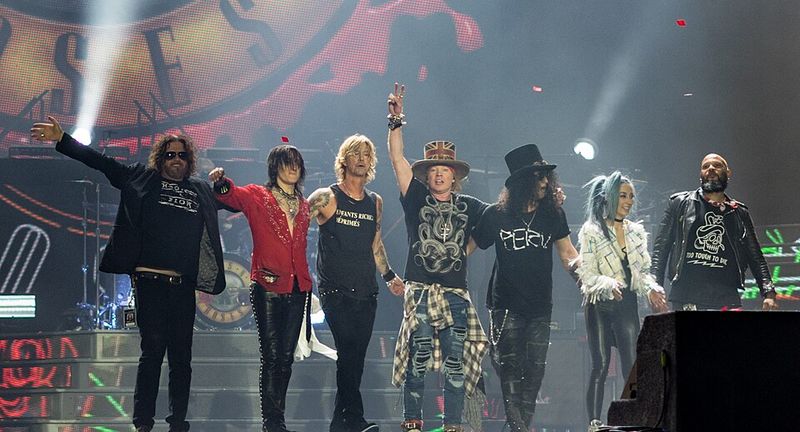
One of rock’s most recognizable guitar introductions began during a casual rehearsal rather than a carefully planned session. Slash started playing a riff while the band was loosening up, and the other musicians gradually joined in around him.
Axl Rose later wrote lyrics inspired largely by his relationship with Erin Everly. The riff Slash had reportedly regarded as little more than a warm-up exercise became the foundation of the entire song.
Sweet Child o’ Mine eventually reached No. 1 in the United States in 1988, giving Guns N’ Roses the biggest chart hit of their career from a riff that almost wasn’t kept.
2. Purple Haze by Jimi Hendrix
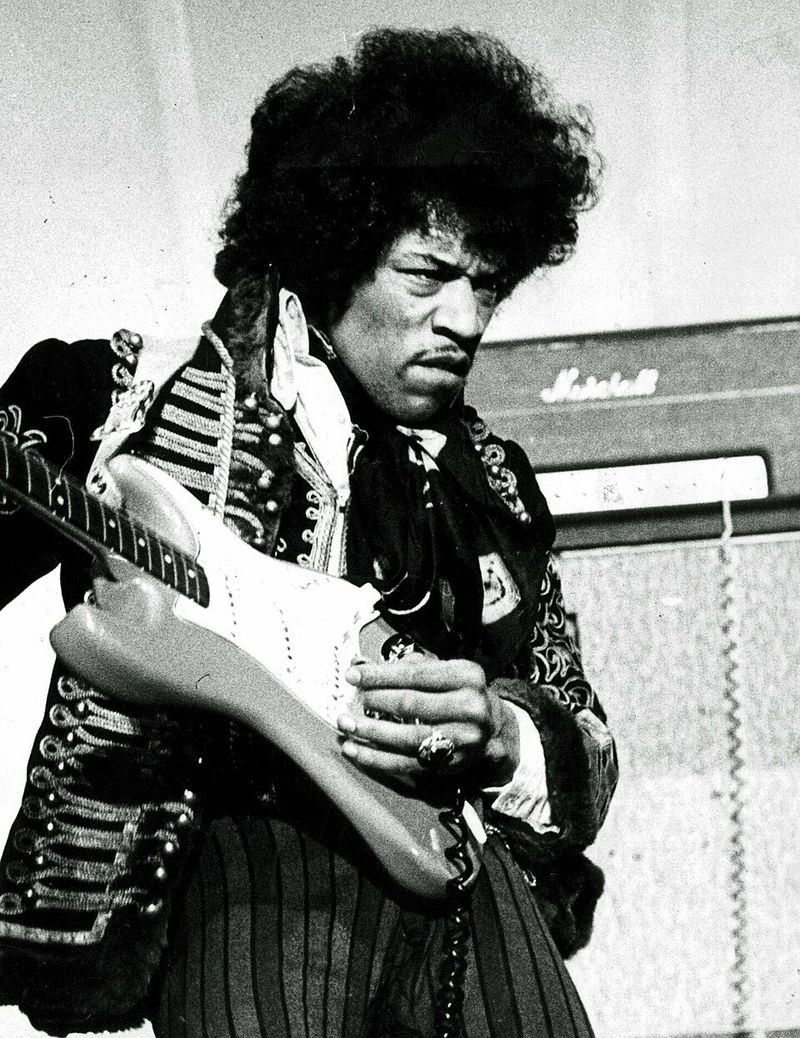
For decades, Purple Haze has been treated as one of rock’s most obvious drug-reference songs. Jimi Hendrix’s own explanations were considerably stranger than that assumption suggests.
He spoke about dreams, supernatural imagery, and science-fiction ideas connected with the song. One account involved a dream in which he walked beneath the sea and became surrounded by a mysterious purple haze.
That doesn’t mean listeners were wrong to hear psychedelic imagery in the finished recording. Hendrix’s imagination was drawing from dreams and fantastical scenarios that were already unusual enough on their own, without needing any coded meaning layered on top.
3. I Am the Walrus by The Beatles
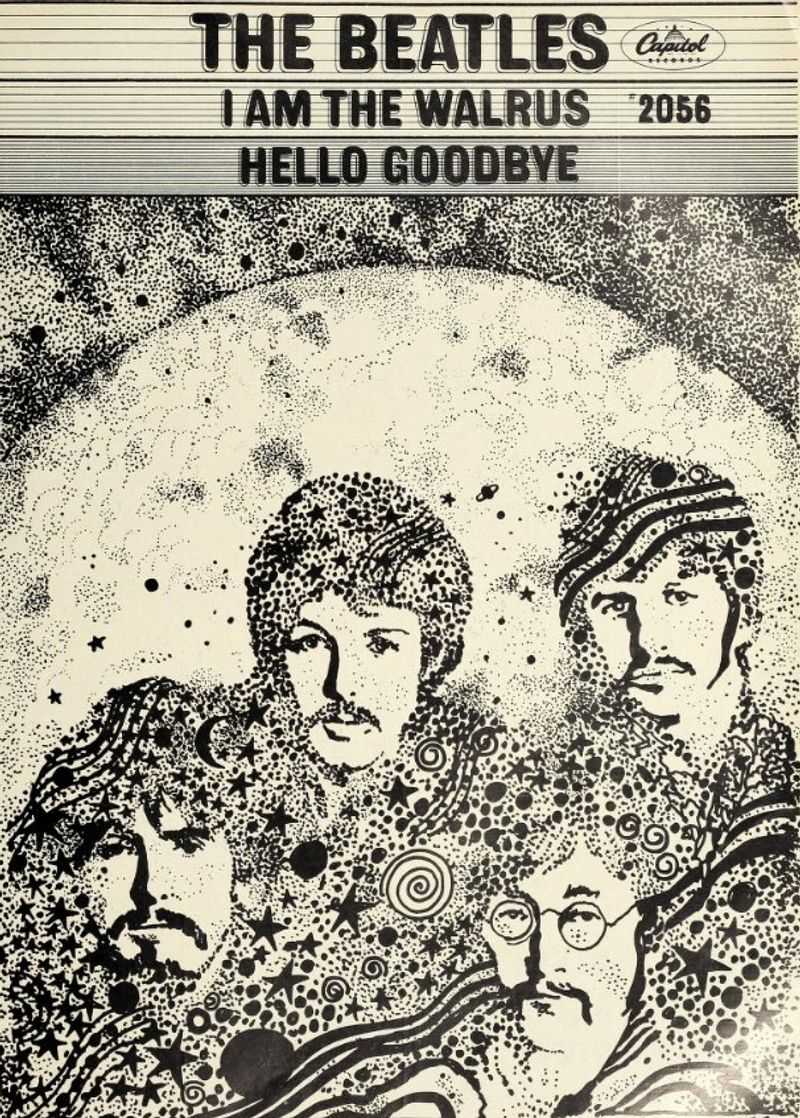
John Lennon partly wrote I Am the Walrus to frustrate people who insisted on finding deep meanings in Beatles lyrics. After learning that students at his former school were analyzing the group’s songs in class, Lennon reportedly decided to make interpretation much harder.
He mixed surreal imagery, nonsense phrases, personal memories, and references to Lewis Carroll into a single track. That deliberate absurdity produced one of the band’s most analyzed songs in their entire catalog.
Lennon created sections of I Am the Walrus specifically to resist decoding, and generations of listeners have spent decades trying to decode every single line anyway.
4. Smoke on the Water by Deep Purple
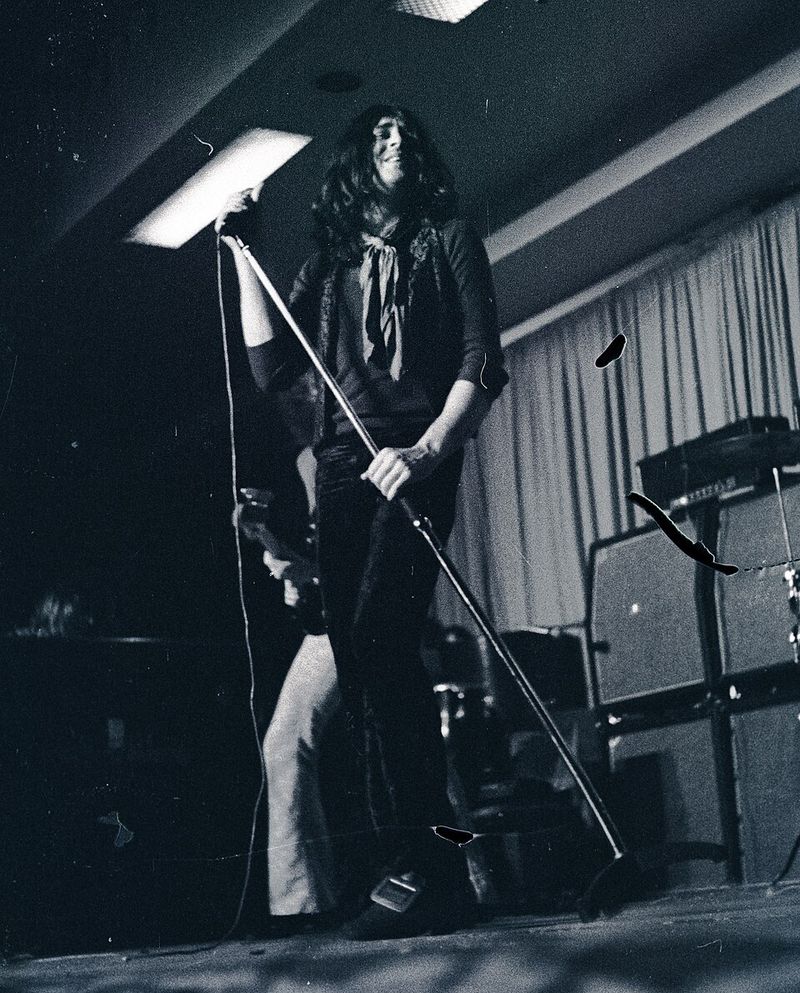
Smoke on the Water is essentially a firsthand news report set to one of rock’s most famous riffs. Deep Purple were in Montreux, Switzerland, in December 1971 when a fire broke out during a Frank Zappa concert at the Montreux Casino.
The band had planned to record at the casino, so the disaster forced them to find another location. The image of smoke spreading across Lake Geneva inspired the title directly.
The lyrics recount what the band witnessed almost step by step. What sounds like a dramatic rock metaphor was actually documenting a real event the musicians watched unfold in front of them.
5. Yesterday by The Beatles
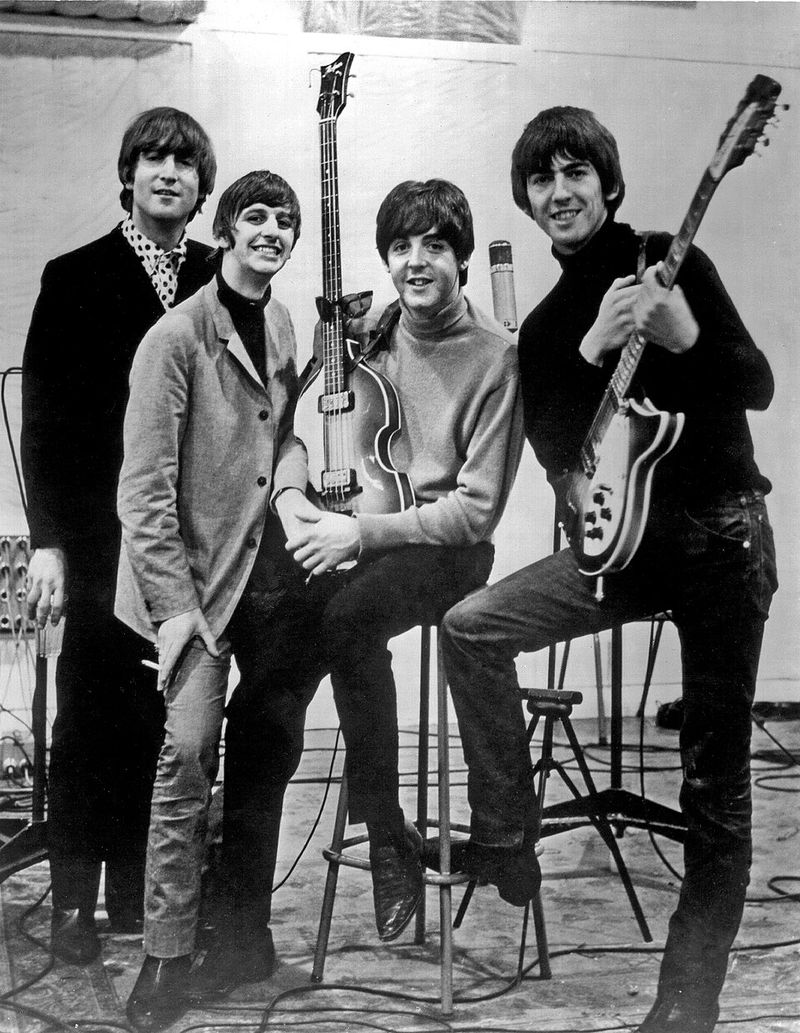
Paul McCartney famously said the melody for Yesterday came to him in a dream. He woke up, went straight to a piano, and played it before he could forget what he had heard in his sleep.
For a while, McCartney worried he had unconsciously remembered someone else’s composition because the melody felt so complete. He played it for other musicians to make sure nobody recognized it.
During its early stages, he reportedly used the placeholder lyrics “Scrambled Eggs” while searching for real words. One of The Beatles’ most enduring ballads began with a melody McCartney wasn’t initially convinced he had actually written.
6. Walk This Way by Aerosmith
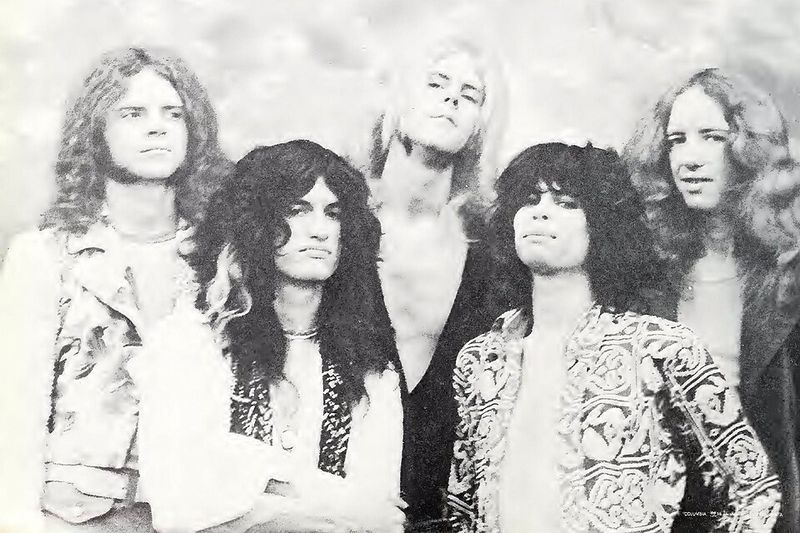
Aerosmith had much of the music for Walk This Way written before the song had a title or clear direction. While working on the track, members of the band went to see Mel Brooks’ Young Frankenstein at a local theater.
A running gag in the film has Marty Feldman’s character Igor tell others to “walk this way” before demonstrating his distinctive movement. The phrase followed the band straight out of the theater and into their studio.
Steven Tyler used it as the title and shaped lyrics around it. More than a decade later, Run-DMC’s 1986 version with Aerosmith gave the same song a second unexpected chapter in music history.
7. Manic Monday by The Bangles
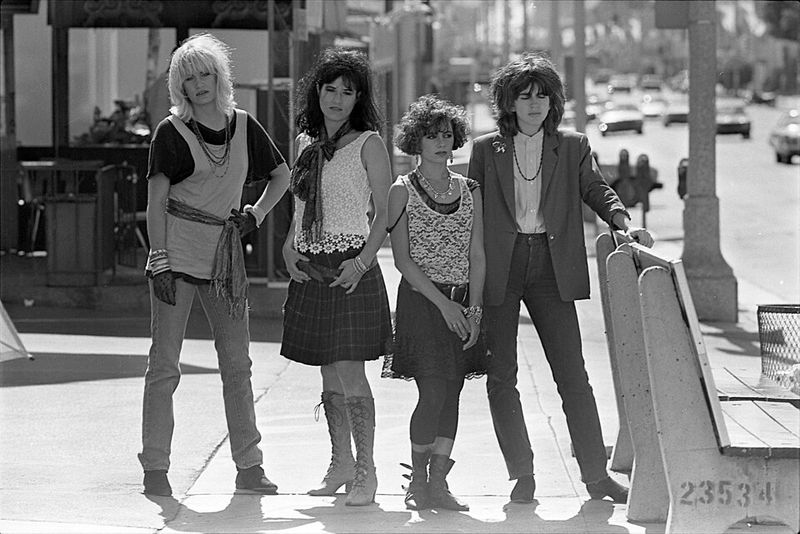
Manic Monday sounds so natural in The Bangles’ catalog that the song’s true origin is genuinely easy to overlook. Prince composed the track and offered it to the band under the pseudonym Christopher, keeping his involvement quiet at the time.
He had previously recorded a version with Apollonia 6 before deciding The Bangles were a better fit for the song. Their recording climbed to No. 2 on the Billboard Hot 100 in 1986.
The song that blocked it from reaching No. 1 was Kiss, performed by Prince himself. He effectively competed against his own composition and won.
8. Because the Night by Patti Smith Group
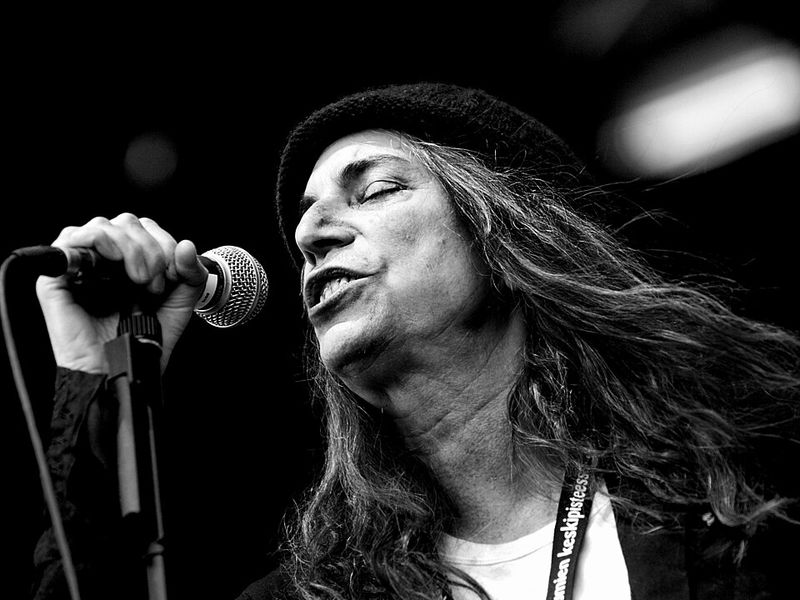
Because the Night began as an unfinished Bruce Springsteen song that never made it onto one of his own albums. Springsteen worked on the track during the Darkness on the Edge of Town sessions but never completed lyrics he felt were ready.
Producer Jimmy Iovine was working with both Springsteen and Patti Smith at the time and brought the unfinished track to her. Smith reshaped the lyrics extensively, turning the song into a personal and direct love song.
The result became her biggest commercial hit. Rather than disappearing into an archive of unfinished material, the song found the performer who could actually complete it.
9. Nothing Compares 2 U by Sinead O’Connor
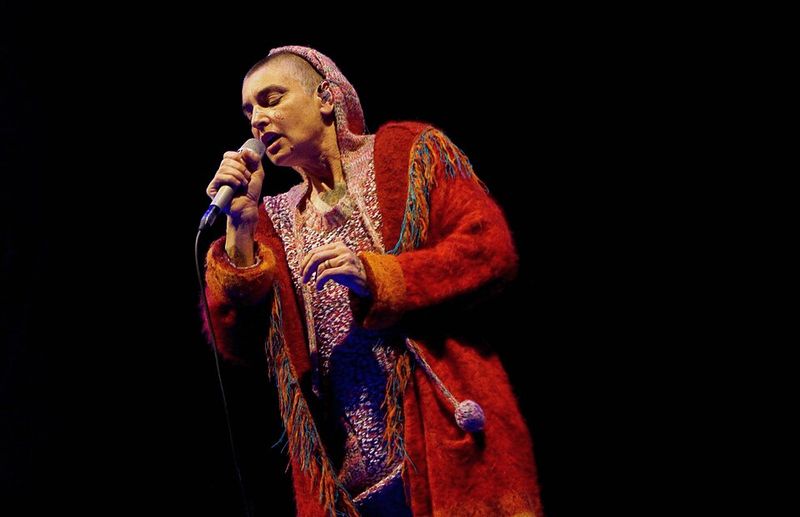
Sinead O’Connor made Nothing Compares 2 U famous worldwide, but the song had already existed quietly for several years before she recorded it. Prince wrote it and gave it to The Family, a group connected to his Paisley Park circle, who released it in 1985 to limited mainstream attention.
O’Connor recorded a dramatically different interpretation for her 1990 album I Do Not Want What I Haven’t Got. Her restrained arrangement and exposed vocal performance transformed an overlooked composition into an international No. 1 hit.
The recording became one of the defining songs of the decade, built entirely on a Prince original that most listeners had never heard before.
10. Me and Bobby McGee by Janis Joplin
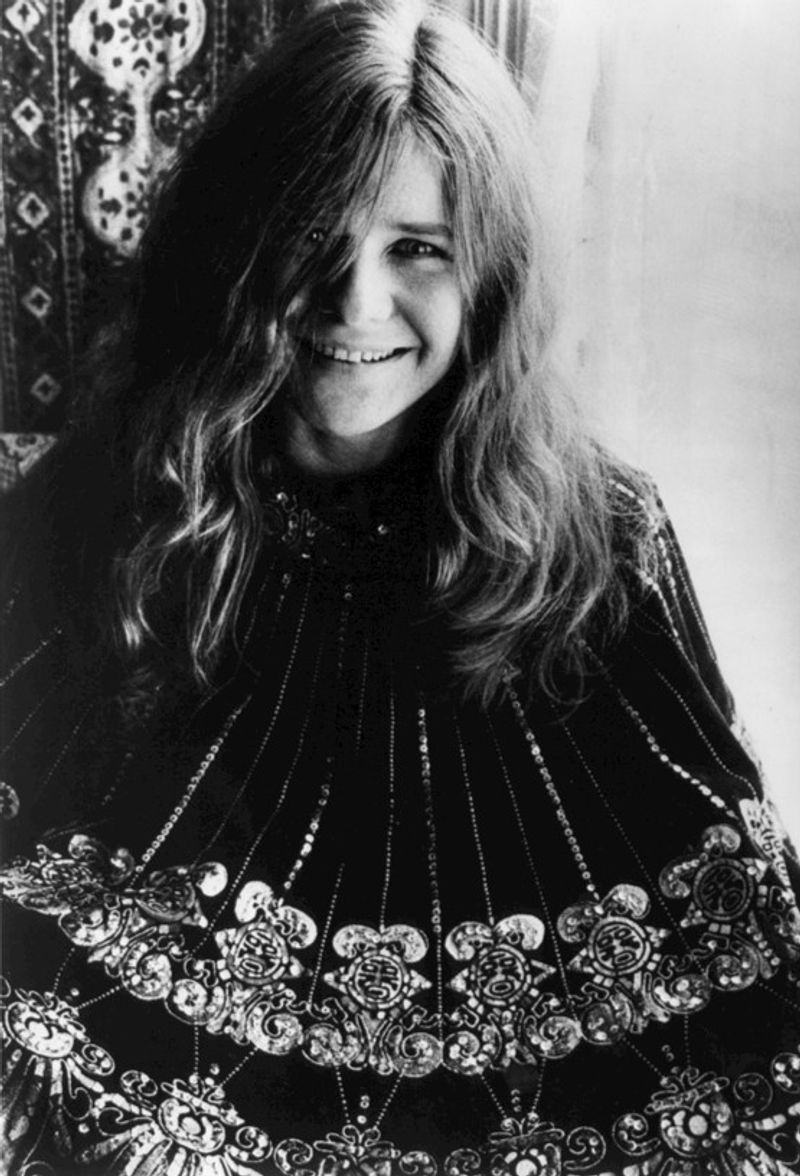
Bobby McGee emerged partly from a simple misunderstanding between two people in a conversation. Producer Fred Foster reportedly suggested a song title involving a woman named Bobbie McKee, and Kris Kristofferson misheard the surname as McGee.
Kristofferson began developing a song from what he thought he had heard. The character eventually became Bobby, a name flexible enough to work for any gender, which allowed different singers to approach the song from entirely different perspectives.
Janis Joplin’s version became the most famous and reached No. 1 in the United States. One of country-rock’s most enduring characters owes his or her name entirely to a misheard word.
11. American Woman by The Guess Who
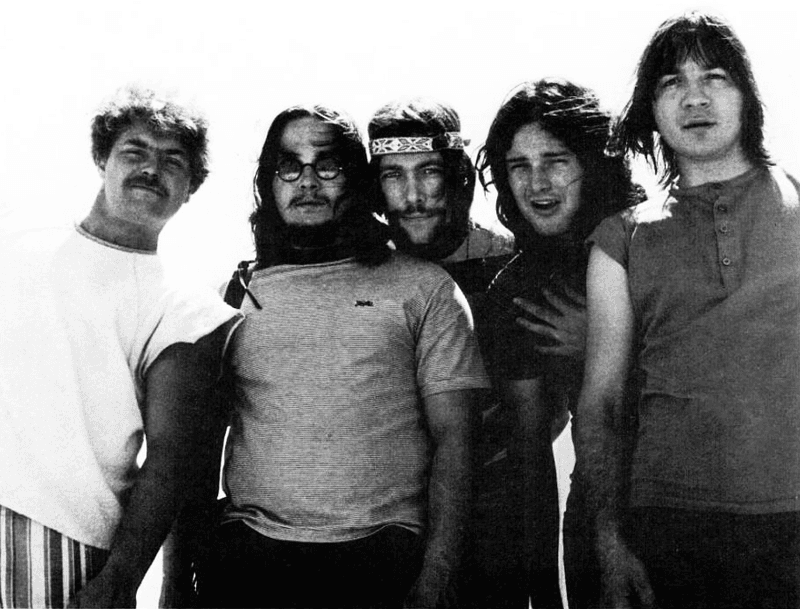
American Woman reportedly grew out of an onstage accident that nobody planned or rehearsed. During a performance in Ontario, guitarist Randy Bachman broke a string and began playing a new riff while retuning his instrument to fill the pause.
The rest of the group joined in, and singer Burton Cummings began improvising lyrics over the groove in real time. Someone in the audience reportedly captured that spontaneous performance before the band even knew what they had created.
The Guess Who later reconstructed the song from that improvised moment, and American Woman went on to reach No. 1 in the United States in 1970.
12. Lucy in the Sky with Diamonds by The Beatles
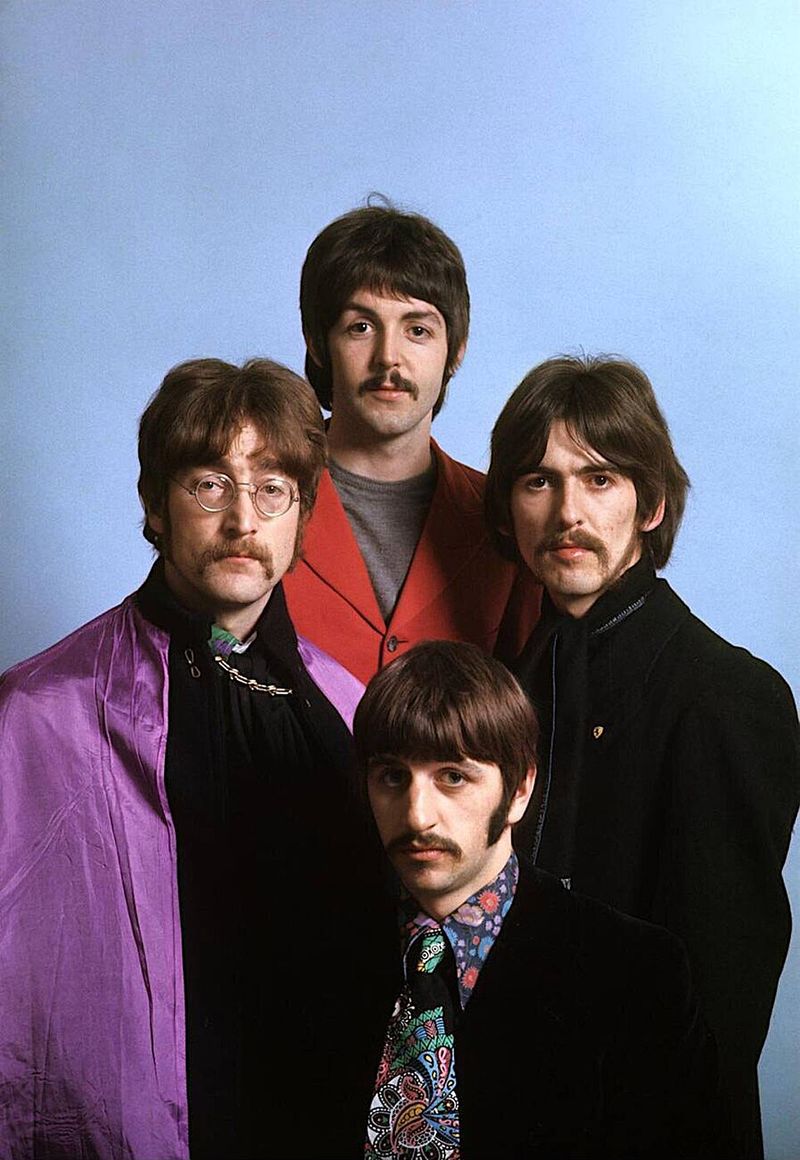
The title of this song has inspired decades of speculation because its initials famously spell LSD. John Lennon consistently offered a far more straightforward explanation that had nothing to do with that association.
His son Julian brought home a drawing from nursery school showing a classmate named Lucy surrounded by stars. When asked to describe it, Julian called it Lucy in the sky with diamonds, and Lennon liked the phrase immediately.
He used it as the starting point for the song, with surreal imagery drawn partly from Lewis Carroll. Whatever associations listeners attached to it later, the title itself came from a child’s crayon drawing.
13. Total Eclipse of the Heart by Bonnie Tyler

Jim Steinman didn’t originally imagine Total Eclipse of the Heart as a standard romantic power ballad. He later described the song as essentially a vampire love story, connected to ideas he was developing for a stage musical based on the Nosferatu story.
That context explains the song’s enormous scale and relentless intensity. Bonnie Tyler’s recording features dramatic production choices that would feel excessive in a conventional love song but fit perfectly once gothic obsession enters the picture.
Knowing Steinman was working from supernatural romance rather than ordinary heartbreak reframes the entire track. The theatrical choices stop seeming like excess and start reading as deliberate design decisions rooted in a specific story.
14. Money for Nothing by Dire Straits
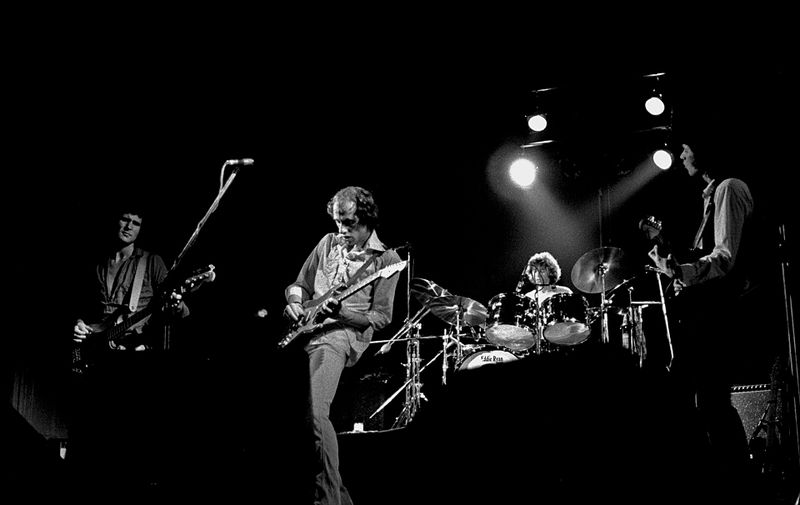
Mark Knopfler based much of Money for Nothing on language he directly overheard in a real appliance store. He was listening to a delivery worker complain about musicians appearing on the televisions displayed throughout the shop and reportedly wrote down phrases as the man spoke.
Knopfler later used that voice to create the song’s narrator. That distinction matters because the narrator’s opinions about musicians aren’t necessarily Knopfler’s own views at all.
The lyrics sound conversational because parts of the song were built from an actual conversation. The result became one of the defining records of the MTV era, featuring a narrator who grumbles about the very channel that made the song famous.
15. Dancing in the Dark by Bruce Springsteen
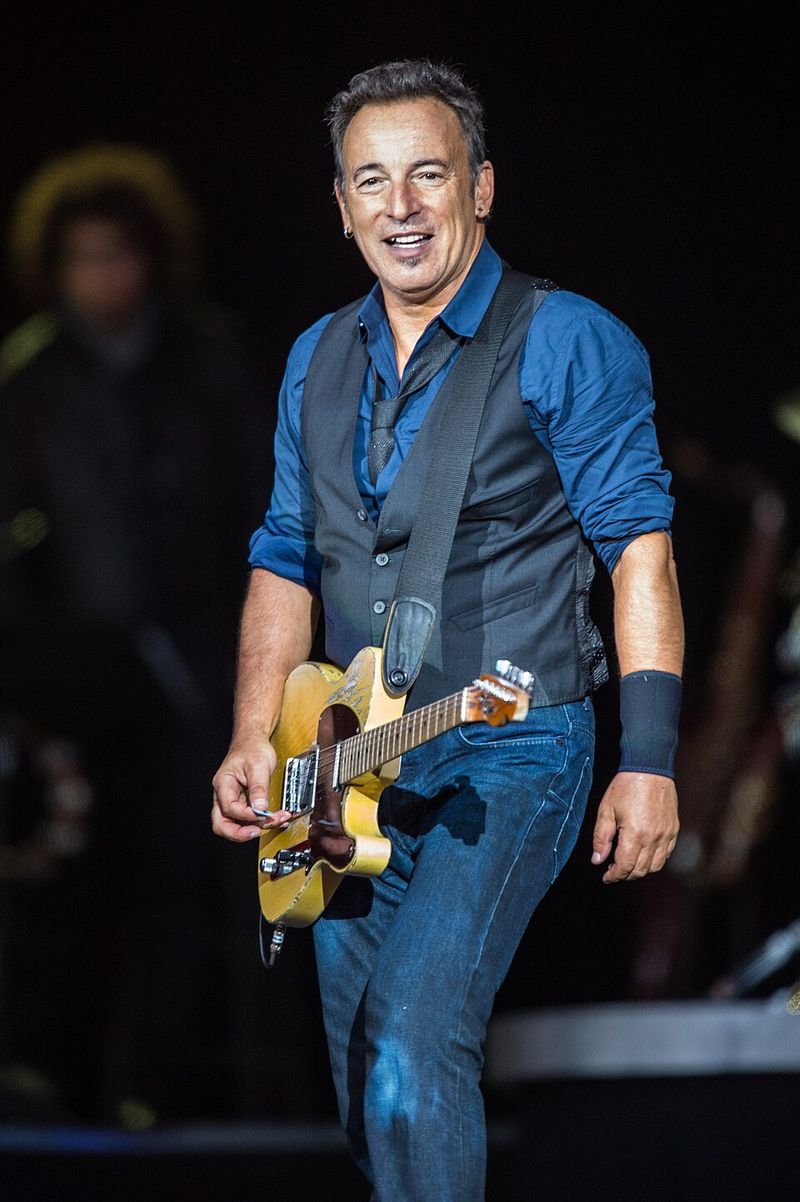
Dancing in the Dark came directly from Bruce Springsteen’s frustration at being told he needed to write a hit. Near the end of the Born in the U.S.A. sessions, manager and producer Jon Landau argued that the album still needed a strong commercial single.
Springsteen wasn’t satisfied with the request and went away to write a song specifically about frustration, pressure, boredom, and the push to create something new on demand.
That song became Dancing in the Dark. Springsteen’s irritation at being told he needed a hit produced one of the biggest hits of his entire career, reaching No. 2 on the Billboard Hot 100 in 1984.
16. Billie Jean by Michael Jackson
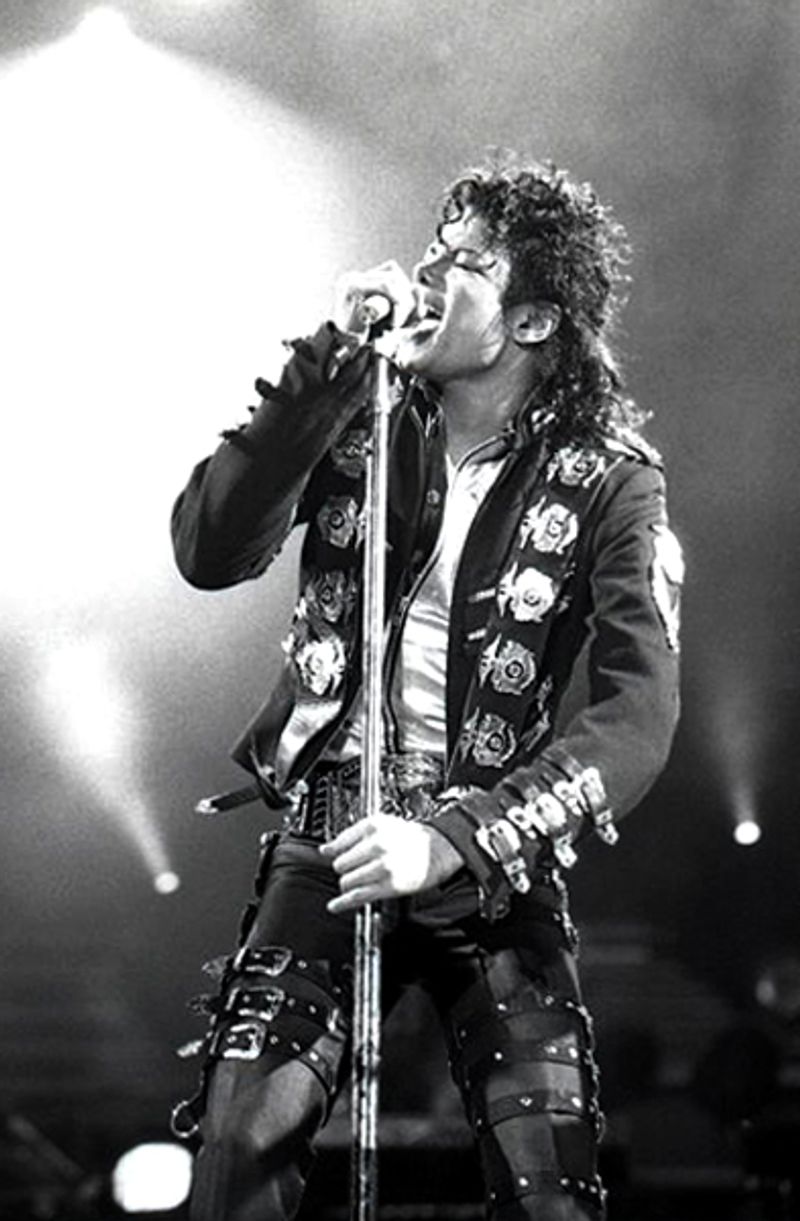
Billie Jean wasn’t based on any one specific person, according to Michael Jackson himself. He said the story drew from experiences involving fans who surrounded his older brothers during the Jackson 5 years in the early 1970s.
Jackson combined those collective memories into a fictional narrative about a woman claiming the singer fathered her child. The track’s famous bass line was central to the song from the very beginning, and Jackson was convinced it had something genuinely special.
Producer Quincy Jones reportedly questioned certain elements of the arrangement, including the length of the introduction. Jackson pushed to keep the track closer to the version he had already heard clearly in his head.
17. Like a Rolling Stone by Bob Dylan
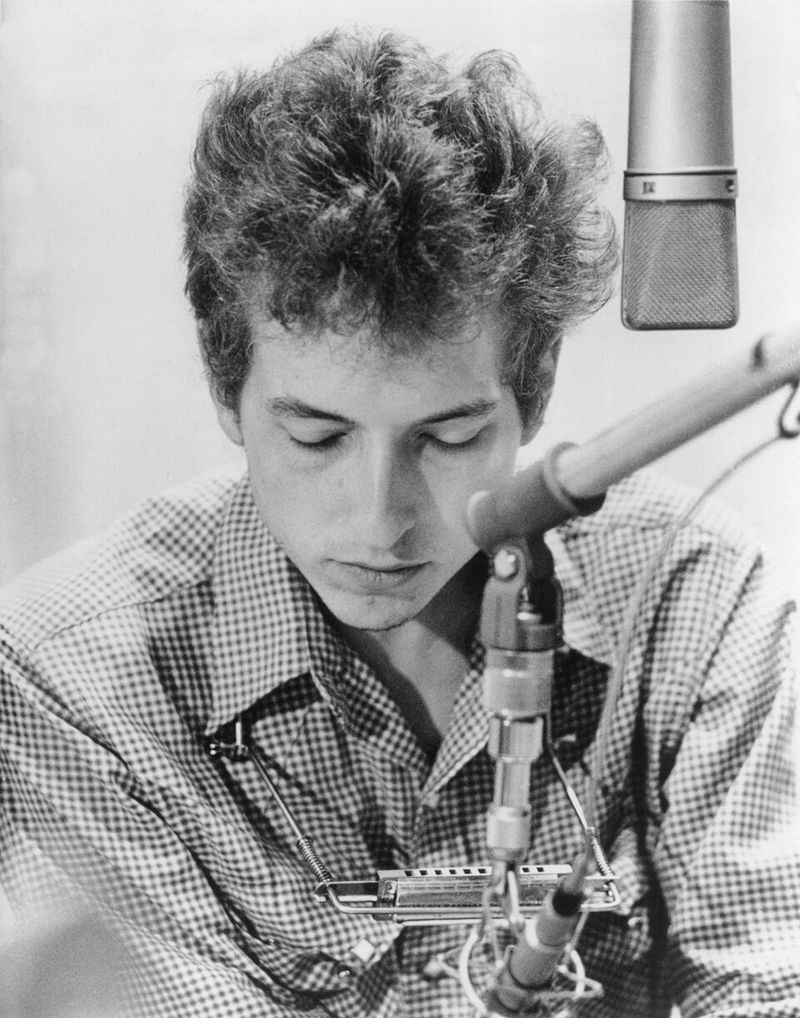
Like a Rolling Stone began as pages of angry prose rather than anything resembling a conventional song. Bob Dylan later described writing a lengthy, unstructured piece after returning from a difficult tour in early 1965, with no clear plan to turn it into music.
He gradually shaped the material into verses and a chorus until it became something that could actually be recorded. The finished song ran more than six minutes, an extraordinary length for a mainstream pop single at the time.
Columbia Records initially hesitated over releasing it, but once it reached radio, the length stopped mattering. The song became a major hit and changed what audiences thought a rock single could reasonably be.
18. Closing Time by Semisonic
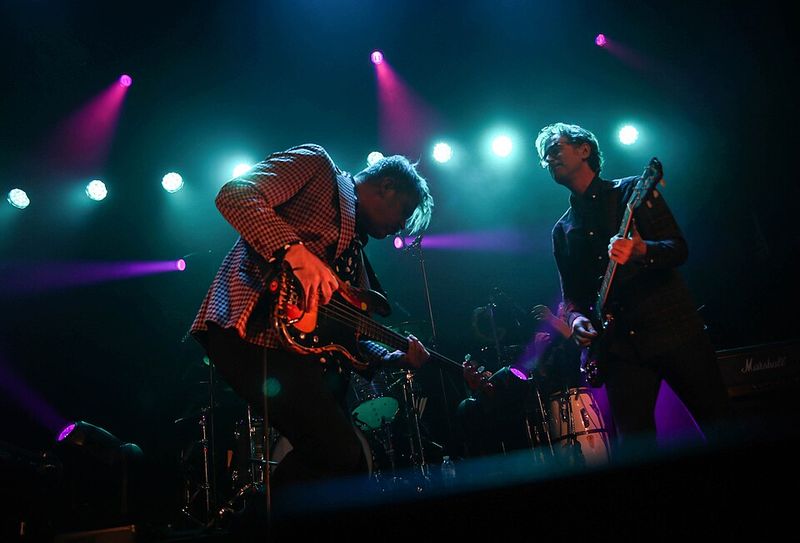
Closing Time reads on the surface as a straightforward song about a bar shutting down at the end of the night. That reading is correct, but it only covers part of what songwriter Dan Wilson had in mind while writing it.
His wife was pregnant at the time, and Wilson later explained that the song also reflected his thoughts about birth, transition, and moving from one place into something entirely new. That gives the song’s familiar closing-time language a second layer of meaning.
A track widely associated with last call was also shaped by the anticipation of becoming a parent for the first time. Both meanings were always present in the song at once.
Share this story