Somewhere in the rolling hills of Oklahoma, a spring has been quietly flowing for decades, drawing a steady parade of locals who arrive with empty jugs and leave with something that feels almost too good to be free. Most people speed right past without a second glance, never suspecting that tucked just off the road is one of the state’s most beloved natural treasures.
Once you stop, though, you start to understand why regulars keep coming back, season after season, like it’s the most natural thing in the world. Chickasaw National Recreation Area near Sulphur is that kind of place, the sort that sneaks up on you and refuses to let go.
Where the Springs Actually Are
Tucked into the Arbuckle Mountains of south-central Oklahoma, Chickasaw National Recreation Area sits just outside the small town of Sulphur, at 901 W 1st St. The park is managed by the National Park Service and covers a surprisingly varied landscape for this part of the country, including mineral springs, freshwater streams, wooded trails, and a large lake.
Getting here is straightforward from Oklahoma City, roughly a two-hour drive south on US-177. From Dallas, the trip runs about the same distance heading north.
The town of Sulphur itself takes its name from the distinctive smell that once drifted from the mineral-rich waters bubbling up throughout the area.
First-time visitors sometimes expect a modest roadside pullout and are caught off guard by how expansive the park actually is. Multiple distinct zones spread across the recreation area, each with its own character, from shady creek corridors to open prairie grasslands.
Knowing the layout before you arrive helps you make the most of a single-day visit, though many people quickly realize one day is never quite enough to cover everything the park has waiting.
The Story Behind the Springs
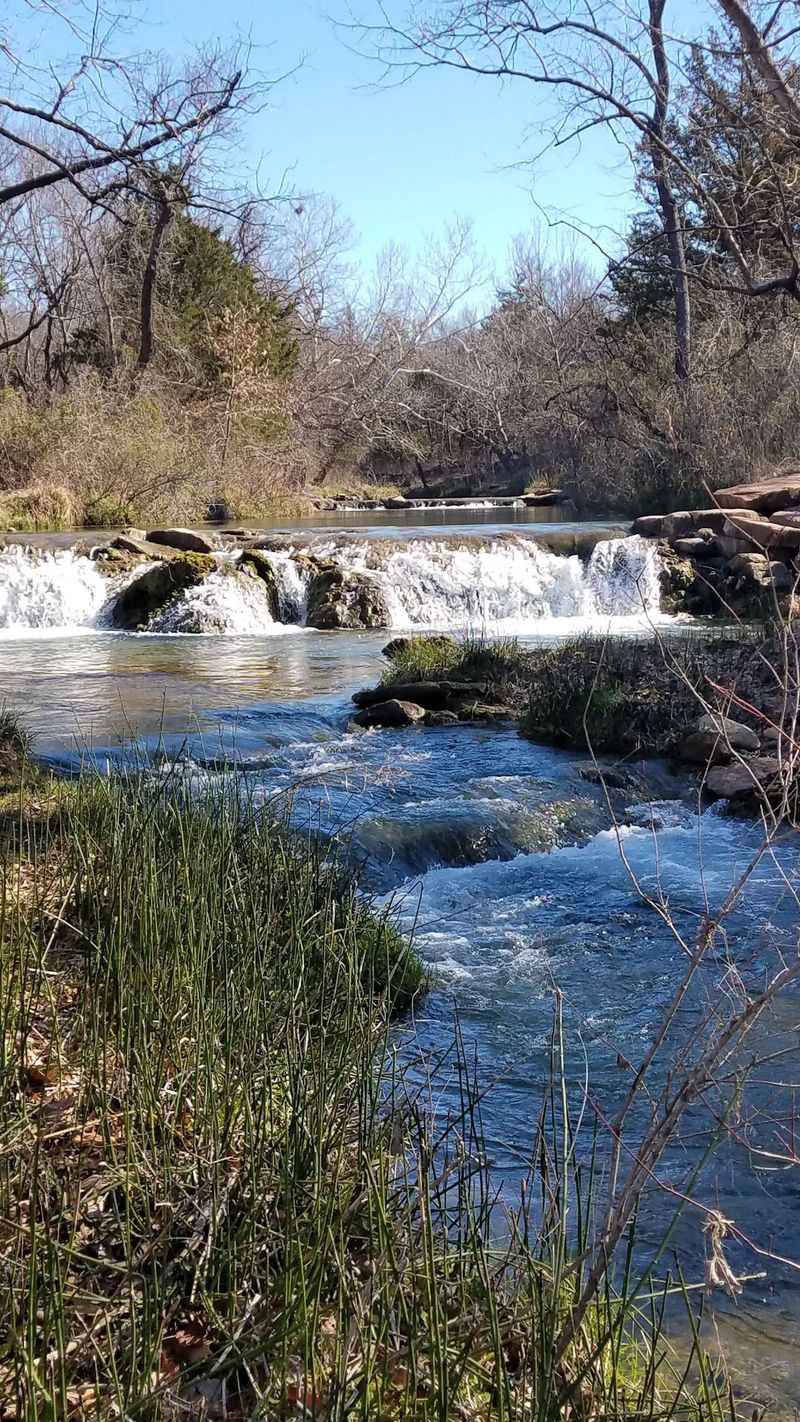
Long before the National Park Service put up its first sign, the springs at Sulphur were already famous. Native peoples recognized the mineral-rich waters as something special, and the Chickasaw Nation held deep ties to this landscape.
When the federal government established the Platt National Park here in 1906, it became one of the smallest national parks in the country, created specifically to protect those remarkable springs.
Over the decades, the park changed shape and purpose. In 1976, Platt National Park was merged with the Arbuckle Recreation Area to form what is now Chickasaw National Recreation Area, honoring the Chickasaw Nation’s historic connection to the land.
The springs that once drew health-seekers from across the region never stopped flowing through any of it.
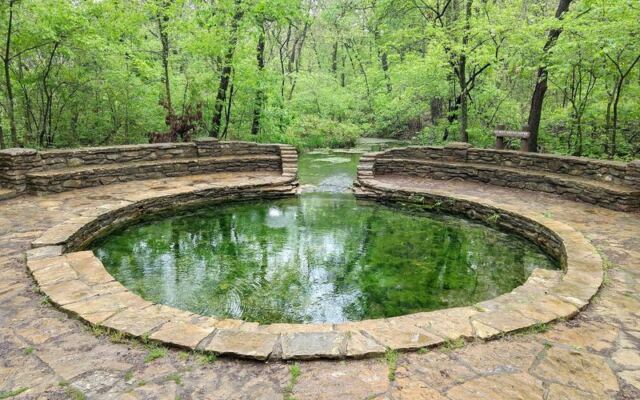
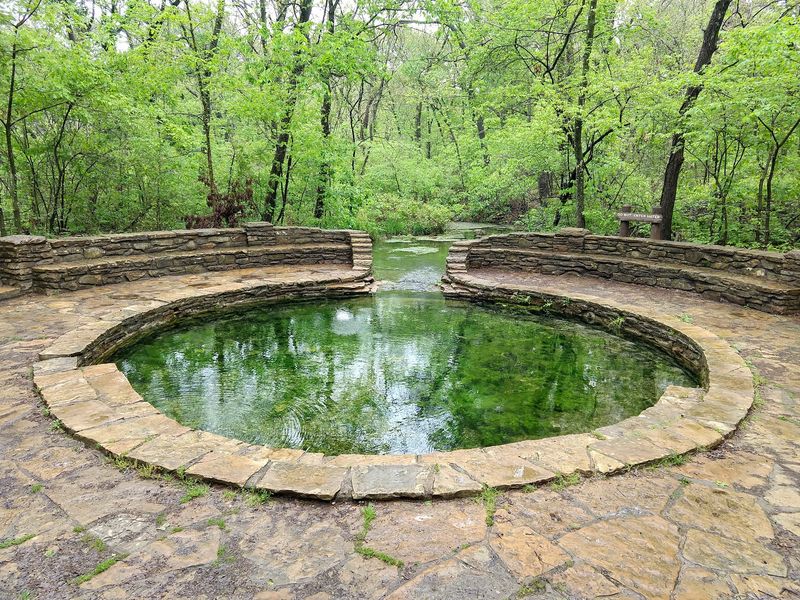
By 1954, the spring infrastructure visitors use today was taking form, and locals began the tradition of filling jugs with the fresh, cold water that pours freely from the ground. Generations of families have continued that habit ever since, treating the springs less like a tourist attraction and more like a neighborhood resource that happens to sit inside a national park.
The history here runs as deep as the aquifer itself.
The Springs Themselves – What You Are Actually Drinking
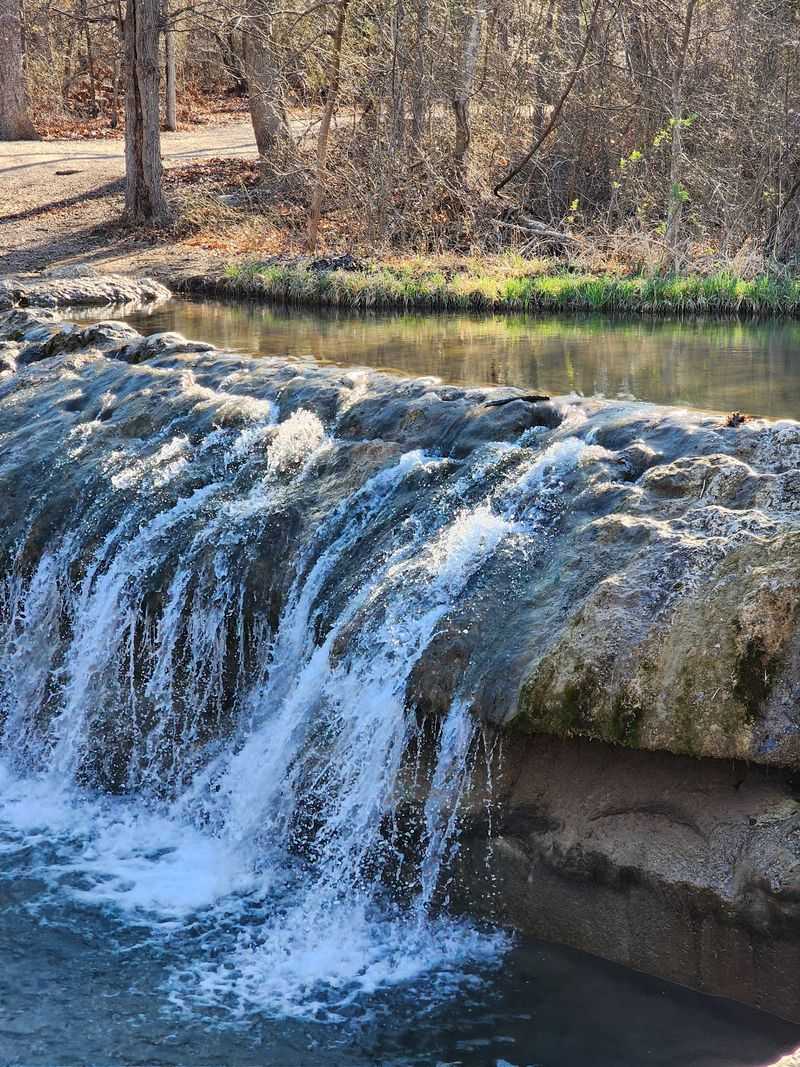
Not all springs are created equal, and the ones at Chickasaw have a reputation that stretches well beyond Sulphur. The park contains both mineral springs and freshwater springs, giving visitors a choice that most natural areas simply cannot offer.
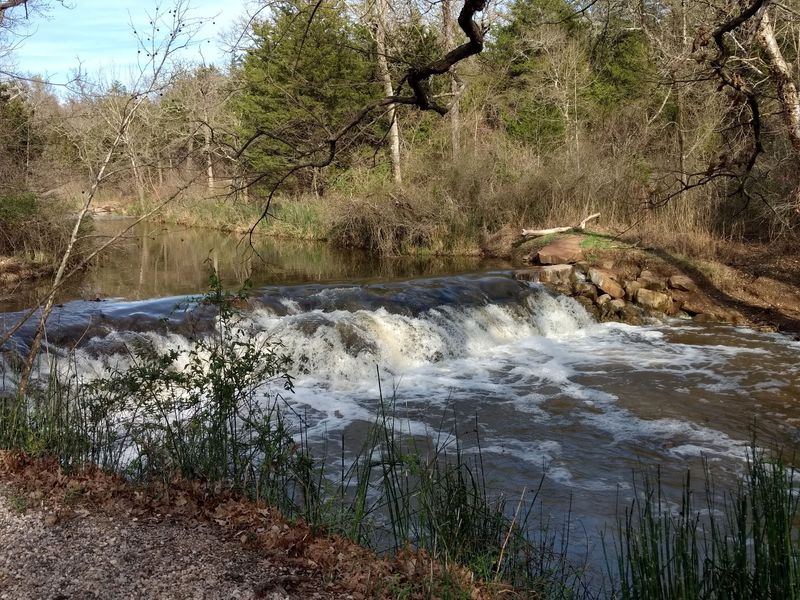
The freshwater springs are the ones locals line up for, cold and clean and flowing at a reliable rate year after year.
Visitors regularly arrive with multiple jugs, sometimes filling a week’s worth of drinking water in a single trip. The water flows freely from dedicated spring outlets, and regulars treat the ritual with a kind of quiet reverence, rinsing their containers carefully before filling them and letting others take their turn without rushing.
There is an unspoken etiquette to the whole process that feels very Oklahoma.
The mineral springs carry a different character entirely. Rich in sulfur and other naturally occurring minerals, they have a smell and taste that takes some getting used to, though historically they were prized for their supposed restorative properties.
Interpretive signs throughout the Travertine Nature Center area explain the geology behind both types, so curious visitors can walk away understanding exactly what makes this ground so unusually productive. Few places in the region offer this kind of natural variety in one compact area.
Little Niagara – The Park’s Most Popular Splash Zone
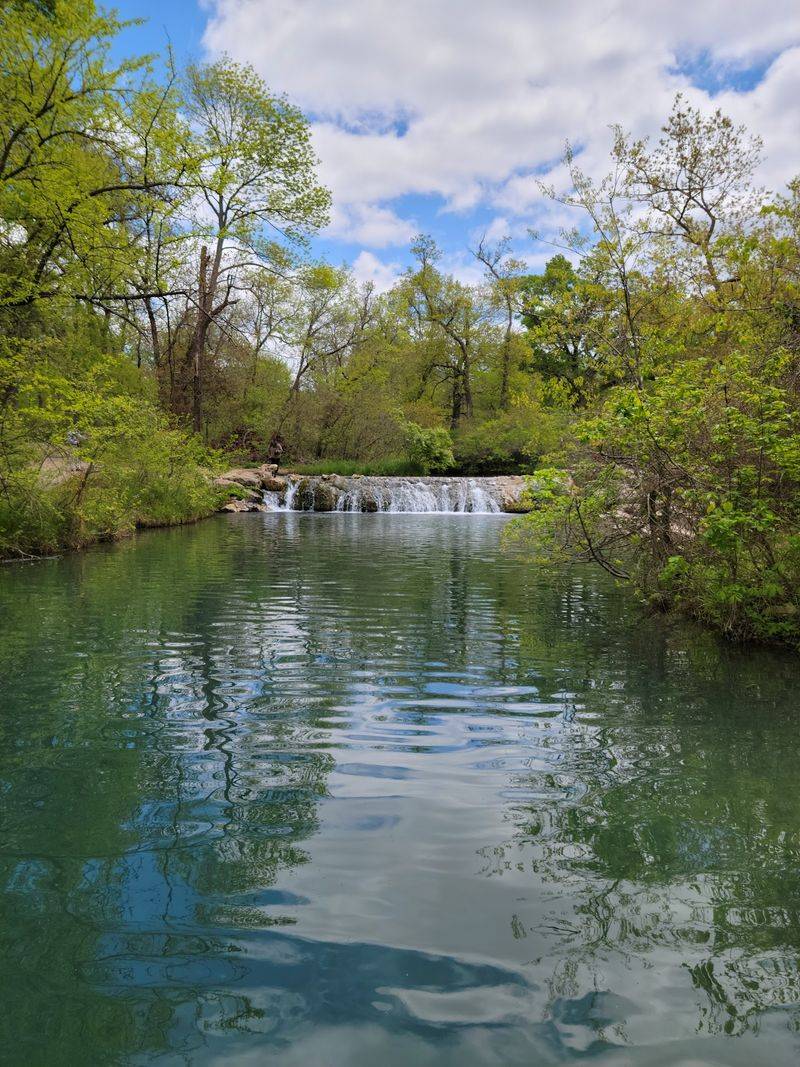
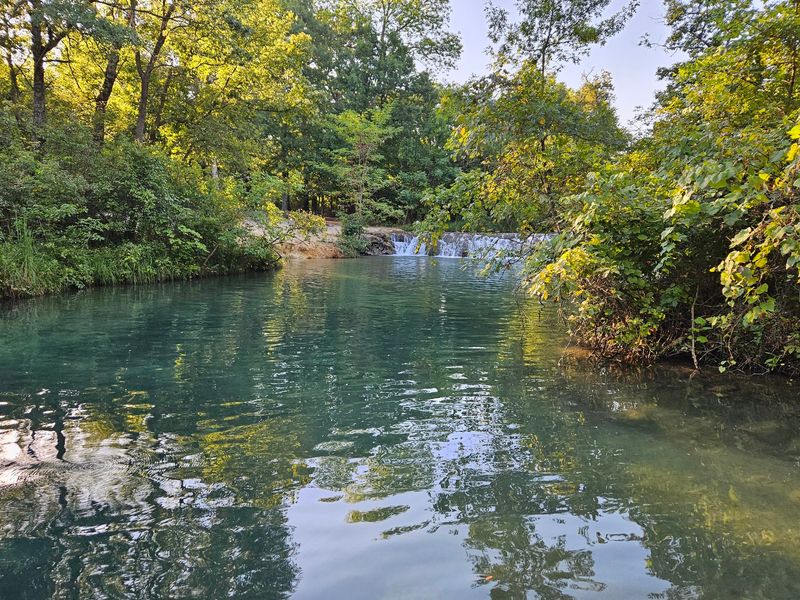
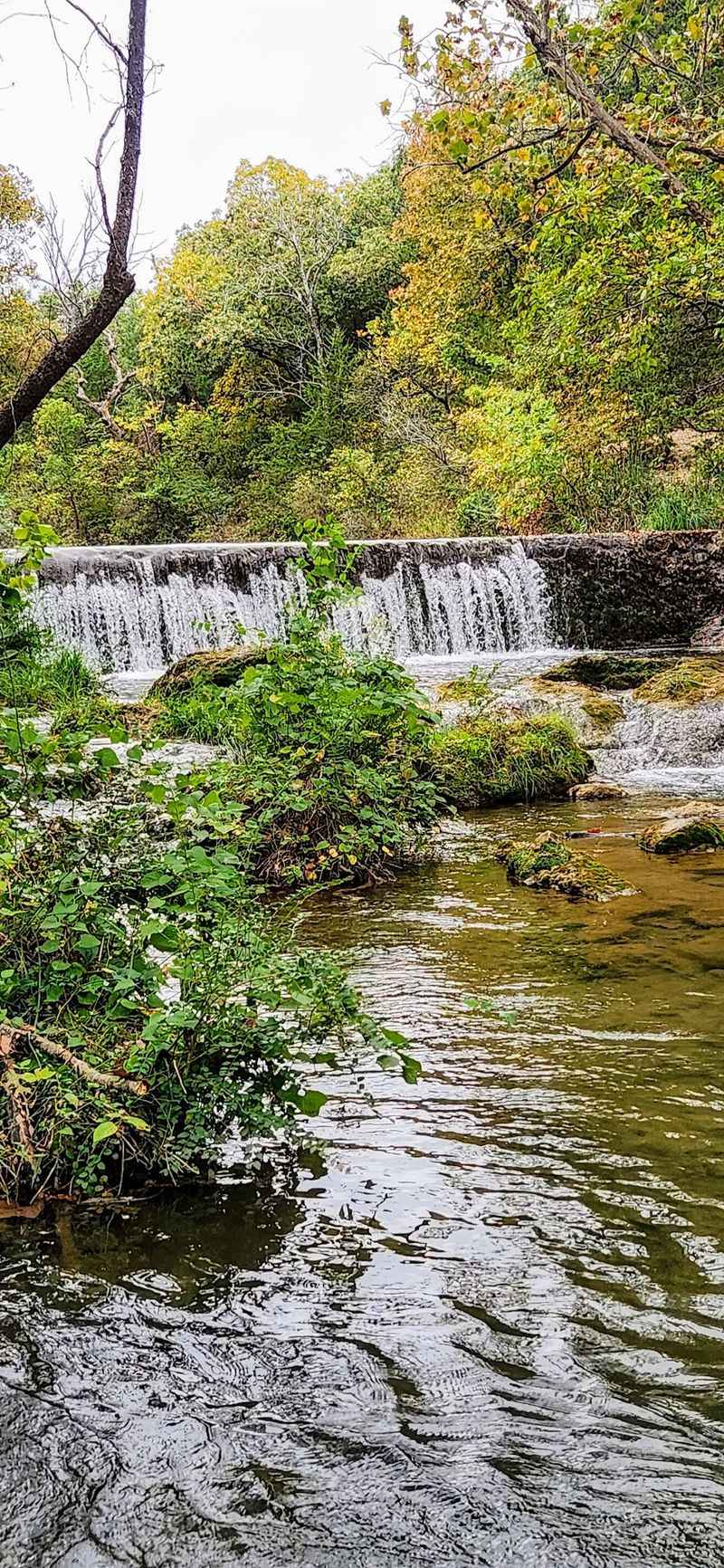
Ask almost anyone who has visited the park what they remember most vividly, and Little Niagara comes up almost immediately. A series of natural rock ledges step the water down in a way that looks almost engineered, though every bit of it is purely geological.
The result is a swimming area that feels like something out of a travel magazine, right in the middle of Oklahoma.
The water stays cold even in the height of summer, which is exactly the point. After a long hike through the park’s trail system, dropping into that clear, chilly stream is one of those simple pleasures that people talk about for years.
Visitors mention sitting on the rocks, letting their feet dangle in the current, chatting with strangers who quickly feel like old friends.
Summer weekends bring crowds, and Little Niagara can get genuinely packed during holidays. Going early in the morning or visiting on a weekday makes a noticeable difference.
The spring and fall shoulder seasons offer a quieter version of the same experience, with fewer people competing for the best rocks and the water still flowing strong and clear. Families with children especially love how approachable the area feels, with natural shallow sections alongside the deeper pools.
Trails That Actually Go Somewhere
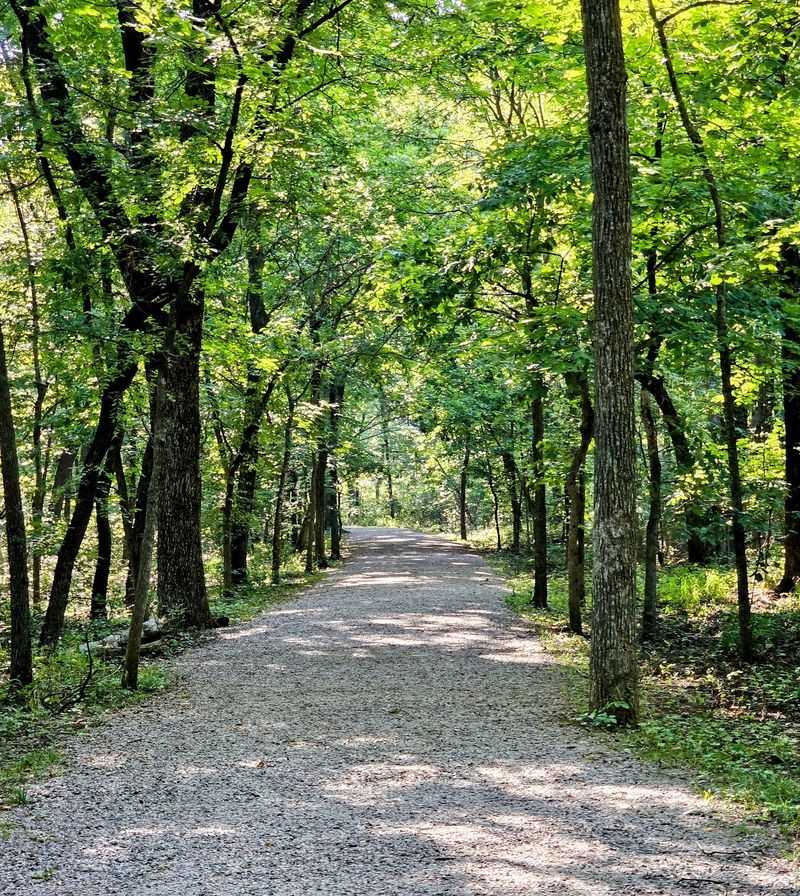
With over 185 mentions of trails in visitor conversations, the hiking at Chickasaw clearly earns its reputation. The trail network covers a range of distances and difficulties, from short, paved walks suitable for any fitness level to longer loops that push deep into the park’s wooded interior.
A nine-mile hike through the park is entirely doable and consistently described as refreshing rather than punishing.
The Travertine Nature Center serves as a natural starting point for many hikers, with a short trail nearby that winds past springs and CCC-era stonework before reaching a quiet pond. Park rangers in the area are genuinely helpful and frequently praised for their friendly guidance, which makes navigating the trail options much easier for first-timers.
Bromide Hill offers one of the more rewarding payoffs in the park, with an impressive lookout that gives a broad view across the surrounding landscape. Near Rock Creek, prairie horseback trails open up into wide vistas that feel completely different from the shaded creek corridors elsewhere in the park.
That variety is part of what keeps people coming back. Each section of the trail system has its own mood, and exploring all of them takes more than a single visit to accomplish properly.
Bison, Deer, and the Wildlife Factor
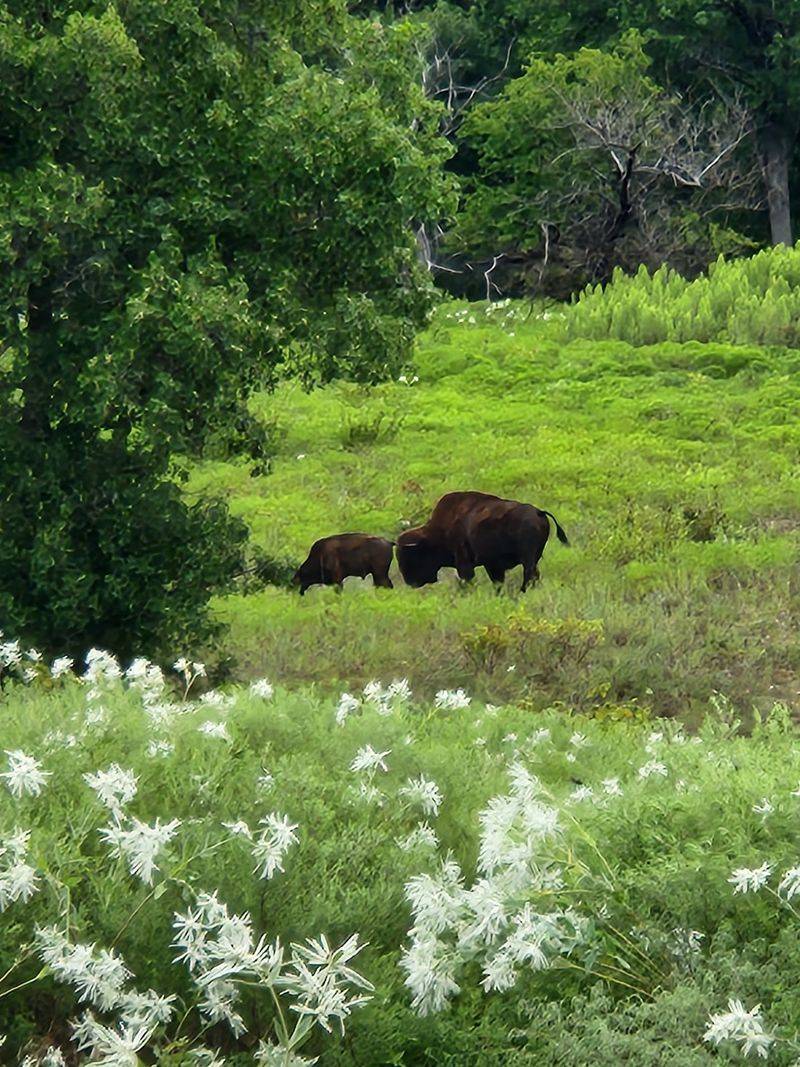
Wildlife watching at Chickasaw adds a dimension that surprises a lot of visitors who come primarily for the water. Bison are a genuine highlight, with the park maintaining a viewing area where the animals can be observed from a safe overlook.
Seeing a bison herd in Oklahoma feels unexpectedly wild, like a window into a much older version of the landscape.
Deer are a common sight throughout the park, particularly in the early morning and late afternoon when they move through the wooded areas with little concern for nearby visitors. Regulars mention spotting them casually during picnics and trail walks, as though the deer have simply decided humans are not worth worrying about.
One visitor even encountered a fearless armadillo trotting along a trail, which apparently made the whole trip.
Dragonflies appear in impressive variety near the ponds and streams, and the spring and fall months bring migratory birds that add another layer of interest for anyone with binoculars. The wildlife here is not confined to a viewing pen or a designated zone.
Animals move freely through the same spaces visitors use, which gives the whole park a genuinely wild feeling that is increasingly rare in accessible public recreation areas. Keeping a camera handy is simply good planning.
Camping Options Across the Park
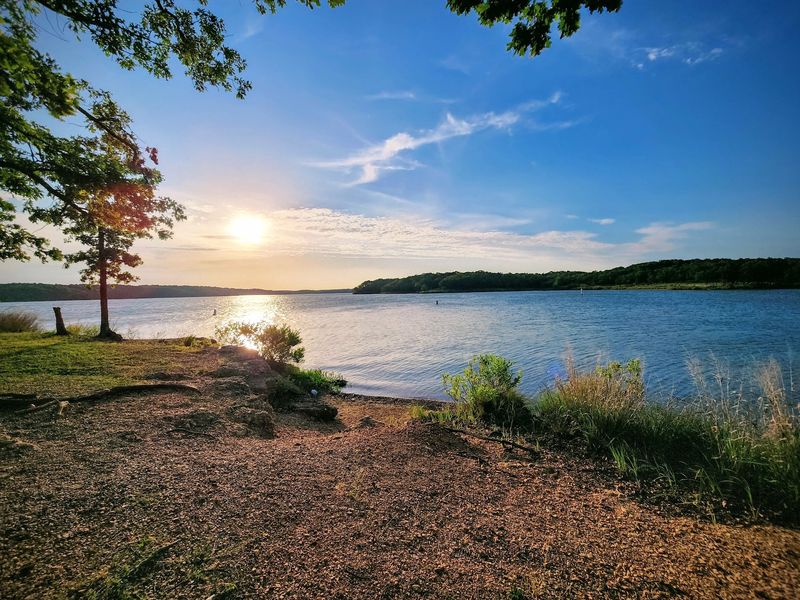
Camping at Chickasaw comes in several flavors, and the park’s campground loops each have their own personality. Loop C gets consistent praise for its spacious pads and pleasant lake views, making it a favorite for campers who want a little breathing room along with their outdoor experience.
Loop A draws a more adventurous crowd interested in a more rustic, primitive setup.
Loop D operates on a first-come, first-served basis, which adds a bit of spontaneity to the planning process. Visitors pay at a self-service machine after choosing their spot, a system that regulars seem to appreciate for its simplicity.
The campsites are well-maintained and the restroom facilities, including showers, are consistently described as clean and functional, which matters more than people usually admit before they actually need them.
Reservations are recommended for the more popular loops, especially during summer weekends when the park fills up quickly. The nightly rate of $22 makes it an accessible option for families and solo travelers alike.
Campsites sit fairly close together in some areas, so managing expectations about solitude is useful. Even so, waking up inside the park, with springs and trails just steps away, is a genuinely different experience from arriving as a day visitor and trying to fit everything into a few hours.
Lake Arbuckle and the Water Recreation Scene
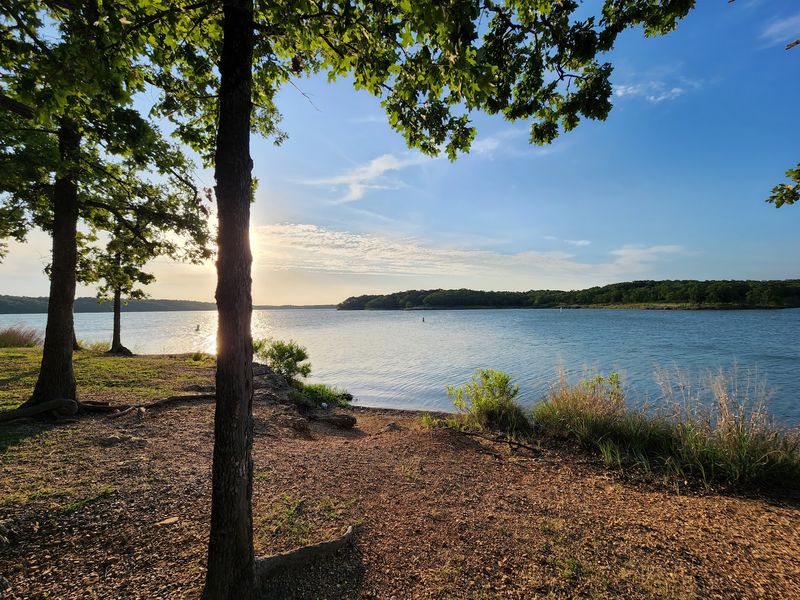
Beyond the springs and streams, Lake Arbuckle adds a whole different scale of water recreation to the park’s already impressive lineup. The lake supports boating, kayaking, and fishing, giving visitors who want something bigger than a creek the option to spread out across open water.
Kayaking on the lake is a particular favorite, offering a peaceful counterpoint to the more social energy of the swimming holes.
Fishing draws a dedicated crowd, with anglers setting up along the shoreline and at designated day-use areas like Buckhorn and The Point. Both spots offer well-maintained facilities and enough space to spend a comfortable afternoon without feeling crowded.
The rocky bottom in certain swimming sections of the lake is worth knowing about ahead of time, as it can catch waders off guard.
Day-use areas around the lake are tidy and regularly maintained, with bathrooms that get cleaned on a consistent schedule, something visitors specifically appreciate. The lake itself has a soothing quality that regulars describe as genuinely calming, the kind of place where sitting by the water for an hour feels like a full afternoon of rest.
Whether you arrive with a kayak strapped to the roof or just a folding chair, the lake section of the park delivers a completely satisfying experience on its own terms.
The Travertine Nature Center Experience
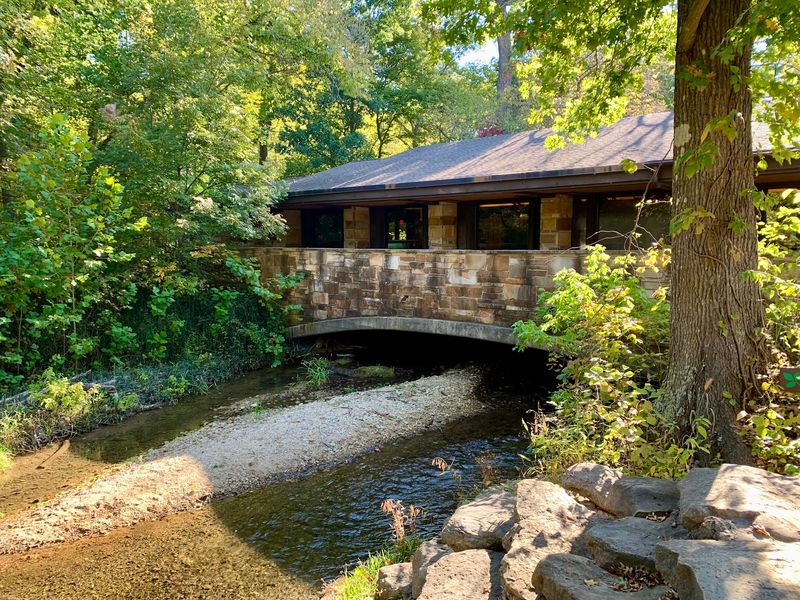
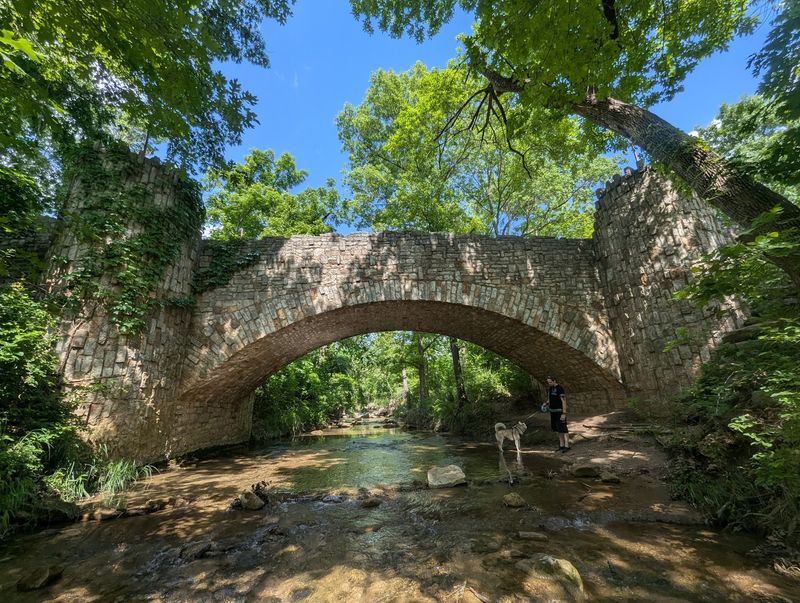
Built by the Civilian Conservation Corps in the 1930s, the Travertine Nature Center is one of those places where the building itself is worth the stop. The CCC stonework throughout the area reflects a craft and attention to detail that feels genuinely rare today, and the nature center sits at the heart of it all.
Interpretive exhibits inside explain the geology, ecology, and history of the park in a way that rewards curiosity without overwhelming casual visitors.
The short trail starting near the nature center is one of the most enjoyable walks in the park, moving alongside spring-fed streams and past CCC-era structures before reaching a quiet pond. Dragonflies hover over the water in warm months, and the whole corridor stays shaded and cool even when temperatures climb outside the tree canopy.
Park rangers stationed in the area are reliably described as knowledgeable and approachable.
For families with younger children, the nature center offers a manageable introduction to everything the park has to offer before committing to longer hikes or more distant areas. The combination of interesting exhibits, beautiful stonework, and easy trail access makes it an ideal first stop for anyone arriving without a firm plan.
Starting here gives the rest of the visit a useful frame of reference and a genuine sense of the park’s depth.
The Chickasaw Cultural Center Connection
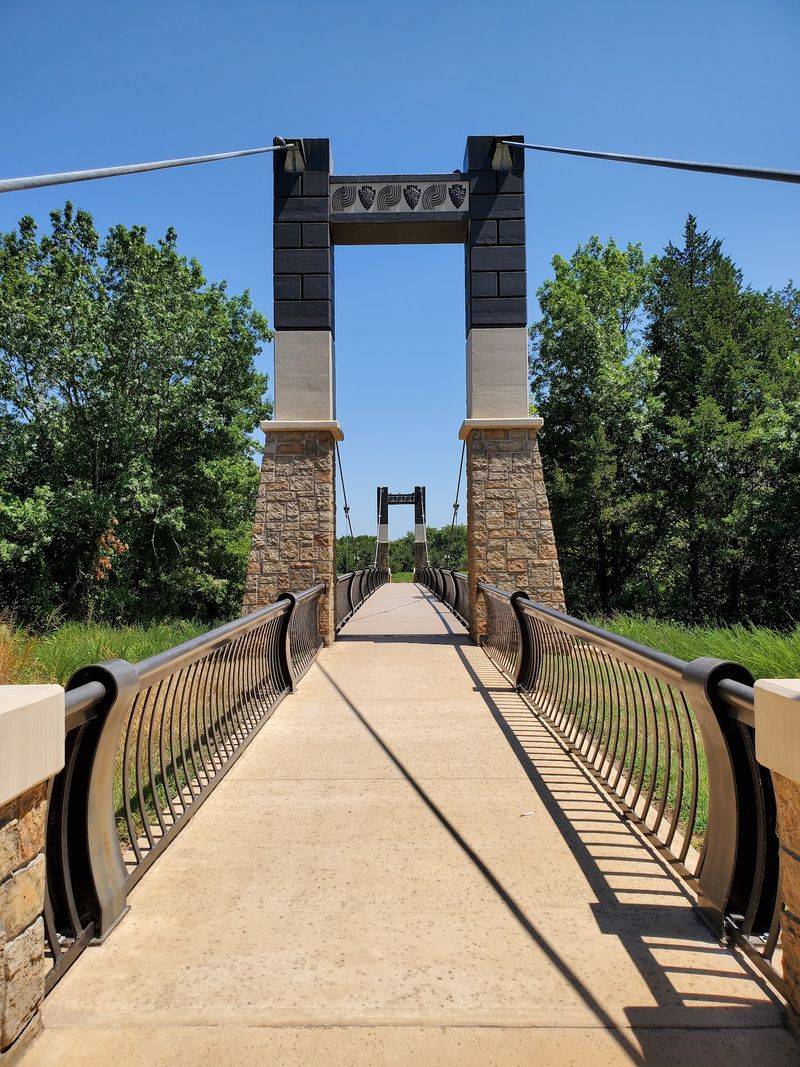
A visit to the recreation area pairs naturally with a stop at the Chickasaw Cultural Center, located nearby in Sulphur. The cultural center offers a deep and genuinely moving look at Chickasaw history, art, and traditions, presented in a world-class facility that regularly surprises visitors who are not expecting anything so comprehensive in a small Oklahoma town.
The connection between the cultural center and the recreation area is not just geographic. The Chickasaw Nation’s relationship with this land runs back centuries, and understanding that history adds real meaning to the springs, trails, and landscapes inside the park.
Walking the same ground with that context in mind changes how the whole experience feels.
Many visitors who plan to spend an hour at the cultural center end up staying most of the afternoon. The exhibits are thoughtfully designed and cover everything from pre-contact history through the present day, with particular attention to the Chickasaw people’s resilience and cultural continuity.
Combining a morning in the park with an afternoon at the cultural center makes for one of the most complete and satisfying day trips available anywhere in Oklahoma. The two destinations complement each other in a way that feels intentional, because in many respects, it genuinely is.
Seasonal Rhythms and When to Go
Summer is the park’s peak season, and it earns that status honestly. The swimming holes fill up, the campgrounds book out, and the roads around Little Niagara can back up on holiday weekends.
Rangers actively guide parking during the busiest stretches, which gives you a sense of just how popular the park becomes when school is out and temperatures climb.
Spring and fall offer a noticeably different experience. Seasonal wildflowers bloom through the park in spring, adding color to the already scenic trail corridors.
Temperatures sit comfortably for hiking, and the springs flow just as cold and clear without the summer crowds competing for space. Several visitors specifically recommend the cooler months for anyone who prefers a quieter, more contemplative visit.
Winter brings the park down to its quietest state, with almost no competition for campsites or trail space. The springs never stop flowing regardless of season, and the bare trees actually open up views of the landscape that summer foliage hides.
Locals who live nearby take advantage of winter visits to enjoy the park at a pace that peak-season crowds make impossible. Whenever you go, the experience shifts enough with the seasons that returning visitors consistently find something new to appreciate each time they come back.
Parking, Crowds, and Getting the Timing Right
Parking is the one aspect of the park that generates the most friction among visitors, and it is worth knowing about before you arrive. During peak summer weekends, parking fills up fast, and the park enforces its rules firmly.
Vehicles left in non-designated spots are ticketed without much warning, and towing does happen. Arriving early, particularly before 9 a.m. on summer weekends, makes a meaningful difference.
Some parking areas have been reduced in recent years, which has made the situation tighter than it used to be. Visitors who remember the park from several years ago sometimes find the current parking setup more complicated than expected.
Planning for a short walk from a legitimate spot to your destination of choice is simply part of the experience now.
Weekday visits sidestep most of the congestion entirely. The park transforms on a Tuesday morning in June compared to the same Saturday afternoon, with open spots, quieter trails, and a much more relaxed atmosphere throughout.
If your schedule gives you any flexibility, weekdays are the clear choice for a stress-free visit. The park itself is absolutely worth any logistical planning required to get there comfortably, and most visitors who navigate the parking situation successfully say it barely registers once they are actually on the trail or at the water.
Admission, Fees, and What It Actually Costs
One of the genuinely refreshing things about Chickasaw National Recreation Area is the fee structure. General admission to the park is free, which makes it one of the more accessible national park units in the country.
Pulling off the highway, parking in a designated spot, and spending a full day exploring trails, springs, and swimming holes costs nothing at the gate.
Camping is where fees apply, and the rates are reasonable by any measure. Developed campsites run $22 per night, with the self-pay system at Loop D making the process simple for spontaneous overnight visitors.
Reservations are available and strongly recommended for the popular summer season, when sites fill well in advance of arrival dates.
The lack of an entry fee removes a barrier that keeps some people from exploring national parks and recreation areas, and at Chickasaw, that openness feels very much in keeping with the spirit of the place. The springs flow freely, the trails are open to anyone willing to walk them, and the swimming holes welcome whoever shows up.
For families managing a tight budget, or for locals who want to visit regularly without it becoming a financial calculation, the free admission is not a minor detail. It is a meaningful part of why the park feels like it genuinely belongs to the community around it.
Why People Keep Coming Back
Repeat visitors are the truest measure of a place’s value, and Chickasaw National Recreation Area has them in abundance. Locals who live within an hour of the park treat it like an extension of their backyard, returning for lake days, trail runs, picnics, and spring water fills with the casual regularity of a weekly errand.
Families who camped here as children bring their own kids back decades later.
The variety is a big part of the staying power. A single park that offers natural springs, a waterfall swimming area, lake boating, bison viewing, historic CCC architecture, and an extensive trail network covers enough ground that different visitors can prioritize completely different experiences and still leave satisfied.
Coming back with a different group or in a different season reliably reveals something that was missed the first time.
There is also something harder to quantify at work here, a sense that the park has not been over-developed or turned into something it was never meant to be. The springs still flow the way they always have.
The water is still cold. The trails still lead somewhere worth going.
For an Oklahoma that sometimes feels like it is moving faster than anyone can track, Chickasaw National Recreation Area remains one of those rare places where time genuinely seems to slow down and stay a while.
Share this story