A plain road in New Jersey can lead to a place that feels much bigger than its quiet entrance suggests. One minute the day looks like a simple outing, and the next it turns into a close look at wolves, foxes, a bobcat, and a lynx under the care of people who clearly know them well.
The appeal is not flashy, and that is part of the charm. This is the kind of local trip that gives New Jersey one more reason to brag a little.
A Columbia Refuge With A Clear Purpose
A quick drive into Warren County brings the story into focus: Lakota Wolf Preserve is a wildlife refuge at 89 Mt Pleasant Rd, Columbia, NJ 07832, United States.
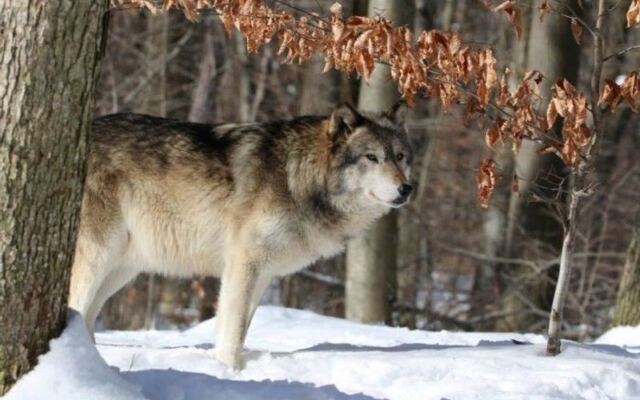
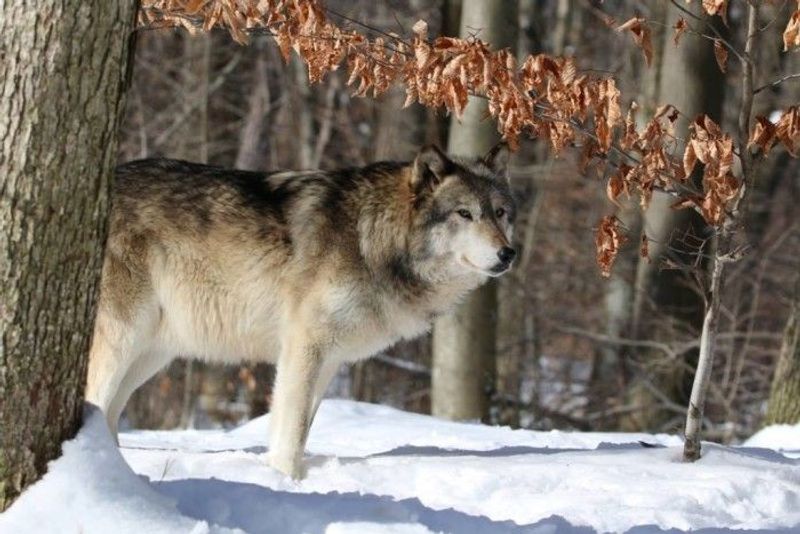
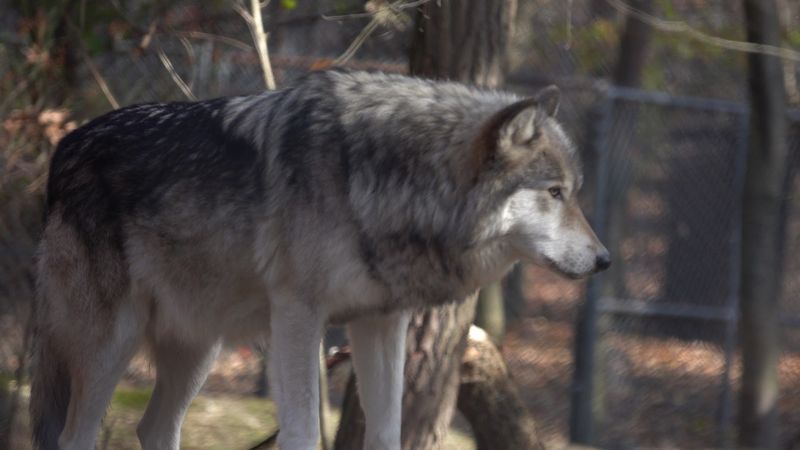
The preserve is known for guided educational tours that let guests observe four different wolf packs as they move, interact, and respond to their caretakers. Foxes, a bobcat, and a lynx add extra reasons to keep paying attention after the wolves have already stolen the calendar slot.
The setting makes it a strong New Jersey day trip because it is specific, organized, and centered on learning rather than spectacle. The preserve’s public identity is simple: come at a scheduled time, listen closely, ask questions, and leave with a better grasp of animals many people only know from stories.
That grounded purpose gives the outing its bite, in the most family-friendly way possible.
A Mission Built Around Care
Care is the thread that keeps coming up when people talk about a day here, and it is not hard to understand why.
The preserve presents itself as a place where wolves and other animals are given a protected home, with tours shaped around education and respect. Guides explain behaviors, pack dynamics, individual animal histories, and broader conservation themes in a way that feels direct rather than stiff.
Jim, identified in shared accounts as an owner and guide, is often described as knowledgeable, friendly, and deeply committed to the animals’ well-being. That matters because animal-focused places can raise fair questions, and Lakota’s strongest impression comes from how much time is spent explaining care, space, and daily needs.
Instead of racing through a checklist, the experience asks guests to slow down and understand why the preserve exists. The result is less theme-park energy and more field-trip-with-a-heartbeat.
Four Wolf Packs In Their Own Space
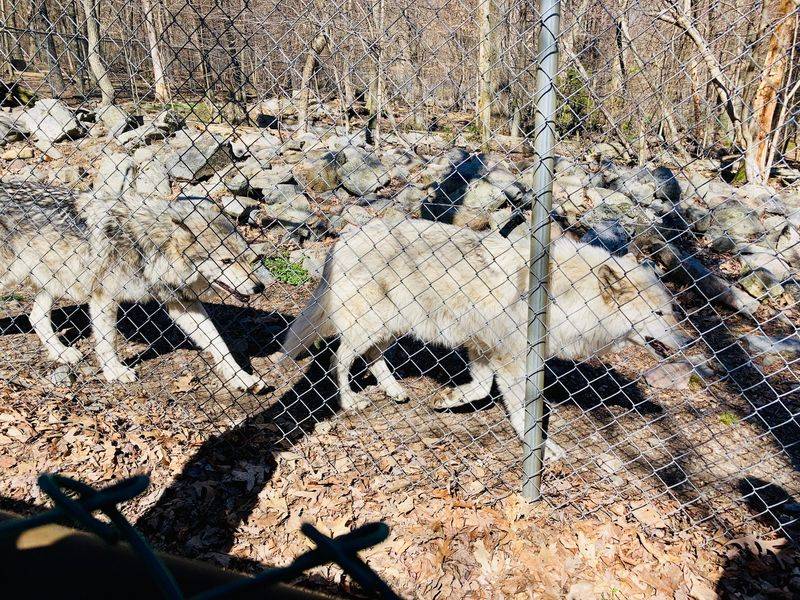
Four packs give the preserve its headline moment, but the setup is more thoughtful than a simple count.
The tour centers on observing different wolf groups as they play, interact, and occupy their habitat areas. Shared details from past guests describe wolves with room to move, including mentions of a 10-acre preserve area and individual wolf enclosures with multiple acres of varied ground.
That space matters because the animals are not presented as props for a quick glance. The guide talks through behavior and pack life while guests watch from designated areas, making the outing educational without feeling like a lecture that forgot to be interesting.
The fencing is part of the experience, too, because it keeps the line between closeness and responsibility clear. New Jersey has plenty of easy outings, but seeing four wolf packs in one focused refuge gives this one real staying power.
The Howl That Becomes The Trip’s Calling Card
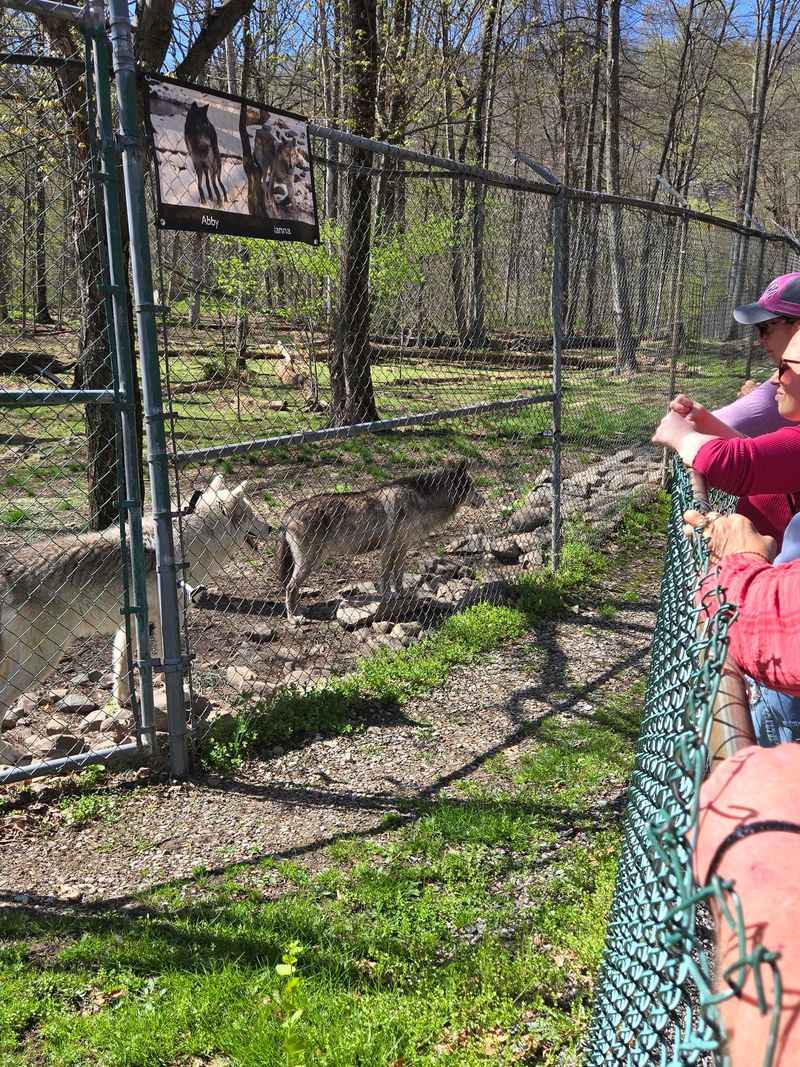
Some trips have a postcard moment, and here the standout is the group howl.
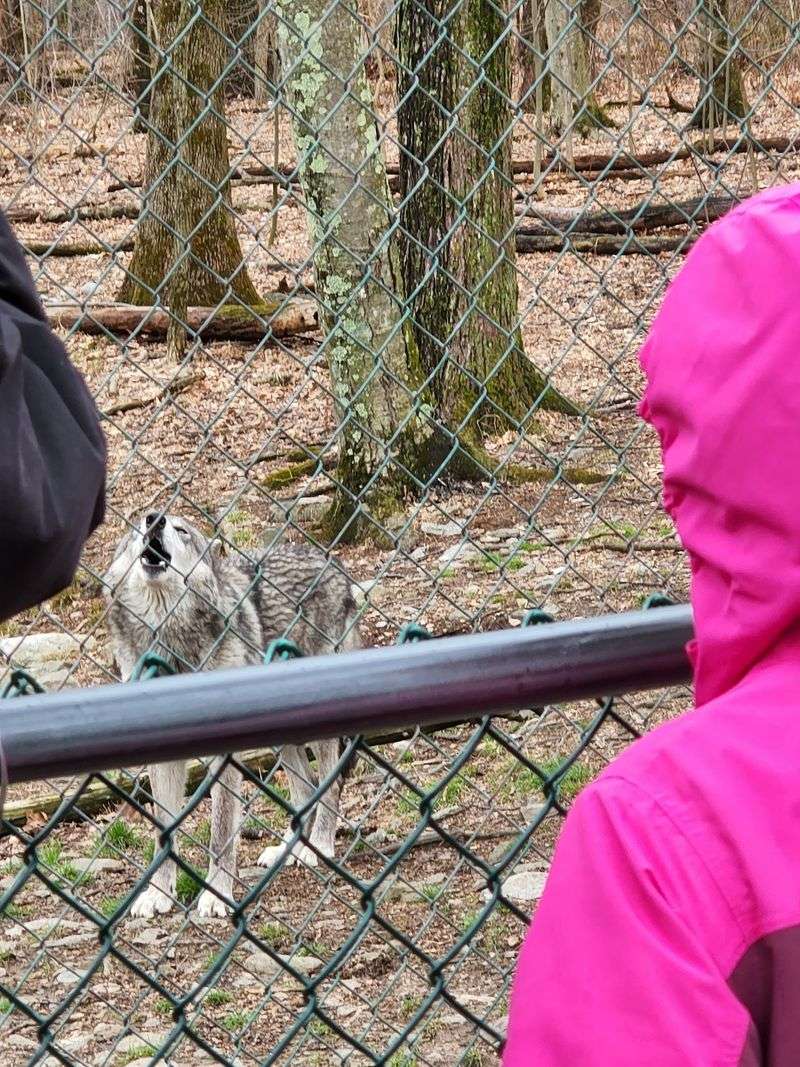
Wolf howling is one of the most talked-about parts of the visit, not because it is treated like a trick, but because it gives guests a clear connection to natural communication. Guides explain the animals and their behavior, so the moment lands with context instead of just surprise.
The preserve’s tours are built to help people understand wolves beyond myths and cartoon-level ideas. Hearing them howl after learning about pack structure and behavior can make the whole outing feel more complete, especially for kids who like animals and adults who secretly enjoy a school field trip when nobody calls it that.
Weather and animal choices can affect any wildlife experience, so no single moment should be treated as automatic. Still, the howl has become the preserve’s unofficial signature, and it earns that reputation honestly.
Foxes, Bobcat, And Lynx Beyond The Wolves
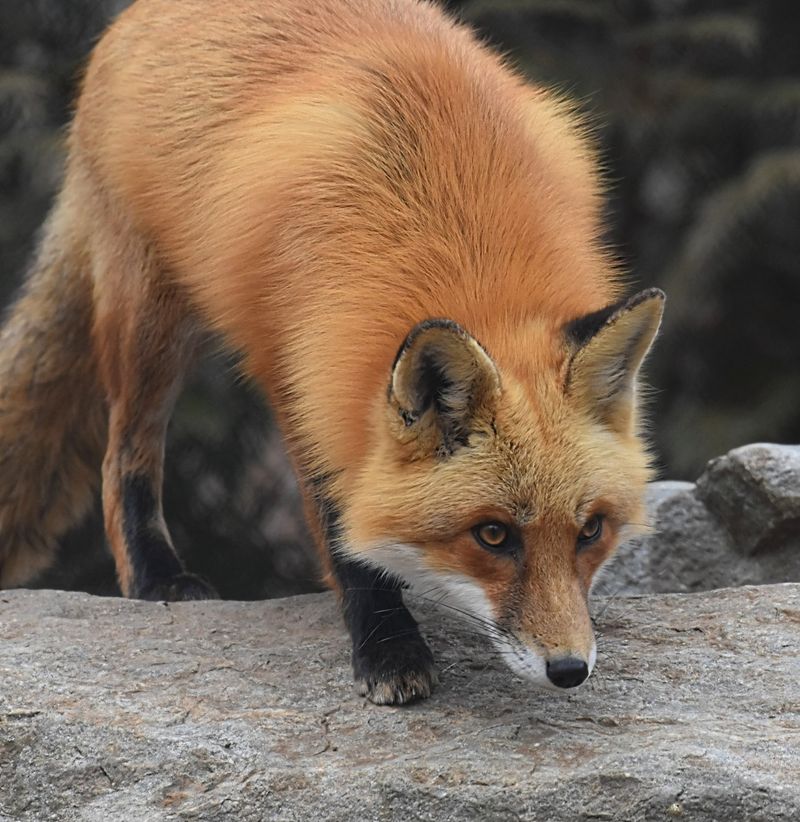
The wolves may headline the marquee, but the supporting cast refuses to stay quiet in the program notes.
After the main wolf-focused portion, tours can include time along the outer fence areas where foxes, a bobcat, and a lynx live. The added animals broaden the visit, especially for families or photographers who appreciate seeing different species in one carefully guided stop.
Foxes come up often in conversations about the preserve, and the bobcat and lynx give the outing another layer of interest once guests have settled into the rhythm of the tour. The guide shares information about each animal, including stories and facts that connect them to the larger mission of the refuge.
Animal activity can vary, of course, because real animals do not follow a stage schedule. That unpredictability actually helps the visit feel honest, with each tour carrying its own small surprises.
A Guided Tour That Keeps Curiosity Busy
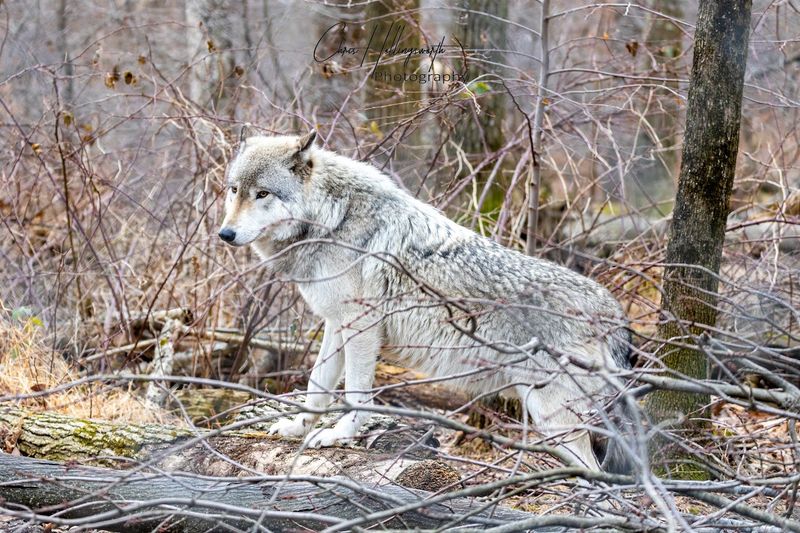
No one needs to be a wildlife expert to keep up, which is part of the preserve’s appeal.
The guided tour format gives the visit structure from the start. Accounts of the experience describe it as organized, informative, and led by people who know the animals closely, with plenty of room for questions along the way.
Typical tour timing has been described as about 60 to 75 minutes, a practical length for a day trip because it feels substantial without taking over the entire afternoon. The route involves the main wolf viewing area and, when included, the outer areas for foxes, the lynx, and the bobcat.
The educational focus suits curious kids, animal-loving adults, and anyone who wants more than a quick photo stop. There is very little wasted motion here, and the best souvenir may be realizing how much there is to learn after the first howl.
A Wooded Setting With Shuttle Or Trail Access
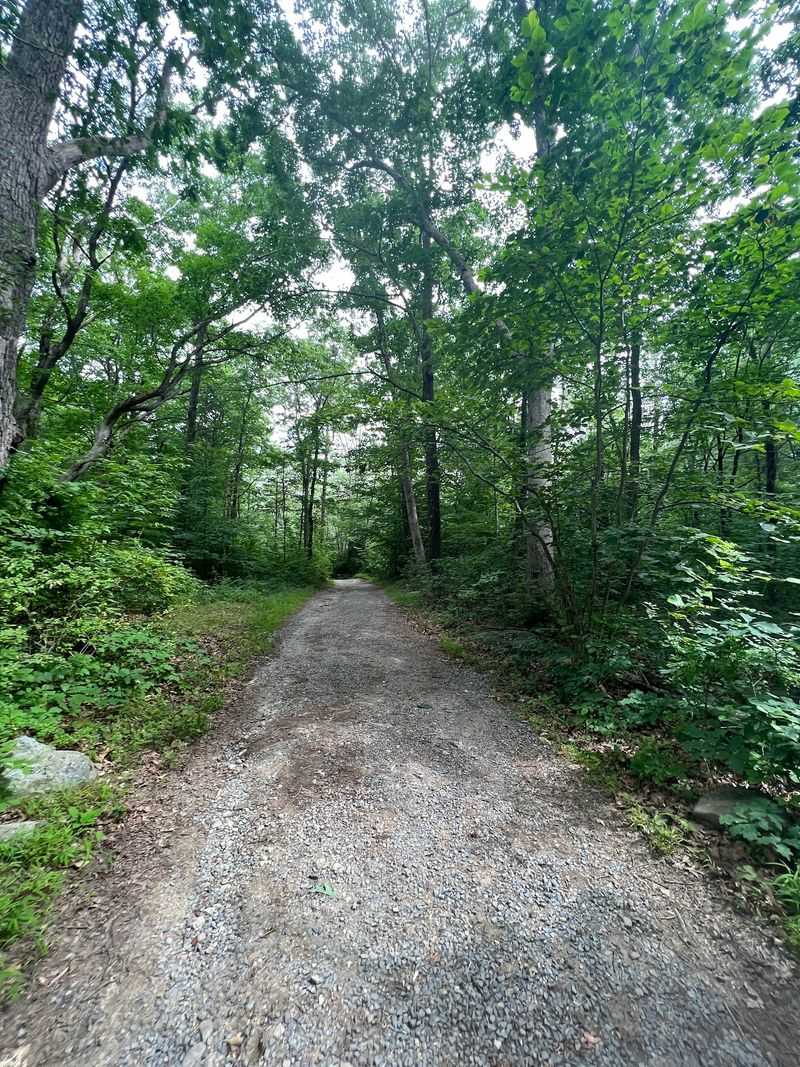
The arrival has a choose-your-own-energy feel, which is useful for groups with different walking preferences.
After checking in, guests may be directed on where to park and can either walk the trail up to the preserve area or take a shuttle. The shuttle option is often appreciated by those who want a simpler approach, while the trail gives others a bit more movement before the tour begins.
The grounds are associated with a campground area nearby, though the campground is not affiliated with the preserve. That detail helps explain why the entrance experience can feel outdoorsy and spread out rather than like a compact roadside stop.
There is not a heavy amount of walking once the tour reaches the animal areas, based on shared visit details. Practical choices like the shuttle make the preserve more approachable, especially when the group includes different ages or comfort levels.
A Day Trip For Families, Photographers, And Animal Fans
New Jersey day trips work best when they give different people a reason to come along, and this one has a surprisingly wide reach.
Families can treat it as an educational outing that does not feel like homework. Animal lovers get a closer look at wolves, foxes, a bobcat, and a lynx while also hearing how the preserve approaches care and conservation.
Photographers are often drawn to the chance to observe the animals in a guided setting, though the preserve should still be treated as a wildlife refuge first, not a photo studio. Adults-only tours have also been mentioned in past visit accounts, giving grown-up groups a more focused option when available.
The atmosphere is organized, respectful, and curious rather than loud or rushed. That makes it a good fit for people who prefer a purposeful outing, the kind where the ride home includes facts nobody expected to remember.
Practical Notes Before The Howl

Planning ahead is the smart move here, because guided wildlife tours are not the same as wandering into a park whenever the mood strikes.
The preserve’s official website is the best source for current tour schedules, reservation steps, admission details, and support options. Shared visit accounts mention a brief form on arrival, parking direction, and a fair cost, but exact prices and hours should be checked directly before leaving home.
Weather matters because the experience is outdoors, and past guests have noted visits during cold, rainy, snowy, and mild conditions. Dressing for the day can make the tour more comfortable, especially since the animals and guide remain the main focus rather than indoor backup plans.
A separate gift shop has been mentioned on the premises, with the note that it is independent and purchases there do not support the preserve. For a New Jersey trip with substance, Lakota earns a soft yes and a spot on the short-hop list.
Share this story