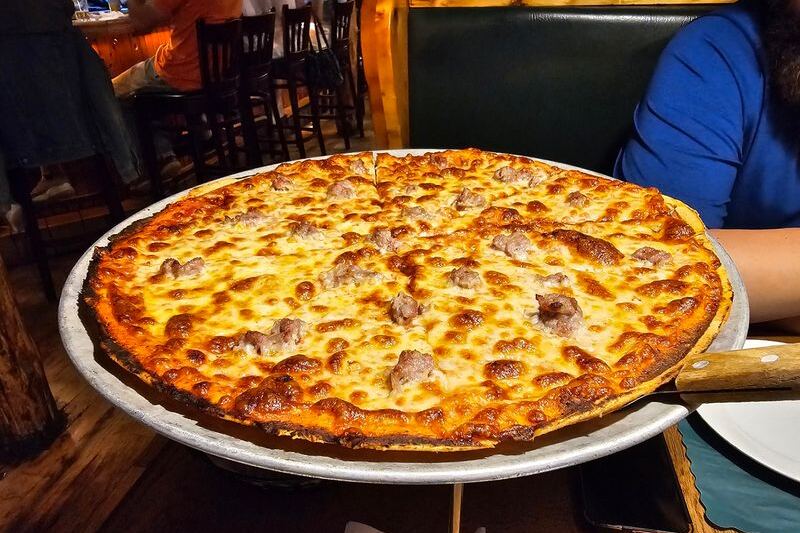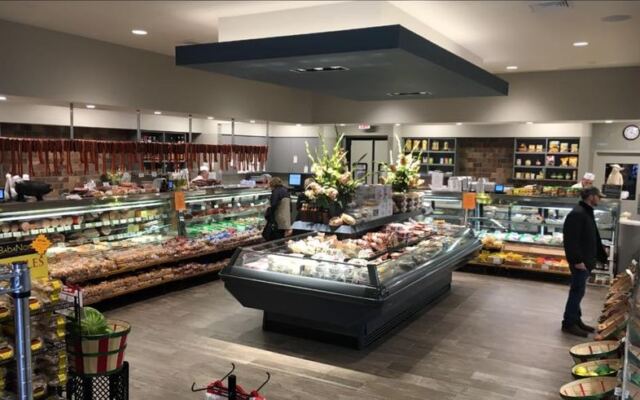
A lunch stop gets more interesting when it also answers the question of what to do about dinner. At an unassuming New Jersey market, the reason to stop might be a midday meal, but the prepared foods and grocery departments give that quick errand more possibilities.
The appeal is practical: take care of hunger now and bring home something for later without adding another stop. Here is what makes this neighborhood business worth knowing, along with the details that help turn a curious first trip into a useful one.
A Market With More Than One Purpose
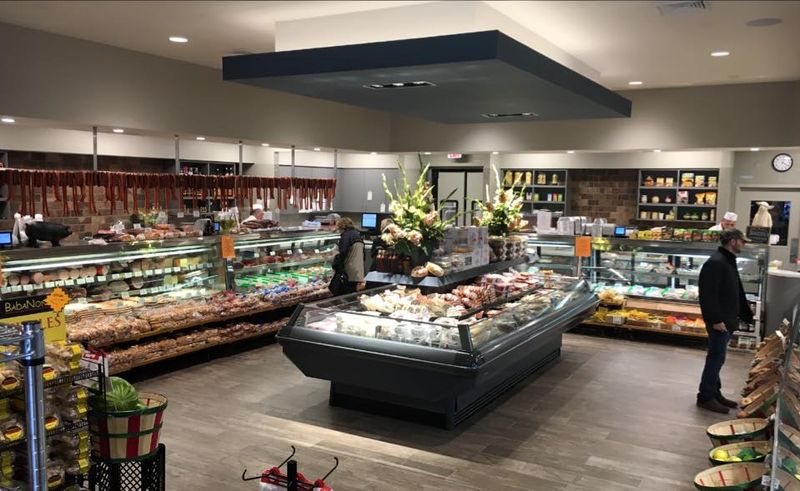
Lunch and dinner share an address at Barth’s Market, 41 South St, New Providence, NJ 07974, United States. Listed as a butcher shop, the business also offers a deli, prepared foods, produce, baked goods, and other groceries.
That range explains why a stop here can serve more than one purpose. Someone shopping for ingredients can also choose lunch, while someone arriving for lunch can leave with part of the evening meal handled.
The useful distinction is that this is a market with lunch options, not simply a restaurant with a few take-home extras. Its departments give customers room to choose between cooking, buying prepared food, or combining both approaches.
For a first trip, a short shopping list helps keep the visit focused without limiting the possibilities. Start with the meal that needs solving, then check what else belongs on the same receipt before heading home.
The Butcher Counter at Its Core
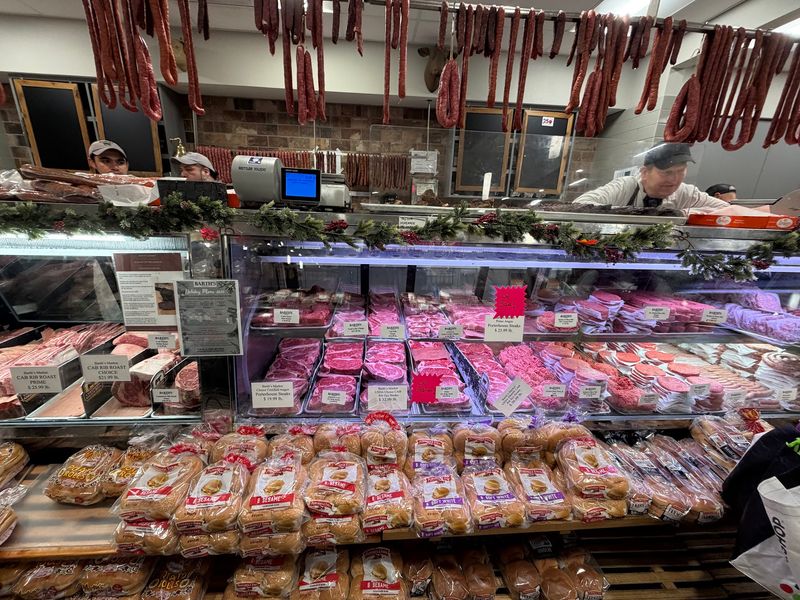
Behind the broader grocery selection, the butcher department remains central to the business. The available information describes a wide meat selection and staff who help customers with orders and preparation requests.
That assistance matters when dinner starts with an ingredient rather than a finished meal. A conversation at the counter can help clarify what is available and what preparation the store can provide for a particular purchase.
The strongest way to approach this department is with a plan, not an assumption that every option suits every household. Explain the meal, ask about the choices, and confirm the cost before settling on an order.
Customer experiences are not uniformly positive, so quality should not be presented as a guarantee. Still, the depth of the selection and the availability of counter assistance give home cooks a concrete reason to include this department in their visit.
Lunch Through the Deli
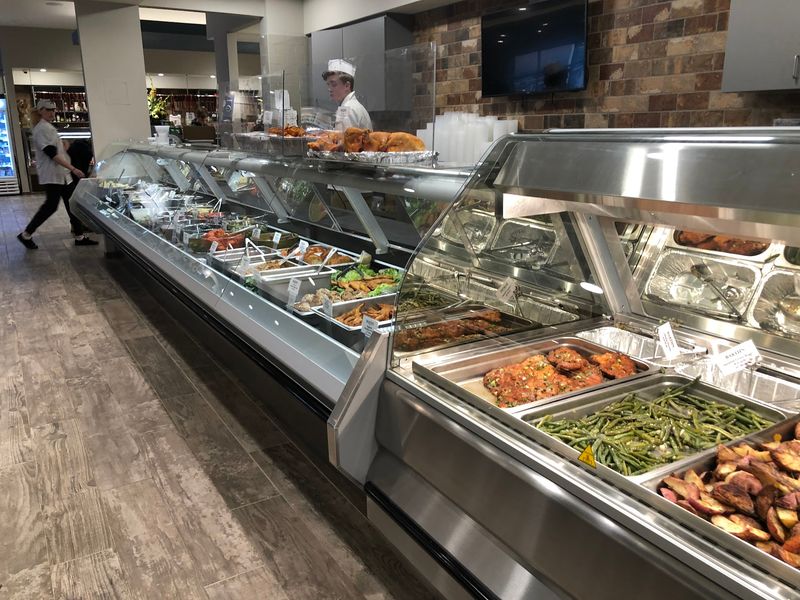
No elaborate outing is needed to make lunch the reason for stopping. The market’s deli and fresh lunch options allow a midday meal to fit into an otherwise ordinary shopping trip.
The available accounts support a deli with prepared lunch choices, but they do not provide a current menu or complete list of sizes. Treat the selection at the counter as the source for what can be ordered that day.
For someone with limited time, it makes sense to decide on lunch before browsing the rest of the store. Ask what is available and check the total rather than relying on an older menu image found elsewhere.
Take-home lunch is the supported draw here; seating arrangements are not described in the supplied information. Plan accordingly, and let the deli solve the midday meal without assuming the business offers the same setup as a sit-down restaurant.
Prepared Food for the Evening
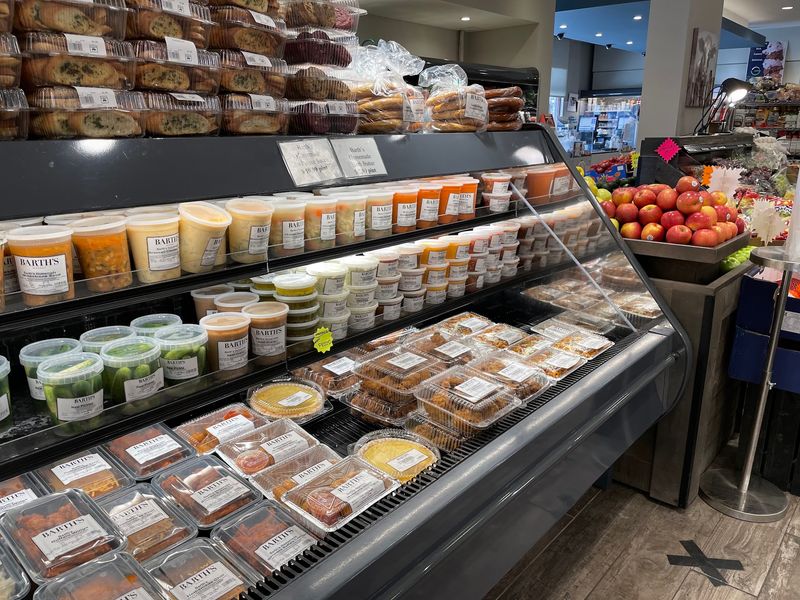
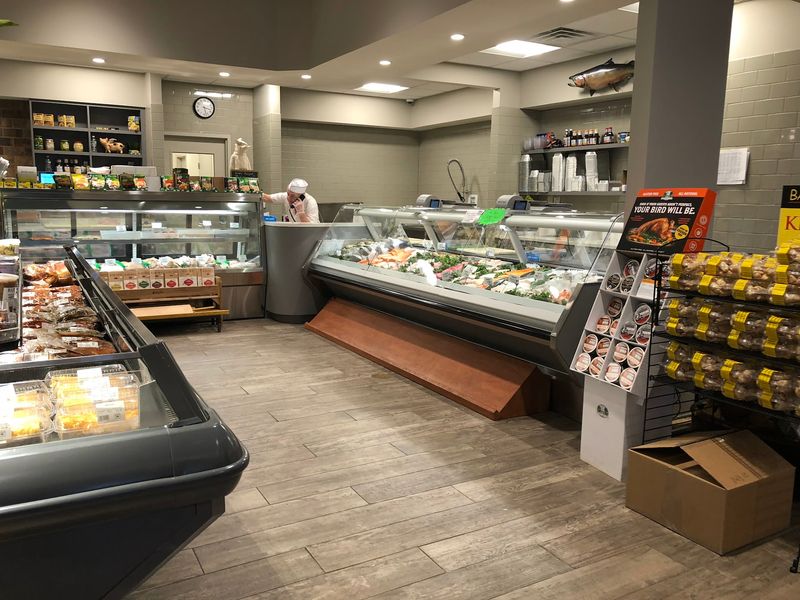
Dinner does not always need to begin with a recipe. Prepared foods are a substantial part of the market’s offering, giving customers an alternative to buying every ingredient and doing all the work at home.
The selection includes meal components as well as prepared sides. That creates flexibility for households that want a fully prepared purchase or just help with one part of the evening plan.
Availability should be checked during the visit, especially when a particular choice matters. One supplied account describes an item being restocked, which is a useful reminder that a prepared-food department is not a promise of unlimited supply.
Before purchasing, confirm what is included and ask about any heating or storage instructions. A little clarification at the counter keeps the convenience useful once the package reaches the kitchen, rather than leaving important questions until dinner is already due.
Seafood Alongside the Main Order
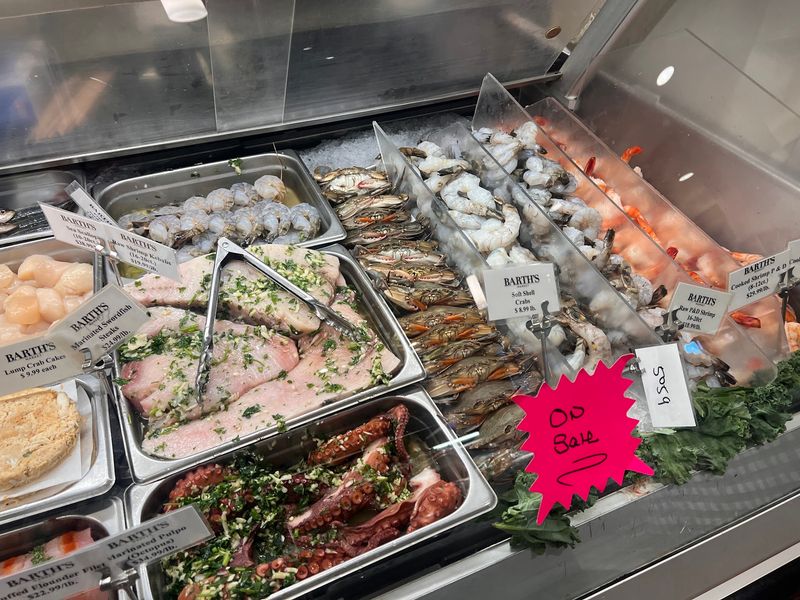
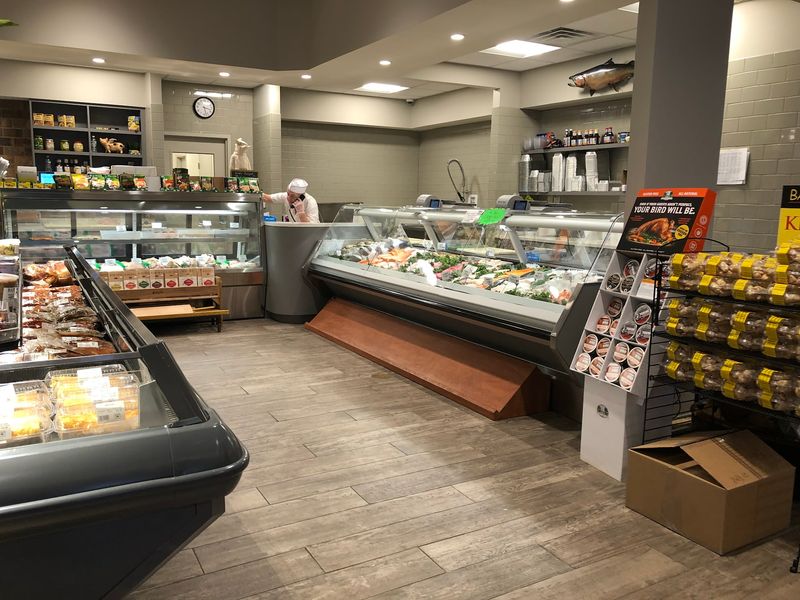
Another dinner direction comes from the seafood department. Its presence broadens the market beyond its butcher-shop listing and gives shoppers another category to consider before choosing the evening meal.
The supplied information supports a varied seafood offering, but not a reliable current inventory. It also does not establish sourcing details for every product, so specific availability and origin should be confirmed with staff.
That distinction is especially useful for customers with a firm preference or a recipe that depends on a particular purchase. Asking first is more practical than planning around an old account of what the counter once carried.
Seafood also fits the market’s larger convenience story: a household can consider several dinner approaches within the same business. Choose according to the current selection, budget, and preparation needs, rather than assuming one department will automatically provide the best answer for every meal.
Produce That Completes the Errand
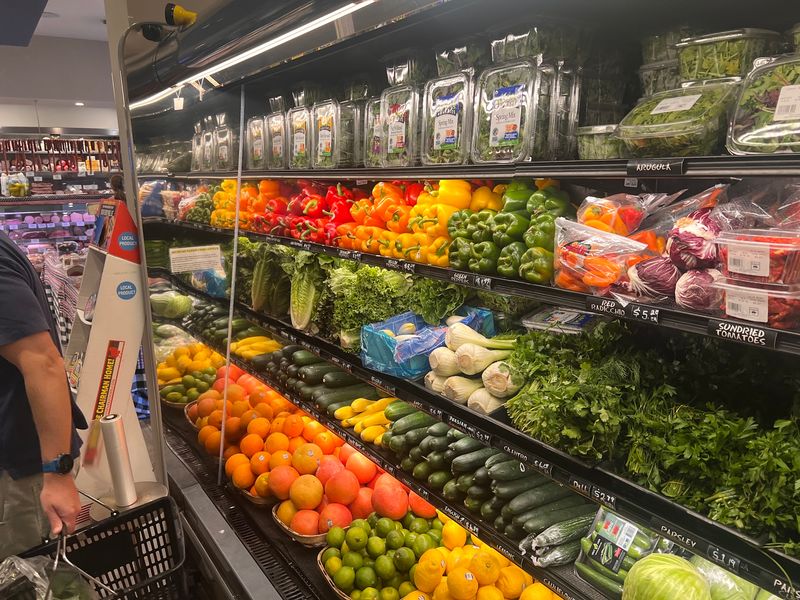
A main course only answers part of the dinner question. The produce department gives shoppers a way to add another part of the meal without making a separate grocery stop.
Produce appears repeatedly in the supplied information about the business. Its inclusion helps explain why customers describe the market as useful for more than specialty purchases at the butcher or deli counter.
No detailed produce inventory is provided, so a shopping plan should leave room for the selection available that day. A flexible list can be more useful than a recipe that depends on one exact item being in stock.
For nearby households, the practical advantage is straightforward: combine the main purchase with supporting ingredients during the same errand. For day-trippers, it offers a reason to think beyond lunch and consider what can be brought home for the next meal on the calendar.
Baked Goods and Specialty Shelves
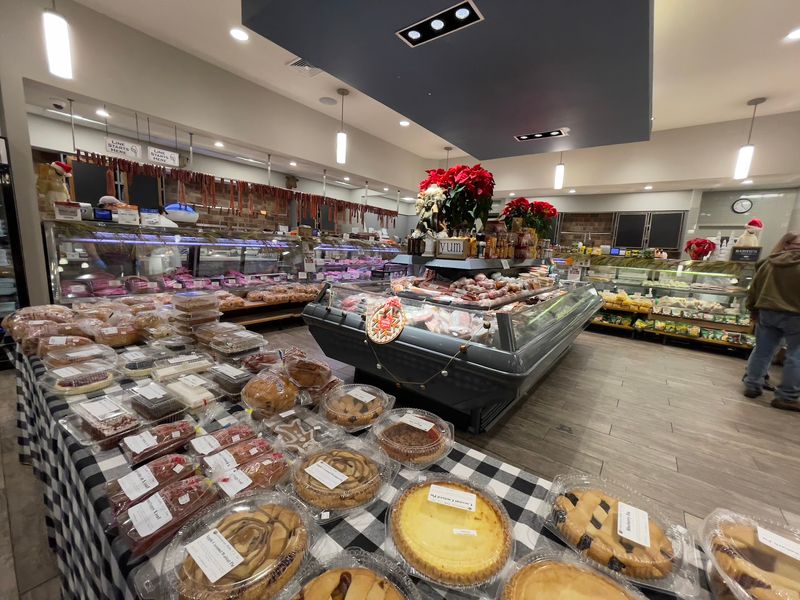
The shopping list can continue beyond the service counters. Baked goods and specialty grocery items add another layer to the market, making it possible to pick up more than the central part of a meal.
The supplied accounts also identify German specialty offerings within the store. That is a specific point of interest, although the information does not establish a complete inventory or guarantee that any particular product is always available.
A short browse can reveal which of these additions fits the meal already planned. It is worth checking package information and prices rather than treating every specialty purchase as an automatic extra.
These departments give the business more range without changing its basic purpose. Lunch, dinner ingredients, prepared food, and grocery additions remain connected by the same useful idea: several household needs can be handled during one visit, provided the current selection matches the list.
A Welcoming Shopping Atmosphere
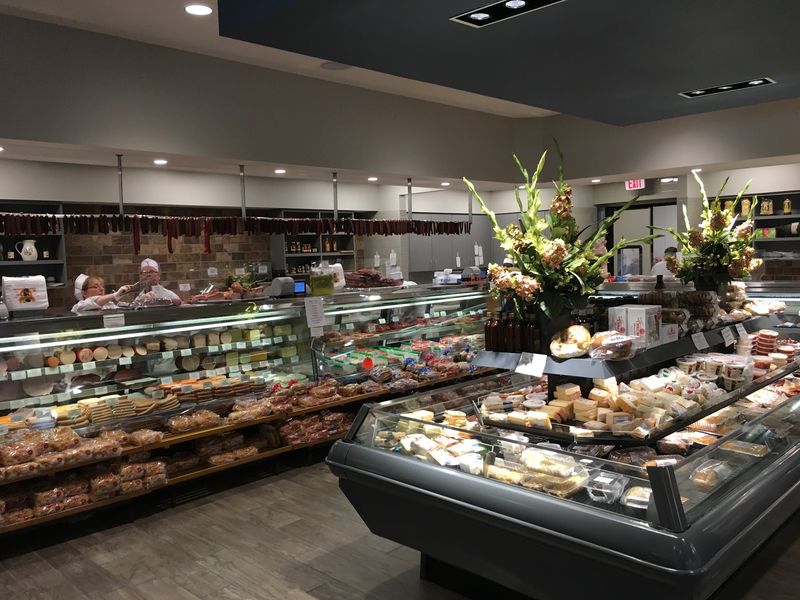
Help at the counter is part of the market’s appeal, not just an extra detail. Friendly, approachable staff and knowledgeable assistance are recurring themes in the supplied customer accounts.
The business is also described as clean, with employees available across its departments. Those observations support a welcoming shopping atmosphere, though they should not be stretched into a promise about every interaction or every moment of the day.
A first-time customer has a practical reason to ask questions here. Department staff can clarify the day’s choices, explain an order, or help distinguish a prepared purchase from something that still needs cooking.
There are less positive accounts of service as well, so expectations should remain reasonable. The best approach is direct and specific: explain what is needed, confirm the answer, and speak up about any uncertainty before leaving with a purchase that does not match the plan.
Useful Questions for Dietary Needs
Dietary needs deserve a conversation before an order is finalized. The supplied information includes a positive account of accommodation in the meat and seafood departments for a household managing food allergies.
That experience is encouraging, but it does not establish a formal allergy policy or guarantee that any purchase is suitable for every person. Ingredients, handling practices, and individual needs still require direct discussion with the store.
Prepared foods call for particular care because the full contents may not be obvious from a short name. One documented labeling mistake reinforces the value of confirming ingredients rather than guessing what a package contains.
Ask clear questions and make the requirement explicit at the relevant counter. When staff cannot confirm something essential, choose another option rather than relying on a general impression of helpfulness.
Convenience matters, but a meal only works when it meets the household’s actual needs.
Costs Worth Checking Before Buying
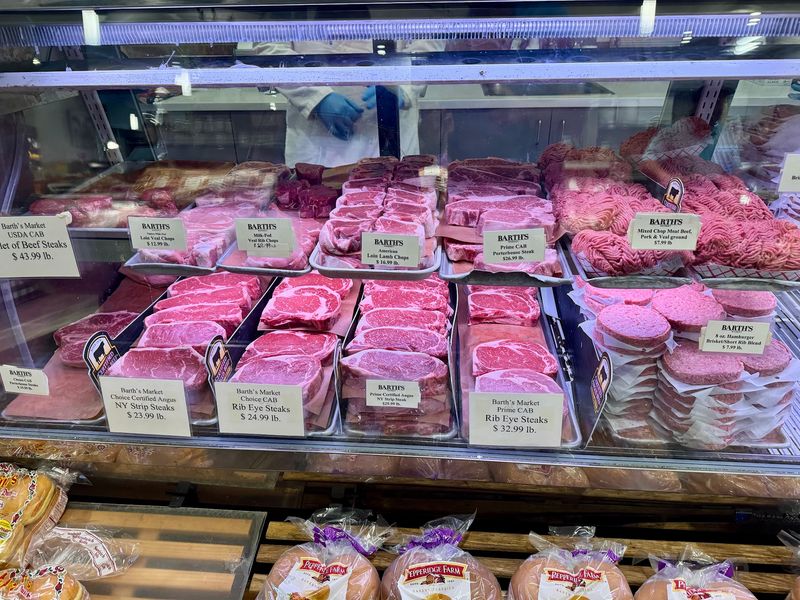
The budget deserves attention alongside the shopping list. The supplied accounts vary on cost: some describe reasonable value, while others find purchases expensive or disappointing for the amount spent.
No current price list is included, so exact lunch totals or dinner budgets cannot be stated responsibly. Check the price of each intended purchase, including its quantity, before deciding how much to bring home.
A useful first visit can be modest rather than comprehensive. Choose lunch or one dinner component, then decide later which departments are worth adding to a regular routine.
Value here depends on more than the size of the receipt. Selection, counter assistance, and reduced preparation work may matter to a household, but they do not erase cost concerns.
Keep the decision grounded in what the purchase actually provides, and leave room to pass on an option that exceeds the day’s budget.
Hours That Shape the Visit
The posted schedule makes a daytime stop the sensible plan. The supplied operating hours are 8 AM to 6 PM Monday through Friday and 8 AM to 5 PM on Saturday and Sunday.
Lunch fits within those hours, as does a daytime errand for the evening meal. The earlier weekend closing time is worth remembering when a shopping trip is being fitted around other commitments.
No separate deli schedule, holiday hours, or department cutoff times are provided. For an important order or a visit near closing, confirm the relevant details directly rather than assuming every service remains available until the final minute.
The market’s website is barthsmarket.com, which provides a direct place to start checking business information. A simple timing check can prevent an unnecessary trip, especially when the visit depends on a particular prepared item rather than whatever happens to be available during ordinary shopping hours.
Arrival and Order Planning
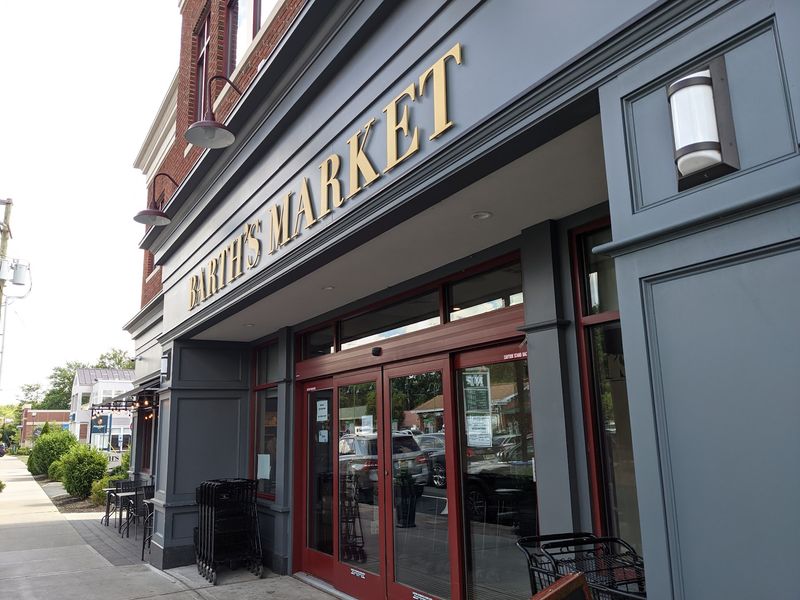
A smooth trip begins with the destination itself, not guesses about the surroundings. Use the street address given earlier for navigation, and check the route that fits the starting point.
The supplied information does not describe parking arrangements, public transportation connections, or step-free access. Anyone who needs those details should confirm them before traveling rather than relying on assumptions about a neighborhood market.
Advance orders need their own check as well. A supplied account describes an online holiday order with an item unavailable at pickup, so confirmation of timing and contents is especially useful for an important meal.
Ask whether the order is accepted, what it includes, and when it will be ready. That brief exchange is more valuable than a general promise of convenience.
The goal is to arrive with the practical questions settled and leave with the food that the occasion actually requires.
A Practical Stop With Staying Power
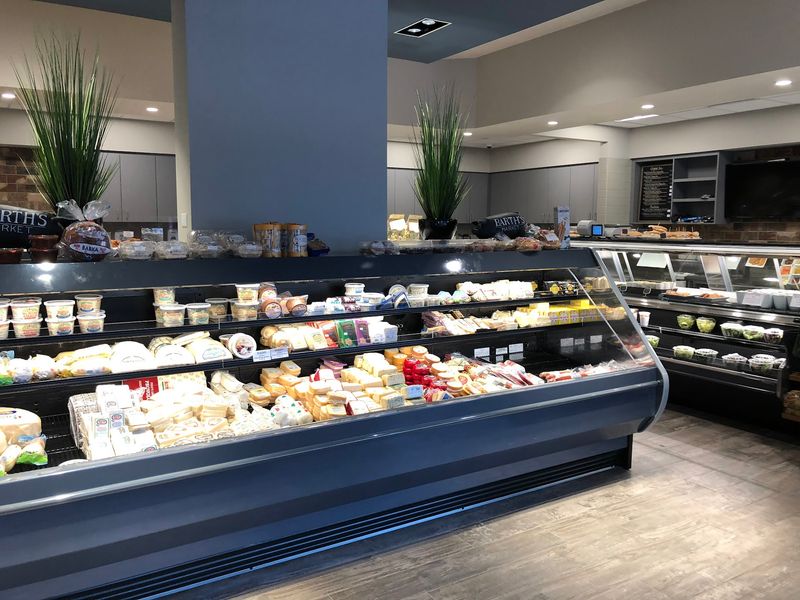
The strongest reason to stop is also the simplest: two meal decisions can be handled in one place. Lunch options bring an immediate purpose, while the market departments offer several ways to prepare for dinner.
Nearby residents may find that combination useful for routine errands. A short-hop day trip makes more sense when the plan includes taking food home, not merely assuming the business provides a full restaurant outing.
The available information supports a longstanding market with broad selection and helpful counter assistance, but not flawless purchases or uniformly low costs. A measured first visit leaves room to learn which parts of the business fit a household best.
Come with one meal in mind and a few practical questions ready. The lasting appeal is not a grand promise; it is the chance to finish lunch plans and make the next dinner a little easier before the same errand ends.
Share this story